
The Influence of Mughal Art on Indian Aesthetics: A Cultural Synthesis

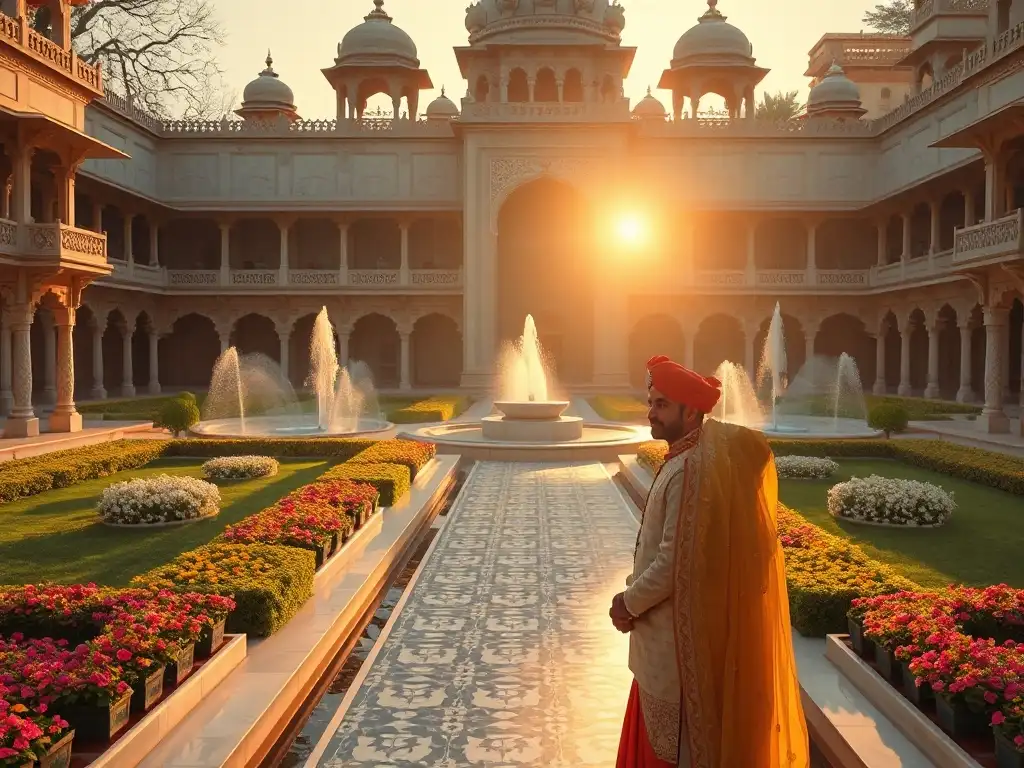
Welcome to Ancient India History, where we embark on a captivating journey through the rich tapestry of India's past! In this exploration, we delve into the profound influence of Mughal art on Indian aesthetics, uncovering how this cultural synthesis has shaped the artistic landscape of the subcontinent. From the intricate designs of the Taj Mahal to the vibrant miniatures that tell stories of yore, the Mughal era left an indelible mark on Indian culture. Are you ready to discover the enchanting interplay between history and artistry? Let's dive deeper into this fascinating narrative!
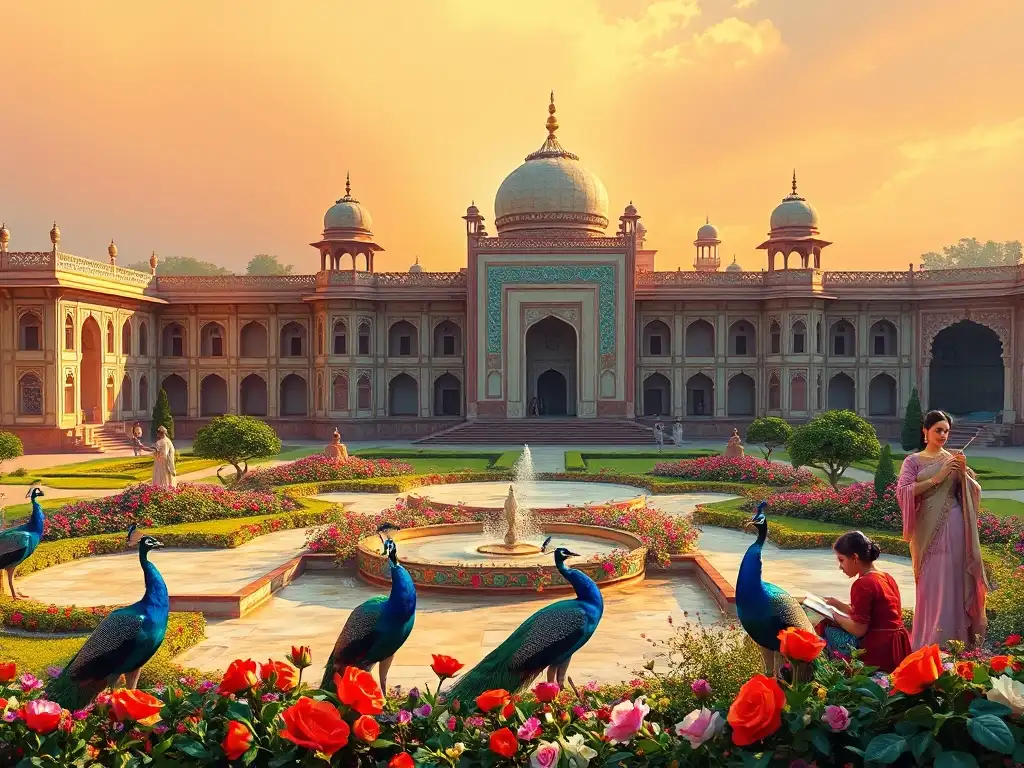
Introduction to Mughal Art Influence on India
The Mughal Empire, which thrived in the Indian subcontinent from the early 16th to the 19th century, left an indelible mark on Indian art and culture. The influence of Mughal art on India is a testament to the rich cultural synthesis that occurred during this period, merging indigenous traditions with Persian aesthetics.
This article explores how Mughal art not only enriched the visual landscape of India but also fostered a unique identity that continues to resonate in contemporary art forms. By examining the defining characteristics of Mughal art and its historical context, we will uncover the layers of influence that have shaped Indian aesthetics.
Definition of Mughal Art
Mughal art is characterized by its intricate detailing, vibrant colors, and the harmonious blending of various artistic traditions. It encompasses a wide range of artistic expressions, including architecture, painting, and decorative arts, all of which were heavily influenced by Persian styles yet adapted to Indian contexts. This art form is not merely a style but a cultural expression that reflects the ethos of the Mughal court and its patrons.
Historical Context of the Mughal Era
The Mughal Empire was established by Babur in 1526 and reached its zenith under emperors like Akbar, Jahangir, and Shah Jahan. This era was marked by political stability and economic prosperity, which fostered a flourishing of the arts. The Mughal emperors were known for their patronage of artists and craftsmen, leading to an unprecedented exchange of ideas and techniques. Key historical events, such as Akbar's policy of religious tolerance and cultural pluralism, played a significant role in shaping the artistic landscape of the time.
Overview of Indian Aesthetics Pre-Mughal Influence
Before the rise of the Mughal Empire, Indian art was characterized by its regional diversity and rich traditions. From the intricate carvings of ancient temples to the vibrant frescoes of Ajanta and Ellora, the aesthetic sensibilities were deeply rooted in spiritual and cultural narratives. The arrival of the Mughals introduced new themes and techniques that would eventually merge with these existing traditions, creating a dynamic interplay of styles that defined later Indian aesthetics.
Key Characteristics of Mughal Art
Architectural Innovations and Their Impact
Mughal architecture is one of the most significant contributions of this era, marked by its grand structures and innovative designs. Notable examples include the Taj Mahal, Red Fort, and Fatehpur Sikri, which showcase the fusion of Persian, Indian, and Islamic architectural elements. The use of symmetrical layouts, intricate inlay work, and expansive gardens not only transformed the physical landscape but also influenced subsequent architectural styles across India.
Artistic Techniques and Styles in Mughal Painting
Mughal painting is distinguished by its meticulous attention to detail and vibrant color palette. Artists employed techniques such as watercolor and gold leaf embellishment, which added depth and richness to their works. The themes often depicted court life, historical events, and nature, providing insight into the social and political milieu of the time. This artistic style laid the groundwork for various regional art forms, including Rajput and Pahari painting.
Mughal Miniatures: A Blend of Cultures
Mughal miniatures are a hallmark of this artistic tradition, showcasing the intricacy and skill of Mughal artists. These small-scale paintings often illustrate scenes from literature, mythology, and daily life, reflecting a synthesis of Persian and Indian influences. The use of vivid colors, elaborate backgrounds, and lifelike figures not only captivated audiences but also influenced a plethora of artistic movements across India, establishing a legacy that endures to this day.
As we delve deeper into the nuanced aspects of Mughal art, we will continue to uncover its profound impact on Indian aesthetics, illustrating how this cultural synthesis remains a vital part of India's artistic heritage.
Cultural Synthesis: Mughal Art and Indian Aesthetics
The Mughal Empire, which thrived in India from the early 16th to the 19th centuries, brought about a significant cultural synthesis that profoundly influenced Indian aesthetics. This era marked the confluence of Persian artistic traditions with indigenous Indian styles, resulting in a unique artistic expression that still resonates in contemporary Indian art forms.
Mughal art is characterized by its intricate patterns, vibrant colors, and detailed naturalistic representations, which merged seamlessly with the regional aesthetics of India. This synthesis not only enriched the visual landscape of the subcontinent but also fostered a broader cultural dialogue that shaped various art forms, from architecture to textiles.
The influence of Mughal art extended beyond mere aesthetics; it played a pivotal role in shaping social and cultural norms within Indian society. The patronage of Mughal emperors like Akbar and Shah Jahan led to the establishment of workshops that employed skilled artisans from diverse backgrounds, promoting a spirit of collaboration and innovation. This dynamic interchange fostered an environment where traditional Indian motifs and themes were reinterpreted through the lens of Mughal artistry, creating a rich tapestry of cultural heritage that continues to inspire artists today.
The Fusion of Persian and Indian Artistic Traditions
At the heart of Mughal art is the fusion of Persian artistic traditions with Indian aesthetics, a blend that created a distinctive visual language. Persian painting, characterized by its emphasis on detail, vivid colors, and elaborate floral motifs, found a new home in the Indian subcontinent. Mughal artists adopted these techniques and integrated them with indigenous styles, resulting in a hybrid art form that celebrated both cultures.
One of the most notable examples of this fusion is seen in the miniature paintings of the Mughal period. These paintings often depicted scenes from court life, battles, and nature, showcasing the intricate detailing and rich colors typical of Persian art while also incorporating Indian themes and narratives. The use of vibrant pigments, such as lapis lazuli and gold leaf, further enhanced the visual appeal, making these artworks a testament to the artistic collaboration between Persian and Indian traditions.
Additionally, architectural elements such as domes, arches, and intricate inlays reflect this synthesis. Structures like the Taj Mahal exemplify how Mughal architecture harmoniously combines Persian principles with Indian motifs, using local materials and craftsmanship to create iconic landmarks that are cherished worldwide.
Influence on Indian Decorative Arts
Mughal art profoundly influenced various forms of Indian decorative arts, including textiles, ceramics, and metalwork. The techniques and styles developed during this period transformed how these crafts were practiced, leading to the emergence of new patterns and designs that became hallmarks of Indian decorative art.
In textiles, for instance, the Mughal era saw the rise of elaborate embroidered fabrics featuring intricate motifs inspired by nature, geometry, and Persian designs. This period also witnessed the flourishing of block printing and dyeing techniques, which were enriched by Mughal aesthetics. The introduction of luxurious fabrics like silk and brocade, often adorned with gold and silver threads, became synonymous with Mughal patronage.
Ceramics also experienced a renaissance during the Mughal period, particularly with the introduction of blue and white porcelain, influenced by Chinese pottery. Mughal potters skillfully blended these styles with traditional Indian designs, resulting in unique ceramic pieces that showcased intricate floral and geometric patterns. This fusion not only elevated the status of Indian decorative arts but also laid the foundation for future artistic innovations.
Contributions to Sculpture and Craftsmanship
The Mughal influence extended into sculpture and craftsmanship, leading to the development of highly refined techniques and styles. Mughal sculptors were known for their ability to create intricate relief carvings and statues that reflected both religious and secular themes. The use of marble and other stones allowed for a level of detail and polish that was previously unseen in Indian sculpture.
One significant contribution was the creation of ornamental jali work—intricate lattice screens that adorned many Mughal buildings. These screens exemplify the Mughal mastery of stone craftsmanship, combining functionality with artistic beauty. They served not only as architectural features but also as symbols of the synthesis between art and culture, allowing for natural light to enter while providing privacy.
Metalwork also flourished under Mughal patronage, with artisans producing exquisite pieces that showcased detailed engravings and inlays. The use of precious metals such as gold and silver became more prevalent, and the designs often featured motifs that drew from both Islamic and Indian traditions, resulting in stunning works of art that were both decorative and functional.
Regional Variations in Mughal Art Influence
As Mughal art spread across the Indian subcontinent, it adapted and evolved in response to regional cultures and traditions. This led to distinct variations in artistic expression, reflecting the diverse heritage of India. Each region embraced the Mughal aesthetic in unique ways, resulting in a rich tapestry of art forms that showcased local influences while maintaining the core elements of Mughal artistry.
Mughal Influence in Northern India
In Northern India, particularly in states like Rajasthan and Punjab, Mughal art found fertile ground and flourished. The Rajput rulers, who were contemporaries of the Mughal emperors, adopted and adapted Mughal artistic styles to create their own distinctive interpretations. Rajput paintings, characterized by their vibrant colors and dynamic compositions, often depicted scenes from Hindu mythology and local folklore, infused with Mughal techniques.
Architecture in Northern India also bore the imprint of Mughal influence, seen in the palaces and forts that featured Mughal-style domes, arches, and intricate carvings. The fusion of Rajput and Mughal styles led to the creation of hybrid structures that showcased the artistic diversity of the region, such as the City Palace in Udaipur and the Amer Fort in Jaipur.
Southern Indian Adaptations of Mughal Aesthetics
In Southern India, the influence of Mughal art manifested through a unique blend of local traditions and Mughal styles. The Deccan Sultanates, in particular, embraced Mughal aesthetics, integrating them into their own artistic expressions. The use of rich colors, elaborate floral motifs, and intricate inlays became prevalent in the region's architecture and decorative arts.
The famous Gol Gumbaz in Bijapur exemplifies this synthesis, showcasing a grand dome that reflects Mughal architectural principles while incorporating elements of local craftsmanship. Additionally, the textiles produced in South India, such as the intricate Kanchipuram silks, began to incorporate Mughal designs, resulting in a rich tradition of textile art that continues to thrive.
East and West: Unique Interpretations of Mughal Art
The influence of Mughal art also extended to the eastern and western regions of India, each offering unique interpretations of the Mughal aesthetic. In eastern India, particularly Bengal, artists adopted Mughal techniques in painting and textile production, leading to the creation of distinctive styles that blended Mughal and local influences. The vibrant patachitra paintings and the intricate muslin textiles of Bengal are prime examples of this artistic dialogue.
In contrast, western India, particularly Gujarat and Maharashtra, saw the emergence of a unique blend of Mughal and local styles in architecture and decorative arts. The intricate carvings of the Sun Temple in Modhera and the vibrant textiles of Gujarat reflect this synthesis, showcasing how Mughal art inspired regional artists to innovate while preserving their cultural heritage.
Overall, the regional variations in Mughal art influence highlight the adaptability and resilience of Indian artistic traditions, demonstrating how cultural exchanges can lead to the creation of rich and diverse artistic legacies.
Long-term Impact of Mughal Art on Indian Culture
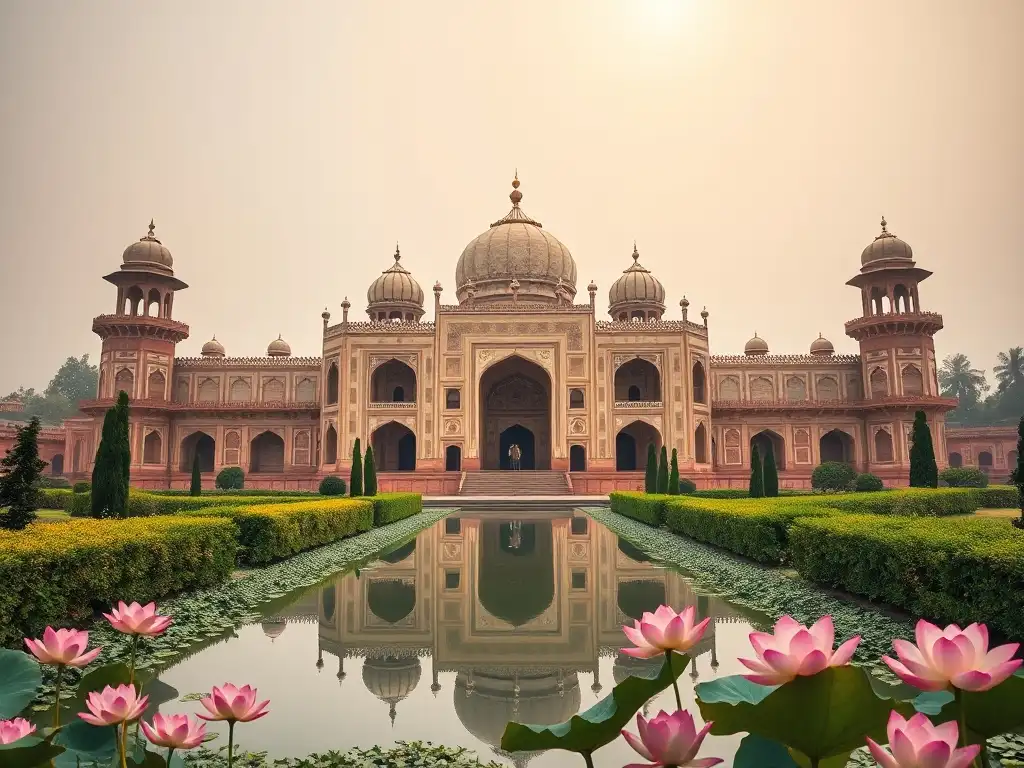
The Mughal Empire, which flourished from the early 16th to the 19th century, had a profound and lasting influence on various aspects of Indian culture. One of the most significant impacts was the integration of Persian art forms with indigenous Indian styles, leading to a unique synthesis that enriched the artistic landscape of the subcontinent. This cultural amalgamation manifested in painting, textiles, ceramics, and architecture, which still resonate in contemporary Indian aesthetics.
The introduction of intricate patterns, vibrant colors, and detailed natural motifs, typical of Mughal art, permeated local art forms. This cross-pollination not only elevated the standards of craftsmanship but also encouraged a spirit of innovation among artists. The use of frescoes, miniatures, and the emphasis on realism in representation are hallmarks of this era, and their influence is visible in various regional styles that emerged post-Mughal.
Moreover, the Mughal emphasis on courtly patronage established a tradition of art commissions that encouraged artists from diverse backgrounds to collaborate. This created a rich tapestry of artistic expression that has continued to evolve, demonstrating the enduring legacy of Mughal art in shaping Indian cultural identity.
Mughal Art Influence on Contemporary Indian Art Forms
Contemporary Indian art forms show the indelible mark of Mughal aesthetics, evident in various mediums such as painting, sculpture, and textiles. Modern artists often draw inspiration from Mughal themes, employing techniques reminiscent of the Mughal era while infusing them with contemporary ideas. For instance, the revival of miniature painting has gained momentum, with artists creating works that reflect both historical narratives and current social issues.
Textile art, particularly in regions like Rajasthan and Gujarat, showcases Mughal designs, such as intricate floral patterns and vibrant color schemes, reinterpreted through modern sensibilities. The influence of Mughal motifs is also evident in contemporary fashion, where designers often incorporate traditional embroidery styles, such as zardozi and gota patti, into their collections, merging historical craftsmanship with modern design.
Moreover, contemporary installations and public art projects increasingly reference Mughal aesthetics, creating dialogues between past and present. This revival and reinterpretation signify a recognition of the Mughal art's relevance and its ability to resonate with modern audiences, thus ensuring its place within India's evolving artistic narrative.
The Legacy of Mughal Architecture in Modern India
Mughal architecture, characterized by grand structures and intricate detailing, continues to influence the architectural landscape of modern India. Iconic monuments such as the Taj Mahal, Agra Fort, and Humayun's Tomb not only symbolize India's rich history but also inspire contemporary architects to integrate Mughal elements into their designs.
Modern buildings often incorporate features such as large domes, intricate jali work (lattice screens), and expansive gardens that echo Mughal principles of symmetry and balance. This revival is particularly evident in civic projects, religious structures, and luxury hotels, where architects seek to create a sense of grandeur reminiscent of the Mughal period.
Additionally, the principles of sustainability and harmony with nature found in Mughal landscaping have influenced contemporary urban planning and architecture. The Mughal practice of creating gardens as an integral part of architectural design underscores a broader appreciation for green spaces in urban development today.
Preservation of Mughal Aesthetics in Indian Crafts
The preservation of Mughal aesthetics in Indian crafts is a testament to the enduring influence of this artistic heritage. Traditional crafts such as inlay work, pottery, and textiles continue to embody Mughal designs, ensuring that these techniques and motifs are passed down through generations.
Artisans in regions like Agra and Jaipur maintain the craftsmanship associated with Mughal art, producing intricate inlay work in marble and vibrant textiles that bear the hallmark of Mughal inspiration. This not only preserves traditional skills but also supports local economies by promoting handcrafted products in both domestic and international markets.
Moreover, various initiatives and workshops are dedicated to reviving and sustaining these crafts, fostering an appreciation for Mughal art among new generations. Educational programs that focus on traditional techniques are essential for ensuring that the skills and aesthetic sensibilities of Mughal art are preserved and adapted to contemporary contexts.
Conclusion: The Enduring Legacy of Mughal Art in Indian Aesthetics
The enduring legacy of Mughal art in Indian aesthetics is a reflection of its deep-rooted influence on the cultural fabric of the subcontinent. From its historical achievements in painting and architecture to its modern manifestations in contemporary art and crafts, Mughal art continues to shape the way Indian identity is expressed.
The synthesis of Persian and Indian styles during the Mughal era has led to a rich artistic tradition that remains relevant today. This cultural heritage not only informs artistic practices but also continues to inspire cross-cultural exchanges that enrich the global art narrative.
Summary of Key Points on Mughal Art Influence on India
- Cultural Synthesis: Mughal art marked a significant fusion of Persian and Indian artistic traditions, enriching the cultural landscape.
- Contemporary Resonance: Modern artists draw heavily from Mughal aesthetics, reviving traditional techniques in innovative ways.
- Architectural Influence: Mughal architecture inspires contemporary designs, emphasizing grandeur and harmony with nature.
- Craft Preservation: Traditional crafts rooted in Mughal aesthetics are preserved through artisanship and educational initiatives.
Future Directions for Research on Mughal Influence in Indian Art
Future research on the influence of Mughal art in Indian aesthetics could explore several avenues:
- Interdisciplinary Studies: Investigating the intersections between Mughal art and other art forms, including literature, music, and dance, to understand its broader cultural implications.
- Regional Variations: Analyzing how different regions of India have adapted and transformed Mughal aesthetics to create unique local interpretations.
- Digital Preservation: Examining the role of technology in preserving and promoting Mughal art and crafts, including the use of virtual galleries and online education.
- Global Perspectives: Exploring how Mughal art has influenced international art movements and practices, fostering a global appreciation for its aesthetic values.
This ongoing exploration will not only enhance our understanding of Mughal art's impact but also contribute to the dynamic discourse surrounding Indian art forms in the contemporary world.
References and Suggested Further Reading on Mughal Art and Indian Aesthetics
The study of Mughal art and its influence on Indian aesthetics is a rich and multifaceted subject. Below is a collection of references and suggested readings that can provide deeper insights into this cultural synthesis. These works encompass historical texts, scholarly articles, and critical analyses, which together illuminate the nuances of Mughal art and its lasting impact on Indian artistic traditions.
Books
-
"Mughal Architecture: The Art of Empire" by Ebba Koch
This book delves into the architectural innovations during the Mughal era, offering insights into how these structures reflect the synthesis of diverse cultural influences.
-
"The Mughal Empire" by John F. Richards
Richards provides a comprehensive overview of the Mughal Empire's history, including the artistic and cultural developments that define its legacy.
-
"Mughal Art and Imperial Ideology: Representation and Rule in Early Modern India" by Jennifer L. S. L. Evans
This work explores the interplay between Mughal art and the political ideologies of the time, highlighting how art was used to convey power and authority.
-
"The Arts of India: 1500-1900" by Susan Stronge
A detailed examination of the artistic achievements in India during a significant period, including the Mughal influence on various art forms.
Articles and Journals
-
"Cultural Syncretism in Mughal Art"
This article examines how Mughal art embodies the fusion of Persian, Indian, and Islamic artistic traditions, illustrating the broader implications for Indian aesthetics.
-
"The Influence of Mughal Miniature Painting on Indian Art"
A scholarly article that tracks the evolution and impact of Mughal miniature painting techniques on subsequent Indian art forms.
-
"Mughal Gardens and the Aesthetics of Paradise"
This article discusses the design and symbolism of Mughal gardens, exploring their influence on landscape aesthetics in India.
Online Resources
-
The British Library's Digital Collection
A treasure trove of Mughal manuscripts, paintings, and artifacts, providing visual context and historical background.
-
National Museum, New Delhi: Mughal Art Gallery
An online exhibit showcasing significant Mughal artworks and their cultural importance, perfect for visual learners.
Conclusion
These references serve not only as foundational texts for understanding Mughal art but also as gateways to further exploration of its lasting influence on Indian aesthetics. Engaging with these materials will enrich one's appreciation of the intricate tapestry of cultural synthesis that characterizes India's artistic heritage.
- Introduction to Mughal Art Influence on India
- Key Characteristics of Mughal Art
- Cultural Synthesis: Mughal Art and Indian Aesthetics
- Regional Variations in Mughal Art Influence
- Long-term Impact of Mughal Art on Indian Culture
- Conclusion: The Enduring Legacy of Mughal Art in Indian Aesthetics
- References and Suggested Further Reading on Mughal Art and Indian Aesthetics
- Conclusion
Frequently Asked Questions
What is Mughal art?
Mughal art is a unique blend of Persian, Indian, and Islamic styles that flourished during the Mughal Empire. It is characterized by intricate designs, vibrant colors, and detailed miniatures.
How did Mughal art influence Indian aesthetics?
Mughal art significantly shaped Indian aesthetics through its architectural styles, use of gardens, and decorative arts. This influence can be seen in the fusion of cultural elements in later Indian art forms.
What are some key features of Mughal architecture?
Mughal architecture is known for its symmetry, grand scale, and elaborate ornamentation. Notable features include domes, minarets, and expansive courtyards, exemplified by structures like the Taj Mahal.
Who were the prominent Mughal artists?
Prominent Mughal artists include Ustad Ahmad Lahori, the chief architect of the Taj Mahal, and Bichitr, famous for his miniatures. They played a crucial role in establishing the standards of Mughal art.
How does Mughal art continue to impact modern Indian culture?
Mughal art continues to influence modern Indian culture in various forms, including fashion, design, and art. Its rich heritage and techniques are still celebrated and incorporated into contemporary practices.
Final Reflection: The Enduring Legacy of Mughal Art in Indian Aesthetics
The influence of Mughal art on India remains a vibrant thread woven into the fabric of contemporary culture. As we explore the intricate designs, rich colors, and profound symbolism of Mughal artistry, we recognize that these elements continue to shape not only artistic expression but also our collective identity. The legacy of this cultural synthesis is not merely a relic of the past; it is a living, breathing force that informs modern Indian aesthetics and resonates deeply within our society today.
Mughal art has transcended its historical context, influencing various aspects of Indian culture, from architecture to textiles and even contemporary visual arts. This ongoing dialogue between past and present highlights the importance of understanding and appreciating our cultural heritage. As the renowned art historian, E.H. Gombrich, once said, “There is no such thing as art, only artists.” This underscores the idea that the creators of Mughal art have left an indelible mark on the artistic landscape, inspiring countless generations to explore and innovate within their own cultural narratives.
As we reflect on the profound impact of Mughal art, I invite you to consider how this rich heritage can inspire your own creative endeavors. Embrace the lessons of synthesis and collaboration that Mughal art embodies, and let them guide you in your personal journey of artistic expression. Whether you are an artist, a historian, or simply an admirer of beauty, take a moment to appreciate the intricate connections between our past and present, and allow this appreciation to inform your future contributions to the world of art and culture.
Unveil Your Creativity Through Mughal Art!
Thank you for diving into the intricate world of Mughal art and its impact on Indian aesthetics. Your interest in this rich cultural synthesis is commendable, and you now have valuable insights into how these artistic traditions continue to influence contemporary creativity.
Now, let's put that inspiration into action! Here are a few steps you can take to immerse yourself further in this vibrant art form:
- Visit a local museum that features Mughal art or showcases Indian aesthetics. Take a moment to truly appreciate the details and stories behind the pieces you encounter.
- Create your own artwork inspired by Mughal aesthetics! Consider experimenting with intricate patterns or vibrant color palettes. Share your creation with friends or on social media to ignite conversations.
- Join a community or online group dedicated to Indian art, where you can exchange insights, ask questions, and connect with fellow enthusiasts who appreciate the beauty of this cultural heritage.
As you reflect on these possibilities, I invite you to consider this: How can the intricate designs and rich histories of Mughal art influence your personal or creative journey?