
The Fusion of Cultures: How Ancient India Influenced Art Across Borders

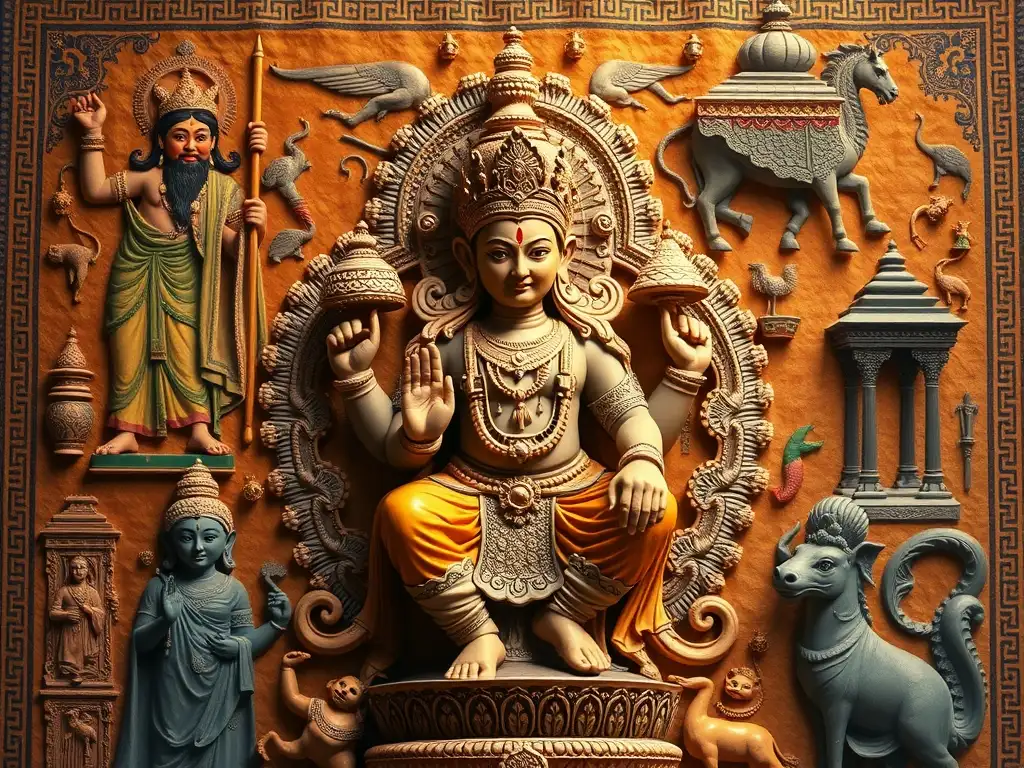
Welcome to Ancient India History, where we embark on a captivating journey through time, exploring the rich and diverse legacy of ancient Indian civilizations. In this article, we delve into the profound topic of Ancient India art influence, uncovering how the artistic expressions of the past transcended borders and inspired cultures far and wide. From the intricate carvings of the Indus Valley to the magnificent sculptures of the Gupta Empire, the impact of ancient Indian art is both remarkable and enduring.
Join us as we unravel these fascinating connections and discover the threads that unite us through art and creativity. Your adventure into the depths of history begins now!
Introduction to Ancient India Art Influence
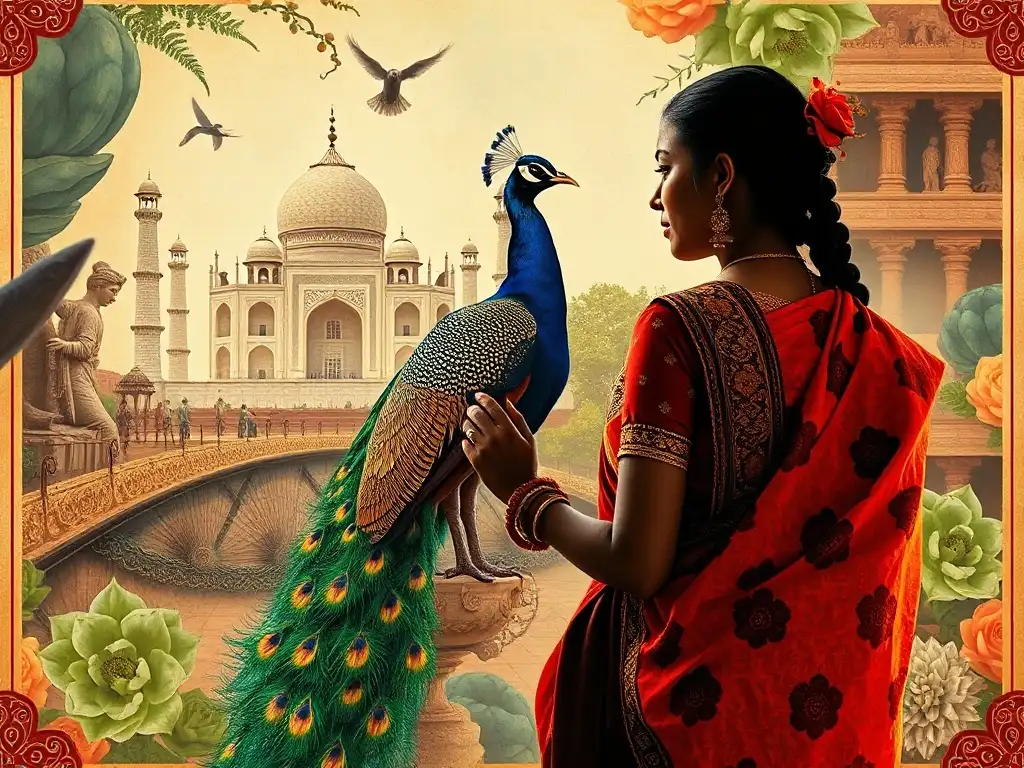
The rich tapestry of ancient Indian art serves as a testament to the intricate interplay of diverse cultures and influences that shaped its evolution. From the Indus Valley Civilization to the Gupta Empire, Indian art reflects a unique amalgamation of regional styles, techniques, and themes that not only flourished within its own borders but also resonated across various cultures and civilizations. This article delves into the profound ways in which ancient India influenced art beyond its geographical confines, shedding light on the enduring legacy of its artistic traditions and their significance in the global artistic landscape.
Overview of Ancient Indian Art Forms
Ancient Indian art encompasses a wide range of forms, each characterized by distinct styles, techniques, and cultural significance. Key forms include:
- Sculpture: Renowned for its intricate carvings and representations of deities, animals, and human figures, ancient Indian sculpture often reflects religious themes and societal values.
- Painting: From the frescoes of Ajanta to the intricate miniatures of later periods, painting in ancient India showcases vibrant colors and detailed storytelling.
- Architecture: Temples, stupas, and palaces serve as monumental expressions of ancient Indian architectural ingenuity, often adorned with elaborate ornamentation and symbolism.
- Textiles: The art of weaving and dyeing textiles in ancient India produced exquisite fabrics, often used in religious and ceremonial contexts.
The diversity of these art forms illustrates the vibrant cultural milieu of ancient India, influenced by trade, conquests, and spiritual exchanges.
Significance of Cultural Exchange in Art
Cultural exchange played a pivotal role in the development of ancient Indian art. Through trade routes and conquests, artists and craftsmen encountered new ideas, techniques, and materials, leading to a dynamic fusion of styles. Some notable aspects of this cultural exchange include:
- Trade Routes: The Silk Road and maritime routes facilitated the movement of artists and artisans, allowing for the cross-pollination of artistic ideas between India, Persia, and beyond.
- Religious Interactions: The spread of Buddhism and Hinduism influenced art forms in neighboring regions, resulting in a shared aesthetic that transcended boundaries.
- Colonization and Migration: Historical migrations and invasions brought different artistic traditions into contact with Indian practices, fostering innovation and diversity.
This cultural dialogue not only enriched Indian art but also left an indelible mark on civilizations far and wide.
Historical Context of Ancient Indian Art
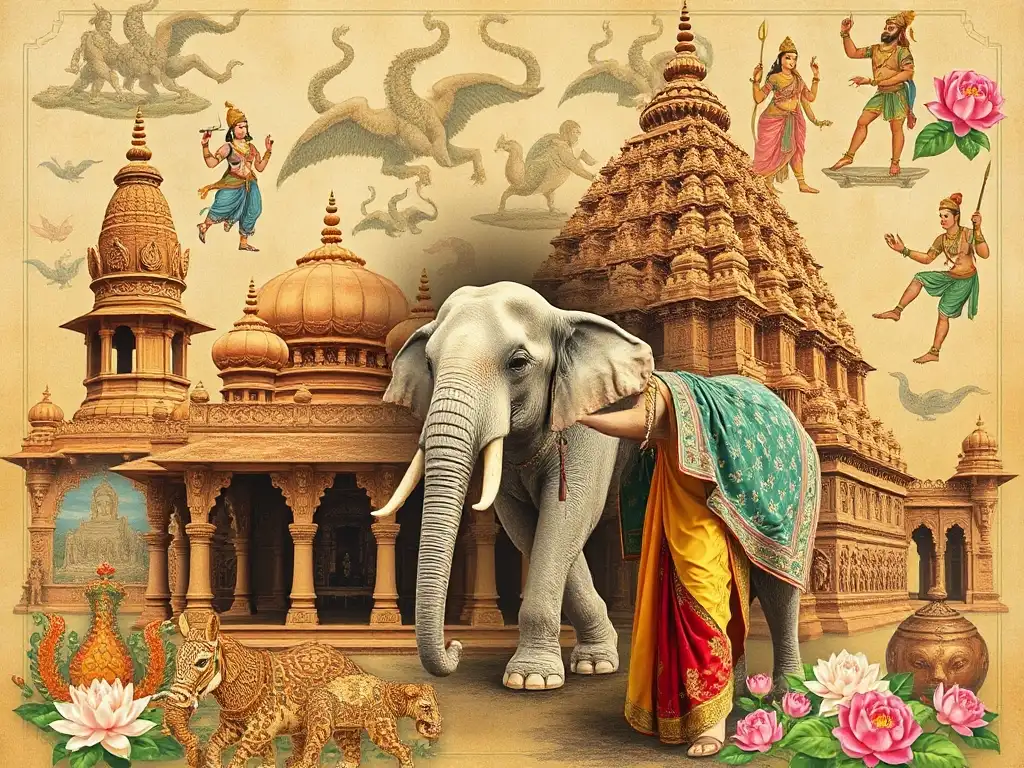
Understanding the historical context of ancient Indian art is essential for appreciating its significance and influence. Various factors contributed to its evolution, including social, political, and religious dynamics that shaped artistic expression.
The Evolution of Art in Ancient India
The evolution of art in ancient India can be traced through several key phases:
- Indus Valley Civilization (c. 2500–1900 BCE): Characterized by terracotta figurines and seals, this early phase laid the groundwork for subsequent artistic developments.
- Vedic Period (c. 1500–500 BCE): Marked by the emergence of symbolic art and architectural forms, influenced by religious texts and rituals.
- Mauryan Period (c. 322–185 BCE): Notable for the creation of monumental sculptures and the introduction of stone architecture, epitomized by the Ashoka Pillars.
- Gupta Period (c. 320–550 CE): Often referred to as the Golden Age of Indian art, this period saw the flourishing of sculpture, painting, and temple architecture, with an emphasis on spiritual themes.
Key Periods in Indian Art History
The history of ancient Indian art can be further segmented into key periods that reflect significant artistic achievements:
| Period | Key Features |
|---|---|
| Prehistoric | Rock art and early expressions of human creativity |
| Indus Valley | Terracotta figurines and seals |
| Mauryan | Monumental stone sculptures |
| Post-Mauryan | Influence of Hellenistic styles |
| Gupta | Iconic representations of deities and narratives |
| Medieval | Regional styles and temple architecture |
These periods not only highlight the artistic advancements of ancient India but also illustrate the numerous influences and exchanges that shaped its artistic legacy, paving the way for a rich and diverse artistic heritage that continues to inspire artists today.
Ancient India's Influence on Global Art
Ancient India's artistic influence has transcended geographic boundaries, shaping various forms of art around the world through cultural exchanges and interactions. The rich tapestry of Indian civilization, characterized by its diverse traditions, philosophies, and styles, has played a pivotal role in inspiring artists and craftsmen far beyond its borders. This influence is evident in various art forms, including sculpture, painting, architecture, and textiles, reflecting a blend of indigenous creativity and foreign elements.
The intricate designs and themes found in ancient Indian art often depict deep philosophical and spiritual concepts, resonating with cultures that sought to understand the human experience and the cosmos. From the grandeur of temple architecture to the delicate brushwork of miniature paintings, the legacy of ancient Indian art continues to inspire contemporary artists and cultural movements around the globe.
Trade Routes and Cultural Exchange
The establishment of trade routes during ancient times, such as the Silk Road and maritime pathways, facilitated extensive cultural exchange between India and its neighboring regions. These routes enabled not just the exchange of goods but also ideas, beliefs, and artistic techniques. Merchants, travelers, and pilgrims acted as conduits for cultural interaction, allowing for a fusion of artistic styles.
As Indian traders ventured into Southeast Asia, they introduced not only commodities like spices and textiles but also artistic motifs and religious iconography. Temples in places like Cambodia and Indonesia exhibit distinct Indian influences, showcasing the adoption of Hindu and Buddhist themes in their architecture and sculpture. The cultural blend fostered a unique artistic identity in these regions, where local styles coalesced with Indian traditions, leading to vibrant new expressions of art.
Ancient India’s Artistic Techniques and Styles
Ancient Indian artists employed various techniques and styles that significantly influenced global art. Notably, the use of vibrant colors, intricate patterns, and symbolic representation characterized Indian art. The techniques of fresco painting and the use of natural pigments were prevalent, allowing for the creation of visually striking works that conveyed complex narratives.
Sculptural techniques, particularly in stone and bronze, showcased a mastery of form and detail. The portrayal of deities and mythological figures in dynamic poses reflected a deep understanding of anatomy and movement. These artistic conventions not only enriched Indian art but also provided a foundation for other cultures to adopt and adapt these practices, leading to the emergence of hybrid styles.
Case Studies of Ancient India Art Influence
Influence on Southeast Asian Art Forms
The impact of ancient Indian art on Southeast Asia is perhaps most prominently seen in the architectural grandeur of temples such as Angkor Wat in Cambodia and Borobudur in Indonesia. These structures illustrate the adoption of Indian architectural principles, including the use of intricate carvings and the incorporation of Hindu and Buddhist iconography.
In addition to architecture, Indian influence can be seen in the region's textile arts, where traditional Indian motifs and dyeing techniques have been assimilated into local practices. The narrative styles of storytelling through dance and theater in Southeast Asia, such as the Ramayana performances, also highlight the enduring legacy of Indian epics and their artistic interpretations.
Impact on Middle Eastern Art
The influence of ancient India on Middle Eastern art is evident in various forms, including textiles, ceramics, and miniature painting. The intricate designs and patterns found in Indian textiles, particularly those featuring floral and geometric motifs, inspired Middle Eastern artisans, enriching their own artistic traditions.
Moreover, the trade interactions between India and the Middle East fostered a mutual exchange of ideas, resulting in the incorporation of Indian themes into Persian miniatures. The depiction of Indian flora and fauna in Persian art illustrates how ancient Indian aesthetics were embraced and adapted to local contexts. This cross-cultural dialogue underscores the profound and lasting impact of ancient Indian art beyond its geographical confines, shaping the artistic landscape of the Middle East.
Continuation of Ancient Indian Art Influence in Modern Times
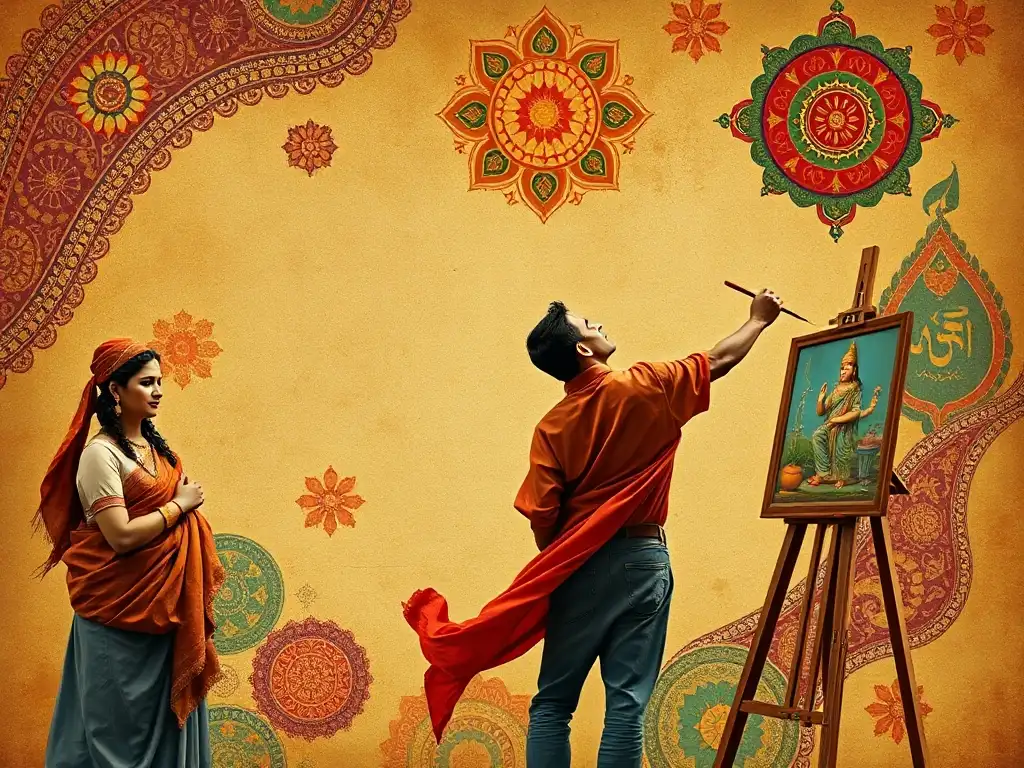
The influence of ancient Indian art continues to echo throughout the contemporary art landscape, demonstrating a remarkable resilience and adaptability. Artists today often draw inspiration from the rich visual language established by their predecessors, integrating traditional motifs, techniques, and philosophies into their work. This fusion creates a dialogue between the past and present, allowing for a unique exploration of identity and heritage.
For instance, artists like Subodh Gupta and Bharti Kher incorporate traditional Indian materials and themes into their installations, reflecting the complexities of modern Indian society while paying homage to ancient practices. Furthermore, the global art scene has seen an increased interest in Indian art forms, leading to collaborations that blend ancient aesthetics with modern concepts.
Revival of Ancient Techniques in Contemporary Art
The revival of ancient techniques in contemporary art is evident in various forms, from painting to sculpture and textile arts. Many artists are re-exploring traditional mediums such as Madhubani, Warli, and Pattachitra, which not only preserve these art forms but also innovate upon them.
- Madhubani Paintings: Artists are experimenting with this ancient style by introducing contemporary themes, thus making it relevant to today's audience.
- Warli Art: This tribal art form is being used in urban settings, often showcased in public spaces or modern interiors, emphasizing its versatility.
Moreover, workshops and educational programs aimed at teaching these techniques to younger generations play a crucial role in keeping these traditions alive. The resurgence of interest in handloom textiles and craft-based art forms further illustrates how ancient practices can be revitalized in a modern context.
The Global Recognition of Indian Art Influence
The global recognition of Indian art influence is becoming increasingly prominent, as international art fairs and exhibitions showcase Indian artists and their work. The blend of traditional and contemporary themes has drawn attention from global collectors and curators.
Significant events, such as the Venice Biennale and Art Basel, have featured Indian artists, highlighting their contributions to the global art narrative. Moreover, the digital age has facilitated a wider dissemination of Indian art, with online platforms allowing artists to reach audiences beyond geographical boundaries.
Collaborations between Indian artists and international institutions further promote this recognition, enabling the exchange of ideas and techniques. As a result, ancient Indian art influences are being acknowledged not only for their historical significance but also for their contemporary relevance.
Conclusion: The Lasting Legacy of Ancient India Art Influence
The legacy of ancient Indian art influence is a testament to the rich cultural tapestry that has shaped not just India but the world. This enduring legacy is reflected in the continuous evolution of art forms, as they adapt and thrive in a globalized context. The interplay of tradition and modernity enriches both the creators and the audience, fostering a deeper understanding of cultural intersections.
Summary of Key Influences Across Borders
Ancient Indian art has significantly influenced various cultures, transcending geographical and temporal boundaries. Key areas of influence include:
- Sculpture and Architecture: The intricate designs and motifs found in ancient Indian temples have inspired architectural styles in Southeast Asia, particularly in regions like Cambodia and Thailand.
- Textiles: The use of natural dyes and weaving techniques has influenced textile production in many countries, blending Indian craftsmanship with local traditions.
- Philosophy and Spirituality: The themes of spirituality and philosophy in Indian art resonate with various global movements, contributing to a broader understanding of human experience.
These influences underscore the interconnectedness of cultures and the shared heritage that continues to shape artistic expression across the globe.
The Importance of Preserving Ancient Indian Art Heritage
Preserving ancient Indian art heritage is crucial for maintaining cultural identity and fostering appreciation for the past. As globalization accelerates, the risk of losing traditional practices increases. Therefore, efforts to document and conserve these art forms are vital.
- Education and Awareness: Initiatives aimed at educating the younger generation about ancient techniques and their significance help foster a sense of pride and responsibility towards preservation.
- Support for Artisans: Providing platforms for artisans to showcase their work ensures that traditional crafts are not only preserved but also thrive in the modern market.
By prioritizing the preservation of ancient Indian art, society can ensure that these cultural treasures endure, continuing to inspire future generations and contributing to a richer, more diverse global art landscape.
References and Further Reading
The study of ancient Indian art and its influence on cultures around the world can be greatly enriched through various resources. Below, we provide a curated list of suggested books, articles, and online platforms that delve deeper into the subject.
Suggested Books and Articles on Ancient Indian Art
-
"The Art of Ancient India: Buddhist, Hindu, Jain" by Benjamin Rowland
This comprehensive book provides an extensive overview of the art forms developed during ancient India, including detailed analyses of sculptures, paintings, and architecture from various regions and time periods.
-
"Indian Art" by Partha Mitter
Mitter's work explores the evolution of Indian art from the earliest times to the modern period, focusing on cultural interactions and influences that shaped artistic expressions.
-
"The Hindu Temple: An Introduction to Its Meaning and Forms" by George Michell
This book offers insights into the architectural significance of Hindu temples, discussing their artistic and cultural meanings, and their role in society.
-
"Art and Architecture of Ancient India" by John C. Huntington and Dina Bangdel
This text examines the diverse artistic traditions of ancient India, highlighting the interplay between different cultures and artistic styles.
-
"The Influence of Indian Art on Southeast Asia" by A. L. Basham
This article reviews how ancient Indian art forms have permeated Southeast Asian cultures, detailing the historical connections and artistic exchanges.
Online Resources for Exploring Ancient Indian Art Forms
-
The British Museum's Collection Online
This resource offers a wide array of artifacts from ancient India, including detailed descriptions and high-resolution images that highlight the intricacies of ancient Indian art.
-
The Met's Heilbrunn Timeline of Art History
This online platform provides timelines and essays that explore the development of art in ancient India, including its influences on neighboring regions.
-
Google Arts & Culture
A rich digital platform that features exhibitions on Indian art, allowing users to explore artworks, artifacts, and cultural history through interactive media.
-
Ancient India: A Digital History
This website presents a wealth of information on ancient Indian history and art, including articles, images, and educational resources aimed at enhancing understanding of the subject.
-
The Indian Heritage Portal
An online resource that compiles information on various aspects of Indian heritage, including art forms, architecture, and cultural practices from ancient times.
These resources serve as excellent starting points for anyone looking to deepen their understanding of how ancient India influenced art across borders and the lasting legacy of its artistic traditions.
- Introduction to Ancient India Art Influence
- Overview of Ancient Indian Art Forms
- Significance of Cultural Exchange in Art
- Historical Context of Ancient Indian Art
- Ancient India's Influence on Global Art
- Case Studies of Ancient India Art Influence
- Continuation of Ancient Indian Art Influence in Modern Times
- Conclusion: The Lasting Legacy of Ancient India Art Influence
- References and Further Reading
- What is the main focus of the article "The Fusion of Cultures: How Ancient India Influenced Art Across Borders"?
- How did ancient Indian civilizations contribute to art?
- What are some examples of artistic influences from ancient India?
- How did trade routes affect ancient India's art influence?
- Why is understanding ancient India's art influence important today?
Frequently Asked Questions
What is the main focus of the article "The Fusion of Cultures: How Ancient India Influenced Art Across Borders"?
The article examines the cultural exchanges and artistic influences that ancient Indian civilizations, particularly from the Indus Valley to the Gupta Empire, had on neighboring regions and cultures.
How did ancient Indian civilizations contribute to art?
Ancient Indian civilizations contributed to artistic traditions through unique styles, techniques, and themes, which were often characterized by religious motifs and intricate craftsmanship that influenced artists globally.
What are some examples of artistic influences from ancient India?
The article highlights sculptural techniques, painting styles, and architectural elements from ancient India that were adopted by other cultures, notably in regions like Southeast Asia and parts of Central Asia.
How did trade routes affect ancient India's art influence?
Trade routes facilitated the exchange of ideas and artistic techniques, allowing ancient Indian art to blend with other cultures and leading to a fusion of styles that enriched the artistic landscape of various regions.
Why is understanding ancient India's art influence important today?
Understanding ancient India's art influence helps us appreciate the global interconnectedness of cultures and the enduring legacy of artistic innovation, which continues to inspire contemporary artists and scholars.
Final Reflection: The Enduring Legacy of Ancient India's Art Influence
The fusion of cultures is not merely a historical phenomenon; it is a living testament to the interconnectedness of humanity. The influence of ancient Indian art has transcended geographical boundaries and time, shaping artistic expressions across the globe.
Today, as we witness a resurgence of interest in cultural heritage and diversity, it becomes increasingly clear that understanding these influences is vital for fostering appreciation and respect among different societies. The intricate patterns, vibrant colors, and profound philosophies that originated in ancient India continue to inspire contemporary artists and thinkers alike, reminding us of the power of creativity to bridge divides.
The impact of ancient Indian art on global culture is profound and ongoing. From the intricate carvings of temples to the delicate brushstrokes of modern paintings, the essence of Indian artistry resonates in various forms worldwide. This cultural exchange has enriched the tapestry of global art, encouraging dialogue and collaboration among diverse communities.
As the renowned artist Anish Kapoor once said, "> Art is a way of seeing and understanding the world, and through it, we can connect with others beyond our immediate experience." This connection is a testament to the enduring legacy of ancient India, which continues to inspire and influence artists and audiences across borders.
As we reflect on the lessons from ancient India's artistic heritage, let us embrace the call to celebrate diversity and creativity in our own lives. Consider how you can incorporate the principles of cultural fusion and appreciation into your daily interactions and artistic endeavors. Whether through exploring different art forms, engaging with diverse communities, or simply being open to new perspectives, each of us has the power to contribute to a more interconnected and harmonious world. In doing so, we honor the rich legacy of ancient India and ensure that its influence continues to thrive for generations to come.
Unveil the Beauty of Cultural Fusion!
Thank you for exploring the rich tapestry of how ancient India has influenced art across borders! By delving into this topic, you’ve uncovered the profound connections that have shaped artistic expression throughout history. Now, let’s take these insights and translate them into action!
Here are a few practical steps you can take to further your exploration of this fascinating theme:
- Dive deeper into an art form inspired by ancient India. Visit a local museum or gallery and seek out exhibits that showcase the influence of Indian art on various cultures!
- Share your newfound knowledge with friends or on social media. Start a conversation about the impact of cross-cultural artistic exchanges and inspire others to appreciate this rich heritage!
- Join an online community focused on cultural history. Engage in discussions and exchange ideas with individuals who share your passion for the enduring legacy of ancient art!
How has the fusion of ancient Indian art inspired your own creativity or perspective on culture? We’d love to hear your thoughts!