
The Impact of Seasonal Changes on Daily Activities in the Indus Valley

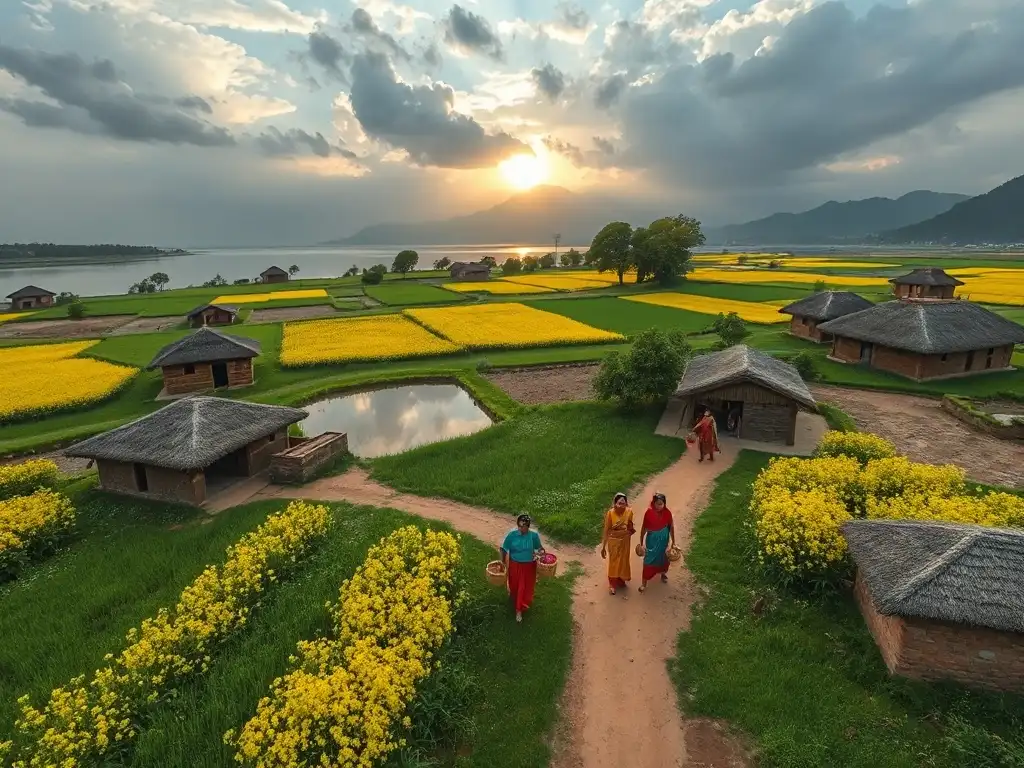
Welcome to Ancient India History, where we embark on a captivating journey through the vibrant tapestry of ancient Indian civilizations! Today, we invite you to delve into the intriguing world of the Indus Valley, uncovering how seasonal changes shaped the daily activities of its remarkable inhabitants. From agricultural practices to cultural rituals, the ebb and flow of nature played a vital role in their lives.
Prepare to be fascinated as you explore the profound impact of these seasonal cycles on one of the earliest urban societies in history. Stay with us as we unveil the secrets of the past and inspire your curiosity to learn more!
Introduction to Indus Valley Civilization
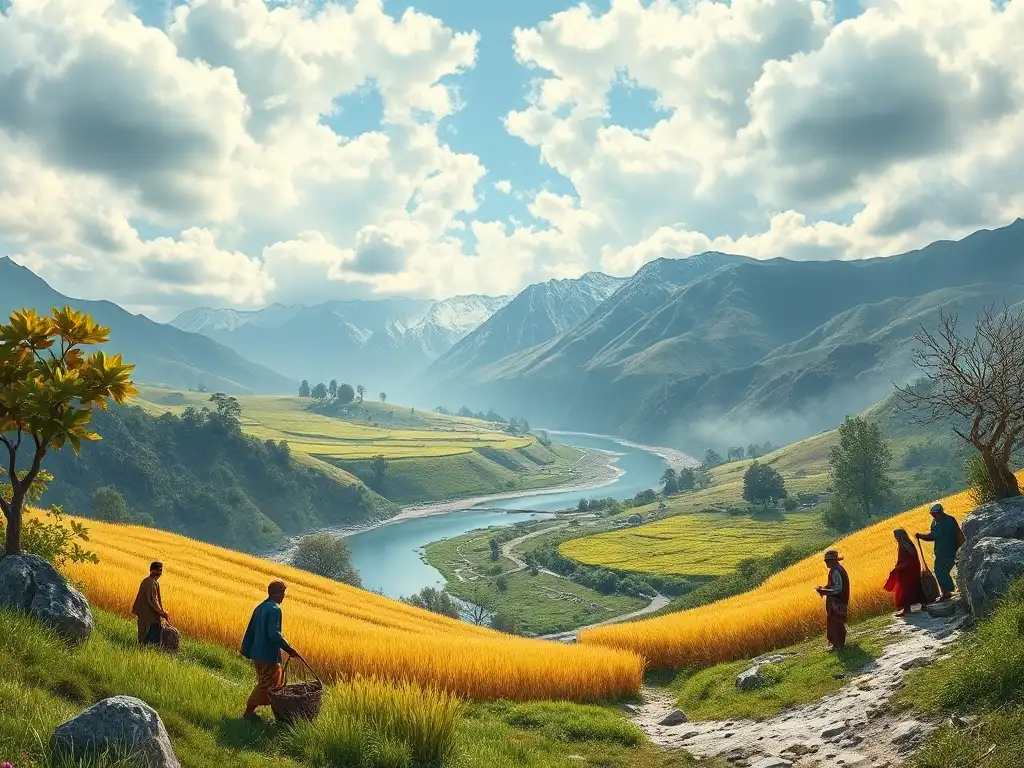
The Indus Valley Civilization (IVC), one of the world's earliest urban cultures, flourished between approximately 3300 BCE and 1300 BCE in the northwestern regions of South Asia. This civilization is renowned for its advanced urban planning, sophisticated drainage systems, and trade networks. However, beyond these remarkable achievements, the daily lives and activities of the people living in the Indus Valley were profoundly influenced by the seasonal changes of the region. Understanding how these seasonal variations impacted their agricultural practices, trade, and social interactions provides valuable insights into the resilience and adaptability of the IVC's inhabitants.
Overview of the Indus Valley Civilization
The IVC extended across present-day Pakistan and northwest India, characterized by major urban centers such as Harappa and Mohenjo-Daro. The civilization developed around the fertile floodplains of the Indus River, which provided essential resources for agriculture and sustenance. The society was marked by its organized layout, featuring well-planned streets, public baths, and granaries, indicating a high level of social organization and governance.
Key aspects of the Indus Valley Civilization include:
- Urban Planning: Cities were constructed with a grid-like pattern, showcasing advanced engineering skills.
- Trade Networks: The IVC engaged in extensive trade with neighboring regions, exchanging goods like beads, textiles, and agricultural products.
- Cultural Practices: Evidence of seals, pottery, and figurines suggests a rich cultural life with religious practices and artistic expression.
Significance of Seasonal Changes in Ancient Societies
Seasonal changes play a crucial role in shaping the daily lives of agricultural societies. In the context of the Indus Valley, the monsoon season, summer heat, and winter coolness dictated agricultural cycles, food availability, and social activities. Understanding these seasonal impacts is essential for grasping how the inhabitants of the IVC adapted their lifestyles, developed agricultural techniques, and managed resources effectively.
Factors influenced by seasonal changes included:
- Agricultural Practices: Crop planting, harvesting, and irrigation schedules were closely tied to seasonal patterns.
- Trade and Economy: Seasonal variations affected trade routes and the availability of goods, influencing economic stability.
- Social Activities: Festivals and community gatherings often coincided with agricultural milestones, reinforcing social cohesion.
Understanding the Seasons in the Indus Valley
To appreciate the impact of seasonal changes on daily activities in the Indus Valley, it is essential to examine the distinct seasons that characterized the region and their implications for the civilization's inhabitants.
Description of the Seasonal Cycle in the Indus Valley
The Indus Valley experienced a subtropical climate, which can be broadly divided into four main seasons:
- Winter (December to February): Characterized by cooler temperatures, this season was crucial for crop harvesting and livestock care.
- Spring (March to May): Marked by warming temperatures, it was a time for planting new crops and preparing fields.
- Monsoon (June to September): The arrival of the southwest monsoon brought heavy rainfall, essential for irrigation but also posing risks of flooding.
- Autumn (October to November): This season involved the gathering of crops and preparation for the upcoming winter months.
Climate Characteristics and Their Influence on Activities
The climate of the Indus Valley significantly influenced agricultural practices, trade, and daily life. For instance:
- Flooding Risks: The monsoon season, while beneficial for irrigation, could lead to unpredictable flooding, necessitating effective water management strategies.
- Crop Diversity: Different seasons allowed for the cultivation of various crops, including wheat, barley, and pulses, adapting to the climatic conditions.
- Community Resilience: Seasonal changes prompted communities to develop systems for food storage and trade, enhancing their ability to cope with food shortages during lean times.
The Indus Valley seasonal activities were intricately tied to the natural environment, shaping the civilization's agricultural practices, social structures, and overall way of life. Understanding these dynamics enhances our comprehension of the resilience and ingenuity of the Indus Valley people in adapting to their surroundings.
Indus Valley Seasonal Activities: An Overview
The Indus Valley Civilization, one of the world's earliest urban cultures, thrived between approximately 3300 BCE and 1300 BCE in what is now Pakistan and northwest India. The inhabitants of this civilization adapted their daily activities based on the seasonal changes that affected agriculture, trade, and social life. Understanding these seasonal activities provides insight into how the Indus Valley people harmonized their lives with the environment.
The region experienced distinct seasonal variations, including wet and dry seasons, each significantly influencing agricultural practices, craft production, and trade routes. The monsoon season was particularly vital, as it provided essential rainfall for crops, while the dry season dictated the methods of irrigation and crop maintenance. The balance of these seasonal changes shaped not only economic activities but also the social and cultural behaviors of the people.
Agricultural Activities During Different Seasons
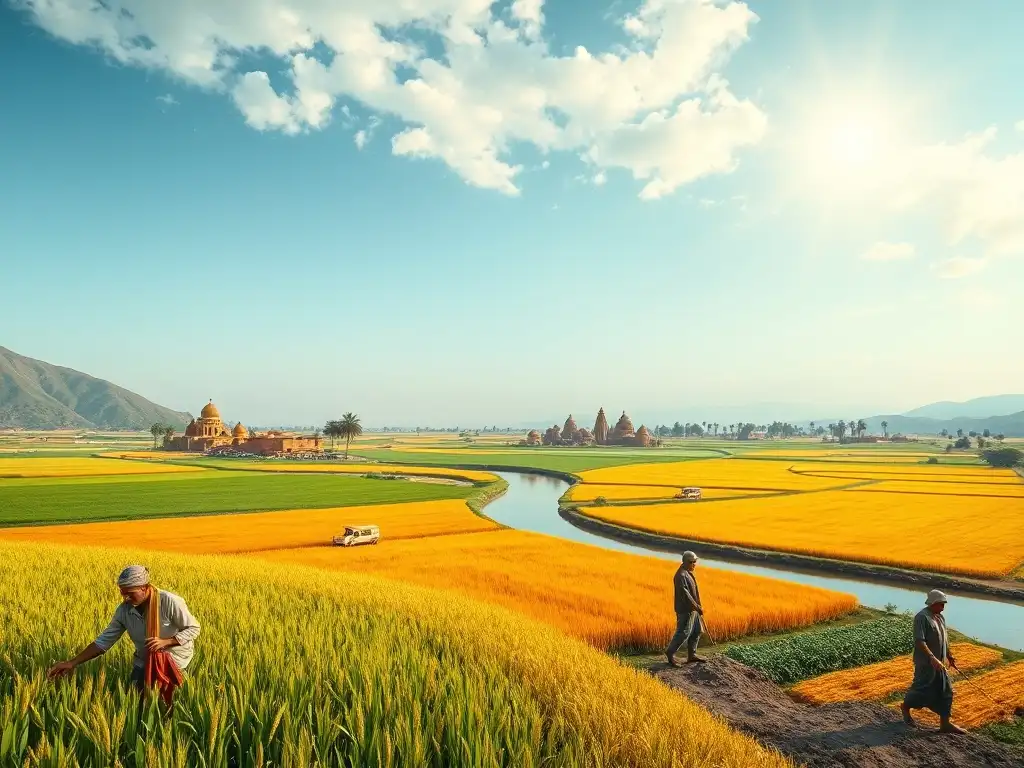
Agriculture was the backbone of the Indus Valley economy, and its activities were deeply intertwined with the seasonal cycles.
- Monsoon Season (June to September): This was the most crucial time for farming. The arrival of the southwest monsoon brought heavy rains essential for the cultivation of staple crops such as wheat, barley, and cotton. Farmers utilized advanced irrigation methods and constructed reservoirs to store excess water, ensuring a reliable supply for their fields.
- Post-Monsoon (October to November): After the rains, the fields were prepared for harvesting. This period was marked by increased labor as families gathered to collect crops, and communal activities became common. The successful harvest allowed for trade of surplus goods, which was vital for the economy.
- Winter Season (December to February): During the colder months, the focus shifted to preparing the land for the next cycle. Farmers engaged in soil enrichment techniques, such as crop rotation and the use of animal manure, to maintain soil fertility. This season also provided opportunities for planting winter crops like lentils and peas.
- Spring Season (March to May): As temperatures began to rise, farmers started sowing seeds for the summer crops. This period demanded careful monitoring of water levels and pest control. Additionally, the warmer weather allowed for the expansion of trade routes, as merchants traveled to exchange goods.
Craft and Trade Activities Influenced by Seasons
The seasonal changes in the Indus Valley also had a profound impact on craft and trade activities.
- Seasonal Craft Production: Craftsmanship flourished in the Indus Valley, with specialized artisans creating pottery, textiles, and jewelry. The availability of raw materials was often linked to seasons; for instance, the collection of specific stones or clay was more accessible during certain times of the year. The production of cotton textiles was particularly prominent during the summer months when the cotton plants were harvested.
- Trade Dynamics: Trade was essential for the Indus Valley economy, and it was heavily influenced by seasonal patterns. During the dry season, trade routes became more accessible, facilitating commerce with neighboring regions. Merchants would take advantage of favorable weather to transport goods such as grains, textiles, and metalwork. The influx of goods from various sources enriched the local economy and supported the development of urban centers.
Seasonal variations not only shaped economic activities but also had a significant impact on the social lives of the Indus Valley people.
Festivals and Cultural Practices Related to Seasons
The Indus Valley civilization had a rich tapestry of festivals and cultural practices that revolved around the agricultural calendar.
- Harvest Festivals: The successful harvest was celebrated through various festivals, which included feasting and communal gatherings. These events fostered a sense of community and reinforced social bonds among families and neighbors.
- Monsoon Celebrations: The arrival of the monsoon was a time of joy, as it signified the beginning of the planting season. Rituals and prayers were conducted to honor the rain gods, ensuring bountiful crops and prosperity for the community.
- Cultural Rituals: Seasonal changes also influenced daily routines and cultural expressions, from art and music to dance. Various artistic forms emerged in relation to seasonal themes, reflecting the reverence the Indus Valley people had for nature.
Impact on Daily Routines and Family Life
The seasonal cycles had profound implications for daily routines and family life in the Indus Valley.
- Work-Life Balance: During peak agricultural seasons, families often worked collaboratively in fields, fostering a team-oriented approach to labor. This not only strengthened family ties but also ensured efficient crop management.
- Seasonal Adjustments: Families adapted their daily lives to align with the seasons, from altering meal preparations based on available crops to adjusting clothing styles according to the weather.
- Community Engagement: Seasonal activities encouraged communal participation, leading to the establishment of social norms and responsibilities. Families would gather to celebrate festivals, share resources, and support one another during challenging times, enhancing the social fabric of the Indus Valley civilization.
The seasonal activities of the Indus Valley civilization reveal a complex interplay between the environment and daily life. Understanding these patterns offers valuable insight into how ancient societies adapted to their surroundings and thrived in a dynamic world.
Challenges Posed by Seasonal Changes
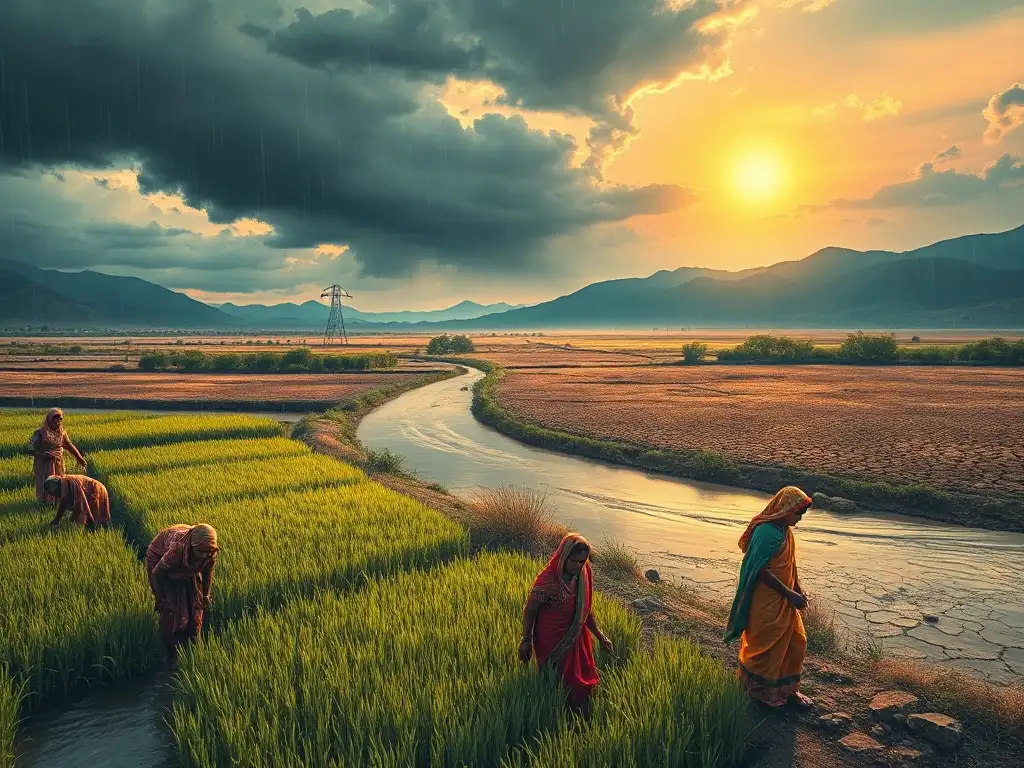
The Indus Valley Civilization, one of the earliest urban cultures, thrived in a region characterized by distinct seasonal changes that significantly influenced daily life. The annual cycles of monsoon rains, extreme heat, and cooler winters posed various challenges for the inhabitants. These seasonal variations affected agricultural practices, water management, and human settlement patterns. As a result, the people of the Indus Valley had to navigate these challenges to sustain their communities, demonstrating remarkable resilience and adaptability.
Natural Disasters and Seasonal Impacts
Natural disasters frequent in the region, such as floods and droughts, were directly linked to seasonal changes. The monsoon season, while essential for agriculture, could lead to devastating floods that disrupted settlements and damaged crops. For instance, heavy rains could cause the Indus River to overflow, inundating fields and leading to food shortages. Conversely, the dry season could result in drought conditions, jeopardizing water supplies and agricultural yield. Such extremes necessitated a keen understanding of the climate, enabling communities to develop strategies to mitigate the adverse effects of these natural events.
Adaptations in Daily Life to Overcome Seasonal Challenges
In response to the challenges posed by seasonal changes, the people of the Indus Valley developed various adaptations. Agricultural practices were closely aligned with the seasonal calendar. They cultivated diverse crops, such as wheat, barley, and cotton, which were sown and harvested according to the season. The use of irrigation systems, including canals and reservoirs, showcased advanced engineering skills, allowing farmers to manage water resources effectively.
Additionally, architectural designs of homes were influenced by seasonal variations. For example, houses were often constructed with thick mud walls that provided insulation against the heat in summer and retained warmth during cooler months. The layout of settlements also reflected seasonal considerations, with strategic placement near water sources and fertile land to optimize agricultural productivity.
Conclusion: The Legacy of Seasonal Activities in the Indus Valley
The seasonal activities of the Indus Valley Civilization were not merely reactions to environmental conditions; they laid the foundation for a complex society that thrived in harmony with nature. The ability to adapt to seasonal changes was crucial for survival, influencing cultural practices, social structures, and economic systems.
Lasting Influence on Modern Understanding of Seasonal Practices
The legacy of the Indus Valley’s seasonal activities extends beyond its historical context. Modern agricultural practices in the region still reflect ancient methodologies, showcasing the enduring impact of these early adaptations. Understanding how these civilizations managed their seasonal challenges provides valuable insights into sustainable practices and climate resilience that are relevant today.
Reflection on the Importance of Climate in Ancient Civilizations
The experience of the Indus Valley Civilization underscores the profound influence of climate on the development of ancient societies. Seasonal changes shaped not only agricultural practices but also social organization, trade, and cultural expressions. Reflecting on these aspects highlights the importance of climate in understanding the complexities of human civilization, reminding us that historical contexts are deeply intertwined with environmental factors.
References
Scholarly Articles and Books on Indus Valley Seasonal Activities
-
"The Indus Civilization: A Contemporary Perspective" by Jane McIntosh
This comprehensive book explores various aspects of the Indus Valley Civilization, including the seasonal activities that shaped daily life. McIntosh provides insights into agricultural practices, trade, and how seasonal changes influenced societal structures.
-
"The Archaeology of Early Historic South Asia: The Emergence of Cities and States" by Robin Coningham and Ruth Young
Coningham and Young delve into urbanization and societal dynamics during the Indus Valley period, highlighting how seasonal variations affected agricultural outputs and urban planning.
-
"Indus Valley Civilization: A Historical Overview" by R. S. Sharma
Sharma's work discusses the environmental factors impacting the Indus Valley, including seasonal monsoons and their role in shaping agricultural cycles and settlement patterns.
-
"The Ancient Indus Valley: New Perspectives" edited by J. C. R. M. Rapp and A. M. C. H. Spiers
This collection of essays focuses on recent archaeological discoveries and their implications for understanding the seasonal activities of the Indus Valley inhabitants.
Archaeological Findings and Their Relevance to Seasonal Changes
Archaeological excavations in the Indus Valley have revealed significant insights into how seasonal changes influenced daily activities. Key findings include:
- Agricultural Tools and Granaries: Excavations at sites such as Harappa and Mohenjo-Daro have unearthed various agricultural tools, which suggest a reliance on seasonal crops. The presence of granaries indicates that these communities adapted their agricultural practices to maximize yield during monsoon seasons.
- Water Management Systems: Evidence of sophisticated drainage and irrigation systems points to the necessity of managing water supply during different seasons. This infrastructural development was crucial for sustaining agriculture during the dry months, demonstrating a deep understanding of seasonal cycles.
- Settlement Patterns: The layout of Indus Valley cities often reflects seasonal considerations. For example, the orientation of buildings and streets may have been designed to facilitate airflow and cooling during the hot months, while also accounting for flooding risks during the monsoon.
- Trade and Economic Activities: Artifacts such as weights and measures suggest that trade activities were also seasonal, with certain goods being more abundant during particular times of the year. This seasonal trade likely influenced economic stability and community interactions.
These archaeological findings not only provide a glimpse into the daily lives of the Indus Valley people but also underscore the significance of seasonal changes in shaping their agricultural practices, settlement designs, and overall societal organization.
- Introduction to Indus Valley Civilization
- Understanding the Seasons in the Indus Valley
- Indus Valley Seasonal Activities: An Overview
- Agricultural Activities During Different Seasons
- Craft and Trade Activities Influenced by Seasons
- Social Life and Seasonal Changes
- Challenges Posed by Seasonal Changes
- Conclusion: The Legacy of Seasonal Activities in the Indus Valley
- References
- What were the main seasonal activities in the Indus Valley?
- How did the monsoon season affect the Indus Valley civilization?
- What role did flooding play in the Indus Valley?
- How did the seasonal changes influence trade in the Indus Valley?
- What evidence do we have of seasonal activities in the Indus Valley?
Frequently Asked Questions
What were the main seasonal activities in the Indus Valley?
The seasonal activities in the Indus Valley included agriculture, trading, and craftsmanship. The changing seasons influenced planting and harvesting cycles, significantly impacting daily life.
How did the monsoon season affect the Indus Valley civilization?
The monsoon season brought essential rainfall, crucial for agriculture. It dictated planting times and enabled the growth of crops, which were vital for the sustenance of the civilization.
What role did flooding play in the Indus Valley?
Flooding, often caused by seasonal rains, could be both beneficial and detrimental. It enhanced soil fertility, but also posed risks of destruction to settlements and crops, necessitating advanced flood management strategies.
How did the seasonal changes influence trade in the Indus Valley?
Seasonal changes dictated trade routes and timings. For instance, during harvest seasons, there was increased trade activity, as surplus crops were exchanged for goods with neighboring regions.
What evidence do we have of seasonal activities in the Indus Valley?
Archaeological findings, such as grain storage facilities and artifacts, provide insights into the seasonal activities of the Indus Valley civilization, showcasing their agricultural practices and trade networks.
Final Reflection: Embracing the Rhythm of Indus Valley Seasonal Activities
The interplay between seasonal changes and daily activities in the Indus Valley is not just a historical observation; it is a profound reminder of how our environment shapes our lives. As we navigate through the complexities of modern life, understanding the cyclical nature of seasons can inspire us to adapt and thrive in harmony with our surroundings. The way the ancient inhabitants of the Indus Valley adjusted their routines according to the seasons serves as a striking testament to the resilience and ingenuity of human beings.
Cultural practices and social structures have always been influenced by the changing seasons, and this remains true today. The seasonal activities of the Indus Valley not only highlight the agricultural advancements of the time but also reflect a deep connection to nature that many of us have lost in our fast-paced lives. As we ponder this connection, we can recall the words of Mahatma Gandhi: To forget how to dig the earth and to tend the soil is to forget ourselves.
This quote resonates profoundly as it emphasizes the importance of recognizing our roots and the natural cycles that govern our existence.
As we conclude this exploration of Indus Valley seasonal activities, I invite you to reflect on your own relationship with the seasons. Consider how you can incorporate the lessons of adaptability and mindfulness into your daily life. Whether it's through seasonal cooking, outdoor activities, or simply taking a moment to appreciate the beauty of nature's changes, let us strive to reconnect with the rhythms of our environment. In doing so, we not only honor the legacy of those who came before us but also cultivate a more harmonious existence in our own lives.
Unveil the Secrets of Seasonal Living!
Thank you for exploring how seasonal changes shape our daily activities in the Indus Valley. You've gained valuable insights that enhance your understanding of ancient cultures and their connection with nature. Now, let's take that knowledge further!
Here are a few actionable steps you can take to deepen your engagement with this subject:
- Explore reenactments: Participate in or attend local events that celebrate traditional seasonal practices inspired by ancient cultures.
- Share your insights: Discuss the impact of seasons on daily life with friends or on social media. Start a conversation about how these ancient trends can influence modern living.
- Research further: Dive deeper into specific seasons or festivals of the Indus Valley by visiting museums or reading academic papers to discover lesser-known facts.
How has your understanding of the seasonal impact on the Indus Valley changed your perspective on how we adapt to nature today?