
Medicine in the Gupta Empire: Ancient Practices that Influence Today

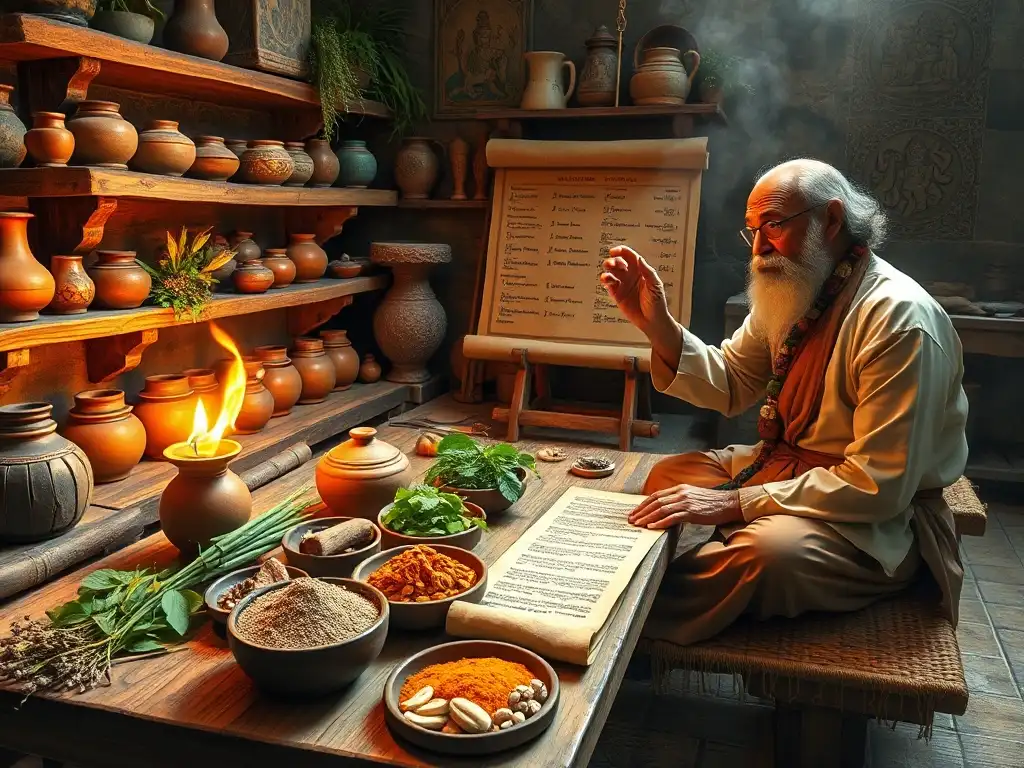
Welcome to Ancient India History! Prepare to embark on a fascinating journey through the rich tapestry of ancient Indian civilizations. Here, we delve deep into the remarkable contributions that shaped the course of history, culture, and science.
Today, we invite you to explore the intriguing world of Ancient Gupta medicine practices—a pivotal aspect of the Gupta Empire that not only influenced its contemporaries but continues to resonate in modern healing methodologies. What secrets and insights did these ancient healers possess? Discover the answers as you uncover the profound wisdom of the Gupta Empire that still echoes in our lives today!
- Introduction to Medicine in the Gupta Empire
- Historical Context of Gupta Medicine
- Key Ancient Gupta Medicine Practices
- Prominent Figures in Gupta Medicine
- Comparison of Ancient Gupta Medicine Practices and Modern Medicine
- Influence of Gupta Medicine on Later Medical Traditions
- Conclusion: The Enduring Legacy of Ancient Gupta Medicine Practices
- Frequently Asked Questions
- Final Reflection: The Enduring Legacy of Ancient Gupta Medicine Practices
- Unveil Ancient Wisdom: Transform Your Health Today!
Introduction to Medicine in the Gupta Empire
The Gupta Empire, often referred to as the Golden Age of India, was a period marked by remarkable advancements in various fields, including science, mathematics, and philosophy. However, one of the most significant yet often overlooked areas of progress during this era was medicine. Ancient Gupta medicine practices laid the foundational stones for many medical methodologies and treatments we recognize today. This article delves into the intricate world of medicine during the Gupta Empire, exploring its historical context, key practices, and the lasting impact these ancient techniques have had on modern medicine.
Overview of Ancient Gupta Medicine Practices
The Gupta period, which spanned from approximately 320 to 550 CE, witnessed the flourishing of medical knowledge and practices. Central to this development was the compilation of medical texts, the most notable being the Sushruta Samhita and the Charaka Samhita. These texts not only cataloged various medical procedures but also provided insights into the understanding of anatomy, surgery, and herbal medicine.
- Sushruta Samhita: Attributed to Sushruta, considered the father of surgery, this text outlines surgical techniques and instruments. It is remarkable for its detailed descriptions of surgical procedures, including:
- Cataract surgery
- Plastic surgery
- Surgical procedures for fractures and wounds
- Charaka Samhita: This text is primarily focused on internal medicine and emphasizes holistic approaches to health. Key concepts include:
- Ayurveda principles: Emphasizing balance between body, mind, and spirit.
- Diet and lifestyle recommendations: Highlighting the importance of nutrition in maintaining health.
These texts collectively contributed to a well-rounded understanding of health, illness, and treatment, showcasing the sophisticated nature of ancient Gupta medicine practices.
Significance of Medicine in Gupta Society
Medicine played a crucial role in Gupta society, influencing both daily life and the broader cultural context. The emphasis on health and wellness was not merely a matter of personal concern; it reflected the values of the society as a whole.
- Holistic Approach: Gupta medicine was rooted in the Ayurvedic tradition, which promoted a holistic understanding of health. This philosophy prioritized prevention, emphasizing the interconnections between physical, mental, and spiritual well-being.
- Social Status and Healthcare: Access to medical knowledge and practitioners often correlated with social status. Medical professionals, such as physicians and surgeons, were highly respected and played a vital role in the community. This respect was evident in the patronage they received from the ruling class, ensuring that medical practices were preserved and advanced.
- Cultural Exchange: The Gupta Empire was a melting pot of diverse cultures and ideas, which facilitated the exchange of medical knowledge. Trade routes allowed for the introduction of various herbs, treatment methods, and practices from neighboring regions, enriching Gupta medicine.
Ancient Gupta medicine practices not only reflect the medical achievements of the time but also highlight the integral role of healthcare in shaping societal values and cultural identity. As we explore these practices further, it becomes evident that their influence extends far beyond the ancient texts, resonating in modern medical practices and philosophies.
Historical Context of Gupta Medicine
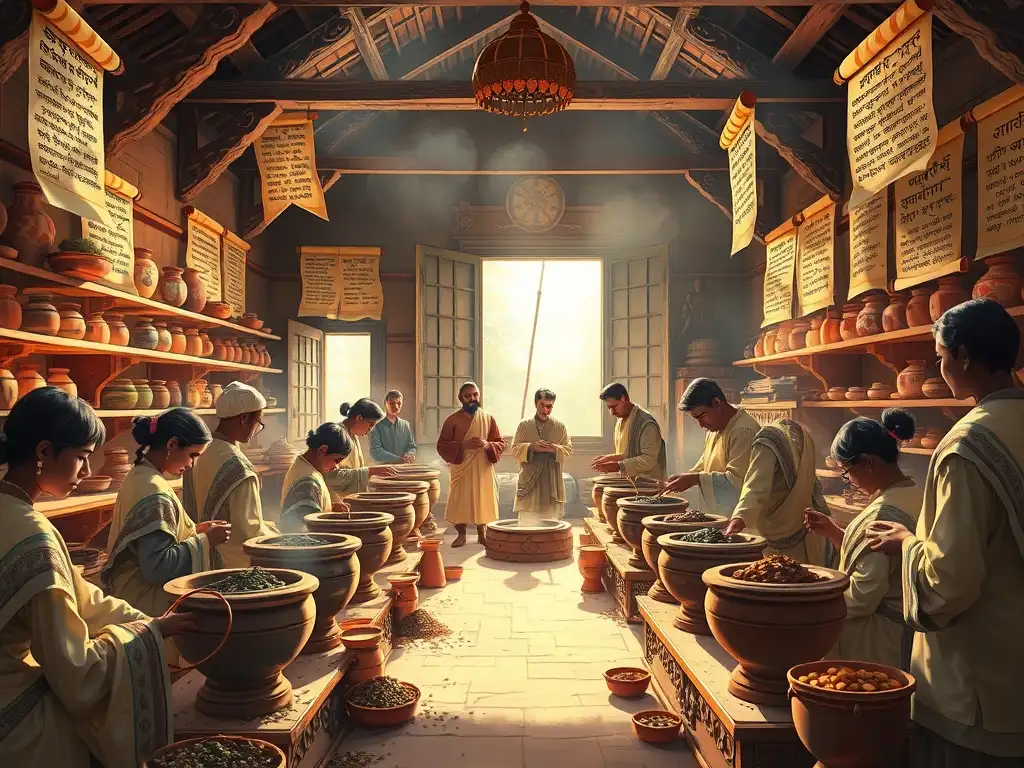
The Golden Age of the Gupta Empire
The Gupta Empire, which flourished from approximately 320 to 550 CE, is often referred to as the Golden Age of India due to its remarkable achievements in various fields, including medicine. This period marked a significant advancement in medical knowledge, practice, and education. The Gupta rulers, particularly Chandragupta I and his successors, promoted a culture of learning that encouraged scholars to explore various disciplines, including Ayurveda—the traditional system of medicine that originated in ancient India.
During this era, the integration of medical practices with philosophical and spiritual beliefs was commonplace. The emphasis on holistic health and the interconnectedness of body, mind, and spirit became foundational principles of ancient Gupta medicine practices. Notable texts like the Sushruta Samhita and Charaka Samhita emerged, which systematically documented surgical techniques, herbal treatments, and the principles of diagnosis and patient care.
| Key Contributions | Description |
|---|---|
| Sushruta Samhita | An authoritative text on surgery, detailing over 300 surgical procedures, including plastic surgery and cataract operations. |
| Charaka Samhita | A comprehensive treatise on internal medicine, emphasizing the importance of diet, lifestyle, and herbal remedies for maintaining health. |
These texts not only served as educational references for practitioners but also influenced medical practices in neighboring cultures, showcasing the Gupta Empire's role as a center of medical knowledge.
Influences on Ancient Gupta Medicine Practices
Ancient Gupta medicine practices were shaped by a combination of indigenous knowledge and interactions with other cultures. The Ayurvedic system, which emphasizes the balance of the three doshas (Vata, Pitta, and Kapha), became more refined during this period. Practitioners utilized a variety of herbal remedies, surgical techniques, and dietary guidelines to treat ailments, drawing upon the natural resources available in the region.
The influence of Buddhism and Hinduism on medicine during the Gupta period cannot be overlooked. These philosophies contributed to the understanding of the human body and health, intertwining spiritual practices with physical well-being. For example, concepts like yoga and meditation were incorporated into treatment regimens, highlighting the importance of mental health in overall wellness.
Moreover, the establishment of medical schools and hospitals in urban centers played a vital role in the dissemination of medical knowledge. Trained practitioners, known as vaidyas, provided care and taught students, ensuring that ancient Gupta medicine practices were preserved and advanced. The emphasis on empirical observation and patient care laid the groundwork for future developments in medicine.
The ancient Gupta medicine practices were characterized by a comprehensive approach to health that combined traditional knowledge with spiritual and philosophical insights, leaving a lasting legacy that continues to influence modern medicine today.
Key Ancient Gupta Medicine Practices
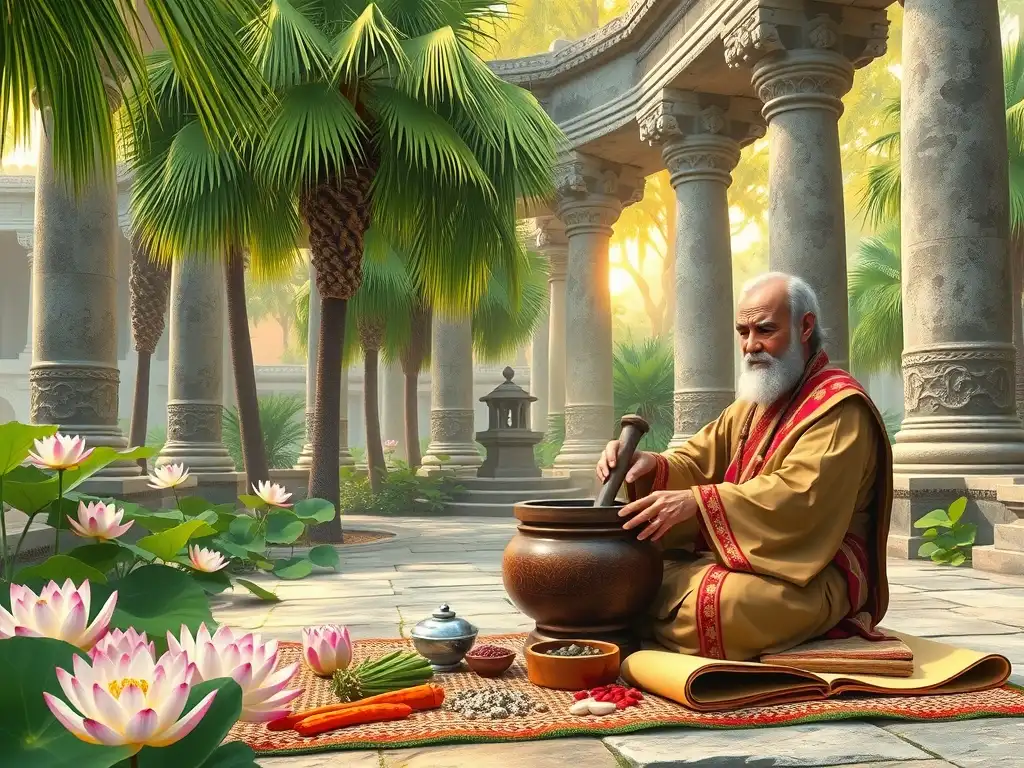
Ayurvedic Medicine: Foundations and Philosophy
Ayurvedic medicine, often regarded as one of the oldest holistic healing systems, reached remarkable heights during the Gupta Empire. Rooted in the Sanskrit texts known as the Vedas, Ayurveda emphasizes a comprehensive approach to health, focusing not only on physical ailments but also on mental and spiritual well-being. The Gupta period saw significant advancements in the understanding and practice of Ayurveda, which were instrumental in shaping contemporary medical practices.
The core philosophy of Ayurveda revolves around the concept of doshas, which are the three fundamental energies believed to govern physiological functions in the body: Vata (air), Pitta (fire), and Kapha (water). Each individual is thought to possess a unique combination of these doshas, influencing their health and personality. The Gupta scholars meticulously documented the balance of doshas and their relationship to health in texts such as the Sushruta Samhita and Charaka Samhita.
Key treatment modalities include:
- Diet: Specific dietary recommendations were tailored to balance the doshas, promoting overall health.
- Lifestyle: Incorporation of daily routines (dinacharya) aimed at maintaining harmony within the body.
- Detoxification: Techniques such as Panchakarma were developed for cleansing the body of toxins, enhancing vitality and longevity.
The principles established during this era continue to influence modern Ayurvedic practices, highlighting the Gupta Empire's pivotal role in the evolution of ancient medicine.
Herbal Remedies and Natural Treatments
The use of herbal remedies and natural treatments constituted a significant aspect of ancient Gupta medicine practices. A vast array of plants, minerals, and animal products were meticulously studied and documented for their medicinal properties. The Gupta physicians, particularly renowned for their expertise in botany, compiled extensive pharmacopoeias that categorized various herbs according to their therapeutic uses.
Some notable herbal treatments included:
- Turmeric: Used for its anti-inflammatory and antiseptic properties, turmeric was commonly applied to wounds and used in various formulations.
- Ashwagandha: This adaptogenic herb was valued for its ability to reduce stress and enhance vitality, making it a staple in Ayurvedic medicine.
- Tulsi (Holy Basil): Revered for its numerous health benefits, tulsi was employed to treat respiratory disorders and improve overall immunity.
The knowledge of these herbal remedies was not only practical but also philosophical, as many practitioners believed in the interconnectedness of nature and human health. This holistic approach has led to the resurgence of interest in herbal medicine in contemporary society, demonstrating the lasting impact of ancient Gupta practices.
Surgical Techniques and Innovations
The Gupta Empire is often celebrated for its remarkable advancements in surgical techniques and innovations, marking a significant chapter in the history of medicine. Under the guidance of pioneering surgeons like Sushruta, who is often referred to as the "Father of Surgery," the period witnessed the development of various surgical instruments and techniques that laid the groundwork for modern surgical practices.
Key contributions included:
- Surgical Instruments: Gupta surgeons crafted a variety of specialized instruments from materials such as steel and bronze. Tools like scalpels, forceps, and catheters were innovatively designed for precision and effectiveness.
- Surgical Procedures: Techniques for complex surgeries, including plastic surgery and cataract surgery, were documented in detail. The processes for performing these surgeries emphasized aseptic methods and careful patient management.
- Anesthesia: The use of herbal concoctions and other natural substances for anesthesia was recorded, showcasing the advanced understanding of pain management among Gupta physicians.
The impact of these surgical innovations extends beyond the Gupta Empire, as many of these techniques and instruments are still in use today, reflecting the brilliance of ancient Gupta medicine practices and their significant contributions to the field of surgery.
Prominent Figures in Gupta Medicine
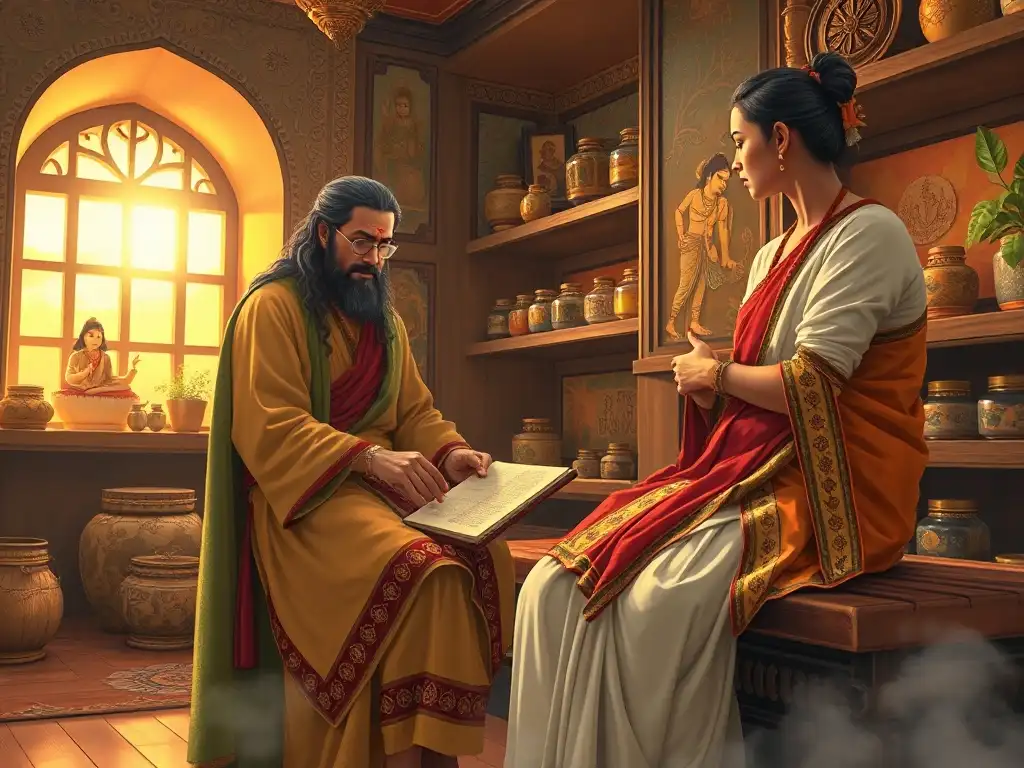
The Gupta Empire, often referred to as the Golden Age of India, was not only a period of great political stability and cultural flourishing but also a remarkable era for advancements in medicine. Among the notable figures in Gupta medicine, a few physicians and scholars stand out for their significant contributions, which laid the groundwork for modern medical practices.
Notable Physicians and Scholars
Key figures in Gupta medicine include Charaka, Sushruta, and Vagbhata, each of whom played an integral role in the development of medical knowledge during this period.
- Charaka:
- Charaka is often celebrated as the father of Ayurveda. His seminal work, the Charaka Samhita, is a comprehensive text that covers various aspects of medicine, including diagnostics, treatment, and the ethical responsibilities of physicians.
- The text emphasizes the importance of a holistic approach to health, considering factors such as diet, lifestyle, and mental well-being.
- Charaka’s insights into pharmacology and the use of herbal medicines have influenced practices that are still relevant in contemporary medicine.
- Sushruta:
- Known as the "father of surgery," Sushruta authored the Sushruta Samhita, which is one of the earliest texts on surgery and surgical techniques.
- His work includes detailed descriptions of over 300 surgical procedures and instruments, showcasing advanced knowledge of anatomy and surgical practices for his time.
- Sushruta's contributions to plastic surgery, particularly rhinoplasty, demonstrate an understanding of reconstructive techniques that are remarkably similar to modern practices.
- Vagbhata:
- Vagbhata is another prominent figure whose writings, particularly the Ashtanga Hridaya, synthesized the teachings of Charaka and Sushruta.
- His work is noted for its accessible language and comprehensive coverage of Ayurveda, including treatment protocols and the philosophy of medicine.
- Vagbhata’s emphasis on the importance of preventive healthcare and lifestyle management resonates with modern holistic health approaches.
These physicians not only advanced medical practices but also influenced the perception of health and wellness in society. Their texts served as educational resources for future generations of practitioners, ensuring that ancient Gupta medicine practices continued to evolve and impact medical traditions around the world.
Contributions of Charaka and Sushruta
The contributions of Charaka and Sushruta to ancient Gupta medicine are pivotal, as they established foundational principles that continue to influence medical practices today.
- Charaka's Contributions:
- Philosophy of Ayurveda: Charaka’s philosophy emphasized balance in bodily systems, which is a core concept in Ayurveda. This holistic approach considers physical, mental, and spiritual health as interconnected.
- Diagnostic Techniques: He introduced systematic methods for diagnosing illnesses, including patient history and physical examinations, which are precursors to modern medical diagnostics.
- Medicinal Formulations: Charaka cataloged numerous herbs and their therapeutic uses, creating a rich pharmacopoeia that remains relevant in Ayurvedic medicine.
- Sushruta's Contributions:
- Surgical Innovations: Sushruta's detailed descriptions of surgical instruments and methods, including scalpels and forceps, reflect a sophisticated understanding of surgery. His techniques for suturing and wound management are still taught in medical schools today.
- Anesthesia Techniques: He documented the use of various herbal substances for anesthesia, highlighting an early understanding of pain management during surgical procedures.
- Ethics in Medicine: Sushruta emphasized the ethical obligations of physicians, advocating for patient care that prioritizes safety and well-being, a principle that is echoed in modern medical ethics.
Both Charaka and Sushruta not only made significant contributions to the field of medicine during the Gupta Empire but also set a precedent for future medical practice, ensuring that ancient Gupta medicine practices would resonate through the ages. Their legacies continue to inspire medical professionals and scholars, showcasing the enduring impact of their work on contemporary healthcare.
Comparison of Ancient Gupta Medicine Practices and Modern Medicine
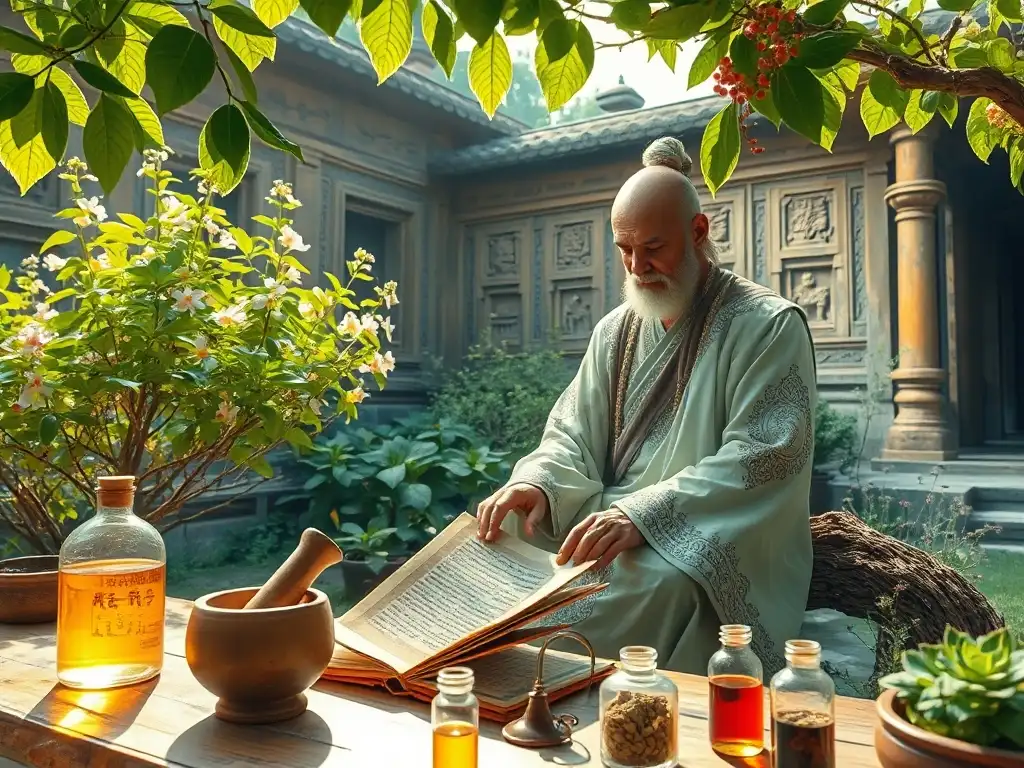
Similarities Between Ancient Gupta Medicine and Contemporary Practices
The ancient Gupta Empire, known for its remarkable advancements in various fields, also made significant contributions to medicine. While there are distinct differences between ancient Gupta medicine practices and modern medicine, several similarities can be observed that highlight the continuity of medical knowledge through the ages.
- Holistic Approach to Health:
- Both ancient Gupta medicine and modern practices emphasize a holistic view of health. The Gupta physicians, known as
Vaidyas, believed in treating the whole person – body, mind, and spirit. This is similar to modern integrative medicine, which combines conventional treatments with alternative therapies to address the patient's overall well-being.
- Both ancient Gupta medicine and modern practices emphasize a holistic view of health. The Gupta physicians, known as
- Use of Herbal Remedies:
- Ancient Gupta medicine heavily relied on the use of herbs and plants for healing. Texts such as the
Charaka SamhitaandSushruta Samhitadetail numerous herbal formulations and their applications. Today, herbal medicine remains an important aspect of many cultures worldwide, and modern pharmacology often draws upon these ancient remedies for developing new drugs.
- Ancient Gupta medicine heavily relied on the use of herbs and plants for healing. Texts such as the
- Surgical Techniques:
- The Gupta period saw the development of advanced surgical techniques, especially detailed in the
Sushruta Samhita. Surgeries such as cataract operations and plastic surgery were performed with precision. This mirrors modern surgical practices, where techniques have evolved but the foundational principles of surgical intervention remain similar.
- The Gupta period saw the development of advanced surgical techniques, especially detailed in the
- Emphasis on Diagnosis:
- Both ancient Gupta practitioners and modern doctors place a significant emphasis on diagnosis. The Gupta physicians employed a thorough examination process, including pulse diagnosis and observation, akin to contemporary diagnostic methods that utilize a variety of tests and assessments to evaluate patients’ conditions.
- Preventive Medicine:
- Preventive measures were an essential part of Gupta medicine, focusing on lifestyle, diet, and hygiene to maintain health. This approach resonates with modern preventive medicine, which aims to avert diseases through vaccinations, screenings, and education on healthy living.
Differences in Medical Approaches and Understanding
Despite the similarities, there are notable differences between ancient Gupta medicine practices and modern medicine, reflecting the evolution of medical understanding and technology.
- Scientific Basis:
- Ancient Gupta medicine was largely based on traditional knowledge and empirical observations rather than the scientific method. While there were systematic approaches to treatment, the lack of advanced technology and scientific inquiry limited the understanding of human anatomy and disease. In contrast, modern medicine relies heavily on rigorous scientific research, evidence-based practices, and clinical trials to validate treatments and interventions.
- Understanding of Disease Etiology:
- Gupta physicians had a different understanding of disease causes, often attributing ailments to imbalances in the body’s doshas (vital energies: Vata, Pitta, and Kapha). Modern medicine, however, has a more complex understanding of disease etiology, recognizing genetic, environmental, and microbial factors, which are explained through biological and biochemical pathways.
- Role of Technology:
- The technological advancements in modern medicine, such as imaging techniques (MRI, CT scans) and laboratory diagnostics, drastically differ from the tools available during the Gupta period. Ancient practices relied on manual examination and rudimentary tools, whereas contemporary medicine utilizes technology to enhance accuracy and effectiveness in diagnosis and treatment.
- Pharmaceutical Development:
- The process of drug development has transformed significantly. Ancient Gupta medicine used natural substances and herbs in their raw forms, while modern pharmaceuticals often involve the synthesis of active compounds, rigorous testing for efficacy, and safety standards that must be met before a drug reaches the market.
- Medical Education and Professionalization:
- The training of physicians in ancient Gupta times was informal and based on apprenticeships, with knowledge passed down through texts and practices. Today, medical education is highly structured, requiring formal education, certifications, and ongoing professional development to ensure comprehensive knowledge and skills among practitioners.
While ancient Gupta medicine practices share several foundational principles with modern medicine, the differences underscore the evolution of medical knowledge and technology, shaping the way we understand health and disease today.
Influence of Gupta Medicine on Later Medical Traditions
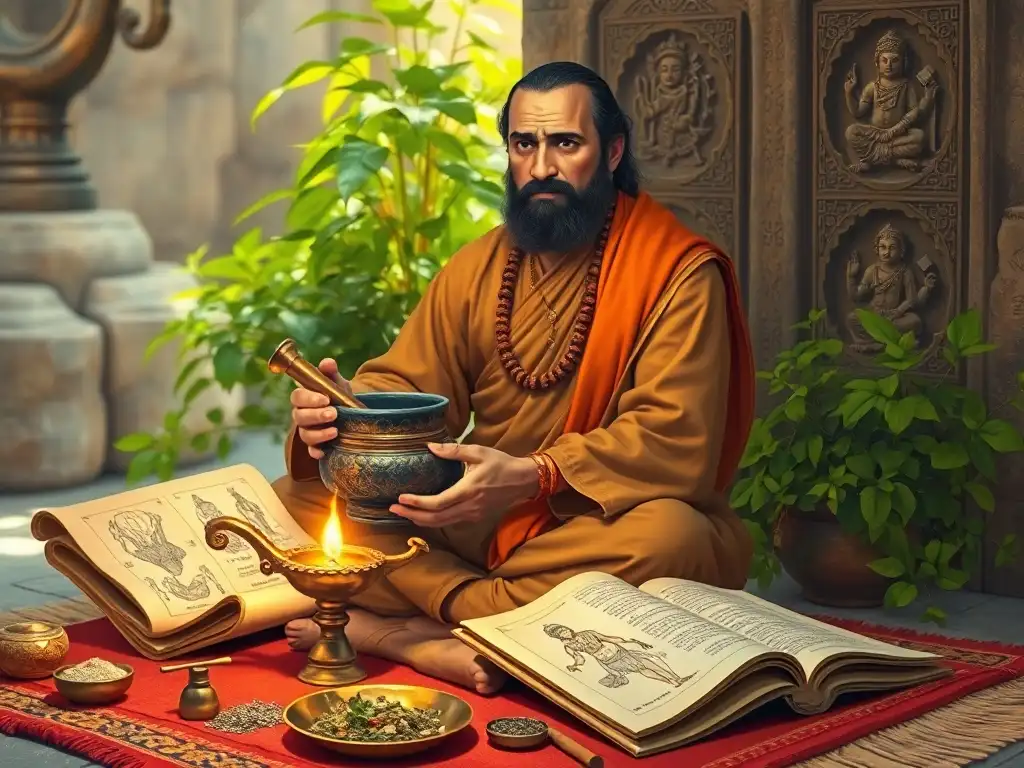
Legacy of Gupta Medicine in Ayurvedic Practices
The Gupta Empire, often celebrated as a golden age of learning and culture in ancient India, significantly shaped the evolution of medical practices, especially Ayurveda. During this period, the texts and teachings of ancient physicians laid the foundation for what would become one of the most comprehensive systems of medicine in history.
- Textual Contributions:
- The classical texts on Ayurveda, such as Charaka Samhita and Sushruta Samhita, were compiled and refined during the Gupta period. These texts emphasized holistic approaches to health, focusing on the balance of mind, body, and spirit.
- The Charaka Samhita outlined various diseases, their causes, and treatments, while the Sushruta Samhita detailed surgical techniques, including procedures for cataract surgery and rhinoplasty.
- Conceptual Framework:
- Gupta medicine introduced key concepts such as the three doshas—Vata, Pitta, and Kapha—which are foundational in understanding individual health and disease.
- The emphasis on diagnostic methods, including pulse diagnosis and examination of urine, established practices that continue in modern Ayurvedic medicine.
- Pharmacology:
- The Gupta period witnessed advancements in herbal medicine, with extensive documentation of medicinal plants and their properties. This knowledge paved the way for the development of numerous herbal remedies still used in Ayurveda today.
- Texts from this era classified drugs based on their properties and effects, integrating practical knowledge with empirical observation.
The Impact on Traditional Medicine in South Asia
The influence of Gupta medicine extended beyond the borders of India, impacting various traditional medical systems throughout South Asia. The practices and theories developed during this era resonated beyond time and geography, shaping the medical landscape in profound ways.
- Persian and Middle Eastern Medicine:
- The exchange of knowledge between India and Persia during the Gupta Empire facilitated the integration of Ayurvedic principles into Persian medicine. This cross-cultural interaction enriched both medical traditions and led to shared practices.
- Integration with Local Practices:
- As Gupta medicine spread, it merged with local healing traditions in regions such as Tibet, Nepal, and Southeast Asia. These integrations resulted in the development of unique medical systems that retained core Ayurvedic concepts while adapting to local needs.
- Foundation for Modern Practices:
- Many contemporary South Asian medical practices, including Siddha and Unani, draw heavily from the principles established during the Gupta period. The holistic approach to health and wellness continues to be a major focus, emphasizing prevention and natural remedies.
The ancient Gupta medicine practices not only enriched the field of Ayurveda but also left a lasting impact on traditional medical systems across South Asia. The legacy of this period remains integral to understanding the evolution of medicine in the region, influencing both historical and modern practices.
Conclusion: The Enduring Legacy of Ancient Gupta Medicine Practices
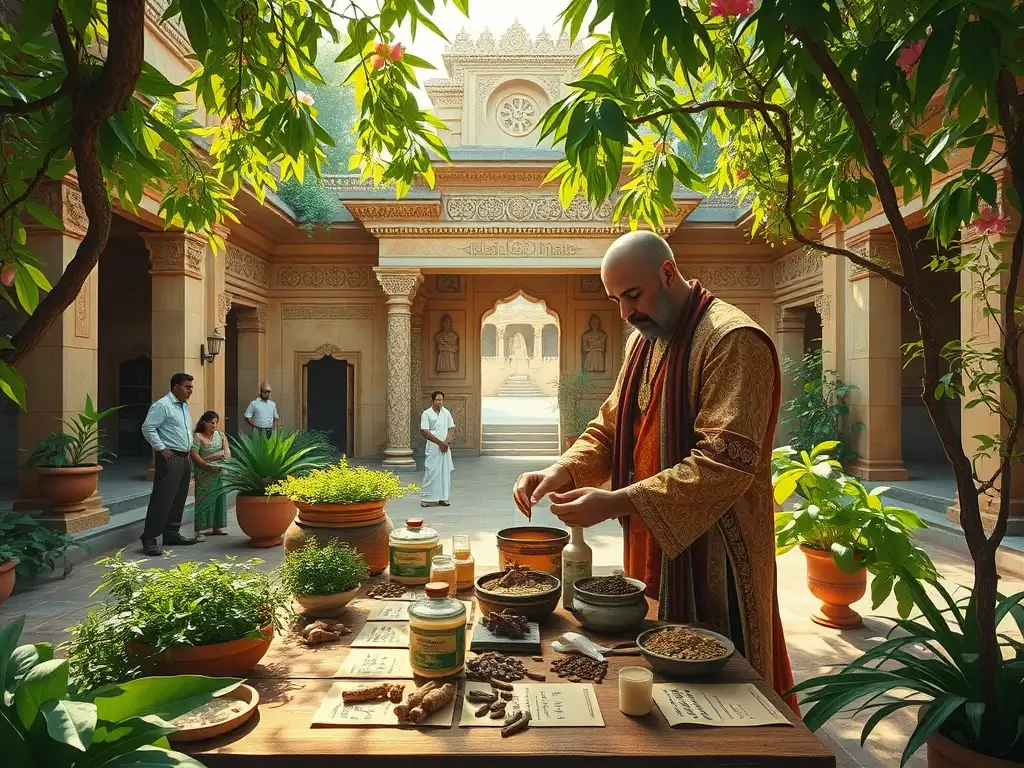
The Gupta Empire, often heralded as a Golden Age in Indian history, made significant strides in various fields, particularly in medicine. Ancient Gupta medicine practices stand as a testament to the advanced knowledge and methodologies developed during this era. These practices not only laid the groundwork for future medical advancements but also continue to influence modern healthcare systems.
Reflection on the Contributions of Gupta Medicine to Modern Healthcare
The contributions of Gupta medicine to modern healthcare are profound and multifaceted. One of the most notable aspects was the emphasis on holistic treatment approaches, combining physical, mental, and spiritual well-being. Practitioners of Gupta medicine utilized various techniques, including herbal remedies, surgical procedures, and dietary regulations, which are still relevant today.
- Herbal Medicine: The use of plants and herbs in medicinal practices was extensively documented in texts such as the Sushruta Samhita and Charaka Samhita. Many of the herbal remedies described then have been validated by modern research and are widely used in contemporary herbal medicine.
- Surgery: The Gupta period is recognized for pioneering surgical techniques, including plastic surgery and cataract operations. The surgical instruments developed during this time are remarkably similar to those used in modern surgical practices, underscoring the advanced understanding of human anatomy.
- Ayurveda: The holistic approach of Ayurveda, which emphasizes balance in bodily systems, stems from Gupta practices. This ancient system of medicine continues to be practiced and integrated with modern treatments, showcasing its relevance and adaptability.
As a result, the foundations laid by ancient Gupta medicine practices have not only preserved historical knowledge but have also provided a framework for ongoing medical inquiry and innovation.
Final Thoughts on the Importance of Ancient Medical Traditions
Ancient medical traditions, particularly those from the Gupta Empire, play a crucial role in understanding the evolution of healthcare and medical practices. These traditions reflect the rich cultural heritage of India and provide insight into how ancient civilizations approached health and wellness.
- Cultural Significance: The practices developed during the Gupta period reveal much about the societal values placed on health, spirituality, and the interconnectedness of body and mind.
- Continuity and Change: By studying ancient Gupta medicine practices, modern healthcare professionals can appreciate the continuity of medical knowledge and the ways in which these practices have transformed over time to meet contemporary health challenges.
- Global Influence: The principles established by ancient Indian medicine have transcended borders, influencing medical systems across the world, thus emphasizing the global significance of these ancient practices.
The legacy of ancient Gupta medicine practices is not merely a relic of the past; it is a vibrant part of the ongoing dialogue in the field of medicine today. By honoring and studying these traditions, we can foster a deeper understanding of health and healing that respects both historical wisdom and modern advancements.
Frequently Asked Questions
What were the primary medicine practices in the Gupta Empire?
The Gupta Empire is known for its advanced medicinal practices, including Ayurveda and surgical innovations. These practices laid the groundwork for many modern medical concepts.
How did Ayurveda influence Gupta medicine?
Ayurveda, an ancient system of medicine, was prominent during the Gupta period. Its emphasis on natural remedies and holistic approaches continues to shape contemporary health practices.
What surgical techniques were developed during the Gupta period?
The Gupta period saw significant advancements in surgery, including procedures like plastic surgery and cataract operations. These innovations reflect the empire's commitment to medical science.
How does Gupta medicine relate to modern practices?
Many ancient Gupta medicine practices have evolved but remain influential today. Concepts of herbal medicine and holistic care are still prevalent in today’s healthcare systems.
What texts document ancient Gupta medical practices?
Key texts such as the Sushruta Samhita and the Charaka Samhita are crucial for understanding ancient Gupta medicine. They provide insights into surgical techniques and medicinal formulations used during the empire.
Final Reflection: The Enduring Legacy of Ancient Gupta Medicine Practices
The ancient Gupta Empire's medical practices are not just relics of history; they are foundational elements that continue to shape modern medicine. As we delve into the intricate methods and philosophies of Gupta medicine, we uncover a rich tapestry of knowledge that resonates with contemporary healing practices. The wisdom of ancient healers serves as a reminder that the quest for health and well-being is timeless, and their contributions are as relevant today as they were centuries ago.
The influence of Gupta medicine extends far beyond its historical context, permeating our cultural and social landscapes. From herbal remedies to surgical techniques, the principles established during this era have laid the groundwork for many practices we still employ. As we reflect on this legacy, we recognize that "the past is not dead; it is not even past." > This quote by William Faulkner encapsulates the idea that the insights of ancient healers continue to inform our understanding of health, urging us to honor and integrate these practices into our modern lives.
As we conclude this exploration of ancient Gupta medicine practices, I invite you to reflect on how these age-old teachings can inspire your own approach to health and wellness. Consider the ways in which you can incorporate holistic practices into your daily routine, drawing from the wisdom of the past to enhance your well-being today. Embrace the lessons of the Gupta Empire, and let them guide you toward a more balanced and informed perspective on health, reminding us that the journey of healing is a continuous thread woven through time.
Unveil Ancient Wisdom: Transform Your Health Today!
Thank you for exploring the fascinating world of medicine in the Gupta Empire with us! Your interest in ancient practices reveals the timeless wisdom that can shape our well-being today. Let’s take the insights you've gained and put them into action!
- Try integrating one ancient practice into your daily routine: whether it's herbal remedies or mindfulness techniques rooted in historical traditions.
- Share your findings with friends and family; consider hosting a discussion or a small workshop on how ancient wisdom can enhance modern health.
- Explore further! Dive into historical texts or documentaries about traditional medicine to uncover even more impactful methods that resonate with you.
How do you envision incorporating these ancient practices into your life? **We invite you to share your thoughts below! **