
The Legacy of Indus Valley Daily Life: Lessons for Modern Society

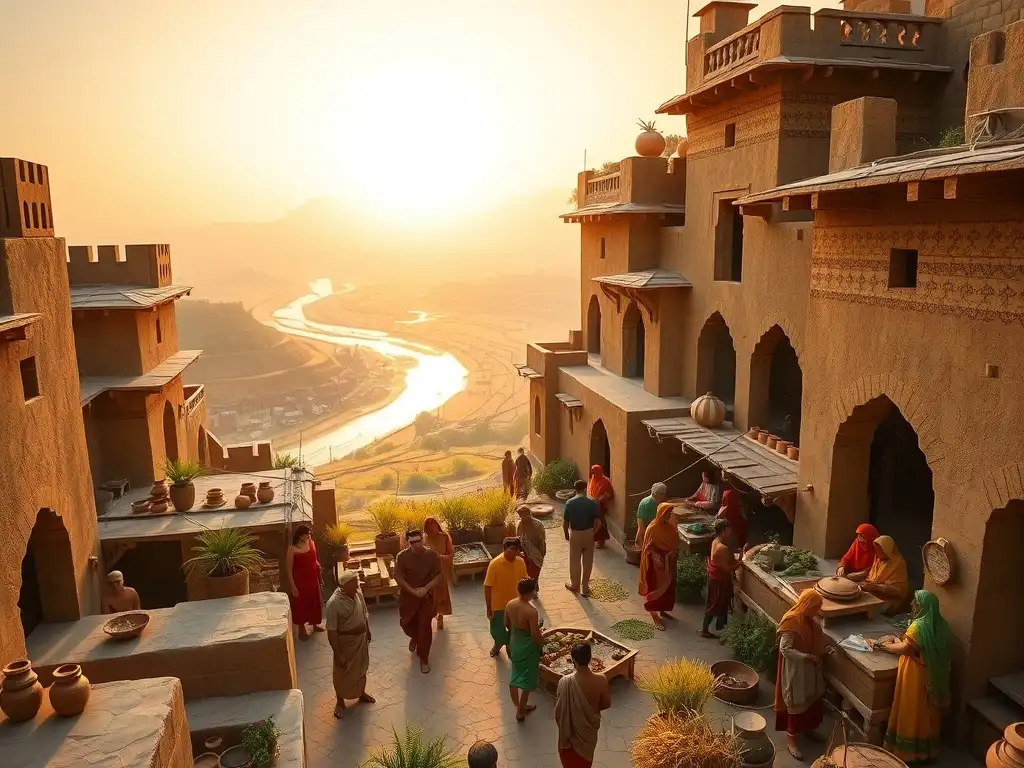
Welcome to Ancient India History, where we embark on a fascinating journey through the rich tapestry of ancient Indian civilizations. Have you ever wondered what daily life was truly like in the Indus Valley? Our main article, “The Legacy of Indus Valley Daily Life: Lessons for Modern Society,” delves into the intriguing lessons we can glean from this remarkable era. Discover how the innovations, social structures, and daily practices of the Indus Valley can still resonate in our lives today. Join us as we explore the echoes of the past that shape our present and inspire a brighter future!
Introduction to Indus Valley Civilization
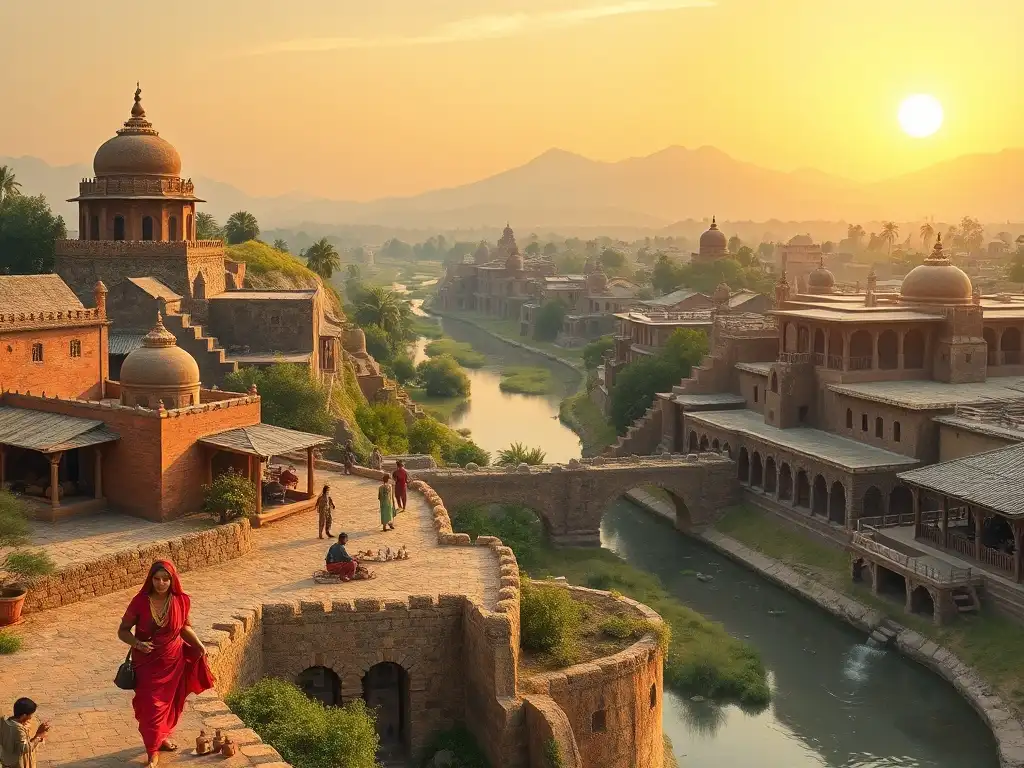
The Indus Valley Civilization (IVC) stands as one of the most remarkable achievements of ancient human society, flourishing around 2500 BCE in what is now modern-day Pakistan and northwest India. This civilization, known for its advanced urban planning, sophisticated drainage systems, and vibrant trade networks, provides a wealth of insights into daily life and cultural practices that can inspire contemporary society. By examining the daily routines, social structures, and community interactions of the Indus Valley people, we can uncover valuable lessons that resonate with modern challenges and aspirations.
Overview of the Indus Valley Civilization
The Indus Valley Civilization was one of the world's earliest urban cultures, characterized by well-planned cities such as Harappa and Mohenjo-Daro. These cities featured:
- Grid-like street layouts
- Advanced drainage systems
- Public baths and granaries
With a population that likely reached over five million at its zenith, the IVC was a melting pot of diverse cultures, languages, and practices. Its economy was primarily based on agriculture, trade, and craftsmanship, enabling the civilization to thrive for centuries. The legacy of the IVC is not only found in its physical remains but also in the practices that shaped daily life, which continue to influence societies today.
Importance of Daily Life in Ancient Societies
Understanding the daily life of ancient civilizations like the IVC is crucial for several reasons:
- Cultural Insights: Daily activities reflect the values, beliefs, and priorities of a society.
- Social Dynamics: Examining social interactions and structures can reveal how communities functioned and evolved.
- Lessons for Today: The challenges faced by ancient peoples often mirror those of modern societies, offering valuable lessons in resilience, cooperation, and sustainability.
By exploring the intricacies of daily life in the Indus Valley, we can gain insights that are relevant to our own lives, particularly in how we structure our communities and relationships.
Understanding Indus Valley Daily Life
Daily Activities and Routines in the Indus Valley
Life in the Indus Valley was structured around agriculture and trade. Daily activities typically included:
- Farming: The majority of the population engaged in agriculture, growing crops such as wheat, barley, and cotton.
- Craftsmanship: Skilled artisans produced pottery, jewelry, and textiles, which were traded both locally and with distant regions.
- Community Engagement: Social gatherings and communal activities fostered a sense of belonging and cooperation.
The rhythmic nature of these routines not only supported the economy but also reinforced social bonds within the community.
Social Structure and Community Life
The social structure of the Indus Valley was likely stratified, with a division of labor that allowed for specialization and collaboration. Key aspects of community life included:
- Neighborhoods: Houses were often built in clusters, indicating a strong sense of community and shared resources.
- Religious Practices: While much remains unknown, archaeological evidence suggests that the people of the IVC engaged in ritualistic practices, possibly centered around fertility and nature.
- Trade Networks: The IVC was part of extensive trade routes, facilitating cultural exchange and economic prosperity.
This social framework highlights the interconnectedness of individuals and the importance of community in daily life.
Roles of Men and Women in Daily Life
In the Indus Valley, gender roles were likely defined yet flexible, allowing for varied contributions to society:
- Men: Primarily engaged in farming, trade, and craftsmanship, men played a crucial role in economic activities.
- Women: Women contributed significantly to household management, textile production, and possibly even trade. Their roles were essential in maintaining the household and supporting community functions.
The balance of responsibilities between genders showcases a collaborative approach to daily life, emphasizing the value of each individual's contributions to societal well-being.
The daily life of the Indus Valley Civilization offers profound lessons for modern society. By learning from their practices and social structures, we can glean insights into building resilient communities and fostering collaboration in our own lives.
Innovations and Contributions of Indus Valley Society
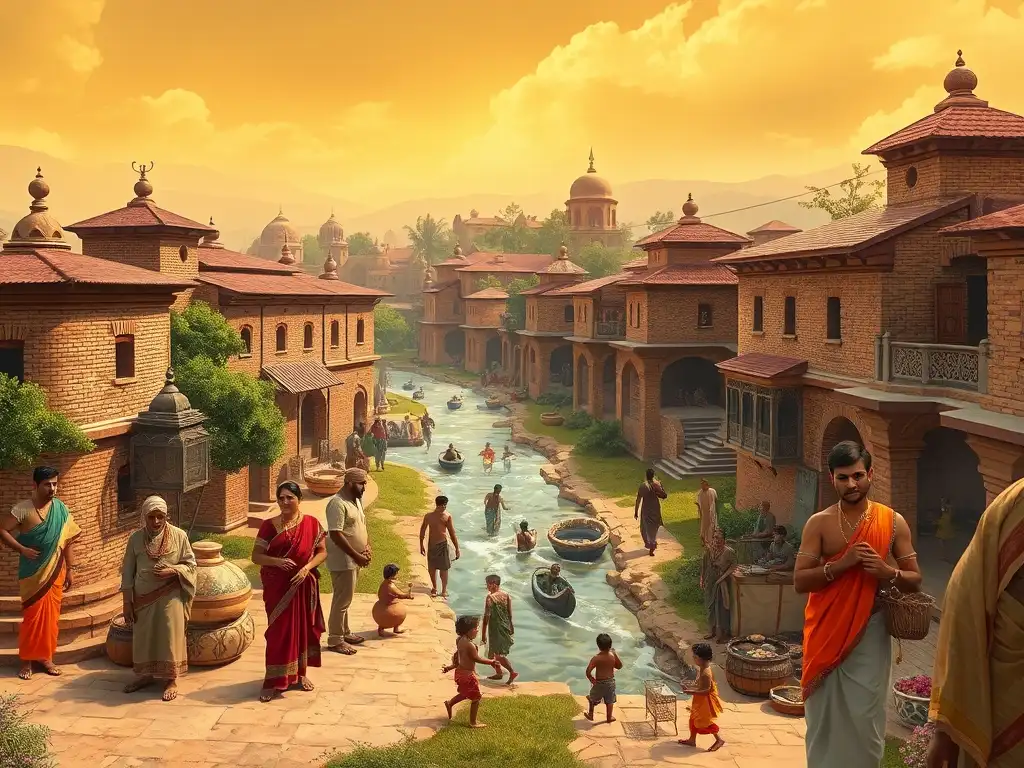
The Indus Valley Civilization, flourishing between approximately 2500 and 1900 BCE, is renowned for its remarkable innovations that laid the foundation for many aspects of modern life. This ancient society showcased ingenuity across various domains, including urban planning, water management, agriculture, and social organization. These innovations not only reflect the sophistication of the Indus Valley people but also offer valuable lessons that resonate with contemporary society's challenges.
Urban Planning and Architecture
The cities of the Indus Valley, particularly Harappa and Mohenjo-Daro, exhibit advanced urban planning that continues to impress historians and architects alike. The grid pattern layout of streets, characterized by precise right angles, allowed for efficient movement and organization. Buildings were constructed using standardized fired bricks, which provided durability and uniformity.
Key features of their urban architecture included:
- Public and Private Spaces: Distinct zones for residential areas and public facilities indicate a thoughtful approach to community living.
- Multi-storied Houses: The presence of two to three-story homes suggests a sophisticated understanding of space and verticality, maximizing limited land resources.
- Granaries and Warehouses: Centralized storage facilities indicate advanced agricultural practices and an organized economy.
These urban planning principles demonstrated a commitment to functionality and aesthetics, serving as a model for modern urban development.
Water Management and Sanitation Systems
One of the most significant achievements of the Indus Valley Civilization was its sophisticated water management and sanitation systems. The cities featured an extensive network of drainage systems, with covered drains lining the streets and connecting homes to public sewage systems. This level of sanitation was unprecedented at the time and highlights the civilization's emphasis on public health.
Key aspects of their water management include:
- Well-Designed Wells: Each household typically had access to its own well, ensuring a reliable water supply.
- Bathing Areas: The Great Bath at Mohenjo-Daro is a prime example of their communal bathing practices, reflecting social and religious customs centered around cleanliness.
- Rainwater Harvesting: Evidence suggests that the Indus Valley people engaged in rainwater harvesting, demonstrating an early understanding of sustainable water use.
These practices provide a blueprint for modern water management, emphasizing the importance of clean water access and effective sanitation systems in urban planning.
Agricultural Practices and Food Culture
The agricultural practices of the Indus Valley Civilization were highly advanced, contributing significantly to their economic stability and cultural identity. The fertile land along the Indus River enabled the cultivation of various crops, including wheat, barley, and cotton, which formed the basis of their diet and trade.
Notable features of their agricultural practices include:
- Crop Rotation and Irrigation: The use of irrigation channels and systems indicates an understanding of crop rotation, enhancing soil fertility and yield.
- Diverse Diet: Their diet included grains, legumes, fruits, and possibly dairy products, reflecting a diverse food culture that promoted health and nutrition.
- Trade Networks: The surplus production allowed for trade with neighboring regions, facilitating cultural exchange and economic growth.
The emphasis on sustainable agriculture and diverse food sources from the Indus Valley serves as a reminder of the importance of food security and agricultural innovation in today’s society.
Key Lessons from Indus Valley Daily Life
The daily life of the Indus Valley Civilization offers several key lessons that are highly relevant in the context of modern society. Their innovations in sustainability, community building, and urban infrastructure provide insights into creating a more harmonious and efficient living environment.
Sustainability Practices from the Indus Valley
The Indus Valley Civilization exemplified sustainability in various aspects of daily life. Their agricultural practices were centered around maintaining soil health and conserving water, showcasing a deep respect for the environment.
- Crop Diversity: By cultivating a variety of crops, the Indus people ensured resilience against crop failure and promoted biodiversity.
- Waste Management: Efficient waste disposal systems contributed to maintaining hygiene and preventing pollution, which is a critical concern in today’s urban settings.
These practices highlight the importance of integrating sustainability into modern lifestyles, encouraging communities to adopt eco-friendly habits.
Importance of Community and Social Cohesion
Social cohesion was a defining characteristic of the Indus Valley Civilization. The layout of their cities, with communal facilities and public spaces, fostered interaction and collaboration among residents.
- Shared Resources: The existence of communal baths and granaries indicates a culture of sharing and collective responsibility, enhancing social bonds.
- Cultural Identity: Festivals and communal activities likely played a significant role in reinforcing community ties and cultural heritage.
This emphasis on community underscores the importance of social networks in modern society, where collaboration and support systems are essential for well-being.
Innovations in Urban Living and Infrastructure
The urban innovations of the Indus Valley Civilization serve as a template for contemporary urban planning. Their thoughtful design and infrastructure significantly improved the quality of life for inhabitants.
- Efficient Transportation: The grid layout allowed for organized traffic flow, relevant in today’s congested urban environments.
- Access to Amenities: The integration of public baths, wells, and granaries within neighborhoods reflects an understanding of accessible amenities, promoting a higher standard of living.
Learning from these innovations can inspire modern cities to prioritize efficiency, accessibility, and sustainability in their infrastructure projects, ultimately enhancing the livability of urban spaces.
Relevance of Indus Valley Daily Life Lessons in Modern Society
The Indus Valley Civilization, one of the earliest urban cultures in history, offers invaluable insights into daily life that resonate with contemporary society. The practices and societal structures observed in this ancient civilization can inform modern living, emphasizing sustainability, community engagement, and innovative problem-solving. By examining the lessons derived from the daily activities, social organization, and environmental interactions of the Indus Valley people, we can adopt practices that not only enhance our quality of life but also promote harmony with our environment and each other.
Applying Sustainable Practices Today
One of the most significant lessons from the Indus Valley daily life is the emphasis on sustainability. The inhabitants demonstrated advanced urban planning, including sophisticated drainage systems and water management techniques. These practices highlight the importance of resource management, which is critically relevant today as we face environmental challenges.
Modern society can embrace these sustainable practices by:
- Implementing Efficient Water Management: Just as the Indus Valley people utilized wells and reservoirs, contemporary urban planners can develop systems that conserve water and ensure efficient use.
- Promoting Eco-Friendly Building Techniques: Learning from the use of kiln-fired bricks and mud in construction, modern architecture can focus on sustainable materials and designs that minimize environmental impact.
- Encouraging Agriculture Practices: The cultivation techniques of the Indus Valley, which included crop rotation and irrigation, can inspire today's farmers to adopt organic and sustainable methods, reducing reliance on chemical fertilizers and pesticides.
Enhancing Community Engagement in Urban Areas
The social structures of the Indus Valley Civilization were characterized by a sense of community and cooperation. The layout of their cities, with public baths and communal spaces, reflects the importance of social interaction and collective living. In the context of modern urban environments, these principles can be revitalized to foster community engagement and collaboration.
Strategies to enhance community engagement include:
- Creating Shared Spaces: Urban planners can design parks, community centers, and public gatherings that encourage social interaction among residents.
- Fostering Local Initiatives: Similar to the cooperative networks of the Indus Valley, local governments can support initiatives that promote citizen participation in decision-making processes.
- Encouraging Cultural Exchange: Hosting festivals and events that celebrate local traditions and diversity can enhance community bonds, reminiscent of the cultural practices of the Indus people.
Learning from Ancient Innovations for Modern Challenges
The innovations of the Indus Valley Civilization, such as their advanced metallurgy, pottery, and trade systems, present a wealth of knowledge that can be applied to contemporary challenges. Their ability to adapt to their environment and improve their technologies can inspire modern problem-solving approaches.
Key takeaways for modern innovation include:
- Emphasizing Interdisciplinary Collaboration: The diverse skill sets of Indus Valley artisans suggest that modern solutions require collaboration across various fields, from technology to environmental science.
- Investing in Research and Development: The commitment to innovation shown by the Indus Valley people underscores the necessity of continuous research to develop new technologies that address today's issues, such as climate change and resource scarcity.
- Encouraging Resilience and Adaptability: Learning from their ability to thrive in a challenging environment can motivate modern societies to remain adaptable in the face of changes and disruptions.
Conclusion: Embracing Indus Valley Daily Life Lessons
The study of the Indus Valley Civilization's daily life offers profound lessons that can be applied to modern society. By reflecting on their sustainable practices, community-centric values, and innovative approaches, we can foster a society that is more harmonious with nature and supportive of its members.
Reflecting on the Impact of Ancient Practices
As we draw inspiration from the Indus Valley, it is essential to reflect on how ancient practices can shape our future. The emphasis on sustainability, community engagement, and innovation is not just a relic of the past but a guiding principle that can lead to a better quality of life today. By incorporating these lessons into our daily practices, we can create a society that values both individual well-being and collective responsibility.
Encouraging a Return to Community-Centric Values
In a world increasingly influenced by individualism and technological advancement, the Indus Valley Civilization serves as a reminder of the importance of community. By encouraging a return to community-centric values, we can cultivate environments that prioritize collaboration, support, and mutual respect. This shift can lead to more resilient societies that are better equipped to tackle the challenges of the modern era, ensuring that the legacy of the Indus Valley continues to influence our lives in meaningful ways.
- Introduction to Indus Valley Civilization
- Overview of the Indus Valley Civilization
- Importance of Daily Life in Ancient Societies
- Understanding Indus Valley Daily Life
- Innovations and Contributions of Indus Valley Society
- Key Lessons from Indus Valley Daily Life
- Relevance of Indus Valley Daily Life Lessons in Modern Society
- Conclusion: Embracing Indus Valley Daily Life Lessons
- What were the main features of daily life in the Indus Valley civilization?
- How did the Indus Valley civilization contribute to modern society?
- What lessons can we learn from Indus Valley daily life?
- How did the Indus Valley civilization handle trade?
- What role did agriculture play in the Indus Valley civilization?
Frequently Asked Questions
What were the main features of daily life in the Indus Valley civilization?
Daily life in the Indus Valley civilization was characterized by advanced urban planning, including sophisticated drainage systems, well-structured streets, and public baths that highlighted their commitment to hygiene.
How did the Indus Valley civilization contribute to modern society?
The Indus Valley civilization laid the foundation for various aspects of modern society, such as urban development, trade practices, and craftsmanship, which continue to influence contemporary living.
What lessons can we learn from Indus Valley daily life?
The daily life lessons from the Indus Valley emphasize the importance of community living, sustainable practices, and innovation in urban planning, which are relevant to today's challenges.
How did the Indus Valley civilization handle trade?
The Indus Valley civilization had a well-established trade network, utilizing standardized weights and measures, and engaging in trade with neighboring regions, which showcases their advanced economic systems.
What role did agriculture play in the Indus Valley civilization?
Agriculture was central to the Indus Valley civilization, supporting their economy and sustaining the population through the cultivation of crops like wheat and barley, illustrating the significance of food security in society.
Final Reflection: Embracing the Lessons of Indus Valley Daily Life
The exploration of Indus Valley daily life lessons reveals a profound connection between ancient practices and contemporary society. As we navigate the complexities of modern living, the insights gleaned from the Indus Valley civilization remind us of the importance of sustainability, community, and innovation. The way these ancient people harmonized their daily routines with their environment serves as a striking reminder that our choices today can shape a more balanced and equitable future.
The influence of the Indus Valley civilization continues to resonate in our cultural and social landscape. Their emphasis on urban planning, trade, and social organization underscores the timeless value of collaboration and foresight. As we face pressing global challenges, such as climate change and social inequality, we can draw inspiration from their legacy. The greatest legacy of the past is the future we create from it.
This quote encapsulates the essence of learning from history, urging us to reflect on how the lessons of the past can guide our actions today.
As you ponder the Indus Valley daily life lessons, I invite you to consider how these ancient practices can inform your own life. Reflect on the ways you can integrate sustainability, community engagement, and innovative thinking into your daily routines. By embracing these lessons, you not only honor the legacy of the Indus Valley but also contribute to a more thoughtful and connected world. Let us carry forward the wisdom of our ancestors as we forge a brighter future together.
Embrace the Wisdom of the Indus Valley—Transform Your Daily Life!
Thank you for diving into the fascinating world of the Indus Valley and the invaluable lessons it holds for us today. By understanding their daily life and practices, you've taken an important step toward enriching your own lifestyle. Now, it's time to translate that knowledge into action!
Here are some practical steps for you to take:
- Incorporate Sustainable Practices: Begin by adopting eco-friendly habits in your daily routine, inspired by the resourcefulness of the Indus Valley civilization.
- Explore Ancient Innovations: Research and apply traditional techniques in your home, such as craftsmanship or organic gardening methods.
- Share Your Insights: Engage with others by discussing your findings on social media or in community groups to spread awareness and inspire collective action.
Now, we’d love to hear from you! What aspect of daily life in the Indus Valley are you most eager to incorporate into your routine?