
How the Indus Valley Civilization Influenced Later Indian Scientific Thought


Welcome to Ancient India History, where we embark on a fascinating journey through time to uncover the rich tapestry of ancient Indian civilizations. In our featured article, we delve into the Indus Valley scientific contributions that laid the groundwork for later advancements in Indian scientific thought. What innovations did these early pioneers introduce, and how did their legacy shape the world we know today? Prepare to be captivated as we explore the remarkable achievements of the Indus Valley Civilization and their enduring influence. Join us as we unlock the secrets of our past!
- Introduction to the Indus Valley Civilization and Its Scientific Contributions
- Key Scientific Contributions of the Indus Valley Civilization
- The Influence of Indus Valley Scientific Contributions on Later Indian Thought
- Comparative Analysis: Indus Valley Civilization and Other Ancient Civilizations
- Legacy of the Indus Valley Civilization in Indian Scientific Tradition
- Conclusion: The Enduring Impact of Indus Valley Scientific Contributions
-
Frequently Asked Questions
- What were the scientific contributions of the Indus Valley Civilization?
- How did the Indus Valley influence later Indian civilizations?
- What role did trade play in the scientific development of the Indus Valley?
- Are there any notable archaeological findings related to Indus Valley science?
- How did the Indus Valley Civilization impact Indian philosophy?
- Final Reflection: The Enduring Legacy of Indus Valley Scientific Contributions
- Unleash the Legacy of the Indus Valley!
Introduction to the Indus Valley Civilization and Its Scientific Contributions
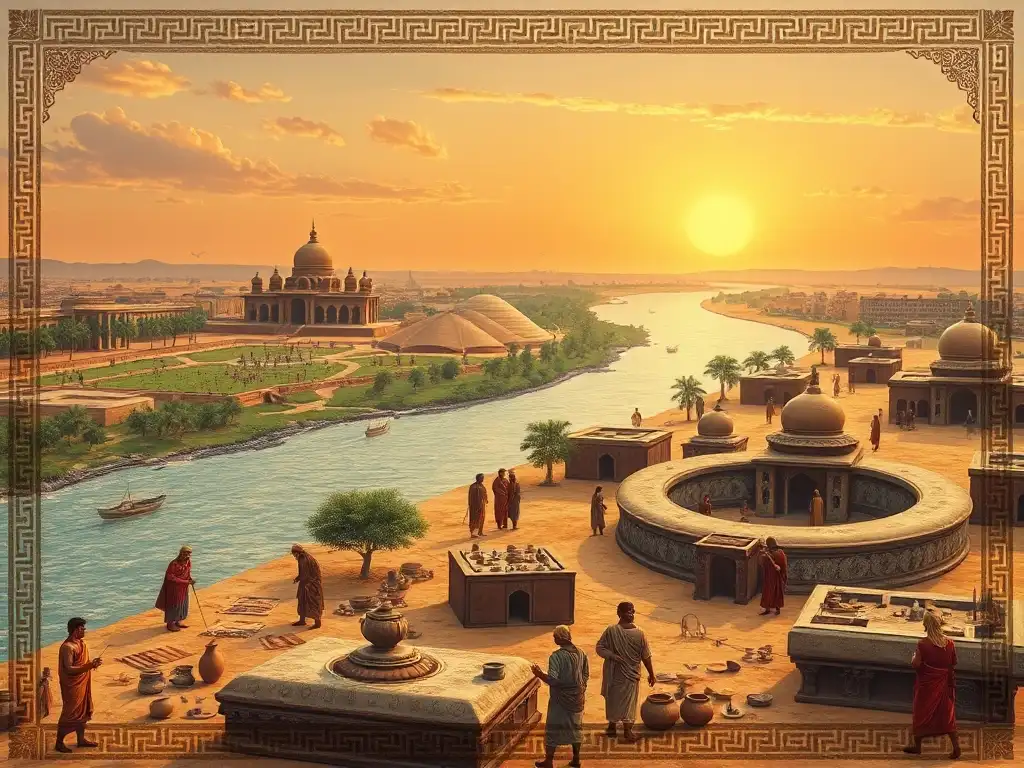
The Indus Valley Civilization (IVC), one of the world's earliest urban cultures, flourished between approximately 3300 BCE and 1300 BCE in what is today Pakistan and northwest India. This remarkable civilization is celebrated not only for its sophisticated urban planning and architecture but also for its pioneering scientific contributions that laid the groundwork for future advancements in India. As we delve into the various aspects of the IVC, it becomes evident that its influence extends far beyond its geographical boundaries and time period, significantly shaping the trajectory of Indian scientific thought.
This article aims to explore the scientific contributions of the Indus Valley Civilization, highlighting its innovative practices in areas such as urban planning, metallurgy, agriculture, and trade. By examining these contributions, we can better understand how the achievements of the IVC have resonated throughout history, influencing subsequent civilizations and their scientific endeavors.
Overview of the Indus Valley Civilization
The Indus Valley Civilization, also known as the Harappan Civilization, was characterized by its advanced city planning, which included well-organized streets, drainage systems, and sophisticated architecture. Key cities such as Harappa and Mohenjo-Daro showcase the architectural prowess of the time, featuring multi-storied houses made from fired bricks and an intricate system of public baths.
Key Features of the Indus Valley Civilization:
- Urban Planning: Cities were meticulously laid out in grid patterns, with streets intersecting at right angles, reflecting an understanding of urban design.
- Drainage Systems: The civilization implemented advanced drainage systems that efficiently managed waste and rainwater, showcasing their engineering skills.
- Standardized Weights and Measures: The use of standardized weights and measures facilitated trade and commerce, indicating a highly organized economic structure.
The IVC also demonstrated significant advancements in various scientific fields, including:
- Metallurgy: The Harappans were skilled in the production of bronze, copper, and other alloys, advancing techniques that would be foundational for future metallurgical practices.
- Agriculture: With a deep understanding of irrigation and crop cultivation, the IVC established agricultural practices that allowed for surplus production, supporting large urban populations.
- Trade Networks: The civilization engaged in extensive trade with neighboring regions, which fostered the exchange of ideas and technologies.
Importance of Scientific Thought in Ancient Civilizations
Scientific thought has always played a crucial role in the development of human societies, enabling civilizations to progress through innovation and discovery. In ancient civilizations, such as the Indus Valley, the pursuit of knowledge was not merely academic but was deeply intertwined with daily life, agriculture, health, and technology.
The Role of Scientific Thought in Ancient India:
- Problem Solving: Ancient Indian societies, including the Harappans, approached challenges with a systematic and empirical mindset, leading to practical solutions that enhanced their quality of life.
- Cultural Integration: Scientific advancements were often influenced by cultural and spiritual beliefs, illustrating the interconnectedness of knowledge and tradition in ancient India.
- Legacy of Knowledge: The scientific contributions of the IVC paved the way for later developments in Indian philosophy and science, influencing thinkers during the Vedic period and beyond.
The scientific contributions of the Indus Valley Civilization are a testament to the innovative spirit of ancient Indian cultures. Understanding these contributions provides valuable insights into the foundations of scientific thought in India and highlights the enduring legacy of the Indus Valley on subsequent civilizations.
Key Scientific Contributions of the Indus Valley Civilization
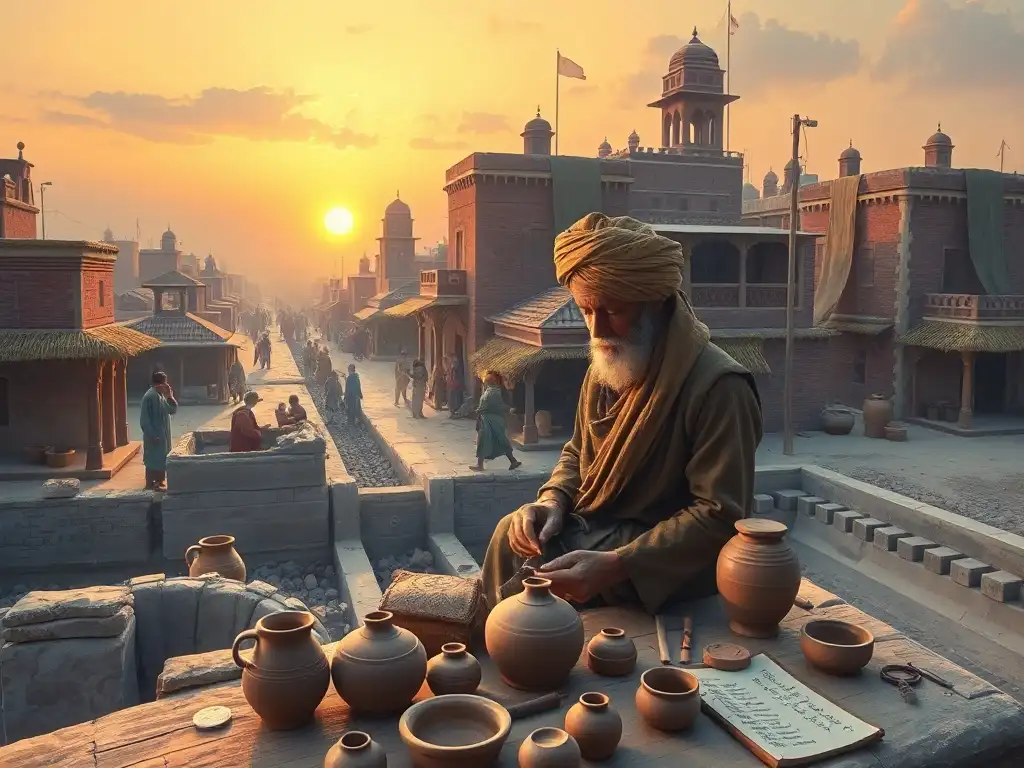
The Indus Valley Civilization (IVC), one of the world's earliest urban cultures, thrived around 2500 BCE in what is now Pakistan and northwest India. This civilization is known not only for its remarkable urban planning but also for its significant scientific contributions that laid the foundation for later advancements in Indian science and technology. The legacy of the IVC is evident in various fields such as urban planning, metallurgy, and water management, which have influenced subsequent Indian civilizations.
Urban Planning and its Impact on Later Scientific Developments
The urban planning of the Indus Valley Civilization is a hallmark of its scientific ingenuity. Cities like Harappa and Mohenjo-Daro were meticulously laid out, showcasing a grid pattern that emphasized organization and efficiency. Key features of this urban planning include:
- Grid Pattern Layout: Streets were arranged in a grid pattern, facilitating easy navigation and transport. This method has influenced urban planning in later Indian cities.
- Standardized Measurements: The use of uniform weights and measures indicates a sophisticated understanding of geometry and trade, promoting economic stability.
The impact of these planning techniques on later scientific thought is profound. The emphasis on organized urban centers paved the way for future advancements in architecture and civil engineering. Moreover, the principles of urban design established during this era resonate in contemporary urban planning in India.
Advances in Metallurgy and Material Science
The IVC made remarkable strides in metallurgy, particularly in the production of bronze and copper tools, which were crucial for agriculture, construction, and craftsmanship. Key advancements include:
- Copper and Bronze Tools: The ability to smelt copper and alloy it with tin to create bronze significantly enhanced tool-making capabilities. This advancement is pivotal in understanding material science, as it demonstrates early experimentation with alloys.
- Craftsmanship: Artisans in the IVC produced intricate jewelry, seals, and figurines, showcasing an understanding of aesthetics and functionality in materials.
These metallurgical techniques significantly influenced later periods in Indian history. The skills developed during the Indus Valley period set the groundwork for advanced metallurgy in the subsequent Vedic and Maurya periods, where the use of iron became predominant.
Innovations in Water Management and Sanitation
One of the most notable contributions of the Indus Valley Civilization is in the realm of water management and sanitation. The IVC cities were equipped with advanced systems that included:
- Drainage Systems: The sophisticated drainage systems, with covered drains running along streets, ensured effective sanitation and public health. This innovation reflects a scientific understanding of hygiene and urban waste management.
- Water Supply: The construction of wells and reservoirs indicates a strategic approach to resource management, ensuring a steady water supply for urban populations.
These innovations in water management have had a lasting impact on Indian civilization. The principles of sanitation and public health established during the IVC were later adopted and adapted in various Indian cultures, influencing health practices and urban planning.
The scientific contributions of the Indus Valley Civilization—ranging from urban planning to metallurgy and water management—have played a critical role in shaping the trajectory of Indian scientific thought. These advancements not only highlight the ingenuity of ancient Indian societies but also provide a foundation for future scientific and technological developments.
The Influence of Indus Valley Scientific Contributions on Later Indian Thought
The Indus Valley Civilization (IVC) stands as a monumental milestone in the history of ancient Indian scientific thought. Its scientific contributions laid the groundwork for various fields that flourished in subsequent Indian civilizations. By examining the technological and scientific advancements of the IVC, we can uncover their profound influence on later Indian intellectual traditions, particularly in areas such as mathematics, medicine, and urban planning.
Transition from Indus Valley Science to Vedic Knowledge
The transition from the scientific advancements of the Indus Valley to the philosophical and spiritual insights of Vedic knowledge represents a significant evolution in ancient Indian thought. The Vedic period, which followed the decline of the IVC around 1500 BCE, saw a transformation in the understanding of the natural world, influenced heavily by earlier practices and knowledge systems.
- Urban Planning and Cosmology: The meticulous urban planning of the IVC, characterized by grid layouts and advanced drainage systems, provided a foundation for Vedic texts that emphasized harmony and order in the universe. The concept of Vastu Shastra, which deals with architecture and spatial arrangement, can trace its roots back to the principles observed in IVC cities like Mohenjo-Daro and Harappa.
- Agricultural Techniques and Rituals: The agricultural innovations of the Indus Valley, such as advanced irrigation systems and crop rotation, transitioned into the agrarian rituals found in Vedic literature. These rituals often celebrated the cycles of nature and agricultural abundance, revealing a continuity of thought and practice between the two periods.
- Metallurgy and Sacrificial Practices: The IVC’s advancements in metallurgy, including the production of copper and bronze tools, influenced the crafting of ritual implements in Vedic ceremonies. The precision involved in metalwork was mirrored in the meticulous nature of Vedic sacrifices, which required exactitude in preparation and execution.
This transition reflects not just a continuation of scientific thought but also an adaptation of these ideas into a more spiritual and philosophical framework, enriching the intellectual landscape of ancient India.
How Indus Innovations Shaped Early Indian Mathematics
The mathematical innovations of the Indus Valley Civilization played a crucial role in shaping the numerical systems and mathematical thought that later emerged in ancient India. The IVC is credited with several key contributions:
- Standardized Weights and Measures: The use of standardized weights and measures in trade and construction indicates an advanced understanding of mathematics. Artifacts such as the weights made of stone and metal show a sophisticated system that predated the more formalized mathematical texts of the later periods.
- Geometry and Urban Planning: The precise layout of cities like Harappa and Mohenjo-Daro demonstrates an application of geometric principles. The grid pattern and right angles in city planning are some of the earliest examples of geometry in practice, ultimately influencing later Indian mathematical texts, including the Sulba Sutras, which discuss geometric constructions and rituals.
- Numerical Systems: Evidence suggests that the IVC may have utilized a decimal system, which later influenced the development of Indian numerals. This foundational knowledge in counting and calculation paved the way for significant mathematical advancements during the Gupta Empire, which is often referred to as the "Golden Age of Mathematics" in India.
Through these innovations, the Indus Valley Civilization not only contributed to practical applications of mathematics but also set a precedent that would influence mathematical thought for centuries to come.
The Role of Indus Valley Medicine in Ancient Indian Health Practices
The medical practices of the Indus Valley Civilization reveal an early understanding of health and wellness that persisted and evolved into the medical systems of later Indian cultures, particularly Ayurveda. Key aspects of Indus Valley medicine include:
- Herbal Remedies and Healing Practices: Archaeological findings suggest that the inhabitants of the IVC employed various plants for medicinal purposes. The use of herbs, which is a cornerstone of Ayurveda, can be traced back to this era, showing an early understanding of the healing properties of natural substances.
- Surgical Techniques: Evidence of surgical instruments, such as scalpels and forceps, indicates that the Indus Valley practitioners possessed knowledge of surgical procedures. This expertise likely influenced later medical texts, which detailed surgical practices and methodologies, showcasing an evolution from rudimentary techniques to more advanced surgical interventions.
- Public Health and Sanitation: The advanced drainage and sanitation systems of the IVC highlight a sophisticated approach to public health, emphasizing hygiene and disease prevention. This understanding of sanitation and its importance in health was echoed in later Indian medical texts, which incorporated principles of cleanliness and health maintenance.
The medical practices of the Indus Valley Civilization not only influenced later Indian health practices but also established a foundation for a holistic approach to medicine that continues to be relevant in contemporary discussions of health and wellness.
Comparative Analysis: Indus Valley Civilization and Other Ancient Civilizations
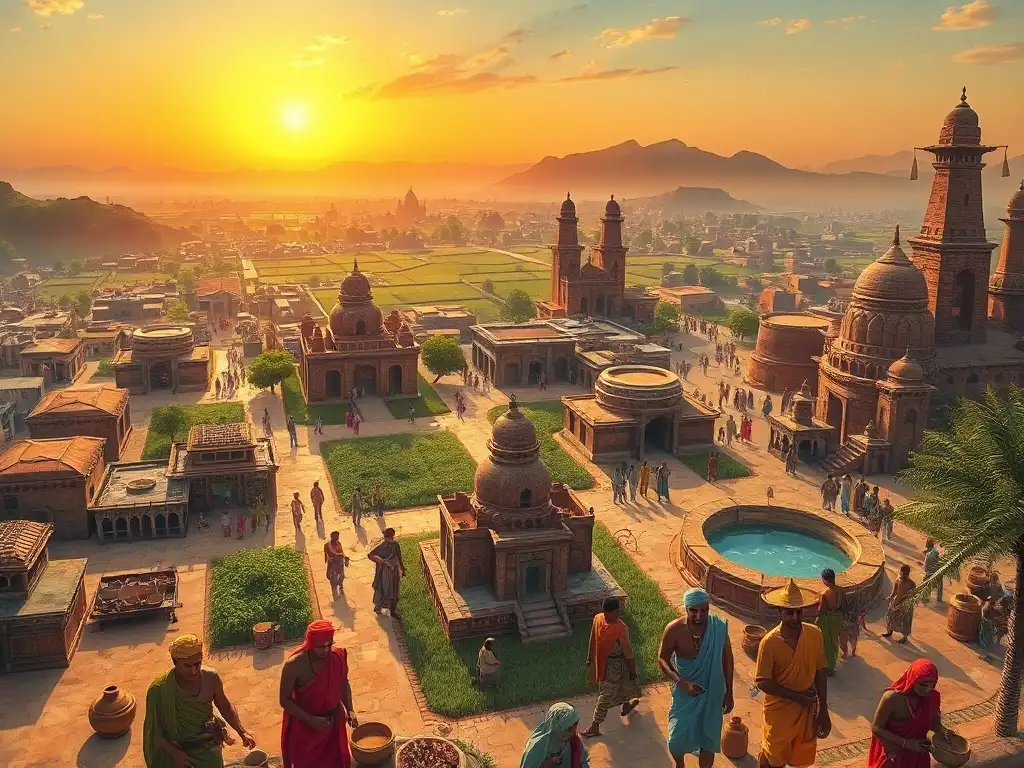
The Indus Valley Civilization (IVC), known for its advanced urban planning and sophisticated societal structure, shares both similarities and contrasts with other ancient civilizations, particularly in the realms of scientific thought and technological advancements. By analyzing these comparisons, we can gain a deeper understanding of how the IVC influenced later scientific contributions in India and beyond.
Similarities in Scientific Approaches with Mesopotamia
The IVC and Mesopotamia, one of the earliest cradles of civilization, exhibit notable similarities in their scientific methodologies and approaches to problem-solving. Both civilizations placed a high value on practical knowledge, which was used to address everyday challenges.
- Urban Planning and Infrastructure:
- Both the Indus Valley and Mesopotamia showcased remarkable urban planning. The cities of Harappa and Mohenjo-Daro featured grid layouts and advanced drainage systems similar to those seen in Mesopotamian cities like Babylon and Ur.
- Example: The IVC utilized baked bricks for construction, paralleling Mesopotamian techniques that emphasized durable materials to withstand environmental factors.
- Water Management:
- Both civilizations developed sophisticated methods for managing water resources. The IVC is known for its extensive drainage systems and public baths, while Mesopotamians created irrigation canals to optimize agricultural output.
- This shared focus on water management highlights an understanding of hydraulic engineering that would influence later scientific practices in both regions.
- Agricultural Techniques:
- The agricultural practices in both civilizations were highly advanced. The IVC cultivated crops such as wheat and barley, akin to the Mesopotamian reliance on cereals, which were crucial for sustaining their populations.
- The use of plowing techniques and crop rotation in both areas reflects a systematic approach to agriculture that contributed to their economic stability.
Contrasts in Technological Advancements with Ancient Egypt
While the IVC and Ancient Egypt both achieved remarkable advancements, their technological focuses diverged significantly, reflecting their unique environmental and cultural contexts.
- Construction Techniques:
- The IVC is renowned for its standardized brick sizes and sophisticated urban layouts, which differ from the monumental stone architecture of Ancient Egypt, such as the pyramids.
- Example: The use of mud bricks in the IVC was effective for their needs but did not lead to the massive stone structures that characterized Egyptian civilization.
- Writing and Record-Keeping:
- The IVC utilized a script that remains undeciphered, believed to be primarily used for trade and administrative purposes. In contrast, Ancient Egyptians developed hieroglyphics, which served both religious and administrative functions and have been extensively documented.
- This difference in writing systems reflects varying priorities in communication and record-keeping, influencing how each civilization documented and transmitted scientific knowledge.
- Scientific Focus:
- The IVC exhibited a practical approach to science, particularly in areas such as metallurgy and potter's wheel technology, focusing on usability and efficiency. In contrast, Ancient Egypt placed greater emphasis on astronomy and mathematics, directly linked to their religious practices and calendrical systems.
- This divergence illustrates how environmental factors shaped their respective scientific inquiries, with the IVC's focus on urban sustainability versus Egypt's celestial orientation.
The comparative analysis of the Indus Valley Civilization with Mesopotamia and Ancient Egypt reveals both shared scientific methodologies and distinct technological advancements. These interactions and contrasts highlight the Indus Valley scientific contributions that significantly influenced later Indian scientific thought, laying a foundation for future innovations.
Legacy of the Indus Valley Civilization in Indian Scientific Tradition
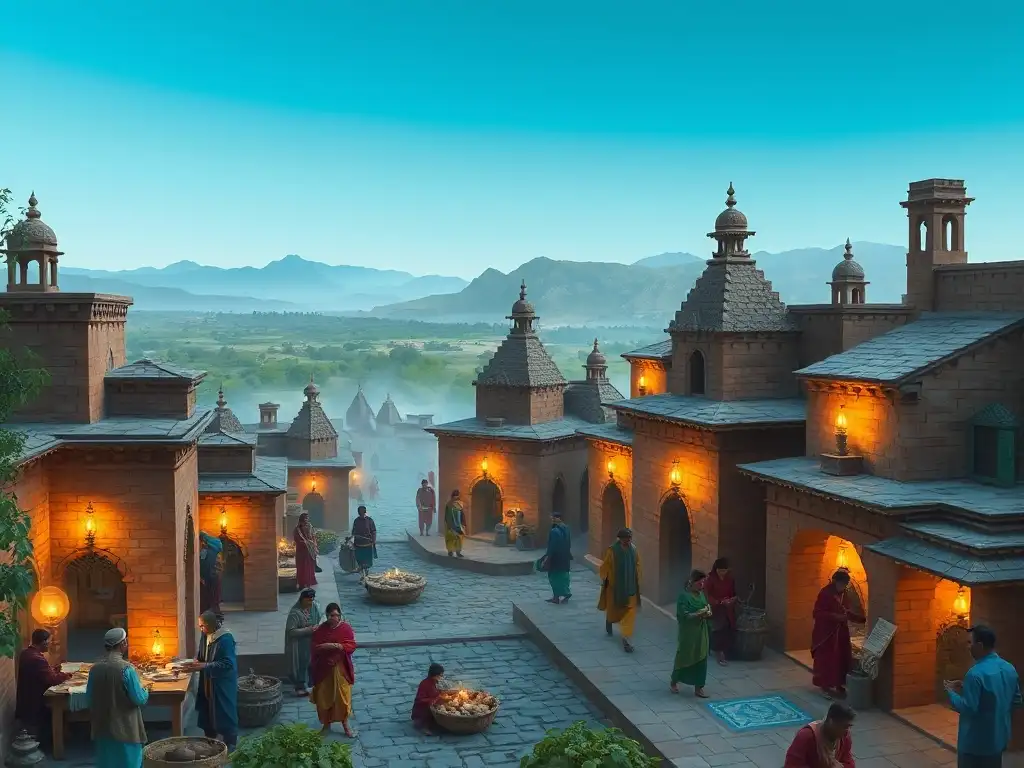
The legacy of the Indus Valley Civilization (IVC) extends far beyond its impressive urban planning and sophisticated drainage systems. It significantly influenced the scientific thought that prevailed in subsequent Indian civilizations. The methodologies, concepts, and knowledge preserved from the IVC laid a foundation that would resonate throughout the ages, shaping India's scientific discourse. This legacy is evident in various aspects, from agricultural practices to mathematics and astronomy.
Preservation of Knowledge through Oral Traditions
One of the most profound ways in which the scientific contributions of the Indus Valley Civilization were preserved is through oral traditions. These traditions served as conduits for passing down critical knowledge across generations.
- Storytelling as a Medium: Elders in communities shared stories that encapsulated agricultural techniques, herbal medicine, and astronomical observations. Such narratives not only entertained but also educated the younger population about their heritage and practical knowledge.
- Cultural Rituals and Practices: Many rituals in later Indian societies can be traced back to customs established during the IVC. For instance, the reverence for certain plants and animals in Vedic traditions reflects the ecological awareness that was likely present in the Indus Valley.
- Adaptation and Evolution: As these stories and practices were conveyed through generations, they evolved, integrating new discoveries and ideas while retaining core components of IVC knowledge. This adaptability ensured that key scientific concepts remained relevant.
The effectiveness of oral traditions in preserving knowledge is evidenced by the survival of agricultural practices that originated in the IVC, such as crop rotation and irrigation techniques, which are still in use today.
The Relevance of Indus Scientific Practices in Modern India
The scientific practices of the Indus Valley Civilization have continued to exert influence in various fields in modern India. This relevance is observable in several key areas:
- Agriculture and Water Management: The IVC is renowned for its advanced agricultural techniques, particularly its irrigation systems. Modern Indian agriculture continues to draw from these ancient practices, employing methods such as contour farming and rainwater harvesting, which were likely developed during the IVC era.
- Mathematics and Measurement: The people of the Indus Valley utilized standardized weights and measures, which laid the groundwork for later mathematical developments in India. This standardization is reflected in contemporary practices, including trade and commerce, where accurate measurements are fundamental.
- Urban Planning and Architecture: The urban design of Harappa and Mohenjo-Daro, with their grid layouts and sophisticated drainage systems, has inspired modern urban planners in India. The principles of sustainable design and efficient resource management continue to echo the scientific foresight of the IVC.
- Medical Practices: The use of medicinal plants, as evidenced by archaeological findings, indicates that the Indus Valley had a knowledge base in herbal medicine. This tradition has evolved into Ayurveda, one of the oldest systems of medicine in the world, which remains widely practiced in India today.
The enduring impact of the Indus Valley Civilization's scientific contributions highlights the civilization's role as a cornerstone in the development of Indian scientific thought, emphasizing the interconnectedness of ancient practices and modern advancements. By recognizing and honoring this rich heritage, contemporary India continues to build upon the foundations laid by its ancient ancestors.
Conclusion: The Enduring Impact of Indus Valley Scientific Contributions
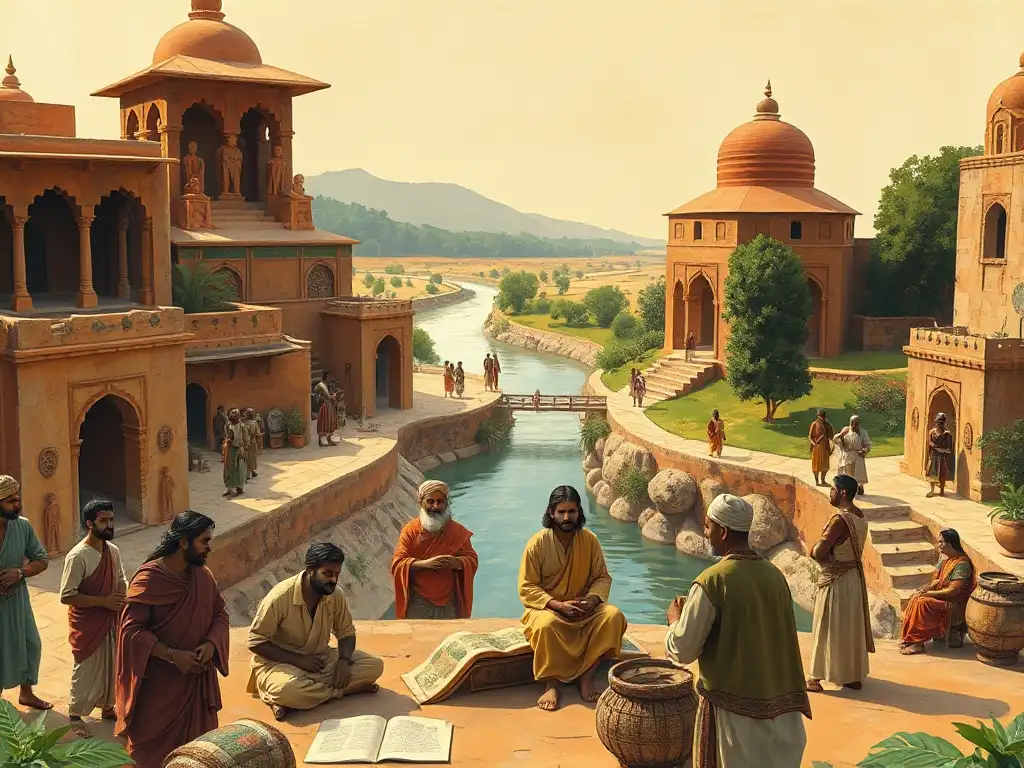
Summary of Key Points
The Indus Valley Civilization (IVC) stands as a monumental chapter in the history of ancient India, showcasing remarkable scientific contributions that have left an indelible mark on later Indian thought. Here are the key points that encapsulate the essence of IVC's influence on scientific advancements:
- Urban Planning and Architecture: The meticulous layout of cities like Mohenjo-Daro and Harappa exemplified advanced urban planning. The grid system, drainage systems, and public baths are testaments to their engineering prowess.
- Metallurgy and Craftsmanship: The Indus Valley artisans excelled in metallurgy, producing tools, ornaments, and seals from bronze and copper. This expertise laid the groundwork for future technological advancements in metalworking.
- Measurement and Standardization: The use of standardized weights and measures in trade reflects a sophisticated understanding of mathematics and commerce, which would be foundational for economic practices in later civilizations.
- Agriculture and Irrigation: The IVC's innovative agricultural techniques, including crop rotation and irrigation systems, significantly contributed to food production and sustainability, influencing agricultural practices in subsequent cultures.
- Cotton Textile Production: The cultivation of cotton and development of textile techniques in the IVC established the foundation for India's long-standing textile industry, which continues to thrive today.
Final Thoughts on the Influence of Ancient Science on Modern India
The scientific contributions of the Indus Valley Civilization are not merely relics of the past; they continue to resonate in contemporary Indian society. As we delve into the specifics of their innovations, it becomes clear that the principles of urban planning, metallurgy, standardization, and agricultural practices have been pivotal in shaping the trajectory of Indian science and technology.
Modern India, with its growing emphasis on sustainable development and technological advancement, can draw valuable lessons from the IVC's holistic approach to science and society. By embracing innovative agricultural methods, efficient urban planning, and craftsmanship, India can honor its ancient heritage while paving the way for a prosperous future.
The Indus Valley scientific contributions serve as a vital link between ancient wisdom and modern practices, highlighting the enduring legacy of one of the world's earliest urban civilizations. As we continue to explore and understand these contributions, we not only appreciate the ingenuity of our ancestors but also recognize the potential for continued growth and innovation in our scientific endeavors.
Frequently Asked Questions
What were the scientific contributions of the Indus Valley Civilization?
The Indus Valley Civilization is renowned for its advanced urban planning, drainage systems, and metallurgy, laying a foundation for later scientific advancements in India.
How did the Indus Valley influence later Indian civilizations?
The Indus Valley's innovations in mathematics, astronomy, and engineering significantly influenced subsequent Indian cultures, particularly during the Vedic and Gupta periods.
What role did trade play in the scientific development of the Indus Valley?
The trade networks established by the Indus Valley Civilization facilitated the exchange of ideas and technologies, enhancing their scientific knowledge and contributing to cultural exchange.
Yes, archaeological discoveries such as the Great Bath, weights and measures, and grid layouts of cities showcase the scientific ingenuity of the Indus Valley Civilization.
How did the Indus Valley Civilization impact Indian philosophy?
The scientific contributions of the Indus Valley set a precedent for a rational approach to understanding the universe, influencing later philosophical thought and scientific inquiry in India.
Final Reflection: The Enduring Legacy of Indus Valley Scientific Contributions
The scientific contributions of the Indus Valley Civilization continue to resonate profoundly in today's world, illustrating how ancient knowledge shapes modern thought. As we explore the remarkable advancements in urban planning, metallurgy, and mathematics from this early civilization, we uncover a treasure trove of insights that not only laid the groundwork for future innovations but also remind us of the interconnectedness of human progress. The legacy of the Indus Valley is not merely a chapter in history; it is a living testament to the power of knowledge that transcends time.
Cultural and social landscapes are often shaped by the foundational ideas of our predecessors, and the Indus Valley Civilization is a prime example of this phenomenon. The principles of urban organization and sustainable living that emerged from this ancient society continue to influence contemporary discussions about environmental sustainability and urban development. As we navigate the challenges of modern living, we can draw inspiration from their ingenuity. The past is never dead. It's not even past.
– William Faulkner. This quote encapsulates the idea that our historical roots remain vital, guiding our present and future.
As we reflect on the remarkable achievements of the Indus Valley Civilization, I invite you to consider how these ancient scientific contributions can inspire your own journey. Take a moment to explore the lessons of innovation, sustainability, and community that they offer. Whether in your personal life or professional endeavors, let the wisdom of the past guide you toward a future where knowledge and creativity flourish. Embrace the spirit of inquiry and connection that the Indus Valley exemplifies, and carry it forward into your own contributions to the world.
Unleash the Legacy of the Indus Valley!
Thank you for exploring the profound influence of the Indus Valley Civilization on Indian scientific thought! We hope this article has inspired you to appreciate the deep connections between history and modern innovation. Now, it's time to take that newfound knowledge and turn it into action.
- Dive deeper! Discover the specific advancements in ancient Indian science that continue to shape our world today.
- Share your insights! Engage in discussions about this article with friends or on social media to spread awareness about the rich history of scientific innovation.
- Join the conversation! Participate in our forums on ancient Indian history and share your thoughts or questions with fellow enthusiasts.
Which aspect of the Indus Valley Civilization's influence on science resonates with you the most, and why? We would love to hear your perspective!