
The Importance of Community in the Indus Valley: Social Gatherings and Interaction

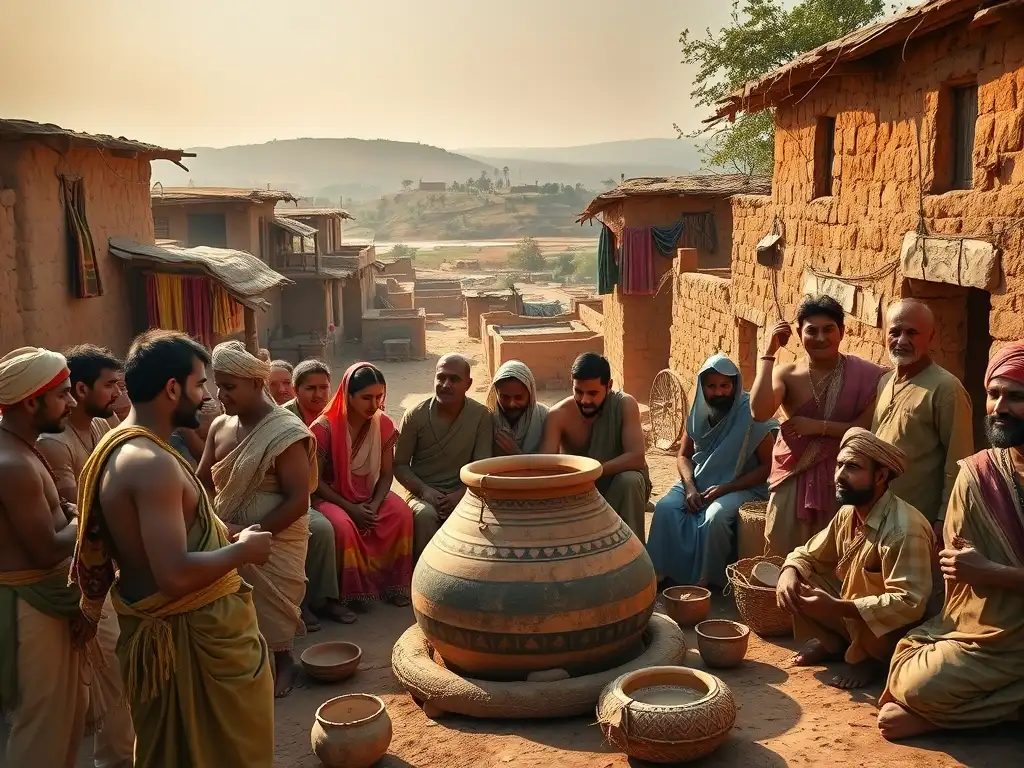
Welcome to Ancient India History, where we embark on a captivating journey through the vibrant tapestry of ancient Indian civilizations. As you delve into our latest article on “The Importance of Community in the Indus Valley: Social Gatherings and Interaction,” you'll uncover the intricate web of community interactions that defined one of history's most fascinating societies. What role did social gatherings play in shaping the lives of the Indus Valley people?
Join us as we explore the profound impact of these interactions on their culture and legacy. The past is rich with stories waiting to be told—dive in and discover the connections that forged a civilization!
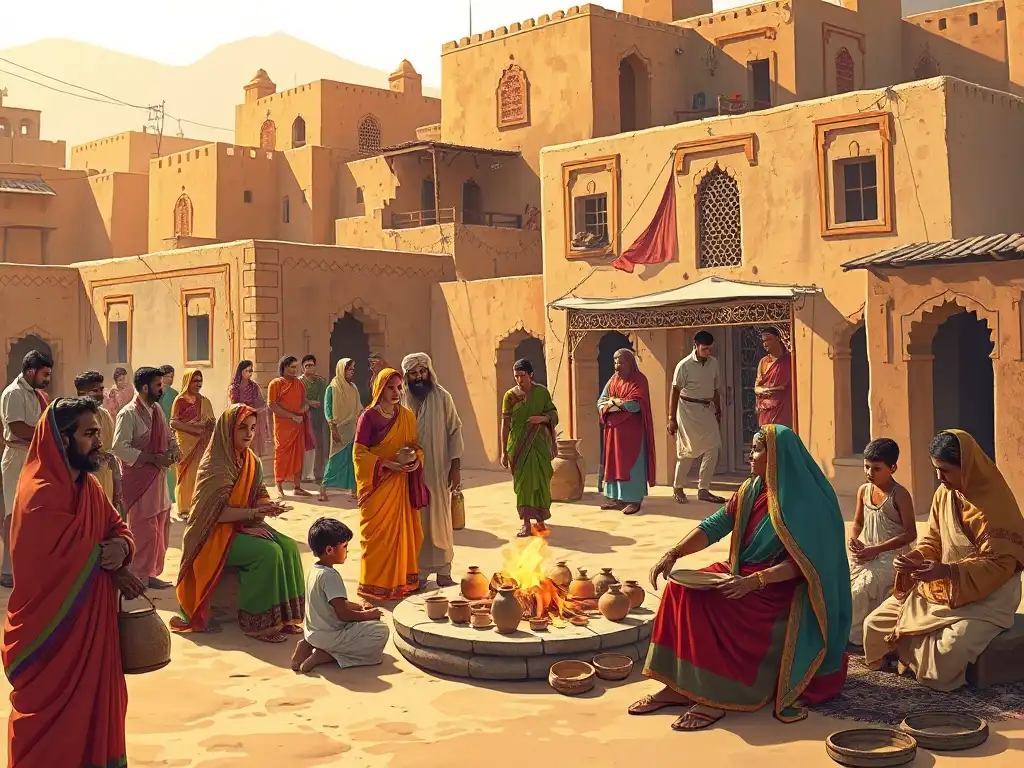
Introduction to the Indus Valley Civilization and Community Life
The Indus Valley Civilization, one of the world's earliest urban cultures, flourished around 2500 BCE in what is now modern-day Pakistan and northwest India. This remarkable civilization is renowned not only for its advanced urban planning and architectural achievements but also for the intricate social structures and community interactions that defined its daily life.
Understanding the role of community in the Indus Valley provides valuable insights into the social dynamics that fostered cooperation, trade, and cultural exchanges among its inhabitants. The keyword Indus Valley community interactions encapsulates the essence of these social gatherings and the connections formed through them, highlighting their significance in shaping the fabric of this ancient society.
Overview of the Indus Valley Civilization
The Indus Valley Civilization, often referred to as the Harappan Civilization, was characterized by a network of well-planned cities such as Harappa and Mohenjo-Daro. These urban centers featured sophisticated drainage systems, public baths, and granaries, demonstrating an impressive level of engineering and administration. The civilization thrived on agriculture, trade, and craft production, with evidence of extensive commerce with neighboring regions.
The social structure of the Indus Valley was likely hierarchically organized, with artisans, farmers, and traders playing crucial roles in the economy. However, the true strength of this civilization lay in its community life, where collaboration and social bonds were essential for survival and prosperity.
Significance of Community in Ancient Societies
In ancient societies, community served as the cornerstone of social stability and cohesion. The interactions among community members facilitated the exchange of ideas, resources, and cultural practices.
- Social Support: Communities provided a safety net, ensuring that individuals had support in times of need. This was particularly important in agricultural societies where crop failures could threaten livelihoods.
- Cultural Exchange: Regular gatherings allowed for the sharing of traditions and customs, fostering a sense of identity and belonging among members.
- Economic Collaboration: Communities often pooled resources for collective tasks, such as irrigation projects or trade expeditions, which enhanced economic resilience.
In the context of the Indus Valley, these elements were crucial for the development of a thriving civilization that could withstand challenges and adapt to changing circumstances.
Understanding Indus Valley Community Interactions
Definition of Community Interactions in the Indus Valley
Community interactions in the Indus Valley encompassed a range of social activities that facilitated bonding and cooperation among its inhabitants. These interactions were characterized by shared practices, communal gatherings, and collaborative efforts in various aspects of daily life.
- Social Gatherings: Events such as festivals, markets, and communal feasts played a vital role in bringing people together, reinforcing social ties and shared cultural identities.
- Trade and Economic Activities: The vibrant trade networks established within and beyond the Indus Valley fostered interactions among diverse groups, leading to the exchange of goods and ideas.
- Religious and Ceremonial Practices: Rituals and religious observances often involved community participation, further solidifying the bonds between individuals and groups.
Key Features of Social Gatherings in the Indus Valley
Social gatherings in the Indus Valley were marked by several key features that underscored their importance in community life:
- Inclusivity: Gatherings typically included a diverse range of participants, reflecting the varied social strata within the community. This inclusivity fostered a sense of belonging and mutual respect.
- Shared Activities: Common activities during these gatherings often revolved around trade, agriculture, and religious observances, reinforcing communal goals and aspirations.
- Cultural Expressions: Festivals and social events served as platforms for artistic expression, showcasing music, dance, and crafts that enriched the cultural tapestry of the Indus Valley.
- Conflict Resolution: Community gatherings also functioned as venues for resolving disputes and addressing grievances, thus maintaining social harmony and cohesion.
The community interactions of the Indus Valley Civilization were foundational to its societal structure, driving economic, cultural, and social progress. Understanding these interactions allows us to appreciate the complexities of daily life in one of history's most significant civilizations.
The Indus Valley Civilization was characterized by rich social interactions that played a critical role in shaping its communities. Various types of social gatherings facilitated connections among individuals, fostering a sense of belonging and shared identity. These gatherings included religious ceremonies, festivals and celebrations, and marketplaces, each serving distinct purposes yet contributing collectively to the fabric of Indus Valley society.
Religious Ceremonies and Their Role in Community
Religious ceremonies held significant importance in the Indus Valley, deepening communal bonds and reinforcing shared beliefs. Such events often involved rituals dedicated to various deities, with archaeological evidence suggesting the existence of a complex spiritual life. Temples and altars found in sites like Mohenjo-Daro indicate that these gatherings were not only for worship but also a means for community members to come together, seek blessings, and celebrate their faith.
Participation in these ceremonies allowed individuals to display their devotion collectively, which reinforced social cohesion. Additionally, these gatherings may have served as platforms for communal decision-making, where leaders and elders would discuss matters of importance, thereby integrating governance and spirituality.
Festivals and Celebrations: A Unifying Force
Festivals and celebrations in the Indus Valley acted as a unifying force, bringing together people from various backgrounds and social strata. These occasions often featured music, dance, and feasting, allowing participants to express joy and gratitude collectively. By engaging in shared cultural practices, individuals strengthened their social ties and fostered a sense of community identity.
One notable aspect of these celebrations was their inclusivity; they provided an opportunity for families and individuals to come together, regardless of their social status. Festivals likely honored agricultural cycles or seasonal changes, reflecting the community's reliance on farming and resource management, thereby intertwining cultural significance and daily life.
Marketplaces as Centers of Interaction
Marketplaces in the Indus Valley functioned as vibrant hubs of interaction, where trade and social exchange flourished. These gathering spots allowed individuals to engage in economic activities while simultaneously fostering personal connections. The presence of diverse goods, from pottery to textiles, attracted not only local residents but also traders from distant regions, promoting cultural exchange.
The bustling atmosphere of marketplaces encouraged conversations and relationships, as people bartered goods, shared news, and formed alliances. This dynamic environment underscored the importance of economic interdependence, with community members relying on one another for resources, thereby enhancing social cohesion.
The Impact of Community Interactions on Daily Life
Community interactions in the Indus Valley profoundly influenced daily life, shaping social structures, economic practices, and cultural traditions. The way individuals engaged with one another impacted their living conditions, relationships, and overall societal dynamics.
Social Structures and Hierarchies within the Community
The interactions among community members reflected and reinforced existing social structures and hierarchies. While evidence suggests a relatively egalitarian society, roles based on occupation, wealth, and status emerged. Leadership positions, often held by elders or influential individuals, guided communal gatherings and decision-making processes.
These social structures were not rigid; community interactions allowed for fluidity in relationships, fostering alliances and networks that transcended traditional hierarchies. Such dynamics contributed to a sense of unity while simultaneously acknowledging individual contributions to the collective.
Economic Exchanges and Cooperative Activities
Economic exchanges played a crucial role in community interactions, as trade and cooperation were essential for survival and prosperity. Residents engaged in various economic activities, from agriculture to craft production, necessitating collaboration and resource-sharing.
Cooperative activities, such as communal farming or construction projects, were common, further enhancing trust and interdependence within the community. These economic interactions not only facilitated the distribution of resources but also strengthened social bonds, creating a network of support among community members.
Cultural Practices and Shared Traditions
Cultural practices and shared traditions were fundamental to the identity of the Indus Valley community. Through storytelling, art, and shared rituals, individuals passed down knowledge and values from generation to generation. These practices fostered a sense of continuity and belonging, connecting individuals to their ancestors and the larger community.
The integration of cultural elements into daily life, from pottery designs to music, illustrated the importance of collective identity. Such shared traditions not only enriched individual lives but also reinforced the idea that the community was greater than the sum of its parts, highlighting the significance of community interactions in shaping the Indus Valley Civilization.
Artifacts Reflecting Community Interactions
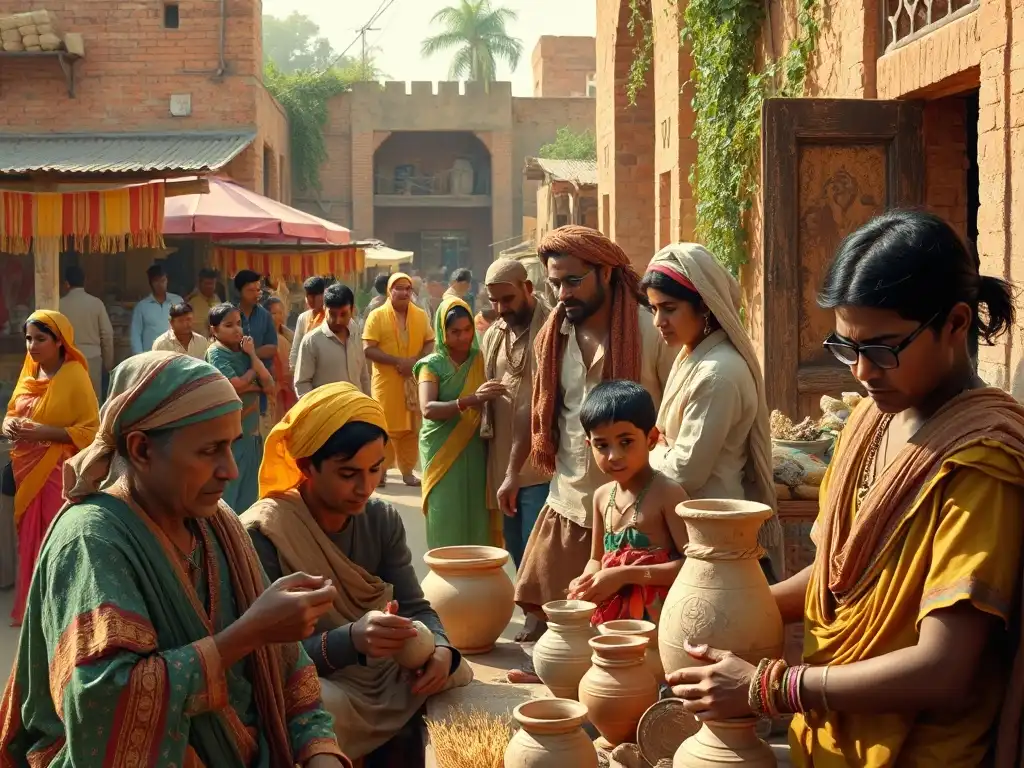
The Indus Valley Civilization, known for its advanced urban planning and sophisticated culture, has provided a wealth of artifacts that highlight the importance of community interactions. These artifacts, ranging from pottery to seals, offer insights into the social structure, trade practices, and communal activities of the time.
Archaeological sites such as Mohenjo-Daro and Harappa have unearthed numerous items that suggest the presence of communal spaces where people gathered for various purposes. For instance, the discovery of large public baths, such as the Great Bath at Mohenjo-Daro, indicates a space for social and ritual gatherings. These communal facilities were not just for bathing but likely served as a hub for community interaction, fostering social bonds among residents.
Archaeological excavations have revealed several key findings that underscore the significance of social gatherings within the Indus Valley community. Structures that resemble public assembly halls have been identified, suggesting areas dedicated to communal meetings or celebrations.
Additionally, artifacts such as terracotta figurines and decorative items hint at the presence of festivals and rituals. The discovery of numerous clay seals, often featuring intricate designs and animal motifs, points to shared cultural symbols that may have been integral to community identity and interaction. These artifacts reflect how gatherings served not only as social events but also as opportunities for cultural expression and unity.
The Role of Pottery and Tools in Community Life
Pottery and tools excavated from Indus Valley sites play a crucial role in understanding community interactions. The presence of communal pottery styles indicates shared practices and perhaps collective production methods, fostering a sense of belonging among individuals.
Specialized tools found alongside domestic pottery suggest that various crafts and trades were likely communal activities. For example, the production of pottery often involved collaborative efforts, with community members coming together to create utilitarian and ceremonial items. These collective endeavors strengthened social ties and promoted a sense of interdependence among residents.
Evidence of Trade and Commerce in Community Interactions
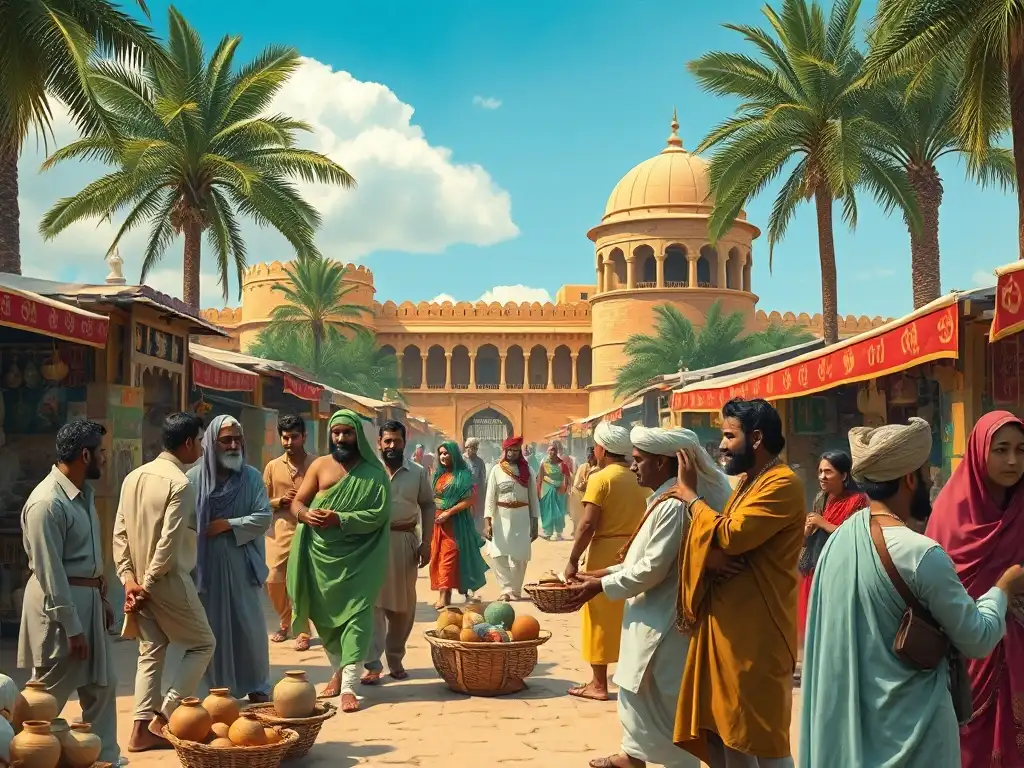
Trade and commerce were vital aspects of life in the Indus Valley, facilitating interactions not only within the community but also with neighboring regions. Archaeological evidence, such as weights, measures, and seals, provides insights into the sophisticated trading networks established by these early civilizations.
Markets likely served as central locations for community interaction, where goods were exchanged, and relationships were formed. The presence of imported materials like lapis lazuli and carnelian suggests that the Indus Valley engaged in extensive trade, further enhancing community connections. These commercial activities fostered economic interdependence and likely led to the establishment of social hierarchies based on wealth and trade relationships.
The Role of Women and Families in Community Dynamics
Women and families played a significant role in shaping the dynamics of community life in the Indus Valley. Their participation in social gatherings and the structure of family units were fundamental in fostering social cohesion.
Women in the Indus Valley were integral to community gatherings, participating in rituals, festivals, and communal activities. Archaeological evidence suggests that women were involved in crafting, trade, and agricultural production, highlighting their active role in the economy and social interactions.
Artifacts such as jewelry and ceremonial items indicate that women's contributions to communal events were celebrated. Additionally, the presence of female figurines and depictions in seals might suggest their important roles in religious and cultural practices, further emphasizing their significance in community life.
Family Structures and Their Influence on Community Interactions
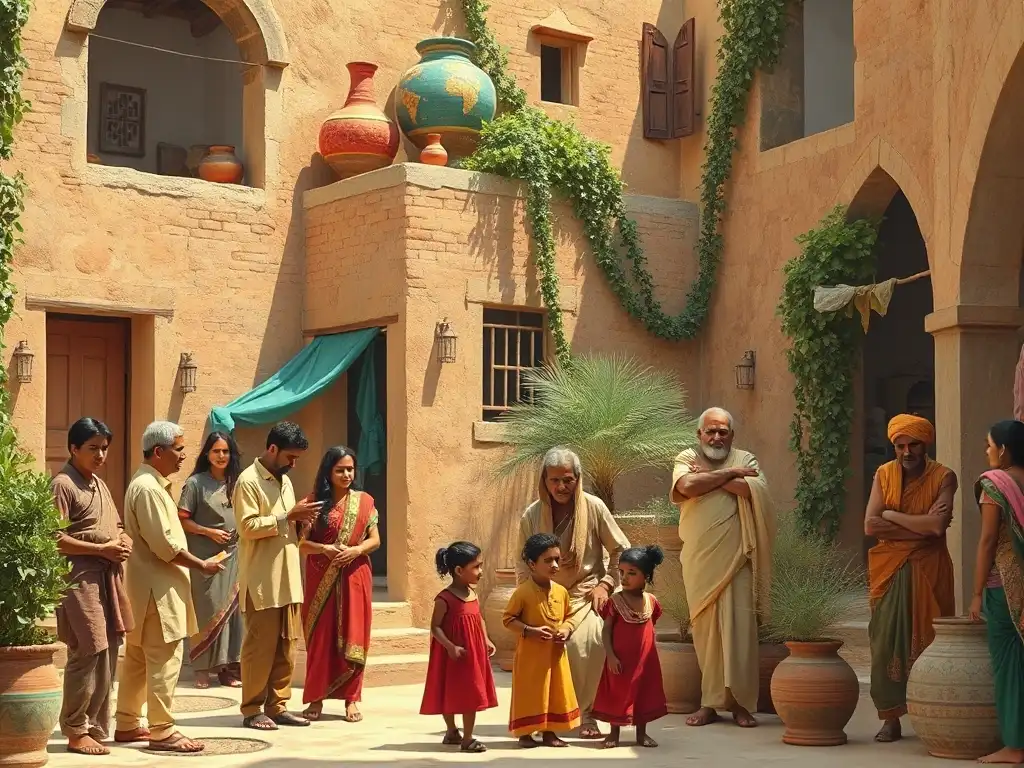
Family structures in the Indus Valley were likely diverse, encompassing nuclear and extended families that formed the backbone of social interaction. The strength of these familial bonds facilitated cooperation and mutual support within the community.
The layout of residential areas, with homes often built in close proximity, suggests that families interacted regularly, fostering a sense of community. Social gatherings such as festivals or communal meals would have reinforced these relationships, allowing families to celebrate together and strengthen their connections. The family unit thus served as a fundamental element in the broader network of community interactions, shaping the social fabric of the Indus Valley.
Challenges to Community Interactions in the Indus Valley
The Indus Valley Civilization was renowned for its sophisticated urban planning and social organization, yet it faced several challenges that impacted community interactions. These challenges, both environmental and socio-economic, influenced the dynamics of social gatherings and the overall cohesiveness of communities within this ancient civilization.
Environmental Factors Affecting Social Gatherings
The geography of the Indus Valley, characterized by its river systems and surrounding mountains, presented both advantages and challenges. Seasonal flooding of the Indus River could disrupt agricultural production, which was the backbone of the economy. Such environmental challenges could lead to food shortages, thereby straining community relationships as families competed for limited resources.
Moreover, natural disasters, such as earthquakes, could significantly impact the infrastructure of cities like Mohenjo-Daro and Harappa, limiting access to communal spaces. These disruptions in physical spaces often led to a decline in social activities, as people were forced to focus on survival rather than community engagement.
Changes in Trade Routes and Their Impact on Community Life
Trade was a crucial aspect of life in the Indus Valley, fostering inter-community relationships and economic prosperity. However, shifts in trade routes due to geopolitical changes or the emergence of new trade partners could adversely affect local economies. For instance, if trade with Mesopotamia or regions in Central Asia diminished, communities might experience economic decline, leading to reduced social gatherings and community interactions.
As trade routes evolved, the influx of goods and ideas could either strengthen or weaken community ties. In times of prosperity, interactions would flourish, but during periods of economic hardship, the sense of community might wane as individuals prioritized personal survival over collective engagement.
Conclusion: The Legacy of Indus Valley Community Interactions
The social interactions within the Indus Valley Civilization laid a crucial foundation for the development of community life in ancient India. Despite the challenges faced, these interactions were pivotal in shaping social norms, cultural practices, and economic structures. The legacy of these communal interactions has reverberated through history, influencing subsequent civilizations in the region.
Lasting Influence on Subsequent Indian Civilizations
The organizational frameworks established during the Indus Valley period can be seen in later Indian civilizations. The emphasis on trade, collaborative agriculture, and urban planning continued to evolve, demonstrating a lasting influence on community interactions. Successors like the Maurya and Gupta empires built upon these foundations, creating complex societies where community gatherings and interactions remained integral to social life.
Reflection on the Importance of Community in Historical Context
Reflecting on the importance of community interactions in the Indus Valley offers valuable insights into the nature of human societies. These interactions fostered a sense of identity and belonging, which proved essential for the survival and prosperity of the civilization. Understanding these dynamics helps us appreciate the intricate social fabric that has shaped Indian history, emphasizing that community interactions are fundamental to the development of any society across time.
- Introduction to the Indus Valley Civilization and Community Life
- Understanding Indus Valley Community Interactions
- Types of Social Gatherings in the Indus Valley
- The Impact of Community Interactions on Daily Life
- Artifacts Reflecting Community Interactions
- Archaeological Findings Related to Social Gatherings
- The Role of Pottery and Tools in Community Life
- Evidence of Trade and Commerce in Community Interactions
- The Role of Women and Families in Community Dynamics
- Women's Participation in Social Gatherings
- Family Structures and Their Influence on Community Interactions
- Challenges to Community Interactions in the Indus Valley
- Conclusion: The Legacy of Indus Valley Community Interactions
- What were the main characteristics of the Indus Valley community interactions?
- How did social gatherings impact the Indus Valley civilization?
- What types of activities were commonly held during these community interactions?
- How did the Indus Valley engage in trade with neighboring regions?
- What role did religion play in the community interactions of the Indus Valley?
Frequently Asked Questions
What were the main characteristics of the Indus Valley community interactions?
The Indus Valley community interactions were characterized by social gatherings, trade, and communal activities that fostered cohesion among the inhabitants.
Social gatherings played a crucial role in reinforcing relationships and cultural practices, enhancing the sense of belonging and cooperation within the community.
What types of activities were commonly held during these community interactions?
Community interactions included festivals, trade fairs, and religious ceremonies, which promoted both economic and social relationships among the people.
How did the Indus Valley engage in trade with neighboring regions?
The Indus Valley community interactions facilitated trade with neighboring regions through organized markets and established trade routes, enhancing their economic stability.
What role did religion play in the community interactions of the Indus Valley?
Religion served as a unifying force in the Indus Valley, with communal worship and rituals strengthening social bonds and cultural identity among the people.
Final Reflection: The Enduring Legacy of Indus Valley Community Interactions
The significance of community interactions in the Indus Valley civilization resonates profoundly in today's world, reminding us that strong social bonds are essential for a thriving society. As we navigate the complexities of modern life, the lessons learned from the communal practices of the Indus Valley serve as a powerful reminder of the importance of connection and collaboration in fostering resilience and unity.
The cultural and social landscape shaped by the Indus Valley community interactions continues to influence our understanding of social structures today. The emphasis on communal gatherings and shared experiences highlights the need for human connection in an increasingly digital world. In the midst of movement and chaos, keep stillness inside of you.
– Deepak Chopra. This quote encapsulates the essence of finding tranquility and strength in community, echoing the values that were foundational to the Indus Valley civilization.
As we reflect on the importance of community, I invite you to consider how you can cultivate meaningful interactions in your own life. Take a moment to engage with those around you, whether through shared activities, open conversations, or simple acts of kindness. By fostering connections and nurturing a sense of belonging, we can honor the legacy of the Indus Valley and contribute to a more interconnected and compassionate world.
Unleash the Power of Community Today!
Thank you for diving into the fascinating world of the Indus Valley and uncovering the significance of social connections in ancient societies. Your curiosity is key to understanding how these early communities thrived through interaction and gatherings. Now, it's time to take that inspiration and put it to work!
- Join or create a local discussion group focused on ancient history—share your insights and learn from others who share your passion!
- Visit local museums or exhibitions dedicated to ancient civilizations to deepen your knowledge and appreciation.
- Share your enthusiasm by distributing this article with friends or on social media—help ignite the conversation about community and its vital role in history!
What aspect of community life in the Indus Valley resonates with you the most, and how do you envision it influencing your own community today?