
Jain Contributions to Indian Philosophy: Bridging Ancient Wisdom and Modern Thought

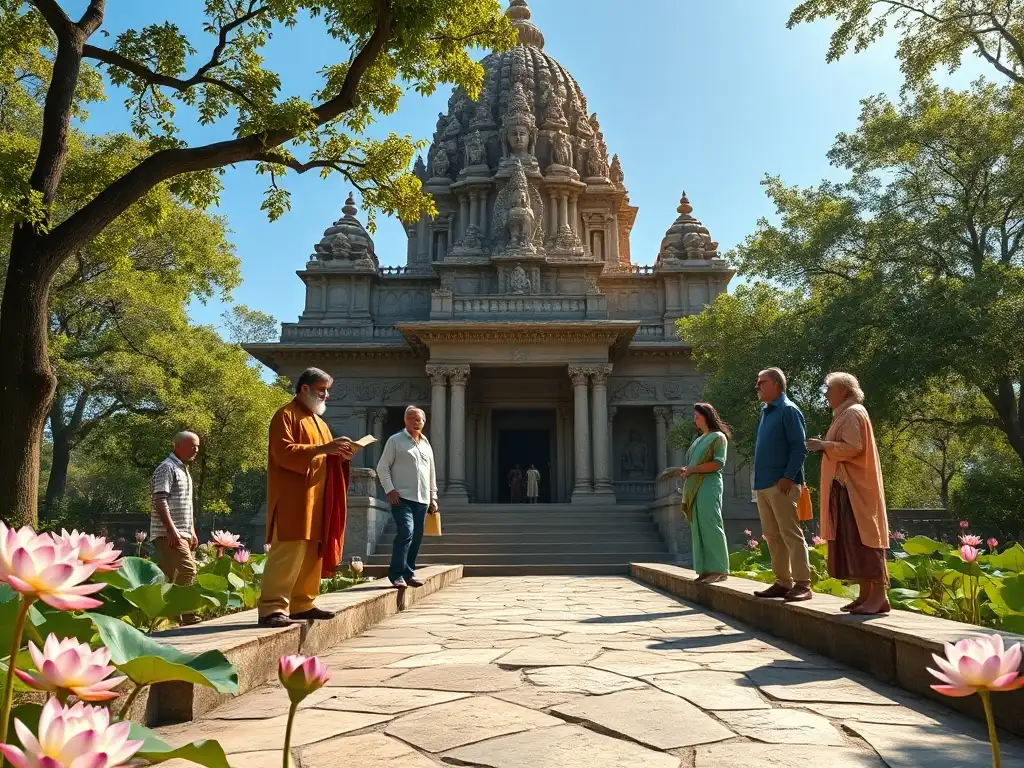
Welcome to Ancient India History, where we embark on a captivating journey through the rich tapestry of ancient Indian civilizations. Dive deep into the profound Jain philosophy in ancient India, a tradition that not only shaped the spiritual landscape of its time but also offers timeless insights that resonate with modern thought. As we unravel the contributions of Jainism to Indian philosophy, prepare to discover how these ancient ideas continue to bridge the past and present. Join us in exploring this remarkable heritage that invites curiosity and reflection—your voyage into the depths of ancient wisdom starts here!
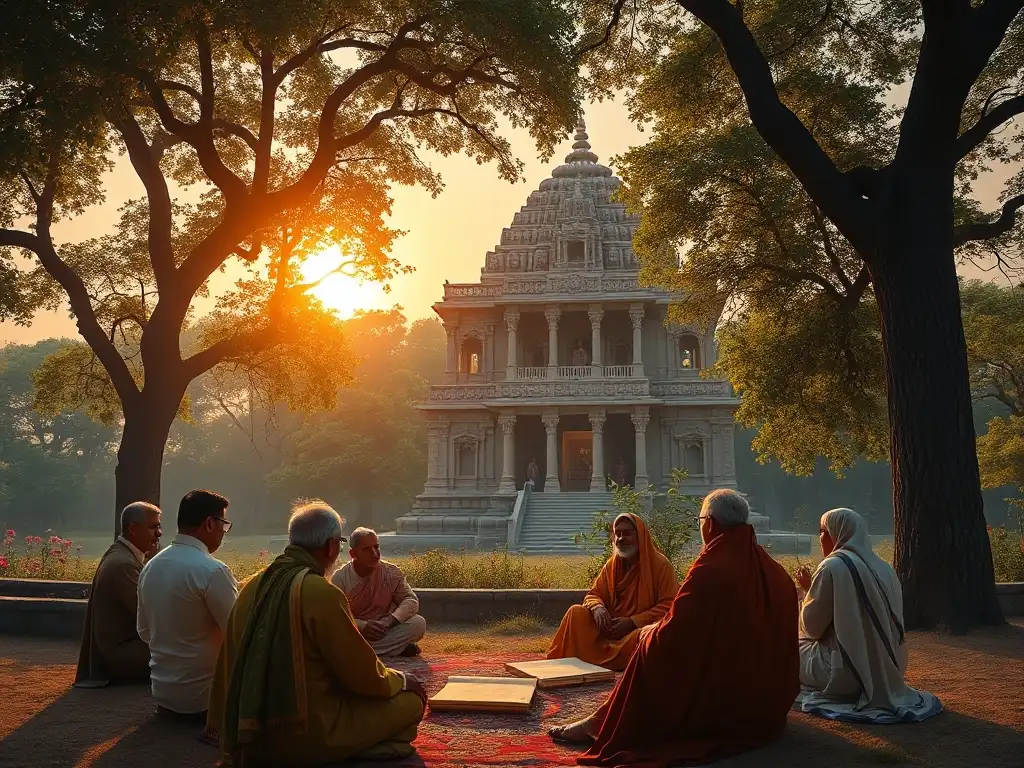
Introduction to Jain Philosophy in Ancient India
Jain philosophy is a profound and intricate system of thought that has played a pivotal role in shaping the ethical, spiritual, and intellectual landscape of ancient India. Rooted in the teachings of Mahavira, the 24th Tirthankara, Jainism emerged around the 6th century BCE during a time of significant philosophical inquiry and cultural transformation.
This rich tradition emphasizes the pursuit of truth and liberation through ethical living, profound non-violence, and a commitment to understanding the multifaceted nature of reality. The insights of Jain thinkers have not only contributed to ancient Indian philosophy but have also resonated through the ages, influencing modern thought and practices.
Overview of Jainism and its Historical Context
Jainism is one of the oldest religions in India, with its origins tracing back to the Indus Valley Civilization. The historical context of Jain philosophy is marked by a rich tapestry of interactions with other philosophical schools, such as Buddhism and Hinduism. Jainism arose as a reformist movement against the ritualistic practices of Vedic traditions, advocating for a more ascetic approach focused on personal spiritual development.
Key elements of Jain history include:
- Tirthankaras: The revered spiritual teachers, with Mahavira being the most significant.
- Historical Influence: Jainism flourished under various kingdoms, particularly during the Mauryan and Gupta periods, leading to a profound impact on art, architecture, and philosophy.
- Cultural Contributions: The Jains contributed significantly to the promotion of non-violence (Ahimsa), which became a cornerstone of Indian ethical thought.
Significance of Jain Philosophy in Indian Thought
The significance of Jain philosophy extends far beyond its religious context. It has laid foundational principles that have influenced various aspects of Indian thought, including ethics, metaphysics, and epistemology. The core tenets of Jainism, such as non-violence, pluralism, and the impermanence of the material world, have permeated not only religious practices but also social and political philosophies.
- Influence on Ethics: Jainism's emphasis on Ahimsa has resonated deeply within Indian society, inspiring leaders like Mahatma Gandhi and shaping contemporary discourse on non-violence.
- Philosophical Dialogue: Jain thinkers engaged in rich dialogues with followers of other philosophical traditions, fostering a culture of debate and intellectual exploration.
- Cultural Legacy: The artistic and architectural contributions of the Jains, such as the intricate carvings of the Dilwara Temples, reflect their philosophical values and commitment to beauty and harmony.
Core Principles of Jain Philosophy
The core principles of Jain philosophy encapsulate its profound insights into ethics and the nature of reality. These principles not only guide the spiritual practices of Jains but also offer valuable perspectives for contemporary philosophical discourse.
Ahimsa: The Principle of Non-Violence
Ahimsa, or non-violence, is the foremost tenet of Jain philosophy and serves as a guiding principle for ethical living. It encompasses not only the avoidance of physical harm but also extends to verbal and mental non-violence. Jains believe that all living beings possess a soul and that harming any creature disrupts the cycle of karmic consequences.
- Practical Applications: Ahimsa translates into vegetarianism and a lifestyle that minimizes harm to all forms of life.
- Global Influence: The principle of non-violence has inspired global movements for peace and civil rights.
Anekantavada: The Doctrine of Non-Absolutism
Anekantavada, or the doctrine of non-absolutism, posits that truth is complex and multifaceted. This principle encourages individuals to consider multiple perspectives and to engage in open-minded discourse.
- Philosophical Implications: This doctrine invites a deeper understanding of reality, acknowledging that no single viewpoint can capture the entirety of truth.
- Contemporary Relevance: Anekantavada contributes to discussions on tolerance and pluralism in modern society.
Aparigraha: Non-Possessiveness in Jain Thought
Aparigraha, or non-possessiveness, advocates for a life free from excessive attachment to material possessions. This principle encourages individuals to cultivate a sense of detachment and to focus on spiritual wealth rather than material accumulation.
- Spiritual Growth: Non-possessiveness is seen as essential for spiritual progress, allowing individuals to transcend worldly desires.
- Impact on Society: This principle challenges consumerism and advocates for sustainable living practices.
Through these core principles, Jain philosophy offers timeless wisdom that continues to resonate in contemporary discourse, bridging ancient insights with modern thought.
Historical Development of Jain Philosophy
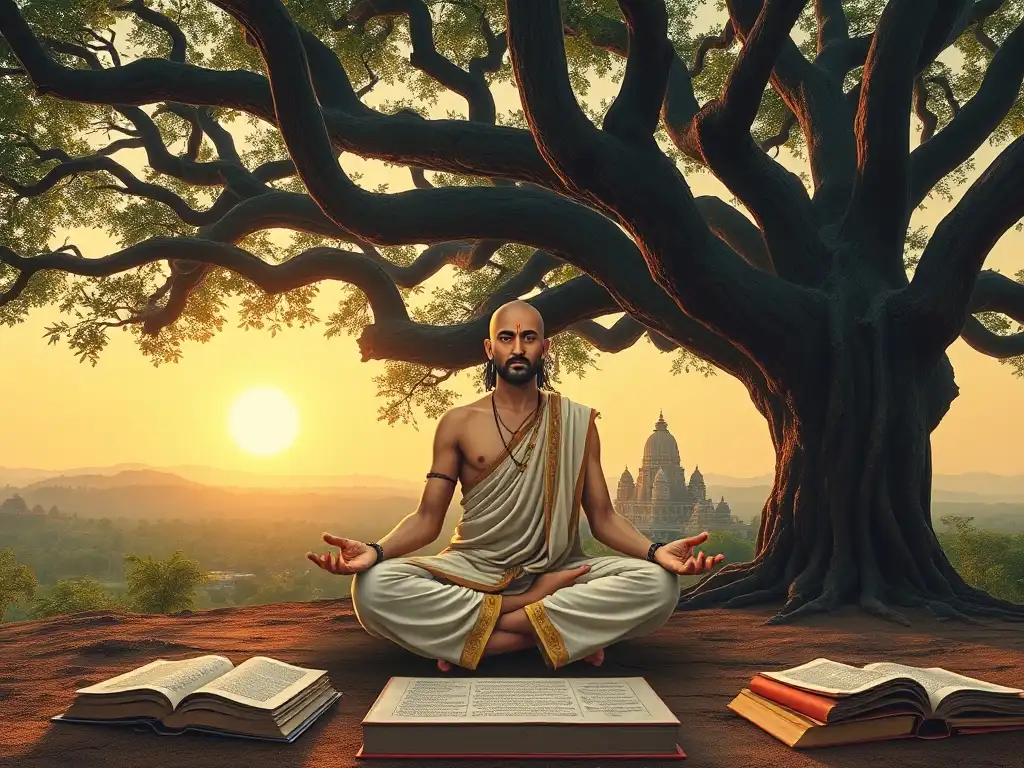
Jain philosophy, rooted in the teachings of the Tirthankaras, has undergone a significant evolution since its inception in ancient India. This philosophical system is characterized by its unique perspectives on the nature of reality, the soul, and the path to liberation (moksha). The historical development of Jain philosophy can be traced back to the early precepts laid down by Mahavira, the 24th Tirthankara, who lived around the 6th century BCE. Under his guidance, Jainism began to formalize its doctrines, emphasizing non-violence (ahimsa), truth (satya), and asceticism.
As Jainism flourished, various sects emerged, each interpreting the core teachings in distinct ways. The Shvetambara and Digambara traditions, for instance, diverged on issues such as monastic practices and scriptural interpretations. These differences contributed to a rich tapestry of thought within Jain philosophy, allowing it to adapt and respond to the cultural and intellectual currents of ancient India.
The integration of Jain thought into broader Indian philosophical discourse was facilitated by its engagement with contemporary religious movements and philosophical schools. Over centuries, Jain thinkers engaged in dialogues with adherents of Hinduism and Buddhism, further enriching their philosophical framework and contributing to the intellectual milieu of ancient India.
Early Influences on Jain Thought
The early influences on Jain thought can be traced to the spiritual and philosophical landscape of ancient India, particularly the ascetic traditions that predated Jainism. The concept of renunciation and the quest for spiritual liberation were prevalent themes among various sects, including the Shramanas. These early ascetic movements emphasized self-discipline, meditation, and the pursuit of knowledge, which laid the groundwork for Jain philosophical principles.
Additionally, the interaction with Vedic thought played a significant role in shaping Jain philosophy. While Jainism diverged from Vedic rituals and doctrines, it borrowed concepts such as karma and dharma, reinterpreting them within its framework. This synthesis allowed Jainism to present a coherent philosophy that resonated with the spiritual aspirations of the time.
The influence of other religious traditions, particularly Buddhism, also shaped early Jain thought. Both philosophies share common ethical tenets, such as non-violence, and emphasize the importance of personal experience in the pursuit of enlightenment. However, Jainism's strict adherence to ahimsa and its unique cosmological views set it apart as a distinct philosophical system.
Key Figures in Jain Philosophy: Tirthankaras and Scholars
The Tirthankaras are central figures in Jain philosophy, serving as spiritual teachers and exemplars of the path to liberation. Mahavira, the last Tirthankara, played a pivotal role in systematizing Jain teachings and establishing the monastic order. His teachings emphasized the importance of ethical conduct, non-attachment, and the pursuit of knowledge, which became foundational to Jain philosophy.
Other notable Tirthankaras, such as Parshva and Rishabha, also contributed to the development of Jain thought, each imparting insights that shaped the community's understanding of spirituality and ethics. Parshva, for instance, introduced key principles like non-possessiveness (aparigraha) and the importance of meditation, which were later expanded upon by Mahavira.
In addition to the Tirthankaras, influential Jain scholars such as Umaswati and Siddhasena Divakara emerged in subsequent centuries, further articulating Jain doctrines and engaging with contemporary philosophical debates. Umaswati's "Tattvartha Sutra" remains a seminal text that encapsulates Jain philosophical concepts, while Siddhasena's works on logic and epistemology contributed to the intellectual rigor of Jain thought.
Evolution of Jain Philosophy through the Ages
Jain philosophy has evolved over centuries, adapting to historical changes and cultural contexts while maintaining its core principles. During the early medieval period, Jain scholars began to compile and comment on canonical texts, leading to a greater systematization of Jain doctrines. This period saw the flourishing of Jain literature, with significant contributions in the fields of philosophy, ethics, and cosmology.
The later medieval era marked the rise of regional Jain sects, particularly in Gujarat and Rajasthan, which incorporated local cultural elements into Jain teachings. This regional diversification enriched Jain philosophy, allowing it to resonate with a broader audience while retaining its foundational tenets.
In the modern era, Jain philosophy has continued to evolve, responding to contemporary challenges and engaging with global philosophical discourses. The principles of non-violence and truth have gained renewed relevance in today's world, influencing social movements and ethical frameworks beyond the confines of Jainism.
Jain Philosophy's Impact on Indian Philosophy
The impact of Jain philosophy on Indian philosophy is profound and multifaceted, contributing significantly to the broader philosophical discourse in ancient India. Jain doctrines have enriched ethical discussions, influenced metaphysical inquiries, and shaped the understanding of the self and liberation across various philosophical traditions.
Interactions with Hindu Philosophical Schools
Interactions between Jain philosophy and Hindu philosophical schools have been pivotal in shaping the intellectual landscape of ancient India. Jainism's emphasis on non-violence and truth resonated with Hindu ethical teachings, leading to dialogues that enriched both traditions. Prominent Hindu philosophers, such as Adi Shankaracharya, engaged with Jain concepts, particularly regarding the nature of reality and the self, fostering a mutual exchange of ideas.
The philosophical debates between Jain and Hindu scholars often revolved around the concepts of karma, liberation, and the nature of the soul. While Jainism posits a pluralistic view of the universe, Hinduism's monistic interpretations led to rich discussions that explored the nuances of existence and the ultimate goal of life.
Moreover, Jain philosophy's critique of Vedic rituals and its focus on direct personal experience of the divine challenged the prevailing norms of Hindu practice, prompting re-evaluations of religious authority and spirituality.
Influence on Buddhist Thought and Practices
Jain philosophy has also exerted a considerable influence on Buddhist thought and practices. Both traditions share a commitment to non-violence and the idea of liberation through ethical living and meditation. Historical interactions between Jain and Buddhist monastic communities facilitated the exchange of ideas and practices, enriching both philosophical systems.
The Jain concept of anekantavada, or non-absolutism, emphasizes the multifaceted nature of reality, which resonates with Buddhist ideas of emptiness and interdependence. This shared understanding has fostered dialogues about perception and the nature of truth, shaping the development of philosophical thought in both traditions.
Furthermore, the ascetic practices of Jainism, particularly the rigorous adherence to non-violence and fasting, have influenced Buddhist monastic discipline. The emphasis on personal discipline and ethical conduct in both traditions underscores their interconnectedness and shared spiritual goals.
Contributions to Ethical and Moral Frameworks in India
The ethical and moral frameworks established by Jain philosophy have had a lasting impact on Indian society and culture. Jainism's core tenet of ahimsa, or non-violence, has transcended religious boundaries, influencing social movements and ethical discourses across India. The principles of compassion and respect for all living beings are now integral to various Indian philosophical and spiritual traditions.
Moreover, Jain teachings on truthfulness, non-possessiveness, and self-restraint have contributed to the moral fabric of Indian society. These ethical principles have informed the development of social norms and legal systems, promoting values that prioritize harmony and coexistence.
The contributions of Jain philosophy to ethical thought extend beyond religious contexts, influencing contemporary discussions on environmental ethics, animal rights, and social justice. The commitment to non-violence and compassion continues to inspire individuals and movements advocating for a more just and equitable world.
Bridging Ancient Wisdom with Modern Thought
Jain philosophy, with its profound insights and ethical principles, serves as a bridge between ancient wisdom and contemporary thought. Rooted in the teachings of Mahavira and other Tirthankaras, Jainism emphasizes non-violence (ahimsa), truth (satya), and asceticism. These core tenets offer frameworks that resonate with modern philosophical inquiries, particularly in areas concerning ethics, ecological balance, and social justice. The emphasis on non-violence, for instance, not only guides personal conduct but also influences broader societal norms, advocating for peaceful coexistence in an increasingly turbulent world.
The ancient texts of Jainism, such as the "Tattvartha Sutra" and the "Samayasara," explore the nature of reality and the self, presenting ideas that parallel contemporary philosophical debates. The concept of anekantavada, or the multiplicity of viewpoints, encourages critical thinking and tolerance, fostering dialogue in a pluralistic society. As modern thinkers grapple with the complexities of global interdependence, the teachings of Jainism provide a timeless perspective that can enrich current discourse on coexistence and ethical living.
Relevance of Jain Philosophical Concepts in Contemporary Society
Jain philosophical concepts hold significant relevance in contemporary society, addressing pressing issues such as conflict resolution, social justice, and personal well-being. The principle of ahimsa, or non-violence, is particularly pertinent in today's world, where violence and conflict are prevalent. This doctrine not only promotes physical non-violence but also encourages mental and emotional restraint, urging individuals to cultivate compassion and understanding.
In the realm of social justice, Jainism’s teachings on equality and respect for all living beings resonate with contemporary movements advocating for human rights and equity. The idea that all forms of life possess a soul encourages a holistic view of justice that transcends species boundaries, aligning with modern ethical frameworks that seek to protect both human and non-human entities. Furthermore, Jainism's emphasis on self-discipline and inner peace provides valuable insights into mental health, promoting practices that foster resilience and mindfulness in a fast-paced world.
Jain Philosophy's Influence on Modern Ethical Movements
The influence of Jain philosophy on modern ethical movements is evident in various social and environmental initiatives. The principles of non-violence and respect for all life have inspired activists and organizations advocating for animal rights, vegetarianism, and veganism. Prominent figures, such as Mahatma Gandhi, drew heavily from Jain teachings in their pursuit of non-violent resistance, emphasizing the importance of compassion in political activism.
Moreover, Jainism's commitment to truth and transparency has found resonance in modern movements focused on corporate ethics and social responsibility. As businesses increasingly prioritize ethical practices, the Jain emphasis on integrity and accountability serves as a guiding framework for creating a more equitable society. By integrating these ancient principles into contemporary ethical discourse, Jainism continues to impact modern thought and inspire change across various sectors.
Lessons from Jainism for Environmental Sustainability
Jainism offers valuable lessons for environmental sustainability, rooted in its profound respect for nature and all living beings. The concept of aparigraha, or non-possessiveness, encourages individuals to minimize their consumption and be mindful of their ecological footprint. This principle challenges the consumerist mindset prevalent in modern society, advocating for a lifestyle that prioritizes sustainability and harmony with the environment.
Additionally, Jain rituals and practices often emphasize the sanctity of nature, fostering a deep connection between individuals and the natural world. The reverence for all life forms instills a sense of responsibility towards ecological preservation, inspiring movements focused on conservation and biodiversity. As the global community confronts the challenges of climate change and environmental degradation, the teachings of Jainism provide a moral compass, urging individuals and societies to adopt sustainable practices that honor the interconnectedness of all life.
Conclusion: The Enduring Legacy of Jain Philosophy in Ancient Indian Thought
The enduring legacy of Jain philosophy in ancient Indian thought is marked by its profound contributions to ethical discourse, metaphysical inquiry, and social values. The principles of non-violence, truth, and respect for life have not only shaped the moral fabric of ancient Indian society but also continue to influence contemporary philosophical dialogues. Jainism's emphasis on the multiplicity of perspectives encourages a more inclusive approach to knowledge and truth, fostering a culture of dialogue and understanding.
In the context of modern challenges, the teachings of Jainism offer timeless wisdom that remains relevant today. By bridging ancient insights with contemporary issues, Jain philosophy invites individuals to reflect on their values and choices, promoting a way of life that honors the sanctity of all existence.
Summary of Jain Contributions to Indian Philosophy
Jain contributions to Indian philosophy are significant, encompassing a range of ideas that have shaped ethical and metaphysical thought. The core philosophical tenets of Jainism, such as ahimsa, satya, and anekantavada, have influenced various schools of thought within Indian philosophy. The deliberations on the nature of reality, the self, and the ethical implications of human actions continue to resonate in contemporary discussions.
Jain philosophy also emphasizes the importance of self-realization and inner transformation, encouraging individuals to pursue spiritual growth through disciplined practice. This focus on personal development aligns with modern psychological understandings of well-being, further highlighting the relevance of Jain thought in contemporary contexts.
Future Directions for the Study of Jain Philosophy in Modern Contexts
The future of Jain philosophy in modern contexts holds immense potential for further exploration and integration into contemporary discussions. As global challenges such as climate change, social inequality, and ethical dilemmas arise, the teachings of Jainism can provide valuable insights and frameworks for addressing these issues.
Future studies could focus on interdisciplinary approaches that connect Jain philosophical concepts with fields like environmental science, ethics, and conflict resolution. By examining the practical applications of Jain teachings in modern society, researchers can uncover innovative solutions that reflect the values of compassion, sustainability, and justice inherent in Jain thought.
Additionally, engaging with Jain communities around the world can enrich the understanding of how these ancient principles are practiced and adapted in diverse cultural contexts. Such explorations will not only enhance the study of Jain philosophy but also contribute to the broader discourse on ethical living in an interconnected world.
- Introduction to Jain Philosophy in Ancient India
- Overview of Jainism and its Historical Context
- Significance of Jain Philosophy in Indian Thought
- Core Principles of Jain Philosophy
- Historical Development of Jain Philosophy
- Jain Philosophy's Impact on Indian Philosophy
- Bridging Ancient Wisdom with Modern Thought
- Conclusion: The Enduring Legacy of Jain Philosophy in Ancient Indian Thought
Frequently Asked Questions
What is Jain philosophy in ancient India?
Jain philosophy is a non-theistic belief system that emphasizes non-violence, truth, and asceticism. It originated during the ancient period and has significantly influenced Indian thought and culture.
How did Jainism contribute to Indian philosophy?
Jainism contributed to Indian philosophy by promoting ideas of ahimsa (non-violence), anekantavada (multiple viewpoints), and syadvada (conditional predication), which have shaped ethical and metaphysical discussions in Indian traditions.
What are the key texts of Jain philosophy?
The key texts of Jain philosophy include the Agamas, which contain the teachings of Lord Mahavira. These texts provide guidelines on ethical conduct, spiritual practices, and the nature of the universe.
How did Jain contributions influence modern thought?
Jain contributions have influenced modern thought by advocating for environmental ethics, social justice, and peaceful coexistence. Their principles continue to resonate in contemporary discussions about sustainability and human rights.
What role did Jain thinkers play in shaping Indian culture?
Jain thinkers played a crucial role in shaping Indian culture through their advancements in art, literature, and education. Their philosophical insights have permeated various aspects of Indian life, including social norms and traditions.
Final Reflection: Jain Philosophy as a Timeless Bridge Between Ancient Wisdom and Modern Thought
The exploration of Jain philosophy in ancient India reveals a profound legacy that resonates powerfully in today's world. As we navigate the complexities of modern life, the teachings of Jainism—rooted in non-violence, truth, and respect for all living beings—offer invaluable insights. The relevance of these principles in contemporary discussions around ethics, sustainability, and social harmony is undeniable. In a time marked by division and conflict, embracing the core tenets of Jain philosophy can serve as a guiding light for fostering peace and understanding.
The influence of Jain philosophy extends beyond historical significance; it continues to shape our cultural and social landscape. The principles of non-violence and compassion have inspired countless movements and thinkers throughout history, urging us to reconsider our relationship with the world around us. The greatest gift is to give people your time and attention.
This quote encapsulates the essence of Jain teachings, reminding us that our interactions with others can create ripples of change. As we witness a growing interest in ethical living and mindfulness, the teachings of Jainism provide a framework for cultivating a more compassionate society.
As we reflect on the teachings of Jain philosophy, let us consider how we can incorporate these ancient insights into our daily lives. I invite you to explore the principles of non-violence, truthfulness, and respect for all beings in your interactions and decisions. By doing so, we not only honor the rich legacy of Jain thought but also contribute to a more harmonious and understanding world. Embrace the wisdom of the past as a catalyst for positive change in the present and future—together, we can bridge the gap between ancient wisdom and modern thought.
Unveil the Wisdom: Connect with Jain Philosophy Today!
Thank you for taking the time to explore the profound impact of Jain philosophy on Indian thought. Your interest in this rich tradition not only deepens your understanding but also opens pathways to apply this ancient wisdom in modern contexts. Now, let's transform your insights into actionable steps!
- Dive Deeper: Consider reading a classic Jain text or exploring contemporary interpretations to enrich your understanding further.
- Engage with Others: Join a local or online community centered on Jain philosophy to share ideas and learn collaboratively.
- Reflect and Share: Write a brief article about how Jain teachings resonate with your personal experiences or address modern issues, and think about sharing it on social media or a blog.
Which insights from Jain philosophy do you believe can offer the most valuable perspectives on today's challenges?