
The Art of Sanskrit Poetry: Exploring Its Beauty and Depth

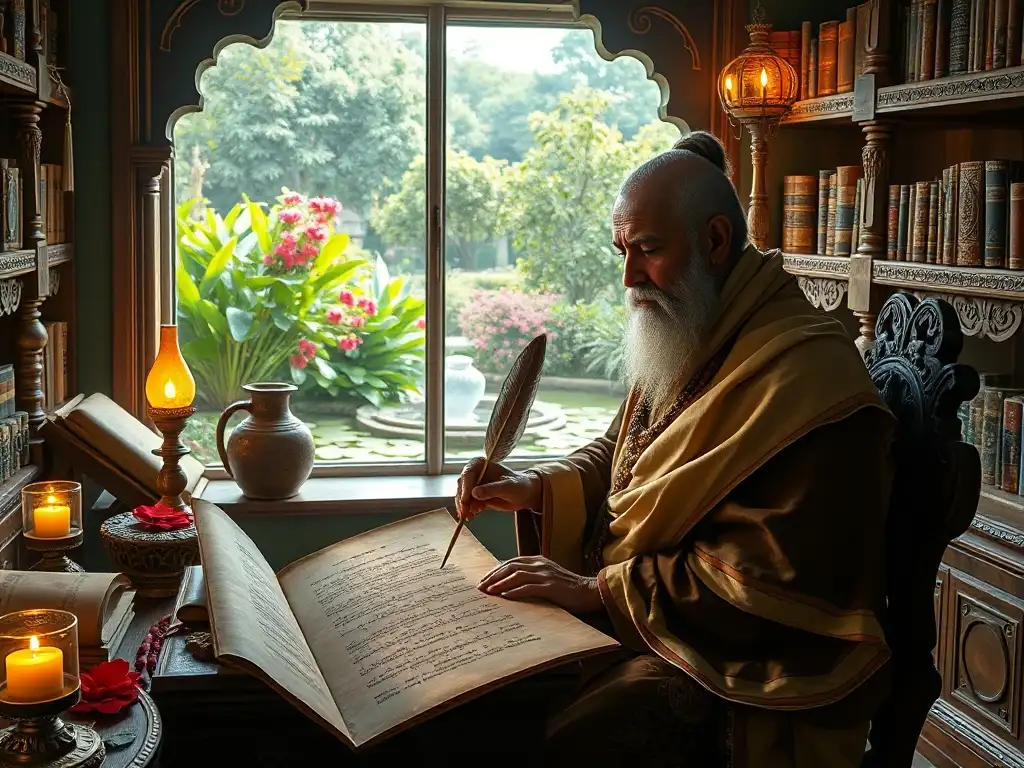
Welcome to Ancient India History, where we embark on a fascinating journey through the rich tapestry of India's past. Here, we delve into the history and significance of Sanskrit poetry, a remarkable art form that has shaped the cultural landscape of ancient India. Prepare to uncover the beauty and depth of this exquisite literary tradition that echoes through the ages. What makes Sanskrit poetry so profound, and why does it continue to captivate hearts and minds? Join us as we unravel these questions and more, inviting you to explore the compelling narratives that define our ancient heritage.

Introduction to Sanskrit Poetry
Sanskrit poetry stands as a monumental pillar in the rich tapestry of ancient Indian literature, reflecting the profound beauty and depth that characterizes the culture and intellectual pursuits of its time. This art form not only showcases the linguistic prowess of the Sanskrit language but also encapsulates the philosophical, spiritual, and aesthetic dimensions of ancient Indian civilization.
From the sacred verses of the Vedas to the lyrical compositions of the classical period, Sanskrit poetry has evolved through centuries, leaving an indelible mark on the cultural heritage of India. This exploration into the history and significance of Sanskrit poetry reveals not just its artistic merit but also its role in shaping the socio-cultural and spiritual landscape of ancient India.
Definition and Overview of Sanskrit Poetry
Sanskrit poetry can be defined as the poetic expression crafted in the Sanskrit language, which is renowned for its rich vocabulary and intricate grammar. The poetry encompasses various forms, including hymns, epics, and lyrical compositions. Its features often include:
- Metre: Adherence to specific rhythmic patterns, such as "Anushtubh" and "Trishtubh".
- Imagery: Vivid use of metaphors and similes that evoke sensory experiences.
- Themes: Exploration of love, nature, philosophy, and devotion.
The intricate nature of Sanskrit poetry allows for multiple interpretations, inviting readers to engage deeply with the text.
Historical Significance of Sanskrit Poetry in Ancient India
The historical significance of Sanskrit poetry extends far beyond mere artistic expression. It played a crucial role in:
- Preservation of Knowledge: Many ancient texts, including philosophical treatises, religious scriptures, and scientific works, were composed in poetic form, ensuring their transmission through generations.
- Cultural Identity: Sanskrit poetry contributed to a shared cultural identity among ancient Indian communities, fostering unity through common literary traditions.
- Influence on Other Languages: The themes, styles, and forms of Sanskrit poetry have influenced numerous regional languages and literary traditions, enriching the overall landscape of Indian literature.
The History of Sanskrit Poetry
The history of Sanskrit poetry is a fascinating journey that reflects the evolution of language, culture, and artistic expression in ancient India. Understanding this history provides insight into the foundational texts and key developments that shaped the poetic landscape.
Origins of Sanskrit Poetry in Ancient Texts
The roots of Sanskrit poetry can be traced back to the Vedic period, around 1500 BCE, where the earliest forms of poetry appeared in the Vedas. These sacred texts, particularly the Rigveda, contain hymns that are structured poetically, showcasing the use of meter and rhythm. As time progressed, poetry began to diversify into various genres, leading to the emergence of significant works such as:
- Mahabharata: An epic narrative that combines philosophy with heroic tales.
- Ramayana: A revered epic that explores themes of duty, virtue, and love.
These foundational texts set the stage for the flourishing of Sanskrit poetry in subsequent periods.
Major Periods in Sanskrit Poetry Development
Sanskrit poetry developed through several key periods, each marked by distinct styles and contributions:
- Vedic Period (c. 1500 - 600 BCE): The genesis of poetic expression, characterized by hymns and liturgical compositions.
- Classical Period (c. 600 BCE - 1000 CE): The rise of secular poetry, with notable works like Kalidasa's "Shakuntala" and Bhasa's dramas, blending romantic and philosophical themes.
- Medieval Period (c. 1000 - 1700 CE): A period of regional adaptations and the emergence of new poetic forms, including Bhakti poetry, which emphasizes devotion.
Each of these periods contributed to the rich legacy of Sanskrit poetry, ensuring its enduring relevance in the history of literature.
Themes and Styles in Sanskrit Poetry
Sanskrit poetry is renowned for its rich thematic diversity and intricate stylistic elements. The poetry not only served as a medium of artistic expression but also played a pivotal role in encapsulating the philosophical and cultural milieu of ancient India. The themes often reflect the complexities of human emotions, nature, spirituality, and social dynamics, allowing poets to explore the depths of human experience. The stylistic elements, including meter, rhyme, and figurative language, contribute to the beauty and rhythm of the poetry, making it a profound art form.
The interplay of themes and styles in Sanskrit poetry reveals the poet's intention and the cultural context in which the poetry was created. Through various genres, poets employed techniques such as alankara (figures of speech), rasa (emotional essence), and bhava (mood) to evoke deep emotional responses. The combination of these elements not only enhanced the aesthetic appeal but also ensured the thematic depth of the poetry.
Common Themes in Sanskrit Poetry
Sanskrit poetry encompasses a wide range of themes, reflecting both the universality of human experiences and the specific socio-cultural context of ancient India. Some of the most prominent themes include:
- Love (Shringara): Often depicted as the central theme, love poetry explores the complexities of romantic relationships, longing, and devotion. Poets like Kalidasa and Bhasa masterfully captured the nuances of love through vivid imagery and emotional depth.
- Nature (Vishaya): The beauty of nature is frequently celebrated in Sanskrit poetry. Poets used nature as a backdrop to express emotions, creating metaphorical connections between the natural world and human feelings.
- Devotion (Bhakti): Many poets expressed their reverence for deities through devotional poetry, emphasizing surrender and love for God. The Bhakti movement in Sanskrit literature showcases this theme profoundly.
- Heroism (Vira): Heroic poetry often narrates the valor and exploits of legendary figures, celebrating their courage and moral integrity. This theme is prevalent in epic texts like the Mahabharata and Ramayana.
- Philosophy (Dharma): Philosophical themes in Sanskrit poetry delve into existential questions and moral dilemmas, often drawing from the rich traditions of Hindu philosophy.
These themes contribute to the timelessness of Sanskrit poetry, allowing it to resonate with audiences across generations.
Distinct Styles and Forms of Sanskrit Poetry
Sanskrit poetry is distinguished by its various styles and forms, each with unique characteristics and structural elements. Some notable styles include:
- Shlokas: This is perhaps the most common form of Sanskrit poetry, characterized by its metrical structure. Shlokas often employ Anushtubh meter, consisting of 32 syllables divided into two equal parts.
- Gadyas and Padya: Gadyas refer to prose poetry that emphasizes narrative and storytelling, while Padya focuses on lyrical compositions. Each form has its unique rhythm and style.
- Dhrupad and Khayal: These are classical music forms that incorporate poetry, showcasing the interplay between lyrical beauty and musicality.
- Kavya: A sophisticated genre of Sanskrit poetry, Kavya highlights ornate language, complex metaphors, and elaborate descriptions. It is often divided into sub-genres, including Mahakavya (epic poetry) and Rupakavya (drama).
The diversity in styles allows poets to express their creativity while adhering to traditional forms, enriching the overall tapestry of Sanskrit literary heritage.
The Significance of Sanskrit Poetry
Sanskrit poetry holds immense significance in understanding not only the literary landscape of ancient India but also the broader cultural and philosophical currents that shaped its civilization. Its impact transcends mere literary merit, influencing various facets of society, religion, and knowledge preservation.
Cultural Impact of Sanskrit Poetry on Ancient Indian Society
The cultural significance of Sanskrit poetry in ancient Indian society cannot be overstated. It served as a vital medium for the transmission of ethical values, social norms, and cultural identity. Sanskrit poetry was often performed in public gatherings, festivals, and religious ceremonies, fostering a sense of community and shared cultural heritage. The poetic forms were instrumental in shaping the aesthetic sensibilities of the time, encouraging a deep appreciation for art and literature.
Moreover, the themes and narratives found in Sanskrit poetry often mirrored societal values and concerns, reflecting the complexities of human relationships, moral dilemmas, and spiritual quests. This interplay between poetry and society contributed to the cohesiveness of ancient Indian culture, making Sanskrit poetry a cornerstone of cultural expression.
Preservation of Knowledge Through Sanskrit Poetry
Sanskrit poetry also played a crucial role in the preservation of knowledge and wisdom across generations. Many ancient texts, including philosophical treatises, scientific works, and spiritual discourses, were composed in poetic forms, making them more accessible and memorable. This technique ensured that essential knowledge was not only preserved but also disseminated widely.
The poetic tradition served as a vehicle for educational instruction, where complex ideas were simplified through rhythm and rhyme. This approach allowed for the transmission of various disciplines, from astronomy and mathematics to ethics and theology, ensuring that knowledge remained integral to Indian civilization.
Influence of Sanskrit Poetry on Later Literary Traditions
The influence of Sanskrit poetry extends beyond its own era, impacting later literary traditions in India and beyond. The rich stylistic and thematic elements of Sanskrit poetry laid the groundwork for subsequent languages, including Prakrit, Apabhramsha, and regional languages like Hindi and Bengali. Poets in these later traditions drew inspiration from the motifs, forms, and techniques established by their Sanskrit predecessors.
Furthermore, the philosophical and spiritual themes explored in Sanskrit poetry found resonance in later literary works, contributing to the evolution of genres such as Bhakti poetry and Sufi literature. The enduring legacy of Sanskrit poetry is evident in contemporary literature, where its essence continues to inspire and inform creative expressions in various forms.
Notable Works and Poets in Sanskrit Poetry
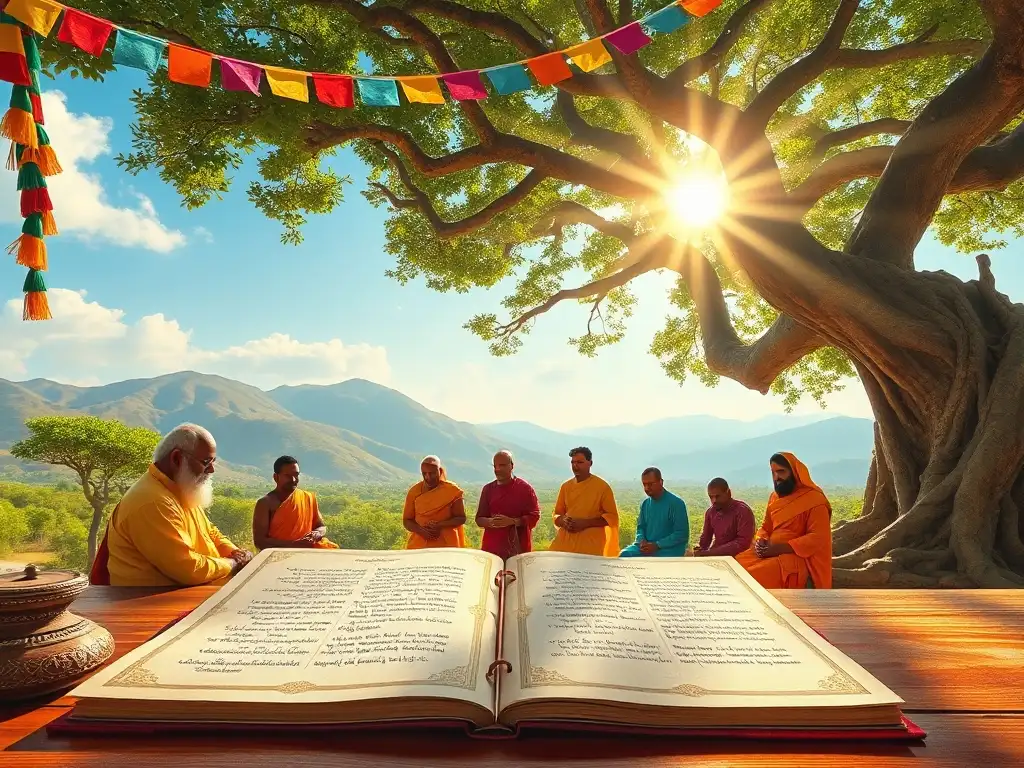
Sanskrit poetry boasts a rich tapestry woven with the threads of profound expression and artistic beauty. This literary form has given birth to numerous notable works and poets whose contributions have significantly shaped the landscape of Indian literature. Among the most esteemed poets are Kalidasa, Bhartrihari, and Bhasa, each of whom brought unique styles and themes to the forefront of Sanskrit poetry.
Kalidasa, often hailed as the greatest Sanskrit poet, is renowned for his masterpieces such as "Shakuntala" and "Meghaduta." His works are celebrated for their vivid imagery, emotional depth, and intricate character portrayals. Bhartrihari, another prominent figure, is known for his philosophical and reflective verses, particularly in his collection of poems, "Sringara Shataka," which explores themes of love and beauty. Bhasa, a pioneer of Sanskrit drama, infused poetry with a dramatic flair, leaving a lasting impact on both poetry and theatre.
Together, these poets and their works encapsulate the essence of Sanskrit poetry, showcasing its diversity and enriching cultural heritage.
Overview of Classic Sanskrit Poets
The realm of classic Sanskrit poetry is adorned with the brilliance of various poets who have left indelible marks on the literary tradition.
- Kalidasa: Often referred to as the "Shakespeare of India," Kalidasa's poetry emphasizes nature and human emotions. His famous works, including "Raghuvamsha," highlight epic narratives infused with lyrical beauty.
- Bhartrihari: Known for his contemplative verse, Bhartrihari's poetry often reflects philosophical insights into love, life, and morality. His "Satakatraya" is a triad of works that includes "Sringara Shataka," "Niti Shataka," and "Vairagya Shataka," each offering a unique perspective on different aspects of life.
- Bhasa: A significant playwright and poet, Bhasa's contributions extend to dramatic poetry. His plays, such as "Swapnavasavadatta," are characterized by their intricate plots and poetic dialogues, enriching the ancient Sanskrit literary canon.
These poets not only contributed to the aesthetic dimensions of poetry but also engaged with complex themes, elevating Sanskrit poetry to a revered status in Indian literature.
Analysis of Key Texts in Sanskrit Poetry
Key texts in Sanskrit poetry serve as a testament to the genre's depth and sophistication. A closer examination reveals the thematic richness and stylistic nuances that characterize these works.
- "Shakuntala" by Kalidasa: This play-poem intertwines romance with nature, exploring the love story of Shakuntala and King Dushyanta. Kalidasa's use of metaphors and similes enhances the emotional resonance, making it a quintessential example of Sanskrit poetry.
- "Kumarasambhava" by Kalidasa: This epic poem narrates the birth of Kartikeya, the god of war. The work is notable for its elaborate descriptions and deep philosophical undercurrents, reflecting the poet's mastery over language and form.
- "Bhagavad Gita": Though primarily a philosophical text, its poetic verses convey profound spiritual concepts. The Gita’s use of meter and rhythm exemplifies the lyrical quality inherent in Sanskrit poetry, making it a pivotal work in both philosophy and literature.
Analyzing these texts sheds light on the techniques, themes, and cultural contexts that define Sanskrit poetry, revealing its enduring significance in the literary tradition.
The Artistry of Sanskrit Poetry
The artistry of Sanskrit poetry lies in its intricate interplay of language, emotion, and aesthetic principles. This form of poetry is not merely about expressing thoughts; it is an elaborate craft that combines various elements to evoke deep feelings and imagery.
Techniques and Devices in Sanskrit Poetry
Sanskrit poetry employs a myriad of techniques and devices that enhance its lyrical quality and emotional impact.
- Metre (Chanda): The rhythmic structure is fundamental in Sanskrit poetry, with various meters like Anushtubh and Trishtubh providing a musical quality.
- Figures of Speech: Poets utilize similes, metaphors, personification, and alliteration to create vivid images and convey complex emotions.
- Rasa: This concept refers to the aesthetic flavor that evokes specific emotions in the reader or listener. The eight primary rasas—such as Shringara (love) and Bhayanaka (fear)—play a crucial role in shaping the audience's experience.
- Alankara: This refers to ornamental devices, including hyperbole, irony, and paradox, which enrich the text's meaning and beauty.
Through these techniques, Sanskrit poetry achieves a level of artistry that captivates audiences and continues to resonate across generations.
The Role of Aesthetics in Sanskrit Poetry
Aesthetics play a pivotal role in Sanskrit poetry, influencing both the creation and interpretation of poetic works. The beauty of language, along with its emotional and philosophical depth, is paramount in Sanskrit literature.
- Sanskrit's Phonetic Qualities: The language's unique phonetic structure allows for intricate sound patterns and rhythms, which contribute to the overall aesthetic experience of the poetry.
- Imagery and Symbolism: The use of rich imagery and symbolic representations enhances the visual aspect of poetry, allowing poets to connect with readers on a deeper emotional level.
- Cultural Context: The aesthetic values of the time influenced the themes and styles of poetry. The harmony between nature, human emotions, and spirituality is often mirrored in the works of Sanskrit poets.
Ultimately, the aesthetics of Sanskrit poetry not only elevate its artistic merit but also serve as a cultural mirror, reflecting the values and beliefs of ancient Indian civilization.
Conclusion
The art of Sanskrit poetry encompasses a profound legacy that has shaped not only the literary landscape of ancient India but also influenced cultures and languages across the globe. Its intricate structures, rich metaphors, and deep philosophical underpinnings showcase the sophistication of ancient Indian thought and creativity.
As we explore the historical significance of Sanskrit poetry, we observe its role as a vessel for cultural transmission, reflecting the values, beliefs, and aspirations of its time. The enduring charm of this poetic form continues to inspire scholars, poets, and enthusiasts alike, ensuring that the beauty and depth of Sanskrit poetry remain relevant even in contemporary discourse.
The Enduring Legacy of Sanskrit Poetry
The legacy of Sanskrit poetry is characterized by its timeless themes and universal appeal. Works like the Mahabharata and Ramayana have transcended their geographical origins, resonating with audiences far beyond ancient India. The poetic devices and rhetorical techniques developed in Sanskrit have influenced numerous literary traditions, contributing to the evolution of poetic forms in various languages.
Moreover, Sanskrit poetry serves as an important cultural artifact, providing insights into the socio-political and spiritual dimensions of ancient Indian life. The diverse genres, ranging from Mahakavya (epic poetry) to Shlokas (verses), illustrate the adaptability of Sanskrit poetry to various contexts and audiences. This richness not only preserves historical narratives but also continues to inspire contemporary poets and writers who draw upon its motifs and styles.
Future of Sanskrit Poetry Studies in Modern Context
As the academic world increasingly recognizes the importance of preserving and studying ancient languages, the future of Sanskrit poetry studies looks promising. Scholars are employing modern methodologies, including digital humanities and comparative literature, to explore and analyze Sanskrit texts. This interdisciplinary approach allows for a deeper understanding of the complexities and nuances of Sanskrit poetry, making it accessible to a broader audience.
Additionally, the resurgence of interest in ancient philosophies and literatures, alongside global movements towards cultural diversity, paves the way for renewed appreciation of Sanskrit poetry. Educational institutions are beginning to incorporate Sanskrit literature into their curricula, fostering a new generation of scholars and enthusiasts who will carry forward the tradition. Collaborations between historians, linguists, and literary critics are likely to yield innovative insights, ensuring that the significance of Sanskrit poetry is recognized and celebrated in the modern era.
References
Key Sources for Further Exploration of Sanskrit Poetry History and Significance
-
"The History of Sanskrit Literature" by A. A. Macdonell
This comprehensive work provides an overview of the development of Sanskrit literature, including poetry, from ancient times to the modern era.
-
"Sanskrit Poetics" by M. R. Kale
Focusing on the aesthetic principles of Sanskrit poetry, this book delves into the theories and techniques that define its art form.
-
"The Mahabharata" and "The Ramayana"
These epic texts not only serve as foundational works of Sanskrit literature but also offer a wealth of poetic examples for study and analysis.
-
"Sanskrit Poetry: An Overview" by R. P. Kahlon
This article explores the various genres and themes prevalent in Sanskrit poetry, providing a concise yet informative guide for readers interested in its history.
-
"The Cambridge History of Ancient India"
This multi-volume work covers various aspects of ancient Indian civilization, including its linguistic and literary achievements, with specific sections dedicated to Sanskrit poetry.
-
Academic Journals
Journals such as The Journal of Indian Literature and Sanskrit Studies regularly publish research articles and reviews that contribute to the ongoing discourse about Sanskrit poetry and its significance.
- Introduction to Sanskrit Poetry
- The History of Sanskrit Poetry
- Themes and Styles in Sanskrit Poetry
- The Significance of Sanskrit Poetry
- Notable Works and Poets in Sanskrit Poetry
- The Artistry of Sanskrit Poetry
- Conclusion
- References
Frequently Asked Questions
What is the significance of Sanskrit poetry in ancient Indian culture?
Sanskrit poetry played a vital role in preserving cultural heritage, philosophical ideas, and spiritual traditions. It reflects the depth of human emotion and the beauty of language.
How did Sanskrit poetry evolve over time?
The evolution of Sanskrit poetry can be traced from the Vedic hymns to the classical works of poets like Kalidasa, showcasing a progression in themes, styles, and literary techniques.
What are some key features of Sanskrit poetry?
Key features include metrical patterns, figurative language, and the use of rhetorical devices like alliteration and metaphor, which enhance its aesthetic quality and expressiveness.
Who are some notable poets in the history of Sanskrit poetry?
Notable poets include Kalidasa, known for his plays and poems, and Bhasa, recognized for his innovative storytelling and use of dialogue in poetry.
What impact did Sanskrit poetry have on later literary traditions?
Sanskrit poetry greatly influenced the literary traditions of various cultures, including Persian and Arabic poetry, and continues to inspire modern poets and writers across the globe.
Final Reflection: The Enduring Legacy of Sanskrit Poetry
The exploration of Sanskrit poetry not only unveils its historical significance but also highlights its profound beauty and depth, which resonate with contemporary audiences. In a world increasingly dominated by fleeting digital content, the timeless verses of Sanskrit poetry remind us of the power of language to evoke emotion, provoke thought, and connect us to our cultural roots.
The intricate layers of meaning found within these ancient texts continue to inspire poets, scholars, and enthusiasts alike, demonstrating that the art of Sanskrit poetry is far from obsolete; rather, it is a vibrant thread woven into the fabric of our literary heritage.
Sanskrit poetry has shaped the cultural and social landscape of India and beyond, influencing various art forms and philosophical thought. Its themes of love, nature, and spirituality transcend time and geography, inviting us to reflect on our own experiences and emotions. As poet and philosopher Rabindranath Tagore once said, The highest education is that which does not merely give us information but makes our life in harmony with all existence.
This sentiment encapsulates the essence of Sanskrit poetry, urging us to seek harmony within ourselves and with the world around us through the appreciation of its art.
As we conclude this exploration of Sanskrit poetry, I invite you to reflect on the lessons it imparts and the beauty it offers. Consider how the themes of love, nature, and spirituality resonate in your own life, and allow the wisdom of these ancient verses to inspire your journey. Engage with this rich literary tradition, whether by reading its works, writing your own poetry, or sharing its significance with others. In doing so, you not only honor the legacy of Sanskrit poetry but also enrich your own understanding of the human experience.
Unlock the Beauty of Sanskrit Poetry Today!
Thank you for journeying through the enchanting world of Sanskrit poetry with us! You've uncovered its rich layers and timeless beauty. Now, it's time to take your appreciation a step further.
Here are a few exciting actions you can dive into:
- Explore a renowned Sanskrit poem online and try translating a few verses yourself. You might be surprised at the unique insights you gain!
- Join a local or virtual poetry group to share interpretations and connect with fellow enthusiasts.
- Create your own poem inspired by the styles and themes we've discussed, and share it on social media using the hashtag #SanskritPoetry.
Which piece of Sanskrit poetry resonates with you the most, and how will you express its beauty in your own words?