
How Ancient Scripts Shaped Identity and Community in Ancient India


Welcome to Ancient India History, where we embark on an extraordinary journey through time, unraveling the rich tapestry of ancient Indian civilizations. Dive deep into the fascinating world of language and scripts, and discover how ancient Indian scripts influence identity and community. From the intricate symbols of the Indus Valley to the profound writings of the Gupta Empire, each script tells a story of cultural heritage and collective identity. Join us as we explore these remarkable influences that have shaped not only the past but also the essence of Indian identity today. Your adventure into history begins here!
- Introduction to Ancient Indian Scripts and Their Influence on Identity
- The Evolution of Ancient Indian Scripts
- The Role of Scripts in Cultural Identity
- Ancient Indian Scripts and Regional Identity
- Inscriptions as a Reflection of Identity
- The Influence of Ancient Indian Scripts on Modern Identity
- Conclusion: The Lasting Impact of Ancient Indian Scripts on Identity
- Frequently Asked Questions
- Final Reflection: The Enduring Influence of Ancient Indian Scripts on Identity
- Uncover Your Connection to Ancient India!
Introduction to Ancient Indian Scripts and Their Influence on Identity
The study of ancient Indian scripts reveals a profound connection between language and identity within the diverse civilizations of India. From the intricate glyphs of the Indus Valley Civilization to the sophisticated scripts of the Gupta Empire, these written forms not only served as tools for communication but also played a pivotal role in shaping the cultural and social identities of ancient communities.
In this exploration, we delve into the various scripts that emerged throughout Indian history, examining their unique characteristics and the ways they influenced the identities of the people who used them. By understanding the historical context and significance of these scripts, we can appreciate how they contributed to the formation of communities and the preservation of cultural heritage, thereby highlighting the keyword "ancient Indian scripts influence identity."
Overview of Ancient Indian Scripts
Ancient India was home to a plethora of scripts, each reflecting the linguistic diversity and cultural richness of its time. Key scripts include:
- Indus Script:
- The earliest known form of writing in India, dating back to around 2600-1900 BCE.
- Characterized by its undeciphered symbols, it represents a significant aspect of the Indus Valley Civilization.
- Brahmi Script:
- Emerged around the 3rd century BCE and is considered the mother of many Indian scripts.
- Used extensively for inscriptions and is crucial for understanding ancient Indian languages.
- Kharosthi Script:
- Developed around the same time as Brahmi but primarily used in the northwest regions of India.
- Known for its unique right-to-left writing direction.
- Devanagari Script:
- Evolved from Brahmi and now serves as the script for several modern Indian languages, including Hindi and Sanskrit.
- Its structure and phonetic representation have influenced cultural identity through literature and education.
These scripts not only facilitated communication but also became symbols of regional identity and cultural pride, influencing how communities viewed themselves and interacted with one another.
Importance of Scripts in Shaping Community and Identity
The influence of ancient Indian scripts extends far beyond mere communication; they have been instrumental in shaping the identities of communities throughout history. Here are some key aspects to consider:
- Cultural Preservation:
- Scripts were vital for documenting histories, philosophies, and religions, ensuring that cultural narratives were preserved across generations.
- Texts written in these scripts helped establish a shared sense of heritage among communities.
- Regional Identity:
- Different scripts often became associated with specific regions or ethnic groups, fostering a sense of belonging and pride.
- For instance, the use of Tamil script in South India helped solidify the cultural identity of Tamil speakers.
- Religious Significance:
- Many ancient texts, such as the Vedas and Upanishads, were composed in specific scripts, linking them to religious identity.
- This connection to sacred texts reinforced the communal bonds among followers of various faiths.
- Linguistic Diversity:
- The variety of scripts reflects the linguistic diversity of ancient India, contributing to the complexity of identity in a multicultural society.
- This diversity allowed different communities to express their unique identities while also promoting interaction and exchange among them.
Ancient Indian scripts were not merely functional tools; they were powerful instruments that shaped the identities and communities of the people who used them. By understanding their historical importance, we gain insight into the intricate tapestry of ancient Indian civilization and the lasting influence of these scripts on contemporary identities.
The Evolution of Ancient Indian Scripts

The evolution of ancient Indian scripts reflects the dynamic interplay between language, culture, and identity across the subcontinent. Ancient scripts were not merely tools for communication; they played a crucial role in shaping social structures and cultural narratives. The progression from pictographic symbols to complex writing systems marks significant milestones in the development of Indian civilization.
Timeline of Major Scripts in Ancient India
The following timeline outlines the key milestones in the evolution of ancient Indian scripts, showcasing how these scripts influenced identity and community:
| Period | Script | Description |
|---|---|---|
| c. 2500-1900 BCE | Indus Script | An undeciphered script associated with the Indus Valley Civilization, consisting of symbols and signs. Its role in shaping identity remains speculative. |
| c. 5th century BCE | Brahmi | Considered one of the earliest scripts of India, Brahmi emerged as a major writing system that influenced many other scripts. It is known for its simplicity and adaptability. |
| c. 3rd century BCE | Kharosthi | Used primarily in the northwest of India, Kharosthi is another early script influenced by Aramaic and used for administrative and religious purposes. |
| c. 1st century CE | Tamil Brahmi | An adaptation of Brahmi used in Tamil Nadu, this script highlights the linguistic diversity and cultural richness of southern India. |
| c. 4th-6th century CE | Gupta Script | Evolving from Brahmi, the Gupta script represents a period of flourishing literature and education, marking a significant cultural identity. |
| c. 10th century CE | Devanagari | Evolving from Brahmi, Devanagari became widely adopted for various languages, including Sanskrit and Hindi, thereby influencing identity across regions. |
This timeline illustrates not only the chronological progression of scripts but also their role in reflecting and shaping the cultural identities of different communities in ancient India.
Key Features of Prominent Scripts (Brahmi, Kharosthi, etc.)
The prominent ancient Indian scripts have distinct features that highlight their influence on identity and community. Below are some key characteristics of two major scripts: Brahmi and Kharosthi.
Brahmi
- Phonetic Nature: Brahmi is an abugida, meaning each character represents a consonant with an inherent vowel sound. This phonetic structure allowed for greater flexibility in representing diverse languages, fostering a sense of unity among various linguistic groups.
- Cultural Significance: As one of the earliest scripts, Brahmi was used for inscriptions, religious texts, and administrative documents. Its widespread use in inscriptions across the Indian subcontinent facilitated the dissemination of ideas, values, and cultural practices, thereby shaping community identity.
- Influence on Other Scripts: Brahmi served as the precursor for many other scripts, including Devanagari, Tamil, and Bengali. This lineage illustrates how Brahmi's design and use influenced regional identities and linguistic practices throughout history.
Kharosthi
- Geographic and Cultural Context: Kharosthi was predominantly used in the northwestern regions of ancient India, particularly in Gandhara. Its use in Buddhist texts highlights the script's role in fostering religious identity and community among followers of Buddhism.
- Stylistic Features: Kharosthi is characterized by its unique angular shapes and right-to-left writing direction. This distinct visual identity contributed to the script's recognition and association with specific cultural and regional identities.
- Decline and Legacy: Although Kharosthi eventually declined with the spread of Brahmi-derived scripts, its impact on the development of writing in Central Asia and its role in early Buddhist literature underscores its significance in shaping both cultural and religious identities.
The influence of ancient Indian scripts like Brahmi and Kharosthi on identity and community cannot be overstated. These scripts not only facilitated communication but also served as vessels for cultural heritage, religious practices, and social organization, deeply embedding themselves in the historical narrative of ancient India.
The Role of Scripts in Cultural Identity
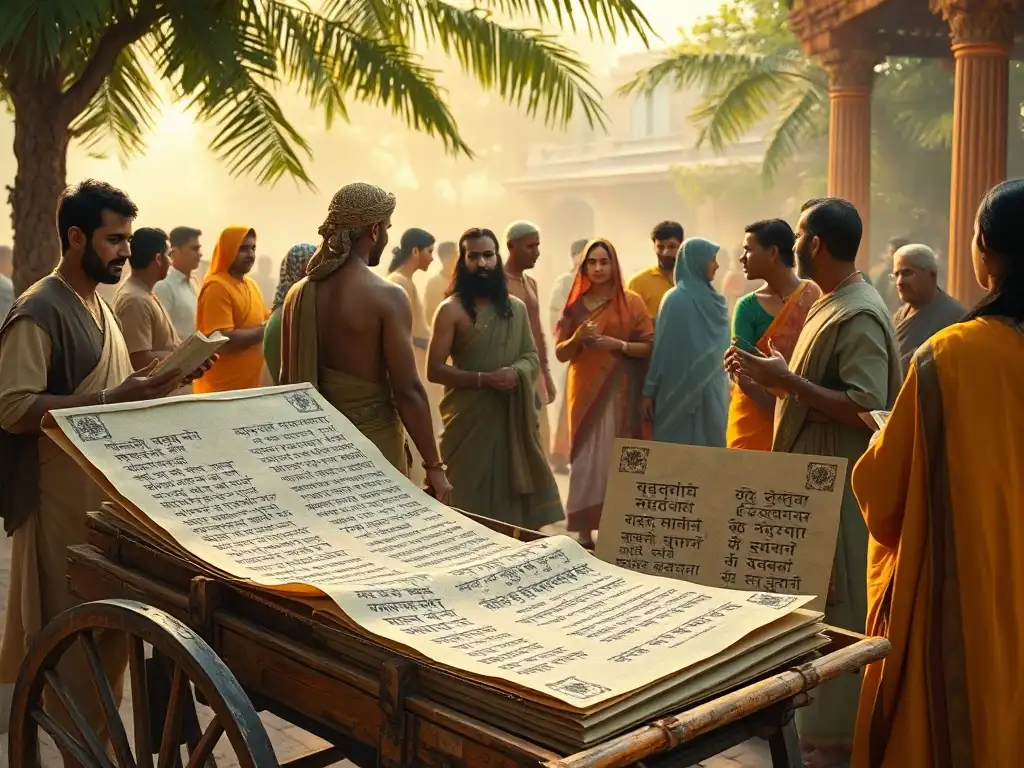
Ancient Indian scripts played a pivotal role in shaping the cultural identity of various civilizations throughout history. These scripts were not merely tools for communication; they were instrumental in reflecting societal values, beliefs, and the collective identity of diverse communities. The emergence of scripts such as Brahmi, Kharosthi, and Tamil-Brahmi signified the evolution of language and its profound connection to identity in ancient India.
The use of scripts allowed for the documentation of religious texts, philosophical discourses, and administrative records, which contributed to a shared cultural heritage. As communities adopted and adapted these scripts, they fostered a sense of belonging and continuity that transcended generations. This connection between script and identity is a vital aspect of understanding how ancient Indian societies functioned and thrived.
How Scripts Reflect Societal Values and Beliefs
Scripts in ancient India were closely intertwined with the societal values and beliefs of the time. For instance, the Brahmi script, which dates back to the 3rd century BCE, was utilized for inscribing edicts and religious texts, reflecting the moral and ethical frameworks of the Mauryan Empire. These inscriptions often conveyed messages of dharma (duty) and righteousness, highlighting the significance of ethical conduct in society.
- Religious Significance: Many scripts were used to write sacred texts, such as the Vedas and Upanishads, which provided insights into the spiritual beliefs and practices of the time. The use of scripts to document religious teachings reinforced the cultural identity of communities, as they viewed these texts as foundational to their existence.
- Political Authority: Scripts also served as instruments of power, as rulers employed them to issue decrees and assert their authority. For example, Ashoka’s edicts, inscribed in Brahmi, communicated his policies and moral imperatives, thereby shaping the identity of his subjects around the ideals of benevolence and justice.
- Cultural Preservation: Through the preservation of literature and philosophy, scripts enabled communities to maintain their distinct identities over time. The use of regional scripts, like Devanagari and Tamil, allowed for the expression of localized cultures, traditions, and languages, fostering a sense of pride and unity among people.
The Connection Between Language and Community Identity
Language, as expressed through ancient scripts, was fundamental in forming community identity in ancient India. Each script not only represented phonetic sounds but also encapsulated the history, culture, and ethos of the people who used it. This connection between language and identity can be explored through several dimensions:
- Regional Identity: Different regions of ancient India developed unique scripts, which were often reflective of the local languages and dialects. For instance, the use of Tamil script in the Tamil Nadu region fostered a strong sense of identity among Tamil speakers. This regional script became a symbol of cultural pride and heritage.
- Literary Traditions: The literary output associated with various scripts played a crucial role in shaping community identity. Epic poems, religious texts, and philosophical treatises contributed to a collective narrative that defined the ethos of a community. The emergence of significant literary works in regional scripts further solidified the identity of those communities.
- Social Cohesion: Language has the power to unite individuals within a community. When people share a common script, it enhances their ability to communicate, collaborate, and cultivate a sense of belonging. Scripts like Brahmi and Gupta facilitated inter-regional communication, which helped in the exchange of ideas and fostered a pan-Indian identity.
- Cultural Exchange: The interaction between different linguistic communities, facilitated by scripts, led to a rich tapestry of cultural exchange. As communities adopted and adapted scripts, they not only influenced each other’s identities but also contributed to the broader narrative of ancient Indian civilization.
Ancient Indian scripts significantly influenced identity through their reflection of societal values, beliefs, and the intricate relationship between language and community. Understanding this connection reveals the depth of cultural heritage that has shaped India's historical narrative.
Ancient Indian Scripts and Regional Identity

Variations in Scripts Across Different Regions
Ancient Indian scripts were not merely tools for communication; they were profound expressions of regional identity and culture. The diversity of scripts throughout ancient India reflects the rich tapestry of languages, dialects, and cultural practices that characterized various regions. This variation can be categorized into several prominent scripts, each serving as a symbol of local heritage and identity.
-
Brahmi Script:
Originating around the 3rd century BCE, Brahmi is recognized as one of the earliest scripts in India. It served as a precursor to many modern Indian scripts, including Devanagari, Bengali, and Tamil. The script was widely used across the Indian subcontinent, and its inscriptions can be found in diverse regions, illustrating the spread of Buddhist and other religious ideologies.
-
Kharosthi Script:
Used primarily in the northwest regions of India, particularly in Gandhara, Kharosthi was significant for the administration and trade. Its unique right-to-left writing style distinguished it from Brahmi and facilitated communication in a culturally rich area that was a melting pot of Greek, Persian, and Indian influences.
-
Tamil Script:
In the southern regions of India, the Tamil script emerged as a vital part of Tamil identity. Dating back to the 3rd century BCE, it represented a linguistic tradition that is still alive today. The script is not only a means of communication but also an emblem of the Tamil cultural heritage, evident in ancient literature and inscriptions.
-
Grantha Script:
This script was predominantly used in South India for writing Sanskrit texts. The Grantha script's influence can be seen in its adaptations to suit regional languages, emphasizing the interconnectedness of Sanskrit with local dialects and practices.
The variations in scripts across different regions of ancient India highlight the intricate relationship between language and identity, illustrating how scripts served as cultural markers that defined local communities.
Case Studies: Regional Scripts and Their Cultural Significance
To further understand the impact of ancient Indian scripts on identity, we can explore specific case studies that showcase their cultural significance:
1. Brahmi Inscriptions of Ashoka
The Edicts of Ashoka, inscribed in Brahmi script, are key historical documents that provide insight into the Mauryan Empire's governance and philosophy. These inscriptions, found in various locations across India, emphasized moral governance and Buddhist values. The dissemination of these edicts helped unify diverse communities under a shared ethical framework, illustrating how a script can foster a collective identity.
2. Tamil Inscriptions in the Chola Dynasty
During the Chola Dynasty, the Tamil script was used extensively in inscriptions to commemorate royal achievements and religious contributions. These inscriptions reflected the pride of the Tamil people and their distinct cultural identity, reinforcing their language and literature as central to their heritage. The use of Tamil in official contexts helped solidify the regional identity of the Tamil-speaking populace.
3. Kharosthi and the Silk Road
The Kharosthi script was instrumental in facilitating trade along the Silk Road. Its use in commercial and diplomatic correspondence among diverse cultures underscores the script's role as a bridge between various identities. This interaction fostered a cosmopolitan identity in regions like Gandhara, where multiple cultural influences converged.
4. Grantha and Sanskrit Literature
The Grantha script became a vital link between Sanskrit literature and regional Tamil culture. Manuscripts written in Grantha reflect the synthesis of Vedic traditions with local practices, highlighting how this script contributed to a shared cultural and religious identity while preserving regional languages.
Ancient Indian scripts significantly influenced identity by serving as cultural markers, facilitating communication, and reflecting the diversity of regional practices. The study of these scripts reveals the intricate relationship between language, culture, and identity in ancient India, underscoring the profound impact of these written forms on community cohesion and cultural expression.
Inscriptions as a Reflection of Identity
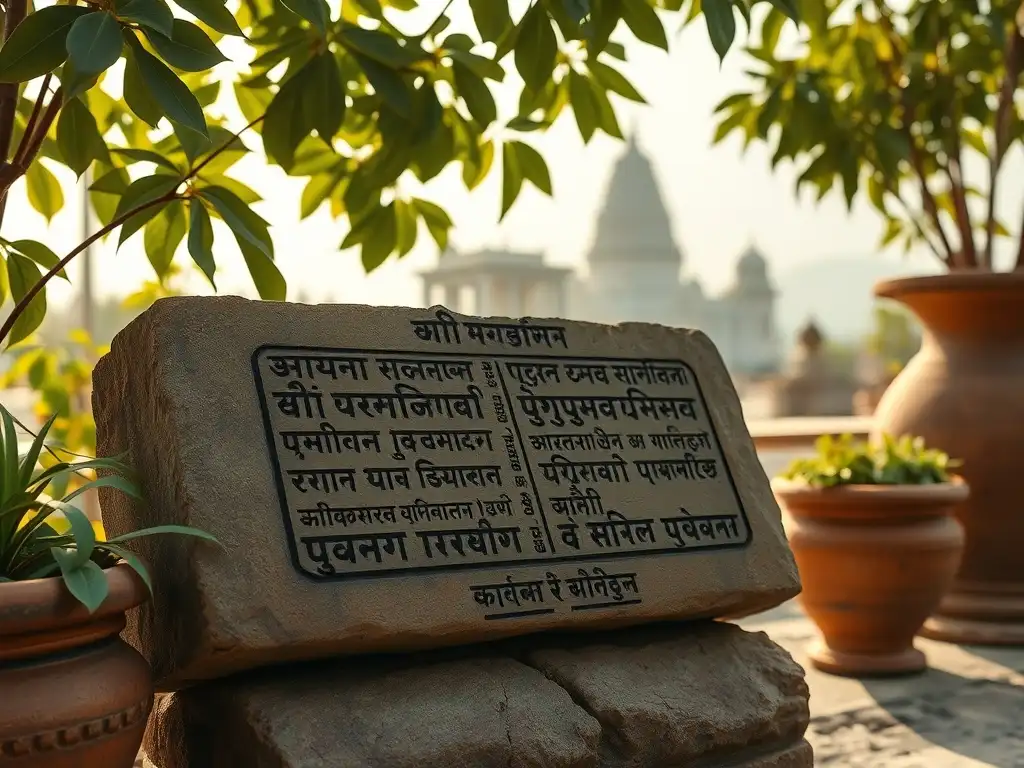
Inscriptions in ancient India serve as vital artifacts that encapsulate the beliefs, values, and identities of various communities. These engravings not only document historical events but also reflect the cultural ethos of the time, illustrating how ancient Indian scripts influence identity. Through inscriptions, communities expressed their social hierarchies, religious affiliations, and political allegiances, thus shaping their collective identity.
The Importance of Inscriptions in Ancient Indian Society
Inscriptions played a crucial role in ancient Indian society for several reasons:
- Cultural Continuity:
- Inscriptions helped preserve languages and scripts, ensuring the continuity of cultural practices and beliefs across generations.
- They served as a medium to transmit knowledge, religious texts, and local traditions.
- Political Power:
- Rulers often commissioned inscriptions to legitimize their power and commemorate achievements, thereby reinforcing their authority.
- For example, the Asokan edicts not only communicated laws but also propagated the ideals of Dharma, influencing community governance and ethical standards.
- Religious Significance:
- Many inscriptions were dedicated to deities and religious institutions, showcasing the religious identity of communities.
- They often contained hymns, prayers, or dedications that reflected the spiritual values and aspirations of the society at that time.
- Social Structure:
- Inscriptions often highlighted the roles of different social classes, providing insight into the societal hierarchy.
- They documented donations and endowments, revealing the patronage systems that defined ancient Indian civilization.
Notable Inscriptions and Their Impact on Community Identity
Several notable inscriptions have had a profound impact on community identity throughout ancient India:
- The Edicts of Ashoka (circa 250 BCE):
- These inscriptions, carved on pillars and rocks, emphasized moral governance and non-violence, fostering a collective identity centered around the principles of Buddhism.
- They encouraged communities to embrace ethical conduct and civic responsibility, cementing a shared identity rooted in these values.
- The Hathigumpha Inscription of Kharavela (1st century BCE):
- This inscription narrates the achievements of King Kharavela, highlighting the pride of the Kalinga community in their ruler's accomplishments.
- It serves as a testament to regional identity, illustrating how local rulers could shape the pride and unity of their people.
- The Allahabad Pillar Inscription (circa 4th century CE):
- Commissioned by Samudragupta, it celebrates his victories and consolidates the Gupta Empire's identity through military prowess.
- This inscription not only marked territorial expansion but reinforced a sense of belonging among the subjects through shared history and collective achievements.
- The Tamil Inscriptions of the Chola Dynasty (circa 9th-13th centuries CE):
- These inscriptions highlight the patronage of arts and temple construction, which were central to Tamil identity.
- By documenting donations and temple rituals, they fostered a sense of community among the Tamil people, emphasizing their cultural heritage and religious devotion.
The exploration of these inscriptions provides deep insights into how ancient Indian scripts influence identity, reflecting the interplay between language, culture, and community in shaping the diverse landscape of ancient Indian civilization.
The Influence of Ancient Indian Scripts on Modern Identity
The influence of ancient Indian scripts extends far beyond their initial usage, shaping not only the communication of ideas and culture but also contributing significantly to the identity of communities both in ancient times and today. The scripts developed in ancient India, such as Brahmi, Kharosthi, and later Devanagari, played a crucial role in the dissemination of literature, religious texts, and administrative records, thereby leaving a lasting imprint on the cultural fabric of the Indian subcontinent. This section explores how these ancient scripts have influenced modern identity and community cohesion.
Continuity of Scripts and Cultural Heritage
The continuity of ancient Indian scripts is a testament to the enduring nature of cultural heritage in the region. Many modern languages in India, including Hindi, Marathi, and Bengali, are derived from or influenced by these ancient scripts. The Brahmi script, for instance, is the progenitor of numerous scripts used across South Asia today.
- Cultural Transmission: The scripts served as vessels for transmitting cultural values, religious beliefs, and philosophical ideas. Texts written in these scripts encapsulated the thoughts and heritage of communities, ensuring that their identity was preserved over generations.
- Religious Significance: Sacred texts, such as the Vedas and Upanishads, were often inscribed in ancient scripts, linking language and spirituality. This connection reinforced community identity, where the script became a symbol of heritage and religious devotion.
- Regional Variations: Different regions adopted and adapted these scripts, leading to a rich tapestry of linguistic diversity that still characterizes India today. Each adaptation reflected local customs and identities, emphasizing the scripts' role in fostering community ties.
The preservation of these scripts in modern education and literature continues to reinforce cultural identity among various communities in India, illustrating how ancient writing systems remain relevant in today’s social context.
Modern Perceptions of Ancient Scripts and Their Legacy
In the contemporary world, the perception of ancient Indian scripts has evolved, yet their legacy continues to shape identity. Modern scholars, linguists, and cultural enthusiasts recognize the significance of these scripts beyond mere historical artifacts.
- Educational Relevance: Institutions and universities are increasingly incorporating studies of ancient scripts into their curricula, highlighting their importance in understanding India's linguistic evolution and cultural history. This educational focus fosters a renewed appreciation for these scripts among younger generations.
- Cultural Revival Movements: Efforts to revive interest in ancient scripts have emerged, with communities organizing workshops, exhibitions, and seminars to educate the public about their historical significance. Such initiatives not only celebrate cultural heritage but also strengthen community bonds.
- Digital Preservation: The advent of technology has facilitated the digital documentation and preservation of ancient scripts. Online platforms and databases are being developed to archive texts, making them accessible to a broader audience. This digital age allows for enhanced engagement with ancient scripts, encouraging a modern identity that is informed by historical roots.
The influence of ancient Indian scripts on modern identity is profound and multifaceted. These scripts are not merely relics of the past; they are living symbols of the rich cultural heritage of India, continuously shaping the identities of communities and individuals. As we delve deeper into understanding their legacy, it becomes clear that ancient Indian scripts will continue to play a pivotal role in defining the narrative of identity in contemporary society.
Conclusion: The Lasting Impact of Ancient Indian Scripts on Identity
Summary of Key Points
The influence of ancient Indian scripts on identity is profound and multifaceted. Throughout history, scripts such as Brahmi and Kharosthi have not only served as tools for communication but have also played a pivotal role in shaping cultural and social identities. Key points include:
- Cultural Transmission: Ancient scripts facilitated the dissemination of religious texts, literature, and administrative documents, which in turn impacted collective cultural identities. For instance, the spread of the Brahmi script contributed to the unification of diverse communities under shared religious and cultural narratives.
- Political Identity: Inscriptions on pillars and coins often reflected the political ideologies of ruling dynasties, reinforcing the identity of the state and its citizens. The use of specific scripts was a declaration of power and governance, as seen in the edicts of Ashoka, which promoted Buddhist values while simultaneously asserting his royal identity.
- Linguistic Diversity: The evolution of scripts in ancient India highlights the region's linguistic diversity. The adaptation of scripts like Devanagari and Tamil reflects local languages and dialects, fostering a sense of belonging among speakers and contributing to regional identities.
- Artistic Expression: The aesthetic qualities of ancient scripts have also contributed to identity formation. Calligraphy and inscriptions in temples and manuscripts not only conveyed religious and philosophical ideas but also showcased the artistic heritage of communities, linking them to their cultural roots.
Reflection on the Importance of Preserving Ancient Scripts
Preserving ancient scripts is crucial for maintaining the historical and cultural identity of communities in India. The ongoing study and revitalization of these scripts can yield significant benefits:
- Cultural Heritage: Ancient scripts are repositories of knowledge that encapsulate the values, beliefs, and traditions of ancient civilizations. By preserving these scripts, we safeguard the cultural heritage that defines various communities.
- Educational Resources: Understanding ancient scripts enhances educational curricula, allowing future generations to connect with their past. This connection fosters a sense of pride and continuity, essential for sustaining community identity.
- Interdisciplinary Research: The study of ancient scripts can bridge gaps between history, linguistics, anthropology, and art. This interdisciplinary approach not only enriches academic discourse but also promotes a holistic understanding of ancient Indian civilizations.
- Cultural Revival: Reviving interest in ancient scripts can lead to a renaissance of traditional arts and crafts, as well as renewed appreciation for local languages. Such cultural revival is integral to preserving identity in a rapidly globalizing world.
The influence of ancient Indian scripts on identity is a testament to their enduring legacy. By recognizing their importance and actively working towards their preservation, we can ensure that the stories, values, and identities of ancient Indian civilizations continue to resonate through time.
Frequently Asked Questions
What are ancient Indian scripts?
Ancient Indian scripts include various writing systems such as Brahmi and Kharosthi, which were used for recording languages and preserving cultural heritage.
How did scripts influence identity in ancient India?
Scripts played a crucial role in shaping the identity and community of ancient Indian civilizations by facilitating communication, governance, and the transmission of cultural values.
What role did the Brahmi script play in ancient India?
The Brahmi script is considered one of the most significant ancient Indian scripts, influencing many subsequent writing systems and serving as a cornerstone for the development of regional languages.
How did ancient Indian scripts contribute to community cohesion?
By enabling the documentation of laws, literature, and religious texts, ancient scripts helped to foster a sense of shared identity and cultural unity among diverse communities in ancient India.
Are there any modern influences of ancient Indian scripts?
Yes, many modern Indian languages and scripts trace their origins back to ancient scripts, reflecting the enduring impact of these writing systems on India's cultural and linguistic identity.
Final Reflection: The Enduring Influence of Ancient Indian Scripts on Identity
The exploration of ancient Indian scripts reveals a profound connection between language and identity that remains relevant today. As we navigate a world increasingly defined by globalization and cultural exchange, understanding how these scripts shaped the identities and communities of ancient India offers valuable insights into our own cultural landscapes. The legacy of these scripts is not just a relic of the past; it is a living testament to the power of language in forging connections and defining who we are.
The influence of ancient Indian scripts extends far beyond their historical context; they continue to resonate within contemporary society. The scripts served as vessels of culture, tradition, and shared values, fostering a sense of belonging among diverse communities. As we reflect on this, we recognize that language remains a cornerstone of identity formation today. Language is the road map of a culture. It tells you where its people come from and where they are going.
This quote encapsulates the essence of how ancient scripts have shaped not only individual identities but also the collective consciousness of communities throughout history.
As we conclude, I invite you to reflect on the significance of language and script in your own life. Consider how the words you use and the stories you share contribute to your identity and the identities of those around you. Embrace the lessons from ancient Indian scripts and recognize the power of language as a tool for connection, understanding, and community-building in our modern world. Let us honor the past while actively shaping our identities for the future, fostering a sense of belonging that transcends time and space.
Uncover Your Connection to Ancient India!
Thank you for taking the time to dive into the fascinating world of ancient scripts and their impact on identity and community in India. You’ve enriched your understanding of how these timeless texts have influenced cultural narratives, and now it’s time to take that knowledge further!
Here’s how you can deepen your exploration and connection:
- Start a Study Group: Gather friends or fellow enthusiasts to read and discuss ancient texts that interest you. This can spark meaningful conversations and insights!
- Document Your Thoughts: Keep a journal of your reflections on how history shapes modern identity. Sharing your journey on social media can inspire others!
- Explore Local Libraries or Museums: Visit exhibits or collections featuring ancient scripts. You may uncover new stories that resonate with your heritage.
Now, we invite you to reflect: In what ways do you think ancient scripts continue to shape your identity today? We would love to hear your thoughts in the comments!