
The Maurya Empire’s International Relations: Key Diplomatic Figures

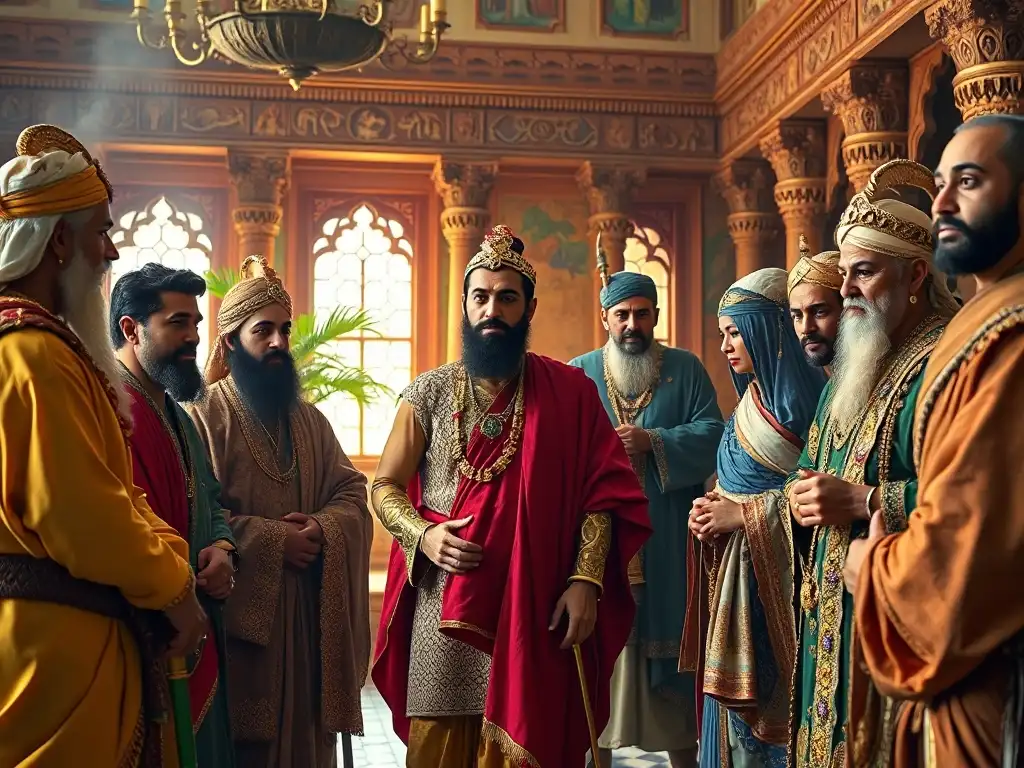
Welcome to Ancient India History, where we embark on a fascinating journey through the vibrant tapestry of ancient Indian civilizations. In this exploration, we delve into the Maurya Empire, a significant chapter that showcases the art of diplomacy and international relations during one of India’s most illustrious eras. Discover the key diplomatic figures who shaped the Maurya Empire’s global interactions and understand how their strategies influenced not just India, but the world. Are you ready to uncover the intricate web of alliances and negotiations that defined an empire? Join us as we unravel these captivating stories and more!
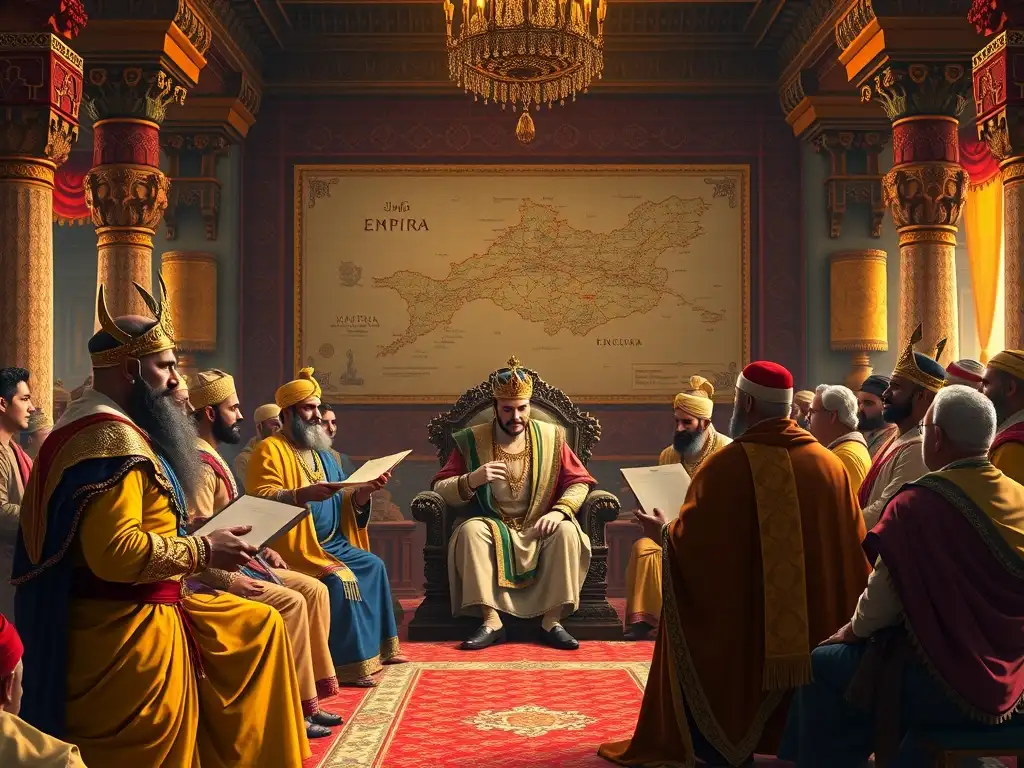
Introduction to the Maurya Empire’s Diplomatic Relations
The Maurya Empire, one of the largest and most powerful empires in ancient India, is renowned not only for its extensive territorial expanse but also for its sophisticated diplomatic relations. Spanning from approximately 322 BCE to 185 BCE, this empire played a pivotal role in shaping the political landscape of the Indian subcontinent.
The Mauryan rulers engaged in a variety of diplomatic strategies and relationships that were crucial for maintaining stability, promoting trade, and influencing neighboring regions. Understanding the key diplomatic figures of the Maurya Empire is essential for appreciating how these relationships were cultivated and managed, offering insights into the broader context of international relations in ancient civilizations.
Overview of the Maurya Empire and Its Significance
The Maurya Empire emerged under the leadership of Chandragupta Maurya, who successfully unified a fragmented India following the decline of the Nanda dynasty. This empire is significant for several reasons:
- Territorial Expansion: At its height, it extended across a vast area, including much of modern-day India, Pakistan, and parts of Afghanistan.
- Cultural Flourishing: The empire was a melting pot of cultures, ideas, and religions, contributing to advancements in art, science, and philosophy.
- Administrative Innovations: The Maurya Empire introduced sophisticated bureaucratic systems that laid the groundwork for future governance in the region.
The diplomatic efforts of the Maurya rulers were instrumental in maintaining this vast empire and facilitating its growth.
Importance of Diplomacy in Ancient Indian Civilizations
Diplomacy in ancient Indian civilizations was not merely about treaties and alliances; it involved a complex interplay of culture, trade, and power dynamics. The significance of diplomacy can be highlighted through the following points:
- Cultural Exchange: Diplomatic missions often facilitated the exchange of ideas, art, and religious beliefs, enriching the cultures involved.
- Trade Relations: Establishing trade routes and agreements was crucial for economic prosperity, enabling the flow of goods such as spices, textiles, and precious stones.
- Conflict Resolution: Diplomacy served as a means to resolve conflicts without resorting to warfare, promoting stability in the region.
The Maurya Empire's diplomatic relations exemplify these principles, showcasing how strategic alliances and negotiations were essential for its enduring success.
Key Diplomatic Figures of the Maurya Empire
The Maurya Empire was characterized by several influential figures whose diplomatic skills were pivotal in shaping its international relations. Each played a distinct role in enhancing the empire's standing and influence across the region.
Chandragupta Maurya: The Founder and Diplomat
Chandragupta Maurya, the founder of the Maurya Empire, was not only a military leader but also a skilled diplomat. His ability to forge alliances and negotiate with various states was crucial to his success in unifying India. Key aspects of his diplomatic approach include:
- Strategic Alliances: Chandragupta formed alliances with local rulers to consolidate power and expand territories.
- Influence of Foreign Powers: He was known to engage with foreign powers, such as the Greeks after Alexander the Great's invasion, to secure peace and trade routes.
- Advisory Counsel: His collaboration with Kautilya, a renowned strategist, further enhanced his diplomatic tactics.
Kautilya (Chanakya): The Mastermind of Diplomacy
Kautilya, often referred to as Chanakya, was a key figure in the Maurya Empire's diplomatic relations. As the chief advisor to Chandragupta, he played a crucial role in shaping the empire's foreign policy. His contributions include:
- Arthashastra: Kautilya's seminal work on statecraft and military strategy provided a comprehensive guide to diplomacy, espionage, and governance.
- Realpolitik Approach: He advocated for pragmatic diplomacy, emphasizing the importance of power and strategy over idealism.
- Negotiation Tactics: Kautilya was known for his cunning negotiation tactics, which enabled the Maurya Empire to outmaneuver rivals.
Ashoka the Great: Diplomat and Promoter of Peace
Ashoka, the grandson of Chandragupta, is celebrated for his commitment to peace and diplomacy. His reign marked a significant shift in the empire's approach to international relations. Notable aspects of his diplomacy include:
- Buddhist Diplomacy: Ashoka promoted Buddhism as a means of fostering peace and goodwill among nations, sending envoys to spread its teachings beyond Indian borders.
- Edicts of Ashoka: His inscriptions emphasized ethical governance and moral conduct, influencing diplomatic relations with neighboring states.
- Peace Treaties: Ashoka was adept at negotiating peace treaties, choosing dialogue over conflict, which contributed to the stability of his empire.
Through the strategic actions of these key figures, the Maurya Empire established a legacy of diplomatic relations that influenced subsequent Indian civilizations and beyond.
Diplomatic Strategies of the Maurya Empire
The Maurya Empire, which thrived from 322 to 185 BCE, is renowned for its sophisticated diplomatic strategies that played a crucial role in establishing and maintaining its vast influence across the Indian subcontinent and beyond. Under the leadership of its most notable ruler, Ashoka the Great, the empire adopted various diplomatic approaches that included both military and non-military methods.
One of the key strategies was political alliances. The Mauryas often sought to forge relationships with neighboring states through marriage alliances, fostering kinship ties that could enhance political stability. For example, Ashoka’s marriage to a princess from the Kalinga region not only solidified peace but also facilitated cultural exchanges.
Additionally, the Maurya Empire employed diplomatic negotiations to resolve conflicts and avert wars. They understood that maintaining peace through dialogue could be more beneficial than engaging in protracted military campaigns. This approach was particularly evident during Ashoka's reign after the Kalinga War, where he shifted his focus towards spreading Buddhism and promoting non-violence as a means of diplomacy.
Furthermore, economic diplomacy played a significant role in the Maurya Empire's international relations. Trade agreements were established with various regions, enhancing economic ties that often translated into political alliances. The Mauryas controlled vital trade routes, allowing them to exert influence over commerce and secure loyalty from trading partners.
Types of Diplomatic Relations in the Maurya Empire
The Maurya Empire engaged in a variety of diplomatic relations, each tailored to the specific context and needs of the empire. These can be broadly classified into several categories:
- Formal Alliances: The Maurya rulers often entered into formal treaties with neighboring kingdoms, ensuring mutual defense and cooperation. These alliances were essential for maintaining stability in the region.
- Tributary Relationships: Some smaller states were integrated into the Maurya Empire as tributaries, providing resources and tribute in exchange for protection and autonomy. This arrangement allowed the Mauryas to extend their influence without direct rule.
- Cultural Diplomacy: The promotion of Buddhism under Ashoka exemplified cultural diplomacy. As he sent missionaries to various regions, the Maurya Empire established itself as a center of spiritual influence, fostering goodwill through shared religious values.
- Trade Agreements: The Mauryas established trade relations with distant regions, including the Mediterranean and Southeast Asia. These agreements not only facilitated economic prosperity but also encouraged the exchange of ideas and cultural practices.
The Role of Envoys and Ambassadors
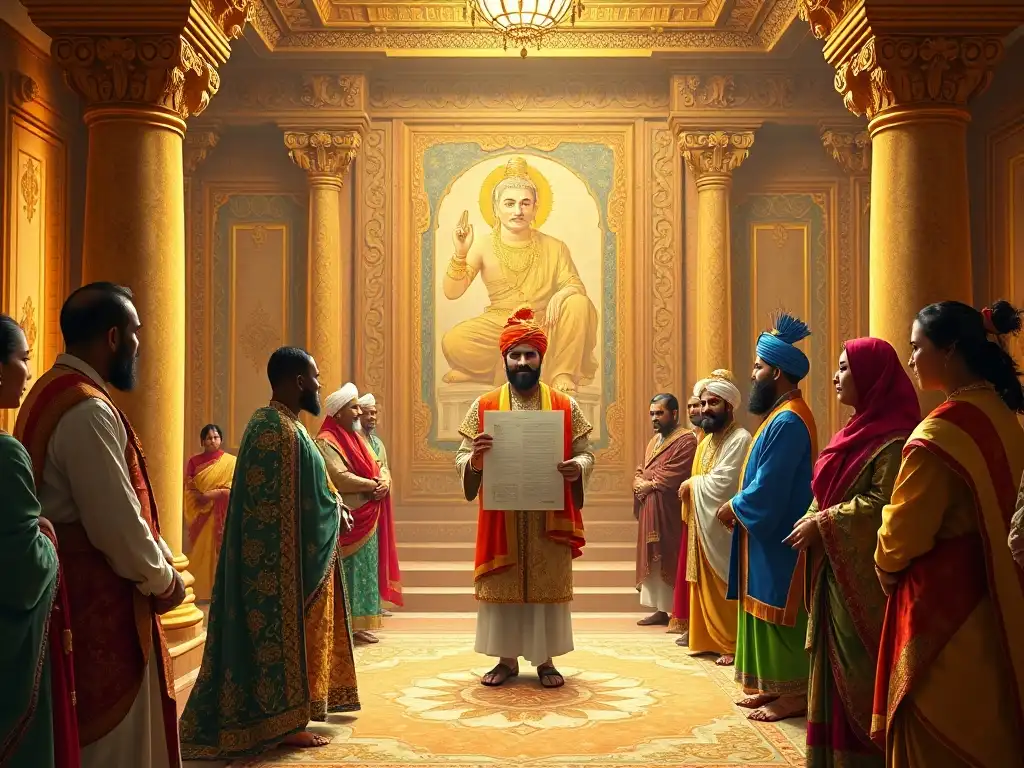
Envoys and ambassadors were pivotal in the Maurya Empire's diplomatic framework. They served as the primary means of communication between the Mauryan court and foreign powers. The effectiveness of these diplomats was critical in managing relations and negotiating agreements.
Envoys were often selected for their expertise in language and culture, allowing them to navigate the complexities of foreign courts effectively. They played several key roles, including:
- Negotiating Treaties: Envoys were responsible for negotiating terms of treaties and agreements. Their ability to articulate the empire’s interests while accommodating the concerns of other states was vital for successful diplomacy.
- Gathering Intelligence: Diplomats were tasked with gathering information about foreign powers, including military capabilities and political dynamics. This intelligence was crucial for the Mauryan rulers to make informed decisions about alliances and military actions.
- Cultural Representation: Ambassadors also acted as cultural representatives of the Maurya Empire, promoting its values and philosophies abroad. This cultural exchange often fostered goodwill and strengthened diplomatic ties.
The Impact of Maurya Empire Diplomatic Relations
The diplomatic relations established by the Maurya Empire had far-reaching impacts, both regionally and historically. These influences can be observed in various aspects of governance, culture, and international relations.
Influence on Neighboring Kingdoms and Regions
The Maurya Empire's diplomatic strategies significantly influenced neighboring kingdoms and regions. By establishing formal alliances and tributary relationships, the empire effectively expanded its sphere of influence without the need for direct military control.
For instance, the diplomatic ties forged with regions like Kalinga allowed for the peaceful integration of diverse cultures, leading to a rich tapestry of traditions within the empire. Neighboring kingdoms often adopted Mauryan administrative practices and cultural elements, which helped to stabilize the region and promote unity.
Moreover, the spread of Buddhism, facilitated by Maurya diplomacy, had a profound impact on surrounding areas, including Central Asia and Southeast Asia. As Mauryan missionaries traveled to these regions, they established new centers of learning and culture, further extending the empire's influence.
Legacy of Maurya Diplomacy in Ancient Indian History
The legacy of Maurya diplomacy remains significant in the annals of ancient Indian history. The diplomatic practices developed during this era set a precedent for subsequent Indian empires, influencing their approaches to international relations.
The Maurya Empire's emphasis on non-violence and cultural diplomacy, particularly through the promotion of Buddhism, left a lasting imprint on Indian society. This legacy can be seen in the subsequent rise of other empires, such as the Gupta Empire, which adopted similar diplomatic strategies that emphasized trade and cultural exchange.
Furthermore, the concept of using diplomacy as a tool for governance and conflict resolution has endured in Indian political thought. The Mauryan approach to diplomacy underscores the importance of dialogue and mutual respect in international relations, principles that continue to resonate in contemporary diplomacy.
The Maurya Empire's diplomatic relations not only facilitated its expansion and stability during its peak but also laid the groundwork for future diplomatic practices in India and beyond, ensuring its place in the rich tapestry of history.
Conclusion
The Maurya Empire, renowned for its remarkable political structure and vast territorial expanse, also made significant strides in the realm of international relations. The diplomatic figures of this era, such as Chandragupta Maurya, Kautilya (Chanakya), and Ashoka, played crucial roles in shaping the empire's foreign policy and establishing relations with neighboring states. Their strategies not only strengthened the empire's position in the subcontinent but also set a precedent for future diplomatic engagements in India and beyond. Understanding these figures and their contributions provides valuable insight into the nature of diplomacy in ancient times.
Summary of Key Diplomatic Figures and Their Contributions
The key diplomatic figures of the Maurya Empire were instrumental in fostering international relations that would have lasting impacts.
- Chandragupta Maurya: As the founder of the Maurya Empire, he established initial diplomatic ties with neighboring kingdoms, focusing on both military alliances and trade agreements. His interactions with the Persian Empire and the Greek states showcased his strategic acumen in navigating complex political landscapes.
- Kautilya (Chanakya): A master strategist and advisor to Chandragupta, Kautilya's work, Arthashastra, serves as a foundational text on statecraft and diplomacy. His principles emphasized the importance of intelligence, negotiation, and sometimes subterfuge in achieving diplomatic success. He advocated for a pragmatic approach to alliances, often suggesting that the Maurya Empire should manipulate rivalries among neighboring states to its advantage.
- Ashoka the Great: Following Chandragupta, Ashoka's reign marked a significant shift towards soft diplomacy, particularly after his conversion to Buddhism. He is known for sending ambassadors to various regions, including Sri Lanka and the Hellenistic kingdoms, promoting peace and Buddhist values. His edicts, inscribed on pillars across the empire, expressed his vision for a moral and ethical approach to governance and international relations.
These figures collectively contributed to a diplomatic legacy that emphasized both military might and moral authority, setting a standard for future Indian states.
The Lasting Influence of Maurya Empire Diplomatic Relations on World History
The diplomatic relations established during the Maurya Empire had a profound influence on the course of world history. The strategies employed by its leaders fostered not only regional stability but also facilitated cultural and trade exchanges that resonated far beyond the Indian subcontinent.
- Cultural Exchanges: The Maurya Empire's diplomatic endeavors led to the spread of Buddhism, which transcended geographical barriers and influenced diverse cultures across Asia. Ashoka's missions to spread Buddhism are a prime example of how diplomacy can cultivate cultural ties that endure through history.
- Trade Networks: The diplomatic relations cultivated during this period laid the groundwork for extensive trade networks that connected India with Central Asia, the Mediterranean, and beyond. These networks not only facilitated economic prosperity but also fostered the exchange of ideas, technologies, and cultural practices, significantly impacting the development of civilizations.
- Political Strategies: The principles of statecraft articulated by Kautilya have continued to influence political thought and diplomatic practices in various cultures around the world. His pragmatic approach remains relevant in contemporary discussions of international relations and strategy.
The Maurya Empire’s diplomatic relations not only shaped the empire’s immediate successes but also left an indelible mark on the historical trajectory of international relations.
References
Sources for Further Reading on Maurya Empire Diplomatic Relations
- "The Arthashastra" by Kautilya - A seminal text on statecraft that outlines the principles of diplomacy and governance.
- "Ashoka: The Search for India's Lost Emperor" by Charles Allen: - This book delves into the life of Ashoka and his diplomatic missions.
- "India: A History" by John Keay: - Offers a comprehensive overview of Indian history, including the Maurya Empire's international relations.
Recommended Literature on Ancient Indian Diplomacy
- "Ancient Indian Political Thought" by R. C. Sharma - Explores the philosophical underpinnings of ancient Indian diplomacy and statecraft.
- "The Mauryan Empire" by Romila Thapar - Provides insights into the political, social, and diplomatic aspects of the Maurya period.
- "The History of India" by Hermann Kulke and Dietmar Rothermund - A detailed account of India's history, with significant focus on the Maurya Empire and its diplomatic relations.
- Introduction to the Maurya Empire’s Diplomatic Relations
- Key Diplomatic Figures of the Maurya Empire
- Diplomatic Strategies of the Maurya Empire
- Types of Diplomatic Relations in the Maurya Empire
- The Role of Envoys and Ambassadors
- The Impact of Maurya Empire Diplomatic Relations
- Conclusion
- References
- What was the significance of the Maurya Empire's diplomatic relations?
- Who were the key diplomatic figures in the Maurya Empire?
- How did the Maurya Empire engage with neighboring states?
- What impact did the Maurya Empire have on international diplomacy?
- What were the cultural exchanges facilitated by the Maurya Empire's diplomacy?
Frequently Asked Questions
What was the significance of the Maurya Empire's diplomatic relations?
The Maurya Empire's diplomatic relations were crucial for expanding trade, fostering alliances, and establishing political stability across regions in ancient India.
Who were the key diplomatic figures in the Maurya Empire?
Key figures included Chandragupta Maurya, the founder, and Kautilya (Chanakya), his advisor, who played vital roles in shaping the empire's foreign policy and diplomatic strategies.
How did the Maurya Empire engage with neighboring states?
The Maurya Empire engaged through strategic alliances, marriages, and treaties, which helped to ensure peace and facilitate economic exchanges with neighboring states.
What impact did the Maurya Empire have on international diplomacy?
The Maurya Empire set a precedent for diplomatic relations in ancient India, influencing future empires with its methods of negotiation and statecraft.
What were the cultural exchanges facilitated by the Maurya Empire's diplomacy?
The diplomatic relations of the Maurya Empire led to cultural exchanges in art, religion, and philosophy, particularly through the spread of Buddhism to other regions.
Final Reflection: The Lasting Legacy of Maurya Empire Diplomatic Relations
The intricate web of diplomatic relations established during the Maurya Empire continues to resonate in today's global landscape. As we navigate an increasingly interconnected world, the lessons learned from the diplomatic strategies of ancient empires remind us of the enduring power of negotiation, alliance-building, and cultural exchange. The Maurya Empire's approach to international relations serves as a historical blueprint, illustrating how effective diplomacy can foster peace and prosperity across diverse regions.
The influence of the Maurya Empire's diplomatic figures is palpable in contemporary discussions about international relations and diplomacy. Their ability to forge alliances and navigate complex political landscapes has inspired modern leaders and diplomats alike. As we reflect on this legacy, we are reminded of the words of Chanakya, a key figure in Mauryan diplomacy: There is some self-interest behind every friendship. There is no friendship without self-interests.
This observation underscores the importance of understanding motivations in diplomacy, a lesson that remains relevant as nations strive to balance their interests with the pursuit of global harmony.
As we conclude our exploration of the Maurya Empire's diplomatic relations, I invite you to reflect on how these historical insights can inform your own understanding of relationships, both personal and professional. Consider the power of diplomacy in your life—how can you apply the principles of negotiation and alliance-building in your interactions? By embracing the lessons of the past, we can cultivate a more harmonious future, fostering connections that transcend borders and differences.
Unveil the Secrets of Ancient Diplomacy!
Thank you for diving into the fascinating world of the Maurya Empire and its diplomatic wonders! You've unlocked valuable insights about key figures who shaped international relations in ancient India. Now, it’s time to take your newfound knowledge further and connect with this rich history.
Here are some ways you can actively engage:
- Explore a local museum or exhibit that features artifacts or information about the Maurya Empire. Immerse yourself in the history that surrounds this incredible period!
- Share your favorite insights or interesting facts from this article with friends or on social media. Let’s spark discussions and fuel curiosity about ancient diplomatic practices!
- Join online forums or groups focused on ancient history. Sharing your knowledge can lead to inspiring conversations and connections with fellow enthusiasts!
How do you think the diplomatic strategies used by the Maurya Empire could be applied to modern international relations?