
Ancient Trade Maps: Charting the Routes of Prosperity

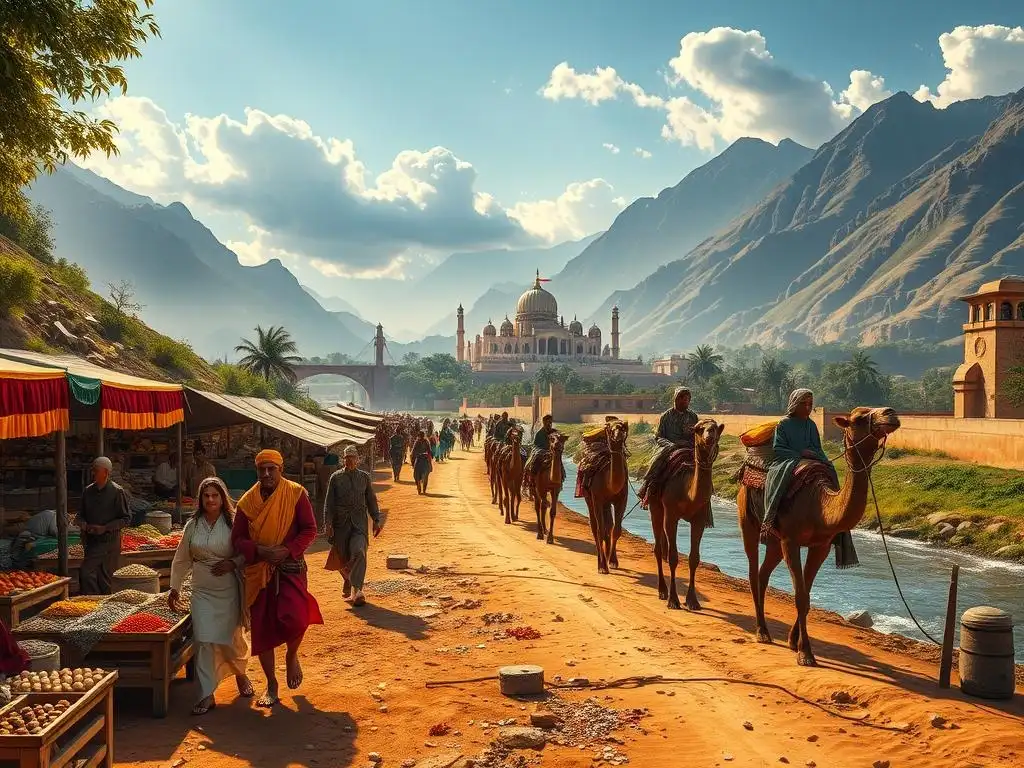
Welcome to Ancient India History, where we embark on a captivating journey through the vibrant tapestry of ancient civilizations that shaped the Indian subcontinent. In this exploration, we turn our attention to a fascinating aspect of history: the ancient Indian trade routes.
Our featured article, "Ancient Trade Maps: Charting the Routes of Prosperity," uncovers the intricate networks that facilitated commerce and cultural exchange, revealing how these pathways not only fueled economies but also connected diverse peoples. Prepare to delve deeper into the past as we unravel the stories behind these vital arteries of trade and the remarkable civilizations that thrived along them.
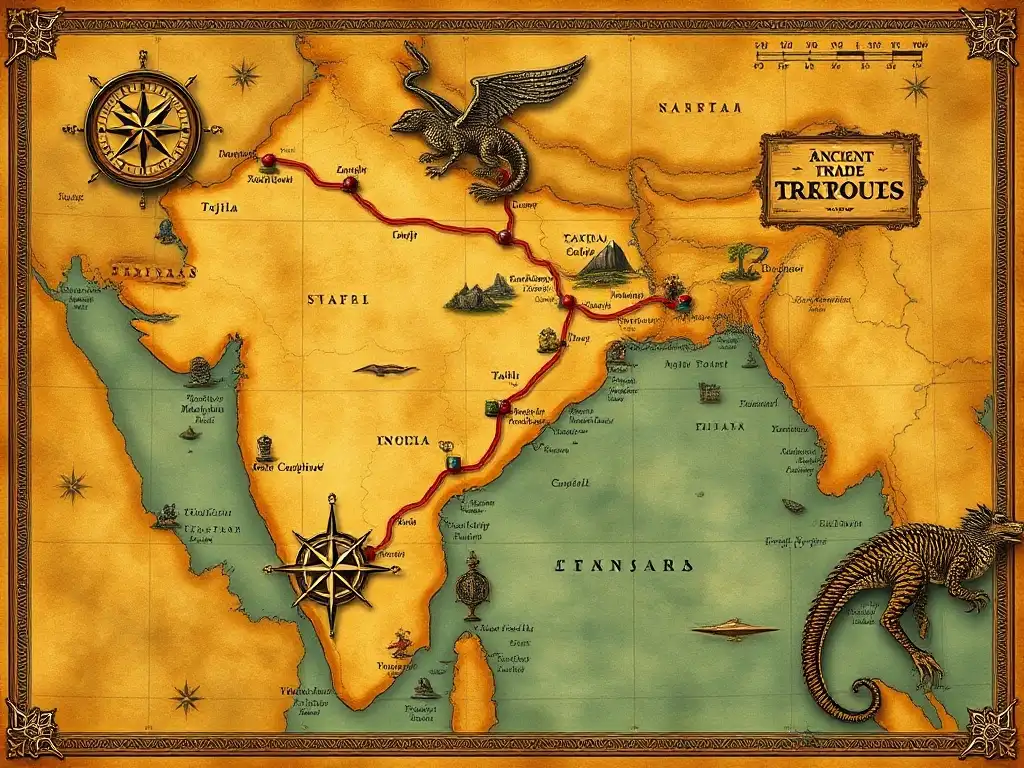
Introduction to Ancient Indian Trade Routes
The exploration of ancient trade routes reveals a complex web of interactions that significantly shaped the development of civilizations. In the context of ancient India, these routes were not merely pathways for the exchange of goods; they were vital arteries of cultural exchange, economic prosperity, and social evolution.
From the bustling markets of the Indus Valley Civilization to the flourishing trade during the Gupta Empire, the ancient Indian trade routes played a pivotal role in connecting various regions, facilitating the spread of ideas, religions, and innovations. Understanding these trade routes provides insight into the rich tapestry of ancient Indian history and the profound influence it had on global trade networks.
Overview of Trade in Ancient India
Trade in ancient India was characterized by a dynamic exchange of goods, ideas, and cultures. The subcontinent's strategic location made it a nexus for both overland and maritime trade. Key commodities traded included:
- Spices: India was renowned for its spices, which were highly sought after in both local and international markets.
- Textiles: Cotton and silk fabrics from India were prized for their quality and craftsmanship.
- Precious Stones: Gems and jewelry also played a crucial role in trade, with Indian artisans celebrated for their skills.
The various regions of India specialized in different products, fostering a network of trade that extended far beyond its borders. This exchange not only enriched the local economy but also facilitated cultural interactions that contributed to India's rich heritage.
Importance of Trade Routes in Economic Development
The trade routes of ancient India were instrumental in shaping the economic landscape of the region. They facilitated:
- Increased Prosperity: Trade routes enabled the flow of wealth into Indian kingdoms, contributing to urbanization and the establishment of cities.
- Cultural Exchange: Through trade, diverse cultures interacted, leading to the exchange of art, literature, and religious beliefs.
- Political Alliances: Control over trade routes often led to the establishment of political power and alliances among ancient kingdoms.
In essence, these routes were vital for not only economic growth but also for the cultural and political evolution of ancient Indian societies.
Major Ancient Indian Trade Routes
The Silk Road: A Gateway to Asia
The Silk Road was perhaps the most famous trade route in history, linking the East and West. Spanning thousands of miles, it facilitated the exchange of silk, spices, and other goods. Key features of the Silk Road include:
- Cultural Exchange: It served as a conduit for the spread of Buddhism from India to Central Asia and beyond.
- Economic Impact: Indian merchants played a crucial role in this network, significantly contributing to the prosperity of various dynasties.
The Spice Route: Connecting India to the World
The Spice Route was vital for the trade of spices, which were highly valued in Europe and the Middle East. Key aspects include:
- Economic Significance: India was the primary supplier of spices like pepper and cardamom, which were essential for preserving food and enhancing flavor.
- Maritime Trade: This route involved extensive maritime trade, with Indian ports serving as critical hubs for the spice trade.
The Maritime Trade Routes: Sea-Based Commerce
The maritime trade routes connected India to the Arabian Peninsula, Southeast Asia, and even East Africa. Important elements include:
- Trade Ports: Key ports such as Lothal and Calicut facilitated thriving trade networks.
- Cultural Interactions: These routes enabled the exchange of not just goods, but also ideas, technologies, and cultural practices among various civilizations.
The ancient Indian trade routes were not just channels for commerce; they were vital links that fostered economic prosperity, cultural exchange, and the interconnectedness of civilizations. Understanding these routes provides a deeper appreciation of ancient India's contribution to global history.
The Role of Geography in Ancient Trade
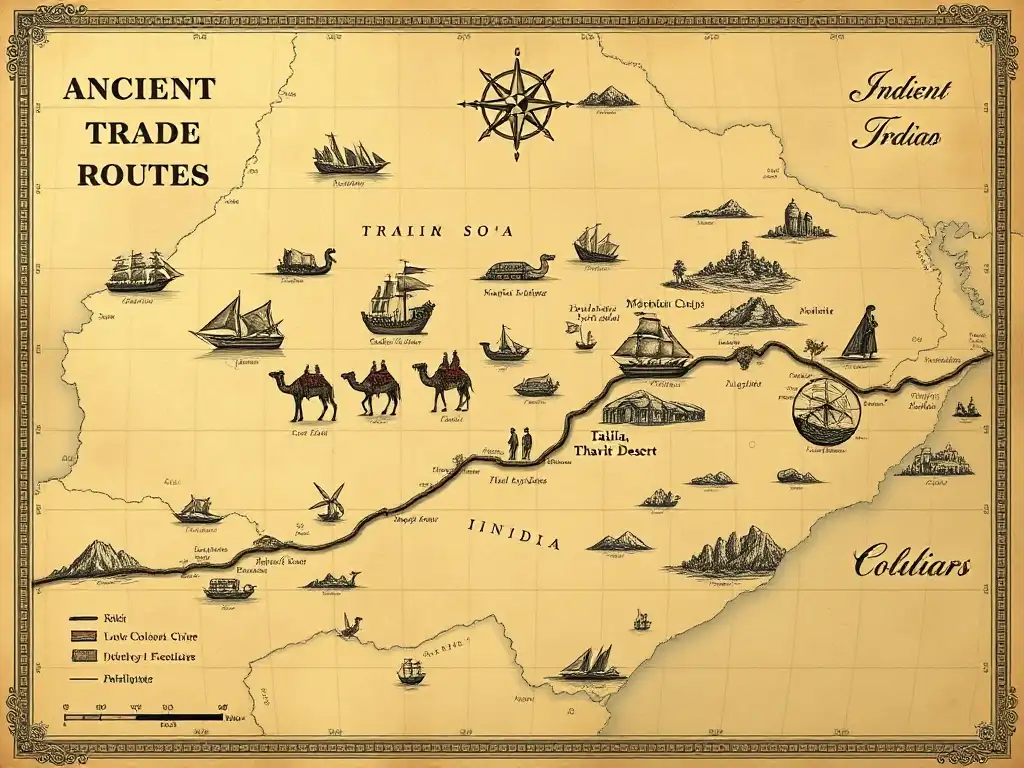
Geography played a pivotal role in shaping the ancient trade routes of India, influencing not only the movement of goods but also the cultural exchanges that occurred between civilizations. The strategic positioning of the Indian subcontinent, bordered by the Himalayas to the north and surrounded by oceans on three sides, provided both barriers and gateways for trade.
The diverse landscape, encompassing mountains, rivers, and plains, created a variety of trade pathways. The fertile plains of the Indus Valley, for example, facilitated agricultural surpluses that supported trade with neighboring regions. Additionally, the presence of significant waterways, such as the Ganges and Indus rivers, enabled the transportation of goods, making trade both efficient and sustainable.
The monsoon seasons also played a crucial role in trade dynamics. The predictable patterns of monsoon rains allowed traders to plan their journeys effectively, enhancing the reliability of trade routes. Understanding these geographic factors allowed ancient traders to optimize their routes, ensuring the flow of goods, ideas, and cultural practices across vast distances.
Key Geographic Features Influencing Trade Routes
Several key geographic features significantly influenced the ancient trade routes in India:
- Mountain Ranges: The Himalayas not only acted as a natural barrier but also provided routes through passes like the Khyber Pass, facilitating trade with Central Asia.
- Rivers: Major rivers, such as the Ganges and Brahmaputra, served as vital highways for transporting goods and people, linking inland regions to coastal ports.
- Deserts: The Thar Desert posed challenges for trade but also led to the development of caravan routes that connected trade centers, such as Jaisalmer, to the rest of India and beyond.
- Coastal Plains: The extensive coastline along the Arabian Sea and the Bay of Bengal fostered maritime trade, with important ports like Lothal and Calicut emerging as bustling trade hubs.
These features not only shaped the routes taken by ancient traders but also dictated the types of goods that were exchanged, influencing economic and cultural interactions across regions.
Natural Resources and Their Impact on Trade
Natural resources were crucial in determining the flow and nature of trade in ancient India. The subcontinent was rich in various resources that attracted traders and facilitated economic exchanges:
- Spices: India was renowned for its spices, including black pepper, cardamom, and cloves, which were highly sought after in international markets. The spice trade significantly influenced the establishment of trade routes, particularly maritime paths to the Middle East and Europe.
- Textiles: The production of high-quality textiles, such as silk, cotton, and wool, positioned India as a major player in the global textile trade. These goods were often transported along established routes to trade centers in Persia and beyond.
- Precious Metals and Gems: India’s wealth of precious stones and metals, including gold and silver, attracted traders from various civilizations, leading to vibrant trade networks that extended as far as Rome and China.
- Agricultural Products: The fertile plains allowed for the cultivation of a variety of crops, generating surplus produce that became a staple for trade. This agricultural abundance supported not only local economies but also regional trade exchanges.
The interplay between available natural resources and trade routes significantly shaped the economic landscape of ancient India, fostering prosperity and cultural exchange.
Trade Maps of Ancient India
Trade maps from ancient India provide invaluable insights into the intricate networks of commerce that flourished across the subcontinent and beyond. These maps not only illustrate the geographic routes taken by traders but also highlight the cultural and economic exchanges that occurred along these paths.
Historical Significance of Trade Maps
The historical significance of trade maps lies in their ability to reveal the interconnectedness of ancient civilizations. They serve as visual representations of trade routes that facilitated the exchange of goods, ideas, and cultures.
Trade maps also document the economic priorities of different regions, showcasing which goods were traded and the centers of commerce that emerged. For historians and archaeologists, these maps are crucial in understanding the socio-economic dynamics of ancient societies, providing context to archaeological finds and historical narratives.
Moreover, they illustrate the evolution of trade practices over time, reflecting shifts in political power, technological advancements, and changing consumer demands. By studying these maps, researchers can trace the development of trade networks and their impact on the growth of ancient Indian civilizations.
Notable Ancient Trade Maps of India
Several notable ancient trade maps have emerged from India’s rich history, each illustrating different aspects of trade:
- The Indus Valley Trade Map: This early map highlights the trade networks established by the Indus Valley Civilization, showcasing connections with Mesopotamia and the Arabian Peninsula.
- The Silk Road Map: While not exclusive to India, this map illustrates India’s critical role in the Silk Road trade, linking it to China and the Mediterranean through land and maritime routes.
- Maritime Trade Maps: Ancient maps detailing maritime routes along the Indian Ocean highlight ports like Lothal, which served as crucial hubs for trade with Africa and Southeast Asia.
These maps not only document the routes taken but also the goods exchanged, providing a detailed picture of ancient trade dynamics.
Analysis of Trade Routes Illustrated in Maps
The analysis of trade routes illustrated in ancient maps reveals patterns and trends that characterized trade in ancient India.
- Route Connectivity: Many trade routes were interconnected, allowing for the efficient movement of goods across diverse regions. For instance, the overland routes from the north to the south linked the bustling trade centers of the Deccan with the rich agricultural plains of northern India.
- Cultural Exchange: The maps also reflect cultural exchanges that occurred along trade routes, evidenced by the spread of religions, languages, and artistic styles. The movement of traders often led to the establishment of multicultural communities, enriching local cultures.
- Impact of Geography: An analysis of these routes highlights the influence of geographic features on trade patterns. For example, the coastal routes were heavily utilized for maritime trade because of the favorable conditions for sailing during specific seasons.
- Economic Centers: The maps illustrate the rise and fall of economic centers, showing how certain cities became prominent trade hubs due to their strategic locations and resources, while others declined as trade patterns shifted.
Through this analysis, we can better understand the complexity of ancient trade networks and their lasting impact on the economies and cultures of the regions involved.
The Economic Impact of Trade Routes
The ancient Indian trade routes were vital arteries of economic activity, facilitating not only the exchange of goods but also the movement of ideas, technologies, and cultures. These routes connected various regions within India and extended to distant lands, including the Middle East, Europe, and Southeast Asia. The flourishing of trade led to significant economic transformations, contributing to the rise of powerful states and bustling urban centers.
Trade routes such as the Silk Road and the Spice Route were instrumental in establishing India as a major player in global commerce. The economic impact was profound, as these routes allowed for the exchange of valuable commodities like spices, textiles, and precious stones. Merchants and traders became influential figures in society, accumulating wealth and fostering economic interdependence among different regions. This not only enhanced the prosperity of cities but also contributed to the development of infrastructure, including roads and ports, which facilitated trade.
Moreover, the revenue generated from trade significantly bolstered the coffers of ancient Indian kingdoms, allowing for greater investment in public works, military campaigns, and cultural endeavors. The economic prosperity derived from trade routes ultimately laid the groundwork for the growth of sophisticated civilizations in ancient India.
How Trade Routes Facilitated Cultural Exchange
Trade routes served as conduits for cultural exchange, allowing for the mingling of diverse traditions, languages, and practices. As merchants traveled along these routes, they brought with them not only goods but also knowledge and cultural artifacts. This exchange was particularly evident in the realms of art, literature, and religion.
For instance, the spread of Buddhism from India to Central Asia and beyond can be directly linked to the movement of traders along these routes. The establishment of monasteries along the trade paths facilitated the dissemination of Buddhist teachings, while traders often carried religious texts and artifacts that influenced local cultures. Similarly, the interaction between Indian and Persian cultures led to mutual enrichment in art and architecture, as seen in the Indo-Islamic styles that emerged later.
The cultural exchanges were not limited to religion; they also included culinary practices, clothing styles, and agricultural techniques. The introduction of new crops and farming methods significantly impacted local economies and diets, leading to greater agricultural productivity. Overall, trade routes were instrumental in shaping the cultural landscape of ancient India, making it a melting pot of diverse influences.
The Role of Trade in the Prosperity of Ancient Cities
Ancient Indian cities thrived primarily due to their strategic locations along major trade routes. Cities like Taxila, Pataliputra, and Ujjain emerged as bustling trade hubs, attracting merchants from various regions. The influx of traders not only stimulated economic activity but also contributed to urbanization and the establishment of complex social structures.
The prosperity generated by trade allowed these cities to invest in infrastructure and public services. Markets flourished, and various crafts and industries developed, leading to a vibrant urban culture. Artisans, scholars, and laborers flocked to these cities, creating a diverse and dynamic population. This urban growth was supported by the establishment of regulatory frameworks that governed trade, ensuring fair practices and protecting merchants' interests.
Moreover, the surpluses generated from trade enabled these cities to become centers of political power, with rulers leveraging their wealth to consolidate authority and engage in military endeavors. The interconnectivity fostered by trade routes ultimately led to the rise of powerful dynasties that shaped the course of Indian history.
Trade Goods and Commodities
Trade in ancient India was characterized by a diverse array of goods and commodities that were exchanged both domestically and internationally. The nature of these trade goods reflected the region’s rich natural resources and skilled craftsmanship, positioning India as a vital contributor to global trade networks.
Major Exports from Ancient India
Ancient India was renowned for several key exports that captured the attention of traders worldwide. Among the most coveted were:
- Spices: India was the leading supplier of spices such as black pepper, cardamom, and cinnamon, which were in high demand in both domestic and international markets.
- Textiles: Indian cotton and silk textiles were highly sought after for their quality and craftsmanship. The vibrant dyes and intricate weaving techniques made these textiles popular among traders.
- Precious Stones and Metals: India was a major source of diamonds, rubies, and emeralds, along with gold and silver, which attracted traders from across the globe.
- Medicinal Herbs: The rich biodiversity of India contributed to the trade of various medicinal herbs and plants, essential for traditional medicine practices.
These exports significantly impacted the economies of both India and its trading partners, fostering economic ties that transcended borders.
Imports that Shaped Indian Society
While India was a major exporter, it also imported various goods that influenced its culture and society. Key imports included:
- Luxury Goods: Items such as glassware, ceramics, and precious metals from regions like Persia and the Roman Empire enriched Indian households and influenced local craftsmanship.
- Agricultural Products: Certain crops, including millets and fruits like citrus, were introduced through trade, diversifying the Indian agricultural landscape.
- Cultural Artifacts: The arrival of new religious texts, art pieces, and practices from across Asia led to a rich cultural tapestry that shaped Indian philosophy, art, and spirituality.
These imports played a crucial role in enhancing the quality of life in ancient India and contributing to the overall development of its society.
The Barter System and Its Evolution
In ancient India, trade was primarily conducted through a barter system, where goods and services were exchanged directly without the use of currency. This system facilitated trade among local communities, allowing individuals to meet their needs through direct exchanges.
Over time, the limitations of barter—such as the difficulty in determining equivalent value for diverse goods—necessitated the evolution of trade practices. As trade expanded, the use of standardized weights and measures became common, enhancing the efficiency of transactions. Eventually, the introduction of coinage marked a significant advancement in trade, simplifying exchanges and allowing for greater economic complexity.
Coins made from various metals, including silver and gold, were minted, leading to a burgeoning economy characterized by more sophisticated trade practices. This evolution not only streamlined commerce but also laid the foundation for future economic systems in ancient India and beyond.
The Decline of Ancient Trade Routes
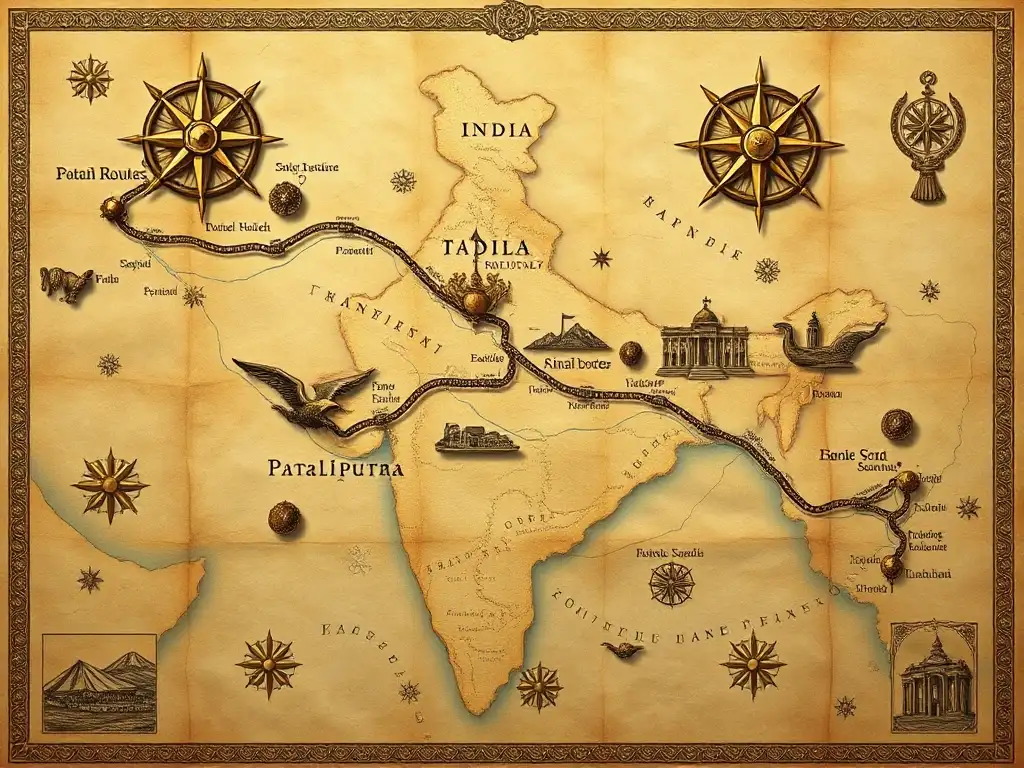
The decline of ancient trade routes, particularly those associated with ancient Indian civilizations, was a complex phenomenon influenced by a multitude of factors. These routes, which once thrived with the exchange of goods, ideas, and cultures, gradually diminished in importance due to several interrelated circumstances. Understanding this decline is essential to grasp the broader narrative of ancient Indian trade and its eventual transformation.
Factors Leading to the Decline of Trade
Several key factors contributed to the decline of ancient trade routes in India:
- Political Instability: The rise and fall of empires often disrupted trade. Frequent conflicts, invasions, and changes in political regimes created an unpredictable environment that discouraged merchants from traversing certain routes.
- Economic Shifts: As new trade powers emerged, such as the Byzantine Empire and later, Islamic caliphates, ancient Indian trade lost its centrality. These new powers developed their own trade networks, leading to a rerouting of commerce away from traditional paths.
- Technological Advancements: Innovations in maritime technology enabled sea routes to become more viable. The increasing reliance on sea trade diminished the importance of overland routes like the Silk Road.
- Climate Changes: Environmental factors, including droughts and shifts in agricultural productivity, could impact trade dynamics. Regions that once thrived as trade hubs might have struggled to sustain their economic viability due to adverse climatic conditions.
Historical Events Impacting Trade Dynamics
Significant historical events played a crucial role in shaping the trade landscape:
- The Fall of the Maurya and Gupta Empires: The decline of these powerful empires in the early centuries CE led to fragmentation and a decrease in centralized control over trade routes, resulting in diminished security and increased risks for traders.
- Rise of Maritime Trade: The establishment of significant maritime trade routes by European powers during the Age of Discovery redirected trade flows. The Portuguese, for instance, sought direct sea routes to India, altering traditional overland connections.
- Mongol Invasions: The Mongol Empire's expansion in the 13th century disrupted trade across Central Asia, which had direct repercussions on the Silk Road and, by extension, on Indian trade.
Conclusion
The decline of ancient trade routes marked a significant shift in the economic and cultural exchanges that had once characterized ancient Indian civilization. The interplay of political, economic, and environmental factors created a landscape where trade could no longer flourish as it had in previous centuries.
The Legacy of Ancient Indian Trade Routes
Despite their decline, the legacy of ancient Indian trade routes endures. They facilitated not only the exchange of goods such as spices, textiles, and precious stones but also the exchange of ideas, religions, and cultures. The interactions along these routes contributed to the rich tapestry of Indian civilization and its influence on neighboring regions.
Lessons from Ancient Trade for Modern Commerce
The history of ancient Indian trade routes offers valuable lessons for contemporary commerce:
- Adaptability: Modern businesses can learn the importance of adapting to changing political and economic landscapes, much like ancient traders who shifted routes in response to new realities.
- Diversity in Trade: The success of ancient trade relied on diverse products and markets, underscoring the necessity of diversification in today’s global economy.
- Cultural Exchange: Ancient trade underscores the importance of cultural exchange in fostering innovation and collaboration. Today's businesses can benefit from embracing diverse perspectives and ideas to drive growth and creativity.
While ancient Indian trade routes may have declined, the lessons learned from their history continue to resonate, shaping our understanding of trade dynamics in the modern world.
Additional Resources
To further explore the fascinating topic of ancient Indian trade routes, a variety of resources are available that delve into the intricacies of commerce, culture, and connectivity among ancient civilizations. These resources include books, articles, and online platforms that provide valuable insights into how trade shaped the economy and society of ancient India. Here, we highlight some recommended readings and related articles to enrich your understanding of this important aspect of history.
Recommended Readings on Ancient Trade Routes
-
"The Silk Roads: A New History of the World" by Peter Frankopan
This book offers a comprehensive overview of the Silk Roads, emphasizing their significance in connecting East and West, including the role of Indian trade routes in this vast network.
-
"Ancient Indian Trade and Commerce" by K. R. Qanungo
This scholarly work investigates various aspects of trade in ancient India, examining the routes, goods, and economic practices that defined the era.
-
"Trade and Traders in Ancient India" by R.S. Sharma
R.S. Sharma presents a detailed analysis of the trade systems in ancient India, highlighting the various commodities traded and the societal impacts of these exchanges.
-
"The History of India" by Romila Thapar
Thapar's extensive exploration of Indian history includes a segment dedicated to the economic practices of ancient societies, including trade routes and their significance.
-
"India and the Indian Ocean: An Economic History, 1400-1800" by Ashwini Deshpande
While this book focuses on a later period, it provides insights into the evolution of trade routes that began in ancient times, contributing to the ongoing dialogue about India's economic history.
Links to Related Articles on Ancient Indian Economy
-
Understanding the Role of Trade in Ancient Indian Economy
This article discusses how trade was integral to the development of economic systems in ancient India and the various factors that influenced trade practices.
-
The Spice Trade and Ancient Indian Commerce
An exploration of how spices became a significant commodity for trade, linking India to markets in Asia and beyond, and illustrating the economic impact of this trade on ancient Indian society.
-
Maritime Trade Routes of Ancient India
This piece investigates the maritime routes used by ancient Indian traders, detailing the ports involved and the goods exchanged across the Indian Ocean.
-
Cultural Exchanges Along the Ancient Trade Routes
An analysis of how trade routes facilitated not only the exchange of goods but also the movement of ideas, religions, and cultures between India and other civilizations.
-
The Indus Valley Civilization and Trade
Exploring the trade practices of one of the earliest urban cultures in India, this article highlights how trade routes were established and utilized by the Indus Valley civilization.
These resources and articles serve as a gateway for anyone interested in understanding the complex web of ancient Indian trade routes and their enduring legacy in shaping the region's economic and cultural landscape.
- Introduction to Ancient Indian Trade Routes
- Overview of Trade in Ancient India
- Importance of Trade Routes in Economic Development
- Major Ancient Indian Trade Routes
- The Role of Geography in Ancient Trade
- Trade Maps of Ancient India
- The Economic Impact of Trade Routes
- Trade Goods and Commodities
- The Decline of Ancient Trade Routes
- Conclusion
- Additional Resources
Frequently Asked Questions
What were the main ancient Indian trade routes?
The ancient Indian trade routes included the Silk Road, the Grand Trunk Road, and maritime routes connecting India with Southeast Asia and the Middle East, facilitating the exchange of goods and culture.
How did trade routes impact ancient Indian civilizations?
These trade routes significantly contributed to the economic prosperity of ancient Indian civilizations, promoting cultural exchanges, and the spread of religions, art, and technology across regions.
What goods were commonly traded along these routes?
Traders exchanged a variety of goods such as spices, textiles, gemstones, and metals, which were highly sought after in both local and international markets.
How did the Indus Valley Civilization contribute to trade?
The Indus Valley Civilization utilized advanced urban planning and had sophisticated trade networks, evidenced by the discovery of seals and trade goods in regions as far away as Mesopotamia.
What role did the Gupta Empire play in trade?
The Gupta Empire is known for its economic stability and cultural flourishing, which enhanced trade activities. They established a system of weights and measures that further facilitated commerce within and beyond their borders.
Final Reflection: Charting the Path of Prosperity Through Time
The exploration of ancient Indian trade routes reveals not only the economic exchanges of the past but also the profound connections that shaped civilizations. Today, as we navigate a globalized world, the lessons from these ancient pathways resonate more than ever. The intricate networks of trade that once flourished remind us that prosperity is often built on collaboration and shared knowledge, underscoring the timeless truth that our interconnectedness is a source of strength.
The influence of these trade routes extends far beyond mere commerce; they have woven cultural tapestries that continue to enrich our societies. As we reflect on the vibrant exchanges of ideas, art, and technology that occurred along these routes, we recognize their enduring impact on our cultural heritage. Trade is not just about goods; it is about the exchange of ideas and the forging of relationships.
This observation highlights how the legacy of ancient trade routes still informs our understanding of globalization and cultural exchange today, reminding us that the past is a vital part of our present identity.
As we conclude our journey through the ancient trade maps, I invite you to reflect on the routes of prosperity in your own life. How can you foster connections that lead to mutual growth and understanding? Consider the ways in which you can engage with diverse cultures and ideas, creating your own pathways of prosperity. Let the spirit of ancient trade inspire you to build bridges in your community, embracing the richness that comes from collaboration and shared experiences. Together, we can chart a course toward a more interconnected and prosperous future.
Chart Your Journey through Ancient Trade!
Thank you for diving into the fascinating world of ancient trade maps with us! Your exploration today has uncovered the rich tapestry of trade routes that shaped civilizations and fostered prosperity. Now, it’s time to transform your knowledge into action!
Here are a few ways you can take the next step:
- Explore historical trade routes in your local library or online archives to see how these ancient pathways influenced modern commerce.
- Share your newfound insights with friends or on social media—start a conversation about the significance of trade in our everyday lives!
- Try mapping out a route that could connect your city to ancient trading hubs, and imagine the cultural exchanges that might have occurred along the way.
Which ancient trade route piques your interest the most, and how do you believe it has influenced our world today?