
Ancient Indian Trade: The Exchange of Ideas, Goods, and Cultures

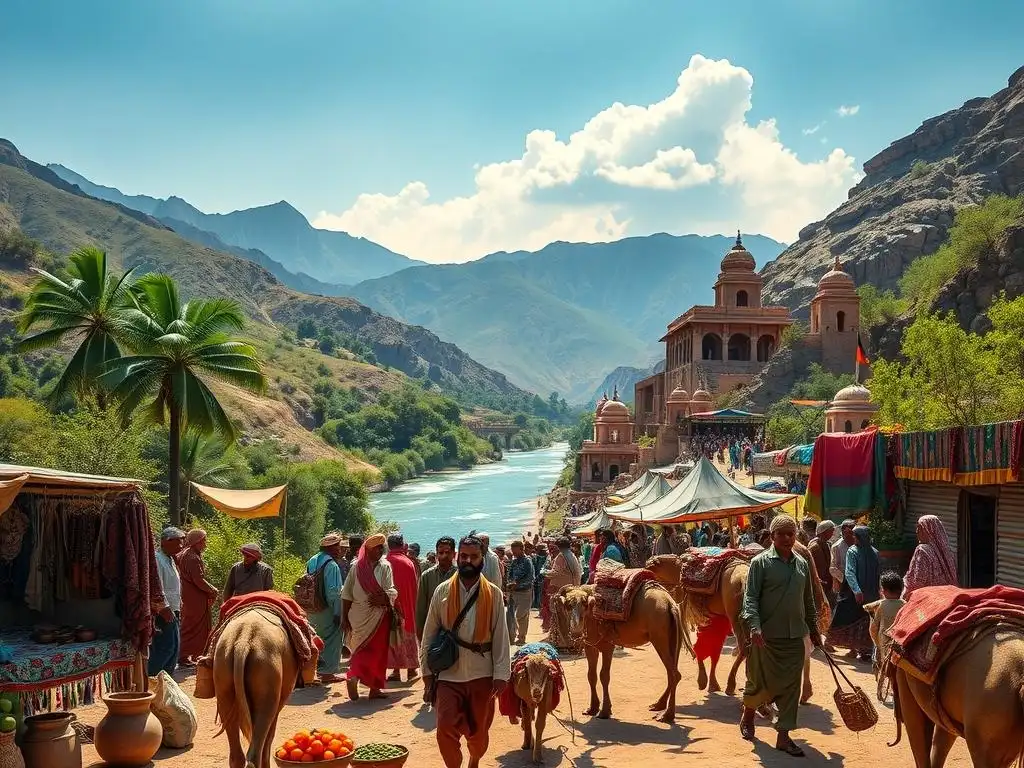
Welcome to Ancient India History, where we embark on a fascinating journey through the tapestry of time that has shaped one of the world's oldest civilizations. Dive deep into our latest exploration, "Ancient Indian Trade: The Exchange of Ideas, Goods, and Cultures," as we uncover the intricate web of ancient Indian trade routes that not only facilitated commerce but also fostered a vibrant exchange of ideas and cultures across vast distances.
What secrets lie within these routes, and how did they influence the evolution of societies? Join us as we unravel the mysteries and marvels of ancient India's rich heritage, igniting your curiosity to learn more about the remarkable contributions of this extraordinary civilization.
-
Ancient Indian Trade Routes: The Exchange of Ideas, Goods, and Cultures
- Introduction to Ancient Indian Trade Routes
- Historical Context of Ancient Indian Trade
- Key Ancient Indian Trade Routes
- The Silk Road and Its Connection to India
- Maritime Trade Routes of Ancient India
- Overland Trade Routes and Their Significance
- Goods Traded Along Ancient Indian Trade Routes
- Cultural Exchange Along Ancient Indian Trade Routes
- Economic Impact of Ancient Indian Trade Routes
- Conclusion: Legacy of Ancient Indian Trade Routes
- References
- Frequently Asked Questions
- Final Reflection: The Enduring Legacy of Ancient Indian Trade Routes
- Unveil the Rich Tapestry of Ancient Trade!
Ancient Indian Trade Routes: The Exchange of Ideas, Goods, and Cultures
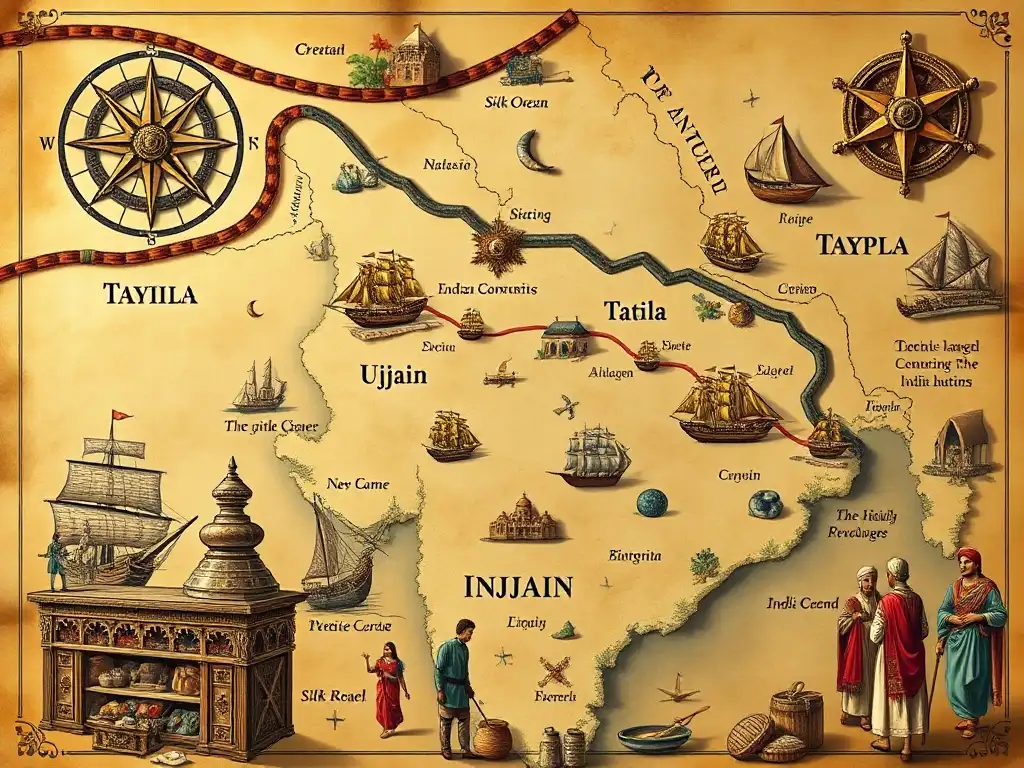
Introduction to Ancient Indian Trade Routes
Ancient Indian trade routes played a pivotal role in shaping the cultural and economic landscape of the Indian subcontinent. As a crossroads of various civilizations, India facilitated the exchange of not only goods but also ideas, philosophies, and technologies. Spanning from the Indus Valley Civilization to the heights of the Gupta Empire, these trade routes connected India with regions as distant as the Mediterranean, Southeast Asia, and beyond.
Understanding the intricacies of these ancient trade networks allows us to appreciate the rich tapestry of interactions that contributed to India's historical legacy. This exploration reveals how ancient Indian trade routes were not merely channels for commerce but also vital conduits for cultural exchange and innovation.
Overview of Trade in Ancient India
Trade in ancient India was characterized by a complex web of routes and networks that facilitated the movement of various goods. Key commodities included:
- Textiles: India was renowned for its fine cotton fabrics and silk, which were highly sought after in international markets.
- Spices: Indian spices, such as pepper, cardamom, and turmeric, were prized for their flavor and preservative properties.
- Precious Stones: The subcontinent was a significant source of gemstones, including diamonds, rubies, and sapphires.
- Metals: India was known for its production of high-quality iron and copper.
These goods were exchanged not only for other products but also for cultural and intellectual property, creating a rich milieu of shared knowledge and traditions.
Importance of Trade in Ancient Indian Civilizations
The significance of trade in ancient India cannot be overstated. It contributed to:
- Economic Prosperity: Trade routes fostered economic growth by providing livelihoods for merchants, artisans, and farmers.
- Cultural Exchange: Interaction with traders from different regions led to the dissemination of ideas, religions, and technologies, influencing everything from philosophy to architecture.
- Political Alliances: Trade often necessitated diplomatic relations, as kingdoms sought to secure their commercial interests, leading to alliances and sometimes conflicts.
Through these channels, ancient Indian civilizations not only thrived economically but also cultivated a diverse cultural heritage that continues to resonate in contemporary society.
Historical Context of Ancient Indian Trade
Major Civilizations Involved in Trade
Several key civilizations were instrumental in the development of ancient Indian trade:
- Indus Valley Civilization: Known for its advanced urban planning and trade networks, this civilization engaged in commerce with Mesopotamia and Persia.
- Maurya Empire: Under leaders like Ashoka, the Mauryan Empire expanded trade routes, promoting the exchange of goods and Buddhist ideas.
- Gupta Empire: Often referred to as a golden age of India, the Gupta period saw a flourishing of trade, particularly along the Silk Road, enhancing India's connection with Central Asia.
These civilizations contributed to the evolution of trade practices, establishing a legacy that influenced future generations.
Timeline of Trade Development in Ancient India
The development of trade in ancient India can be traced through several key periods:
| Period | Key Developments |
|---|---|
| Indus Valley (c. 3300–1300 BCE) | Established trade with Mesopotamia, standardized weights and measures. |
| Maurya Empire (c. 322–185 BCE) | Expansion of trade routes, integration of diverse cultures through commerce. |
| Gupta Empire (c. 240–550 CE) | Flourishing trade along the Silk Road, significant cultural exchanges, and economic prosperity. |
This timeline illustrates the gradual evolution of trade practices and their profound impact on Indian society, paving the way for a rich legacy of cultural and economic exchange that shaped the ancient world.
Key Ancient Indian Trade Routes
Ancient Indian trade routes played a pivotal role in the region's economy and cultural exchanges. These routes facilitated not just the movement of goods but also the flow of ideas, religions, and technologies across vast distances. The key trade routes included overland paths like the Silk Road and maritime routes through the Indian Ocean, connecting India with various civilizations such as the Greeks, Persians, and later the Chinese and Arabs.
The emergence of these trade routes was largely driven by the geographical advantages of India, which is strategically located between the East and the West. The diverse climate and rich resources of the subcontinent made it an ideal hub for trade. Merchants and traders established networks, often forming trading guilds that standardized practices across different regions, ensuring the smooth functioning of commerce.
The Silk Road and Its Connection to India
The Silk Road was one of the most significant overland trade routes that linked the East and West, particularly flourishing from the 2nd century BCE to the 14th century CE. It was not a single road but a network of interconnected pathways traversing through various terrains, including deserts and mountains. Ancient India was an integral part of this route, serving as a crossroads for trade and cultural exchange.
Indian goods such as silk, spices, and textiles were highly sought after in other regions, particularly in Central Asia and Europe. In return, India received products like glassware, precious metals, and exotic animals. The exchange of ideas was equally significant; Buddhism, for instance, spread along these routes from India to Central Asia and beyond, influencing cultures and societies along the way.
Maritime Trade Routes of Ancient India
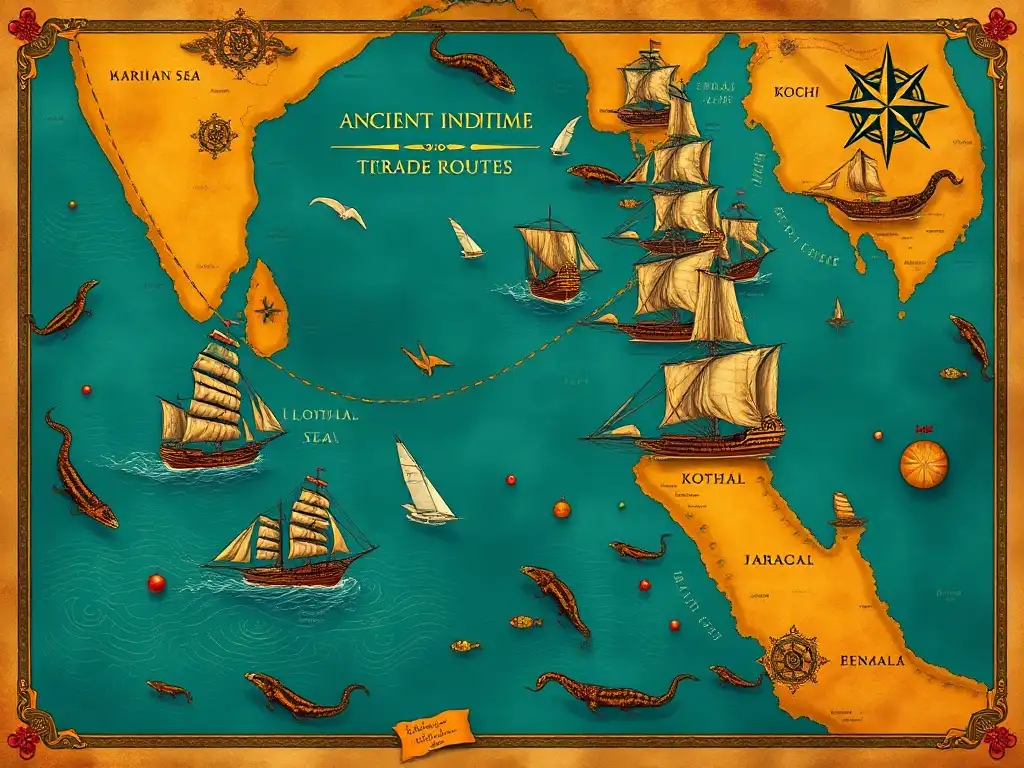
Maritime trade routes were equally important, with the Indian Ocean serving as a major conduit for trade between India, Southeast Asia, the Middle East, and even East Africa. The monsoon winds facilitated maritime navigation, allowing sailors to travel efficiently across vast distances. Major ports like Lothal, Muziris, and Arikamedu emerged as bustling centers of trade.
The maritime routes enabled the exchange of goods such as spices, textiles, and precious stones, while also fostering cultural interactions. This trade network helped establish Indian influence in distant lands, where Indian religions, languages, and customs were introduced. The ancient seafarers also played a crucial role in mapping the oceanic routes, significantly advancing navigational techniques of the time.
Overland Trade Routes and Their Significance
Overland trade routes, including the famous Grand Trunk Road, were essential for connecting various regions within India and with neighboring countries. These routes facilitated the transportation of a wide array of goods, including agricultural products, textiles, and metalwork. The significance of overland routes can be seen in the establishment of caravanserais—resting places for traders—along these paths, which ensured the safety and comfort of merchants.
These trade routes also contributed to the political and economic stability of the regions they traversed. They were often protected by local rulers who recognized the benefits of trade for their economies. Additionally, the overland routes fostered cultural exchanges; as traders moved, they carried with them not only goods but also ideas, languages, and religions that enriched the cultural tapestry of the region.
Goods Traded Along Ancient Indian Trade Routes
The goods traded along ancient Indian trade routes were as diverse as the cultures that engaged in trade. This exchange was not merely an economic endeavor; it also symbolized the interconnectedness of various civilizations.
Spices and Their Impact on Global Trade
Spices were among the most coveted goods traded from India, with items like black pepper, cardamom, and cinnamon being highly sought after in markets across the globe. The immense demand for these spices in Europe and the Middle East led to extensive trade networks, profoundly impacting global commerce. The lucrative spice trade also motivated European exploration and the eventual discovery of new sea routes, marking a significant chapter in the history of global trade.
Textiles: The Fabric of Ancient Indian Economy
Textiles formed the backbone of ancient Indian trade. Renowned for their quality and intricate designs, Indian fabrics, including silk, cotton, and wool, were traded extensively. The art of weaving and dyeing became highly developed in various regions, with each area producing unique styles. Textiles were not only valuable commodities but also served as cultural symbols, reflecting the craftsmanship and artistry of the Indian people.
Precious Metals and Gems in Trade Transactions
India was famous for its wealth in precious metals and gems, including gold, silver, diamonds, and rubies. These commodities were highly prized in international markets, making India a significant player in the ancient global economy. The trade in precious metals and gems not only enriched local economies but also facilitated diplomatic relations and alliances, as rulers often exchanged such valuable goods as gifts to cement political ties. The legacy of this trade continues to influence modern commerce and the jewelry industry worldwide.
Cultural Exchange Along Ancient Indian Trade Routes
The ancient Indian trade routes were not just conduits for the exchange of goods; they were also vibrant channels for cultural interaction and exchange. These routes facilitated the movement of diverse peoples, ideas, and traditions across regions, fostering an environment where cultures could intermingle and evolve. Significant cultural exchanges occurred along the trade routes, leading to profound impacts on religion, philosophy, language, literature, and the arts. The interconnectedness of these routes laid the groundwork for a rich tapestry of cultural heritage that continues to influence modern societies.
The Spread of Religion and Philosophy
One of the most significant outcomes of the ancient Indian trade routes was the dissemination of religious beliefs and philosophical ideas. As merchants and travelers traversed these routes, they shared their spiritual practices and philosophical teachings, leading to the spread of Hinduism, Buddhism, and later Jainism. For instance, Buddhist missionaries traveled along the Silk Road, reaching regions as far as Central Asia and China, thereby establishing monasteries and fostering conversions.
The cross-pollination of ideas also saw the adaptation and transformation of religious practices. For example, Hindu ideas and practices were absorbed into the cultures of Southeast Asia, influencing local belief systems and leading to the establishment of Hindu temples and iconography in places like Indonesia and Cambodia. This exchange not only enriched the spiritual landscape of the regions involved but also contributed to a shared sense of identity among diverse populations.
Influence of Trade on Language and Literature
Trade routes also acted as a melting pot for languages and literary traditions. As merchants from various linguistic backgrounds interacted, they exchanged not only goods but also words, phrases, and literary styles. This interaction led to the emergence of a more cosmopolitan linguistic environment. For example, the presence of Sanskrit, Prakrit, and later Persian in trade hubs facilitated a rich exchange of literary works and ideas.
Notably, the translation of texts from one language to another became common, especially in Buddhist texts, which were translated into various languages to reach a wider audience. The Silk Road, in particular, played a crucial role in the transmission of knowledge, with texts like the Arthashastra influencing political thought across Asia. This linguistic exchange enriched the literary heritage of ancient India and its trading partners, creating a legacy that is still studied and revered today.
Artistic and Architectural Exchanges
The ancient trade routes significantly influenced the artistic and architectural styles of civilizations in and beyond India. As traders and artisans traveled, they shared artistic techniques, motifs, and architectural designs, leading to distinctive fusions of styles. For instance, the spread of Buddhist art through trade routes resulted in the establishment of unique styles in regions such as Gandhara, where Greek artistic influences blended with local traditions.
Moreover, monumental architecture, such as stupas and temples, was often inspired by interactions with other cultures. The intricate carvings and sculptures found in temples across Asia reflect the diverse influences brought by traders. The impact of trade on art and architecture was not merely aesthetic; it also served as a means of cultural expression and identity for communities engaged in trade, solidifying their place within a broader cultural framework.
Economic Impact of Ancient Indian Trade Routes
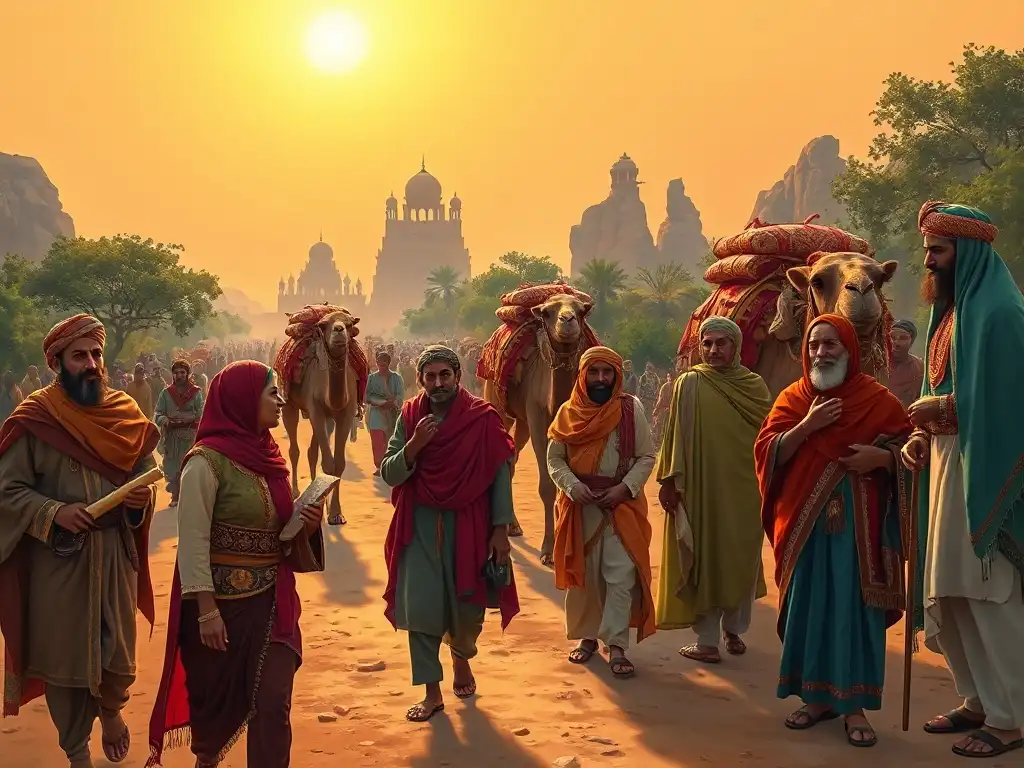
The ancient Indian trade routes were vital to the economic prosperity of the region, propelling the growth of cities and facilitating the exchange of a wide variety of goods. The economic structures that developed around these routes played a crucial role in shaping the ancient Indian economy, influencing trade practices and community interactions. However, changes in trade dynamics over time ultimately led to the decline of these routes, with significant consequences for the regions involved.
Trade's Role in the Growth of Cities
As trade flourished along the ancient Indian trade routes, it catalyzed the growth of urban centers. Cities such as Taxila, Pataliputra, and Ujjain emerged as bustling hubs of commerce, attracting merchants, artisans, and scholars. The economic activity generated by trade contributed to the establishment of infrastructure, including marketplaces, roads, and warehouses, which facilitated the efficient movement of goods.
These cities became melting pots of culture, with diverse populations contributing to a rich social fabric. The influx of wealth from trade also enabled the patronage of arts and education, fostering a vibrant intellectual environment. As a result, urban centers along trade routes became not just commercial hubs, but also centers of learning and cultural exchange, profoundly influencing the trajectory of ancient Indian civilization.
Ancient Indian Trade and Economic Structures
The economic structures that developed around ancient Indian trade routes were complex and multifaceted. Trade networks often involved a variety of goods, including silk, spices, textiles, and precious metals. Merchants and traders operated within organized guilds, which regulated trade practices, set standards for goods, and provided mutual support.
Bartering was a common practice, although coinage began to emerge during significant trade periods, facilitating more efficient transactions. Additionally, trade routes were often protected by local rulers, who recognized the economic benefits of trade and provided security for merchants. This interdependence between trade and governance shaped the economic landscape of ancient India, establishing a system that would support and sustain its vibrant trade culture for centuries.
The Decline of Trade Routes and Its Consequences
The decline of ancient Indian trade routes in the later centuries had profound economic and cultural consequences. Factors such as the rise of new trade routes, political instability, and changes in demand for goods contributed to the diminishing importance of these routes. The emergence of maritime trade routes, particularly during the medieval period, shifted the focus from overland exchanges to sea-based commerce, diminishing the role of traditional trade routes.
The consequences of this decline were multifaceted. Economically, cities that had thrived on trade began to experience stagnation, leading to a decline in urban populations and a shift in economic activity. Culturally, the loss of trade routes resulted in reduced cultural exchanges, leading to a more insular environment for some communities. Overall, the decline of ancient Indian trade routes marked a significant turning point in the region's economic and cultural history, shaping the future trajectory of Indian civilization.
Conclusion: Legacy of Ancient Indian Trade Routes
The ancient Indian trade routes were not just pathways for the exchange of goods; they served as vital channels for the transmission of ideas, cultural practices, and innovations. The legacy of these trade routes is evident in the rich tapestry of cultural intermingling that characterizes the Indian subcontinent today.
The connections forged through trade enabled the spread of religions, philosophies, and technologies, enriching the civilizations along these routes. As we reflect on the historical significance of these trade networks, it becomes clear that their impact extends beyond mere commerce; they played a crucial role in shaping social structures and fostering intercultural dialogue.
Moreover, the intricate web of trade routes laid the groundwork for economic prosperity in ancient India, contributing to the rise of powerful empires such as the Maurya and Gupta dynasties. The exchange of spices, textiles, precious metals, and other commodities not only elevated the status of Indian merchants but also positioned India as a pivotal player in global trade. This legacy continues to be celebrated in modern scholarship and cultural narratives, highlighting the importance of trade as a catalyst for growth and development.
Lasting Influence on Modern Trade Practices
The principles and practices established by ancient Indian trade routes have had a lasting influence on modern trade dynamics. For instance, the emphasis on trade fairs and markets can be traced back to ancient practices where merchants gathered to exchange goods and ideas. Today, international trade fairs serve a similar purpose, fostering connections between producers and consumers across the globe. The spirit of cooperation and negotiation that characterized ancient Indian trade is mirrored in contemporary trade agreements and partnerships.
Furthermore, the routes' extensive networks inspired modern logistics and supply chain management. The establishment of trade hubs in historical cities like Taxila and Pataliputra demonstrates sophisticated planning that resonates in today's global trade centers. The ability to connect diverse markets, manage resources efficiently, and adapt to changing demands can be seen as a direct inheritance from these ancient practices.
Continued Relevance of Ancient Trade in Today’s Economy
The relevance of ancient Indian trade routes persists in today’s economy, particularly in how they influence regional trade relationships. Many countries along the historical trade routes, such as those in Southeast Asia and the Middle East, continue to engage in commerce that echoes past practices. The Belt and Road Initiative, for example, aims to revive and enhance the connectivity once established by ancient trade routes, reinforcing the idea that historical trading paths can guide modern economic strategies.
Additionally, the cultural and economic exchanges initiated through these routes laid the foundation for the global marketplace we see today. The diversity of products and ideas that emerged from ancient Indian trade continues to shape consumer preferences and market trends. From the global popularity of Indian spices to the influence of Indian textiles in fashion, the echoes of ancient trade are felt in contemporary commerce.
References
Key Texts and Sources on Ancient Indian Trade
- "The Ancient Indian Economy" by R. S. Sharma - This book explores the economic systems of ancient India, including trade practices and routes.
- "Trade and Traders in Early Indian Society" by R. S. Sharma - A detailed analysis of the role of traders in ancient Indian society and their impact on the economy.
- "The Silk Roads: A New History of the World" by Peter Frankopan: - While broader in scope, this work provides insights into the interconnectedness of trade routes, including those of ancient India.
Suggested Further Reading on Major Trade Routes and Their Impact
- "The Spice Route: A History" by John Keay: - An engaging exploration of the spice trade and its significance in ancient Indian commerce.
- "India and the World: A History of Trade" by Sanjay Subrahmanyam: - This text delves into the historical trade connections between India and other regions, highlighting key trade routes.
- "The Maritime Silk Road: History and Heritage" by Geoffrey Wade: - A comprehensive look at the maritime routes that complemented land-based trade in ancient India, detailing their cultural impacts.
Frequently Asked Questions
What were the Ancient Indian trade routes known for?
Ancient Indian trade routes were vital for the exchange of goods, ideas, and cultures, connecting India with other civilizations such as those in the Middle East, Africa, and Southeast Asia.
How did trade routes contribute to India’s economy?
The trade routes facilitated the movement of spices, textiles, and precious stones, contributing significantly to the economy and establishing India as a key player in global trade.
What role did the Silk Road play in ancient Indian trade?
The Silk Road was crucial in linking India with China and the Mediterranean, enabling the exchange of not just goods but also cultural and technological innovations.
How did ancient Indian trade influence cultural exchanges?
As traders traveled along the trade routes, they brought along their beliefs, art, and traditions, enriching the cultural tapestry of ancient India through cross-cultural interactions.
What were some of the major goods traded in ancient India?
Ancient India was known for trading spices, textiles, gems, and precious metals, which were highly sought after in international markets and helped establish India's commercial reputation.
Final Reflection: The Enduring Legacy of Ancient Indian Trade Routes
The intricate web of ancient Indian trade routes not only facilitated the exchange of goods but also served as vital conduits for cultural and intellectual exchange. Today, as globalization reshapes our world, the lessons from these ancient pathways remind us of the importance of connectivity and collaboration across cultures. The trade routes of ancient India were more than mere paths; they were lifelines that fostered relationships, understanding, and innovation among diverse civilizations.
The influence of ancient Indian trade is palpable in our modern society, as it laid the groundwork for the multicultural tapestry we experience today. The exchange of ideas, philosophies, and technologies through these routes has shaped various aspects of life, from art to science. As Mahatma Gandhi once said, “A nation’s greatness is measured by how it treats its weakest members,” highlighting the importance of inclusivity and mutual respect that these trade interactions fostered. The spirit of cooperation and shared knowledge continues to inspire contemporary societies to embrace diversity and seek common ground.
As we reflect on the significance of ancient Indian trade routes, let us take a moment to consider how we can apply these lessons in our own lives. Embrace the diversity around you, seek to understand different perspectives, and engage in meaningful exchanges with others. By doing so, we honor the legacy of those who came before us and contribute to a more interconnected and harmonious world. The past holds valuable insights for our future; let us carry forward the spirit of ancient trade into our daily interactions and endeavors.
Unveil the Rich Tapestry of Ancient Trade!
Thank you for exploring the fascinating world of ancient Indian trade with us! We hope you gained valuable insights into how the exchange of ideas, goods, and cultures shaped societies and fostered connections across regions. Now, it's time to take the next step in your journey through history!
Here are a few actionable suggestions to deepen your understanding and engagement:
- Dive deeper: Investigate the intricate trade routes that linked ancient India to various parts of the world. Seek out resources that provide detailed accounts of the Silk Road and maritime trade.
- Share your thoughts: Engage in discussions about your newfound knowledge with friends or family. Consider hosting a casual gathering to inspire conversations about the cultural influences of trade on our modern society.
- Join a community: Connect with fellow history enthusiasts on social media or online forums to exchange ideas and further this enlightening dialogue about ancient civilizations.
How do you believe the exchange of ideas through trade has shaped the cultures we see today?