
The Influence of Ancient Indian Trade on Modern Economic Practices


Welcome to Ancient India History! Delve into the fascinating world of ancient Indian civilizations and discover how their vibrant trade networks shaped not only their society but also laid the groundwork for modern economic practices. In our featured article, "The Influence of Ancient Indian Trade on Modern Economic Practices," we invite you to uncover the intricate connections between past and present, exploring the profound impact of ancient Indian trade influence. Prepare to embark on a journey through time that reveals the legacy of innovation and commerce that continues to resonate today!
Introduction to Ancient Indian Trade Influence
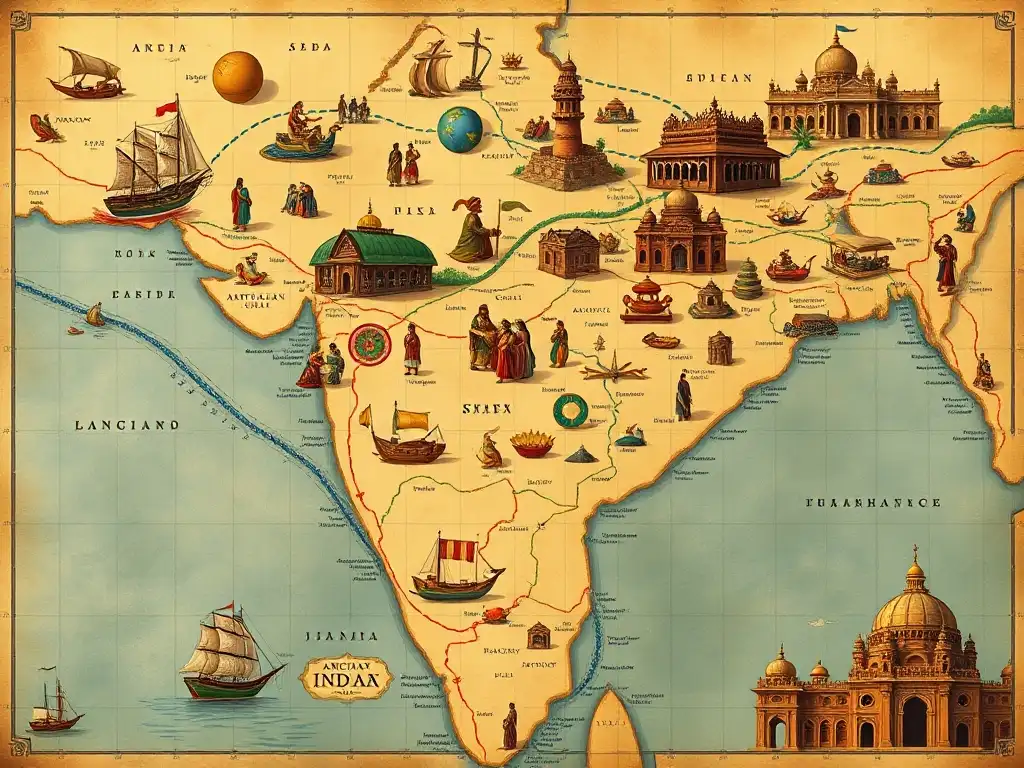
The influence of ancient Indian trade on modern economic practices is a fascinating subject that encapsulates the evolution of commerce, culture, and connectivity across millennia. Ancient India was not only a hub of agriculture and craftsmanship but also a pivotal player in the global trade networks that facilitated the exchange of goods, ideas, and innovations.
From the bustling marketplaces of the Indus Valley Civilization to the vibrant trade centers of the Gupta Empire, ancient Indian trade practices laid the groundwork for many contemporary economic systems. This article explores the profound impact of these historical trade routes and practices, revealing how they continue to shape modern economic interactions and contribute to a globalized world.
Overview of Ancient Indian Trade Practices
Ancient Indian trade was characterized by a diverse range of goods, including textiles, spices, precious stones, and metalworks. The trade practices of ancient India were not confined to local exchanges; they extended far beyond its borders, reaching as far as Europe, Africa, and East Asia. Key elements of ancient Indian trade included:
- Barter System: Initially, trade was conducted through barter, where goods were exchanged directly without the use of currency.
- Use of Coins: With the advent of the Mauryan Empire, standardized coins began to emerge, enhancing trade efficiency.
- Marketplaces: Urban centers flourished as trade hubs, with vibrant marketplaces that facilitated the exchange of goods and ideas.
This intricate web of trade practices not only fostered economic growth but also encouraged cultural exchanges and the dissemination of knowledge.
Importance of Trade in Ancient Indian Civilizations
Trade played a crucial role in the development and sustainability of ancient Indian civilizations. It contributed to:
- Economic Prosperity: Trade allowed for the accumulation of wealth and resources, enabling kingdoms to flourish.
- Cultural Exchange: The movement of merchants and goods facilitated the exchange of cultural practices, religions, and languages.
- Technological Advancements: Exposure to foreign technologies and processes helped Indian craftsmen and traders innovate and improve their methods.
These factors collectively highlight the significance of trade as a cornerstone of ancient Indian society, shaping its economy and cultural identity.
Major Trade Routes of Ancient India
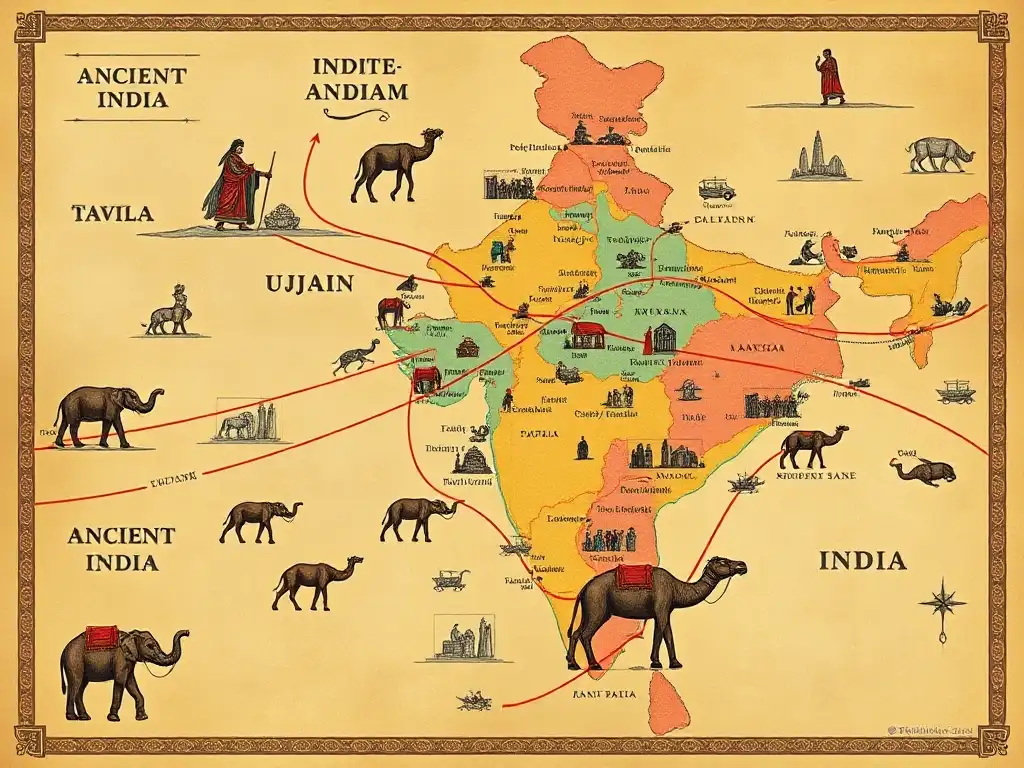
Understanding the major trade routes of ancient India is essential to grasping the breadth and depth of its trade influence. These routes served as arteries for commerce and cultural exchange, connecting India to various parts of the world.
The Silk Road and Its Connection to Indian Trade
The Silk Road was a network of trade routes that connected Asia with Europe, facilitating the exchange of silk, spices, and other goods. Ancient India played a significant role in this trade network by providing:
- Spices: Indian spices like black pepper and cardamom were highly sought after, leading to increased demand.
- Textiles: The rich tradition of Indian weaving produced fabrics that were prized across the world.
- Cultural Exchange: Along these routes, ideas such as Buddhism spread, influencing cultures far beyond Indian borders.
The Maritime Trade Routes of the Indian Ocean
The Indian Ocean served as another vital trade route, linking India with Africa, the Middle East, and Southeast Asia. Key aspects of this maritime trade include:
- Ports: Important ports like Lothal and Calicut became bustling centers of commerce.
- Goods Exchange: Ships carried a variety of goods, including ivory, precious metals, and textiles, contributing to a thriving maritime economy.
- Cultural Interactions: Maritime trade facilitated not only economic transactions but also the exchange of cultural practices and religions.
Regional Trade Networks within India
In addition to international trade routes, ancient India had a complex network of regional trade systems that connected different parts of the subcontinent. These networks enabled:
- Local Commerce: Markets flourished in cities and towns, supporting local artisans and merchants.
- Agricultural Trade: Surplus agricultural produce was traded between regions, ensuring food security.
- Cultural Integration: Regional trade fostered interactions between diverse cultures, contributing to a more unified social fabric.
The ancient Indian trade routes and practices have left a lasting legacy, influencing modern economic practices and emphasizing the importance of trade in fostering connections across cultures and civilizations.
Key Commodities in Ancient Indian Trade
Ancient Indian trade was characterized by a diverse array of commodities that significantly influenced both the economy and cultural exchanges between civilizations. The trade routes, including the Silk Road and maritime paths, facilitated the transport of key products that were highly sought after in international markets. The most notable commodities included spices, textiles, and precious stones, each playing a vital role in shaping trade dynamics and cultural interactions with neighboring regions.
Spices and Their Role in Trade
Spices were among the most coveted products of ancient India, earning the region a prominent place in global trade networks. The rich biodiversity of India enabled the cultivation of a variety of spices, such as black pepper, cardamom, and turmeric, which were prized for their flavor, preservation qualities, and medicinal properties.
The demand for Indian spices led to the establishment of trade routes stretching from the Indian subcontinent to the Middle East and beyond. The lucrative spice trade not only generated immense wealth but also attracted traders from various cultures, stimulating economic growth and cultural exchanges. As a result, spices became a symbol of luxury and status across different civilizations.
Textiles: From Cotton to Silk
Textiles, particularly cotton and silk, were another cornerstone of ancient Indian trade. India was renowned for its fine cotton fabrics, which were lightweight, durable, and comfortable—qualities that made them highly desirable across various markets. The art of weaving and dyeing textiles flourished, leading to the production of intricate patterns and vibrant colors that captured the attention of traders.
Silk, although less common than cotton, also held significant value in trade. The silk route facilitated the exchange of Indian silk with Chinese silks, creating a rich tapestry of cultural and economic interactions. Indian textiles influenced fashion trends in many regions, leading to the establishment of a global textile industry that persists today.
Precious Stones and Metals in Ancient Trade
India's wealth of natural resources included an abundance of precious stones and metals, which played a critical role in ancient trade. Gems such as diamonds, rubies, and emeralds were mined and crafted into exquisite jewelry, attracting traders from far and wide. The famous Golconda mines, for instance, were famed for their high-quality diamonds, and their discovery significantly impacted trade relations.
In addition to gemstones, India was a major supplier of metals like gold and silver, which were used for currency and ornamentation. The trade of these valuable resources contributed to the development of economic systems and the establishment of trade partnerships across continents, particularly with regions such as the Roman Empire.
Cultural Exchange Through Trade
Trade in ancient India was not solely about the exchange of commodities; it was also a conduit for cultural exchange. As merchants and travelers navigated trade routes, they brought with them ideas, innovations, and cultural practices that enriched the societies they encountered.
The Spread of Ideas and Innovations
The interaction between traders from different regions facilitated the exchange of knowledge and ideas. For instance, ancient Indian mathematicians and astronomers shared their advancements in numerals and astronomical calculations with traders from the Middle East and beyond. This knowledge later influenced the development of mathematics in Europe and the Islamic world.
Moreover, the introduction of new agricultural techniques and products, such as the cultivation of sugar and spices, significantly impacted local economies and diets. The cross-pollination of ideas fostered innovation, leading to advancements in various fields, including medicine, art, and architecture.
Influence on Religion and Philosophy
Trade routes also served as pathways for the dissemination of religious beliefs and philosophical ideas. Buddhism, which originated in India, spread along trade routes to Central Asia, China, and beyond, influencing cultures and societies along the way. Similarly, Hinduism and Jainism found followers in regions connected by these trade networks.
The exchange of religious texts and philosophical discussions among merchants contributed to a shared understanding of diverse belief systems, paving the way for intercultural dialogues that shaped spiritual landscapes across continents.
Art and Architecture: A Result of Trade Interactions
The prosperity brought by trade led to significant developments in art and architecture in ancient India. Wealth generated from trade allowed for the patronage of artists and builders, resulting in the construction of magnificent temples, palaces, and sculptures that showcased intricate craftsmanship and design.
The influences of foreign cultures can be seen in the architecture of ancient India, as elements from Persian, Greek, and Central Asian styles were incorporated into local designs. This fusion of artistic traditions resulted in a unique architectural heritage that reflects the diverse interactions facilitated by trade. The legacy of this artistic exchange continues to inspire modern architectural practices and cultural expressions in contemporary society.
The Economic Impact of Ancient Indian Trade
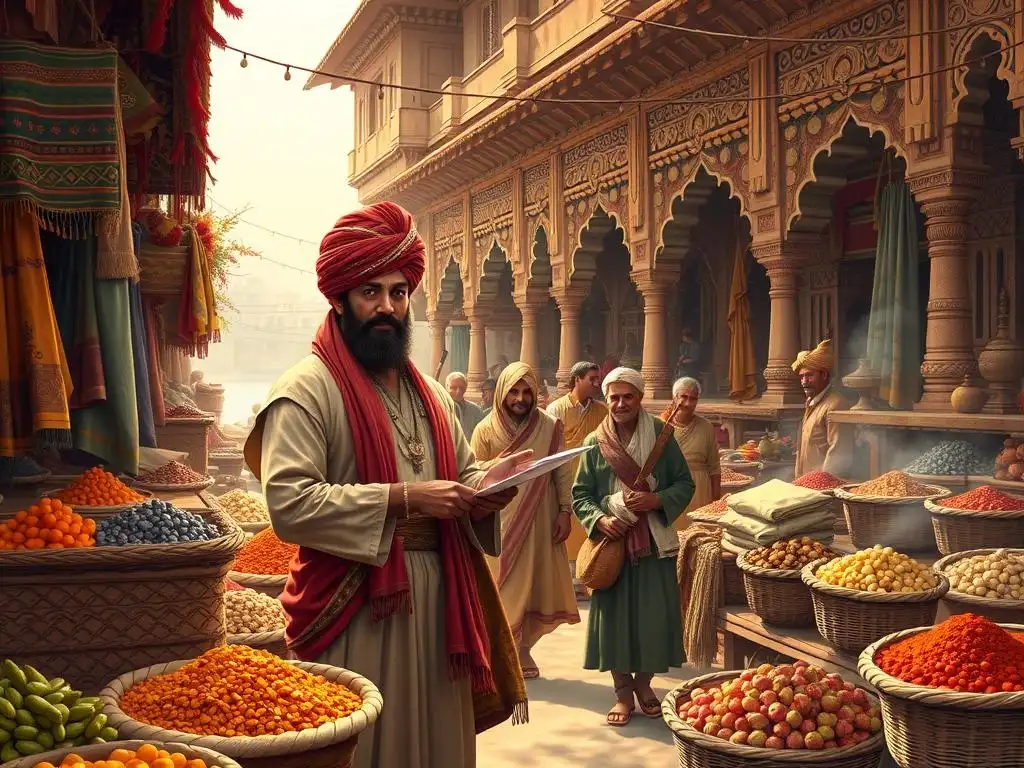
Ancient Indian trade played a pivotal role in shaping the economic landscape not only of the subcontinent but also of the regions it interacted with across Asia, Africa, and Europe. The extensive trade networks established during various periods facilitated cultural exchanges, spread innovations, and laid the groundwork for future economic practices. Goods such as spices, textiles, and precious stones were exchanged, which significantly contributed to the wealth and prosperity of many ancient Indian kingdoms. These interactions fostered economic interdependence and helped in the development of sophisticated economic systems that can still be seen in various forms in modern economies.
Growth of Urban Centers Due to Trade
Trade was a major catalyst for urbanization in ancient India. Cities like Taxila, Pataliputra, and Varanasi emerged as bustling trade centers where merchants and craftsmen gathered to exchange goods and ideas. The growth of these urban centers was often strategically located along trade routes, allowing them to thrive as hubs of commerce. The influx of wealth and population into these cities led to advancements in infrastructure, including roads, marketplaces, and housing. The urban centers not only facilitated trade but also became melting pots of culture and innovation, contributing to the overall economic vitality of ancient India.
The Role of Guilds and Merchants
Guilds, known as shrenis, were instrumental in the organization and regulation of trade in ancient India. These associations of merchants and craftsmen helped maintain standards of quality, set prices, and ensure fair trading practices. By providing mutual support and protection, guilds fostered trust among traders, which was essential for the flourishing of commerce.
Moreover, these organizations often played a crucial role in the political landscape, as many guilds gained significant power and influence, impacting local governance and economic policies. The structure and function of these guilds have parallels in modern trade organizations and associations, illustrating how ancient practices have influenced contemporary economic systems.
Taxation and Revenue from Trade Activities
Trade activities in ancient India were subject to various forms of taxation, which provided substantial revenue to the state. Kings and rulers often imposed taxes on goods being traded, which not only financed their administrations but also contributed to the development of infrastructure and public works. The systematic collection of taxes from trade allowed for the maintenance of roads and ports, facilitating even greater economic activity. This model of taxation has evolved but remains an essential component of modern economic practices, where taxation from commerce supports governmental functions and public services.
Modern Economic Practices Influenced by Ancient Indian Trade
The legacies of ancient Indian trade are deeply embedded in modern economic practices. The historical significance of trade routes and merchant activities continues to resonate in contemporary commerce, influencing various aspects of globalization and economic development.
Continuity of Trade Routes in Contemporary Times
Many of the ancient trade routes established during the time of the Maurya and Gupta empires continue to be vital in modern trade. The Silk Road, which facilitated the exchange of goods between the East and West, has modern counterparts that reflect the same geographical and economic significance. For instance, initiatives like the Belt and Road Initiative echo the ancient practices of connecting markets and cultures through established pathways. These continuities highlight how ancient trade networks have laid the groundwork for today's global economic landscape, promoting international trade and cultural exchange.
Globalization and Its Roots in Ancient Trade
The concept of globalization is not new; it has roots that trace back to ancient trade practices. The interactions between diverse cultures and economies during ancient times set a precedent for modern global trade. Goods, ideas, and technologies exchanged across borders established interconnectedness that resembles today's global economy. This historical perspective emphasizes that the dynamics of trade, influenced by ancient practices, continue to shape contemporary globalization, reflecting patterns of exchange, cultural assimilation, and economic interdependence.
The Legacy of Ancient Trade Practices in Modern Economics
The principles of trade developed in ancient India have a lasting impact on modern economics. Concepts such as market regulation, fair trade practices, and the establishment of trade networks are evident in today’s economic systems. The emphasis on guilds and merchant associations in ancient times has parallels in modern-day trade unions and professional organizations that advocate for the rights and interests of their members. The legacy of ancient trade practices serves as a foundational element for understanding current economic relationships and the evolution of commerce, underscoring the enduring influence of ancient Indian trade on the modern world.
Conclusion: The Lasting Legacy of Ancient Indian Trade Influence
The influence of ancient Indian trade extends far beyond mere transactions; it has shaped the very fabric of modern economic practices. From the bustling markets of the Indus Valley Civilization to the vibrant trade hubs established during the Gupta Empire, the methods, goods, and cultural exchanges pioneered by ancient Indian traders laid the groundwork for contemporary commerce. The mechanisms of trade, including barter systems, trade networks, and diplomatic exchanges, have evolved yet remain rooted in the principles established centuries ago.
Furthermore, the enduring legacy of ancient Indian trade is evident in the diverse cultural exchanges that occurred along trade routes. The interactions between different cultures facilitated not only the exchange of goods but also ideas, technologies, and religions. This dynamic interplay continues to influence global trade practices today, emphasizing the importance of cultural sensitivity and collaboration in our increasingly interconnected world. The lessons learned from ancient Indian trading practices serve as a reminder of the power of trade to foster unity and understanding among diverse peoples.
Reflection on the Importance of Understanding Historical Trade
Understanding historical trade is crucial for grasping the complexities of modern economic systems. The trade networks that flourished in ancient India were not merely about the exchange of commodities; they were integral to the development of social structures, cultural identities, and economic policies that resonate today. By studying these trade practices, we can uncover how ancient societies adapted to changing economic landscapes, managed resources, and interacted with one another.
Moreover, historical trade provides insights into the origins of current economic theories and practices. Concepts such as supply and demand, market competition, and currency evolution can trace their roots back to ancient trade systems. Reflection on these historical precedents allows modern economists and policymakers to learn from past successes and failures, enhancing our understanding of economic resilience and adaptability in contemporary contexts.
Future Implications of Ancient Trade Influence on Economic Practices
The implications of ancient Indian trade influence on future economic practices are profound. As globalization continues to reshape the world's economies, the foundational trade principles established in ancient India can offer valuable guidance. For instance, the ancient emphasis on trade relations built on trust and mutual benefit can inspire contemporary business practices that prioritize ethical considerations and sustainable partnerships.
Additionally, the rich cultural heritage stemming from ancient trade can foster innovation in modern markets. By drawing on the diverse influences of goods and ideas that traveled along ancient trade routes, businesses can develop unique products that cater to a global audience. This blend of tradition and innovation can lead to new economic opportunities and a deeper appreciation for cultural diversity in trade.
The influence of ancient Indian trade is not just a relic of history; it is a living legacy that continues to shape economic practices today. Embracing this legacy can lead to more sustainable and culturally aware economic strategies that honor the rich tapestry of trade that has defined human civilization.
- Introduction to Ancient Indian Trade Influence
- Overview of Ancient Indian Trade Practices
- Importance of Trade in Ancient Indian Civilizations
- Major Trade Routes of Ancient India
- Key Commodities in Ancient Indian Trade
- Cultural Exchange Through Trade
- The Economic Impact of Ancient Indian Trade
- Modern Economic Practices Influenced by Ancient Indian Trade
- Conclusion: The Lasting Legacy of Ancient Indian Trade Influence
Frequently Asked Questions
What was the significance of ancient Indian trade?
Ancient Indian trade was crucial for the exchange of goods, ideas, and culture, connecting India with various civilizations across the world, including Mesopotamia and China.
How did ancient Indian trade routes impact cultural exchanges?
The trade routes facilitated cultural exchanges by allowing diverse interactions among traders, leading to the spread of religion, art, and science across regions.
What were the main goods traded in ancient Indian markets?
Spices, textiles, precious stones, and metals were among the most sought-after goods in ancient Indian markets, which were highly valued both locally and internationally.
How does ancient Indian trade influence modern economic practices?
The principles of trade, such as bartering and commercial networks, established by ancient Indian civilizations continue to shape modern economic practices and global trade dynamics.
What role did the Silk Road play in ancient Indian trade?
The Silk Road served as a vital link, enabling India to trade not just goods but also cultural and intellectual exchanges, profoundly impacting the development of ancient Indian society.
Final Reflection: The Enduring Legacy of Ancient Indian Trade Influence
The intricate web of ancient Indian trade has not only shaped historical economies but continues to resonate in modern economic practices today. The exchange of goods, ideas, and cultures that flourished along the Silk Road and maritime routes laid the groundwork for global commerce as we know it. This enduring legacy serves as a reminder that the roots of our current economic systems are deeply intertwined with the past, highlighting the profound impact of ancient Indian trade influence on contemporary society.
The cultural and social implications of ancient trade practices are still evident in our globalized world. From the spices that flavor our cuisines to the philosophies that guide our business ethics, the echoes of ancient Indian trade resonate in our daily lives. As we navigate the complexities of modern economies, it’s essential to recognize the wisdom embedded in these historical practices. Trade is not just about goods; it’s about the exchange of ideas and cultures that enrich our societies.
This quote encapsulates the essence of how ancient trade has shaped not only economic landscapes but also the very fabric of our social interactions.
As we reflect on the lessons of ancient Indian trade, let us embrace the opportunity to apply these insights in our own lives. Consider how the principles of collaboration, cultural exchange, and ethical trade can inform your personal and professional endeavors. In a world that often feels divided, we can draw inspiration from the interconnectedness of ancient trade networks and strive to foster relationships that transcend borders. Let us honor this legacy by cultivating a spirit of cooperation and understanding, ensuring that the influence of ancient Indian trade continues to thrive in our modern economic practices.
Unleash the Power of Ancient Wisdom in Today’s Economy!
Thank you for diving into the fascinating world of ancient Indian trade and its profound influence on modern economic practices! Your curiosity and engagement with history are vital in bridging the past with the present. Now, let’s transform that interest into action!
Here are some impactful steps you can take today:
- Explore how ancient trade routes can inspire your business strategies by researching local supply chains and trade networks.
- Share your insights! Discuss the findings from this article with friends or on social media to spark conversations about economic evolution.
- Consider integrating sustainable practices inspired by ancient methods into your daily life or business model, promoting a balance between economy and ecology.
How do you envision ancient trading practices shaping the future of our modern economy?