
Discover the Ancient Secrets of Ayurvedic Wellness: Transform Your Spa Experience

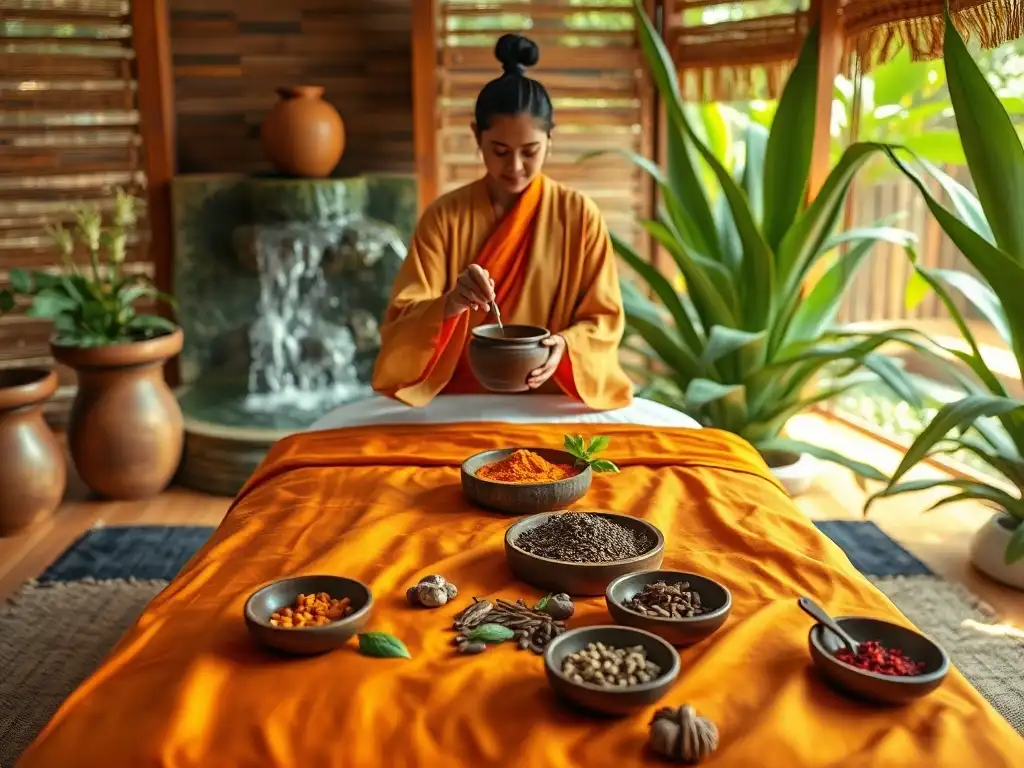
Welcome to Ancient India History, where we embark on a captivating journey through the rich tapestry of ancient Indian civilizations, from the enigmatic Indus Valley to the illustrious Gupta Empire. In this exploration, we delve into the ancient Ayurvedic wellness practices that have shaped holistic health and rejuvenation for centuries. Are you ready to uncover the time-honored secrets that can transform your spa experience? Join us as we illuminate the profound wisdom of Ayurveda and its lasting impact on wellness today. Your adventure into the past begins now!

Introduction to Ancient Ayurvedic Wellness Practices
The world of wellness has long been enriched by the profound and intricate wisdom of ancient Indian civilizations, particularly through the lens of Ayurvedic practices. Ayurveda, which translates to "the science of life," is a holistic system that has been practiced for over 5,000 years, offering a comprehensive approach to health and healing. Ancient Ayurvedic wellness practices are not merely rituals; they represent a way of life that harmonizes the body, mind, and spirit with the rhythms of nature.
In recent years, there has been a resurgence of interest in these ancient techniques, particularly within the spa industry. This article aims to delve into the transformative potential of Ayurvedic wellness practices and how they can enhance modern spa experiences. By integrating time-honored traditions with contemporary wellness needs, spa-goers can unlock a deeper sense of relaxation and rejuvenation.
Whether you are seeking to alleviate stress, improve your overall health, or simply indulge in a luxurious experience, understanding the foundations of ancient Ayurvedic wellness can significantly enhance your journey. Let us explore the principles that underpin this rich tradition and how they can be seamlessly incorporated into your spa rituals.
Understanding the Principles of Ayurvedic Wellness
Ayurvedic wellness is grounded in the understanding of the body's natural constitution and the balance of energies that govern our health. This ancient system emphasizes the interconnectedness of the body, mind, and environment, advocating for personalized approaches to wellness that consider individual differences. At the heart of Ayurveda are the concepts of the Three Doshas, which are vital for maintaining harmony within the body.
The Three Doshas: Vata, Pitta, and Kapha
The Three Doshas— Vata, Pitta, and Kapha—are the fundamental energies that influence our physical and mental characteristics. Each dosha represents a unique combination of the five elements: earth, water, fire, air, and ether. Understanding these doshas is essential for tailoring Ayurvedic practices to individual needs.
- Vata: Composed of air and ether, Vata is associated with movement, creativity, and flexibility. It governs bodily functions related to circulation, respiration, and nerve impulses. When in balance, Vata promotes vitality and enthusiasm; however, an excess can lead to anxiety and restlessness.
- Pitta: This dosha embodies fire and water, relating to transformation, digestion, and metabolism. Pitta individuals are often ambitious and driven. Balance in Pitta fosters sharp intellect and clarity, while imbalance can lead to irritability and inflammatory conditions.
- Kapha: Formed from earth and water, Kapha represents stability, structure, and nourishment. It governs growth, immunity, and emotional resilience. A balanced Kapha promotes strength and calmness, whereas imbalance may result in lethargy and attachment issues.
Understanding your dominant dosha can guide you in selecting the most beneficial Ayurvedic treatments, thus enhancing your overall wellness experience.
The Role of Balance in Ayurvedic Healing
Central to Ayurvedic philosophy is the concept of balance. The body thrives when the doshas are in equilibrium, which can be achieved through various practices, including diet, herbal remedies, yoga, and meditation. In the context of spa experiences, Ayurvedic treatments aim to restore this balance, allowing individuals to reconnect with their innate wellness.
Key aspects of achieving balance include:
- Diet: Consuming foods that align with your dosha can enhance overall health.
- Lifestyle: Regular routines, adequate rest, and mindful practices contribute to maintaining harmony.
- Detoxification: Periodic cleansing of the body through Ayurvedic detox methods helps eliminate toxins and restore vitality.
By embracing these principles, modern spa-goers can experience the profound benefits of ancient Ayurvedic wellness practices, transforming their spa visits into holistic journeys of healing and self-discovery.
Ancient Ayurvedic Wellness Practices for Spa Transformations
Ayurvedic wellness practices, deeply rooted in ancient Indian philosophy, offer a holistic approach to health that emphasizes balance in body, mind, and spirit. This traditional system of medicine, dating back over 5,000 years, provides various techniques and treatments that can significantly enhance spa experiences. By integrating these practices, spas can offer clients not only relaxation but also a rejuvenating experience that promotes overall well-being.
The ancient principles of Ayurveda focus on the three doshas—Vata, Pitta, and Kapha—which represent different energies in the body. Each individual has a unique constitution based on these doshas, and understanding this can help tailor spa treatments to meet specific needs. For instance, a spa can utilize Ayurvedic assessments to create personalized therapies that align with the client’s dosha, ensuring a more effective and transformative experience.
Traditional Treatments Inspired by Ancient Practices
Traditional Ayurvedic treatments are designed to restore harmony within the body and can significantly enhance the overall spa experience. Key treatments include:
- Abhyanga: A full-body oil massage, usually performed with warm herbal oils tailored to the client’s dosha. This treatment helps in detoxification, improves circulation, and promotes relaxation.
- Panchakarma: A detoxification process involving five therapeutic actions, aimed at cleansing the body of toxins. This treatment can be complex, involving various stages such as oil massages, herbal enemas, and steam treatments.
- Shirodhara: A unique therapy where warm oil is poured continuously over the forehead, promoting deep relaxation and clarity of mind. It is particularly effective for stress relief and mental balance.
- Nasya: An Ayurvedic nasal treatment that involves administering herbal oils or powders into the nostrils. This therapy is beneficial for respiratory health and mental clarity.
By incorporating these traditional treatments into spa menus, practitioners can create a unique environment that emphasizes healing and wellness, steeped in the wisdom of ancient practices.
Herbal Remedies in Ayurvedic Spa Treatments
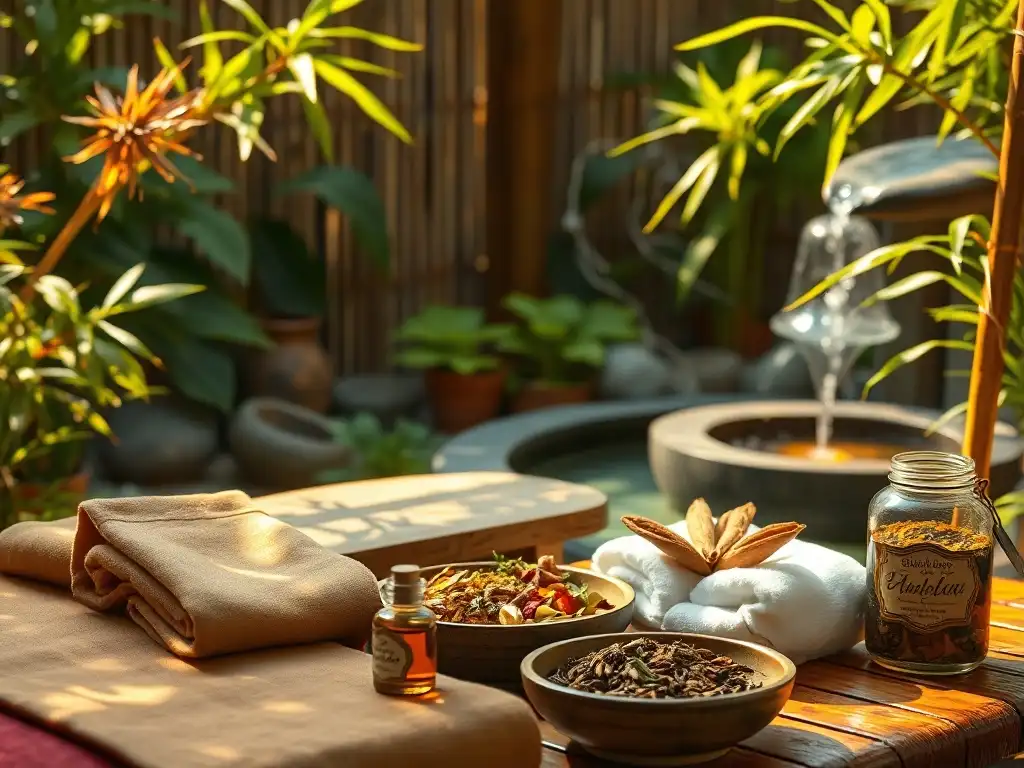
Herbs play a crucial role in Ayurveda, and their incorporation into spa treatments can enhance therapeutic benefits. Various herbs and formulations are used to create oils, pastes, and drinks that promote wellness. Some popular herbal remedies include:
- Tulsi (Holy Basil): Known for its adaptogenic properties, Tulsi can help reduce stress and improve overall vitality. It can be infused into oils or used in herbal teas served at the spa.
- Ashwagandha: This adaptogen is renowned for its stress-relieving properties and can be incorporated into massage oils or used in herbal supplements offered to guests.
- Turmeric: With its anti-inflammatory and antioxidant properties, turmeric can be included in scrubs or masks to rejuvenate the skin and enhance the overall spa experience.
- Amla (Indian Gooseberry): Rich in vitamin C, Amla is used in various forms to strengthen the immune system and promote healthy skin. It can be added to hair oils or facial treatments.
Utilizing these herbal remedies not only enriches the spa experience but also aligns with the Ayurvedic principle of using natural ingredients to promote health and well-being.
Creating an Ayurvedic Spa Experience at Home
Transforming your home into an Ayurvedic spa is a wonderful way to embrace wellness and relaxation. Here are some essential elements to consider:
Essential Oils and Their Benefits
Essential oils are pivotal in Ayurveda, enhancing both physical and mental well-being. Some popular essential oils include:
- Lavender: Known for its calming properties, lavender oil helps in reducing anxiety and promoting restful sleep.
- Peppermint: This invigorating oil can enhance focus and clarity. It is particularly useful when blended into massage oils or used in aromatherapy diffusers.
- Eucalyptus: Excellent for respiratory health, eucalyptus oil can be used in steam inhalation or added to bathwater for a refreshing experience.
- Sandalwood: This oil is renowned for its soothing properties, making it perfect for relaxation. It can be applied during massages or used in meditation practices.
By selecting the right essential oils, you can create an atmosphere of tranquility and rejuvenation in your home spa.
DIY Ayurvedic Treatments
Creating DIY Ayurvedic treatments at home allows you to personalize your wellness routine. Here are some simple treatments to try:
- Herbal Face Pack: Combine gram flour, turmeric, and yogurt to create a natural face pack. Apply it for 20 minutes to cleanse and rejuvenate your skin.
- Oil Massage: Warm a few tablespoons of sesame or coconut oil and gently massage it into your skin. This practice not only hydrates the skin but also promotes relaxation.
- Herbal Bath Soak: Add a mix of Epsom salts, dried lavender, and rose petals to your bath for a soothing soak that relaxes the body and mind.
- Detoxifying Drink: Blend warm water with a teaspoon of honey, lemon juice, and a pinch of turmeric for a refreshing detox drink.
By implementing these DIY Ayurvedic treatments, you can create a personalized spa experience that aligns with your wellness goals, all within the comforts of your own home.
Modern Adaptations of Ancient Ayurvedic Practices
The ancient system of Ayurveda, which dates back over 3,000 years, has been increasingly integrated into modern wellness practices. As people around the globe seek holistic approaches to health, many Ayurvedic principles have been adapted to fit contemporary lifestyles, making them accessible and relevant. These adaptations often emphasize personalized care, the use of natural ingredients, and the promotion of balance and harmony within the body.
In modern settings, traditional Ayurvedic treatments such as Panchakarma detoxification and Abhyanga oil massages have been reimagined to cater to diverse clientele. Spas now offer tailored packages that combine ancient rituals with contemporary techniques, often incorporating aromatherapy, sound therapy, and meditation to enhance the overall experience. This fusion not only preserves the essence of Ayurveda but also allows for a more comprehensive approach to wellness that resonates with today's health-conscious individuals.
Integrating Ayurveda into Contemporary Spa Settings
Contemporary spas are increasingly adopting Ayurvedic techniques to create unique wellness experiences that promote relaxation and rejuvenation. By integrating Ayurvedic principles, spas can offer personalized treatments based on individual dosha (body constitution) assessments. This customization ensures that each client receives care tailored to their specific needs, enhancing the efficacy of the treatments.
Moreover, many spas are now using organic and natural ingredients in their products, reflecting Ayurveda’s emphasis on using nature for healing. Treatments such as herbal steam baths, body scrubs with natural exfoliants, and facial oils derived from traditional Ayurvedic formulations are becoming commonplace. This shift not only provides a deeper connection to ancient practices but also appeals to the growing demand for eco-friendly and sustainable wellness solutions.
Additionally, the ambiance of Ayurvedic-inspired spas often incorporates elements such as soothing music, calming colors, and natural materials, all of which contribute to a serene environment that enhances the overall experience. By creating spaces that reflect the tranquility of ancient wellness practices, spas can offer clients a sanctuary for both physical and mental restoration.
The Rise of Ayurvedic Wellness Tourism
Ayurvedic wellness tourism has gained significant traction in recent years, with travelers seeking authentic experiences that promote holistic health. Countries like India, where Ayurveda originated, have become hotspots for those interested in deepening their understanding of this ancient practice while enjoying immersive wellness retreats. These retreats often provide a combination of Ayurvedic treatments, yoga, meditation, and nutritional guidance, allowing participants to engage fully with the principles of Ayurveda.
The rise of wellness tourism has also led to the establishment of specialized Ayurvedic resorts and wellness centers that cater to international visitors. These establishments often feature expert practitioners who provide consultations to help guests understand their doshas and recommend personalized treatment plans. This trend not only supports local economies but also fosters a global appreciation for Ayurvedic practices and their benefits.
As awareness of Ayurvedic wellness continues to grow, more travel companies are incorporating wellness packages that include Ayurvedic treatments, further propelling the industry. This increasing interest highlights a collective shift towards preventative healthcare, with many individuals seeking to enhance their well-being through ancient wisdom and practices.
Benefits of Embracing Ancient Ayurvedic Wellness Practices
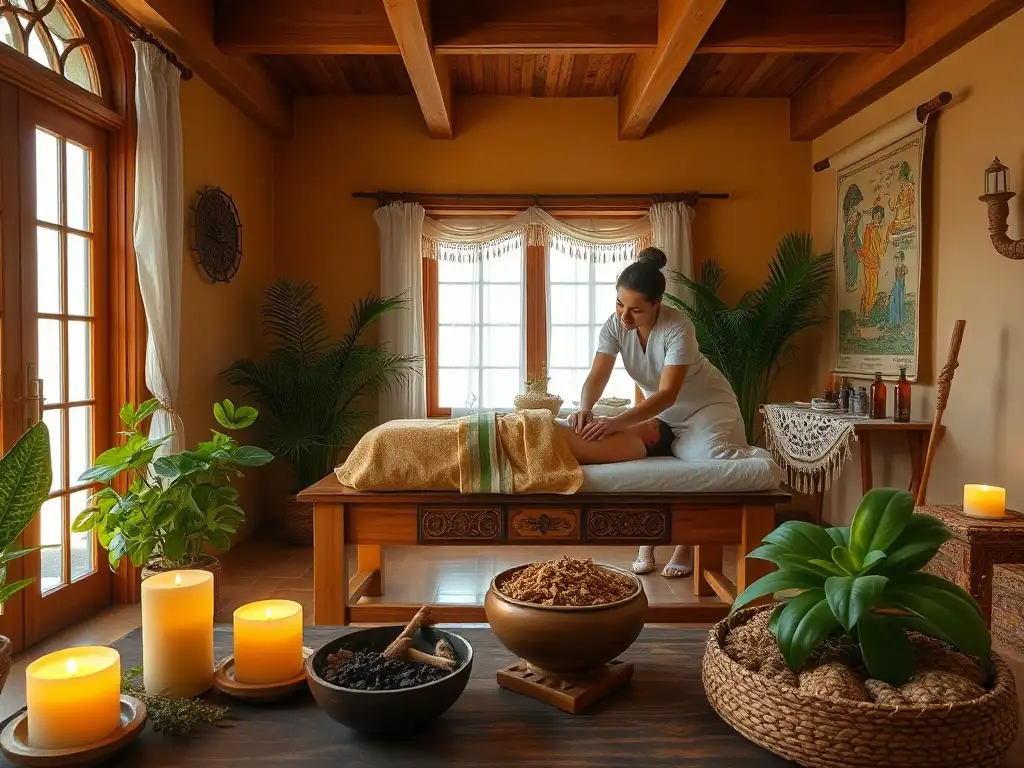
Embracing ancient Ayurvedic wellness practices offers a multitude of benefits that extend beyond mere physical health. At its core, Ayurveda promotes balance within the body, mind, and spirit, leading to a holistic approach to well-being. Individuals who integrate these practices into their lives often experience improved health outcomes, increased energy levels, and a greater sense of peace and fulfillment.
One of the key aspects of Ayurveda is its focus on prevention rather than treatment. By understanding one's unique constitution and making lifestyle adjustments accordingly, individuals can mitigate potential health issues before they arise. This proactive approach encourages individuals to adopt healthier habits, fostering long-term well-being.
Physical and Mental Health Advantages
Ayurvedic practices are renowned for their ability to enhance both physical and mental health. Treatments such as Panchakarma detoxification are designed to cleanse the body of toxins, promoting optimal functioning of organs and systems. This detoxification can lead to improved digestion, better immunity, and increased vitality.
Furthermore, Ayurveda recognizes the profound connection between the mind and body. Techniques such as meditation, yoga, and breathing exercises are integral to Ayurvedic practice and are known to reduce stress, anxiety, and depression. By cultivating mindfulness and self-awareness, individuals can achieve a more balanced emotional state, leading to improved mental health outcomes.
Research has shown that routine Ayurvedic practices can also aid in managing chronic conditions like arthritis, diabetes, and heart disease. The incorporation of personalized dietary recommendations, herbal remedies, and regular physical activity contributes to a holistic approach to managing health that is both effective and sustainable.
Long-Term Wellness Strategies
The long-term wellness strategies advocated by Ayurveda focus on the importance of lifestyle choices, dietary habits, and self-care routines. By emphasizing the cultivation of balance in daily life, Ayurveda encourages individuals to develop habits that promote sustained health and well-being.
Key strategies include:
- Personalized Diet: Tailoring food choices to one’s dosha ensures that individuals consume what is best for their body type, promoting optimal digestion and overall health.
- Regular Detoxification: Incorporating seasonal detox regimens helps to cleanse the body and maintain balance, preventing the accumulation of toxins.
- Mindful Living: Practicing mindfulness through meditation and yoga fosters a deeper connection with oneself, enhancing emotional resilience and mental clarity.
- Routine Self-Care: Engaging in self-massage (Abhyanga) and other daily rituals supports physical health and promotes relaxation, creating a sustainable path to wellness.
By adopting these long-term strategies, individuals can create a lifestyle that not only supports their immediate health needs but also nurtures their overall well-being for years to come. Embracing ancient Ayurvedic practices is not merely a trend but a transformative journey towards holistic health and a deeper understanding of oneself.
Conclusion: Transforming Your Spa Experience with Ancient Ayurvedic Wisdom
Incorporating ancient Ayurvedic wellness practices into modern spa experiences can profoundly enhance both physical and mental well-being. By understanding the fundamental principles of Ayurveda, such as the balance of the three doshas—Vata, Pitta, and Kapha—spa-goers can personalize their treatments to meet their unique needs. This tailored approach not only maximizes the benefits of each spa visit but also promotes a deeper connection with one's own body and mind.
The ancient techniques of Ayurvedic massage, herbal treatments, and dietary guidance offer a holistic framework that encourages detoxification, rejuvenation, and emotional healing. For instance, the use of warm herbal oils in Abhyanga (Ayurvedic oil massage) not only nourishes the skin but also calms the nervous system, fostering relaxation and tranquility. Moreover, practices like Shirodhara, which involves pouring warm oil over the forehead, have been revered for their ability to alleviate stress and enhance mental clarity.
As we embrace these time-tested practices, we invite a sense of harmony and balance into our increasingly hectic lives. The integration of Ayurvedic principles in spa settings transforms not just the physical experience but also fosters a holistic approach to wellness that addresses the mind, body, and spirit.
Call to Action
Are you ready to embark on a transformative journey towards wellness? Discover the benefits of ancient Ayurvedic wellness practices by exploring local spas that specialize in these time-honored treatments. Whether it's indulging in a soothing massage or participating in a detoxifying herbal treatment, your path to rejuvenation and balance awaits.
Don't miss out on the chance to enrich your spa experience! Consider incorporating Ayurvedic practices into your self-care routine and witness the difference it can make. Share your experiences with friends and family, and inspire them to join you on this journey towards holistic wellness. 🌿✨
Take the first step today—embrace the wisdom of Ayurveda and transform your spa experiences into a sanctuary for your mind, body, and soul!
- Introduction to Ancient Ayurvedic Wellness Practices
- Understanding the Principles of Ayurvedic Wellness
- Ancient Ayurvedic Wellness Practices for Spa Transformations
- Traditional Treatments Inspired by Ancient Practices
- Herbal Remedies in Ayurvedic Spa Treatments
- Creating an Ayurvedic Spa Experience at Home
- Modern Adaptations of Ancient Ayurvedic Practices
- Benefits of Embracing Ancient Ayurvedic Wellness Practices
- Conclusion: Transforming Your Spa Experience with Ancient Ayurvedic Wisdom
- Call to Action
Frequently Asked Questions
What are Ayurvedic wellness practices?
Ayurvedic wellness practices are ancient techniques derived from Ayurveda, a traditional Indian system of medicine that promotes holistic health through natural remedies, diet, and lifestyle changes.
How can I incorporate Ayurvedic practices into my spa experience?
To enhance your spa experience, consider integrating Ayurvedic treatments such as abhyanga (oil massage), shirodhara (oil pouring on the forehead), and herbal steam baths to achieve relaxation and rejuvenation.
What are the benefits of Ayurvedic wellness?
The benefits of Ayurvedic wellness include improved mental clarity, reduced stress, enhanced digestion, and overall balance in the body, helping individuals achieve a state of well-being.
Can Ayurvedic practices be tailored to individual needs?
Yes, Ayurvedic practices are highly individualized. They consider factors like dosha (body constitution), lifestyle, and health conditions to create a personalized wellness plan.
Where can I learn more about Ancient Ayurvedic wellness practices?
You can explore various resources, including books, online courses, and workshops dedicated to Ayurveda, as well as visiting specialized spas that offer authentic Ayurvedic treatments.
Final Reflection: Embracing Ancient Ayurvedic Wellness for Modern Transformation
In a world where stress and fast-paced living often overshadow our well-being, the ancient Ayurvedic wellness practices offer a timeless sanctuary for rejuvenation and balance. As we navigate the complexities of contemporary life, these holistic approaches remind us of the profound connection between mind, body, and spirit. By integrating these ancient secrets into our spa experiences, we not only enhance our personal wellness but also honor a rich tradition that has stood the test of time.
The influence of Ayurveda extends far beyond individual practices; it has woven itself into the fabric of our cultural and social landscape. As we seek harmony in our lives, the principles of Ayurveda resonate deeply, encouraging us to embrace a lifestyle that nurtures our innate well-being. The greatest wealth is health.
This quote encapsulates the essence of Ayurvedic wisdom, urging us to prioritize our health as the foundation of a fulfilling life. By recognizing the ongoing relevance of these practices, we can cultivate a deeper understanding of ourselves and our place within the world.
As we conclude this exploration of Ayurvedic wellness, I invite you to reflect on how you can incorporate these ancient teachings into your daily routine. Consider the small changes you can make to foster balance and harmony in your life. Whether it's through mindful eating, meditation, or simply taking time for self-care, every step you take towards embracing these practices can lead to profound transformation. Let the wisdom of Ayurveda guide you on your journey to wellness, inspiring you to create a life that is not only healthy but also deeply fulfilling.
Transform Your Life with Ayurveda Today!
Thank you for diving into the ancient world of Ayurvedic wellness with us. We hope you’ve uncovered valuable insights to enhance your spa experience and invigorate your holistic health journey. Now, it’s time to put that knowledge into action!
Explore these simple yet powerful steps to embrace Ayurveda in your daily routine:
- Start your day with a cleansing ritual: Incorporate warm lemon water or herbal tea to awaken your senses and detoxify your body.
- Discover yoga poses that match your unique constitution by joining a local class or exploring online resources tailored to your needs.
- Share your newfound knowledge with friends or family—invite them to explore Ayurvedic practices together!
What aspect of Ayurvedic wellness are you most excited to integrate into your life?