
The Silk Route Connection: How Ancient Trade Influenced Cultural Exchanges

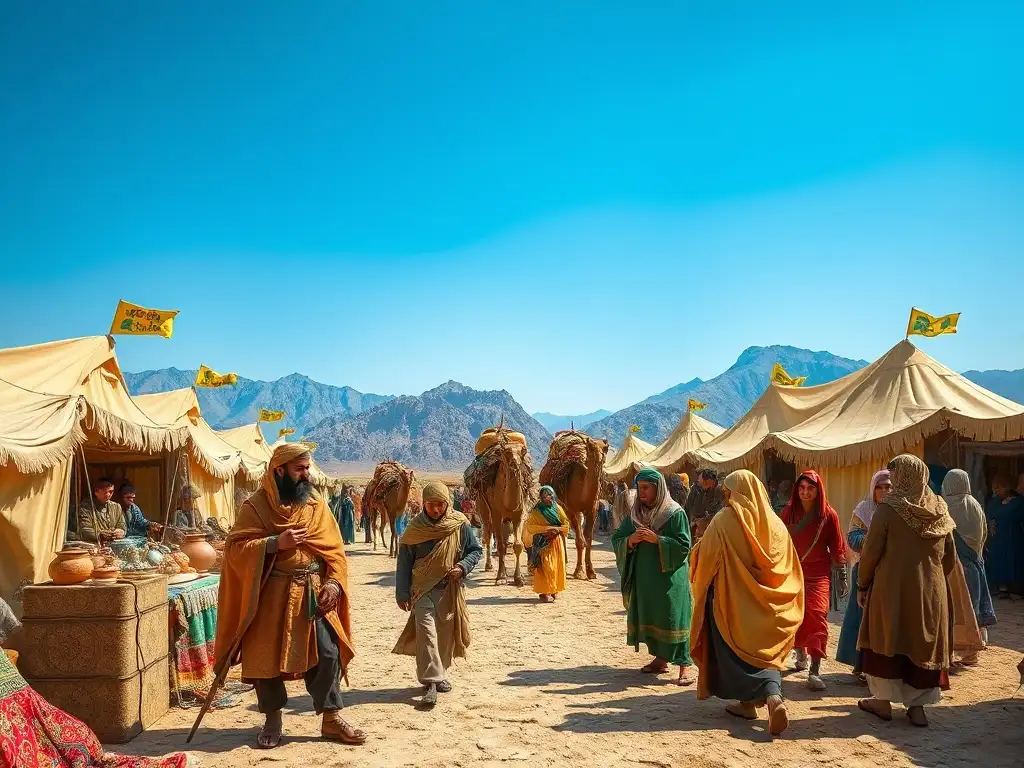
Welcome to Ancient India History, where we embark on a captivating journey through the rich tapestry of India's past. Prepare to delve into the intricate web of ancient trade cultural exchanges that not only shaped civilizations but also forged connections across vast distances. In our featured article, "The Silk Route Connection: How Ancient Trade Influenced Cultural Exchanges," we unravel the fascinating stories of merchants, ideas, and cultures that transcended borders. Join us as we explore how these exchanges laid the foundation for an interconnected world, sparking curiosity and inspiring further exploration of ancient India's vibrant history.

Introduction to the Silk Route and Ancient Trade
The Silk Route, a network of trade paths that connected the East and West, served as a vital artery for cultural, economic, and technological exchanges between ancient civilizations. From the bustling markets of the Indus Valley to the thriving hubs of the Persian Empire and beyond, this intricate web of routes facilitated not only the exchange of goods but also the flow of ideas, religions, and innovations.
As merchants traveled across deserts and mountains, they carried with them not only silk and spices but also stories, philosophies, and cultural practices that significantly influenced the societies they encountered. This article explores the profound impact of ancient trade on cultural exchanges, particularly focusing on how these connections shaped the development of Southeast Asia.
Overview of the Silk Route
The Silk Route was not a singular road but rather a series of interconnected trade routes that spanned thousands of miles across Asia, linking regions such as China, India, Persia, and the Mediterranean. Established around the 2nd century BCE during the Han Dynasty, the Silk Route comprised both overland and maritime pathways.
- Key Features of the Silk Route:
- Diverse Terrain: Traders navigated through deserts, mountains, and rivers.
- Cultural Melting Pot: Cities along the route became melting pots of various cultures.
- Economic Exchange: The trade of silk, spices, precious stones, and textiles flourished.
The route's significance lay not only in its economic impact but also in its role as a conduit for cultural diffusion, facilitating the exchange of art, science, and philosophy.
Importance of Ancient Trade in Cultural Exchanges
Ancient trade was a driving force behind the cultural exchanges that shaped civilizations. As merchants engaged in trade, they acted as cultural ambassadors, introducing new ideas and practices to different regions.
- Cultural Enhancements through Trade:
- Religious Spread: The transmission of Buddhism and other religions was significantly influenced by traders.
- Artistic Influence: Art forms and architectural styles evolved due to cross-cultural interactions.
- Language and Literature: The exchange of written works and languages enriched the intellectual heritage of various cultures.
These exchanges laid the foundation for the interconnectedness of civilizations, fostering a shared cultural heritage that transcended geographic boundaries.
The Role of Ancient Trade in Cultural Exchanges
How Trade Routes Facilitated Cultural Interaction
The Silk Route facilitated rich interactions among diverse peoples, allowing for the exchange of not only goods but also cultural practices and beliefs. Traders often settled in new lands, establishing communities that blended traditions from both their homeland and the local culture.
- Mechanisms of Cultural Interaction:
- Trade Fairs: Seasonal markets attracted merchants and customers from various regions, creating a hub for cultural exchange.
- Traveling Scholars: Scholars and travelers shared knowledge, leading to advancements in science and philosophy.
- Culinary Exchange: Ingredients and cooking techniques traveled along with traders, influencing local cuisines.
These mechanisms promoted a dynamic cultural landscape where ideas flourished, and new practices were adopted, creating a rich tapestry of cultural diversity.
Exchange of Goods and Ideas Along the Silk Route
The exchange of goods along the Silk Route was accompanied by a continuous flow of ideas and innovations that transformed societies. As traders moved along these routes, they disseminated not only material wealth but also knowledge and technologies that had lasting impacts.
- Goods Traded:
- Silk and Textiles: Highly sought after, silk became a symbol of wealth and status.
- Spices and Herbs: Essential for culinary practices, spices were traded extensively.
- Precious Metals and Gems: Often used as currency and for decorative purposes.
- Ideas and Innovations:
- Technological Advancements: Innovations like papermaking and gunpowder spread along trade routes.
- Cultural Practices: Festivals, rituals, and artistic expressions were exchanged, enriching local cultures.
The Silk Route was pivotal in fostering ancient trade cultural exchanges, laying the groundwork for the vibrant cultural interactions that characterized the ancient world and shaped the civilizations of Southeast Asia and beyond.
Key Civilizations Involved in Ancient Trade
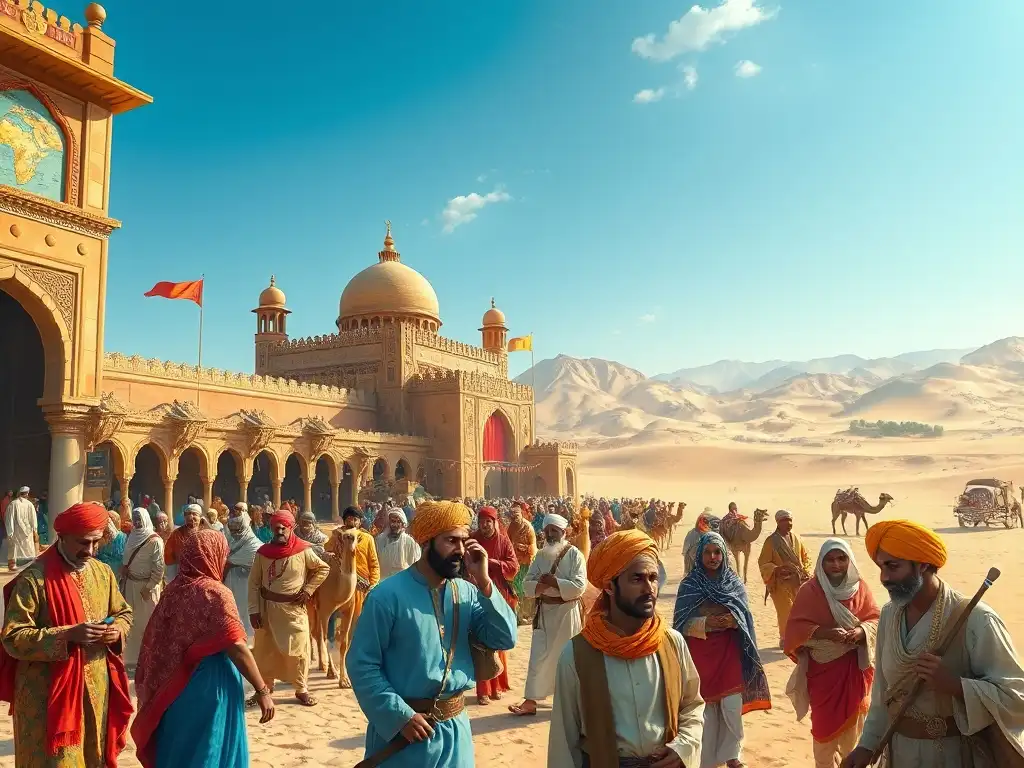
The ancient trade routes were bustling arteries of commerce and cultural exchange that connected various civilizations across the globe. Among the key players in this intricate network were:
- The Indus Valley Civilization: Renowned for its advanced urban planning and trade practices, this civilization engaged in commerce with Mesopotamia and other regions, exporting goods such as beads, textiles, and pottery.
- The Persian Empire: Serving as a vital bridge between the East and West, the Persian Empire facilitated trade across its vast territories, connecting the Mediterranean world with South and Central Asia.
- The Chinese Dynasties: Particularly during the Han Dynasty, China expanded its trade networks, exporting silk, spices, and ceramics, which were highly sought after in foreign markets.
- The Roman Empire: With its extensive trade routes, the Romans imported luxury goods from the East, including silk and spices, which significantly influenced Roman culture and economy.
- Southeast Asian Kingdoms: Civilizations such as Srivijaya and Majapahit thrived by controlling maritime trade routes, acting as intermediaries between India, China, and beyond.
These civilizations not only traded goods but also shared ideas, technologies, and cultural practices, leading to profound influences on one another.
The Indian Subcontinent's Contribution to Trade
The Indian subcontinent played a pivotal role in ancient trade due to its strategic geographic location and rich resources. Key contributions include:
- Spices and Textiles: India was famous for its spices, such as black pepper and cardamom, which were highly prized in global markets. Additionally, Indian textiles, including cotton and silk, were sought after for their quality and craftsmanship.
- Cultural Exchange: As traders traveled through the Indian subcontinent, they brought with them diverse cultural influences, resulting in the blending of languages, art, and traditions.
- Wealth Accumulation: The trade routes allowed Indian kingdoms to amass wealth, which in turn funded advancements in art, architecture, and scholarship, exemplified by the construction of grand temples and the flourishing of literature.
The Indian subcontinent's contributions to ancient trade not only enhanced its own civilization but also had lasting impacts on cultures across Asia and beyond.
The Influence of Central Asian Cultures on Trade Dynamics
Central Asian cultures served as crucial intermediaries in ancient trade, shaping the dynamics of commerce across the Silk Route. Their influence manifested in several ways:
- Nomadic Trade Practices: Central Asian nomads facilitated the movement of goods across vast distances, using their knowledge of the terrain and seasonal patterns to ensure safe passage for traders.
- Cultural Intermediaries: These cultures acted as cultural bridges, introducing elements of their own traditions, such as art forms and religious practices, into the communities they interacted with along the trade routes.
- Technological Innovations: The exchange of technologies, including advancements in horsemanship and cartography, contributed to the efficiency of trade and encouraged further exploration and interactions among distant cultures.
The role of Central Asian cultures in trade dynamics highlights the interconnectedness of ancient civilizations and their collaborative contributions to cultural exchanges.
Southeast Asian Cultures and Their Trade Connections
Southeast Asian cultures emerged as significant players in ancient trade by establishing vital connections along maritime routes. Key aspects include:
- Strategic Locations: Southeast Asia's geographic positioning made it a crucial hub for maritime trade between India and China, allowing local kingdoms to flourish economically through trade.
- Cultural Melting Pot: Trade activities led to a rich tapestry of cultural influences, as merchants from various regions introduced their customs, languages, and religions, resulting in a unique blend of traditions.
- Trade Goods: The region was known for its exports of spices, precious woods, and exotic animals, which attracted traders from distant lands and stimulated economic growth.
Southeast Asian cultures not only benefited from trade but also played a critical role in shaping the cultural landscape of the wider region through their connections.
Impact of Ancient Trade on Religion and Philosophy
The ancient trade routes were instrumental in the spread of religions and philosophical ideas, facilitating significant exchanges that transformed spiritual landscapes.
Spread of Hinduism and Buddhism Through Trade
Trade routes served as conduits for the dissemination of major religions, particularly Hinduism and Buddhism, throughout Asia. This spread occurred through:
- Missionary Activities: Traders and monks traveled along trade routes, sharing religious teachings with local populations, leading to the establishment of temples and monasteries in various regions.
- Cultural Adaptation: As these religions encountered different cultures, they often adapted to local customs, resulting in diverse expressions of belief that enriched the original doctrines.
- Pilgrimage Routes: Many trade routes doubled as pilgrimage paths, encouraging followers to embark on journeys to sacred sites, thereby intertwining trade with spiritual practices.
The influence of ancient trade on the spread of Hinduism and Buddhism underscores the profound relationship between commerce and faith.
Cross-Pollination of Philosophical Ideas Between Cultures
In addition to religious dissemination, ancient trade facilitated the cross-pollination of philosophical ideas, leading to significant intellectual exchanges:
- Philosophical Dialogues: Encountering different worldviews through trade interactions allowed philosophers to engage in dialogues, fostering the exchange of ideas about ethics, governance, and human existence.
- Integration of Concepts: As traders and scholars moved between cultures, they integrated diverse philosophical concepts, such as the principles of Confucianism, Daoism, and Indian philosophy, creating rich, hybrid intellectual traditions.
- Educational Centers: Trade routes contributed to the establishment of centers of learning, where scholars from various cultures gathered to share knowledge, resulting in advancements in various fields, including mathematics, astronomy, and the arts.
The cross-pollination of philosophical ideas through ancient trade not only enriched individual cultures but also laid the groundwork for a more interconnected and enlightened world.
Artistic and Technological Exchanges Driven by Trade
The ancient trade routes, particularly the Silk Route, facilitated not only the exchange of goods but also the transmission of artistic ideas and technological innovations that significantly shaped cultures along the way. As merchants traveled between India, Southeast Asia, and beyond, they carried with them not only products but also cultural practices, artistic styles, and technological advancements that would leave a lasting impact on the regions they encountered.
Influence of Indian Art on Southeast Asian Cultures
Indian art, characterized by its intricate designs, vibrant colors, and spiritual themes, played a crucial role in influencing the artistic landscape of Southeast Asia. As Hinduism and Buddhism spread through trade routes, so too did Indian artistic styles. Temples built in regions like Cambodia, Thailand, and Indonesia showcased Indian architectural elements, such as intricate carvings and ornate sculptures.
Notably, the famous Angkor Wat temple complex in Cambodia exhibits a blend of indigenous and Indian artistic influences, with its detailed bas-reliefs depicting scenes from Hindu epics like the Ramayana and Mahabharata. The adoption of these artistic elements illustrates how ancient trade fostered a cultural dialogue that enriched Southeast Asian art, leading to a unique synthesis of styles that continue to captivate modern audiences.
Technological Innovations Shared Along Trade Routes
Trade routes also served as conduits for technological exchange, facilitating the transfer of knowledge in areas such as agriculture, metallurgy, and navigation. Indian traders introduced advanced agricultural techniques, including irrigation systems and crop rotation methods, which significantly boosted agricultural productivity in Southeast Asia.
Additionally, the art of metallurgy saw significant advancements as Indian blacksmiths shared their expertise in crafting high-quality iron tools and weapons. The introduction of these innovations allowed Southeast Asian societies to improve their agricultural practices, bolster their economies, and enhance their military capabilities. This exchange of technology not only transformed local industries but also laid the groundwork for future advancements in these regions.
Language and Literature: A Result of Cultural Exchanges
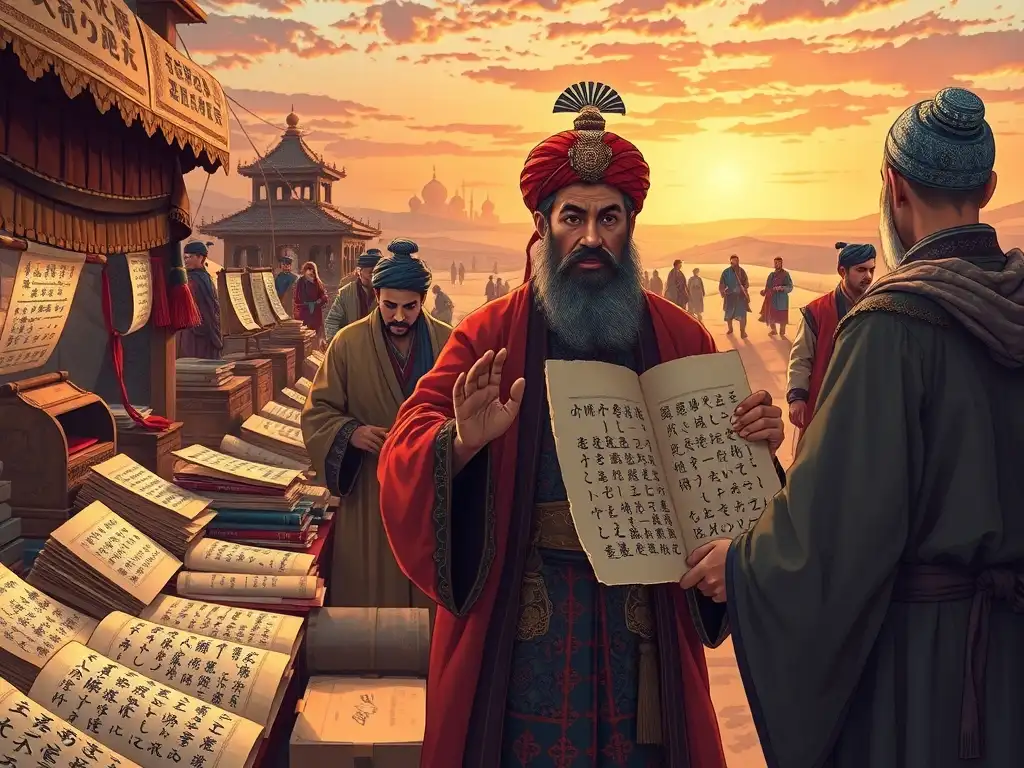
The interactions along ancient trade routes also significantly influenced the linguistic and literary landscape of Southeast Asia. As traders, travelers, and scholars exchanged ideas, languages evolved, and literary traditions emerged, reflecting the rich tapestry of cultural exchanges.
Linguistic Influences from Ancient Trade
The movement of people and goods along trade routes led to the exchange and assimilation of languages. Sanskrit, the ancient language of India, played a pivotal role in shaping the linguistic heritage of Southeast Asia. Many Southeast Asian languages adopted Sanskrit vocabulary, particularly in religious, political, and cultural contexts.
For instance, terms related to governance, literature, and religion in languages such as Thai, Khmer, and Javanese show substantial Sanskrit influence. This linguistic integration not only enriched local languages but also facilitated communication and cultural exchange across diverse communities, allowing for a deeper understanding of shared beliefs and practices.
Literary Works Inspired by Cultural Interactions
The cross-pollination of ideas and narratives along ancient trade routes birthed a rich tradition of literature that reflected the cultural exchanges of the time. Indian epics and stories, including the Mahabharata and Ramayana, were adapted and reinterpreted by Southeast Asian writers and poets, resulting in unique regional versions that retained core themes while incorporating local elements.
These literary adaptations served as vehicles for moral and philosophical teachings, influencing the ethical and cultural frameworks of various Southeast Asian societies. The enduring popularity of these works underscores the profound impact of ancient trade on the literary heritage of the region, highlighting how cultural exchanges have shaped narratives and storytelling traditions across generations.
The Legacy of Ancient Trade Cultural Exchanges
The legacy of ancient trade cultural exchanges is profound and multifaceted, encompassing a rich tapestry of interactions that shaped civilizations. Ancient trade routes, particularly the Silk Route, served as arteries of commerce, facilitating not only the exchange of goods but also the flow of ideas, religions, and technologies. The interactions among diverse cultures led to significant transformations in social structures, art, and day-to-day life.
Silk, spices, precious metals, and textiles were among the primary commodities traded, but the true value lay in the cultural exchanges that accompanied these transactions. For instance, the introduction of Buddhism from India to Southeast Asia exemplifies how trade routes acted as conduits for spiritual and philosophical ideas. Similarly, artistic styles and techniques were transmitted across borders, leading to a fusion of traditions that enriched the cultural landscapes of the regions involved.
The legacies of these exchanges can be seen in the languages spoken, the culinary practices embraced, and the festivals celebrated across Southeast Asia today. The enduring influence of ancient trade routes highlights the interconnectedness of human societies and underscores the importance of cross-cultural collaboration in shaping historical narratives.
Lasting Impacts on Modern Southeast Asian Cultures
The impacts of ancient trade cultural exchanges on modern Southeast Asian cultures are significant and visible in various aspects of life. The blending of indigenous practices with foreign influences has created a unique cultural mosaic.
- Religion and Spirituality: The spread of Buddhism and Hinduism from India to Southeast Asia has had a lasting impact on religious practices. Temples like Angkor Wat in Cambodia and Borobudur in Indonesia showcase architectural styles and iconography influenced by Indian traditions.
- Art and Architecture: The artistic heritage of Southeast Asia reflects a synthesis of local and foreign elements. Traditional crafts, such as batik in Indonesia and silk weaving in Thailand, are infused with motifs and techniques that have roots in ancient trade exchanges.
- Language and Literature: The vocabulary and literary traditions of Southeast Asian countries have been enriched by contact with Indian languages. Words related to governance, religion, and culture often have Sanskrit or Pali origins, revealing the depth of cultural interconnection.
- Cuisine: The culinary landscape in Southeast Asia illustrates the historical exchanges that have taken place. Spices, rice varieties, and cooking methods introduced through trade have shaped the region’s diverse gastronomic heritage, making it a vibrant fusion of flavors.
Historical Significance of Trade Routes in Cultural Identity
Trade routes have played a pivotal role in shaping cultural identity throughout history. In Southeast Asia, the ancient maritime and overland trade routes fostered interactions among diverse ethnic groups, leading to the formation of shared identities and cultural practices.
The concept of cultural identity in these regions has been influenced by the influx of various peoples, ideas, and technologies. For instance, the Malay Archipelago became a melting pot of cultures due to its strategic location along trade routes connecting India, China, and beyond. This resulted in the emergence of hybrid cultures that encapsulated elements from multiple traditions.
Furthermore, the establishment of trade cities—such as Malacca and Ayutthaya—served as cultural hubs where merchants, travelers, and scholars converged. These urban centers facilitated the exchange of not only goods but also cultural narratives, fostering a sense of community and shared heritage that persists in the region today.
Conclusion: The Enduring Influence of Ancient Trade
The influence of ancient trade on cultural exchanges remains a significant aspect of historical inquiry, revealing the interconnectedness of societies across time and space.
Summary of Cultural Exchanges Resulting from Trade
The cultural exchanges resulting from ancient trade were vast and impactful. From the spread of religions and philosophies to the diffusion of artistic styles and linguistic elements, these exchanges have laid the foundation for the rich cultural tapestries we observe in modern Southeast Asia. The legacy of trade routes is illuminated in the ongoing appreciation of shared histories and collaborative cultural expressions.
The Relevance of Historical Trade Connections Today
The relevance of ancient trade connections is evident in contemporary cultural dynamics. Modern globalization echoes the interconnectedness that ancient trade established. As nations engage in trade today, the importance of understanding historical connections becomes crucial in fostering mutual respect and appreciation among diverse cultures. By recognizing the deep-rooted influences of ancient trade, societies can better navigate the complexities of cultural interactions in our increasingly globalized world, ensuring that the lessons of the past are honored and continued.
- Introduction to the Silk Route and Ancient Trade
- Overview of the Silk Route
- Importance of Ancient Trade in Cultural Exchanges
- The Role of Ancient Trade in Cultural Exchanges
- Key Civilizations Involved in Ancient Trade
- Impact of Ancient Trade on Religion and Philosophy
- Artistic and Technological Exchanges Driven by Trade
- Language and Literature: A Result of Cultural Exchanges
- The Legacy of Ancient Trade Cultural Exchanges
- Conclusion: The Enduring Influence of Ancient Trade
Frequently Asked Questions
What was the significance of the Silk Route in ancient trade?
The Silk Route was a vital trade network that connected East and West, facilitating the exchange of goods, cultures, and ideas. It played a crucial role in the economic development of ancient civilizations.
How did ancient trade influence cultural exchanges?
Ancient trade led to cultural exchanges by introducing new ideas, art, and religions across regions. Merchants and travelers shared knowledge and customs, enriching the cultures along the trade routes.
Which civilizations were connected through the Silk Route?
The Silk Route connected several major civilizations, including the Indus Valley, Persian Empire, Chinese, and Roman empires. This network helped in the spread of innovations and cultural practices.
What were some key goods traded along the Silk Route?
Important goods included silk, spices, precious metals, and textiles. These items not only had economic value but also facilitated cultural exchanges as they traveled between different regions.
How did the Gupta Empire contribute to ancient trade?
The Gupta Empire was a significant player in ancient trade, promoting commercial activities and enhancing cultural exchanges through trade routes. Their advancements in art and science were also spread via these interactions.
Final Reflection: The Enduring Legacy of Ancient Trade Cultural Exchanges
The intricate web of ancient trade routes, exemplified by the Silk Route, continues to resonate in our modern world, reminding us that cultural exchanges are the lifeblood of human connection. As we navigate an increasingly globalized society, the lessons learned from these historical interactions reveal the profound impact of shared ideas, goods, and traditions on shaping civilizations. The Silk Route was not merely a path for merchants; it was a conduit for innovation, art, and philosophy that transcended borders and time.
The influence of ancient trade on our cultural landscape is undeniable, as it laid the groundwork for the diverse tapestry of societies we see today. The exchange of not just commodities, but also knowledge and beliefs, has fostered a rich cultural dialogue that continues to evolve. This legacy invites us to reflect on our own roles in this ongoing narrative. In the end, we are all part of a larger story, woven together by the threads of our shared experiences and exchanges.
As we stand at the crossroads of tradition and modernity, let us take a moment to reflect on the importance of fostering connections in our own lives. Consider how you can engage with different cultures, embrace diversity, and contribute to the ongoing story of human exchange.
By doing so, you not only honor the legacy of the ancient trade routes but also enrich your own life and the lives of those around you. The journey of cultural exchange is far from over; it is a path we can choose to walk together, creating a future that celebrates our shared humanity.
Unveil the Legacy of the Silk Route Today!
Thank you for taking the time to explore the fascinating influences of the Silk Route on cultural exchanges throughout history. We hope you found inspiration in how trade shaped connections across civilizations. Now, it's your turn to dive deeper and make these insights part of your journey!
- Explore local or online exhibits that showcase artifacts and stories from the Silk Route.
- Join a community group focused on ancient trade routes to discuss and share ideas.
- Challenge yourself by learning a few phrases in languages spoken along the Silk Route – you might forge an unexpected connection!
What aspect of the Silk Route’s influence resonates most with you, and how do you envision applying this historical knowledge in your life?