
The Artistic Exchange: Influences of Ancient Indian Sculpture on Neighboring Cultures

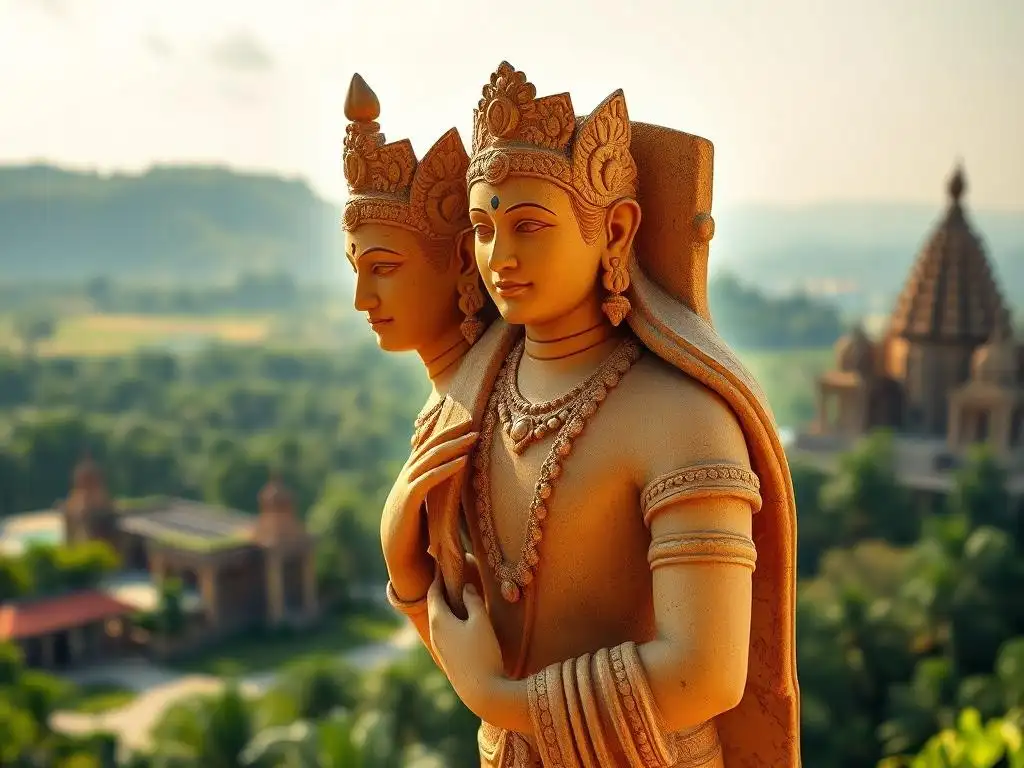
Welcome to Ancient India History, where we embark on a captivating journey through the vibrant tapestry of India's past! Here, you will uncover the fascinating influences of ancient Indian sculpture that have shaped not only our own culture but also those of neighboring civilizations. What secrets lie within the intricate carvings and bold forms that have transcended time? Join us as we delve deep into the artistic exchanges that bridged societies and inspired generations. Prepare to be intrigued and inspired as you explore the profound legacy of ancient Indian artistry!
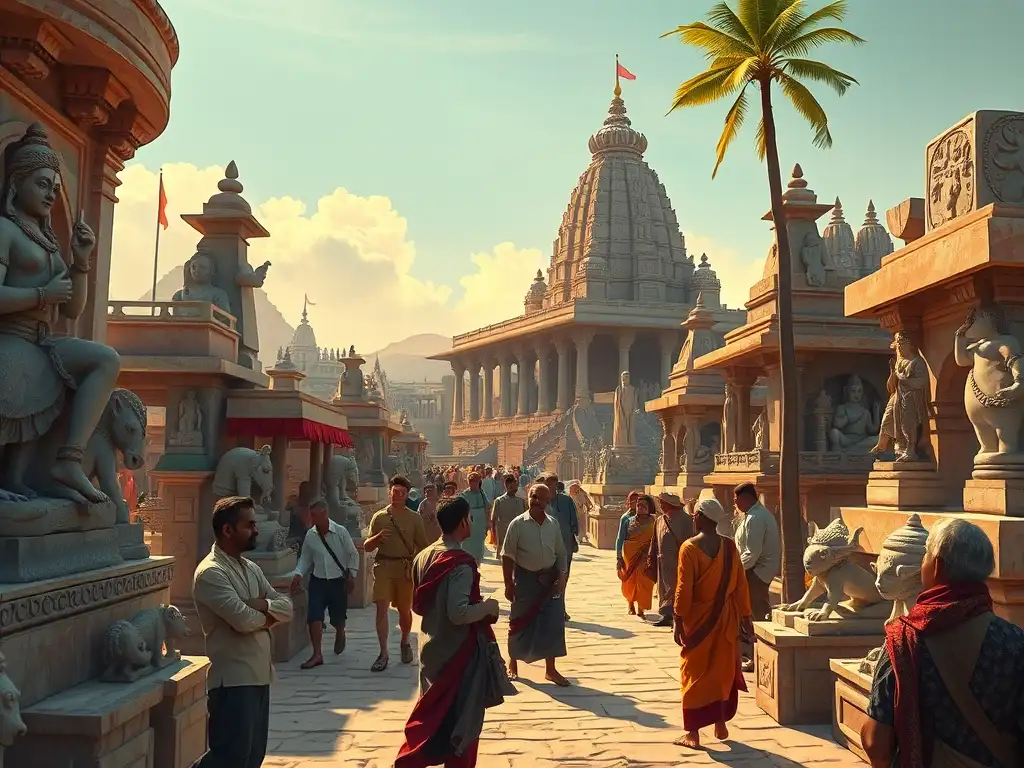
Introduction to Ancient Indian Sculpture Influences
The artistic exchange between cultures has played a pivotal role in shaping the rich tapestry of human civilization, and nowhere is this more evident than in the influences of ancient Indian sculpture on neighboring cultures. This article delves into the intricate web of interactions that facilitated the dissemination of artistic styles, techniques, and philosophies across borders, highlighting the profound impact of ancient Indian sculpture on regions such as Southeast Asia, Central Asia, and beyond.
From the intricate carvings of the Indus Valley to the monumental statues of the Gupta Empire, the legacy of Indian sculptors transcends geographical boundaries and resonates through time, offering a fascinating glimpse into the cultural dialogues that have enriched human expression.
Overview of Ancient Indian Sculpture
Ancient Indian sculpture is characterized by its stunning diversity and complexity, reflecting the varied religious, cultural, and social contexts of the time. The art form evolved over millennia, showcasing the skills of artisans who adeptly carved images from stone, metal, and other materials. Key themes often depicted include deities, mythological figures, animals, and social scenes, all imbued with symbolic meaning. The intricate details and fluid forms of these sculptures not only demonstrate artistic mastery but also serve as windows into the spiritual and social life of ancient India.
Importance of Sculpture in Indian Culture
Sculpture held a significant place in ancient Indian culture, serving not only as a decorative art form but also as a medium of religious expression and storytelling. Temples adorned with sculptures acted as sites of worship and pilgrimage, where devotees connected with the divine through visual representation. Additionally, sculptures played a crucial role in the documentation of historical events and the preservation of cultural narratives. The ability of these artworks to convey complex ideas and emotions underscores their importance in fostering a shared identity among communities.
Historical Context of Ancient Indian Sculpture
The Evolution of Indian Sculpture from the Indus Valley
The roots of Indian sculpture can be traced back to the Indus Valley Civilization (c. 2500–1900 BCE), where early forms of artistic expression emerged. Artifacts such as terracotta figurines and seals from this period reveal a keen attention to detail and an appreciation for form. As the civilization progressed, these early artistic traditions laid the groundwork for more elaborate sculptural forms that would flourish in subsequent eras.
Major Periods of Indian Sculpture Development
The development of ancient Indian sculpture can be divided into several key periods, each marked by distinct stylistic advancements and cultural influences:
- Indus Valley Civilization (c. 2500–1900 BCE)
- Early figurines and seals
- Focus on naturalism and daily life
- Maurya Period (c. 322–185 BCE)
- Introduction of stone sculptures
- Notable examples include the Ashoka Pillars
- Gandhara School (c. 1st century BCE–5th century CE)
- Fusion of Indian and Hellenistic styles
- Notable for its realistic depictions of the Buddha
- Gupta Period (c. 4th–6th centuries CE)
- Height of artistic achievement
- Emphasis on divine figures and intricate motifs
Key Characteristics of Ancient Indian Sculpture
Ancient Indian sculptures are distinguished by several defining characteristics that set them apart from their contemporaries around the world:
- Symbolism: Many sculptures are rich in symbolism, conveying spiritual messages and cultural narratives.
- Attention to Detail: Artists demonstrated remarkable skill in achieving intricate details, especially in facial expressions and drapery.
- Diversity of Styles: Regional variations reflect the local customs, religious practices, and cultural exchanges, resulting in a vibrant array of artistic expressions.
- Religious Themes: The majority of sculptures were created for religious purposes, depicting gods, goddesses, and mythical beings central to Hinduism, Buddhism, and Jainism.
In this exploration of ancient Indian sculpture influences, we will further unravel the connections that shaped the artistic landscape of neighboring civilizations, revealing a story of shared creativity and cultural enrichment that continues to inspire today.
Influences on Neighboring Cultures
The artistic exchange between ancient Indian sculpture and neighboring cultures significantly shaped the artistic landscape of various regions. This influence extended across geographical boundaries, affecting local artistic traditions through trade, migration, and cultural interactions. The intricate carvings, deity representations, and architectural styles from ancient India left an indelible mark on the aesthetics and spiritual expressions of neighboring civilizations, leading to a rich tapestry of shared cultural elements.
Overview of Neighboring Civilizations
Ancient India was surrounded by a myriad of cultures that interacted with it through various means. To the west, the Persian Empire offered a fusion of artistic traditions that blended with Indian motifs. In the north, the Central Asian nomadic tribes brought their unique styles, while the various kingdoms of Southeast Asia, such as the Khmer and Srivijaya, were heavily influenced by Indian art. These interactions fostered a mutual exchange of ideas, techniques, and materials that enriched the artistic heritage of all involved.
Trade Routes and Cultural Exchange
Trade routes such as the Silk Road and the maritime trade networks facilitated not just the exchange of goods but also of artistic practices and ideologies. The movement of merchants and travelers along these routes led to the dissemination of Indian sculptural styles and iconography. For instance, the spread of Buddhism and Hinduism into regions like Southeast Asia resulted in the establishment of numerous temples adorned with intricate Indian-style sculptures. These exchanges were pivotal in shaping the artistic identities of both India and its neighbors.
Specific Influences of Ancient Indian Sculpture
Ancient Indian sculpture's influence was not uniform; it manifested in various ways across different regions, adapting and evolving according to local tastes and traditions. The following sections explore how this artistic legacy permeated specific cultures, reflecting a blend of styles that still resonate today.
Influence on Southeast Asian Cultures
Southeast Asia saw a profound impact from ancient Indian sculpture, particularly through the spread of Hinduism and Buddhism. The Khmer Empire, for example, adopted Indian sculptural techniques to create grand temples such as Angkor Wat, which features intricate bas-reliefs depicting Hindu mythology. Similarly, the Borobudur temple in Indonesia showcases Buddhist motifs and narratives that echo Indian artistic principles. These influences are evident in the use of sandstone and volcanic rock to create elaborate sculptures that convey spiritual themes, demonstrating a synthesis of Indian aesthetics with local artistic traditions.
Influence on Central Asian Cultures
In Central Asia, the influence of ancient Indian sculpture can be traced through the art of the Gandhara region, where Greco-Buddhist styles emerged. This area became a melting pot of artistic ideas, with Indian sculptors adopting Hellenistic techniques to create sculptures of the Buddha that were characterized by realistic human forms and elaborate drapery. The integration of Indian iconography into the art of Central Asia illustrates a significant cultural exchange that transformed local artistic practices, leading to the creation of unique hybrids that are still studied and admired for their beauty and historical significance.
The legacy of ancient Indian sculpture in these regions not only highlights the artistic prowess of India but also underscores the interconnectedness of ancient civilizations through cultural and artistic dialogues.
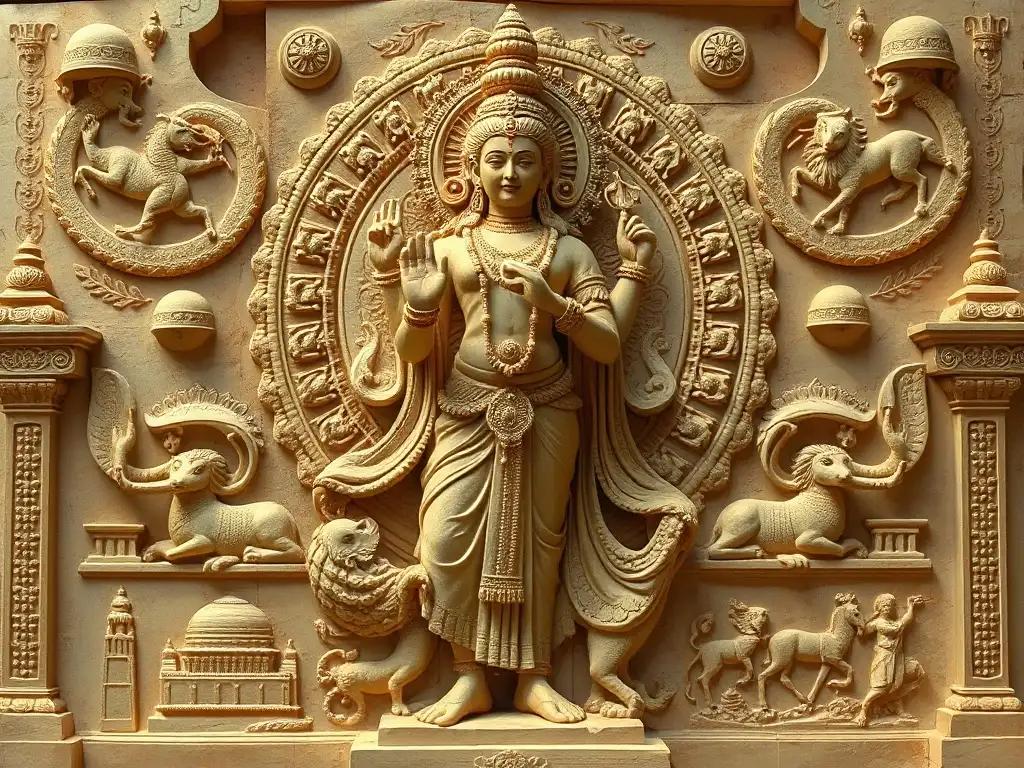
The artistic exchange between ancient Indian sculpture and neighboring cultures resulted in a rich tapestry of shared techniques and thematic elements. These shared characteristics can be traced back to the fundamental philosophies and religious practices prevalent in ancient India, which resonated with surrounding civilizations. The cross-pollination of ideas fostered a unique blend that not only reflected the aesthetics of the time but also conveyed deeper spiritual and cultural narratives.
Common Themes in Ancient Indian and Neighboring Sculptures
Several prevalent themes can be observed in both ancient Indian and neighboring sculptures. Among these, the representation of deities and mythological figures stands out prominently. For example, the depiction of the Hindu pantheon, including gods like Vishnu and Shiva, found parallels in the iconography of Southeast Asian cultures, which often embraced similar deities in their religious practices.
Another recurring theme is the portrayal of narratives from sacred texts. The Mahabharata and Ramayana, two of the most significant epics in Indian literature, heavily influenced the storytelling traditions in neighboring regions. This influence can be seen in the friezes and relief carvings that depict scenes from these epics, bridging cultural gaps and fostering a shared understanding of moral and ethical teachings.
Additionally, the emphasis on nature and the cosmos is a thematic element that extends across various cultures. The intricate carvings of flora and fauna, as well as celestial bodies, in both Indian and Southeast Asian sculptures, highlight a mutual appreciation for the natural world and its symbolism in spirituality.
Sculptural Techniques and Styles
The sculptural techniques and styles shared between ancient Indian and neighboring cultures reveal not just artistic skill but also a deep-rooted connection between these civilizations. One prominent technique utilized in both spheres is the high relief carving method, which creates a three-dimensional effect, allowing sculptures to appear lifelike. This technique was perfected in Indian temples and later integrated into the architectural styles of Southeast Asia, particularly in Khmer and Thai temples.
Another significant aspect is the use of soft stone and terracotta in sculpture-making. Indian artisans predominantly used sandstone and limestone, which were then adopted by artists in regions like Cambodia and Java. The adaptability of these materials allowed for intricate detailing, a hallmark of both Indian and Southeast Asian sculptures.
Moreover, the iconographic conventions established in Indian sculpture, such as the use of mudras (hand gestures) and the symbolic representation of various attributes held by deities, were echoed in the artistic expressions of neighboring cultures. This systematic approach to imagery facilitated a shared visual language that transcended geographical boundaries, promoting a greater understanding of spiritual and cultural concepts.
Case Studies of Artistic Exchange
The examination of specific case studies highlights the intricate web of artistic exchange that existed between ancient India and its neighboring cultures. These examples illustrate how Indian sculpture influenced regional artistic practices and vice versa.
The Borobudur Temple: A Blend of Influences
The Borobudur Temple, located in Indonesia, stands as a monumental testament to the artistic exchange between Indian and Southeast Asian cultures. Built in the 8th century, this magnificent structure reflects the influence of Indian Buddhist art while showcasing local architectural elements. The temple features over 2,600 relief panels and 504 Buddha statues, which narrate the life of Buddha and the principles of Buddhism.
The design of Borobudur is heavily influenced by the concept of the mandala, a spiritual and ritual symbol in Indian religions. The structure's tiered layout represents the journey toward enlightenment, mirroring similar themes found in Indian stupas. Moreover, the intricate carvings on the temple walls reveal stylistic elements reminiscent of Gupta-era sculptures, indicating a direct link to the artistic traditions of ancient India.
The Influence of Indian Sculpture on Thai Temples
The influence of ancient Indian sculpture on Thai temples is particularly evident in the architectural and artistic styles that emerged in Thailand during the reign of the Khmer Empire. The adoption of Hindu and Buddhist motifs in temple designs, such as the depiction of deities like Vishnu and Shiva, showcases the integration of Indian iconography into Thai culture.
Moreover, the use of sandstone for detailed carvings in temples like Phanom Rung and Angkor Wat demonstrates the shared sculptural techniques between Indian and Thai artisans. The stylistic elements, including the graceful poses and elaborate ornamentation, reflect the aesthetic values inherited from Indian sculpture while being adapted to local artistic expressions.
These case studies not only highlight the profound impact of ancient Indian sculpture on neighboring cultures but also underscore the importance of cultural exchanges in shaping the artistic narratives of the region.
Conclusion: The Lasting Legacy of Ancient Indian Sculpture
The influence of ancient Indian sculpture extends far beyond the geographic boundaries of India, resonating through centuries and shaping the artistic expressions of neighboring cultures. This legacy is evident in the intricate carvings and religious iconography that proliferated across regions such as Southeast Asia, Central Asia, and even parts of the Middle East. The unique styles, techniques, and themes that emerged from ancient Indian sculpture not only enriched the local art forms but also fostered a broader understanding and appreciation of diverse cultural narratives.
The dialogue between ancient Indian sculptors and their counterparts in neighboring civilizations highlights the significance of artistic exchange as a means of cultural connectivity. As these influences were absorbed and adapted, they contributed to a dynamic interplay of ideas and practices that culminated in a rich tapestry of artistic heritage. The lasting impact of this exchange is still visible today, as many modern artists draw inspiration from the timeless traditions established during these ancient interactions.
Summary of Influences on Neighboring Cultures
Ancient Indian sculpture has profoundly impacted various cultures, particularly in regions such as Southeast Asia, where the spread of Hinduism and Buddhism facilitated the exchange of artistic ideas. Notable influences include:
- Southeast Asia: The Khmer Empire in Cambodia, known for the majestic Angkor Wat, showcases numerous sculptural elements reflecting Indian iconography and motifs, particularly those associated with Hindu deities like Vishnu and Shiva.
- Central Asia: The Gandhara region, which thrived under the influence of both Greek and Indian aesthetics, produced a unique style of sculpture that combined Hellenistic techniques with Buddhist themes, exemplified by the iconic representations of Buddha.
- Tibet and Nepal: Artistic exchanges led to the integration of Indian stylistic elements in the creation of sculptures and religious artifacts, which played a significant role in the spread of Vajrayana Buddhism.
This summary illustrates the diverse ways in which ancient Indian sculpture has enriched the artistic landscapes of neighboring cultures.
The Importance of Cultural Exchange in Artistic Development
Cultural exchange has historically been a vital driver of artistic development, allowing for the fusion of styles, techniques, and themes across borders. In the context of ancient Indian sculpture, this exchange facilitated a dynamic evolution of artistic practices. Key points regarding its importance include:
- Innovation: Cross-cultural interactions led to the adoption and adaptation of new techniques, resulting in innovative sculptural forms that reflected a blend of traditions.
- Symbolism: The integration of various cultural symbols enriched the narrative quality of sculptures, making them more relatable and meaningful across different societies.
- Preservation of Knowledge: The exchange of artistic ideas helped preserve traditional techniques and styles, ensuring their transmission to future generations.
The significance of cultural exchange in shaping artistic development cannot be overstated, as it fosters creativity, collaboration, and continuity in the arts.
References for Further Reading on Ancient Indian Sculpture Influences
Suggested Books and Articles
-
"The Art of Ancient India: Buddhist, Hindu, Jain" by Susan L. Huntington
This comprehensive book explores the evolution of ancient Indian art, including sculpture, and its influence on neighboring regions.
-
"Indian Sculpture: A History" by R. M. Srinivasan
This work delves into the historical context of Indian sculpture, examining its development and impact on surrounding cultures.
-
"Sculpture of India" by B. S. K. Reddy
An insightful exploration of the various styles and influences of Indian sculpture throughout history.
Online Resources for Ancient Indian Art History
-
The British Museum's Collection Online
A resource featuring a wealth of information and images related to ancient Indian sculptures and their influences.
-
Asia Society's Art and Culture Resources
This site offers articles and educational materials on ancient Indian art, including scholarly insights into its cultural exchanges and impacts.
-
The Met's Heilbrunn Timeline of Art History
A valuable resource that provides context and narratives surrounding ancient Indian sculpture and its broader influences.
These references serve as starting points for anyone interested in delving deeper into the rich history and influences of ancient Indian sculpture.
- Introduction to Ancient Indian Sculpture Influences
- Historical Context of Ancient Indian Sculpture
- Influences on Neighboring Cultures
- Specific Influences of Ancient Indian Sculpture
- Artistic Techniques and Themes Shared
- Case Studies of Artistic Exchange
- Conclusion: The Lasting Legacy of Ancient Indian Sculpture
- References for Further Reading on Ancient Indian Sculpture Influences
- What are the main influences of ancient Indian sculpture on neighboring cultures?
- How did ancient Indian sculptors develop their techniques?
- What role did religion play in ancient Indian sculpture?
- How did trade routes contribute to the exchange of artistic influences?
- What are some notable examples of ancient Indian sculpture influences?
Frequently Asked Questions
What are the main influences of ancient Indian sculpture on neighboring cultures?
Ancient Indian sculpture has significantly influenced artistic styles in regions such as Southeast Asia, particularly in temple architecture and iconography. These influences are evident in the intricate designs and symbolism adopted by local artists.
How did ancient Indian sculptors develop their techniques?
Ancient Indian sculptors utilized a variety of materials such as stone, bronze, and terracotta, showcasing their expertise in craftsmanship. Techniques were often passed down through generations, allowing for both innovation and tradition to thrive.
What role did religion play in ancient Indian sculpture?
Religion was a crucial factor, as ancient Indian sculptures often depicted deities and mythological scenes tied to Hinduism, Buddhism, and Jainism. These works served not only as artistic expressions but also as spiritual representations.
How did trade routes contribute to the exchange of artistic influences?
Trade routes facilitated the movement of ideas and artistic styles between cultures. Through these connections, ancient Indian sculpture influenced the artistic expressions of places like Southeast Asia and even Central Asia, blending styles and techniques.
What are some notable examples of ancient Indian sculpture influences?
Notable examples include the Khmer temples in Cambodia, which exhibit Indian sculptural motifs and the Buddhist art in countries like Nepal and Thailand, reflecting India's rich artistic heritage and its impact on regional art forms.
Final Reflection: The Enduring Legacy of Ancient Indian Sculpture Influences
The artistic exchange between cultures is a testament to the interconnectedness of human expression, and the influences of ancient Indian sculpture are a prime example of this phenomenon. As we navigate a world increasingly defined by cultural blending and artistic dialogue, it becomes evident that the legacy of ancient Indian sculpture continues to resonate in contemporary art forms, inspiring a renewed appreciation for the beauty and depth of cross-cultural influences.
The impact of ancient Indian sculpture on neighboring cultures is not merely a historical footnote; it is a living narrative that shapes our cultural landscape today. From the intricate carvings of Southeast Asia to the spiritual motifs found in various artistic traditions, the echoes of this ancient art form remind us of our shared heritage. As the renowned art historian Ananda K. Coomaraswamy once said, The artist is not a special kind of man, but every man is a special kind of artist.
This sentiment underscores the universal nature of artistic expression, inviting us to recognize the threads that connect us across time and space.
As we reflect on the profound influences of ancient Indian sculpture, I invite you to consider how these artistic legacies can inspire your own creative journey. Embrace the beauty of cultural exchange in your life—whether through art, music, or personal interactions—and let it enrich your understanding of the world. By honoring the past and acknowledging the influences that shape our present, we can cultivate a future where creativity knows no boundaries and every artistic endeavor becomes a bridge to deeper connections.
Unveil the Creative Connections Beyond Borders!
Thank you for diving into the rich tapestry of ancient Indian sculpture and its influences on neighboring cultures! You've just explored how art transcends time and geography, shaping diverse communities. Now, let’s keep that inspiration flowing with some actionable steps you can take right away.
- Visit a Local Museum or Gallery: Discover how ancient Indian influences are represented in your area. Take a closer look at sculptures and artifacts that resonate with this theme.
- Share Your Insights: Discuss what you’ve learned with friends or on social media— you never know who might be inspired to learn more!
- Join a Discussion Forum: Engage with others who share your interest in ancient art and culture. Broaden your perspective by exchanging ideas and interpretations.
- Attend Workshops or Lectures: Look for events that focus on the history and significance of ancient art. These opportunities can deepen your understanding and appreciation.
How do you think the exchange of artistic ideas impacts our understanding of culture today? Let's get the conversation started!