
The Art and Science of Metallurgy in Ancient Indian Temples

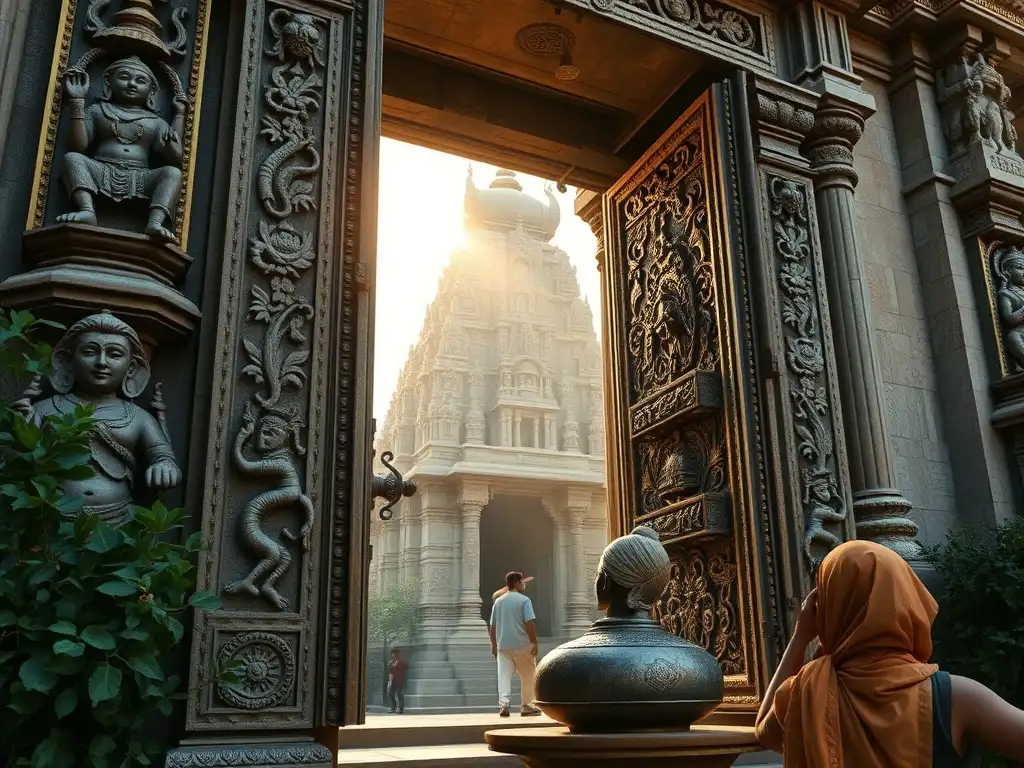
Welcome to Ancient India History, where we embark on a captivating journey through the rich and diverse tapestry of ancient Indian civilizations. Today, we delve into the fascinating world of metallurgy, exploring how the ingenious techniques of Ancient Indian artisans not only shaped the stunning temples of their time but also laid the groundwork for innovations that would echo through the ages. Ever wondered how these ancient techniques influenced modern metallurgy?
Join us as we uncover the art and science of metallurgy in ancient Indian temples and reveal the secrets behind their enduring legacy. The journey begins here—let's explore together!
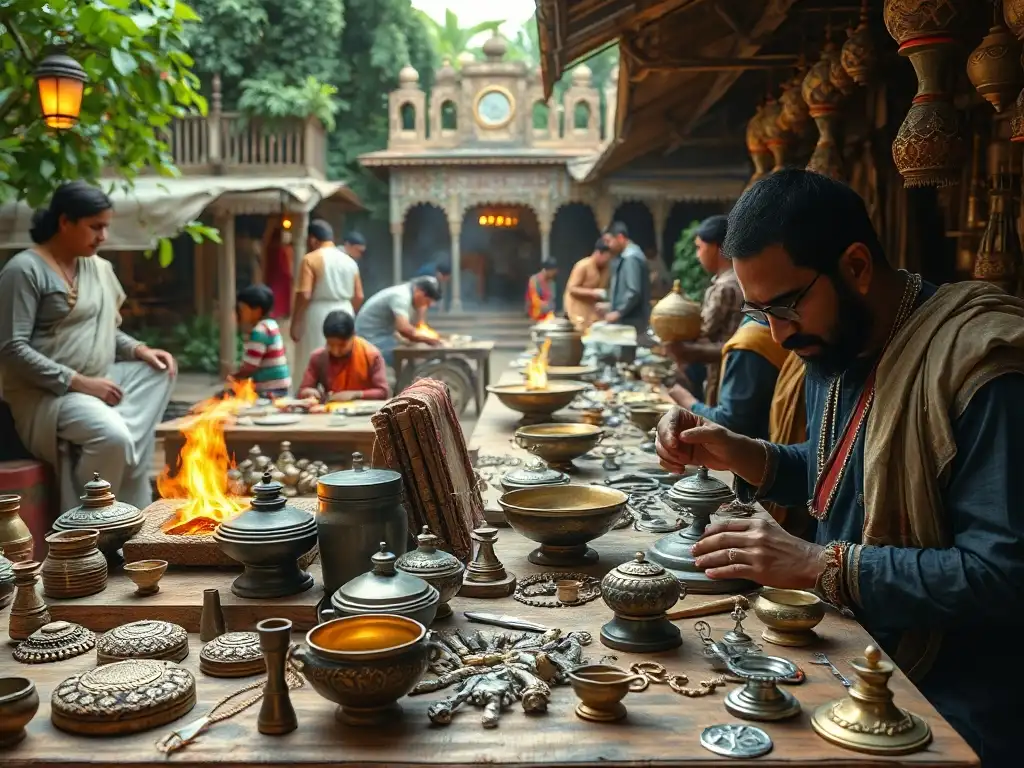
Metallurgy, a cornerstone of technological advancement, played a pivotal role in shaping the cultural and architectural landscape of ancient India. The mastery of metalworking techniques not only facilitated the creation of intricate artifacts and monumental structures but also reflected the sophisticated understanding of materials possessed by ancient Indian civilizations.
This article delves into the fascinating world of ancient Indian metallurgy techniques, exploring their significance and the remarkable contributions made by various civilizations throughout the subcontinent. From the majestic temples adorned with metallic embellishments to the scientific principles underlying these techniques, we will uncover the artistry and ingenuity that defined metallurgy in ancient India.
Introduction to Ancient Indian Metallurgy Techniques
Overview of Ancient Indian Metallurgy
Ancient Indian metallurgy emerged as a significant field of study around the third millennium BCE, coinciding with the rise of the Indus Valley Civilization. This period marked the beginning of sophisticated metalworking practices, where artisans skillfully crafted tools, weapons, and decorative items from metals such as copper, bronze, and iron. The techniques employed ranged from simple casting and hammering to advanced methods such as alloying and welding.
Some of the notable ancient Indian metallurgy techniques include:
- Lost-wax casting: A method used for creating intricate sculptures and jewelry.
- Forging: The shaping of metal through hammering, which was essential for tool and weapon production.
- Alloying: The practice of combining different metals to enhance properties, such as the creation of high-quality bronze.
Importance of Metallurgy in Ancient Indian Culture
Metallurgy was not merely a technical pursuit; it was deeply woven into the cultural fabric of ancient Indian society. The ability to work with metals allowed for the creation of religious icons, ceremonial objects, and architectural elements that adorned temples and public spaces. These artifacts often carried symbolic meanings and were integral to rituals and worship practices.
Moreover, the advancements in metallurgy contributed to trade and economic prosperity. The production of high-quality metal goods attracted merchants from distant lands, facilitating cultural exchanges and the spread of technological knowledge.
Historical Context of Metallurgy in Ancient India
The Timeline of Metallurgical Developments
The history of metallurgy in ancient India can be divided into several key periods:
- Indus Valley Civilization (c. 3300–1300 BCE): Characterized by early metalworking, particularly in copper and bronze.
- Vedic Period (c. 1500–500 BCE): Advances in iron metallurgy and the use of iron tools and weapons became prevalent.
- Maurya and Gupta Empires (c. 322 BCE–550 CE): Flourishing of metallurgy with remarkable achievements in casting, alloying, and the creation of monumental structures.
Key Civilizations Contributing to Metallurgy
Various civilizations in ancient India made significant contributions to metallurgy:
- Indus Valley Civilization: Renowned for its early use of copper and bronze, facilitating the creation of tools and decorative items.
- Mauryan Empire: Saw advancements in iron metallurgy, producing high-quality iron tools and weapons.
- Gupta Empire: Known for exceptional craftsmanship in metalwork, leading to sophisticated temple architecture and artistry.
Through these civilizations, ancient Indian metallurgy techniques evolved, leaving a lasting legacy that continues to inspire modern metallurgical practices.
Techniques and Materials Used in Ancient Indian Metallurgy
Overview of Metallurgical Techniques
Ancient Indian metallurgy was characterized by a sophisticated understanding of various techniques that facilitated the extraction and processing of metals. Techniques such as smelting, casting, forging, and alloying were prevalent, allowing artisans to create both functional and decorative items.
- Smelting involved heating ores to extract metals, a process that required precise temperature control and knowledge of reducing agents.
- Casting, where molten metal was poured into molds, enabled the production of intricate shapes, including statues and temple fixtures.
- Forging was employed to shape metal through hammering, providing strength and durability to tools and weapons.
- Alloying combined different metals, such as copper and tin, to enhance properties like strength and corrosion resistance.
These techniques were passed down through generations, showcasing the advanced metallurgical knowledge that existed long before the modern era.
Common Materials and Their Uses
In ancient Indian metallurgy, several materials played crucial roles, each selected for specific properties and applications:
- Copper: One of the earliest metals used, copper was favored for its malleability and ease of extraction. It was primarily used for tools, utensils, and decorative items.
- Bronze: An alloy of copper and tin, bronze was more durable than copper alone. It was extensively used in sculptures and temple ornaments.
- Iron: With the advent of iron metallurgy, iron tools and weapons became prevalent. The Wootz steel developed in southern India was renowned for its quality and was exported globally.
- Gold and Silver: Precious metals were used for decorative purposes in temples, emphasizing the divine and aesthetic aspects of worship. Gold plating was common on idols and temple architecture.
Each material contributed not only to the functionality of temple artifacts but also to their aesthetic appeal, reflecting the cultural values of ancient Indian society.
Architectural Significance of Metallurgy in Temples
The Role of Metal in Temple Construction
Metallurgy played a pivotal role in the construction and ornamentation of ancient Indian temples. Metals were used in various aspects of temple architecture, enhancing both structural integrity and decorative elements. Key roles included:
- Structural Supports: Metal components such as iron clamps and brackets provided essential support for large stone blocks, allowing for the construction of grand and enduring structures.
- Decorative Elements: Metalwork was integral to the decorative motifs adorning temple walls and pillars. Intricately designed bronze sculptures and copper-plated doors contributed to the visual grandeur of temples.
- Idols and Ritual Objects: Temples housed idols made from metals like bronze and gold, which were integral to worship practices. The craftsmanship of these idols demonstrated advanced techniques and artistic expression.
Overall, the integration of metallurgical innovations into temple architecture not only enhanced the durability and beauty of these sacred spaces but also underscored the technological prowess of ancient Indian civilizations.
Case Studies of Notable Temples
Several ancient Indian temples exemplify the advanced metallurgy techniques and materials of their time. Two notable examples include:
- The Brihadeeswarar Temple in Thanjavur: Built during the Chola dynasty, this temple features a massive granite structure held together by iron dowels and clamps. The temple's towering vimana (tower) showcases the precision of ancient Indian engineering, with metal reinforcing elements that have stood the test of time.
- The Sun Temple in Konark: Renowned for its intricate stone carvings and metal accents, this temple is a masterpiece of Kalinga architecture. The use of bronze and iron in its construction allowed for delicate detailing and robust structures, reflecting the artistic and technical capabilities of the era.
These case studies highlight how ancient Indian metallurgy not only served practical purposes but also contributed to the cultural and spiritual significance of temple architecture.
Cultural and Religious Implications of Metallurgy
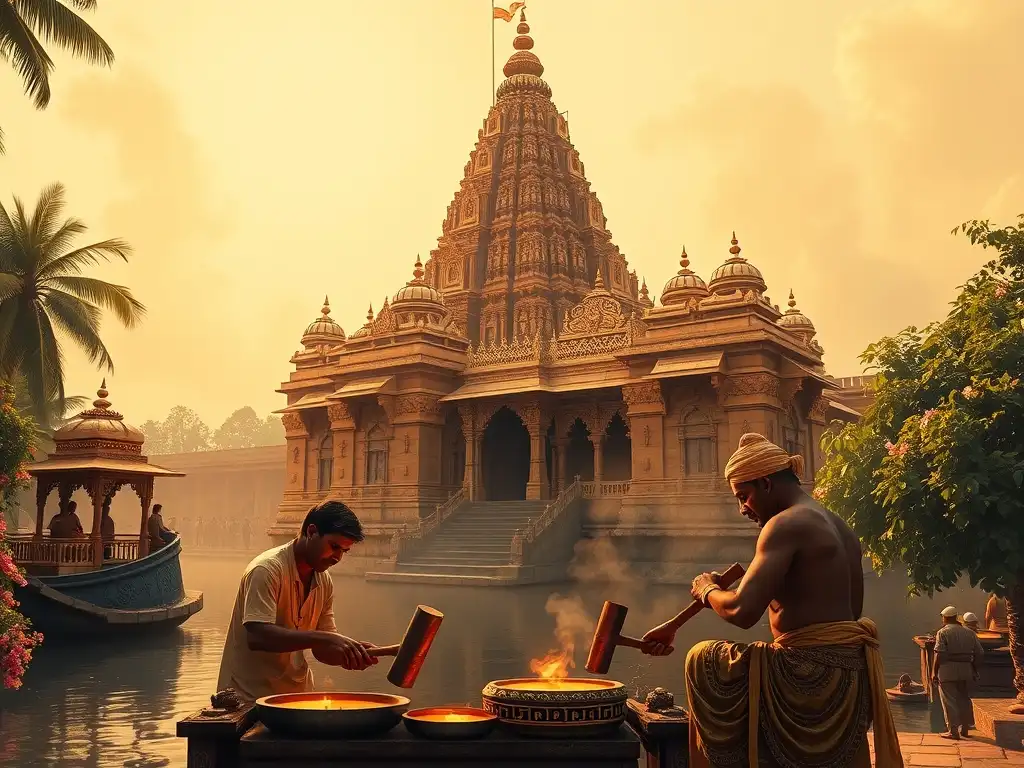
Metallurgy in ancient India was deeply intertwined with cultural and religious practices. The techniques used in metallurgy were not solely for utilitarian purposes; they also held significant symbolic meanings that were reflected in the art and architecture of the time. Temples, in particular, stand as a testament to the advanced metallurgical skills of ancient artisans. The metals used, such as gold, silver, copper, and iron, were often associated with various deities and celestial bodies, enhancing both the aesthetic and spiritual value of sacred spaces.
The act of crafting metal was often viewed as a divine endeavor. Artisans, or shilpins, believed that their skills were gifts from the gods, and this belief infused their work with a sense of purpose and reverence. The intricate metalwork found in temple sculptures, doors, and fixtures was not only meant to beautify these spaces but also to offer protection and blessings to the worshippers. Thus, metallurgy became a means of connecting the earthly realm with the divine, highlighting the importance of these practices in religious rituals and community life.
Symbolism of Metal in Ancient Indian Beliefs
In ancient Indian culture, metals were imbued with profound symbolic meanings that reflected their physical properties and cultural significance. Gold, for instance, was often associated with purity, wealth, and immortality, making it a preferred material for religious artifacts and offerings. Similarly, silver symbolized prosperity and was frequently used in rituals to invoke blessings for abundance and health.
Iron, on the other hand, represented strength and resilience. It was commonly used in the construction of weapons, tools, and structures, symbolizing the might and defense of the community. The reverence for metals extended to their role in astrology and alchemy, where various metals were linked to celestial bodies and believed to influence the cosmos and human destiny. This multifaceted symbolism illustrates how metallurgy transcended mere functionality, becoming a crucial aspect of spiritual and cultural identity in ancient India.
The Influence of Metallurgical Practices on Art and Craftsmanship
The advanced metallurgy techniques of ancient India greatly influenced the realms of art and craftsmanship. The precision in metal casting, forging, and alloying led to the creation of intricate sculptures, ornamental jewelry, and ritualistic objects that showcased both aesthetic appeal and technical prowess. For instance, the famous Vishnu sculpture from the Gupta period exemplifies the sophistication of lost-wax casting techniques, allowing artisans to achieve fine details that captured the divine essence of the figures.
Moreover, metallurgical practices facilitated the development of various artistic styles, such as the bronze sculptures of South India, which were characterized by their dynamic poses and expressive features. The ability to manipulate metals not only enhanced the visual artistry but also allowed for innovations in functionality, such as the construction of temple bells and ritual vessels, which played vital roles in religious ceremonies. This synergy between metallurgy and craftsmanship led to a flourishing of artistic expression that left a lasting legacy in Indian culture.
Legacy of Ancient Indian Metallurgy Techniques
The legacy of ancient Indian metallurgy techniques continues to resonate in various fields, impacting both historical studies and contemporary practices. The rich tradition of metalworking in India has been documented through archaeological findings, ancient texts, and the craftsmanship of artisans, preserving the knowledge and skills that were developed over millennia. These techniques are not merely relics of the past; they offer insights into the technological advancements and cultural values of ancient Indian society.
Impact on Modern Metallurgy Practices
Ancient Indian metallurgy has left an indelible mark on modern practices, particularly in the fields of material science and engineering. Techniques such as the production of high-quality steel, exemplified by the world-renowned Wootz steel, have influenced contemporary metallurgical processes. The understanding of alloying, casting, and purification methods developed in ancient India has laid the groundwork for modern metallurgical innovations.
Additionally, the principles of sustainability and resource management evident in ancient practices are increasingly relevant today. The use of locally sourced materials and traditional methods reflects a holistic approach to metallurgy that prioritizes environmental balance. As modern industries seek to mitigate their ecological footprints, the lessons learned from ancient Indian metallurgy offer valuable strategies for sustainable development.
Preservation of Ancient Techniques in Contemporary India
In contemporary India, there is a growing movement to preserve and revitalize ancient metallurgy techniques. Artisans and craftsmen are increasingly recognized for their skills, and efforts are being made to document and teach these traditional practices. Organizations and workshops dedicated to metalworking are emerging, fostering a renewed interest in ancient methods and their application in modern contexts.
Moreover, the integration of ancient techniques into contemporary art forms has led to innovative creations that honor traditional craftsmanship while appealing to modern aesthetics. By bridging the gap between past and present, these efforts not only safeguard the heritage of ancient Indian metallurgy but also ensure that its rich legacy continues to inspire future generations. This revival serves as a testament to the enduring significance of metallurgy in India's cultural narrative.
Conclusion
The exploration of ancient Indian metallurgy techniques reveals an extraordinary level of craftsmanship and scientific knowledge that has profoundly influenced both the cultural heritage and technological advancements of the region. Ancient Indian artisans skillfully manipulated metals, creating not just functional tools and weapons but also intricate sculptures and temple adornments that showcased their artistic prowess. This symbiosis of art and science is evident in various metallurgical practices, ranging from the extraction and purification of metals to the sophisticated alloying processes that enhanced their properties.
The temples of ancient India serve as a testament to this rich legacy, where metallurgy was not merely a means of production but an integral part of religious and cultural expression. From the remarkable copper statues of the Gupta period to the iron pillars that defy corrosion, these artifacts stand as enduring symbols of the innovation and expertise of ancient metallurgists. The methodologies and techniques developed during this time laid the groundwork for future advancements in metallurgy, both in India and around the world.
Summary of Key Points on Ancient Indian Metallurgy Techniques
- Innovative Techniques: Ancient Indians employed advanced techniques such as the use of high-temperature furnaces and crucibles, enabling the production of high-quality metals and alloys, notably wrought iron and bronze.
- Alloying Knowledge: Metallurgists were adept at creating various alloys by combining metals like copper, tin, and zinc, resulting in materials that were not only durable but also aesthetically pleasing.
- Cultural Significance: Metallurgy was deeply intertwined with religious practices, as seen in temple artifacts and idols, which were crafted to embody spiritual significance and artistic beauty.
- Corrosion Resistance: The famous Iron Pillar of Delhi exemplifies the ancient Indian understanding of metallurgy, showcasing extraordinary resistance to corrosion due to its unique composition and treatment.
- Legacy and Influence: The metallurgical advancements of ancient India laid the foundation for future innovations in the field, influencing both local practices and global metallurgy.
The Enduring Influence of Ancient Metallurgy in Modern Times
The influence of ancient Indian metallurgy extends far beyond its historical context, resonating in modern material sciences and engineering practices. The techniques and materials developed thousands of years ago continue to inspire contemporary metallurgists, particularly in the fields of corrosion resistance and alloy development. For instance, the principles behind the corrosion-resistant properties of ancient iron can be observed in the ongoing research in creating durable materials for construction and manufacturing today.
Furthermore, the aesthetic qualities of ancient metalwork have sparked renewed interest in traditional craftsmanship, leading to a revival of interest in artisanal metalworking practices in various regions of India. This blend of ancient techniques with modern technology has fostered a unique niche in contemporary art and industry, ensuring that the legacy of ancient Indian metallurgy remains vibrant and relevant.
As we continue to explore the depths of ancient Indian metallurgical practices, it becomes clear that this rich heritage not only reflects the ingenuity of past civilizations but also serves as a source of inspiration for future innovations in materials science and engineering. The art and science of metallurgy in ancient India exemplify a remarkable journey of human creativity and knowledge that endures in various forms to this day.
- Introduction to Ancient Indian Metallurgy Techniques
- Historical Context of Metallurgy in Ancient India
- Techniques and Materials Used in Ancient Indian Metallurgy
- Architectural Significance of Metallurgy in Temples
- Cultural and Religious Implications of Metallurgy
- Legacy of Ancient Indian Metallurgy Techniques
- Conclusion
- What were some key metallurgy techniques used in ancient India?
- How did ancient Indian metallurgy influence architecture?
- What role did metallurgy play in trade during ancient India?
- Were there any notable metallurgical discoveries in ancient India?
- How did religious practices influence metallurgy in ancient Indian temples?
Frequently Asked Questions
What were some key metallurgy techniques used in ancient India?
Ancient Indian metallurgy involved smelting, alloying, and casting techniques that were advanced for their time, particularly in producing metals like iron and gold.
How did ancient Indian metallurgy influence architecture?
The metallurgy techniques allowed for the creation of intricate metal sculptures and temple ornaments, which enhanced the aesthetic and structural integrity of ancient Indian temples.
What role did metallurgy play in trade during ancient India?
The production of high-quality metals and alloys made ancient India a significant player in international trade, exporting metallurgical goods to various regions.
Were there any notable metallurgical discoveries in ancient India?
Yes, ancient Indian metallurgists were known for their innovations, such as the Wootz steel production, which was highly sought after for its durability and strength.
How did religious practices influence metallurgy in ancient Indian temples?
Many temples incorporated metallurgy in their rituals, using metals for idols, ritual instruments, and temple architecture, reflecting the deep connection between faith and artistic expression.
Final Reflection: The Enduring Legacy of Ancient Indian Metallurgy
The intricate techniques of ancient Indian metallurgy not only showcase the remarkable craftsmanship of the past but also resonate with contemporary innovations in materials science. As we delve into the rich history of metallurgy in ancient Indian temples, we uncover a profound connection between artistry and scientific inquiry that continues to inspire modern practices in engineering and design. The legacy of these techniques serves as a testament to human ingenuity and the timeless quest for mastery over materials.
The influence of ancient Indian metallurgy extends beyond mere historical significance; it shapes our cultural identity and informs our understanding of technological advancement. The intricate sculptures and architectural marvels found in temples are not just aesthetic achievements; they embody the fusion of art and science that has impacted generations. As noted by historian R. Nagaswamy, The brilliance of ancient Indian metallurgical techniques is a reflection of the civilization's deep understanding of nature and its materials.
This observation underscores the importance of recognizing and preserving these techniques as they continue to inform modern practices and inspire future innovations.
As we reflect on the lessons of ancient Indian metallurgy, let us embrace the spirit of curiosity and creativity that fueled these remarkable achievements. I invite you to explore the connections between the past and present in your own life, seeking inspiration from the artistry and scientific rigor of those who came before us. By appreciating the depth of our cultural heritage, we can cultivate a greater understanding of our own potential to innovate and create in the world today.
Unveil the Secrets of Ancient Metallurgy!
Thank you for taking the time to explore the fascinating world of metallurgy in ancient Indian temples. You’ve gained insights into the remarkable techniques and artistry that defined this era. Now, let’s take the next steps to deepen your understanding and appreciation!
- Dive Deeper: Research a specific temple renowned for its metallurgical innovations, such as the iconic Iron Pillar of Delhi, and uncover its history and significance.
- Share Your Knowledge: Engage with friends and family by sharing your findings. Initiate conversations about ancient technologies that continue to inspire modern advancements!
- Join a Community: Connect with fellow enthusiasts by participating in online forums or social media groups dedicated to ancient history and metallurgy.
What surprising discoveries about ancient metallurgy do you think will influence future technologies? Let’s discuss!