
The Art of Negotiation: Ancient Indian Traders and Their Strategies


Welcome to Ancient India History, where we embark on a captivating journey through the rich tapestry of India's past. From the sophisticated urban planning of the Indus Valley to the intellectual achievements of the Gupta Empire, ancient Indian civilizations have left an indelible mark on the world. In our featured article, "The Art of Negotiation: Ancient Indian Traders and Their Strategies," we delve into the intricate trade strategies that defined economic exchanges in this vibrant era.
What secrets did these traders hold, and how did their methods influence the flow of goods and ideas? Join us as we unlock the fascinating world of ancient Indian commerce and reveal the timeless lessons that resonate even today.
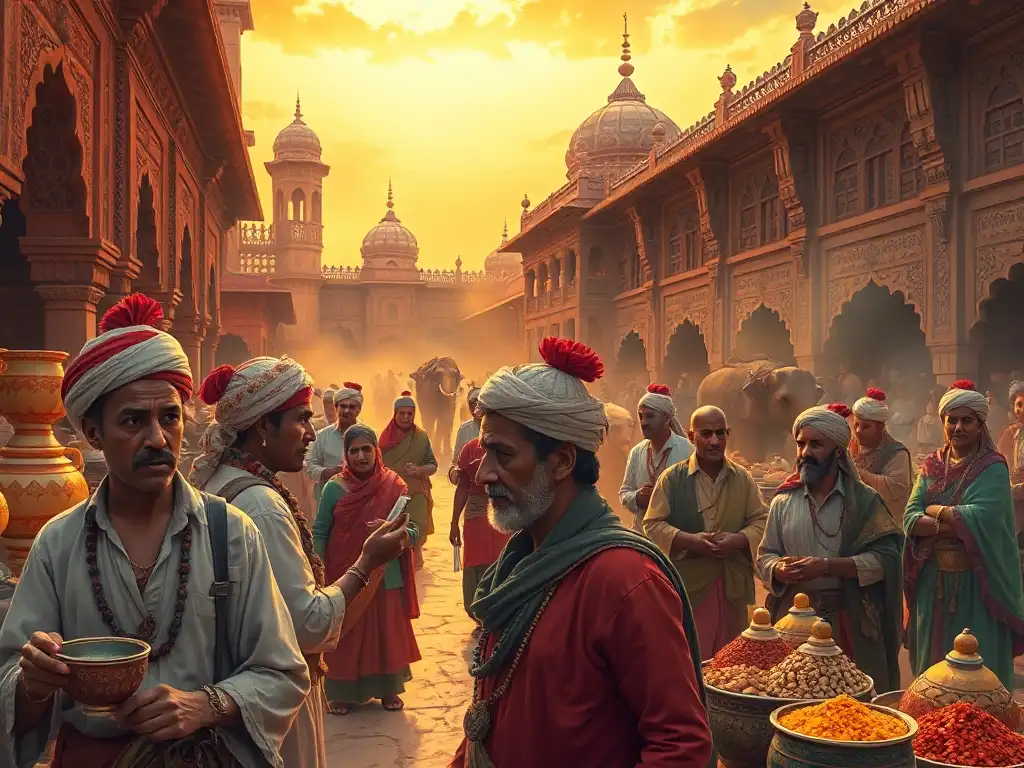
Introduction to Ancient Indian Trade Strategies
The history of ancient Indian trade strategies reveals a complex tapestry of commerce that not only facilitated economic growth but also fostered cultural exchange across vast regions. From the bustling marketplaces of the Indus Valley Civilization to the flourishing trade networks of the Gupta Empire, ancient Indian traders employed a variety of sophisticated negotiation techniques that propelled their success in an increasingly interconnected world.
This article delves into the intricacies of negotiation tactics utilized by these traders, exploring how their strategies shaped the economic landscape of ancient India and influenced trade practices beyond its borders. By examining the art of negotiation, we gain valuable insights into the broader implications of trade in ancient civilizations and its enduring legacy.
Overview of Trade in Ancient India
Trade in ancient India was characterized by an extensive network of routes and a diverse array of goods. Key elements include:
- Goods Traded:
- Spices
- Textiles
- Gems and precious metals
- Agricultural products
- Trade Partners:
- Neighboring regions such as Persia, Central Asia, and Southeast Asia
- Maritime trade with distant lands, including the Roman Empire
The Indus Valley Civilization (c. 3300–1300 BCE) is often credited with establishing early trade practices, utilizing sophisticated urban planning and standardized weights for commerce. As trade evolved, so did the need for effective negotiation skills, which became essential for securing favorable terms and building lasting relationships.
Importance of Negotiation in Commerce
Negotiation played a pivotal role in ancient Indian trade, serving as both an art and a science. Key aspects include:
- Conflict Resolution: Traders often encountered disputes over pricing, quality, and delivery. Effective negotiation strategies helped resolve these conflicts amicably.
- Building Trust: Successful negotiations fostered trust between traders, encouraging long-term partnerships that were vital for sustained commerce.
- Cultural Exchange: Through negotiation, traders not only exchanged goods but also ideas, traditions, and customs, enriching the cultural fabric of society.
The ability to negotiate effectively was thus not just a transactional skill but a fundamental component of ancient Indian commerce.
Historical Context of Trade in Ancient India
Understanding the historical context of trade in ancient India is crucial to comprehending the strategies employed by traders. The evolution of trade practices was influenced by geographical, political, and cultural factors.
Major Trade Routes in Ancient India
Several major trade routes connected ancient India to the rest of the world, facilitating the exchange of goods and ideas:
- Silk Road: Connecting India to Central Asia and beyond, this route was vital for the trade of silk, spices, and other luxury items.
- Maritime Routes: Sea routes linked India with the Arabian Peninsula, Southeast Asia, and Africa, allowing for the transport of goods like spices and textiles via ports such as Lothal and Calicut.
These routes not only enabled trade but also served as conduits for cultural interaction, further enhancing the importance of negotiation in commerce.
Key Players in Ancient Indian Trade
The landscape of ancient Indian trade was populated by various key players:
- Traders and Merchants: Skilled negotiators who navigated the complexities of trade, often belonging to guilds that provided support and resources.
- Royal Patrons: Kings and emperors who facilitated trade through protection, infrastructure development, and favorable policies.
- Artisans: Craftspersons who produced goods for trade, relying on merchants to negotiate favorable terms for their creations.
Each of these players contributed to the richness of ancient Indian trade, with negotiation serving as a vital link between them. Understanding these dynamics provides a deeper appreciation of the sophisticated trade strategies that emerged in ancient India.
Ancient Indian Trade Strategies
Ancient Indian trade strategies were multifaceted, involving a combination of negotiation techniques, relationship-building, and cultural influences. Traders navigated complex networks that spanned vast distances, connecting regions within India and extending to foreign lands. The effectiveness of their strategies was crucial for successful transactions, as the value of goods could fluctuate based on demand, availability, and the socio-political landscape. Ancient Indian traders were known for their keen understanding of market dynamics, which allowed them to leverage opportunities and mitigate risks in their trading endeavors.
Traders utilized both tangible and intangible assets to enhance their bargaining power; this included not only the quality and rarity of their goods but also their reputation and connections. The strategies employed were often region-specific and evolved over time, reflecting the changing needs and preferences of both buyers and sellers.
Bartering Techniques Used by Indian Traders
Bartering was a fundamental aspect of trade in ancient India, functioning as the primary means of exchange before the advent of currency. Indian traders developed sophisticated bartering techniques to facilitate transactions. They often engaged in direct trade, where goods were exchanged without the use of monetary value. This method relied heavily on the perceived value of items being traded, necessitating skillful negotiation to reach mutually beneficial agreements.
Traders employed comparative valuation, where they assessed the worth of their goods against those offered by the other party. They also utilized multi-item trades, combining several goods to balance perceived values. This approach was particularly effective in cases where one trader possessed high-demand goods that could be exchanged for a variety of items, enhancing the overall value of the deal.
Additionally, seasonal trading was common, where traders capitalized on seasonal surpluses or shortages. For instance, during harvest seasons, traders would barter agricultural products for textiles or metalwork, reflecting a dynamic and responsive trading environment.
The Role of Trust and Relationships in Negotiation
Trust and relationships were pivotal components of ancient Indian trade practices. The establishment of long-term relationships with trading partners fostered reliability and loyalty, which were critical in negotiations. Traders often built networks based on kinship, community ties, and shared interests, creating an environment conducive to honest dealings.
The concept of "Dharma", or moral duty, played a significant role in trade interactions. Traders adhered to ethical standards, as their reputation was paramount in maintaining successful relationships. A trader known for fair dealings would attract more partners, significantly impacting their negotiation leverage.
Moreover, reciprocity strengthened these relationships. Traders often engaged in gift-giving or reciprocal exchanges, which served to solidify bonds and create a sense of obligation. This practice ensured that negotiations were not solely transactional but were embedded in a broader social context.
Cultural Influences on Trade Practices
Cultural influences significantly shaped ancient Indian trade practices. The diverse tapestry of languages, religions, and customs across regions contributed to varied negotiation styles. For instance, traders from different cultural backgrounds brought unique perspectives on communication, which affected how they approached negotiations.
Religious beliefs also played a role in shaping trade ethics. Many traders adhered to principles outlined in texts like the Arthashastra, which emphasized the importance of fairness, honesty, and strategic thinking in business dealings. This philosophical framework encouraged traders to engage in practices that built mutual respect and understanding.
Additionally, festivals and cultural gatherings often served as informal marketplaces, where traders could negotiate deals in a more relaxed environment. These events allowed for the blending of cultures and customs, fostering innovation in trade practices and strategies.
Strategies Employed by Ancient Indian Traders
Ancient Indian traders were adept at employing various strategies to ensure successful outcomes in their negotiations. These strategies were often tailored to specific contexts, enabling traders to maximize their advantages in a competitive marketplace.
Use of Persuasion and Rhetoric in Negotiation
Persuasion and rhetoric were essential tools in the arsenal of ancient Indian traders. They were skilled in the art of communication, using persuasive language to highlight the benefits of their goods and the terms of trade. Effective rhetoric involved not only articulating the quality and uniqueness of products but also addressing potential concerns of the trading partner.
Traders often employed storytelling techniques to create a narrative around their goods, enhancing their appeal. For instance, a trader might recount the journey of a particular spice from its origin, emphasizing its rarity and the labor involved in its cultivation. This technique not only captivated the buyer's interest but also justified a higher price point.
Furthermore, traders mastered the art of active listening, allowing them to gauge the needs and preferences of their partners. By understanding the buyer's motivations, traders could tailor their pitches to align with the buyer's interests, significantly increasing the chances of closing a deal.
Time Management and Timing in Trade Deals
Time management played a crucial role in ancient Indian trade strategies. Traders understood that the timing of negotiations could influence outcomes significantly. They were attuned to market cycles, seasonal variations, and even geopolitical events that could affect supply and demand.
Strategically, traders would often choose to negotiate during periods of high demand or when competitors were scarce. This approach allowed them to command better prices and terms. Additionally, they recognized the importance of patience in negotiations, waiting for the right moment to introduce offers or counter-offers.
Effective traders also managed their time efficiently, ensuring that they did not overextend themselves by engaging in too many simultaneous negotiations. This focus allowed for more meaningful discussions and ultimately better deals.
Adaptability to Market Conditions
Adaptability was a hallmark of ancient Indian traders. They were constantly monitoring market conditions and adjusting their strategies in response to changes. This flexibility included diversifying their goods to meet fluctuating demands and embracing innovative trading practices.
For instance, during times of scarcity, traders would pivot to alternative goods that were still in demand, ensuring continued profitability. They often engaged in collaborative trading, where they allied with other traders to pool resources and knowledge, thereby enhancing their competitive edge.
Moreover, adaptability extended to negotiation tactics. Traders were prepared to switch their approach based on the behavior and responses of their counterparts, demonstrating a keen awareness of interpersonal dynamics. This ability to read the room and adjust strategies was crucial for fostering successful trade relationships in an ever-evolving market landscape.
Case Studies of Successful Negotiations

The history of ancient Indian trade is replete with examples of skilled negotiators who successfully navigated complex trade relationships across diverse cultures and geographies. These case studies highlight the strategies and approaches that led to prosperous outcomes in various trading environments.
The Silk Road and Indian Traders
The Silk Road, an extensive network of trade routes connecting the East and West, played a pivotal role in the exchange of goods, culture, and ideas. Indian traders emerged as key players, facilitating trade between China, the Middle East, and Europe.
Indian merchants employed several negotiation strategies to capitalize on this vital trade route:
- Cultural Exchange: By understanding the customs and languages of their trading partners, Indian traders fostered goodwill and built trust, which was essential for successful negotiations.
- Diversification of Goods: Traders offered a variety of products, including spices, textiles, and precious stones, making their proposals appealing to various markets.
- Barter System: They often engaged in barter, allowing for flexible negotiations based on the needs of both parties, which minimized the risks associated with currency fluctuations.
These strategies not only enhanced trade but also enriched cultural exchanges, laying the foundation for lasting relationships that would benefit future generations.
Trade with Roman Empire: Strategies and Outcomes
The trade relationship between ancient India and the Roman Empire was marked by significant exchanges of goods and ideas. Indian traders exported luxury items such as silk, spices, and gemstones, while importing Roman wine, glassware, and metals.
Key strategies employed in this context included:
- Establishing Trade Guilds: Indian merchants formed guilds that regulated trade practices, set standards for quality, and established codes of conduct, which helped in maintaining a unified front during negotiations.
- Leveraging Strategic Locations: By establishing trade outposts in strategic locations, such as along the coasts of the Arabian Sea, Indian traders could negotiate better terms with Roman merchants, facilitating smoother transactions.
- Understanding Market Dynamics: Indian traders were adept at analyzing market demands in Rome, adjusting their offerings accordingly. This adaptability allowed them to maximize profits and ensure a steady demand for their goods.
The outcomes of these negotiations were mutually beneficial, contributing to the economic prosperity of both regions and fostering a rich exchange of cultural and technological innovations.
Local Markets: Community-Based Trading Strategies
Within local markets, ancient Indian traders employed community-based strategies that emphasized trust, relationships, and mutual benefit.
Some notable strategies included:
- Building Long-term Relationships: Traders often engaged in repeat transactions with local farmers and craftspeople, fostering a sense of loyalty and trust. This approach not only encouraged better pricing but also ensured quality and reliability in goods exchanged.
- Festivals and Fairs: Traders organized and participated in local fairs, creating opportunities for larger gatherings that enhanced visibility and facilitated bulk trading. These events were crucial for networking and establishing new trade connections.
- Resource Sharing: In many cases, traders cooperated by sharing resources and information about market trends and demands, helping to stabilize local economies and reduce competition-related conflicts.
These community-focused strategies not only bolstered local economies but also reinforced social bonds within trading communities.
Lessons from Ancient Indian Trade Practices
The negotiation practices of ancient Indian traders offer valuable lessons that remain relevant today. Their strategies highlight key approaches that can enhance modern negotiation tactics.
Modern Applications of Ancient Trade Strategies
Today’s negotiators can draw inspiration from ancient Indian trade strategies in various contexts:
- Cultural Sensitivity: Just as ancient traders understood the cultures of their counterparts, modern negotiators should prioritize cultural awareness to foster better communication and understanding.
- Flexibility and Adaptability: The ability to adapt offers and proposals based on the specific needs of the other party can lead to more successful outcomes, mirroring the flexibility seen in ancient barter practices.
- Building Trust: Establishing long-term relationships and trust remains a cornerstone of effective negotiation, as evidenced by the practices of ancient traders who relied on their reputations and connections.
By integrating these ancient strategies, contemporary negotiators can enhance their effectiveness in diverse negotiation landscapes.
Key Takeaways for Contemporary Negotiators
From the study of ancient Indian trade practices, several key takeaways emerge:
- Emphasize Relationship Building: Investing time in building relationships can result in more favorable negotiation outcomes.
- Leverage Diversity: A diverse range of offerings can create more appealing proposals and increase the likelihood of successful negotiations.
- Cultural Competence: Understanding and respecting cultural differences can significantly improve negotiation dynamics.
Incorporating these timeless lessons can empower modern negotiators to achieve their objectives while fostering collaboration and mutual benefit in their dealings.
Conclusion
The art of negotiation played a crucial role in the thriving trade practices of ancient Indian civilizations. Traders not only engaged in the exchange of goods but also in the exchange of ideas, cultures, and technologies. Their adept negotiation strategies, which included establishing trust, understanding cultural nuances, and leveraging geographic advantages, laid the groundwork for robust trade networks that spanned vast regions.
As we reflect on the intricate web of interactions between ancient Indian traders and their counterparts across the world, it becomes clear that these practices were not only about commerce but also about fostering relationships that transcended borders. The adaptability and resourcefulness exhibited by these traders highlight the significance of negotiation skills in achieving successful outcomes, a lesson that remains relevant even in contemporary trade practices.
Summary of Ancient Indian Trade Practices
Ancient Indian trade practices were characterized by their diversity and complexity, influenced by regional resources, cultural exchanges, and evolving market demands. Key features included:
- Barter System: Initially, trade was conducted through bartering, where goods were exchanged directly without a standardized currency.
- Use of Coinage: The introduction of coinage, particularly during the Mauryan Empire, revolutionized trade by providing a standardized medium of exchange, facilitating smoother transactions.
- Trade Routes: The establishment of extensive trade routes, such as the Silk Road and maritime pathways, connected India with various civilizations, including those in the Middle East, Africa, and Southeast Asia.
- Diverse Goods: Traders dealt in a variety of commodities, including spices, textiles, precious stones, and agricultural products, showcasing the richness of India’s resources.
- Cultural Exchange: Trade was not just an economic activity; it served as a platform for cultural exchange, where ideas, religions, and technologies were shared, enriching the societies involved.
These practices formed the backbone of a vibrant economy and laid the foundations for future commercial interactions.
The Legacy of Ancient Indian Trade Strategies in Today's Economy
The legacy of ancient Indian trade strategies continues to be felt in modern economic practices. Several key elements from these historical strategies are still relevant today:
- Negotiation Techniques: The primary focus on relationship-building and trust in negotiations, established by ancient traders, is mirrored in contemporary business practices where long-term partnerships are valued.
- Cultural Sensitivity: Understanding cultural differences and respecting local customs, as practiced by ancient traders, remains crucial in today's globalized market, where businesses operate across diverse cultures.
- Market Adaptability: The ability to adapt to changing market conditions and consumer preferences, demonstrated by ancient Indian traders, is essential for businesses in the rapidly evolving economic landscape of today.
- Sustainable Practices: The emphasis on local resources and sustainable trade practices observed in ancient times is increasingly relevant as modern economies seek to balance growth with environmental responsibility.
The ancient Indian trade strategies offer timeless lessons that continue to inform and influence modern commerce, highlighting the enduring nature of negotiation and adaptability in trade practices. The rich tapestry of India’s trading history serves not only as a testament to its past but also as a guide for future economic endeavors.
- Introduction to Ancient Indian Trade Strategies
- Historical Context of Trade in Ancient India
- Ancient Indian Trade Strategies
- Strategies Employed by Ancient Indian Traders
- Case Studies of Successful Negotiations
- Lessons from Ancient Indian Trade Practices
- Conclusion
- What were the main trade strategies used by ancient Indian traders?
- How did ancient Indian trade influence global commerce?
- What role did cultural exchanges play in ancient Indian trade?
- How did the geography of ancient India affect its trade routes?
- What were some key goods traded by ancient Indian traders?
Frequently Asked Questions
What were the main trade strategies used by ancient Indian traders?
Ancient Indian traders employed barter systems, negotiation skills, and networking to establish trade routes and secure profitable deals.
How did ancient Indian trade influence global commerce?
The trade routes established by ancient Indian traders connected various civilizations, facilitating the exchange of goods, ideas, and cultures, which significantly impacted global commerce.
What role did cultural exchanges play in ancient Indian trade?
Cultural exchanges enriched both traders and their partners, as they shared not only goods but also knowledge, religion, and art, fostering mutual understanding and cooperation.
How did the geography of ancient India affect its trade routes?
The diverse geography of ancient India, including rivers and mountain passes, played a crucial role in shaping trade routes, making it easier to connect with neighboring regions.
What were some key goods traded by ancient Indian traders?
Ancient Indian traders were known for the exchange of spices, textiles, jewelry, and metals, which were highly valued in markets across the world.
Final Reflection: Embracing the Wisdom of Ancient Indian Trade Strategies
The art of negotiation, as demonstrated by ancient Indian traders, remains profoundly relevant in today's interconnected world. The strategies employed by these traders not only facilitated commerce but also fostered relationships that transcended borders and cultures. In a time when global trade dynamics are constantly evolving, understanding these ancient techniques can provide us with valuable insights into effective negotiation practices that resonate even in our modern marketplaces.
The influence of ancient Indian trade strategies extends far beyond historical significance; they continue to shape our cultural and social landscapes today. The principles of trust, respect, and adaptability that were foundational to these traders' success are essential in our contemporary negotiations, whether in business or personal interactions. As we navigate the complexities of modern trade, we can draw inspiration from the past. In the midst of chaos, there is also opportunity.
– Sun Tzu. This quote encapsulates the essence of negotiation, reminding us that the skills honed by ancient traders can guide us through the challenges we face today.
As you reflect on the lessons from ancient Indian trade strategies, consider how you can incorporate these timeless principles into your own life. Embrace the art of negotiation not just as a skill, but as a pathway to building meaningful connections and fostering mutual understanding. Whether in your professional endeavors or personal relationships, let the wisdom of the past inspire you to approach negotiations with empathy and creativity, paving the way for a future where collaboration triumphs over conflict.
Unleash Your Negotiation Skills Today!
Thank you for joining us on this journey through the fascinating world of ancient Indian traders and their negotiation strategies! We hope you found inspiration in their art of persuasion and conflict resolution. Now, it’s your turn to harness these insights and elevate your own negotiation skills.
Here’s how you can take action right now:
- Practice with a friend: Use the strategies you’ve learned to engage in a mock negotiation. This can help you improve your confidence and adaptability in real-world scenarios.
- Reflect and document: Take a moment to jot down your own negotiation experiences. Consider what methods were successful and which ones fell short. These reflections will support your growth.
- Join a negotiation workshop: Seek out local or online workshops to further enhance your skills and connect with others who are also eager to improve their negotiation tactics.
Which negotiation tactic from the ancient Indian traders do you believe could transform the way you approach discussions today? Share your thoughts in the comments!