
How Buddhism Addresses Suffering: Insights from the Buddha’s Teachings


Welcome to Ancient India History! Immerse yourself in the rich tapestry of ancient Indian civilizations, where each thread tells a story of profound cultural and spiritual evolution. Today, we delve into a pivotal aspect of this heritage— Buddhism and its teachings on suffering. What insights did the Buddha offer that continue to resonate through the ages? Join us as we explore these transformative concepts that not only shaped ancient India but also hold relevance in our modern lives. Prepare to uncover the wisdom that lies within the teachings of one of history's most influential spiritual leaders!
- Introduction to Buddhism Teachings on Suffering
- The Nature of Suffering in Buddhism
- The Four Noble Truths: A Framework for Understanding Suffering
-
The Eightfold Path: Practical Teachings on Alleviating Suffering
- Right Understanding: Grasping the Nature of Suffering
- Right Intention: Cultivating Compassion and Detachment
- Right Speech: The Impact of Words on Suffering
- Right Action: Ethical Conduct to Reduce Suffering
- Right Livelihood: Making Choices that Alleviate Suffering
- Right Effort: The Role of Mindfulness in Overcoming Suffering
- Right Mindfulness: Awareness as a Tool Against Suffering
- Right Concentration: Meditation Practices to Transcend Suffering
- The Role of Meditation in Buddhism Teachings on Suffering
- The Bodhisattva Ideal: Addressing Suffering for Others
- Conclusion: The Relevance of Buddhism Teachings on Suffering Today
- Further Reading and Resources on Buddhism Teachings on Suffering
-
Frequently Asked Questions
- What are the core teachings of Buddhism related to suffering?
- How does the concept of Dukkha influence Buddhist practices?
- What role does the Eightfold Path play in alleviating suffering?
- How does the Buddha's teachings on suffering compare to other religions?
- Can understanding suffering lead to personal growth in Buddhism?
- Final Reflection: Embracing the Wisdom of Buddhism in the Face of Suffering
- Embrace Transformation: Take Charge of Your Suffering Today!
Introduction to Buddhism Teachings on Suffering
Buddhism, a profound spiritual tradition that emerged from ancient India, offers a unique perspective on one of life's most universal experiences: suffering. Central to the Buddha's teachings is the understanding of suffering, its causes, and the path to overcoming it. This exploration not only illuminates the essence of Buddhism but also provides valuable insights applicable to our modern lives.
In this article, we will delve into the teachings of Buddhism on suffering, examining how the Buddha articulated this concept and the methods he proposed for alleviating it. By understanding these teachings, we can gain a deeper appreciation of Buddhism's rich philosophical framework and its transformative potential for individuals seeking peace and enlightenment.
Overview of Buddhism and its Core Principles
Buddhism, founded by Siddhartha Gautama, known as the Buddha, around the 5th century BCE, is a philosophical and spiritual tradition that emphasizes personal insight and the pursuit of enlightenment. At its core, Buddhism is built upon several foundational principles:
- The Four Noble Truths
- Dukkha: The recognition that suffering is an inherent aspect of existence.
- Samudaya: The understanding that suffering arises from attachment and desire.
- Nirodha: The possibility of alleviating suffering through the cessation of desire.
- Magga: The path leading to the cessation of suffering, known as the Eightfold Path.
- Karma and Rebirth: The belief that actions have consequences that affect future experiences, thus emphasizing moral conduct and intention.
- Impermanence (Anicca): The understanding that all things are transient, which encourages non-attachment.
- Non-self (Anatta): The concept that there is no permanent, unchanging self, which challenges the notion of identity and leads to a deeper understanding of existence.
These principles collectively form the foundation of Buddhist teachings, offering a comprehensive framework for understanding the nature of suffering and the means to transcend it.
Importance of Understanding Suffering in Buddhist Philosophy
Understanding suffering is paramount in Buddhist philosophy, as it serves as the starting point for the entire spiritual journey. The Buddha's insistence on recognizing suffering— Dukkha—is not merely about acknowledging pain but rather about comprehending its nature, origins, and solutions. Here’s why this understanding is crucial:
- Awareness of Reality: By recognizing suffering, individuals can confront the truth of their existence, leading to a more authentic engagement with life.
- Motivation for Change: Awareness of suffering can motivate individuals to seek change and transformation, propelling them toward spiritual practices that cultivate inner peace.
- Development of Compassion: Understanding suffering fosters empathy and compassion for others, as one realizes that suffering is a universal experience shared by all.
- Path to Liberation: A deep understanding of the nature of suffering and its cessation is fundamental to achieving Nirvana—the ultimate liberation from the cycle of birth and rebirth.
The teachings of Buddhism on suffering provide profound insights that resonate across time and culture. By exploring these concepts, we can not only enhance our understanding of this ancient tradition but also apply its wisdom to alleviate our own suffering and that of others.
The Nature of Suffering in Buddhism

Definition of Dukkha: The Concept of Suffering
In Buddhism, the term Dukkha is central to understanding the nature of suffering. While often translated simply as "suffering," Dukkha encompasses a broader range of experiences, including dissatisfaction, discomfort, and unease. The Buddha articulated Dukkha as an inherent aspect of existence, suggesting that life, in its various forms, is permeated by a sense of impermanence and instability.
The Buddha outlined Dukkha through the Four Noble Truths, which form the foundation of his teachings:
- The Truth of Suffering (Dukkha): Acknowledges that suffering is a universal experience affecting all sentient beings.
- The Truth of the Cause of Suffering (Samudaya): Identifies craving and attachment as the primary causes of suffering.
- The Truth of the Cessation of Suffering (Nirodha): Proposes that it is possible to end suffering through the cessation of craving.
- The Truth of the Path to the Cessation of Suffering (Magga): Provides a practical guide, known as the Eightfold Path, to achieve liberation from suffering.
The teachings on Dukkha emphasize that understanding and confronting suffering is essential to spiritual growth and enlightenment.
Forms of Suffering Identified in Buddhist Teachings
Buddhist teachings delineate various forms of suffering, which can be categorized into three main types:
- Physical Suffering: This encompasses bodily pain, illness, and the inevitable decay associated with aging and death. It highlights the transient nature of physical existence.
- Mental or Emotional Suffering: This form includes feelings of anxiety, sorrow, and despair. Mental suffering is often exacerbated by unfulfilled desires and attachments, showcasing the mind's role in the experience of Dukkha.
- Existential Suffering: This deeper layer of suffering arises from the realization of life's impermanence and the inherent unsatisfactoriness of worldly experiences. It reflects the Buddhist understanding that all conditioned phenomena are subject to change and ultimately are not a source of lasting happiness.
These categories provide a framework for understanding the multifaceted nature of suffering in human experience, emphasizing that suffering is not merely an external circumstance but is deeply rooted in one's perceptions and attachments.
The Role of Craving and Attachment in Suffering
Craving (Tanha) and attachment are identified as pivotal causes of suffering in Buddhism. The Buddha taught that the desire for pleasure, existence, and non-existence leads to a cycle of dissatisfaction and unhappiness. This craving manifests in various ways:
- Sensory Craving: The desire for pleasurable experiences through the senses, leading to a continuous cycle of seeking and disappointment.
- Craving for Existence: The longing for life, identity, and permanence, which results in fear of loss and death.
- Craving for Non-Existence: The aversion to unpleasant experiences, leading to a desire for escape or annihilation.
The connection between craving and suffering is encapsulated in the Buddhist concept of dependent origination, which illustrates how ignorance of the true nature of reality fuels the cycle of craving. By recognizing and addressing these attachments, practitioners can work towards liberation, ultimately achieving Nirvana—a state free from suffering and the causes of suffering.
Understanding these dynamics is essential for comprehending the Buddha's teachings on suffering, illuminating the path to overcoming the afflictions that bind individuals to the cycle of rebirth and suffering.
The Four Noble Truths: A Framework for Understanding Suffering
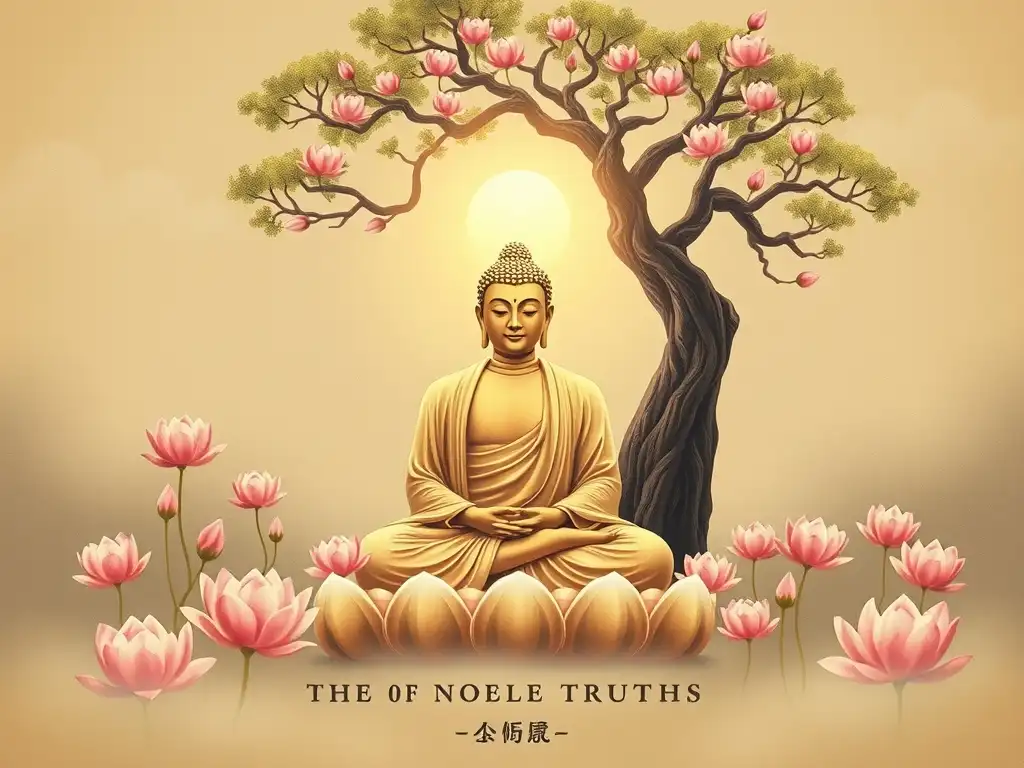
The Four Noble Truths form the cornerstone of Buddhist teachings, providing a profound framework for understanding the nature of suffering and the path to liberation from it. These truths were articulated by Siddhartha Gautama, known as the Buddha, and serve as a guide for practitioners seeking to comprehend and transcend human suffering. Together, they outline the reality of suffering, its causes, its cessation, and the path leading to the cessation.
The First Noble Truth: The Existence of Suffering
The First Noble Truth, known as Dukkha, asserts that suffering is an inherent part of human existence. The term "Dukkha" is often translated as "suffering," but it encompasses a broader spectrum of experiences, including dissatisfaction, pain, and impermanence. The Buddha emphasized that life, in its various forms, is marked by suffering, which can manifest in several ways:
- Physical Pain: This includes the inevitable experiences of illness, injury, and aging.
- Emotional Distress: Feelings of sadness, anxiety, and fear are common aspects of the human condition.
- Existential Dissatisfaction: Even pleasurable experiences are fleeting and lead to a sense of longing or unease when they pass.
The Buddha's insight into suffering was not meant to promote a pessimistic worldview but to encourage individuals to acknowledge and confront the reality of their experiences. Recognizing Dukkha is the first step towards understanding the deeper truths of existence and the motivation for seeking enlightenment.
The Second Noble Truth: The Origin of Suffering
The Second Noble Truth delves into the causes of suffering, identifying the root causes as Craving (Tanha) and Ignorance (Avidya). According to Buddhist teachings, suffering arises from our desires and attachments, which lead to a cycle of rebirth and continual dissatisfaction. Key aspects of this truth include:
- Craving: This refers to the unquenchable thirst for sensory pleasures, material possessions, and even the desire for existence itself. It creates a cycle of attachment, where individuals cling to transient experiences, leading to suffering when these experiences inevitably change or fade away.
- Ignorance: Ignorance refers to a fundamental misunderstanding of the nature of reality, particularly the impermanence of all things. This lack of insight leads individuals to believe that lasting happiness can be found in impermanent things, perpetuating the cycle of suffering.
Understanding the origin of suffering empowers practitioners to address these root causes through mindful awareness and introspection, facilitating a transformative journey towards liberation.
The Third Noble Truth: The Cessation of Suffering
The Third Noble Truth presents a hopeful perspective: the cessation of suffering is achievable. This state, known as Nirvana, represents the ultimate goal in Buddhism—a profound peace and freedom from the cycle of birth, death, and rebirth (Samsara). Key points regarding the cessation of suffering include:
- Nirvana as Liberation: Achieving Nirvana signifies the end of craving and ignorance. It is described as a state of profound peace, where one transcends the limitations of the ego and experiences true liberation.
- Realization of Non-Self: Integral to reaching Nirvana is the understanding of Anatta, or non-self. This concept emphasizes that there is no permanent self or soul, and recognizing this truth is crucial for overcoming attachment and suffering.
- Practical Implications: The cessation of suffering is not merely a theoretical concept; it is attainable through diligent practice of the Noble Eightfold Path. This path encompasses ethical conduct, mental discipline, and wisdom, guiding practitioners towards the realization of Nirvana.
The teachings of Buddhism on suffering encapsulate a deep understanding of human experience, offering a structured approach to recognizing, understanding, and ultimately overcoming suffering through mindful practice and insight.
The Fourth Noble Truth: The Path Leading to the Cessation of Suffering
The Fourth Noble Truth, known as the Magga, outlines the path that leads to the cessation of suffering, ultimately guiding individuals toward enlightenment. This truth emphasizes that while suffering is inherent to human existence, there exists a way to transcend it. The path is systematically laid out in what is known as the Noble Eightfold Path, which comprises eight interconnected practices aimed at cultivating ethical conduct, mental discipline, and wisdom.
The Noble Eightfold Path
The Noble Eightfold Path is divided into three core categories: wisdom (prajna), ethical conduct (sila), and mental discipline (samadhi). Each of these categories encompasses specific practices that, when followed diligently, can lead to the alleviation of suffering. Below is a breakdown of the eight components:
-
Right Understanding (Samma Ditthi)
Understanding the nature of reality and the truth of the Four Noble Truths is foundational. It involves recognizing the importance of cause and effect, particularly how actions (karma) lead to suffering.
-
Right Intention (Samma Sankappa)
This pertains to the mental commitment to ethical conduct and compassion. It encourages intentions of renunciation, goodwill, and harmlessness, fostering a mindset conducive to spiritual growth.
-
Right Speech (Samma Vaca)
Engaging in truthful, kind, and harmonious communication is crucial. Right speech promotes positive interactions and diminishes conflict, contributing to a peaceful community.
-
Right Action (Samma Kammanta)
This emphasizes ethical behavior through actions that do not harm others. It encourages adherence to moral precepts, such as refraining from stealing, killing, and engaging in illicit sexual conduct.
-
Right Livelihood (Samma Ajiva)
Choosing a profession that is ethically sound and does not cause harm to others is vital. This aspect of the path encourages individuals to earn a living in ways that align with Buddhist principles.
-
Right Effort (Samma Vayama)
This involves cultivating positive states of mind while preventing negative ones. Right effort is about fostering wholesome thoughts and actions while striving to let go of harmful inclinations.
-
Right Mindfulness (Samma Sati)
Practicing mindfulness involves being fully present and aware of one’s thoughts, feelings, and actions. This practice develops insight into the nature of suffering and its cessation, facilitating a deeper understanding of the self.
-
Right Concentration (Samma Samadhi)
This refers to the development of deep states of meditative absorption, leading to profound tranquility and insight. Right concentration helps practitioners realize the impermanent and interconnected nature of all phenomena.
The Impact of the Fourth Noble Truth
By following the Noble Eightfold Path, practitioners can gradually eliminate the causes of suffering, leading to Nirvana—the ultimate goal in Buddhism, characterized by the cessation of desire, attachment, and ignorance. The Fourth Noble Truth serves not only as a diagnosis of the human condition but as a prescription for overcoming it. It invites followers to engage in a disciplined lifestyle that fosters ethical living, mental clarity, and spiritual awakening.
The teachings encapsulated in the Fourth Noble Truth are not merely theoretical; they are practical guidelines intended to be integrated into daily life. By committing to this path, individuals can experience a transformation that alleviates suffering and cultivates a deeper sense of peace and fulfillment. Through this journey of self-discovery and ethical living, the teachings of the Buddha continue to resonate, offering valuable insights into the nature of suffering and the path to liberation.
The Eightfold Path: Practical Teachings on Alleviating Suffering

The Eightfold Path is a fundamental framework in Buddhism, specifically designed to guide practitioners toward alleviating suffering and achieving enlightenment. This path consists of eight interconnected practices that promote ethical conduct, mental discipline, and wisdom. Each aspect of the Eightfold Path addresses different dimensions of human experience, providing a holistic approach to understanding and overcoming suffering. The teachings emphasize that by following this path, individuals can cultivate a profound transformation in their lives, leading to a deeper insight into the nature of suffering and its cessation.
Right Understanding: Grasping the Nature of Suffering
Right Understanding, or Samma Ditthi, is the first step on the Eightfold Path. It involves comprehending the Four Noble Truths, which are central to Buddhist teachings on suffering. These truths are:
- The Truth of Suffering (Dukkha): Acknowledging that suffering exists in various forms, from physical pain to emotional distress.
- The Truth of the Cause of Suffering (Samudaya): Understanding that craving and attachment are the root causes of suffering.
- The Truth of the Cessation of Suffering (Nirodha): Realizing that it is possible to end suffering by overcoming attachment.
- The Truth of the Path Leading to the Cessation of Suffering (Magga): Embracing the Eightfold Path as a means to achieve liberation from suffering.
By cultivating Right Understanding, practitioners can gain clarity about the transient nature of life, leading to a reduction in attachment and, consequently, suffering. This understanding fosters a more profound sense of peace and acceptance in the face of life's challenges.
Right Intention: Cultivating Compassion and Detachment
Right Intention, or Samma Sankappa, emphasizes the importance of mental attitudes and motivations in the pursuit of alleviating suffering. This aspect of the Eightfold Path encourages practitioners to develop intentions rooted in:
- Compassion (Karuna): The desire to alleviate the suffering of others. Cultivating compassion helps individuals connect with others, fostering empathy and understanding.
- Loving-kindness (Metta): The practice of wishing well for all beings, leading to a more harmonious existence.
- Detachment (Nekkhamma): The ability to let go of cravings and desires that contribute to suffering. This does not imply a lack of care but rather a balanced approach to attachment.
Practicing Right Intention enables individuals to align their thoughts and actions with benevolence and discernment, which can significantly reduce their suffering and that of others. By fostering a compassionate mindset, practitioners can create a more supportive and understanding environment for themselves and the community.
Right Speech: The Impact of Words on Suffering
Right Speech, or Samma Vaca, focuses on the ethical use of communication and the recognition of the profound impact words can have on both oneself and others. This component of the Eightfold Path encourages practitioners to:
- Speak Truthfully: Honesty is essential in reducing misunderstandings and promoting trust in relationships.
- Avoid Harmful Speech: This includes refraining from gossip, slander, and harsh words that can cause emotional pain.
- Encourage Positive Communication: Engaging in conversations that uplift, inspire, and foster understanding can mitigate suffering.
- Practice Mindfulness in Speech: Being aware of the intent and consequences of one’s words helps in ensuring that communication is constructive rather than destructive.
By adhering to Right Speech, individuals can minimize conflict and suffering in their interactions, promoting a culture of kindness and respect. This practice serves as a reminder that words hold power and can either contribute to suffering or serve as a tool for healing and connection.
Right Action: Ethical Conduct to Reduce Suffering
Right Action is a fundamental aspect of the Eightfold Path in Buddhism, emphasizing ethical conduct as a means to reduce suffering. This teaching encourages individuals to engage in actions that are morally sound and beneficial to oneself and others. By adhering to ethical principles, practitioners cultivate an environment that fosters harmony and minimizes harm.
Buddha outlined three key precepts associated with Right Action:
- Abstaining from Harmful Actions: This includes refraining from killing, stealing, and engaging in sexual misconduct. By avoiding actions that cause physical or emotional harm, individuals can contribute to a more peaceful existence for themselves and the wider community.
- Promoting Positive Actions: In addition to abstaining from harmful behavior, Right Action encourages practitioners to actively perform good deeds. This can include acts of kindness, compassion, and generosity, which not only alleviate suffering in others but also enhance one's own spiritual growth.
- Mindful Intent: Right Action emphasizes the importance of intentions behind actions. It is not enough to simply refrain from harmful deeds; one must cultivate a mindset rooted in compassion and empathy. This mindful approach helps individuals to act thoughtfully and consciously, thereby reducing the likelihood of causing suffering.
By embodying Right Action, practitioners of Buddhism can create a ripple effect of positivity, transforming their immediate environment and contributing to a broader culture of compassion.
Right Livelihood: Making Choices that Alleviate Suffering
Right Livelihood is another critical component of the Eightfold Path, focusing on the ethical dimensions of one’s occupation and the choices made in the pursuit of earning a living. The essence of this teaching lies in choosing a profession that contributes positively to society and does not cause harm to others.
Buddha specifically advised against engaging in livelihoods that involve:
- Harming Living Beings: Professions that contribute to violence or exploitation, such as those involving animal slaughter or arms dealing, are discouraged. Such livelihoods perpetuate suffering and conflict, and thus are contrary to the principles of Buddhism.
- Dishonesty and Deception: Engaging in fraudulent activities, scams, or any form of deceit undermines trust and promotes suffering. A Right Livelihood is one that is grounded in honesty and transparency, fostering a sense of integrity.
- Exploitation: Jobs that exploit vulnerable populations or contribute to social inequality, such as human trafficking or sweatshop labor, are also incompatible with Right Livelihood. Practitioners are encouraged to seek professions that uplift and empower rather than oppress.
By choosing a Right Livelihood, individuals can directly influence their surroundings, promote ethical standards, and contribute to the alleviation of suffering in the world. This principle encourages practitioners to reflect on their work and its impact on both themselves and society at large.
Right Effort: The Role of Mindfulness in Overcoming Suffering
Right Effort is an essential aspect of the Eightfold Path that underscores the importance of mental discipline and mindfulness in overcoming suffering. This teaching advocates for the cultivation of positive states of mind while letting go of negative ones, ultimately leading to greater inner peace and enlightenment.
The concept of Right Effort encompasses four key areas:
- Preventing Negative States of Mind: Practitioners are encouraged to be vigilant about their thoughts and feelings, actively working to prevent unwholesome states such as greed, hatred, and delusion from arising. This proactive approach helps to maintain a clearer, more peaceful mind.
- Abandoning Negative States of Mind: When negative thoughts or emotions do arise, Right Effort teaches individuals to recognize and let go of them. This requires mindfulness and self-awareness, allowing practitioners to respond to their mental states with calmness and clarity.
- Cultivating Positive States of Mind: Right Effort also emphasizes the importance of nurturing wholesome qualities such as compassion, generosity, and joy. By consciously fostering these positive states, individuals can create a buffer against suffering and enhance their overall well-being.
- Developing Concentration and Insight: Finally, Right Effort encourages the cultivation of concentration (samadhi) and insight (prajna) through meditation and mindfulness practices. These techniques help individuals to penetrate the nature of reality, understand the causes of suffering, and ultimately attain liberation.
In essence, Right Effort provides a framework for practitioners to engage with their thoughts and emotions skillfully. By applying mindfulness and discipline, individuals can effectively navigate the challenges of life, reducing suffering for themselves and others.
Right Mindfulness: Awareness as a Tool Against Suffering
Right Mindfulness, or Sammā Sati, is a crucial aspect of the Eightfold Path that emphasizes the development of awareness and attention in everyday life. This practice encourages individuals to focus on the present moment, cultivating a deep understanding of their thoughts, feelings, and bodily sensations without attachment or aversion. By fostering mindfulness, practitioners can observe their experiences with clarity, leading to a profound transformation in how they relate to suffering.
Mindfulness helps to identify the roots of suffering by allowing individuals to recognize patterns of thought and behavior that contribute to their distress. This heightened awareness can illuminate the impermanent nature of experiences, shedding light on the fact that both pleasure and pain are transient. As the Buddha taught, clinging to the impermanent only leads to dissatisfaction and suffering. Through Right Mindfulness, practitioners learn to accept the ebb and flow of life, reducing the intensity of their emotional responses and fostering a sense of peace.
Moreover, mindfulness encourages individuals to engage in self-reflection and cultivate compassion for themselves and others. This compassionate awareness can significantly alleviate feelings of isolation and despair, as practitioners start to recognize shared human experiences of suffering. By embracing Right Mindfulness, individuals can develop resilience and a greater capacity for joy, enhancing their overall well-being.
Right Concentration: Meditation Practices to Transcend Suffering
Right Concentration, or Sammā Samādhi, encompasses the meditative practices aimed at developing deep focus and mental clarity, ultimately leading to the cessation of suffering. This aspect of the Eightfold Path emphasizes the importance of meditation as a tool for achieving a state of profound peace and insight. Through dedicated practice, individuals can learn to quiet the mind, allowing them to penetrate the nature of reality and understand the causes of suffering more deeply.
Meditation techniques associated with Right Concentration often involve the cultivation of jhāna, or meditative absorptions. These states of deep concentration enable practitioners to transcend ordinary thoughts and distractions, leading to heightened awareness and profound stillness. As practitioners engage in concentrated meditation, they experience a reduction in mental chatter, allowing them to observe their thoughts and feelings without judgment. This practice fosters a deeper understanding of the impermanent and interconnected nature of all phenomena, helping to dissolve the attachments that lead to suffering.
Furthermore, the insights gained through Right Concentration can contribute to the development of wisdom ( prajñā), which is essential for overcoming ignorance—the root cause of suffering, according to Buddhist teachings. As individuals cultivate deeper states of concentration, they often report feelings of joy, equanimity, and a sense of liberation from the constraints of their previous suffering. In this way, Right Concentration serves as a powerful antidote to the mental afflictions that plague the human experience, guiding practitioners toward a path of enlightenment and freedom from suffering.
The Role of Meditation in Buddhism Teachings on Suffering

Buddhism places a significant emphasis on meditation as a key practice in understanding and addressing suffering. The teachings of the Buddha highlight meditation not only as a means of achieving mental clarity and tranquility but also as a pathway to deep insight into the nature of suffering. Through meditation, practitioners can cultivate awareness, develop compassion, and ultimately transform their relationship with pain and hardship.
Meditation serves multiple purposes in the context of Buddhism's teachings on suffering. It enables individuals to observe their thoughts and feelings without attachment, fostering a profound understanding of the transient nature of experiences. This understanding is crucial in alleviating suffering, as it helps practitioners realize that pain and discomfort are not permanent states. Instead, they are part of the ever-changing landscape of life, which can be understood and navigated with skillfulness.
Types of Meditation Practices in Buddhism
Buddhism encompasses a variety of meditation practices, each with its own unique focus and technique. Here are some of the most prominent forms:
- Samatha (Calm Abiding Meditation)
- Focuses on developing concentration and tranquility.
- Practitioners often concentrate on a single object, such as the breath or a mantra, to calm the mind.
- Vipassana (Insight Meditation)
- Aims to cultivate insight into the nature of reality, particularly the understanding of suffering.
- Involves observing thoughts, sensations, and emotions as they arise, promoting awareness of impermanence.
- Metta (Loving-Kindness Meditation)
- Centers on cultivating compassion and love for oneself and others.
- Practitioners recite phrases wishing well-being and happiness for themselves and others, countering feelings of suffering through empathy.
- Zazen (Zen Meditation)
- A seated meditation practice found in Zen Buddhism.
- Focuses on observing thoughts and sensations without attachment, leading to a deeper understanding of the self and suffering.
- Tonglen (Giving and Taking Meditation)
- A Tibetan practice that involves breathing in the suffering of others and breathing out healing and compassion.
- Encourages practitioners to connect with the suffering of others, fostering a sense of shared experience.
These meditation practices, while diverse, all contribute to a clearer understanding of suffering and the cultivation of compassion, which are at the heart of Buddhism's teachings.
How Meditation Contributes to the Understanding of Suffering
Meditation plays a pivotal role in deepening one’s understanding of suffering within the framework of Buddhism. By engaging in regular meditation, practitioners can develop a heightened sense of awareness that allows them to observe their patterns of thought and emotional responses. This process can lead to several key insights:
- Impermanence: Meditation fosters an awareness of the transient nature of all experiences, including suffering. Practitioners learn to recognize that pain is not a fixed state but rather a temporary condition that arises and passes away.
- Self-Observation: Through meditation, individuals can gain insight into their habitual reactions to suffering. By observing these reactions without judgment, practitioners can begin to understand the roots of their suffering and how attachment to certain thoughts or feelings perpetuates it.
- Compassionate Perspective: Regular meditation encourages a shift from self-centered focus to a broader, more compassionate perspective. This shift can help practitioners relate to their suffering and the suffering of others with empathy and understanding, ultimately reducing feelings of isolation.
- Mental Clarity: As the mind becomes calmer through meditation, clarity emerges. This clarity allows individuals to see their suffering more objectively, making it easier to address the underlying causes rather than merely reacting to the symptoms.
Through these insights, meditation serves as a profound tool for unraveling the complexities of suffering as taught in Buddhism.
The Impact of Mindfulness Meditation on Perception of Suffering
Mindfulness meditation, a practice deeply rooted in Buddhism, has a transformative impact on how individuals perceive and respond to suffering. This practice involves maintaining a moment-to-moment awareness of thoughts, feelings, bodily sensations, and the surrounding environment.
Key Effects of Mindfulness Meditation on Suffering:
- Enhanced Awareness: Mindfulness meditation trains practitioners to observe their experiences without judgment. This heightened awareness helps individuals recognize suffering as it arises, allowing for a more informed and intentional response.
- Reduction of Reactivity: By cultivating mindfulness, individuals can break the cycle of automatic reactions to suffering. Instead of being overwhelmed by pain or distress, they learn to respond with equanimity and understanding.
- Acceptance of Experience: Mindfulness fosters a sense of acceptance regarding suffering. Practitioners learn to embrace their experiences—both pleasant and unpleasant—without clinging to them or pushing them away, leading to a more balanced emotional state.
- Shift in Perspective: Over time, mindfulness can alter the perception of suffering. Instead of viewing suffering as an enemy or burden, individuals come to see it as a part of the human experience, which can lead to personal growth and resilience.
- Improved Emotional Regulation: Mindfulness meditation enhances emotional regulation, enabling practitioners to manage their responses to suffering more effectively. This skill is crucial in navigating life's inevitable challenges and adversities.
Overall, mindfulness meditation serves as a powerful practice that not only aligns with Buddhism's teachings on suffering but also equips practitioners with the tools to engage with their pain in a more constructive and compassionate manner.
The Bodhisattva Ideal: Addressing Suffering for Others

Understanding the Bodhisattva Path in Alleviating Suffering
The Bodhisattva ideal is a cornerstone of Mahayana Buddhism, representing a profound commitment to alleviate the suffering of all sentient beings. A Bodhisattva is not just someone who seeks enlightenment for themselves but one who postpones their own Nirvana to help others achieve liberation from suffering. This selfless path is characterized by the cultivation of various virtues, notably compassion ( karuna) and wisdom ( prajna).
The Bodhisattva vows typically consist of a series of pledges that outline the intent to save all beings from suffering. One of the most famous formulations is found in the Bodhisattva Vow, which states:
Sentient beings are numberless; I vow to save them.
Delusions are inexhaustible; I vow to end them.
The teachings are infinite; I vow to learn them.
The Buddha Way is unattainable; I vow to attain it.
This foundational commitment underlines the essence of the Bodhisattva's journey, which involves both personal and collective responsibility toward ending suffering.
Compassion as a Central Theme in Buddhist Teachings
Compassion is not merely an emotion in Buddhism; it is an active and vital force that drives the Bodhisattva's actions. In the context of Buddhism teachings on suffering, compassion manifests in various ways:
- Empathy and Understanding: The Bodhisattva seeks to understand the root causes of suffering, which are often tied to ignorance, attachment, and aversion. This understanding allows for a more profound empathy towards the suffering of others.
- Skillful Means (Upaya): The Bodhisattva employs skillful means to help others. This refers to the ability to adapt teachings and methods according to the needs of individuals, recognizing that each person’s experience of suffering is unique.
- Altruistic Actions: The Bodhisattva engages in altruistic actions that can alleviate immediate suffering, such as providing food, shelter, and emotional support. These acts are seen as expressions of compassion and are integral to the spiritual path.
- Teaching and Guidance: By sharing the teachings of the Buddha, a Bodhisattva helps others understand the nature of suffering and the path towards liberation. This educational aspect is crucial, as it empowers individuals to transform their own lives.
Buddhism emphasizes that compassion should be cultivated not only towards humans but towards all living beings, fostering a sense of interconnectedness that is vital in addressing suffering collectively.
Real-life Applications of the Bodhisattva Ideal in Modern Contexts
In contemporary society, the Bodhisattva ideal finds expression in various movements and practices that aim to alleviate suffering across the globe. Here are some notable applications:
- Social Justice Movements: Activists who embody the Bodhisattva spirit work tirelessly for social justice, advocating for the rights of marginalized communities. Their efforts reflect a commitment to addressing systemic suffering caused by inequality and injustice.
- Mental Health Initiatives: The principles of compassion and understanding are increasingly applied in mental health care, where practitioners strive to provide not just treatment, but also emotional support and empathy to those in distress.
- Environmental Activism: Recognizing the suffering caused by environmental degradation, many modern Bodhisattvas engage in activism aimed at protecting the planet. This includes efforts to combat climate change, which disproportionately affects vulnerable populations.
- Community Support Networks: Many communities establish support networks that embody the Bodhisattva ideal, providing resources and assistance to those in need. These networks often emphasize compassion, cooperation, and shared responsibility.
The Bodhisattva ideal continues to inspire individuals and groups to address suffering in diverse ways, illustrating the timeless relevance of Buddhism's teachings on suffering in the modern world. By embodying these principles, individuals not only transform their own lives but also contribute positively to the lives of others, creating a ripple effect of compassion and healing.
Conclusion: The Relevance of Buddhism Teachings on Suffering Today

Buddhism teachings on suffering remain profoundly relevant in today's fast-paced and often tumultuous world. The core tenets of these teachings provide invaluable insights into the nature of suffering, its origins, and the pathway to liberation from it. The Four Noble Truths, which articulate the reality of suffering and the methods to overcome it, resonate with individuals seeking clarity and peace amidst life’s challenges.
Reflection on the Timelessness of Buddhist Insights
The insights provided by the Buddha over two millennia ago continue to echo in contemporary society. The acknowledgment that suffering is an inherent part of the human experience transcends cultural and temporal boundaries.
- Universality of Suffering: The Buddha's recognition of suffering as a universal condition highlights a shared human experience. This acknowledgment fosters empathy and understanding among individuals, encouraging a collective approach to alleviating suffering.
- Practical Solutions: The Eightfold Path serves as a practical framework for personal development. It emphasizes ethical conduct, mental discipline, and wisdom, guiding individuals toward a balanced life. By practicing mindfulness and cultivating compassion, people can navigate their suffering and the suffering of others more effectively.
- Psychological Relevance: Modern psychology increasingly recognizes the value of mindfulness and meditation—practices rooted in Buddhist philosophy. These techniques aid in managing stress, anxiety, and emotional turmoil, illustrating the timelessness of Buddhist insights.
Encouragement to Explore and Apply Buddhist Teachings on Suffering in Daily Life
To fully appreciate the relevance of Buddhism teachings on suffering, individuals are encouraged to explore and integrate these teachings into their daily lives.
- Mindfulness Practice: Setting aside time daily for mindfulness meditation can help individuals observe their thoughts and feelings without judgment, fostering a deeper understanding of their suffering.
- Compassionate Actions: Engaging in acts of kindness and compassion towards oneself and others can alleviate suffering. Simple gestures can create ripples of positivity, contributing to a supportive community.
- Continued Learning: Exploring Buddhist texts and engaging in discussions about these teachings can enhance one’s understanding and application of the principles.
- Supportive Communities: Joining meditation groups or Buddhist centers can provide a supportive environment for individuals to share their experiences and deepen their practice.
The teachings of Buddhism on suffering not only offer profound insights into the human condition but also provide practical tools for overcoming life's inevitable challenges. By embracing these teachings, individuals can cultivate a sense of peace, understanding, and compassion that benefits not only themselves but also those around them.
Further Reading and Resources on Buddhism Teachings on Suffering
Recommended Texts and Scriptures
To delve deeper into the Buddhism teachings on suffering, several key texts provide invaluable insights into the nature of suffering and the path to overcoming it. Here are some noteworthy scriptures:
- The Four Noble Truths: Central to Buddhist philosophy, these truths outline the reality of suffering, its origin, the cessation of suffering, and the path leading to its cessation.
- First Noble Truth: Acknowledges that suffering (Dukkha) is an intrinsic part of life.
- Second Noble Truth: Identifies desire and attachment as the root causes of suffering.
- Third Noble Truth: Asserts that the cessation of suffering is possible.
- Fourth Noble Truth: Offers the Eightfold Path as a means to attain enlightenment.
- The Dhammapada: A collection of sayings of the Buddha, this text is rich with teachings on the nature of suffering, mindfulness, and ethical conduct.
- Notable verse on suffering: "All experience is preceded by mind, led by mind, made by mind."
- The Pali Canon (Tipitaka): This extensive collection contains the teachings of the Buddha, including discourses related to suffering and its alleviation.
- Key sections include the Sutta Pitaka, which elaborates on the Buddha's discourses regarding suffering and its cessation.
- The Heart Sutra: A fundamental text in Mahayana Buddhism that discusses the concept of emptiness (Shunyata) and its relation to suffering.
- It emphasizes that understanding the nature of existence can alleviate suffering.
Online Resources for Exploring Buddhism and Suffering
In addition to traditional texts, numerous online resources offer insights into Buddhism teachings on suffering. These platforms provide access to lectures, discussions, and articles that can deepen your understanding:
- BuddhaNet: A comprehensive website featuring a wealth of resources, including e-books, articles, and audio teachings on Buddhism.
- Focused sections on suffering and the Four Noble Truths.
- Dharma Seed: This resource offers audio recordings of teachings from various Buddhist teachers, specifically addressing the nature of suffering and mindfulness practices.
- Search for talks on topics such as Mindfulness and Suffering.
- The Buddhist Society: A platform that provides articles, essays, and online courses that explore the core teachings of Buddhism, including suffering.
- Their library section often features works related to the Buddha’s insights on suffering.
- YouTube Channels: Numerous Buddhist teachers and organizations have channels that share lectures on suffering and the Buddha’s teachings.
- Recommended channels include The Rubin Museum of Art and Dharma Talks.
- Podcasts: Several podcasts discuss Buddhist teachings and their application to contemporary issues, including suffering.
- Notable mentions:The Secular Buddhist and Buddhist Geeks.
By engaging with these texts and resources, readers can gain a more profound understanding of how Buddhism addresses suffering and the practical applications of the Buddha’s teachings in everyday life.
Frequently Asked Questions
Buddhism teaches that suffering (Dukkha) is an inherent part of life. The Four Noble Truths provide a framework for understanding the nature of suffering and how to overcome it.
How does the concept of Dukkha influence Buddhist practices?
The concept of Dukkha encourages practitioners to seek enlightenment through practices such as meditation and mindfulness, ultimately aiming to free themselves from suffering.
What role does the Eightfold Path play in alleviating suffering?
The Eightfold Path provides a guide to ethical and mental development with the goal of freeing individuals from suffering and achieving Nirvana.
How does the Buddha's teachings on suffering compare to other religions?
Unlike some religions that may emphasize divine intervention, Buddhism focuses on personal responsibility and the mind's role in shaping experiences of suffering.
Can understanding suffering lead to personal growth in Buddhism?
Yes, recognizing and understanding suffering is seen as a crucial step towards personal growth and achieving a deeper sense of peace and fulfillment in life.
Final Reflection: Embracing the Wisdom of Buddhism in the Face of Suffering
Buddhism's teachings on suffering resonate profoundly in today's world, where many grapple with the complexities of life and the inevitability of pain. In a time marked by rapid change and uncertainty, the insights offered by the Buddha serve as a guiding light, reminding us that suffering is not merely an obstacle but a fundamental aspect of the human experience. By understanding and embracing this truth, we can cultivate resilience and compassion, transforming our relationship with suffering into one of acceptance and growth.
The teachings of Buddhism have significantly shaped our cultural and social landscape, providing a framework for individuals seeking solace and understanding in their struggles. As we navigate the challenges of modern life, the principles of mindfulness and compassion become increasingly relevant. Pain is inevitable, but suffering is optional,
a poignant reminder that while we cannot escape pain, we have the power to choose our response. This perspective encourages us to reflect on our own lives, fostering a deeper connection to ourselves and others as we learn to approach suffering with empathy and wisdom.
As we conclude this exploration of Buddhism's teachings on suffering, I invite you to take a moment for personal reflection. Consider how you can apply these teachings in your daily life, transforming your understanding of suffering into a source of strength and compassion. Embrace the opportunity to cultivate mindfulness and resilience, not only for your own well-being but also as a means to uplift those around you. In doing so, we can collectively create a more compassionate world, where suffering is met with understanding and love.
Embrace Transformation: Take Charge of Your Suffering Today!
Thank you for diving into the profound teachings of Buddhism with us! By exploring how these ancient insights address suffering, you’ve unlocked a pathway to personal growth and resilience. Now, it's time to take action and integrate these teachings into your life.
Here are some ways to begin your journey:
- Start a daily mindfulness practice: Dedicate just 5-10 minutes each day to meditation or reflection. Notice how this shifts your perspective on life's challenges.
- Join a local or online meditation group to connect with others on a similar journey. Sharing experiences can enhance your understanding and commitment!
- Explore Buddhist literature: Choose a book or article that resonates with you. Not only will this deepen your knowledge, but discussing your favorite insights could lead to meaningful conversations with others.
How will you apply the wisdom of Buddhism to transform your relationship with suffering? **We encourage you to share your thoughts in the comments below! **