
The Maurya Empire’s Relationship with Local Rulers: A Study of Autonomy and Control


Welcome to Ancient India History, where we invite you to embark on a fascinating journey through time! Discover the intricate tapestry of ancient Indian civilizations, from the enigmatic Indus Valley to the illustrious Gupta Empire. In today’s spotlight, we delve into the Maurya Empire's relationship with local rulers, exploring the delicate balance of autonomy and control that shaped their governance. What strategies did they employ to maintain influence while respecting local traditions? Join us as we unravel these compelling narratives and gain deeper insights into the powerful dynamics that defined an era. Your adventure into the past begins now!
The Maurya Empire, one of the largest and most powerful empires in ancient India, flourished from approximately 322 BCE to 185 BCE under the leadership of prominent figures such as Chandragupta Maurya and his grandson Ashoka the Great. This empire is often celebrated not only for its political and military strength but also for its sophisticated approach to governance, particularly in its relationships with local rulers. The interplay between the Mauryan central authority and regional leaders is a fascinating study of how autonomy and control coexisted in a vast empire.
In this article, we delve into the complexities of the Maurya Empire's relationship with local rulers, exploring the mechanisms of power that allowed the central government to maintain authority while granting a degree of autonomy to regional leaders. This dynamic was pivotal in ensuring stability and cohesion across diverse territories, each with its unique cultural and social fabric. By examining historical accounts, archaeological evidence, and the administrative policies of the Mauryan state, we aim to provide a comprehensive understanding of how the empire navigated this intricate balance, shaping the political landscape of ancient India.
The Political Landscape of the Maurya Empire
The Maurya Empire's political structure was characterized by a well-organized bureaucracy that allowed it to govern vast territories effectively. The central authority was bolstered by a network of local rulers, often referred to as rajukas or mahamatras, who played crucial roles in administration.
- Central Authority: The emperor held ultimate power, but relied on local rulers to implement policies and maintain order.
- Local Autonomy: While local rulers had considerable autonomy, their powers were often circumscribed by the overarching policies of the Mauryan state.
Mechanisms of Control and Autonomy
The balance between control and autonomy was maintained through various mechanisms:
- Administrative Appointments: The Mauryan emperors appointed trusted officials to oversee local rulers, ensuring that central policies were enforced.
- Tributary Systems: Local rulers were often required to pay tribute to the central government, which reinforced Mauryan dominance while allowing local governance.
- Cultural Integration: The Maurya Empire promoted cultural and religious integration, fostering loyalty among local rulers by aligning them with the empire’s broader goals.
Case Studies of Regional Rulers
Several notable case studies illustrate the Maurya Empire's relationship with local rulers:
- The Nanda Dynasty: Before the rise of the Mauryas, the Nandas were significant local rulers whose integration into the Mauryan framework exemplifies the transition from local autonomy to central control.
- The Kalinga Campaign: Ashoka’s campaign against Kalinga showcases how local resistance was met with military force, yet subsequent policies emphasized reconciliation and local governance.
Conclusion
Understanding the Maurya Empire's relationship with local rulers reveals not only the political sophistication of ancient Indian governance but also the challenges of managing a diverse and expansive empire. Through a careful balance of autonomy and control, the Maurya Empire was able to maintain its influence and legacy, setting a precedent for future Indian dynasties. The study of this relationship offers critical insights into the political dynamics of ancient civilizations, enriching our appreciation of India's historical narrative.
- The Political Landscape of the Maurya Empire
- Mechanisms of Control and Autonomy
- Case Studies of Regional Rulers
- Conclusion
- What was the Maurya Empire's approach to local rulers?
- How did the Maurya Empire maintain control over local rulers?
- What impact did local rulers have on the Maurya Empire?
- Were local rulers completely autonomous under the Maurya Empire?
- How did the relationship between the Maurya Empire and local rulers influence governance?
Introduction to the Maurya Empire and Local Rulers
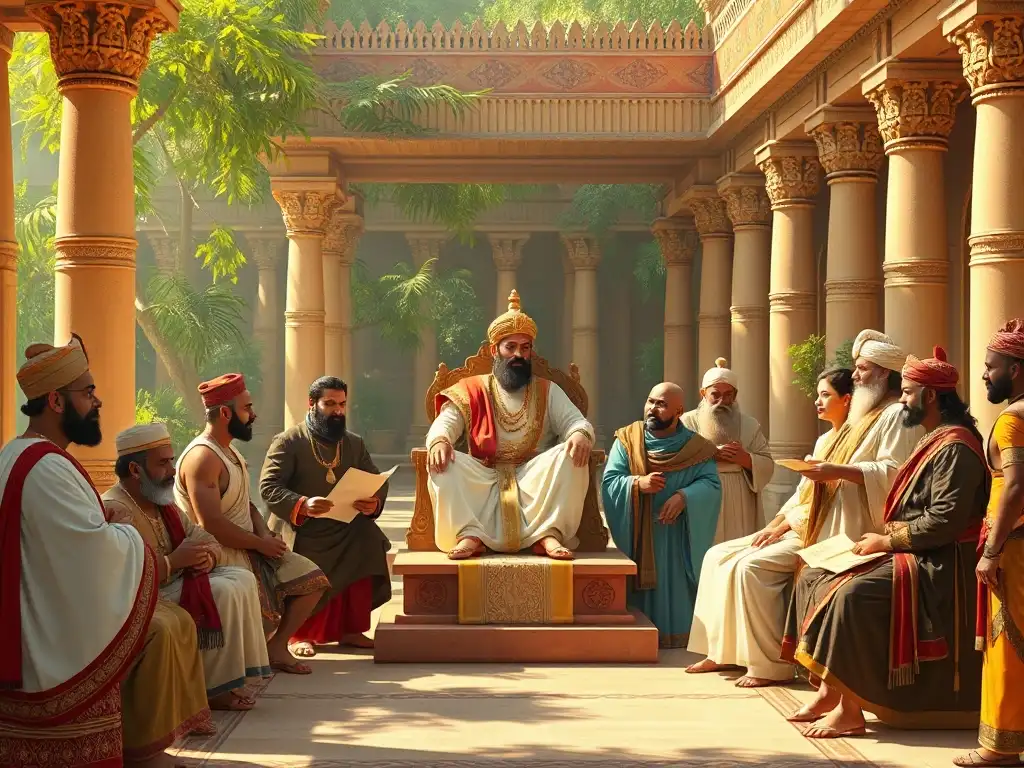
The Maurya Empire, one of the largest and most influential empires in ancient India, was known for its sophisticated political structure and extensive administration. This empire, which flourished from approximately 322 BCE to 185 BCE, established a strong central authority under the rule of notable emperors such as Chandragupta Maurya and his grandson Ashoka the Great. However, the relationship between the Maurya Empire and local rulers was a critical aspect of its governance, as it balanced the need for centralized control with the autonomy of regional powers.
Overview of the Maurya Empire’s Rise
The rise of the Maurya Empire can be traced back to the decline of the Nanda Dynasty, which created a power vacuum in northern India. Chandragupta Maurya, assisted by his advisor Chanakya, capitalized on this opportunity around 321 BCE. Through military conquests, strategic alliances, and political maneuvering, Chandragupta expanded his territory to encompass a vast region stretching from the northwestern frontiers to the eastern parts of the Indian subcontinent.
- Key Factors Contributing to the Rise:
- Military Innovations: The Maurya Empire had a well-equipped and organized military, enabling rapid expansion.
- Political Alliances: Strategic marriages and alliances with local rulers helped Chandragupta to consolidate power.
- Economic Prosperity: Control over trade routes and resources facilitated wealth accumulation, providing the empire with the means to sustain its military and administrative apparatus.
The empire’s establishment laid the groundwork for a complex relationship with local rulers, who were integral to maintaining stability and governance in various regions.
Importance of Local Rulers in Ancient India
Local rulers, often referred to as regional chieftains or petty kings, played a significant role in the political landscape of ancient India. These rulers governed smaller territories and maintained their own administrative systems, but their relationship with the Maurya Empire was a delicate balance of autonomy and control.
- Roles of Local Rulers:
- Maintaining Local Order: Local rulers were responsible for enforcing laws and ensuring the welfare of their subjects, which created loyalty among the populace.
- Tax Collection: They facilitated tax collection on behalf of the Maurya Empire, ensuring a steady flow of revenue to the central government.
- Military Support: Local rulers often provided military assistance during imperial campaigns, which was crucial for the empire’s expansion and defense.
- Benefits of Collaboration:
- Autonomy in Governance: Local rulers enjoyed a degree of autonomy, allowing them to govern according to local customs and traditions, which helped in maintaining stability.
- Cultural Integration: The Maurya Empire encouraged local rulers to incorporate local customs and practices, fostering a sense of cultural unity while respecting regional identities.
This symbiotic relationship between the Maurya Empire and local rulers was essential for the empire's longevity and effectiveness in governance.
Purpose of the Study on Autonomy and Control
This study aims to explore the intricate dynamics of the Maurya Empire’s relationship with local rulers, focusing on the themes of autonomy and control. Understanding this relationship is crucial for several reasons:
- Insight into Governance Strategies:
- Analyzing the methods employed by the Maurya Empire to integrate local rulers can provide valuable insights into ancient governance strategies and administrative practices.
- Impact on Political Stability:
- The balance of power between central authority and local autonomy was vital for the political stability of the empire. This study will examine how this balance contributed to the Maurya Empire's resilience and longevity.
- Cultural and Social Implications:
- The interaction between the empire and local rulers also had cultural implications, influencing art, religion, and social structures. This study will delve into how these relationships shaped the cultural landscape of ancient India.
The exploration of the Maurya Empire's relationship with local rulers sheds light on a critical aspect of its political structure, revealing how autonomy and control were negotiated to maintain a cohesive and prosperous empire.
The Nature of the Maurya Empire's Governance

Centralized Power vs. Local Autonomy
The Maurya Empire, one of the largest and most powerful empires in ancient India, had a complex governance structure that balanced centralized authority with local autonomy. At the helm was Emperor Chandragupta Maurya, who established a strong central government that aimed to unify the diverse regions of the subcontinent. However, the empire's sheer size necessitated a nuanced approach to governance, allowing local rulers some degree of autonomy to maintain order and loyalty.
- Centralized Authority: The Maurya administration was characterized by a strong central government that exerted control over major policies, taxation, and military operations. The emperor was seen as the ultimate authority, with a vast bureaucracy that helped implement his directives across various regions. This control was essential for maintaining the empire's integrity, especially during military campaigns.
- Local Autonomy: Despite the centralized power, local rulers played a crucial role in administering their territories. These rulers, often leaders of existing kingdoms or tribes, were allowed to retain a degree of control over local affairs, provided they recognized Maurya supremacy and paid tribute. This arrangement was beneficial for the Maurya Empire, as it helped to integrate diverse cultures and traditions while ensuring local governance was responsive to the needs of the populace.
- Negotiated Relationships: The relationship between the Maurya Empire and local rulers was often negotiated. While some rulers willingly aligned themselves with the Maurya administration, others were integrated through conquest or diplomacy. This flexibility allowed the Maurya Empire to maintain its vast territory without constant military intervention.
Administrative Structure of the Maurya Empire
The administrative structure of the Maurya Empire was intricately designed to support its extensive territory and diverse population. The empire was divided into several provinces, each headed by a governor, often a member of the royal family or a trusted official. This hierarchical system ensured that the emperor’s authority was maintained while allowing for localized governance.
- Provinces and Governors: The empire was divided into four main provinces: Magadha, Taxila, Ujjain, and Kalinga. Each province was further subdivided into districts, which facilitated efficient administration. Governors were responsible for implementing imperial policies, collecting taxes, and maintaining law and order.
- Bureaucracy: A well-developed bureaucracy supported the governance of the Maurya Empire. Officials were appointed based on merit and loyalty rather than birthright. This system was instrumental in managing the diverse needs of the empire and ensuring that local rulers adhered to imperial laws.
- Spy Networks: To maintain control and gather intelligence, the Maurya Empire employed a network of spies. These agents reported on local conditions, the loyalty of rulers, and any potential dissent. This information was vital for the central government to make informed decisions regarding local administration and military actions.
Role of Local Rulers in the Maurya Administration
Local rulers played a pivotal role in the administration of the Maurya Empire, acting as intermediaries between the central government and their subjects. Their cooperation was essential for the smooth functioning of the empire, as they were responsible for maintaining stability and loyalty in their regions.
- Tax Collection and Tribute: Local rulers were tasked with collecting taxes and tribute from their subjects, a crucial aspect of the Maurya Empire's economy. They ensured that the central government received its due share, which financed military campaigns and public works.
- Military Support: In times of conflict, local rulers were expected to provide military support to the Maurya Empire. This included supplying troops and resources, which were essential for defending the empire's borders and maintaining its power.
- Cultural Integration: Local rulers also facilitated cultural integration within their territories. By promoting local customs and traditions while aligning them with Mauryan policies, they helped to create a sense of unity within the diverse empire. This cultural amalgamation was essential for ensuring the loyalty of various communities to the Maurya administration.
The relationship between the Maurya Empire and local rulers was marked by a delicate balance of power, where centralized authority coexisted with local autonomy. This dynamic allowed the Maurya Empire to thrive and maintain control over a vast and diverse territory, making it one of the most significant empires in ancient Indian history.
Historical Context of the Maurya Empire and Local Rulers
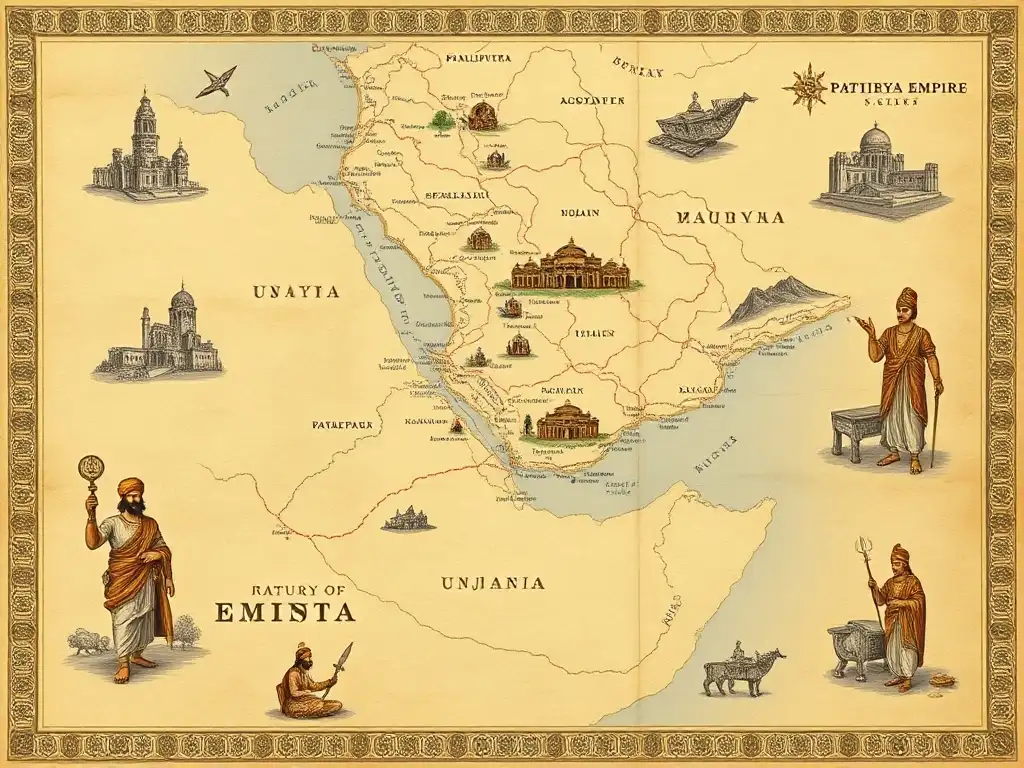
The Maurya Empire, one of the most significant empires in ancient Indian history, emerged in the 4th century BCE and played a crucial role in shaping the political landscape of the Indian subcontinent. Understanding the relationship between the Maurya Empire and local rulers provides insights into the complexities of governance during this period. This relationship was characterized by a blend of autonomy and control, reflecting the strategic interests of the Mauryan administration in consolidating power while maintaining local governance.
The Political Landscape Before the Maurya Empire
Before the rise of the Maurya Empire, the Indian subcontinent was fragmented into numerous kingdoms and tribes. The period was marked by:
- Regional Kingdoms: Various regional powers such as the Magadha, Kosala, and Vatsa had established their dominance in different areas. These kingdoms were often engaged in conflicts for territorial expansion and control.
- Power Dynamics: Local rulers wielded considerable power, often acting independently of one another. This resulted in a lack of centralized authority, which made it challenging for empires to establish control over regions.
- Cultural Diversity: The diverse cultural landscape included multiple languages, religions, and customs, contributing to the complexity of governance. Local rulers maintained their unique identities while also exercising power over their subjects.
The emergence of the Maurya Empire under Chandragupta Maurya marked a significant shift in this political landscape. The Mauryas sought to unify the fragmented regions, establishing a centralized bureaucratic system that would integrate local rulers into their governance framework.
Key Local Rulers During the Maurya Period
During the Maurya period, several local rulers played pivotal roles in the empire’s governance and stability. Some notable figures include:
- Puranas and the Nandas: Before the Mauryan consolidation, the Nanda dynasty ruled parts of northern India. They were known for their wealth and military power, which presented both a challenge and an opportunity for the Mauryas as they sought to expand their territory.
- Chandragupta’s Allies: Chandragupta Maurya forged alliances with various local chieftains and rulers who were instrumental in his rise to power. These alliances often involved marriages and treaties that ensured the loyalty of local rulers against common enemies.
- Rulers of the Deccan and South India: As the Maurya Empire expanded, local rulers in the Deccan and southern regions, such as the Satavahanas, were integrated into the imperial structure. Their cooperation was essential for maintaining peace and managing trade routes.
These local rulers were not merely subordinates; they played a crucial role in the administration and stability of the Mauryan Empire, often acting as intermediaries between the imperial authority and local populations.
The Integration of Local Rulers into the Maurya Empire
The Maurya Empire’s approach to integrating local rulers was multifaceted, balancing autonomy with central control. The key strategies included:
- Administrative Autonomy: Local rulers were allowed to retain a degree of autonomy in their regions. They continued to govern their territories, maintain their customs, and collect taxes, but under the overarching authority of the Mauryan emperor.
- Tributary System: Local rulers were often required to pay tribute to the Maurya Empire. This economic relationship reinforced their loyalty while providing the empire with resources necessary for governance and military campaigns.
- Military Support and Alliances: The Mauryan administration often relied on local rulers to supply troops for military campaigns and to maintain order within their territories. This not only strengthened the military capabilities of the empire but also helped to solidify the local rulers' positions.
- Cultural Exchange and Integration: The Maurya Empire promoted cultural integration through trade, intermarriage, and the spread of Buddhism, which helped in fostering loyalty among local rulers and their subjects.
This strategic integration allowed the Maurya Empire to maintain dominance over a vast and culturally diverse territory while enabling local rulers to retain a sense of agency and identity within the imperial framework. The balance of control and autonomy in the relationship between the Maurya Empire and local rulers was crucial in establishing one of the largest empires in ancient India.
The Dynamics of Autonomy and Control
Autonomy of Local Rulers in the Maurya Empire
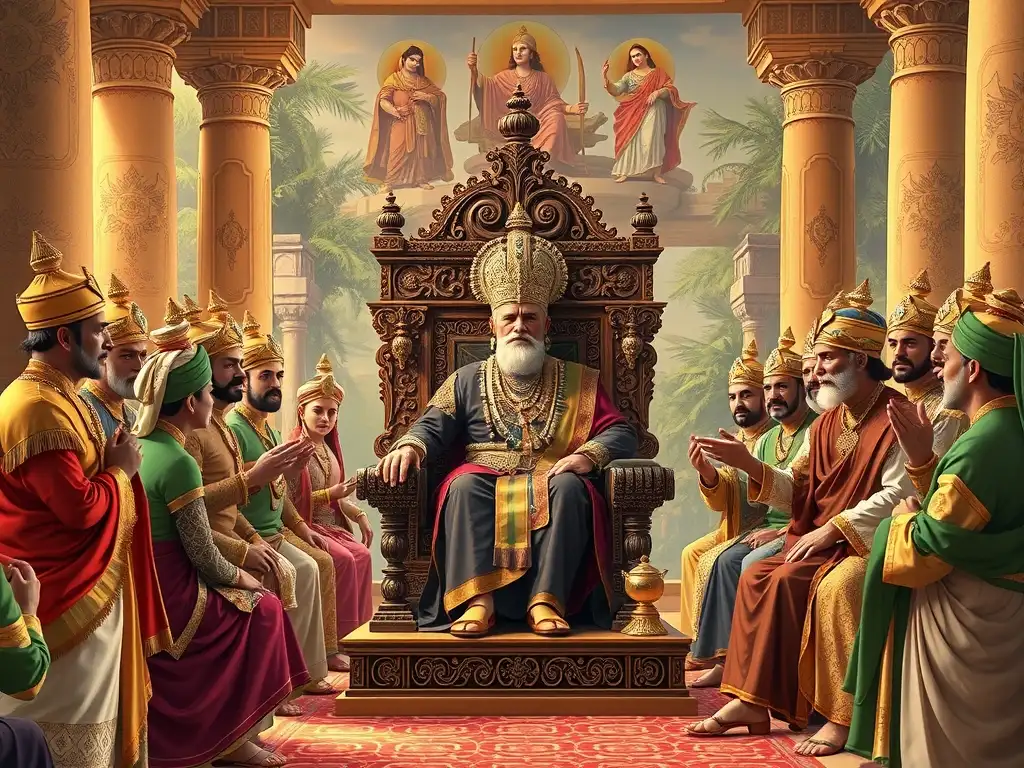
The relationship between the Maurya Empire and local rulers was characterized by a delicate balance between autonomy and control. While the Maurya Empire, under the leadership of emperors like Chandragupta Maurya and Ashoka, sought to establish centralized governance, it also recognized the necessity of local rulers in maintaining order and stability within its vast territories. Local rulers often retained a significant degree of autonomy, which allowed them to govern their regions effectively while aligning with the broader interests of the empire.
Local rulers were typically responsible for managing their jurisdictions, collecting taxes, and implementing local laws. This autonomy was essential, especially in areas where the Maurya Empire faced logistical challenges or resistance. By empowering local leaders, the Maurya Empire could ensure that local customs and traditions were respected, which in turn facilitated smoother governance and loyalty from the populace.
Case Studies of Notable Local Rulers
- Chandragupta Maurya's Allies: Early on, Chandragupta formed alliances with various local rulers, such as the rulers of the Magadha region. These alliances were crucial in laying the foundation of the Maurya Empire and allowed local rulers to maintain their titles and privileges in exchange for loyalty and tribute to the empire.
- Ashoka's Governance of Kalinga: After the conquest of Kalinga, Ashoka's administration allowed some local rulers to retain their power. This approach helped in integrating Kalinga into the Maurya administration without inciting further rebellion. Ashoka’s Edicts reflect a policy of benevolence towards local rulers, emphasizing the importance of dharma (moral law) in governance.
- The Role of the Satraps: The Maurya Empire appointed local satraps (governors) in various regions, including present-day Punjab and Sindh. These satraps were often local nobility who understood the intricacies of regional politics and could effectively manage their territories while adhering to the overarching directives of the Maurya Empire.
Factors Influencing Local Autonomy
Several factors influenced the degree of autonomy local rulers experienced within the Maurya Empire:
- Geographical Diversity: The vast and varied geography of the empire necessitated localized governance. In regions that were difficult to access, local rulers were given more leeway to manage their territories effectively.
- Cultural Context: The Maurya Empire encompassed diverse cultures and languages. Local rulers were often more attuned to their people’s needs, allowing them to govern efficiently while adhering to the empire's broader policies.
- Military Presence: The presence of Mauryan military forces often dictated the level of autonomy local rulers could exercise. Areas with a strong military presence tended to have less local autonomy, as the empire sought to maintain order through direct control.
Control Mechanisms Employed by the Maurya Empire
Despite the autonomy granted to local rulers, the Maurya Empire implemented various control mechanisms to ensure loyalty and compliance with imperial authority.
Military Presence and Local Governance
The Maurya Empire maintained a formidable military presence throughout its territories. This military force acted as both a deterrent against rebellion and a means of enforcing the empire's policies. The deployment of troops in strategic locations helped to:
- Instill fear in potential insurgents and rebellious local rulers.
- Support local governance by providing resources and manpower to local rulers when necessary.
- Serve as a visible symbol of the empire's power, reinforcing the idea that local rulers were ultimately accountable to the Mauryan authority.
Diplomatic Strategies and Alliances
The Maurya Empire employed a range of diplomatic strategies to maintain relationships with local rulers. These strategies included:
- Marriages and Alliances: Strategic marriages between the Mauryan royal family and local ruling families helped to strengthen ties and ensure loyalty. This practice not only fostered goodwill but also created a network of alliances that benefited both parties.
- Tribute Systems: Local rulers were often required to pay tribute to the Maurya Empire, which served as a reminder of their subordinate status. In exchange for their tribute, local rulers received protection and support from the empire.
- Cultural Integration: The Maurya Empire promoted cultural integration through the spread of Buddhism and the establishment of trade routes. By fostering a shared cultural identity, the empire was able to create loyalty among local rulers and their subjects.
The relationship between the Maurya Empire and local rulers was multifaceted, marked by a careful balance of autonomy and control. Through strategic alliances, military presence, and cultural integration, the Maurya Empire managed to maintain its authority while allowing local rulers to govern effectively within their regions.
Impacts of the Maurya Empire's Relationship with Local Rulers
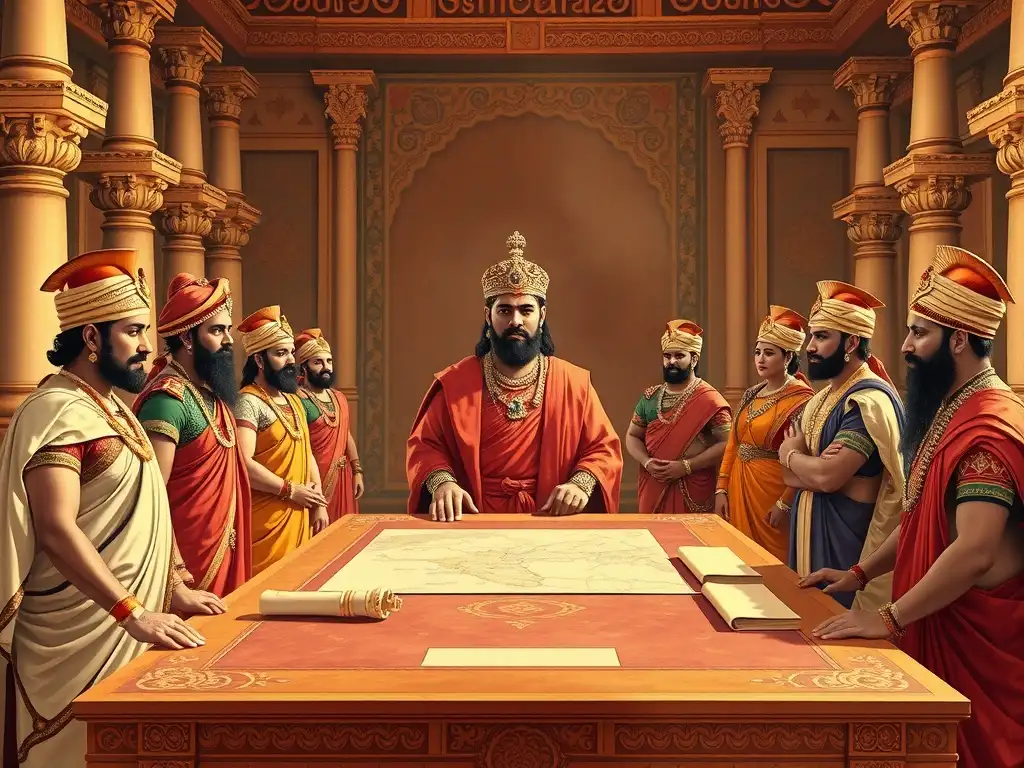
The Maurya Empire, which flourished from 322 to 185 BCE, established a complex relationship with local rulers that had profound impacts on governance, culture, and socio-economic structures across its vast territory. This relationship was characterized by a balance between autonomy and control, allowing local rulers to maintain their authority while aligning with the central imperial power. The following sections explore the nuanced impacts of this relationship, focusing on socio-economic effects, cultural exchanges, and the legacy of local governance.
Socio-Economic Effects on Local Governance
The relationship between the Maurya Empire and local rulers significantly influenced the socio-economic landscape of ancient India. Local rulers, often referred to as rajās or mahārājās, were instrumental in administering their regions, which led to several notable socio-economic effects:
- Economic Autonomy: Local rulers retained considerable autonomy over their economic resources. They managed local taxation, agriculture, and trade, which allowed them to tailor economic policies that suited their regions. This autonomy fostered economic growth and stability in many areas.
- Infrastructure Development: The Mauryan administration encouraged local rulers to invest in infrastructure projects. Roads, irrigation systems, and trade networks were developed, enhancing connectivity and facilitating commerce. The famous Grand Trunk Road, for example, significantly improved trade routes across the empire.
- Taxation and Revenue Sharing: The Maurya Empire implemented a system of revenue sharing, where local rulers collected taxes on behalf of the central authority. This arrangement ensured a steady income for the empire while allowing local rulers to retain a portion of the revenues for their governance. The tax system was often based on agricultural yields, which ensured that local economies were directly tied to the empire's wealth.
- Social Hierarchies and Land Ownership: Local rulers maintained traditional social hierarchies, which were crucial for governance. They often retained control over land ownership and agricultural practices, allowing them to preserve local customs and social structures while integrating broader Mauryan policies.
These socio-economic effects contributed to a more cohesive governance structure, where local rulers acted as intermediaries between the Maurya Empire and their subjects, fostering loyalty and stability throughout the empire.
Cultural Exchange and Integration
The Maurya Empire's relationship with local rulers also facilitated significant cultural exchange and integration across its diverse territories. This cultural dynamism can be observed in several key areas:
- Religious Syncretism: The Mauryan Empire was characterized by religious tolerance, particularly during the reign of Emperor Ashoka. Local rulers often promoted local deities and traditions, leading to a blend of indigenous practices with the more widespread influences of Buddhism and Jainism. This syncretism enriched the cultural fabric of the empire.
- Art and Architecture: Local rulers contributed to the artistic landscape of the Maurya Empire by commissioning temples, stupas, and other structures that reflected both local styles and Mauryan influences. The Ashoka Pillars, for instance, are famous for their unique carvings and inscriptions, symbolizing the integration of local artistry with imperial messaging.
- Language and Literature: The relationship between the Maurya Empire and local rulers also fostered the development of regional languages and literature. Local dialects were often used in administrative documents, leading to the preservation and evolution of linguistic diversity. Additionally, the promotion of literature in local languages enriched the cultural heritage of the regions.
- Festivals and Customs: The interaction between the Maurya Empire and local rulers facilitated the exchange of festivals and customs. Local rulers would often incorporate imperial celebrations into their regional practices, creating a shared cultural experience that strengthened the unity of the empire.
Through these cultural exchanges, the Maurya Empire not only expanded its influence but also embraced the rich diversity of its territories, leading to a more integrated and harmonious society.
The Legacy of Local Rulers in Maurya Governance
The legacy of local rulers within the framework of Maurya governance is profound, influencing subsequent political structures and regional identities. Key aspects of this legacy include:
- Decentralized Administration: The model of governance established by the Maurya Empire, characterized by the balance of power between central authority and local autonomy, laid the groundwork for future Indian empires. This decentralized approach allowed for adaptability in governance, accommodating diverse regional needs.
- Political Alliances: Local rulers often formed alliances with the Maurya Empire, which allowed them to maintain their power while contributing to the stability of the empire. These alliances were crucial during times of conflict, as local rulers mobilized their forces to support the empire.
- Cultural Heritage and Identity: The integration of local rulers into the Mauryan political structure helped preserve and promote regional identities. The legacy of these rulers is evident in the continued reverence for local traditions and governance styles in many parts of India even after the decline of the Maurya Empire.
- Influence on Successor States: The governance practices established during the Maurya Empire influenced successor states, such as the Gupta Empire. The emphasis on local governance and the recognition of regional rulers persisted, shaping the political landscape of ancient India for centuries.
The Maurya Empire's relationship with local rulers was instrumental in shaping the social, economic, and cultural dynamics of ancient India. The impacts of this relationship continue to resonate in the historical narrative of the subcontinent, highlighting the significance of local governance in the broader context of imperial authority.
Conclusion: The Significance of the Maurya Empire's Relationship with Local Rulers
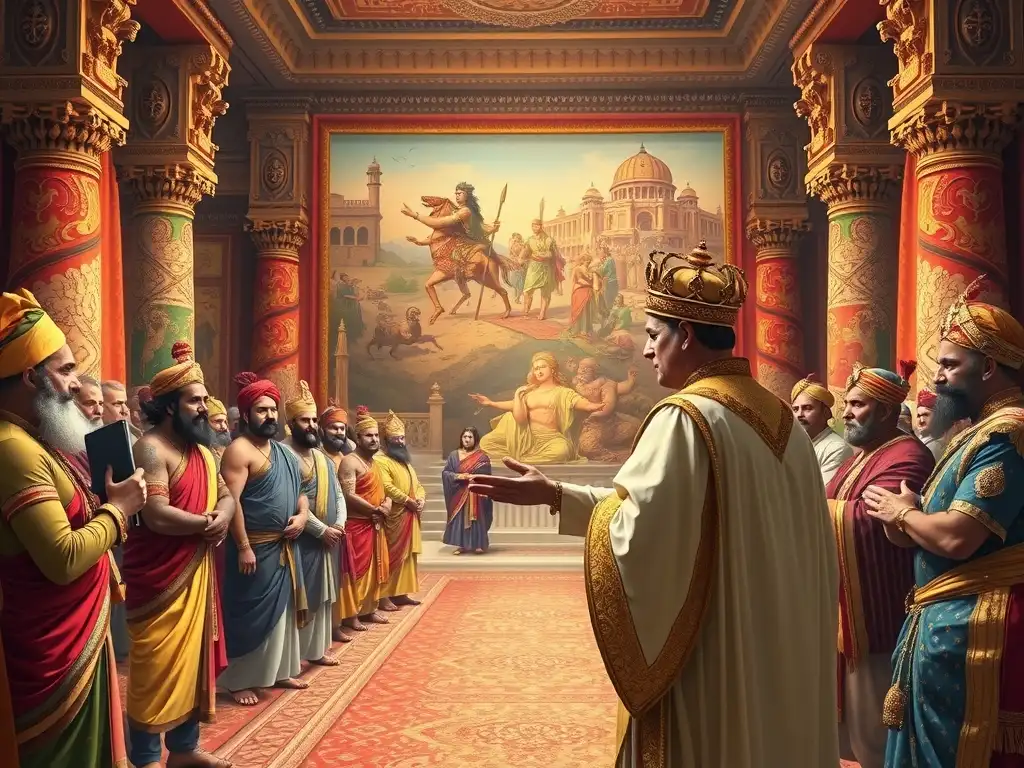
The relationship between the Maurya Empire and local rulers was a pivotal aspect of its political strategy, demonstrating a complex balance between autonomy and control. This relationship allowed the Mauryan administration to maintain stability across a vast and diverse territory, fostering both local governance and imperial oversight. The Maurya Empire adeptly integrated local rulers into its political framework, thereby ensuring loyalty while allowing a degree of self-governance that was essential for managing the varied cultures and customs within its borders.
Summary of Autonomy and Control Dynamics
The Maurya Empire's approach to local rulers can be characterized by a dual strategy of autonomy and control. Local rulers, often referred to as rajputs or princely states, retained significant authority over their territories, which was crucial for managing local affairs and maintaining social order. In return, these rulers were expected to pay tribute to the Mauryan central authority and provide military support when required.
- Autonomy:
- Local Governance: Local rulers were allowed to govern their lands as they saw fit, which fostered loyalty among their subjects who valued local leadership.
- Cultural Integration: The Maurya Empire respected local customs and traditions, which helped to legitimize their rule and avoid resistance.
- Control:
- Tributary System: The empire established a system where local rulers paid regular tributes, reinforcing the economic ties and ensuring a steady flow of resources to the central authority.
- Military Oversight: The Mauryan administration maintained a formidable military presence to intervene in local affairs when necessary, demonstrating the empire's readiness to assert control.
This dynamic created a symbiotic relationship where both the empire and local rulers benefited, ultimately contributing to the stability and longevity of the Maurya Empire.
Implications for Understanding Ancient Indian Political Structures
Understanding the relationship between the Maurya Empire and local rulers provides critical insights into the political structures of ancient India. It reveals how empires could effectively govern vast territories without resorting to direct rule over every region. This model of governance emphasized:
- Decentralization: The Mauryan approach illustrates an early form of decentralized governance where local leaders played a crucial role in the administration.
- Cultural Sensitivity: By allowing local rulers autonomy, the Maurya Empire displayed a sophisticated understanding of the cultural diversity within its realm, which is essential for any governing body in a multi-ethnic society.
- Political Adaptability: The ability to balance local autonomy with central control speaks to the political acumen of Mauryan leaders, suggesting a flexible approach to governance that could adapt to changing circumstances.
This relationship not only highlights the Maurya Empire's administrative capabilities but also sets a precedent for future Indian empires in their dealings with local authorities.
Future Research Directions on the Maurya Empire and Local Rulers
While significant strides have been made in understanding the Maurya Empire's relationship with local rulers, several areas warrant further exploration:
- Regional Variations: Investigating how the dynamics of autonomy and control varied across different regions of the empire could provide deeper insights into localized governance practices.
- Comparative Studies: Comparing the Maurya Empire's approach with other contemporary empires, such as the Persian or Hellenistic empires, could yield valuable perspectives on governance strategies.
- Economic Impact: Further research into the economic implications of the tribute system and local governance on the overall prosperity of the Maurya Empire could enhance our understanding of its success.
- Cultural Exchange: Examining how the relationship with local rulers influenced cultural exchanges and interactions within the empire may provide a broader view of its societal fabric.
By pursuing these avenues, scholars can continue to enrich the narrative surrounding the Maurya Empire and its innovative governance model, ultimately contributing to a more comprehensive understanding of ancient Indian political structures.
References
Primary Sources on Maurya Empire Political Structure
The political structure of the Maurya Empire, particularly its relationship with local rulers, is documented in several primary sources that provide valuable insights into governance and administration.
- Arthashastra by Kautilya (Chanakya): This ancient treatise on statecraft, economics, and military strategy gives a detailed account of how the Mauryan administration operated. Kautilya emphasizes the importance of local rulers in the broader governance framework and outlines methods for maintaining control over them while allowing a degree of autonomy. Key points include:
- Role of Local Rulers: Kautilya describes local rulers as vital agents of the empire, who were expected to maintain law and order and pay tributes to the Mauryan authority.
- Diplomacy and Coercion: The text suggests that the Mauryan rulers used a combination of diplomacy and force to manage relationships with local leaders, ensuring that loyalty was rewarded and rebellion was punished.
- Edicts of Ashoka: The inscriptions left by Emperor Ashoka are crucial for understanding how the Maurya Empire engaged with local rulers. These edicts, carved on rocks and pillars across the subcontinent, reflect Ashoka's policies of governance, moral exhortation, and his approach towards local leaders:
- Promoting Dharma: Ashoka’s edicts advocate for a benevolent rule that encourages local rulers to govern justly and promote the welfare of their subjects.
- Integration of Local Practices: The edicts also reveal Ashoka’s strategy of integrating local customs and practices into the imperial framework, thereby fostering loyalty among local rulers.
- Jain and Buddhist Texts: Various Jain and Buddhist scriptures from the Maurya period also provide narratives about the interactions between the Maurya Empire and local rulers. These texts often highlight:
- Resistance and Adaptation: They document instances of local rulers resisting Mauryan control, as well as those who adapted to the political landscape to maintain their power.
Secondary Sources: Historians and Scholars on Local Rulers
Numerous historians and scholars have analyzed the relationship between the Maurya Empire and local rulers, offering varied interpretations based on archaeological findings, literary sources, and socio-political theories.
- Romila Thapar: In her works, Thapar discusses the dynamics of power between the Mauryan central authority and local rulers. She argues that local rulers were not merely vassals but played a significant role in regional governance, which allowed the Maurya Empire to maintain stability across its vast territories.
- Decentralization: Thapar notes that the Mauryas employed a decentralized approach in governance, allowing local rulers to retain a degree of autonomy, which was crucial for administrative effectiveness.
- R.S. Sharma: Sharma's extensive research emphasizes the socio-economic aspects of the Maurya Empire, particularly how local rulers contributed to the empire's economy. He suggests that:
- Tributary System: Local rulers were integral to the empire’s economic framework as they collected taxes and tributes, which were essential for the Mauryan state’s revenue.
- Upinder Singh: In her book on ancient India, Singh examines the political strategies employed by the Maurya Empire to manage local rulers. She highlights:
- Cultural Integration: Singh points out that the Mauryas often integrated local customs and governance practices into their administration, fostering loyalty among local rulers and enhancing their own legitimacy.
- A.L. Basham: Basham’s analysis provides a broader context of Indian history, where he discusses the role of local rulers under the Maurya Empire as part of a continuum of Indian governance structures. He argues that:
- Historical Continuity: The relationship between central authority and local rulers established during the Maurya Empire set a precedent for future Indian empires, influencing political structures for centuries.
By examining these primary and secondary sources, we gain a comprehensive understanding of the Maurya Empire's intricate relationships with local rulers, revealing a complex interplay of autonomy, control, and governance that characterized this significant period in ancient Indian history.
Frequently Asked Questions
What was the Maurya Empire's approach to local rulers?
The Maurya Empire often employed a strategy of cooperation and autonomy with local rulers, allowing them to maintain some degree of control over their territories while ensuring loyalty to the central authority.
How did the Maurya Empire maintain control over local rulers?
The empire utilized a combination of military strength and diplomacy to maintain control. Local rulers were often integrated into the administrative framework, which helped to secure their allegiance.
What impact did local rulers have on the Maurya Empire?
Local rulers played a crucial role in administration and tax collection, contributing to the empire's overall stability and economic prosperity while also reflecting the diverse cultures within the empire.
Were local rulers completely autonomous under the Maurya Empire?
While local rulers enjoyed a certain level of autonomy, their powers were ultimately checked by the central authority of the Maurya Empire, which could intervene in local matters when necessary.
How did the relationship between the Maurya Empire and local rulers influence governance?
This relationship fostered a system of shared governance, where local rulers could cater to regional needs while aligning with the empire’s policies, thus promoting both unity and diversity within the empire.
Final Reflection: Understanding the Maurya Empire's Complex Ties with Local Rulers
The intricate relationship between the Maurya Empire and local rulers remains profoundly relevant today, as it sheds light on the dynamics of power, governance, and autonomy in contemporary societies. In an era where local governance often grapples with the balance between central authority and regional autonomy, the historical insights from the Maurya Empire provide a striking reminder of how effective collaboration can lead to stability and prosperity. The lessons learned from this ancient empire resonate with modern governance challenges, emphasizing the need for a nuanced understanding of power dynamics.
The influence of the Maurya Empire's approach to local rulers continues to echo through our cultural and social landscapes. The delicate balance of control and autonomy is not just a relic of history; it is a living principle that informs our current political structures. As we navigate the complexities of governance today, we can draw inspiration from the Mauryan model, which recognized the importance of local leaders in maintaining order and fostering loyalty. The strength of an empire lies not only in its central authority but also in its ability to empower local governance.
This perspective encourages us to consider how local leaders can play a pivotal role in enhancing community engagement and governance effectiveness.
As we reflect on the Maurya Empire's legacy, I invite you to consider how these historical lessons can be applied in your own life and community. Think about the relationships you foster with those around you—how can you empower local voices and promote collaboration? By embracing the spirit of autonomy within a framework of mutual respect and support, we can create a more harmonious society that values both unity and diversity. Let us take these insights to heart and strive to build connections that honor the past while paving the way for a brighter future.
Unveil the Secrets of Power: Take Action Today!
Thank you for exploring the fascinating dynamics of the Maurya Empire and its local rulers. Understanding this intricate relationship not only enhances your knowledge of ancient governance but also illuminates concepts of autonomy and control that are relevant today. Now, let's discover how you can engage more deeply with this captivating topic!
- Dive Deeper: Investigate other ancient empires and their governance styles—how do they compare to the Maurya Empire?
- Share Your Insights: Discuss this article with friends or family who share your interest in history—your perspectives might spark an engaging conversation!
- Join Our Community: Connect with fellow history enthusiasts on our forum, where you can share your discoveries and ask questions.
What aspect of the Maurya Empire's relationship with local rulers intrigued you the most, and how do you think those dynamics could be applied to contemporary governance?