
The Indus Valley Civilization: A Model of Sustainability and Resource Management

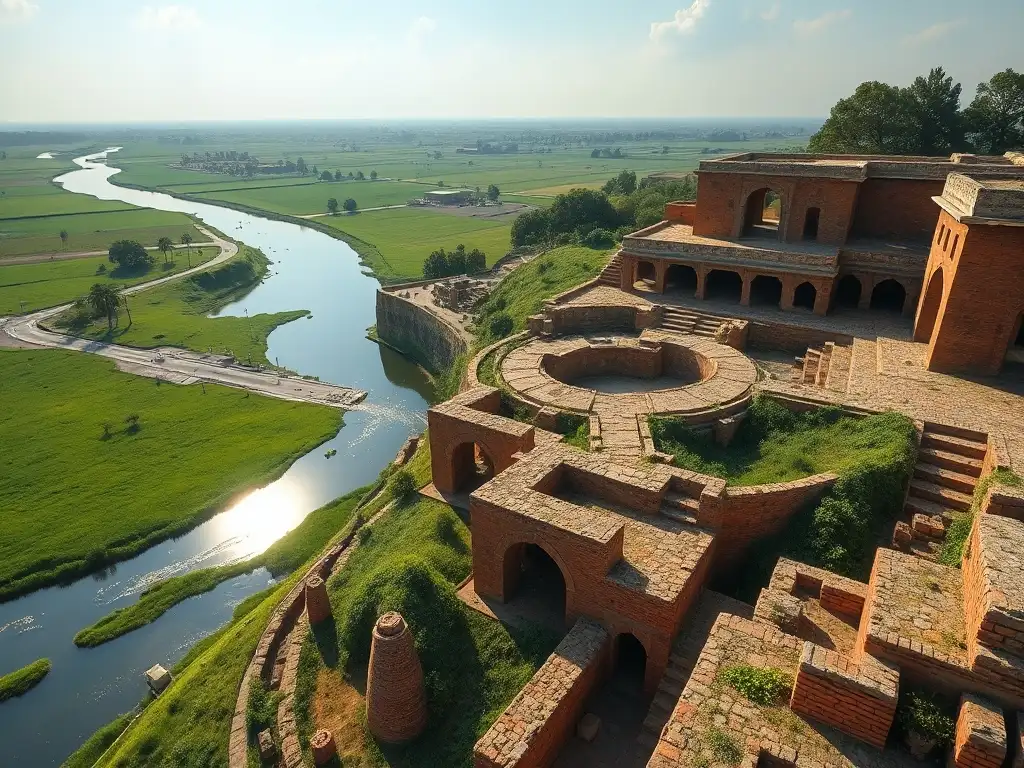
Welcome to Ancient India History, where we embark on a captivating journey through the rich tapestry of ancient Indian civilizations. Discover how the Indus Valley Civilization stood as a remarkable example of sustainability and resource management. As we delve into the intricacies of their urban planning and innovative practices, you'll uncover how these early pioneers laid the groundwork for sustainable living that resonates even today. Are you ready to explore the secrets of a civilization that thrived thousands of years ago? Let’s dive in!
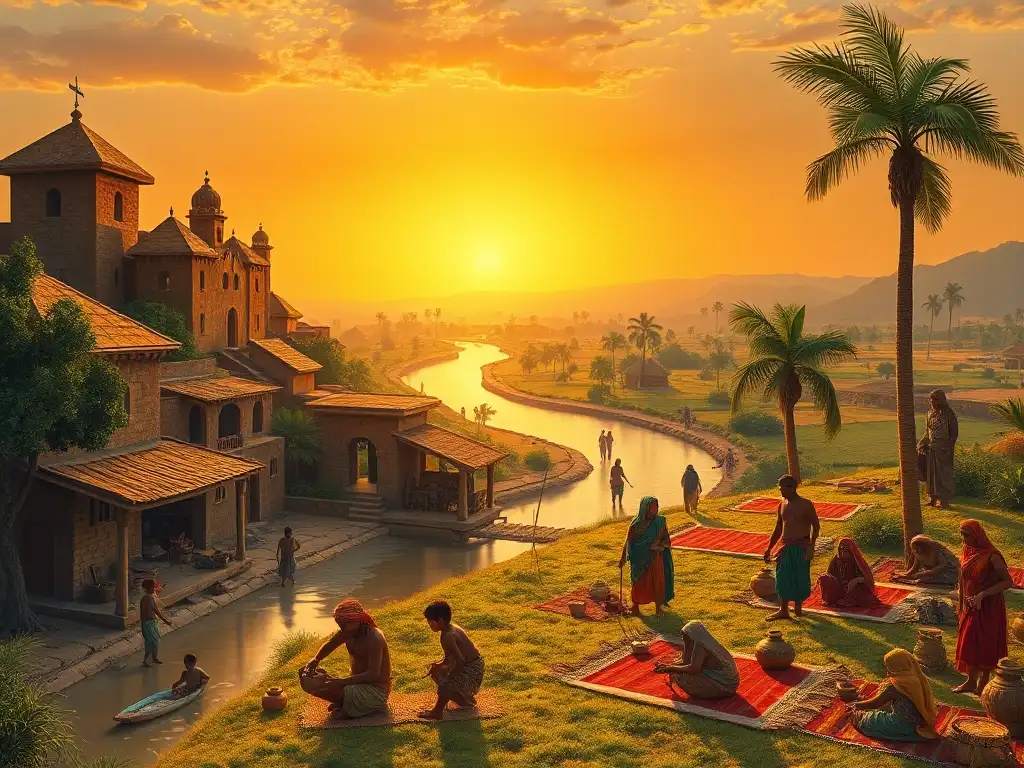
Introduction to the Indus Valley Civilization
The Indus Valley Civilization (IVC), spanning from approximately 3300 to 1300 BCE, stands as one of the earliest urban cultures in the world. Located in what is now Pakistan and northwest India, this civilization is renowned for its advanced city planning, architectural marvels, and sophisticated social organization. However, what sets the IVC apart is its remarkable emphasis on sustainability and resource management, making it a relevant subject of study in the context of modern environmental challenges.
Understanding the sustainability practices of the Indus Valley civilization not only sheds light on their daily life and societal structures but also offers valuable lessons for today’s world. Through this article, we will explore how the principles of sustainability were integrated into the very fabric of the Indus Valley civilization, and how these practices can inform contemporary approaches to environmental stewardship.
Overview of the Indus Valley Civilization
The Indus Valley Civilization emerged around 2500 BCE, encompassing major urban centers such as Harappa and Mohenjo-Daro. Characterized by a grid-like city layout, sophisticated drainage systems, and standardized fired brick construction, this civilization exhibited a high degree of organization and civic planning. The inhabitants engaged in agriculture, trade, and craft production, which contributed to their economic stability. The use of seals for trade and communication indicates an intricate social structure and a thriving economy. Despite its decline around 1900 BCE, the IVC left an enduring legacy that continues to fascinate historians and archaeologists.
Importance of Sustainability in Ancient Civilizations
Sustainability has been a crucial aspect of human societies throughout history. Ancient civilizations, including the IVC, had to adapt to their environments to thrive. The concept of sustainability encompasses the management of resources in a manner that meets the needs of the present without compromising the ability of future generations to meet their own needs.
In ancient times, this often involved sophisticated agricultural practices, water management techniques, and trade systems that supported resilience and adaptability. By studying these practices, we gain insights into how ancient societies maintained balance with their environments, which is especially pertinent as modern societies face unprecedented ecological challenges.
Understanding Sustainability in the Indus Valley Civilization
Definition of Sustainability in Historical Context
In the context of the Indus Valley Civilization, sustainability can be understood as the ability to create and maintain a stable society through effective resource management, environmental stewardship, and social organization. This encompasses agricultural practices, urban planning, and social systems that worked together to ensure the longevity of the civilization. The IVC’s sustainability practices were not merely reactions to environmental conditions but were integral to their cultural identity and daily life.
Key Features of Indus Valley Civilization Sustainability
The sustainability of the Indus Valley Civilization is reflected in several key features:
- Advanced Agricultural Techniques: The IVC employed crop rotation, irrigation systems, and the cultivation of diverse crops, which not only maximized yields but also preserved soil health.
- Water Management Systems: The civilization developed sophisticated drainage and sewage systems, showcasing an understanding of sanitation and water conservation that is often overlooked in ancient societies.
- Urban Planning: Cities were designed with an emphasis on communal spaces and efficient land use, promoting social interaction while minimizing environmental impact.
- Trade and Resource Distribution: The establishment of trade networks facilitated the exchange of goods and resources, ensuring that communities had access to what they needed without overexploitation of local resources.
These features exemplify how the Indus Valley civilization exemplified sustainability, providing valuable lessons for current and future societies striving for harmony with their environment.
Resource Management in the Indus Valley Civilization
The Indus Valley Civilization (IVC), thriving from approximately 2600 to 1900 BCE, is renowned for its sophisticated approach to resource management, which enabled it to sustain a large urban population over several centuries. The civilization's success can be attributed to its innovative agricultural practices, advanced water management systems, and meticulous urban planning. These elements not only supported daily life but also ensured resilience against environmental challenges, such as droughts or floods. Understanding these aspects of resource management provides valuable insights into how the IVC exemplified sustainability long before contemporary practices were conceptualized.
Agricultural Practices and Sustainable Farming Techniques
The agricultural practices of the Indus Valley Civilization were highly advanced for their time, characterized by the cultivation of diverse crops and the use of sustainable farming techniques. The region's fertile alluvial plains allowed for the growth of staple crops such as wheat, barley, peas, and cotton.
- Crop Rotation: Evidence suggests that farmers employed crop rotation strategies to maintain soil fertility and prevent depletion of nutrients. This practice not only maximized yield but also minimized the risk of pests and diseases.
- Irrigation Techniques: The civilization utilized an intricate network of irrigation channels, which facilitated the efficient delivery of water to crops, especially during dry periods. This sustainable approach to irrigation reduced dependency on seasonal rains and enhanced agricultural productivity.
- Domestication of Animals: The domestication of animals, such as cattle, buffalo, and goats, played a crucial role in agricultural sustainability. These animals provided labor for plowing and transportation, while their manure served as an organic fertilizer, promoting soil health.
The combination of these techniques illustrates how the Indus Valley inhabitants cultivated a resilient agricultural system, which not only sustained their population but also contributed to a diverse diet.
Water Management Systems and Innovations
Water management was a cornerstone of the Indus Valley Civilization's sustainability model. The civilization's engineers devised remarkable systems to harness and manage water resources effectively.
- Drainage Systems: Cities like Mohenjo-Daro and Harappa featured advanced drainage systems, characterized by paved streets with covered drains. This infrastructure minimized waterlogging and facilitated the removal of wastewater, contributing to public health and hygiene.
- Water Reservoirs and Wells: The construction of large reservoirs and numerous wells allowed for the storage and distribution of water. These reservoirs not only provided a reliable water source for agriculture but also ensured that the population had access to clean drinking water.
- Flood Management: The IVC’s strategic location near the Indus River required effective flood management. The civilization's layout and water management systems were designed to mitigate the impact of seasonal flooding, demonstrating their foresight and adaptability.
These innovations in water management underscore the Indus Valley Civilization's commitment to sustainability and its ability to thrive within a challenging environment.
Urban Planning: The Role of City Layout in Sustainability
The urban planning of the Indus Valley Civilization reflects a sophisticated understanding of sustainability principles. The layout of cities was meticulously designed to promote efficient resource use and enhance the quality of life for its inhabitants.
- Grid Pattern Layout: Cities were constructed in a grid pattern, which optimized land use and facilitated easy movement. This layout not only improved accessibility but also contributed to effective resource distribution and management.
- Public and Private Spaces: The separation of public and private spaces allowed for organized living conditions. Public baths and granaries indicated a collective approach to hygiene and food storage, promoting community welfare.
- Building Materials and Techniques: The use of standardized fired bricks in construction ensured durability and sustainability. These bricks were made from local materials, reducing transportation costs and environmental impact.
The thoughtful urban design of the Indus Valley Civilization significantly contributed to its sustainability, allowing the society to maintain a high quality of life while effectively managing resources.
The social structure of the Indus Valley Civilization played a pivotal role in its sustainability, influencing how resources were managed and shared among its population. The cooperation among community members and the established social hierarchy fostered an environment conducive to collective well-being.
Community Cooperation and Resource Sharing
Community cooperation was a hallmark of the Indus Valley Civilization, underpinning its resource management strategies. The society operated on principles of collaboration and mutual support, which enhanced sustainability.
- Collective Agriculture: Farmers often worked together in communal fields, sharing labor and resources. This collective approach not only increased efficiency but also ensured that all members of the community had access to food, thereby reducing the risk of famine.
- Shared Infrastructure: The construction and maintenance of public works, such as drainage systems and wells, were likely community efforts. This shared responsibility fostered a strong sense of community and ensured that resources were used judiciously.
- Distribution of Goods: Evidence from archaeological findings suggests that goods were distributed fairly within the community. This equitable sharing of resources helped maintain social harmony and stability, essential for long-term sustainability.
The cooperative nature of the society allowed for effective resource management, ensuring that the needs of the population were met while promoting social cohesion.
Social Hierarchy and Its Impact on Sustainability
The social hierarchy of the Indus Valley Civilization influenced sustainability in various ways, shaping resource distribution and community organization.
- Leadership Roles: Leaders or governing bodies likely played a significant role in decision-making regarding resource management. Their authority in organizing communal activities and overseeing agricultural practices contributed to the efficient use of resources.
- Specialization of Labor: The existence of specialized roles within the community, such as craftsmen and traders, allowed for the efficient production and exchange of goods. This specialization not only enhanced economic resilience but also optimized resource allocation.
- Impact on Vulnerable Groups: While the social hierarchy provided structure, it may have also led to disparities in resource access. Understanding how different social classes interacted with resource management can provide insights into the civilization's overall sustainability.
The interplay between social structure and sustainability in the Indus Valley Civilization demonstrates how a well-organized society can effectively manage resources and promote communal well-being.
Trade and Economic Sustainability
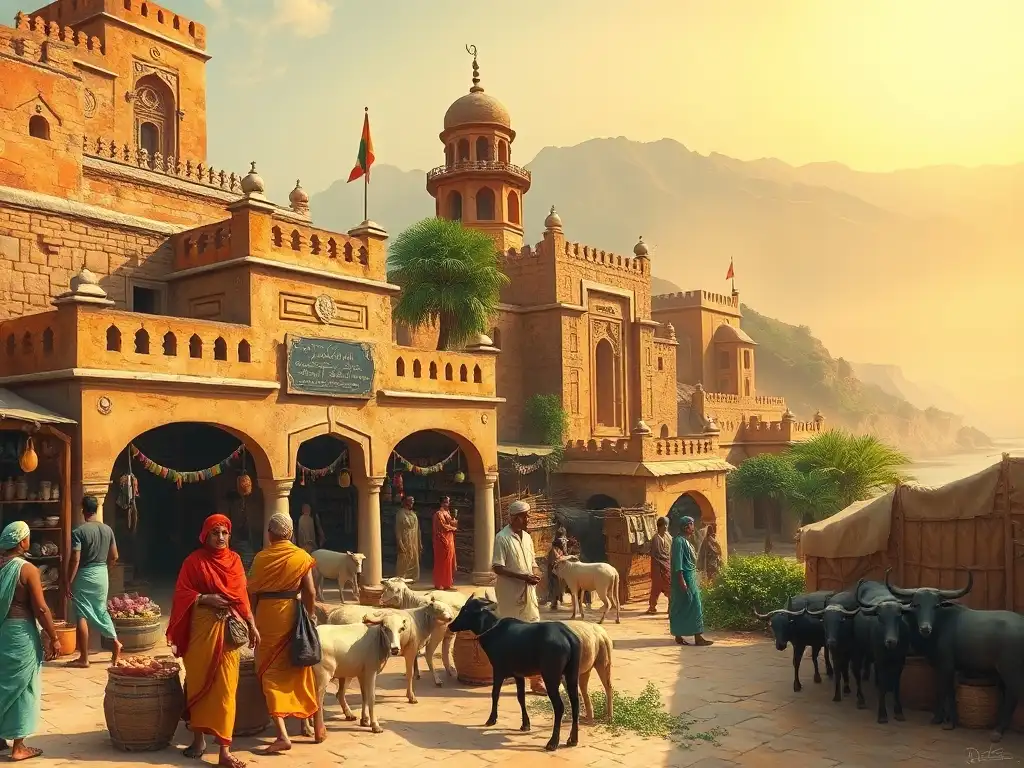
The Indus Valley Civilization, flourishing around 2500 BCE, is often noted for its remarkable approaches to trade and economic sustainability. The civilization's economy was characterized by a sophisticated system of trade that not only facilitated commerce but also promoted sustainable practices that allowed the society to thrive. The strategic location of the Indus Valley provided access to key trade routes, connecting it with neighboring regions such as Mesopotamia, Persia, and Central Asia. This network of trade played a crucial role in the exchange of goods, ideas, and technologies, contributing significantly to the overall sustainability of the civilization.
Trade Networks and Their Contribution to Sustainable Practices
The trade networks of the Indus Valley Civilization were extensive and well-organized, allowing for the efficient movement of goods. Major cities like Harappa and Mohenjo-Daro acted as hubs for trade, providing a marketplace for various commodities, including textiles, pottery, and agricultural products. The use of standardized weights and measures facilitated fair trade practices, which further enhanced economic stability.
In addition to goods, the Indus Valley traders exchanged knowledge and techniques that fostered sustainable agricultural practices. They imported raw materials not available in their region, such as lapis lazuli from Afghanistan and copper from Oman, which allowed them to create high-quality crafts without depleting local resources. This exchange not only diversified their economy but also encouraged the development of local industries, thus maintaining a balance between resource utilization and environmental preservation.
The Role of Crafts and Local Resources in Economic Sustainability
Craftsmanship played a pivotal role in the economic sustainability of the Indus Valley Civilization. Artisans specialized in pottery, bead-making, metallurgy, and textiles utilized local resources effectively, enhancing the economy without overexploiting their environment. The quality of their crafts, coupled with innovative techniques, made their products highly sought after in both local and foreign markets.
Moreover, the reliance on local resources reduced transportation costs and the carbon footprint associated with trade. By utilizing materials available in their immediate surroundings, artisans not only supported the local economy but also laid the groundwork for a sustainable craft-based industry. This focus on local resources ensured that the economic practices of the Indus Valley Civilization were both resilient and environmentally conscious.
Environmental Awareness in the Indus Valley Civilization
The Indus Valley Civilization exhibited a profound understanding of environmental awareness, which was reflected in their urban planning, agricultural techniques, and resource management. The cities were designed with advanced drainage systems and waste management practices that demonstrated a commitment to maintaining a clean and sustainable living environment. This foresight in urban design indicated a strong awareness of the importance of environmental sustainability for the health and longevity of their society.
Relationship Between the Indus Valley Civilization and Its Environment
The people of the Indus Valley Civilization had a symbiotic relationship with their environment. They strategically settled in areas with fertile plains, such as the floodplains of the Indus River, which provided ample agricultural opportunities. This selection of location was not merely accidental; it was a calculated decision based on environmental factors that could sustain their agricultural practices.
The civilization's agricultural techniques were advanced for their time, utilizing crop rotation and irrigation systems that minimized soil degradation and maximized yields. This sustainable approach to agriculture ensured food security and prevented the depletion of natural resources, allowing the civilization to flourish for centuries.
Adaptations to Environmental Challenges
Over time, the Indus Valley Civilization faced various environmental challenges, including flooding, droughts, and shifts in river courses. Their ability to adapt to these challenges is a testament to their resilience and ingenuity. For instance, evidence suggests that they implemented sophisticated water management systems, including reservoirs and canals, to control water supply for irrigation during dry spells.
The civilization's adaptability also extended to their agricultural practices. They diversified their crops and introduced new varieties that could withstand changing climatic conditions. This flexibility not only safeguarded their food supply but also enhanced their agricultural sustainability. By learning from their environment and adjusting their practices accordingly, the people of the Indus Valley Civilization exemplified a model of sustainability that remains relevant in today's discussions on resource management and environmental stewardship.
Lessons from the Indus Valley Civilization for Modern Sustainability
The Indus Valley Civilization (IVC), one of the world's earliest urban societies, exhibited remarkable sustainability practices that have much to teach contemporary societies. The civilization thrived between approximately 2500 BCE and 1900 BCE in what is now Pakistan and northwest India, demonstrating advanced urban planning, resource management, and environmental stewardship. Key lessons from the IVC include efficient water management systems, sustainable agricultural practices, and the importance of community collaboration in maintaining ecological balance. By analyzing these ancient practices, modern societies can draw valuable insights into sustainable living and resource conservation.
Applying Ancient Practices to Contemporary Resource Management
Modern cities face numerous challenges, including water scarcity, waste management, and urban sprawl. The IVC provides several notable examples of resource management that can be adapted for contemporary use:
- Water Management: The inhabitants of the Indus Valley constructed sophisticated drainage systems and reservoirs. They utilized rainwater harvesting techniques and built wells for clean water access. Implementing similar water conservation methods today can help mitigate water shortages, especially in arid regions.
- Urban Planning: The grid-like layout of IVC cities, such as Mohenjo-Daro and Harappa, optimized land use and facilitated efficient waste disposal. Today's urban planners can learn from this model to create more sustainable and livable urban environments by emphasizing compact city designs and integrated public services.
- Agricultural Techniques: The IVC practiced crop rotation and developed irrigation systems that supported diverse agriculture. Modern agricultural practices can benefit from these ancient methods to enhance soil health and reduce dependency on chemical fertilizers.
By integrating these ancient practices into contemporary resource management strategies, societies can promote sustainability while addressing pressing environmental issues.
The Relevance of Indus Valley Sustainability Principles Today
The principles of sustainability that defined the IVC remain highly relevant in today's context, where climate change and resource depletion threaten global ecosystems. The emphasis on:
- Community Involvement: The communal nature of the IVC, evident in shared public works and collective decision-making, highlights the need for community engagement in sustainability efforts today. Grassroots initiatives can lead to more effective environmental policies and practices.
- Adaptability: The ability of the Indus Valley people to adapt their agricultural practices to the changing climate underscores the importance of resilience in modern societies. Emphasizing adaptive strategies can help communities better respond to environmental challenges.
- Ecological Balance: The IVC maintained a harmonious relationship with its environment, prioritizing sustainability over exploitation. This principle is crucial today as we strive to balance human needs with ecological preservation.
Incorporating these timeless principles into modern frameworks can enhance efforts toward sustainable development and environmental conservation.
Conclusion
The Indus Valley Civilization serves as a powerful model for understanding sustainability in resource management. Its sophisticated practices and principles offer guidance for contemporary societies striving to create a more sustainable future.
Summary of Key Points on Indus Valley Civilization Sustainability
- Advanced Water Management: Effective systems for water conservation and distribution.
- Urban Planning Innovations: Thoughtful city layouts that facilitated waste management and resource efficiency.
- Sustainable Agriculture: Use of diverse crops and irrigation techniques that preserved soil health and reduced environmental impact.
- Community Collaboration: Engagement of citizens in decision-making processes for sustainable practices.
These key points illustrate how the IVC successfully managed resources while maintaining ecological balance, providing a blueprint for modern practices.
The Legacy of the Indus Valley Civilization in Sustainable Practices
The legacy of the Indus Valley Civilization lies in its pioneering approaches to sustainability that continue to resonate today. By prioritizing ecological balance, community involvement, and innovative resource management, the IVC set foundational principles that modern societies can adopt. As we face unprecedented environmental challenges, revisiting these ancient practices may not only inspire effective solutions but also foster a deeper understanding of our relationship with the environment. The enduring influence of the Indus Valley on sustainability practices underscores the importance of learning from history to inform our future.
- Introduction to the Indus Valley Civilization
- Understanding Sustainability in the Indus Valley Civilization
- Resource Management in the Indus Valley Civilization
- Social Structure and Sustainability
- Trade and Economic Sustainability
- Environmental Awareness in the Indus Valley Civilization
- Lessons from the Indus Valley Civilization for Modern Sustainability
- Conclusion
- What were the main features of the Indus Valley Civilization?
- How did the Indus Valley Civilization practice sustainability?
- What resources did the Indus Valley Civilization manage effectively?
- How did the Gupta Empire build upon the achievements of the Indus Valley Civilization?
- Why is the Indus Valley Civilization considered a model for modern sustainability?
Frequently Asked Questions
What were the main features of the Indus Valley Civilization?
The Indus Valley Civilization was characterized by advanced urban planning, a sophisticated drainage system, and trade networks that promoted sustainability and resource management.
How did the Indus Valley Civilization practice sustainability?
The civilization utilized efficient agricultural techniques, including crop rotation and irrigation systems, to ensure sustainable food production and maintain a stable economy.
What resources did the Indus Valley Civilization manage effectively?
They managed various natural resources such as water from the Indus River, fertile soil for agriculture, and minerals for trade, which contributed to their long-term sustainability.
How did the Gupta Empire build upon the achievements of the Indus Valley Civilization?
The Gupta Empire inherited and expanded upon the cultural and technological advancements of the Indus Valley, fostering a period of growth in arts, science, and philosophy.
Why is the Indus Valley Civilization considered a model for modern sustainability?
Its strategies for resource management, urban planning, and community organization provide valuable lessons for contemporary sustainability practices and urban development.
Final Reflection: Embracing the Wisdom of the Indus Valley Civilization's Sustainability
The lessons of the Indus Valley Civilization's sustainability practices resonate profoundly in today's world, where environmental challenges loom large. As we grapple with climate change, resource depletion, and urbanization, the innovative agricultural techniques, urban planning, and water management strategies of the Indus Valley serve as a beacon of hope. Their ability to harmonize human needs with ecological balance is not just a historical curiosity; it is a call to action for modern societies striving for a sustainable future.
Culture and society are deeply intertwined with the principles of sustainability, and the Indus Valley Civilization exemplifies this connection. Their sophisticated approach to resource management has left an indelible mark on how we can think about our own practices today. As we witness a growing movement towards sustainable living, we can draw inspiration from the past. The greatest threat to our planet is the belief that someone else will save it.
– Robert Swan. This quote encapsulates the urgency of our responsibility to learn from civilizations like the Indus Valley and to implement their sustainable practices in our daily lives.
As you reflect on the insights gleaned from the Indus Valley Civilization, consider how you can incorporate these timeless principles into your own life. What small changes can you make to promote sustainability in your community? Whether it's adopting water conservation techniques, supporting local agriculture, or advocating for responsible urban development, every action counts. Let the wisdom of the Indus Valley inspire you to become a steward of the earth, ensuring that future generations inherit a world that thrives in harmony with nature.
Unleash Your Curiosity About Sustainable Practices!
Thank you for diving into the fascinating world of the Indus Valley Civilization! We hope you uncovered valuable insights on how ancient societies practiced sustainability and resource management, which can inspire our modern lives. Now, let’s take a step further in exploring sustainability together.
Here are some actions you can take right now:
- Research and identify a sustainable practice used by the Indus Valley Civilization, reflecting on its application in your own community today.
- Share your findings with friends or on social media to ignite a conversation about the importance of sustainability in our lives.
- Join a local group focused on sustainability initiatives, or start a discussion group to explore ancient practices and their relevance in contemporary contexts!
What sustainable choice can you make today that echoes the resourcefulness of the Indus Valley Civilization?