
The Marvels of Indus Valley Architecture: A Journey Through Time

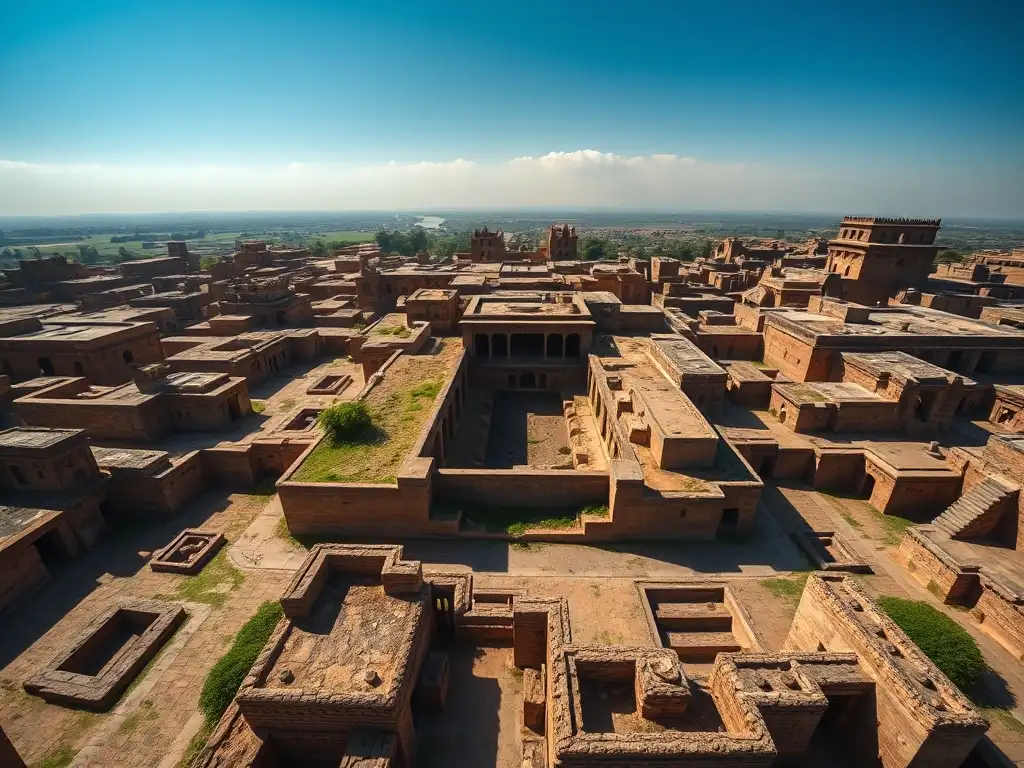
Welcome to Ancient India History, where we embark on an extraordinary journey through the rich tapestry of ancient Indian civilizations. Our exploration begins with a fascinating look at the Indus Valley architecture history, a testament to the ingenuity and sophistication of one of the world's earliest urban societies. As you delve into the marvels of their architectural achievements, from meticulously planned cities to innovative drainage systems, you'll uncover the secrets of a civilization that thrived thousands of years ago.
Prepare to be captivated by stories that illuminate the past and inspire curiosity about India's vibrant heritage. Join us as we unravel the wonders of the Indus Valley and beyond!
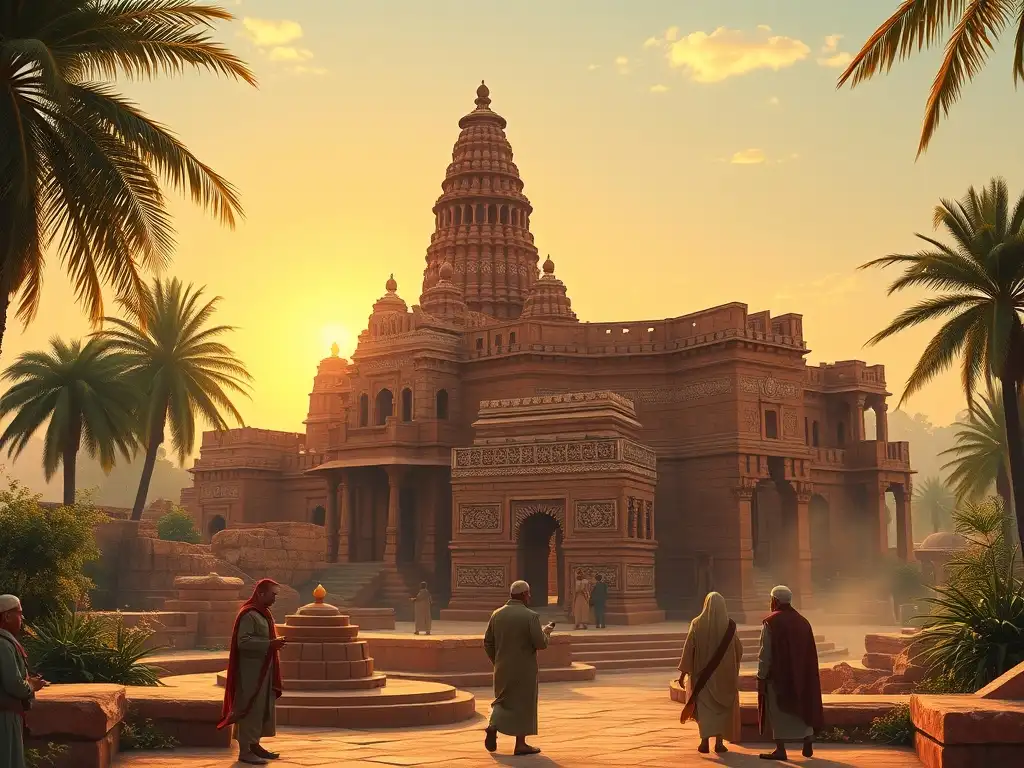
Introduction to Indus Valley Architecture History
The Indus Valley Civilization (IVC), one of the world's earliest urban cultures, flourished around 2500 BCE in what is now modern-day Pakistan and northwest India. Renowned for its sophisticated urban planning, advanced drainage systems, and impressive architectural designs, the architecture of the Indus Valley stands as a testament to the ingenuity and innovation of its people.
Exploring the history of Indus Valley architecture provides valuable insights into the social, economic, and cultural dynamics of this ancient civilization, illuminating how their architectural practices were not merely functional but also reflective of their societal values and environmental considerations. This journey through time reveals the remarkable contributions of the IVC to the broader narrative of ancient Indian civilizations and highlights the enduring legacy of their architectural marvels.
Overview of the Indus Valley Civilization
The Indus Valley Civilization, also known as the Harappan Civilization, thrived between 3300 BCE and 1300 BCE, encompassing a vast area that included major urban centers like Harappa, Mohenjo-Daro, and Dholavira. This civilization is characterized by its:
- Advanced Urban Planning: Cities were meticulously planned with grid layouts, wide streets, and well-defined residential and commercial areas.
- Innovative Architecture: Structures were constructed using standardized fired bricks, showcasing impressive engineering techniques.
- Cultural Richness: The civilization exhibited a high degree of craftsmanship in pottery, seal carving, and metallurgy, reflecting a vibrant cultural life.
The architectural brilliance of the IVC not only highlights its technical capabilities but also provides a glimpse into the daily lives and practices of its inhabitants.
Significance of Architecture in Ancient India
Architecture in ancient India served multiple purposes, extending beyond mere shelter. It was a reflection of cultural identity, religious beliefs, and social organization. The significance of architecture in this context can be summarized as follows:
- Cultural Expression: Architectural styles and structures were often imbued with religious and cultural meanings, serving as physical manifestations of people's beliefs and values.
- Social Organization: The layout of cities and the design of public spaces indicate a sophisticated understanding of community dynamics and governance.
- Technological Advancement: Innovations in construction techniques and materials used in ancient architecture laid the groundwork for subsequent architectural developments in India.
Understanding the significance of architecture within ancient Indian societies provides a deeper appreciation of how these civilizations shaped their environments and influenced future generations.
Key Features of Indus Valley Architecture
The architecture of the Indus Valley Civilization is distinguished by several key features that underscore its advanced engineering and design principles. These characteristics include:
Urban Planning and Layout
The cities of the Indus Valley were renowned for their meticulous urban planning. Key aspects include:
- Grid Patterns: Major cities were organized in a grid system, with streets running perpendicular to each other, allowing for efficient movement and organization.
- Zoning: Different areas were designated for residential, commercial, and public purposes, indicating a well-thought-out approach to urban living.
- Public Spaces: Structures such as granaries, baths, and marketplaces illustrate the importance of communal spaces in daily life.
Use of Materials and Construction Techniques
Indus Valley architecture reflects a deep understanding of materials and construction methods, characterized by:
- Standardized Fired Bricks: The use of uniform brick sizes facilitated the construction of durable and stable structures.
- Multi-Storied Buildings: Evidence suggests that some residential buildings had multiple stories, showcasing advanced architectural techniques.
- Intricate Drainage Systems: The implementation of covered drainage systems and toilets highlights the civilization's emphasis on hygiene and urban sanitation.
Water Management Systems
The ability to manage water resources was a remarkable feature of Indus Valley architecture, as evidenced by:
- Sophisticated Wells: The presence of deep wells in residential areas indicates advanced knowledge of water sourcing and storage.
- Bathing Structures: The Great Bath of Mohenjo-Daro exemplifies the importance placed on ritual cleanliness and social gatherings.
- Canal Systems: Evidence of irrigation canals suggests a strategic approach to agriculture, ensuring a sustainable water supply for crops.
Through these key features, the architecture of the Indus Valley Civilization not only showcases its technical prowess but also reflects the civilization's values, beliefs, and environmental adaptations, making it a subject of enduring interest in the study of ancient Indian history.
Major Architectural Sites of the Indus Valley
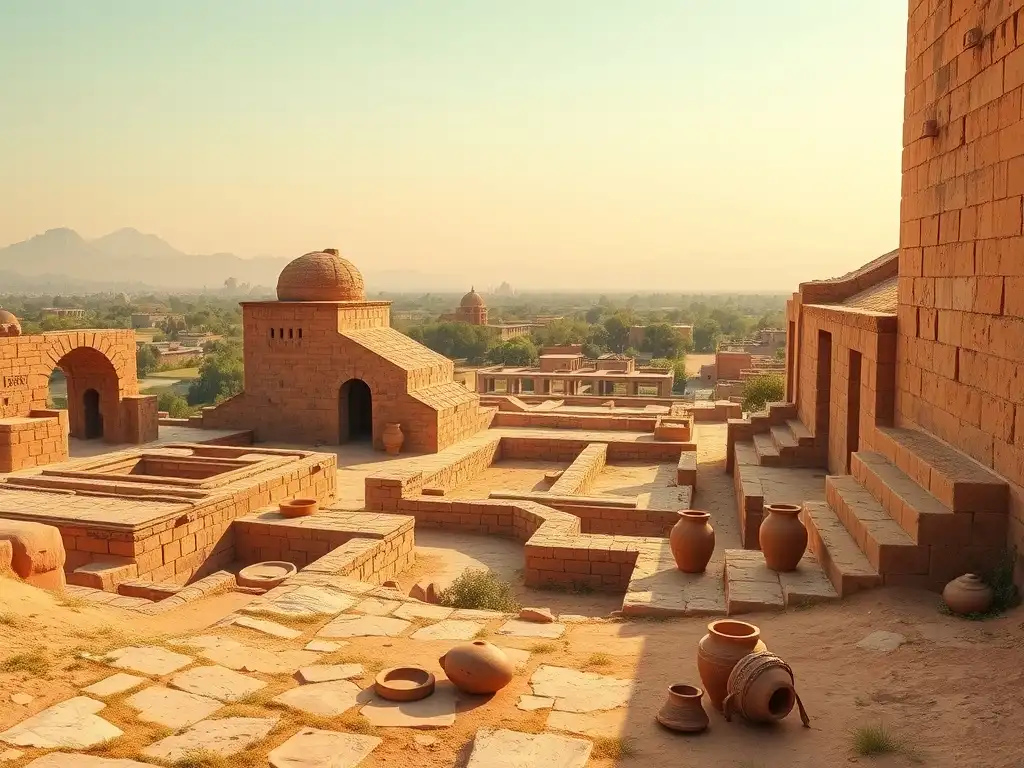
The Indus Valley Civilization, which flourished around 2500 BCE to 1900 BCE, is renowned for its remarkable architectural achievements. The major sites of this civilization exhibit sophisticated urban planning, advanced drainage systems, and impressive public structures that reflect the ingenuity of their creators. Among the most notable sites are Mohenjo-Daro, Harappa, and Dholavira, each showcasing unique features and contributing to our understanding of ancient urban life.
Mohenjo-Daro: The City of the Dead
Mohenjo-Daro, one of the most prominent cities of the Indus Valley Civilization, is often referred to as the "City of the Dead" due to its well-preserved ruins. The site features a grid-like street layout, indicating advanced urban planning, with wide avenues and narrow lanes facilitating efficient movement.
Key features of Mohenjo-Daro include:
- The Great Bath: An impressive structure believed to have been used for ritual bathing, showcasing sophisticated drainage and water management systems.
- The Citadel: Elevated and likely serving as a religious or administrative center, the Citadel highlights the city's organizational structure.
- Residential Areas: Houses made from baked bricks, often featuring flat roofs, highlight the architectural uniformity and advanced building techniques of the time.
The meticulous planning and construction techniques found at Mohenjo-Daro underscore the importance of this site in the study of Indus Valley architecture history.
Harappa: The Heart of the Civilization
Harappa, another key city of the Indus Valley Civilization, serves as a vital archaeological site that complements the findings at Mohenjo-Daro. Harappa is characterized by its extensive layout and well-planned streets, which reflect the civilization's focus on urban design.
Significant aspects of Harappa include:
- Granaries: Large structures that suggest the importance of agriculture and storage in the economy, indicating a highly organized food distribution system.
- Drainage Systems: Advanced drainage channels beneath the streets that demonstrate an understanding of sanitation and public health, which was quite progressive for its time.
- Seals and Inscriptions: The discovery of seals with intricate carvings indicates a form of writing and trade, hinting at the complexity of Harappa's societal structure.
The architectural achievements at Harappa reveal insights into the daily lives, trade practices, and cultural aspects of the Indus Valley people.
Dholavira: A Marvel of Engineering
Dholavira stands out as one of the most sophisticated urban centers in the Indus Valley, located on the arid island of Khadir in Gujarat. Its architecture exemplifies innovative engineering solutions adapted to its environment.
Noteworthy features of Dholavira include:
- Water Conservation Techniques: The city is famed for its elaborate water harvesting system, including reservoirs and channels that collected and stored rainwater, a critical resource in its arid setting.
- Fortified Structures: The massive stone walls surrounding the city indicate a high level of defense and urban planning, showcasing the strategic importance of the site.
- Unique Planning: Dholavira is laid out into distinct zones, including residential, administrative, and ceremonial areas, reflecting a sophisticated approach to urban organization.
Dholavira's architectural innovations provide a glimpse into the advanced engineering capabilities of the Indus Valley civilization and its adaptability to environmental challenges.
The Influence of Indus Valley Architecture on Later Civilizations
The architectural innovations of the Indus Valley Civilization significantly influenced later Indian civilizations and beyond. The principles of urban planning, water management, and construction techniques established during this period continued to resonate through history.
Architectural Continuities in Ancient India
The legacy of Indus Valley architecture is evident in subsequent Indian urban centers. Many later civilizations adopted similar urban planning principles, such as:
- Grid Layouts: The systematic design of streets and public spaces found in cities like Pataliputra and Varanasi can be traced back to the urban planning of the Indus Valley.
- Drainage and Sanitation: The emphasis on sanitation and drainage systems continued in later periods, reflecting a long-standing commitment to public health in Indian architecture.
- Use of Brick: The use of burnt bricks, a hallmark of Indus Valley construction, persisted in later architectural styles, influencing the building techniques of successive empires.
These continuities illustrate how the architectural practices of the Indus Valley laid a foundation for future urban development in India.
Comparisons with Other Ancient Civilizations
When compared to other ancient civilizations, the architecture of the Indus Valley stands out for its unique characteristics. Key comparisons include:
- Egyptian Pyramids vs. Indus Valley Granaries: While the Egyptians focused on monumental structures for the afterlife, the Indus Valley civilization prioritized practical agricultural storage, showcasing differing cultural values.
- Mesopotamian Ziggurats vs. Indus Valley Urban Planning: Unlike the monumental ziggurats of Mesopotamia, the Indus Valley cities emphasized organized layouts and public infrastructure, reflecting a distinct approach to urbanism.
- Chinese Civilization: The early Chinese urban centers also exhibited advanced planning, but the Indus Valley's focus on drainage and water management was particularly advanced for its time.
These comparisons highlight the distinctive features of Indus Valley architecture while situating it within the broader context of ancient global architectural practices.
The Legacy of Indus Valley Architecture in Modern India
The architectural achievements of the Indus Valley Civilization continue to resonate in modern Indian society. Elements of its design and engineering have influenced contemporary urban planning and architectural practices, including:
- Water Management Practices: Modern urban planners often look to ancient techniques for sustainable water management, particularly in arid regions, inspired by the systems developed by the Indus Valley people.
- Cultural Heritage: The Indus Valley's architectural legacy is celebrated in Indian culture, with many contemporary architects drawing inspiration from its principles of harmony with nature and community-focused design.
- Tourism and Education: Sites like Mohenjo-Daro and Harappa are key attractions for educational tourism, allowing visitors to explore the rich architectural history and its impact on modern India.
In essence, the marvels of Indus Valley architecture not only represent a pivotal chapter in ancient Indian history but also continue to influence and inspire modern architectural practices and urban planning strategies.
Symbolism and Cultural Significance of Indus Valley Structures
The architecture of the Indus Valley Civilization (IVC) is not just a testament to their engineering prowess but also reflects their cultural values and societal structure. The urban planning, use of materials, and the design of various structures signify a society deeply rooted in symbolism and functionality.
The grid-like layout of cities such as Mohenjo-Daro and Harappa indicates a well-organized civic life, suggesting that the IVC placed great importance on order and sanitation. The presence of large public baths, like the Great Bath of Mohenjo-Daro, points to ritualistic practices and communal activities that likely held significant social and religious importance. Moreover, the use of fired bricks in construction demonstrates a shift towards durability and permanence, symbolizing stability and resilience in their civilization.
Temples and Religious Buildings
While the IVC is often noted for its urban planning and domestic architecture, the absence of monumental temples found in other ancient civilizations raises intriguing questions about their religious practices. Some structures, possibly serving as places of worship or community gathering, have been identified, though much about their function remains speculative.
For example, the potential temple complexes in sites like Mohenjo-Daro and Harappa reveal a level of sophistication in design, featuring intricately carved seals and altars. These buildings likely played a role in ritualistic activities, possibly linked to water and fertility, critical aspects of their agrarian lifestyle. The absence of large temples may indicate a more decentralized form of worship, where spiritual practices were integrated into daily life rather than confined to large religious structures.
Public Spaces and Their Importance
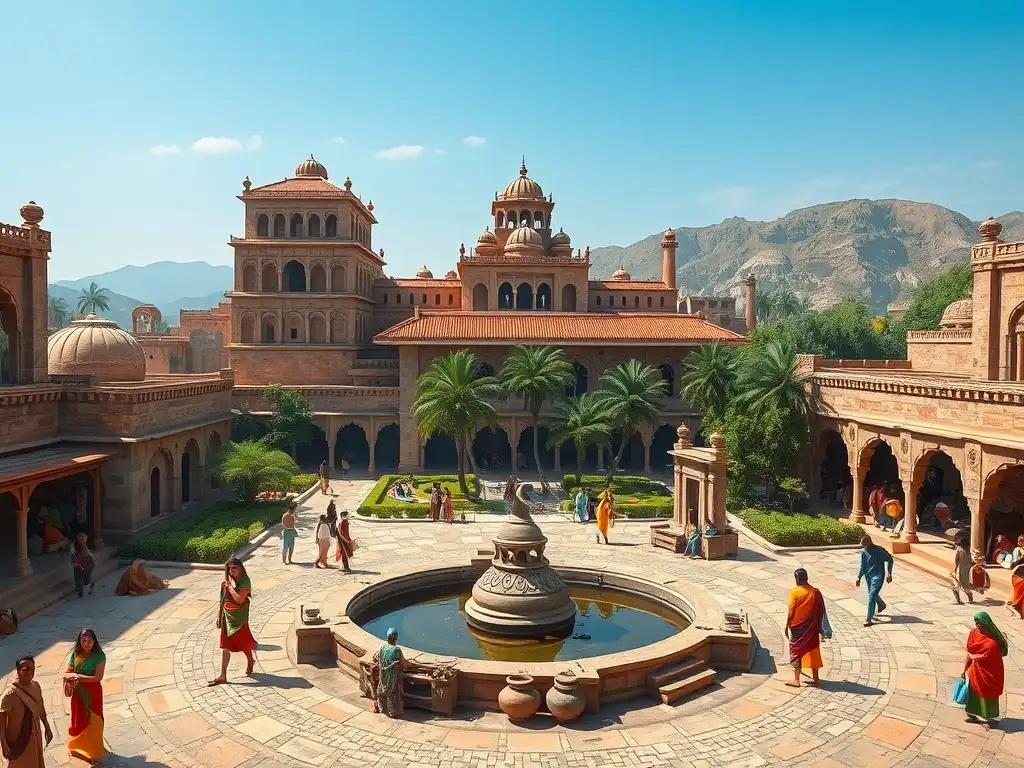
Public spaces in the Indus Valley Civilization provided vital communal areas where social interactions occurred, and civic life thrived. These areas often included marketplaces, public baths, and assembly halls, reflecting the importance of community engagement in IVC society.
The Great Bath of Mohenjo-Daro, one of the most iconic public spaces, suggests that water played a significant role in their cultural and possibly religious practices. The design of such spaces indicates a sophisticated understanding of hydraulics and urban planning, aimed at enhancing public health and social cohesion. Additionally, the layout of streets and public squares highlights an early form of urban democracy, where citizens could gather, trade, and participate in communal decision-making.
Domestic Architecture and Daily Life
Domestic architecture in the Indus Valley Civilization showcases the daily lives and social structures of its inhabitants. Houses were typically built with standardized baked bricks and exhibited a remarkable uniformity in design, often featuring flat roofs, multiple rooms, and advanced drainage systems.
These homes were designed for functionality, providing adequate living space and privacy for families. The presence of wells and toilets within residential areas indicates a sophisticated understanding of hygiene and sanitation, which was rare for contemporary civilizations. The layout of these homes suggests a community-oriented lifestyle, where families had access to shared resources, fostering a sense of togetherness.
Challenges in Understanding Indus Valley Architecture
Despite the remarkable achievements of the Indus Valley Civilization, significant challenges exist in fully understanding their architecture. These challenges stem from archaeological limitations, interpretive discrepancies, and the ongoing efforts required for preservation.
Archaeological Limitations
The study of Indus Valley architecture is hindered by the limited extent of excavated sites and the challenges posed by the region's environmental conditions. Many structures remain buried or have eroded over time, which complicates archaeological efforts. The lack of written records also makes it difficult to ascertain the specific functions and cultural meanings of various architectural elements.
Moreover, the sheer scale of sites like Mohenjo-Daro and Harappa presents logistical challenges for archaeologists, limiting the scope of comprehensive studies. As excavations continue, it becomes increasingly important to apply advanced technologies, such as ground-penetrating radar and 3D scanning, to uncover hidden structures and gain deeper insights into their architectural practices.
Interpretations and Misconceptions
Misinterpretations and misconceptions about Indus Valley architecture can arise from the comparative study of other ancient civilizations. The absence of monumental religious structures, for instance, has led to assumptions about the civilization's spiritual beliefs, which may not accurately reflect their practices.
Furthermore, the unique architectural style of the IVC can be easily misread through contemporary lenses. Scholars must approach the study of these structures with a nuanced understanding of the cultural context, avoiding anachronisms that could skew interpretations. Interdisciplinary approaches, incorporating anthropology, history, and art history, can help provide a more holistic understanding of the IVC's architectural significance.
Preservation Efforts and Their Importance
Preservation efforts are crucial for safeguarding the remnants of Indus Valley architecture for future generations. As urban development and climate change threaten existing sites, initiatives must be taken to document and protect these invaluable cultural heritage sites.
International collaborations and increased funding for archaeological projects can enhance preservation efforts, ensuring that the architectural legacy of the Indus Valley Civilization is not lost. Additionally, raising public awareness about the importance of these sites can foster community involvement and support for preservation initiatives. By prioritizing the conservation of these remarkable structures, we can continue to learn from the architectural marvels of ancient India.
Conclusion: The Lasting Impact of Indus Valley Architecture History
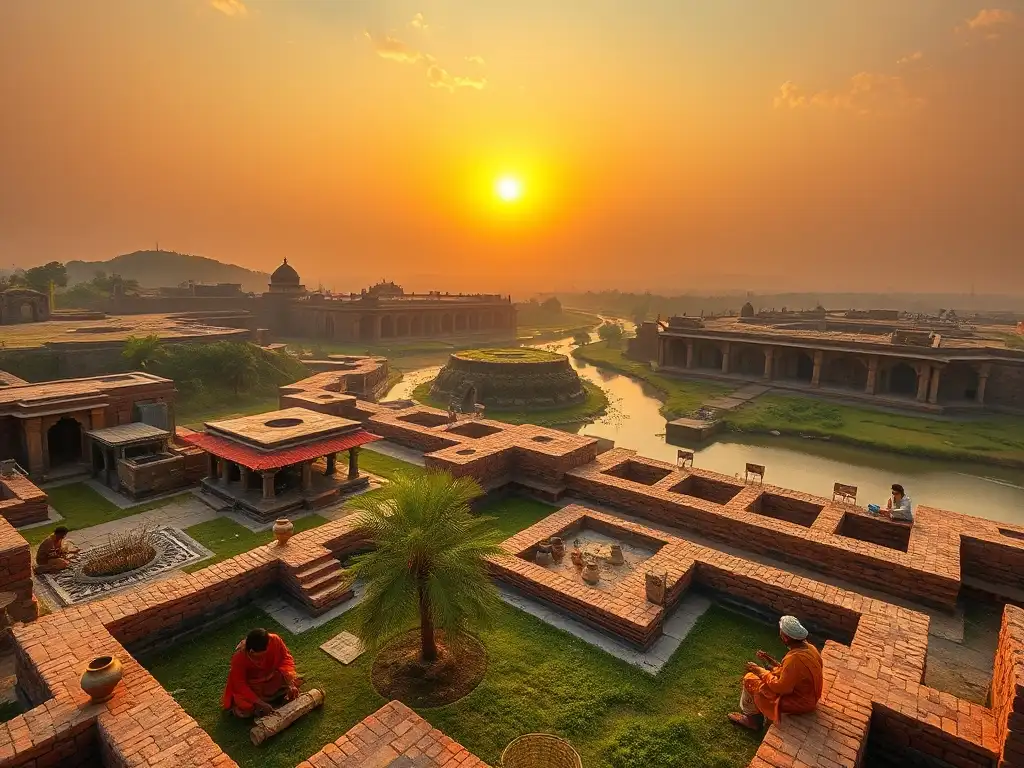
The architectural wonders of the Indus Valley Civilization stand as a testament to the ingenuity and sophistication of early urban planning and engineering. Spanning over 4,500 years, the remnants of this ancient civilization showcase a remarkable understanding of materials, urban design, and community organization. From the meticulously planned cities of Harappa and Mohenjo-Daro to the advanced drainage systems and standardized brick sizes, the legacy of Indus Valley architecture continues to influence contemporary architectural practices and urban development.
The impact of Indus Valley architecture extends beyond mere structural achievements; it reflects the social, economic, and cultural dynamics of one of the world's earliest urban centers. The careful integration of public spaces, housing, and sanitation systems highlights the civilization's commitment to community well-being and sustainability. As scholars explore these ancient structures, they uncover insights into the daily lives, trade practices, and governance of the people who inhabited this vibrant society.
Reflection on Cultural Heritage
The architectural legacy of the Indus Valley Civilization serves as a crucial element of India's cultural heritage. It provides a window into the past, offering glimpses of the complexities of life during a time when urban centers were emerging as powerful hubs of trade and culture. The design principles observed in Indus Valley architecture, such as the use of grid patterns and efficient resource management, have inspired generations of architects and urban planners.
Moreover, the preservation and study of these ancient sites contribute to a broader understanding of human civilization's development. They remind us of the interconnectedness of cultures, as trade routes linked the Indus Valley with other ancient civilizations, fostering exchanges in goods, ideas, and artistic expressions. Reflecting on this cultural heritage encourages contemporary society to appreciate the innovations of the past and recognize their relevance in today's world.
Future Research Directions in Indus Valley Studies
As interest in the Indus Valley Civilization continues to grow, several avenues for future research are emerging that promise to deepen our understanding of its architecture and overall significance. One promising direction is the application of advanced technologies such as LiDAR (Light Detection and Ranging) and geospatial analysis to uncover hidden urban features and assess the extent of the ancient cities. This can provide new insights into urban planning, population density, and resource distribution.
Additionally, interdisciplinary approaches that combine archaeology, anthropology, and environmental science could yield a more comprehensive understanding of how the Indus Valley Civilization adapted to its environment and managed resources. Investigating the relationship between architectural practices and the socio-political structures of the time may also reveal the factors that contributed to the civilization's rise and eventual decline.
Furthermore, public engagement and educational initiatives can play an essential role in promoting awareness and appreciation of Indus Valley architecture. By fostering a dialogue between researchers, policymakers, and the public, future studies can ensure that the lessons of this remarkable civilization continue to inspire and inform contemporary architectural practices and cultural heritage preservation efforts.
- Introduction to Indus Valley Architecture History
- Overview of the Indus Valley Civilization
- Significance of Architecture in Ancient India
- Key Features of Indus Valley Architecture
- Major Architectural Sites of the Indus Valley
- The Influence of Indus Valley Architecture on Later Civilizations
- Symbolism and Cultural Significance of Indus Valley Structures
- Temples and Religious Buildings
- Public Spaces and Their Importance
- Domestic Architecture and Daily Life
- Challenges in Understanding Indus Valley Architecture
- Conclusion: The Lasting Impact of Indus Valley Architecture History
- Reflection on Cultural Heritage
- Future Research Directions in Indus Valley Studies
- What is the Indus Valley architecture known for?
- How did Indus Valley civilization influence later architectural styles?
- What are some notable examples of Indus Valley architecture?
- How does Indus Valley architecture reflect its culture?
- What materials were commonly used in Indus Valley architecture?
Frequently Asked Questions
What is the Indus Valley architecture known for?
The Indus Valley architecture is known for its advanced urban planning, sophisticated drainage systems, and the use of uniform baked bricks, showcasing an impressive understanding of engineering.
How did Indus Valley civilization influence later architectural styles?
The Indus Valley civilization laid the groundwork for subsequent architectural styles in India, influencing design principles and urban layouts that would echo throughout later periods, including the Gupta Empire.
What are some notable examples of Indus Valley architecture?
Notable examples include the cities of Harappa and Mohenjo-Daro, featuring well-planned streets, large public baths like the Great Bath, and residential buildings that reflect a sophisticated lifestyle.
How does Indus Valley architecture reflect its culture?
The architecture of the Indus Valley reflects a culture that valued community living, hygiene, and trade, evident in the layout of cities and the presence of marketplaces and public spaces.
What materials were commonly used in Indus Valley architecture?
Baked bricks were the primary material, alongside mud bricks and stones. The use of these materials contributed to the durability and longevity of their structures, many of which still stand today.
Final Reflection: The Enduring Legacy of Indus Valley Architecture
The marvels of Indus Valley architecture continue to resonate in today's world, reminding us of the innovative spirit and advanced urban planning of ancient civilizations. As we delve into the intricate designs and sophisticated infrastructure of this remarkable era, we uncover not only the architectural achievements but also the cultural significance that shapes our understanding of history. The legacy of the Indus Valley civilization serves as a testament to human ingenuity, urging us to appreciate the foundations upon which our modern societies are built.
The influence of Indus Valley architecture extends far beyond its geographical confines, inspiring contemporary architects and urban planners alike. The principles of sustainable living and community-centric designs that emerged from this ancient civilization echo in today's architectural practices. As we reflect on this enduring influence, we are reminded of the words of renowned architect Louis Kahn: A great building must begin with the unmeasurable, must go through measurable means when it is being designed and in the end must be unmeasurable.
This sentiment captures the essence of the Indus Valley's architectural philosophy, which harmoniously blended functionality with aesthetic beauty.
As we conclude this exploration of Indus Valley architecture, I invite you to reflect on the lessons learned from this ancient civilization. Consider how the principles of innovation, sustainability, and community can be integrated into your own life and surroundings. In a world that often overlooks the wisdom of the past, let us strive to honor and carry forward the legacy of the Indus Valley, ensuring that its remarkable achievements continue to inspire future generations.
Unveil the Wonders of Indus Valley Architecture!
Thank you for joining us on this captivating exploration of the remarkable architecture of the Indus Valley! You've discovered how these ancient structures reflect ingenuity and cultural richness, setting the stage for future civilizations. Now, it's time to bring that inspiration into your own journey.
Here are some engaging steps you can take right now:
- Dive Deeper: Explore local museums or online exhibits that showcase artifacts from the Indus Valley Civilization. Knowledge is power!
- Share Your Insights: Discuss your newfound appreciation with others—spark a conversation about how ancient design influences modern architecture.
- Join the Community: Participate in history groups or community events to connect with fellow enthusiasts and share resources about Indus Valley heritage.
What aspect of the Indus Valley architecture fascinates you the most, and how might it inspire your own creative projects? Let's discuss!