
The Role of Women in Ancient Indian Textiles: Craftsmanship and Economy

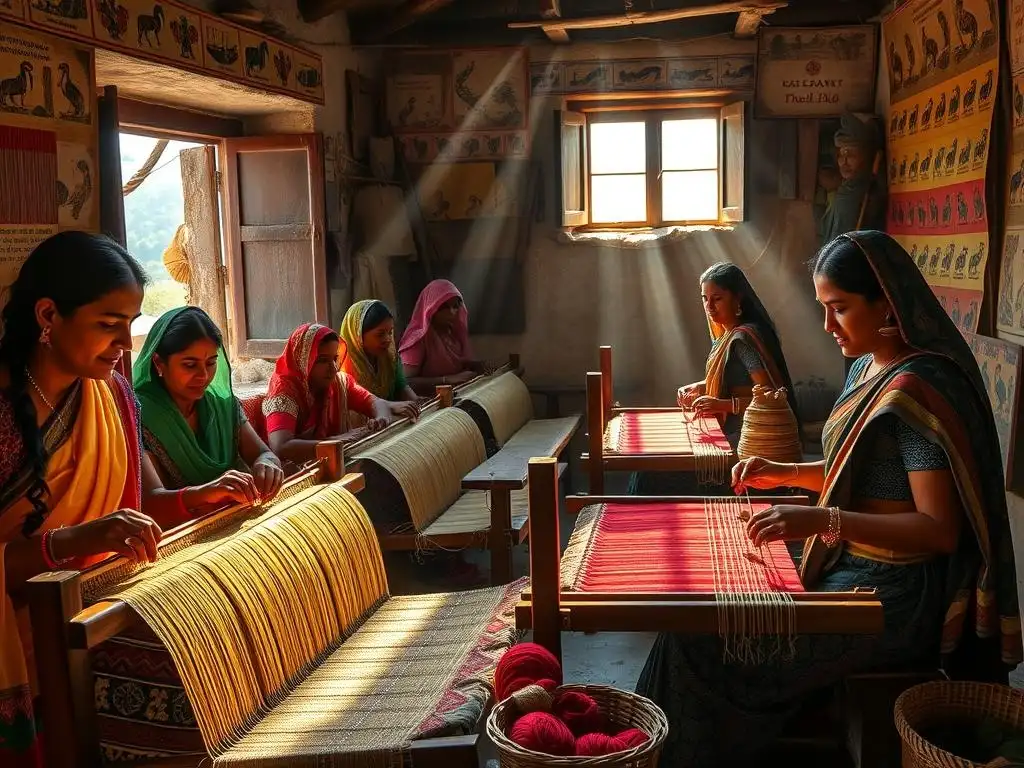
Welcome to Ancient India History, where we delve into the rich tapestry of India's past, celebrating the magnificent civilizations that shaped the subcontinent. Today, we invite you to explore the pivotal role of women in ancient Indian textiles, a subject that intertwines craftsmanship with economic vitality. Discover how these skilled artisans not only contributed to the vibrant textile industry but also influenced cultural identity and heritage. Join us on this enlightening journey and uncover the stories that have woven the fabric of ancient Indian society—your adventure into history begins here!
Introduction to Women in Ancient Indian Textiles
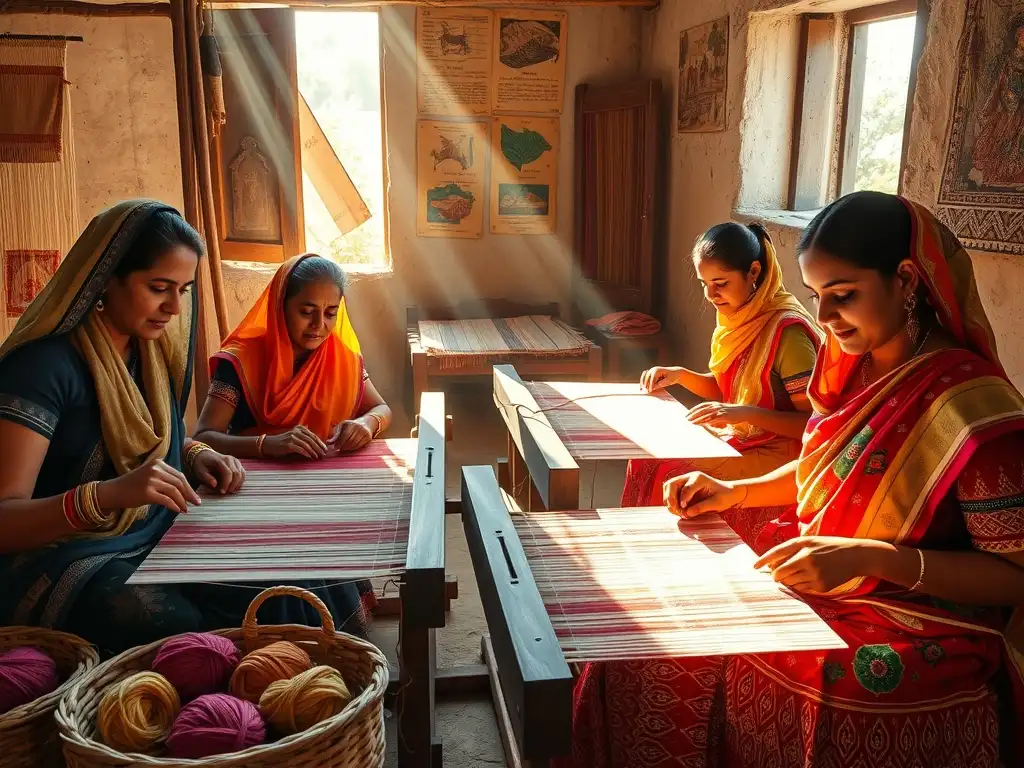
The history of textiles in ancient India is a testament to the intricate craftsmanship and cultural significance that fabrics held in society. Central to this narrative is the pivotal role of women, whose contributions to textile production not only shaped the economy but also reflected the artistic and social values of their time.
From the early days of the Indus Valley Civilization to the flourishing trade during the Gupta Empire, women were integral to the development and innovation of textile arts. Their skills in weaving, dyeing, and embroidery were not merely a reflection of their domestic responsibilities but were essential to the economic fabric of ancient India, influencing trade, culture, and heritage.
Overview of Textile Production in Ancient India
Textiles in ancient India were produced using a diverse range of materials, including cotton, silk, and wool. The craft of weaving was highly developed, with various regional styles emerging due to climatic and cultural differences. The significance of textiles extended beyond mere utility; they were symbols of status, identity, and artistic expression.
- Key Materials Used:
- Cotton: Grown widely across regions, particularly in the Indus Valley.
- Silk: Associated with luxury and used in royal garments.
- Wool: Utilized in colder regions, showcasing the adaptability of textile production.
- Weaving Techniques:
- Handlooms: Predominantly used across the subcontinent.
- Dyeing Methods: Natural dyes derived from plants and minerals added brilliance to fabrics.
The textile industry was not only a craft but also a vital economic sector that contributed to trade routes, both domestic and international.
Importance of Women in Textile Craftsmanship
Women were the backbone of the textile industry, often working from home or in community settings. Their expertise in spinning and weaving was passed down through generations, making them custodians of traditional knowledge. This craftsmanship was essential not just for household needs but also for the broader economy.
- Roles of Women:
- Spinners: Responsible for transforming raw fibers into threads.
- Weavers: Crafted intricate patterns and designs, often using techniques unique to their region.
- Dyers: Employed natural substances to create vibrant colors, enhancing the aesthetic appeal of textiles.
The skills of women in these roles were recognized, and their contributions were crucial for sustaining livelihoods, thereby empowering them within their communities.
Historical Context of Women in Textile Industry
The Indus Valley Civilization and Textile Innovations
The Indus Valley Civilization (circa 3300–1300 BCE) showcases some of the earliest evidence of textile production in ancient India. Archaeological findings reveal that women played a significant role in this period's textile innovations.
- Key Innovations:
- Use of advanced techniques such as spinning and weaving, evidenced by tools found at excavation sites.
- The development of cotton textiles, positioning the Indus Valley as a precursor to the global cotton trade.
Women were likely involved in every aspect of production, from cultivation to weaving, establishing a foundation for future textile traditions.
Women’s Contributions During the Vedic Period
During the Vedic period (circa 1500–500 BCE), the importance of textiles continued to grow, reflecting the changing socio-economic landscape.
- Cultural Significance:
- Textiles became integral to rituals and ceremonies, with women often responsible for producing garments used in religious practices.
- The emergence of guilds and trade networks further enhanced women’s roles, as they participated in both local and long-distance trade.
Women’s contributions during this period ensured the continuity of textile traditions, which became deeply intertwined with cultural identity.
Influence of Women in the Maurya and Gupta Empires
The Maurya (circa 322–185 BCE) and Gupta Empires (circa 320–550 CE) marked a golden age for textiles in ancient India, with women continuing to play a crucial role in this thriving industry.
- Economic Impact:
- Women's craftsmanship contributed to the wealth of these empires, as textiles were a major export commodity.
- Textiles were often used as a form of currency in trade, highlighting the economic importance of women's work.
- Artistic Contributions:
- The period saw advancements in weaving techniques and styles, with women at the forefront of these innovations.
- Women’s artistic expressions could be seen in the intricate designs that adorned garments, further elevating the status of textiles.
In summarizing, the role of women in ancient Indian textiles was multifaceted and vital, influencing both the craftsmanship and the economy in ways that continue to resonate in contemporary discussions about women's contributions to society.
Craftsmanship of Women in Ancient Indian Textiles
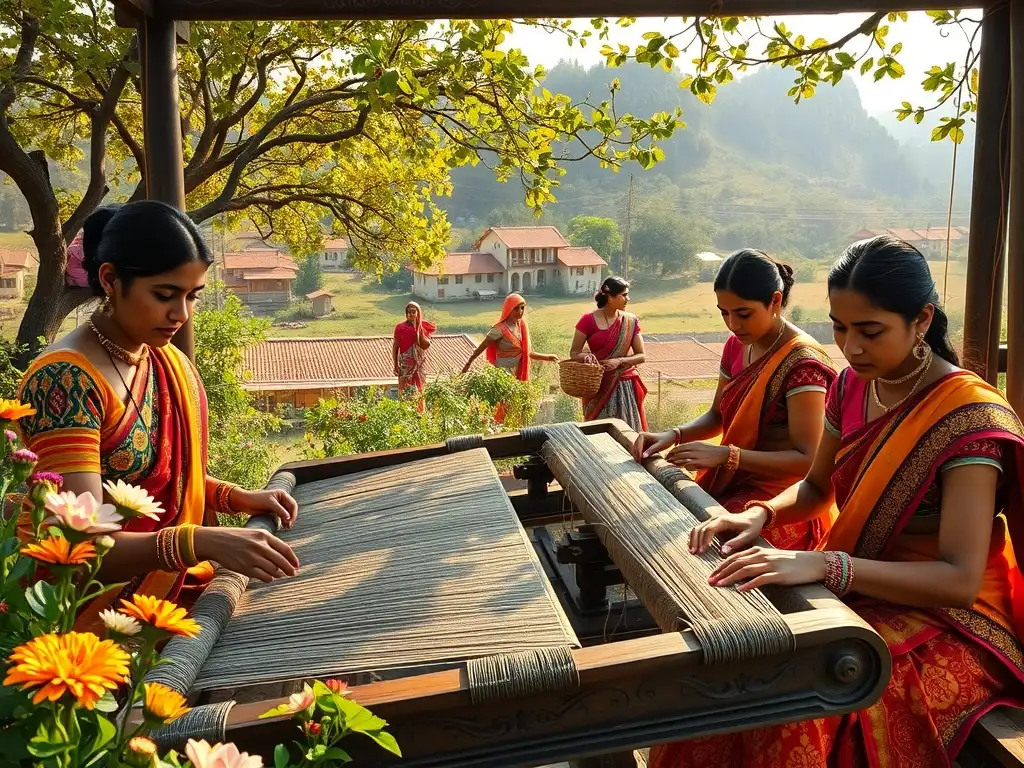
The craftsmanship of women in ancient Indian textiles is a remarkable aspect of the region's cultural heritage. Women played a pivotal role in the production of textiles, employing traditional techniques that have been passed down through generations. Their craftsmanship was not only a means of livelihood but also a reflection of their artistic expressions and cultural identity.
Women artisans were often involved in every stage of textile production, from spinning and weaving to dyeing and embellishing. This comprehensive involvement allowed them to develop a rich skill set, enabling them to create intricate patterns and vibrant colors that characterized ancient textiles. The artistry of these women can be seen in various textile forms, including cotton, silk, and wool, each showcasing unique regional styles and techniques.
The skills and knowledge of women in textile craftsmanship were often community-based, where they collaborated with other women to enhance their production capabilities. This collaboration fostered a sense of solidarity and shared purpose, allowing them to innovate and maintain traditional practices simultaneously. Such communal efforts not only enriched their craftsmanship but also reinforced their status within the community.
Techniques and Skills of Female Artisans
Female artisans in ancient India employed a variety of techniques and skills that contributed significantly to textile production. These included:
- Spinning: Women used traditional spinning wheels, or charkhas, to transform raw fibers into yarn. This process was labor-intensive and required considerable skill to ensure the yarn's consistency and quality.
- Weaving: Using handlooms, women crafted textiles by interlacing threads, often employing complex patterns and designs. Techniques such as ikat, brocade, and tapestry weaving were prevalent, showcasing their artistic talents.
- Dyeing: Women utilized natural dyes derived from plants, minerals, and insects to color fabrics. Mastery of dyeing techniques allowed them to create a spectrum of colors while ensuring that the dyes were durable and vibrant.
- Embellishment: Skills in embroidery, embellishment, and appliqué were common among women, allowing them to add intricate designs and motifs to finished textiles. This not only enhanced the aesthetic appeal but also conveyed cultural symbolism.
The combination of these techniques resulted in textiles that were not only functional but also held significant cultural and aesthetic value. Women artisans were often recognized for their expertise, which was crucial in the preservation and continuation of textile traditions in ancient India.
Types of Textiles Produced by Women
Women in ancient India produced a diverse range of textiles, each serving different purposes and reflecting various cultural practices. Some notable types include:
- Cotton Fabrics: Utilized widely across the subcontinent, women were instrumental in spinning and weaving cotton textiles that served as everyday clothing.
- Silk Textiles: In regions like Varanasi and Gujarat, women played a crucial role in the production of exquisite silk fabrics, often used for ceremonial purposes and trade.
- Woolen Textiles: In the northern regions, particularly in areas like Kashmir, women were adept at creating woolen shawls and blankets, showcasing their weaving skills.
- Embroidered Fabrics: Women also specialized in embroidery, creating unique pieces that often depicted stories, motifs, and patterns significant to their cultural narratives.
The textiles produced by women were not only integral to the local economy but also contributed to trade networks that extended beyond regional boundaries. This diversity in textile production highlighted the vital role women played in both the domestic sphere and the broader economic landscape of ancient India.
Economic Impact of Women in Textile Production
The economic impact of women in textile production in ancient India was profound and multifaceted. Women’s contributions not only bolstered household incomes but also played a pivotal role in local economies and trade networks.
Role of Women in Local Economies
Women’s involvement in textile production was central to the economic framework of many communities. By engaging in spinning, weaving, and dyeing, women contributed significantly to household economies. This economic participation allowed families to generate income through the sale of textiles, enhancing their financial stability.
In many rural areas, women often worked collaboratively in groups, sharing resources and skills. This collective approach not only increased productivity but also fostered community bonds. The textiles produced by these groups were often sold in local markets, thereby supporting the community's overall economic viability.
Moreover, women’s economic contributions were recognized in various societal roles, as they often held significant sway in household and community decisions regarding financial expenditures and investments.
Trade and Commerce: Women’s Involvement
Women also played a crucial role in the trade and commerce of textiles. Historical accounts suggest that women were actively involved in market activities, where they sold their handcrafted textiles. This involvement in trade allowed them to negotiate prices, develop business acumen, and establish networks with other traders.
In some cases, women became known for specific textile types or techniques, building reputations that attracted buyers from distant regions. Their engagement in commerce helped elevate the status of their crafts, leading to increased demand and higher economic returns.
Women also participated in fairs and festivals, where textiles were showcased and sold. These events provided them with opportunities to display their craftsmanship while establishing connections with potential buyers, thereby enhancing their economic prospects.
Influence on Household Economies
The influence of women in textile production extended deeply into household economies. As primary producers of textiles, women were often responsible for managing the income generated from their work. This financial control allowed them to contribute directly to household expenditures, education, and health care, enhancing their families' overall quality of life.
The textiles produced by women were often essential for everyday use, providing clothing, bedding, and other household items. This self-sufficiency reduced reliance on external sources and empowered women within their domestic spheres.
Additionally, the income from textile production enabled women to invest in their skills, acquire new tools, and explore additional crafts, further enhancing their economic independence and status within their families and communities.
Women in ancient Indian textiles not only contributed to the craftsmanship and economy but also played a vital role in shaping the social and cultural fabric of their societies. Their skills and innovations have left a lasting legacy that continues to influence textile traditions today.
The social status of women in ancient India, particularly within the textile craft, was multifaceted and varied greatly across different regions and time periods. Generally, women were integral to the textile industry, not only as artisans but also as managers of household textile production. In many communities, weaving and dyeing were considered essential domestic skills, passed down through generations. This practice elevated women's roles within their families and communities, granting them a respected status as skilled artisans.
However, their social standing was often linked to their family's status and economic condition. In wealthier households, women might have more freedom to engage in creative pursuits, while in poorer families, their contributions were primarily utilitarian. The presence of guilds and local markets also influenced women's roles; in some areas, women artisans gained recognition and respect, while in others, they remained largely invisible within the economic framework.
Recognition of Women Artisans in Society
Women artisans in ancient India were recognized for their contributions to the textile industry, particularly in regions renowned for their unique weaving techniques and patterns. Textiles produced by women were often celebrated during local festivals, and the craftsmanship of women was frequently acknowledged in literature and oral traditions.
For instance, the mention of women weaving in texts such as the Rigveda illustrates their significance in both domestic and economic spheres. Additionally, inscriptions and historical accounts from the Gupta period reflect the prominence of women in textile guilds, where they participated not only as workers but also as leaders, influencing production techniques and styles.
Gender Roles and Expectations in Textile Work
Gender roles in ancient India heavily influenced the expectations placed on women in textile work. Women were traditionally expected to manage household duties, which included weaving and fabric production. This dual role often constrained their ability to participate in broader economic activities, as they were primarily seen as caretakers of the home.
Despite these constraints, many women adeptly navigated their roles, sometimes transcending traditional boundaries. In some cases, women took on roles as entrepreneurs, selling their textiles in local markets. However, societal expectations often dictated that these entrepreneurial efforts be secondary to their domestic responsibilities, creating a tension between their aspirations and societal norms.
Case Studies of Notable Women in Textile History
Throughout ancient Indian history, several notable women have made significant contributions to the textile craft. One such figure is the legendary weaver, Vasudha, known for her exquisite sarees that incorporated intricate designs and vibrant colors. Her work not only gained regional acclaim but also set a standard for quality that influenced weaving practices for generations.
Another prominent example is the mention of women in the textile guilds of the Gupta Empire, where they played crucial roles in the production of silk and cotton textiles. These women not only contributed to the craft but also participated in the governance of their guilds, showcasing their influence in an industry that was pivotal to the economy of the time.
Challenges Faced by Women in the Textile Industry
Despite their contributions, women in the textile industry faced numerous challenges that hindered their full participation and recognition. From societal expectations to economic hardships, these obstacles shaped the experiences of women artisans and their families.
Societal Constraints and Limitations
Societal constraints significantly impacted women's roles in the textile craft. Cultural norms often dictated that women should prioritize family and home over professional aspirations. This expectation limited their opportunities for formal training and recognition within the industry. Additionally, societal perceptions often marginalized women's work, viewing it as mere domestic labor rather than a valued economic contribution.
Women artisans also faced restrictions based on caste and community. In many cases, the caste system limited access to resources, education, and networks that could facilitate their growth as artisans. Consequently, many talented women were unable to fully realize their potential within the textile industry, stifling innovation and creativity.
Economic Hardships and Labor Conditions
Economic hardships and labor conditions posed significant challenges for women in the textile industry. Many women worked long hours in arduous conditions, often for minimal pay. This exploitation was exacerbated by the informal nature of much of the textile work, which lacked the protections afforded to formal employment.
Additionally, women often had to balance their work with household responsibilities, leading to extreme fatigue and limited opportunities for skill development. The economic realities of their labor meant that even skilled artisans struggled to achieve financial independence, further entrenching the cycle of poverty among women in the textile craft.
While women played a vital role in the textile industry of ancient India, their contributions were often overshadowed by societal constraints and economic challenges. Understanding their experiences provides valuable insight into the complexities of gender roles and the significance of women's work in shaping the textile heritage of India.
Legacy of Women in Ancient Indian Textiles
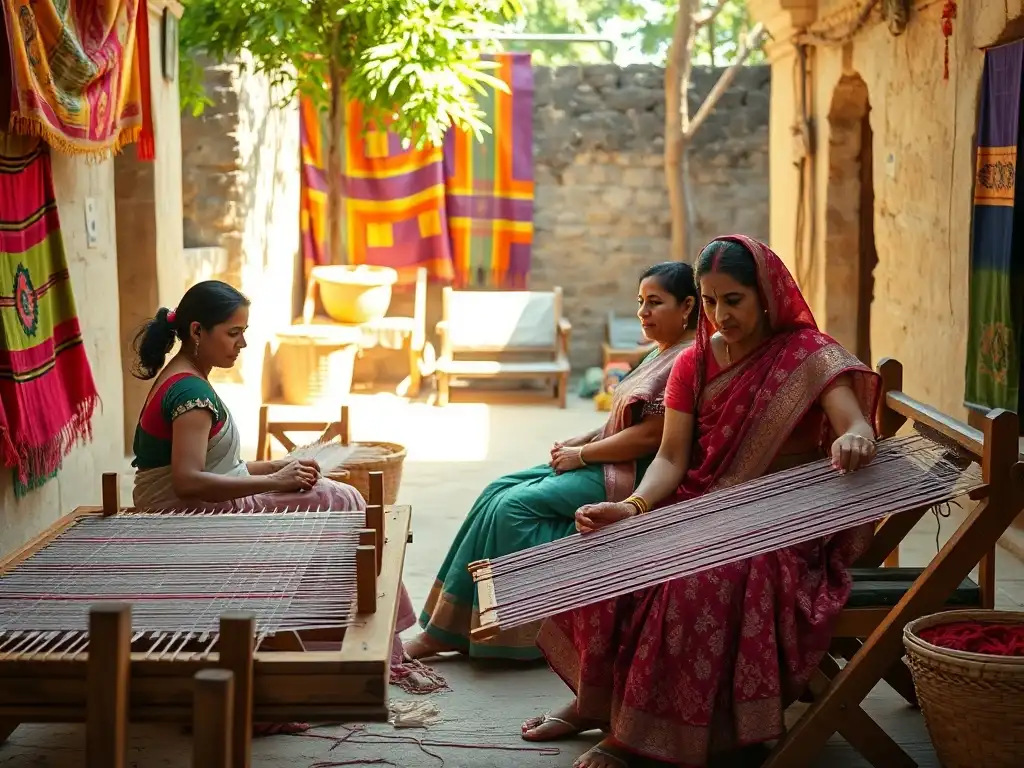
The legacy of women in ancient Indian textiles is profound and multifaceted, deeply woven into the fabric of India's cultural and economic history. Women played a crucial role in both the creation and preservation of textile traditions, contributing significantly to the development of various weaving techniques, dyeing processes, and embroidery styles. Their craftsmanship was not merely a domestic activity but a vital component of the economy, facilitating trade and cultural exchange across regions.
In ancient societies, textile production was one of the primary sources of livelihood for women. They were often responsible for spinning, weaving, and dyeing, using locally sourced materials like cotton, silk, and wool. The skills passed down through generations allowed women to innovate and adapt techniques, leading to the creation of distinctive regional styles. For instance, the intricate designs of Kanchipuram silk sarees and the vibrant patterns of Bandhani reflect the unique cultural identities of their respective regions, showcasing women's integral role in these practices.
Furthermore, women were not only artisans but also custodians of traditional knowledge. Their ability to replicate and innovate on previous designs ensured the continuity of textile arts, even amidst changing socio-political landscapes. This legacy is visible today, as many of these traditional practices continue to thrive, thanks to the foundational work of women in ancient India.
Impact on Modern Indian Textile Practices
The impact of women in ancient Indian textiles resonates profoundly in contemporary textile practices. Today, many modern artisans and designers draw inspiration from ancient techniques and styles that were predominantly shaped by women. The revival of handloom textiles, eco-friendly dyeing methods, and traditional weaving techniques often pays homage to the historical contributions of women, emphasizing their importance in the narrative of Indian textiles.
In recent years, there has been a resurgence of interest in sustainable and ethically produced textiles, a movement that echoes the practices of ancient women who utilized natural materials and methods. Initiatives aimed at promoting handloom and artisanal crafts frequently highlight the role of women artisans, thereby acknowledging their historical significance. Organizations and cooperatives are now working to empower women in the textile industry, enabling them to reclaim their heritage while contributing to the modern economy.
Additionally, exhibitions and fashion shows that focus on traditional textiles often feature the stories of women artisans, shedding light on their skills and creativity. This not only elevates their status but also encourages younger generations to engage with these traditions, ensuring their survival and evolution in the contemporary context.
Continuing Traditions and Craftsmanship
The traditions and craftsmanship of women in ancient Indian textiles continue to flourish, thanks to the dedication of artisans who keep these practices alive. Many regions in India are recognized for their unique textile traditions, and women remain at the forefront of this craftsmanship. From the intricate embroidery of Chikan work in Lucknow to the vibrant weaves of Jamdani in West Bengal, the skills and techniques developed by ancient women are preserved and adapted by modern artisans.
Craftspeople are increasingly blending traditional methods with contemporary designs, creating a fusion that appeals to modern consumers while respecting ancient techniques. Workshops and training programs aimed at young women are crucial for passing down this knowledge, ensuring that the art of textile making is not lost. These initiatives often emphasize the importance of women's roles in maintaining cultural heritage, empowering them through skill development and entrepreneurship.
Moreover, festivals and fairs dedicated to textiles serve as platforms for women artisans to showcase their work, connect with buyers, and share their stories. The visibility provided by such events not only honors the legacy of women in textiles but also fosters a sense of community among artisans, promoting collaboration and innovation within the industry.
Conclusion: The Enduring Influence of Women in Ancient Indian Textiles
The enduring influence of women in ancient Indian textiles is a testament to their creativity, resilience, and critical role in shaping the textile landscape of the nation. Their contributions have left an indelible mark on both the cultural and economic fabric of India, providing a foundation that continues to inspire and inform modern practices.
Summary of Contributions and Significance
Women have played an essential role in the history of Indian textiles, contributing not only through their craftsmanship but also as custodians of traditional knowledge. Their ability to innovate while preserving age-old techniques has ensured the survival of these practices through generations. The economic implications of their work have been significant, as textile production remains a vital sector in India’s economy today.
Furthermore, the recognition of women’s contributions has led to a growing appreciation of traditional crafts, encouraging sustainable practices that honor their legacy. As modern society increasingly values authenticity and craftsmanship, the impact of these ancient artisans is more relevant than ever.
Reflection on Women’s Role in Shaping Textile Heritage
Reflecting on the role of women in shaping textile heritage underscores the importance of acknowledging and celebrating their contributions. Their craftsmanship has not only enriched cultural identities but has also provided women with agency and economic independence throughout history. As we continue to explore and promote the rich tapestry of Indian textiles, it is imperative to recognize and empower the women who have been instrumental in this journey.
The stories of these women, their skills, and their innovations continue to be essential in understanding the broader narrative of India’s textile heritage. Their legacy is not only a part of history but also a living tradition that inspires future generations of artisans and designers, ensuring that the rich heritage of Indian textiles remains vibrant and dynamic.
References
The study of women's roles in ancient Indian textiles is a rich field that intertwines craftsmanship, cultural heritage, and economic significance. Through various sources, both scholarly and anecdotal, we can gain insights into how women contributed to this essential aspect of ancient Indian society.
Suggested Reading on Women in Ancient Indian Textiles
-
"Threads of Life: Silk in the Pre-Columbian World" by Linda J. S. Muir
This book provides a comprehensive look at the significance of silk and textile traditions across various cultures, including insights into the role of women in these practices.
-
"Women, Craft, and the Politics of Production in Early Modern India" by Rukmini Bhaya Nair
A detailed exploration of women's contributions to textile production, particularly focusing on how their roles shaped both local economies and cultural practices.
-
"Textiles and Textile Production in Ancient India" by R. P. Tripathi
This text delves into the various textile production techniques and the integral part that women played in these processes throughout different periods in ancient India.
-
"The Art of Indian Textiles: A Historical Perspective" by S. S. Sharma
Offering a historical overview, this book discusses the evolution of textile arts in India, highlighting the craft's social and economic dimensions that involved many women artisans.
-
"The Fabric of Society: Women in Ancient Indian Textiles" by Anjali Desai
This work focuses specifically on the societal roles of women in textile production, examining their impact on both craftsmanship and economic structures.
Academic Sources and Texts on Textile History
-
"Ancient Indian Textiles" by A. K. Sharma
A comprehensive academic resource that provides a thorough examination of textile history in ancient India, including the role of women in traditional practices.
-
"Women in Indian History: A Collection of Essays" edited by Chandrika Kaul
This anthology includes essays that shed light on various historical aspects of women's contributions, including their significant roles in textile production and trade.
-
"Artisans of the Indian Subcontinent: A Study of Traditional Craft" by Sunil Kumar
This scholarly piece discusses the various artisan communities in ancient India, with specific sections dedicated to the textile industry and the women who were part of it.
-
"The Economic History of India" by Romesh Dutt
Dutt's work offers insights into the economic significance of textile production in ancient India, with references to the labor and craftsmanship of women in the industry.
-
"Woven Threads: The Role of Women in Traditional Indian Textiles" by Meena Tiwari
An academic exploration that emphasizes the craftsmanship of women in textile production, detailing their skills and contributions to the economy and their communities.
Through these references and readings, one can gain a deeper understanding of the pivotal role women played in the field of textiles in ancient India, not only as skilled artisans but also as vital contributors to the economy and cultural heritage.
- Introduction to Women in Ancient Indian Textiles
- Overview of Textile Production in Ancient India
- Importance of Women in Textile Craftsmanship
- Historical Context of Women in Textile Industry
- Craftsmanship of Women in Ancient Indian Textiles
- Economic Impact of Women in Textile Production
- Social Status of Women in Textile Craft
- Challenges Faced by Women in the Textile Industry
- Legacy of Women in Ancient Indian Textiles
- Conclusion: The Enduring Influence of Women in Ancient Indian Textiles
- References
- What was the significance of women in ancient Indian textiles?
- How did women's involvement in textiles influence ancient Indian society?
- Were there any specific textiles associated with women in ancient India?
- What techniques did women use in ancient Indian textile production?
- How did the role of women in textiles evolve over time in ancient India?
Frequently Asked Questions
What was the significance of women in ancient Indian textiles?
Women played a crucial role in the production of textiles, contributing to both craftsmanship and the economy of ancient India through their skills in weaving and dyeing.
How did women's involvement in textiles influence ancient Indian society?
The involvement of women in textiles not only provided economic support to their families but also elevated their status within society, showcasing their artistic talents and craftsmanship.
Were there any specific textiles associated with women in ancient India?
Yes, certain textiles such as sarees and dupattas were often closely linked to women's identity and cultural expression, reflecting the diversity of ancient Indian civilizations.
What techniques did women use in ancient Indian textile production?
Women employed various traditional techniques including hand-weaving, embroidery, and natural dyeing, showcasing their creativity and expertise in textile art.
How did the role of women in textiles evolve over time in ancient India?
Over time, women's roles in textiles evolved from being primarily household producers to becoming integral parts of the commercial textile industry, particularly during the Gupta Empire.
Final Reflection: The Enduring Legacy of Women in Ancient Indian Textiles
The intricate craftsmanship and economic significance of women in ancient Indian textiles remain profoundly relevant today. As we navigate a world increasingly focused on gender equality and the recognition of women's contributions across various fields, it is essential to acknowledge the historical roots of these efforts. The remarkable skills and economic roles that women held in ancient textile production not only shaped their communities but also laid the groundwork for the vibrant textile industry we see today.
Clearly, the legacy of women in ancient Indian textiles continues to influence our cultural and social landscape. Their artistry and labor were not merely a means of survival but a form of expression and empowerment that resonates through generations. As we reflect on this, we are reminded of the words of renowned textile historian, “The threads of history are woven by the hands of many, yet it is the women who often hold the needle.” > This quote encapsulates the vital role women played in shaping not just textiles, but the very fabric of society itself.
As we move forward, let us take a moment to reflect on the lessons from the past and consider how we can honor and uplift the contributions of women in our own lives. I invite you to explore the stories behind the textiles you encounter, recognizing the hands that crafted them and the histories they carry. By doing so, we not only celebrate the legacy of women in ancient Indian textiles but also inspire a new generation to appreciate and continue this rich tradition of craftsmanship and resilience.
Celebrate and Support Women’s Craftsmanship in Textiles!
Thank you for taking the time to explore the incredible role of women in ancient Indian textiles. Through their unmatched craftsmanship, they shaped not only the trade but also the very fabric of society. Now is the perfect moment to honor this rich heritage and engage with this vibrant community!
Here’s how you can make a difference:
- Discover local artisans: Visit nearby markets or craft fairs to support women textile artisans and learn about their inspiring stories firsthand.
- Share your knowledge: Educate friends and family about the significance of women in textile history, highlighting their contributions in everyday conversations or on social media platforms.
- Participate in workshops: Seek out or organize workshops that feature traditional textile techniques, creating a deeper connection to this heritage while empowering contemporary artisans.
How will you champion the legacy of women in textiles in your own life? We invite you to share your thoughts below!