
The Spiritual Journey: Indian Pilgrimage Routes and Their Connection to China

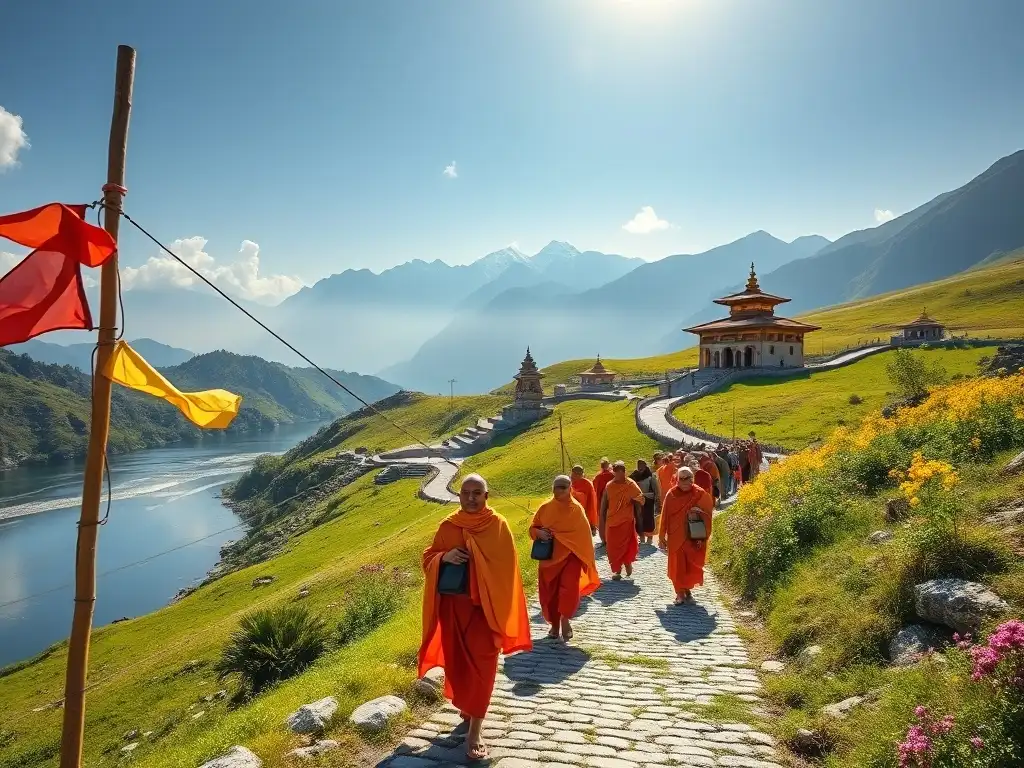
Welcome to Ancient India History, where we embark on a fascinating journey through time to uncover the rich and diverse tapestry of ancient Indian civilizations. Here, we delve into the intriguing history of Indian pilgrimage routes, exploring their profound connections not only within the subcontinent but also with distant lands like China. What secrets do these sacred paths hold about cultural exchanges and spiritual journeys?
Join us as we unravel the stories behind these routes, revealing how they shaped interactions with other civilizations and continue to inspire millions today. Dive in and discover the spiritual and historical significance that awaits!
Introduction to Indian Pilgrimage Routes History
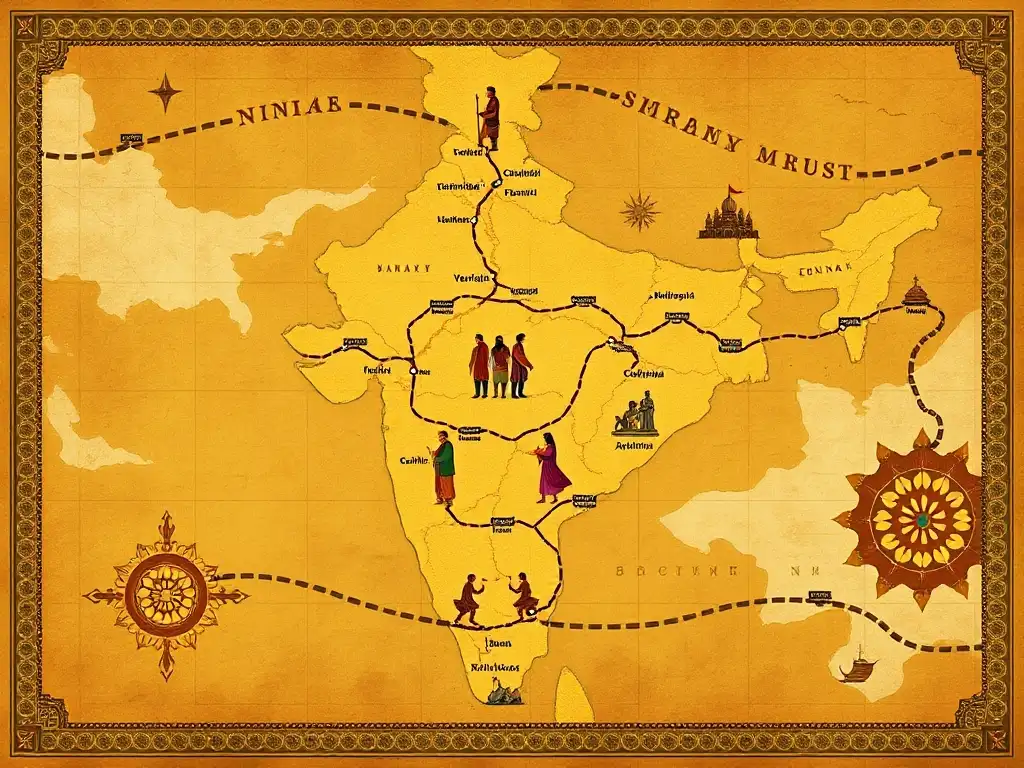
Indian pilgrimage routes have long served as vital arteries of cultural and spiritual exchange, not only within the subcontinent but also across borders, particularly towards China. These routes are steeped in rich historical significance, connecting sacred sites that have attracted pilgrims for centuries. From the ancient paths trodden by devotees to the bustling trade routes that facilitated the exchange of ideas, art, and religious beliefs, the history of Indian pilgrimage routes reveals a tapestry of spirituality and interconnectedness.
Understanding this intricate web offers insights into how these journeys shaped not only the religious landscape of India but also its interactions with neighboring civilizations, including those of China. This exploration of pilgrimage routes will illuminate their profound impact on cultural exchanges, illustrating the importance of spiritual journeys in fostering deeper connections between these two ancient cultures.
Overview of Indian Pilgrimage Traditions
Indian pilgrimage traditions are a cornerstone of the subcontinent's spiritual identity, encompassing a wide array of practices and beliefs. Pilgrimages, known as "tirtha yatra," involve journeys to sacred sites, often believed to hold divine significance. The traditions reflect a diversity of faiths, including Hinduism, Buddhism, Jainism, and Sikhism, each contributing unique perspectives to the pilgrimage experience.
- Hindu Pilgrimages: Significant sites such as Varanasi, Ayodhya, and the Char Dham are central to Hindu beliefs, embodying the quest for moksha (liberation from the cycle of birth and death).
- Buddhist Pilgrimages: Routes leading to sites like Bodh Gaya, Sarnath, and Kushinagar mark pivotal moments in the life of Buddha, attracting followers seeking enlightenment.
- Jain Pilgrimages: Jainism emphasizes pilgrimage to sites like Palitana and Mount Shatrunjaya, where adherents seek spiritual purification.
- Sikh Pilgrimages: The Golden Temple in Amritsar stands as a beacon for Sikhs, symbolizing their faith and communal harmony.
These diverse traditions showcase the spiritual richness of India, with each pilgrimage serving as a means for individuals to connect with the divine, seek blessings, and participate in collective religious practices.
Importance of Pilgrimage in Ancient Indian Culture
The importance of pilgrimage in ancient Indian culture cannot be overstated. It served multiple roles, both spiritually and socially:
- Spiritual Renewal: Pilgrimage was seen as a transformative journey, providing devotees with opportunities for introspection, penance, and renewal of faith.
- Cultural Exchange: As pilgrims traveled, they facilitated the exchange of ideas, traditions, and practices, enriching local cultures and contributing to the syncretism that characterizes much of Indian history.
- Economic Impact: Pilgrimages often stimulated local economies, with towns and villages along routes benefiting from the influx of visitors seeking food, lodging, and souvenirs.
- Community Building: Pilgrimages fostered a sense of community among participants, transcending regional and sectarian divides, thereby strengthening social bonds.
Through these facets, pilgrimage routes became not just paths to sacred sites but essential components of the societal fabric, influencing various aspects of life in ancient India.
Historical Context of Indian Pilgrimage Routes
The historical context of Indian pilgrimage routes reveals a dynamic interplay between geography, spirituality, and cultural development. These routes evolved over centuries, shaped by the socio-political landscape and the movements of various religious groups.
Major Pilgrimage Sites in Ancient India
Numerous pilgrimage sites have emerged throughout India's history, each with its own significance and stories:
| Site | Significance | Associated Religion |
|---|---|---|
| Varanasi | Sacred city for Hindus, believed to grant moksha | Hinduism |
| Bodh Gaya | Location of Buddha's enlightenment | Buddhism |
| Mount Shatrunjaya | Important Jain pilgrimage site | Jainism |
| Amritsar | Central place of worship for Sikhs | Sikhism |
| Puri | Famous for the Jagannath Temple | Hinduism |
These sites not only served as spiritual destinations but also as cultural hubs, where rituals, festivals, and communal gatherings flourished, enriching the spiritual landscape of ancient India.
Evolution of Pilgrimage Routes Over Time
The evolution of pilgrimage routes illustrates the changing dynamics of religious practices and cultural exchanges:
- Early Routes: Initially, pilgrimage routes were unmarked paths connecting local shrines and sacred sites, primarily used by local devotees.
- Trade Routes and Pilgrimages: With the rise of trade, pilgrimage routes began to integrate with commercial pathways, facilitating the movement of goods alongside spiritual journeys.
- Political Influence: Empires such as the Mauryas and Guptas promoted the establishment of pilgrimage routes, often constructing infrastructure like roads and rest houses to support travelers.
- Cultural Syncretism: Over time, the interaction of different religious communities along these routes led to the blending of practices and beliefs, influencing the evolution of spiritual traditions.
This historical evolution showcases how Indian pilgrimage routes have been shaped by various factors, reflecting the complex tapestry of India's spiritual, cultural, and economic life through the ages.
Connection Between Indian and Chinese Pilgrimage Practices
The connection between Indian and Chinese pilgrimage practices is deeply rooted in the historical exchanges of ideas, culture, and spirituality that have flourished over centuries. Both civilizations have long prioritized pilgrimage as a means of spiritual growth, communal identity, and connection to the divine. Indian pilgrimage routes, rich in historical significance, have influenced various aspects of Chinese spirituality, particularly through the spread of Buddhism. The interaction between these two cultures is evident in the adoption and adaptation of pilgrimage practices, as well as in the mutual reverence for sacred sites.
Chinese pilgrims often traveled to India in search of sacred texts, teachings, and spiritual enlightenment, establishing a two-way flow of religious and philosophical ideas. The journey undertaken by Chinese monks like Xuanzang in the 7th century illustrates the profound impact of Indian pilgrimage routes on Chinese Buddhism. These exchanges fostered a unique blend of spiritual traditions, reflecting the shared values of devotion, reverence, and the quest for enlightenment that characterize both cultures.
Historical Interactions Between India and China
The historical interactions between India and China can be traced back to ancient trade routes, most notably the Silk Road, which facilitated not only commerce but also the exchange of ideas and religious beliefs. From the 1st century CE onwards, Indian merchants and monks traveled to China, bringing with them not only goods but also the teachings of Buddhism, which would later become a significant part of Chinese culture.
Key figures, such as the monk Fa Xian, journeyed to India to collect Buddhist texts and return them to China, while Xuanzang's pilgrimage in the 7th century is perhaps the most celebrated. His extensive travels through India to collect Buddhist scriptures played a pivotal role in the integration of Indian spiritual practices into Chinese Buddhism, resulting in a rich tapestry of religious thought that influenced both societies.
The exchanges were not one-sided; Chinese influences also permeated Indian spiritual life, particularly during the Tang dynasty when Indian monks were welcomed in China, leading to cross-pollination of religious ideas and practices. This historical interaction created a vibrant dialogue between the two civilizations, enriching their respective spiritual landscapes.
Influence of Indian Pilgrimage Routes on Chinese Spiritual Practices
Indian pilgrimage routes have significantly influenced Chinese spiritual practices, particularly through the establishment of Buddhist pilgrimage sites in China. As Indian monks introduced Buddhist teachings, they also brought with them the concept of pilgrimage, which resonated deeply with the Chinese populace. Important sites in China, such as Mount Wutai and Mount Putuo, were established as centers of pilgrimage, mirroring the significance of Indian sites like Bodh Gaya and Lumbini.
The concept of the sacred journey has been integrated into Chinese culture, where pilgrimage is seen as a means of purification, introspection, and devotion. The Indian practice of circumambulating sacred sites was adopted and adapted in China, leading to the creation of new rituals and practices that reflected local beliefs while honoring Indian traditions.
Moreover, the narratives and teachings shared by Indian monks helped shape the spiritual landscape of China, leading to the development of unique Chinese Buddhist schools that incorporated Indian philosophies. The impact of Indian pilgrimage routes on Chinese spirituality is a testament to the enduring legacy of cultural exchange between these two ancient civilizations.
Key Indian Pilgrimage Routes and Their Significance
Indian pilgrimage routes are not merely pathways to sacred sites; they are integral to the spiritual and cultural identity of the Indian subcontinent. These routes have shaped not only religious practices but also the social and economic fabric of communities along their paths. Each route carries its own historical significance, connecting devotees to their faith and heritage.
The Ganges River as a Spiritual Pathway
The Ganges River, revered as the holiest river in Hinduism, serves as a vital pilgrimage route in India. Pilgrims journey to its banks to perform rituals, bathe in its sacred waters, and seek spiritual purification. The river is believed to be the embodiment of the goddess Ganga, and its waters are thought to wash away sins and facilitate liberation (moksha).
Key pilgrimage sites along the Ganges include Varanasi, Haridwar, and Allahabad. The Kumbh Mela, one of the largest gatherings of human beings for a religious purpose, takes place at the confluence of the Ganges, Yamuna, and Saraswati rivers, attracting millions of pilgrims every twelve years. The significance of the Ganges as a spiritual pathway underscores the interconnectedness of nature and spirituality in Indian culture.
The Kumbh Mela: A Gathering of Faith
The Kumbh Mela is a monumental pilgrimage festival held in India, recognized for its immense scale and spiritual significance. Taking place at four locations—Haridwar, Allahabad, Nashik, and Ujjain—this festival attracts millions of devotees who gather to take part in sacred rituals, listen to spiritual discourses, and seek blessings from holy men.
Rooted in Hindu mythology, the Kumbh Mela commemorates the mythical churning of the ocean, when a pot (kumbh) of nectar was produced, bestowing immortality. Pilgrims believe that bathing in the holy waters during this event can cleanse them of sins and grant spiritual merit. The festival not only serves as a religious observance but also as a social and cultural convergence, showcasing the diversity and unity of faith in India.
Paths of the Buddha: From India to China
The paths of the Buddha trace the historical journey of Buddhism from its origins in India to its establishment in China. The historical routes taken by Buddhist monks, such as those of Ashoka’s emissaries and later pilgrims like Xuanzang, facilitated the spread of Buddhist teachings and practices across borders.
Significant sites, such as Bodh Gaya, where the Buddha attained enlightenment, became crucial pilgrimage destinations for Chinese and other Asian Buddhist practitioners. The establishment of monasteries and stupas along these routes created networks of spiritual exchange that enriched both Indian and Chinese religious traditions.
The influence of these paths is evident in the architectural styles of Buddhist temples in China, which reflect Indian designs and concepts. The intermingling of these spiritual journeys illustrates the profound connection between Indian pilgrimage routes and the development of Buddhism in China, highlighting the importance of these historical exchanges in shaping broader cultural narratives.
The Role of Pilgrimage in Cultural Exchange
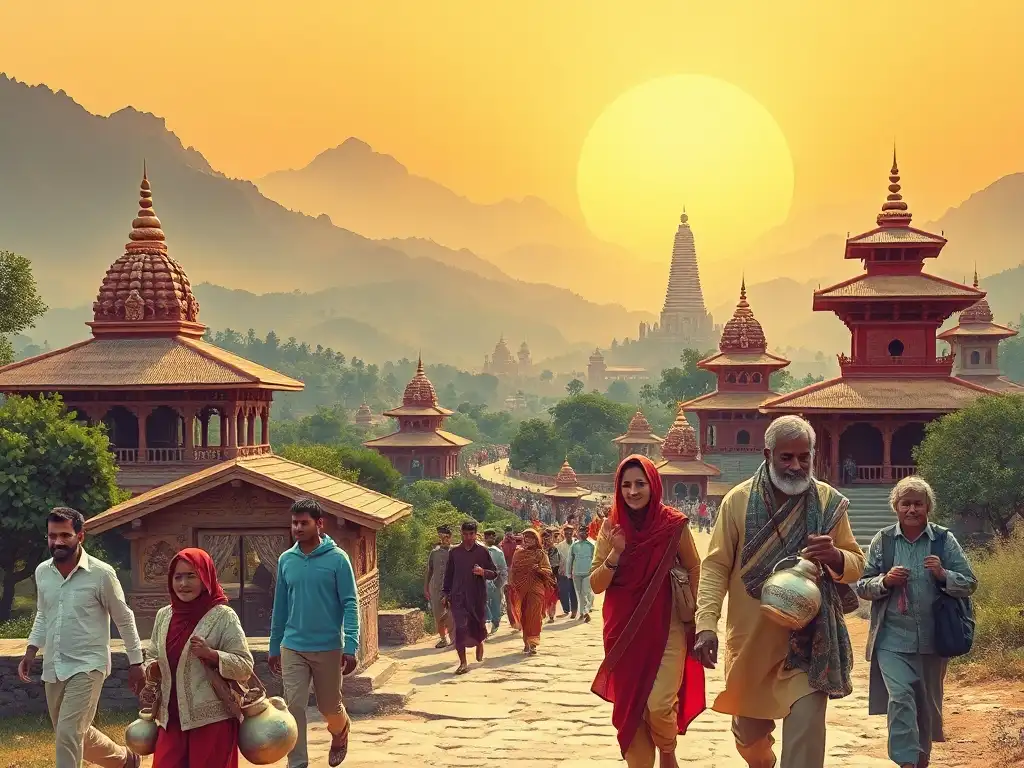
Pilgrimage has been a vital aspect of spiritual life in ancient India, serving as a conduit for cultural exchange between India and other civilizations, including China. The journey to sacred sites is not merely a physical undertaking; it symbolizes a quest for spiritual enlightenment and community. Pilgrimages often attracted individuals from diverse backgrounds, leading to significant interactions that fostered the exchange of ideas, philosophies, and religious practices.
The importance of pilgrimage routes can be seen in how they shaped not only religious beliefs but also socio-economic interactions. As pilgrims traveled to sacred sites, they brought with them their customs, stories, and spiritual practices, enriching the cultural tapestry of the regions they traversed. This cross-pollination of ideas often resulted in the syncretism of beliefs, which played a crucial role in the development of religious traditions in both India and China.
Shared Spiritual Ideologies
The spiritual ideologies of India and China, while distinct, share common themes that facilitated their cultural exchange. Both civilizations revered concepts such as karma, rebirth, and the pursuit of enlightenment. Buddhism, which originated in India, became a pivotal element in this shared spiritual landscape. As it spread to China, it adapted to local beliefs and practices, leading to the emergence of distinct schools of thought like Chan (Zen) Buddhism.
The shared emphasis on moral conduct and meditation practices created a fertile ground for dialogue between Indian and Chinese spiritual leaders. Sacred texts, teachings, and philosophical dialogues were exchanged along pilgrimage routes, enabling both cultures to deepen their understanding of spirituality. This cross-cultural exchange was instrumental in shaping the spiritual ideologies of both nations, leading to a richer, more nuanced approach to religious practice.
Trade Routes as Pilgrimage Paths
The intertwining of trade and pilgrimage routes played a significant role in the historical interactions between India and China. Major trade routes, such as the Silk Road, not only facilitated the exchange of goods but also served as pathways for pilgrims. These routes connected various cultural and religious sites, allowing for a flow of pilgrims traveling to sacred destinations.
Pilgrimage routes, often integrated with trade pathways, offered a dual purpose. They enabled merchants to transport goods while simultaneously allowing pilgrims to undertake their spiritual journeys. This interconnectedness contributed to the thriving economies of cities along these routes, where cultural exchange flourished. As a result, these areas became melting pots of diverse traditions, languages, and practices, further enriching the spiritual landscape of both civilizations.
Case Studies of Prominent Pilgrimage Figures
The history of Indian pilgrimage routes is illuminated by the journeys of notable figures who traversed these sacred paths. Their experiences not only reflect the spiritual aspirations of their time but also highlight the significant exchanges that occurred between India and China.
Xuanzang: The Journey of a Chinese Monk to India
Xuanzang, a prominent Chinese monk, embarked on a legendary pilgrimage to India in the 7th century. His mission was to acquire sacred Buddhist texts and deepen his understanding of the religion. Traveling through treacherous terrains and various kingdoms, Xuanzang's journey lasted over 17 years and covered thousands of miles.
His experiences were meticulously documented in his writings, particularly in "Great Tang Records on the Western Regions." This account not only provides insights into the cultural and religious landscape of India during that period but also highlights the interactions between Indian and Chinese scholars. Xuanzang's dedication to his pilgrimage underscores the profound impact of individual journeys on the broader narrative of cultural exchange between the two civilizations.
Influence of Indian Pilgrims on Chinese Buddhism
Indian pilgrims played a pivotal role in the dissemination of Buddhism throughout China. Figures like Bodhidharma, who is credited with bringing Zen Buddhism to China, exemplify the influence of Indian spiritual leaders. These pilgrims not only introduced Chinese society to Buddhist teachings but also contributed to the development of new interpretations and practices.
The arrival of Indian monks and scholars in China was often met with curiosity and reverence. They engaged in dialogues with local scholars, translating texts and sharing philosophical insights. This exchange enriched Chinese Buddhism, leading to the emergence of unique schools of thought that blended Indian teachings with Chinese philosophical concepts. The resulting synthesis exemplifies the dynamic nature of cultural exchange facilitated by pilgrimage, reinforcing the enduring connections between the spiritual traditions of India and China.
Modern Implications of Ancient Pilgrimage Routes
The ancient pilgrimage routes of India have not only shaped the spiritual landscape of the region but also continue to influence modern socio-cultural dynamics, particularly in the context of Indian-Chinese relations. These routes, historically significant for their religious and cultural exchanges, now serve as conduits for tourism, interfaith dialogue, and a renewed interest in historical studies.
In contemporary times, the revival of these pilgrimage paths has prompted discussions about cultural heritage and identity, fostering a sense of community among diverse groups. The historical routes, such as those connecting Bodh Gaya in India to Lumbini in Nepal, where the Buddha was born, are increasingly being recognized as vital links that can enhance cross-border cooperation and understanding.
Reviving Historical Pilgrimage Practices
Efforts to revive historical pilgrimage practices focus on restoring ancient sites and promoting them as destinations for spiritual tourism. Organizations and governments are working together to create sustainable tourism models that respect the historical significance of these routes while benefiting local economies.
For instance, initiatives like the "Buddhist Circuit" in India aim to connect key pilgrimage sites such as Sarnath, Kushinagar, and Bodh Gaya. By enhancing infrastructure, providing guided tours, and promoting cultural festivals, these initiatives not only attract pilgrims but also educate visitors about the rich history of Buddhism and its spread to China.
Moreover, there is a growing trend of pilgrimage walks that encourage participants to engage with the land and its history. Such activities foster a deeper connection to the spiritual heritage, echoing the practices of ancient pilgrims who traversed these routes for enlightenment and spiritual growth.
Impact on Contemporary Indian-Chinese Relations
The historical pilgrimage routes also play a significant role in shaping contemporary Indian-Chinese relations. As both nations share a long-standing cultural heritage, the revival of these routes can facilitate dialogue and mutual understanding. Pilgrimage tourism, particularly related to Buddhism, serves as a bridge between the two civilizations, promoting shared values and respect for each other's traditions.
In recent years, there have been initiatives to enhance connectivity between India and China through cultural exchanges, which include joint pilgrimage tours and collaborative research on historical routes. These efforts aim to revitalize old connections, encouraging a spirit of cooperation that transcends political differences.
Furthermore, the promotion of Buddhist heritage sites in both countries can lead to increased tourism, generating economic benefits while fostering a sense of shared history. This mutual interest in spiritual heritage can pave the way for stronger ties and collaboration in various fields, including education, tourism, and cultural preservation.
Conclusion
Summary of Indian Pilgrimage Routes History and Its Global Influence
The history of Indian pilgrimage routes is a testament to the rich tapestry of spiritual and cultural exchanges that have shaped not only the Indian subcontinent but also influenced neighboring civilizations, including China. These routes served as pathways for the spread of religious ideas, art, and philosophy, leaving an indelible mark on the cultural landscape.
From ancient times, when pilgrims traversed these paths seeking enlightenment, to the present day, where they continue to attract millions, the significance of these routes cannot be overstated. They embody the interconnectedness of cultures and the enduring quest for spiritual fulfillment, making them vital to understanding the broader historical narrative of human civilization.
Future Perspectives on Pilgrimage and Cultural Exchange
Looking ahead, the potential for pilgrimage routes to foster cultural exchange remains promising. As globalization continues to shape interactions among nations, there is an opportunity to leverage these historical pathways to promote peace, understanding, and collaboration.
Future initiatives could focus on integrating technology in pilgrimage tourism, enhancing the experience for pilgrims while preserving the sanctity of the routes. Virtual reality experiences, mobile applications, and interactive platforms can provide insights into the historical significance of these paths, making them accessible to a global audience.
Moreover, promoting interfaith pilgrimages could further strengthen bonds between different religious communities, encouraging dialogue and mutual respect. By embracing the spiritual heritage encapsulated in these routes, we can pave the way for a future where cultural exchange thrives, enriching both Indian and Chinese societies in profound ways.
- Introduction to Indian Pilgrimage Routes History
- Historical Context of Indian Pilgrimage Routes
- Connection Between Indian and Chinese Pilgrimage Practices
- Key Indian Pilgrimage Routes and Their Significance
- The Role of Pilgrimage in Cultural Exchange
- Case Studies of Prominent Pilgrimage Figures
- Modern Implications of Ancient Pilgrimage Routes
- Conclusion
- What are the main pilgrimage routes in India?
- How did Chinese influence shape Indian pilgrimage practices?
- What is the significance of the Indus Valley in pilgrimage history?
- How did the Gupta Empire contribute to Indian pilgrimage routes?
- What role do modern pilgrimage routes play in preserving history?
Frequently Asked Questions
What are the main pilgrimage routes in India?
The main pilgrimage routes include the Char Dham in Uttarakhand, Kashi Yatra, and paths connecting various temples and sacred sites across the country, highlighting India's deep spiritual heritage.
How did Chinese influence shape Indian pilgrimage practices?
Chinese influence introduced new Buddhist ideas and practices, facilitating cultural exchanges that enriched pilgrimage routes and promoted travel between India and China.
What is the significance of the Indus Valley in pilgrimage history?
The Indus Valley civilization laid the groundwork for early spiritual practices in India, influencing later religious and cultural developments that shaped pilgrimage traditions.
How did the Gupta Empire contribute to Indian pilgrimage routes?
The Gupta Empire saw the establishment of many temples and stupas, enhancing the infrastructure of pilgrimage routes and promoting religious tourism across ancient India.
What role do modern pilgrimage routes play in preserving history?
Modern pilgrimage routes continue to honor the cultural and historical significance of ancient practices, helping to maintain traditions while fostering spiritual connections among devotees.
Final Reflection: The Enduring Legacy of Indian Pilgrimage Routes
The exploration of Indian pilgrimage routes and their historical connection to China underscores the profound significance of spiritual journeys in shaping cultural identities and fostering cross-cultural exchanges. Today, as globalization continues to blur geographical boundaries, the relevance of these ancient pathways becomes even more pronounced. They serve not only as routes of faith but also as bridges that connect diverse cultures and traditions, reminding us of our shared humanity.
The historical significance of Indian pilgrimage routes has left an indelible mark on the social and cultural landscape of both India and China. These routes are not merely paths traveled by devotees; they are living testimonies to the intertwining of beliefs, practices, and philosophies across civilizations. As we reflect on this rich tapestry, we are reminded of the words of Mahatma Gandhi: The best way to find yourself is to lose yourself in the service of others.
This sentiment resonates deeply within the context of pilgrimage, where the journey often leads to profound personal transformation and a deeper understanding of our interconnectedness.
As we conclude this exploration, I invite you to reflect on your own spiritual journey and the pathways that have shaped your beliefs and values. Consider how you can embrace the lessons learned from these ancient routes in your daily life, fostering a spirit of compassion, understanding, and connection with others. Let the stories of these pilgrimage routes inspire you to seek your own path of discovery, not just in the physical realm but also in the spiritual and communal aspects of life.
Embark on Your Spiritual Journey Today!
Thank you for joining us on this exploration of the profound spiritual connections between Indian pilgrimage routes and China. We hope you found inspiration in the rich history and cultural significance of these paths. Now, it's time to take the next step in your own journey!
- Plan your pilgrimage! Choose a route that resonates with you and begin your journey by researching destinations that speak to your spirit. Whether you opt for a short retreat or a comprehensive pilgrimage, every step carries meaning.
- Share your experiences! Document your travel stories and insights—consider starting a blog or joining online communities dedicated to spiritual journeys.
- Engage with others! Connect with local or online groups focused on exploring spiritual pathways. Share tips, stories, and advice to enrich your journey and inspire fellow seekers.
What steps will you take to deepen your spiritual connection through these ancient pilgrimage routes? We invite you to share your thoughts below!