
The Dichotomy of Love and Duty in Classical Indian Literature

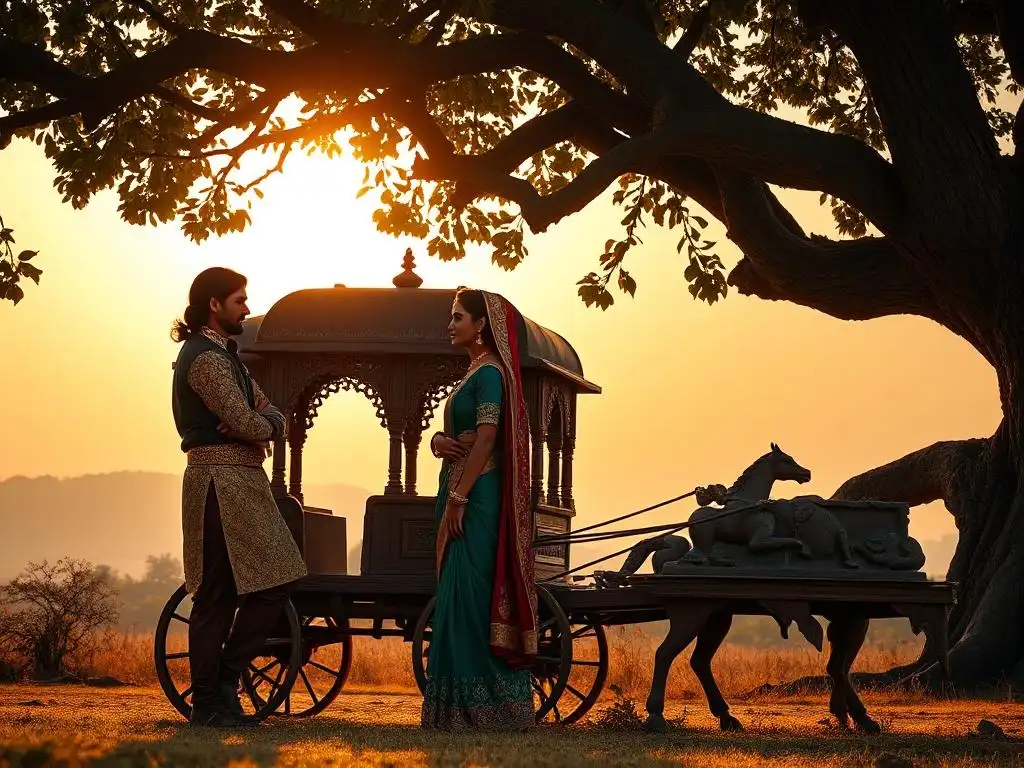
Welcome to Ancient India History, where we embark on a fascinating journey through the rich tapestry of India's past! Here, we delve into the profound themes of classical Indian literature, illuminating the intricate dichotomy of love and duty that resonates within its timeless narratives. From the poetic verses of ancient texts to the philosophical underpinnings of the Gupta Empire, each story invites you to explore how these themes shaped the cultural landscape of India.
Curious to learn more? Join us as we unravel the complexities of literature that goes beyond mere epics, igniting your passion for the captivating history that has shaped a civilization.

The exploration of themes within classical Indian literature reveals a complex interplay between love and duty, two concepts that have significantly influenced the moral and philosophical fabric of ancient Indian society. This article delves into how these themes manifest in various forms, from poetry to prose, and how they reflect the values and dilemmas faced by individuals in ancient times. By examining the duality of love and duty, we can gain insights into the cultural and ethical frameworks that shaped the lives of people during this period, ultimately enhancing our understanding of classical Indian literature themes.
Introduction to Classical Indian Literature Themes
Overview of Classical Indian Literature
Classical Indian literature encompasses a vast array of texts produced over centuries, capturing the essence of a rich cultural heritage. It includes various forms such as poetry, drama, and philosophical treatises, with notable works like the Mahabharata, Ramayana, and Gita Govinda. These texts not only convey stories and teachings but also serve as reflections of societal norms and values. The themes present in these works often transcend time, providing modern readers with insights into the universal human experience.
Importance of Themes in Ancient Texts
Themes in ancient literature are crucial as they provide a lens through which we can examine the moral and ethical dilemmas faced by individuals in their respective societies. In classical Indian literature, themes such as love, duty, honor, and sacrifice are prevalent. They guide characters in their decisions and actions, often leading to profound consequences. Understanding these themes allows us to appreciate the complexities of human relationships and societal expectations that were foundational in shaping ancient Indian civilization.
Understanding Love and Duty in Ancient Indian Context
Definition of Love in Classical Indian Literature
In classical Indian literature, love is often depicted as a multifaceted emotion, encompassing various forms including romantic love ( kāma), familial love, and divine love. It is celebrated in poetry and prose, often illustrated through the relationships of characters who navigate personal desires against societal expectations. For instance, the love between Radha and Krishna is emblematic of divine love, portraying the spiritual connection beyond physical desires. Similarly, romantic relationships are often portrayed with layers of complexity, as seen in the works of poets like Kalidasa, where love is intertwined with nature and emotion.
Concept of Duty (Dharma) in Indian Philosophy
Duty, or dharma, is a central tenet in Indian philosophy, embodying the moral obligations and responsibilities that individuals have towards themselves, their families, and society at large. In classical literature, characters frequently grapple with their dharma, which can conflict with personal desires, particularly in matters of love.
This tension illustrates the broader philosophical discourse on righteousness and ethical conduct, emphasizing that fulfilling one’s duty is often seen as paramount, even at the expense of personal happiness. The narratives surrounding figures like Arjuna in the Bhagavad Gita poignantly encapsulate this struggle, highlighting the importance of adhering to one’s dharma in the face of emotional turmoil.
By examining these themes, we can better understand the intricate dynamics of love and duty that define classical Indian literature, and how they continue to resonate in contemporary discourse on ethics and relationships.
The Dichotomy of Love and Duty
The tension between love and duty is a prominent theme in classical Indian literature, reflecting the complexities of human relationships and social obligations. This duality often manifests as characters grapple with their personal desires in contrast to societal expectations. The exploration of this dichotomy serves not only as a reflection of individual struggles but also as a commentary on the moral and ethical frameworks that governed ancient Indian society.
In many classical texts, love is portrayed as a powerful force that can transcend social boundaries, yet it is often tempered by the responsibilities that come with familial and societal roles. The narratives frequently depict protagonists who must navigate the intricate balance between their personal affections and their duty to family, community, or kingdom. This theme resonates deeply with readers, as it encapsulates the universal human experience of conflict between passion and obligation.
Exploring the Conflict between Love and Duty
The conflict between love and duty is vividly illustrated in various works of classical Indian literature. Characters often find themselves at a crossroads, where their choice of love could lead to personal fulfillment but might also disrupt social harmony or familial loyalty. This struggle can be seen in several notable texts, such as the Mahabharata, where the character of Karna embodies this tension. His love for his mother and his duty to his friend Duryodhana create a profound internal conflict, showcasing the complexity of his decisions.
In other instances, the theme of love versus duty manifests in the form of tragic consequences. For example, in Kalidasa's "Shakuntala," the protagonist faces the repercussions of her love when she is separated from her husband due to a curse. Here, the narrative highlights the emotional turmoil that arises from the clash between the desire for love and the inevitable duties that come with societal roles.
This exploration of love and duty not only serves to deepen character development but also invites readers to reflect on their own lives, encouraging a dialogue about the sacrifices individuals make for love versus the obligations imposed by society.
Historical Context of Love and Duty in Indian Society
Understanding the historical context of love and duty within Indian society is essential to fully appreciate its representation in classical literature. Ancient Indian culture was deeply influenced by religious and philosophical traditions that defined roles and responsibilities. Texts such as the Manusmriti laid down strict guidelines regarding family duties, caste obligations, and social behavior, which in turn shaped literary narratives.
During this period, love was often idealized but also viewed through the lens of duty. Marriages were typically arranged, emphasizing familial alliances over romantic inclinations. This social structure created a backdrop where love often had to contend with preordained responsibilities. Such dynamics are crucial to understanding why classical Indian literature frequently depicts characters who are torn between their desires and their duties.
Moreover, the influence of Bhakti and Sufi traditions in later periods began to challenge these norms, introducing more nuanced portrayals of love that emphasized devotion and spiritual connection. This shift reflects an evolving understanding of love that began to coexist more harmoniously with duty, further enriching the literary landscape of classical Indian texts.
Representation of Love in Classical Indian Literature
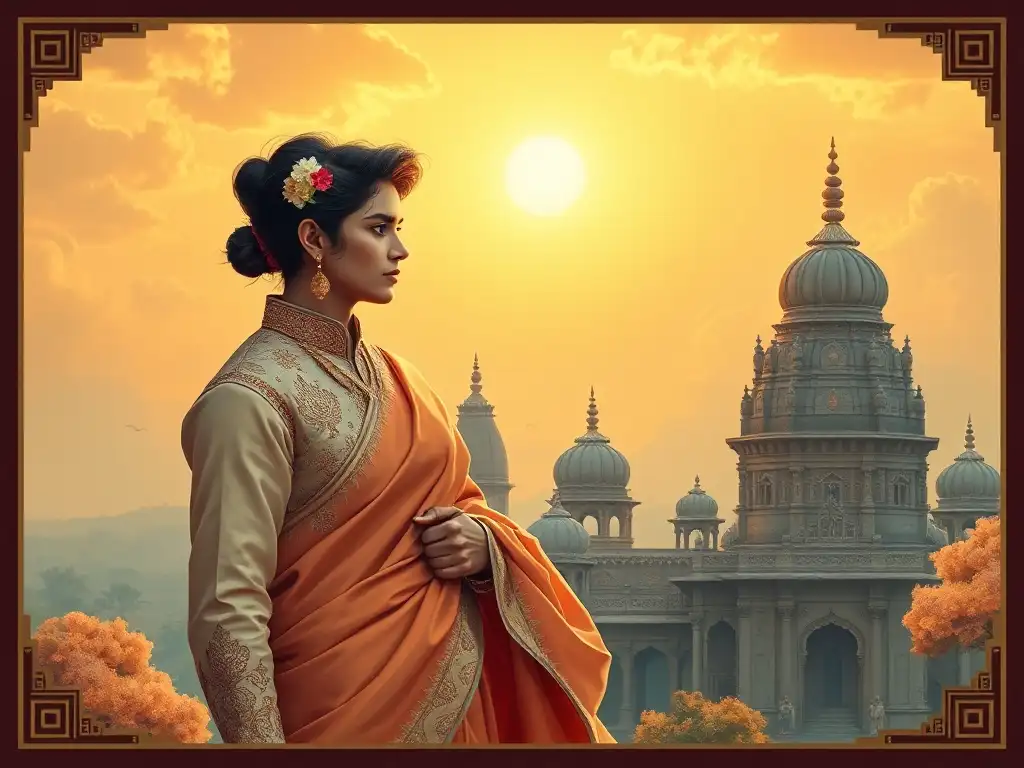
The representation of love in classical Indian literature is multifaceted, encompassing various forms and expressions that reflect both individual emotions and broader societal themes. Love is often depicted as a divine connection, a natural force, or a profound emotional bond that transcends the mundane. This complexity allows for a rich exploration of love's role in shaping human experience and relationships.
Love in Classical Poetry: Examples and Analysis
Classical poetry in India frequently celebrates love through lyrical expressions and vivid imagery. Poets like Kalidasa and Jayadeva masterfully capture the essence of love, illustrating its beauty and pain. In Kalidasa's "Meghaduta," for example, the yearning of the protagonist is expressed through the natural world, where the cloud becomes a messenger of love, emphasizing the theme of separation and longing.
The use of metaphor and symbolism in these poems enhances the emotional depth of the narrative. For instance, the imagery of nature often parallels the internal states of the lovers, creating a harmonious relationship between the external and internal worlds. This technique serves to amplify the emotional resonance of the theme, inviting readers to experience the intensity of love and its conflicts.
Moreover, the poetic form allows for a more nuanced exploration of love's dualities. The interplay of joy and sorrow, union and separation, is often depicted in intricate patterns, reflecting the complexities of human emotions. This duality is a hallmark of classical Indian poetry, making it a profound medium for exploring the theme of love in relation to duty.
Love in Prose: Narrative Techniques and Themes
In prose, the representation of love takes on new dimensions, employing narrative techniques that enhance the thematic exploration of love and duty. Works such as "The Tale of Puranic Love" and "Nala-Damayanti" illustrate how characters navigate their affections amidst societal constraints. The narrative structure often employs a linear progression, with flashbacks and foreshadowing to build tension around the lovers' plight.
Character development is key in prose narratives, as authors delve into the psychological motivations behind their characters' actions. This approach allows for a deeper understanding of how love influences their decisions and the moral dilemmas they face. The internal monologues and dialogues often reveal the characters' struggles, providing insight into their conflicting desires.
Additionally, the themes of sacrifice and loyalty are intricately woven into the narratives. Characters may find themselves sacrificing their personal happiness for the sake of family honor or societal expectations, reflecting the entrenched values of the time. This exploration of love in prose highlights the broader societal implications of individual choices, emphasizing the enduring nature of the love versus duty dichotomy in classical Indian literature.
Representation of Duty in Classical Indian Literature
The theme of duty is intricately woven into the fabric of classical Indian literature, reflecting the moral and ethical values predominant in ancient Indian society. This representation often manifests through various characters and narratives that navigate the complex relationship between personal desires and societal obligations. Duty, or dharma, is not merely a guideline but a profound force that shapes the lives of protagonists, influencing their choices and consequences. This theme resonates throughout different literary forms, including poetry and prose, highlighting the perpetual struggle between love and duty.
Duty in Poetry: Symbolism and Motifs
In classical Indian poetry, duty is frequently depicted through rich symbolism and recurring motifs. Poets often utilize nature, divine imagery, and mythological references to convey the weight of duty on individuals. For instance, the lotus flower often symbolizes purity and the notion of fulfilling one's responsibilities despite being rooted in the mud of worldly desires.
Moreover, the imagery of the sun and moon can represent the duality of duty and love, where the sun signifies the relentless pursuit of dharma and the moon embodies the softer, more transient aspects of love. This juxtaposition allows poets to explore the emotional turmoil faced by characters as they navigate their obligations towards family, society, and the cosmos. The use of metaphors and allegories enriches the text, inviting readers to ponder the deeper implications of duty within personal and collective narratives.
Duty in Prose: Character Development and Ethical Dilemmas
In prose, the representation of duty is often intricately tied to character development and the ethical dilemmas faced by individuals. Characters in classical Indian literature are frequently portrayed in situations where they must choose between their personal desires and their responsibilities to family or society. This internal conflict often leads to significant character growth and profound moral lessons.
For example, in narratives like the Mahabharata, characters such as Arjuna experience intense struggles with their duties as warriors and the implications of their actions. The ethical dilemmas they face serve to highlight the complexities of duty, illustrating how personal convictions can clash with societal expectations. Through their journeys, readers are invited to reflect on the nature of duty and its impact on identity, relationships, and societal harmony.
Case Studies: Key Works Illustrating Love and Duty
The exploration of love and duty is vividly illustrated in several key works of classical Indian literature, each providing unique insights into this complex theme. The Ramayana, Mahabharata, and Gita Govinda serve as exemplary texts that delve into the dichotomy of love and duty, showcasing how these elements intertwine to shape human experiences.
Analysis of "Ramayana"
The Ramayana is a quintessential epic that encapsulates the theme of duty through the character of Lord Rama, who embodies the ideal of dharma in every aspect of his life. His unwavering commitment to his father's wishes—exiled to uphold his father's promise—highlights the profound sense of duty that permeates the narrative.
Rama's relationship with Sita further complicates this theme; while his love for her is evident, it is his duty as a king and a son that ultimately guides his actions, especially during the trials of Sita's abduction. The tension between love and duty in the Ramayana serves to illustrate the sacrifices individuals must make in their pursuit of righteousness.
Analysis of "Mahabharata"
The Mahabharata offers a more intricate exploration of love and duty, particularly through the character of Arjuna. Faced with the moral dilemma of fighting against his own relatives, Arjuna’s initial reluctance underscores the conflict between personal attachments and the duties of a warrior.
Krishna’s counsel in the Bhagavad Gita serves as a pivotal moment in the narrative, emphasizing the importance of fulfilling one's duty without attachment to the results. This profound discourse on dharma resonates throughout the text, making the Mahabharata a rich source for understanding the complexities of duty and the consequences of one's choices.
Analysis of "Gita Govinda"
The Gita Govinda, composed by Jayadeva, intricately weaves themes of love and duty through the lens of divine love and devotion. It portrays the relationship between Radha and Krishna, emphasizing the tension between spiritual duty and personal love.
In this poetic work, Radha's longing for Krishna represents the ultimate expression of love, yet her devotion also reflects her duty to uphold her role within the cosmic order. The interplay of love and duty in the Gita Govinda illustrates how these themes can coexist, presenting a more nuanced understanding of personal and divine obligations. Through vivid imagery and lyrical beauty, the text invites readers to reconcile the dichotomy of love and duty, ultimately portraying them as complementary forces in the pursuit of spiritual fulfillment.
The Impact of the Love-Duty Dichotomy on Characters
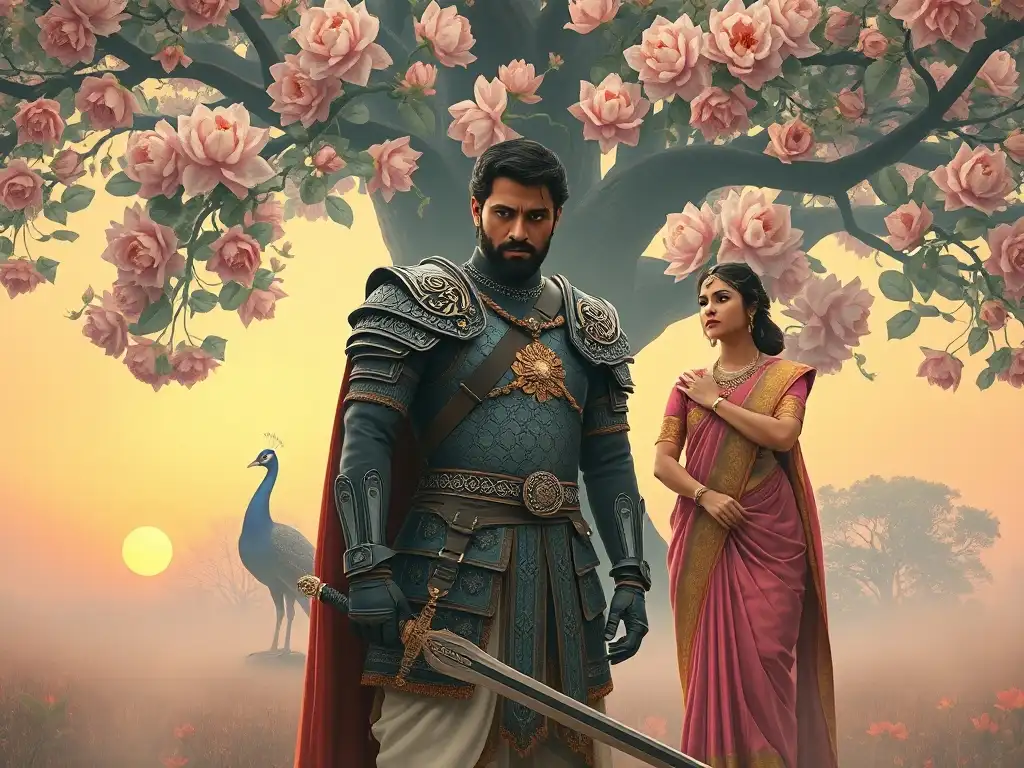
The themes of love and duty often create complex dynamics within characters in classical Indian literature. These narratives frequently portray characters who are trapped between personal desires and societal obligations, leading to profound internal conflicts. This dichotomy not only shapes their identities but also dictates their actions, ultimately influencing the narrative's direction.
Characters in texts ranging from the Mahabharata to the poetry of Kalidasa grapple with the expectations of family, society, and tradition, often facing moral dilemmas that challenge their values. For instance, the story of Arjuna in the Bhagavad Gita highlights the struggle between his love for his kin and his duty as a warrior. Such portrayals reflect the broader cultural ethos of ancient India, where duty (dharma) often takes precedence over personal affection.
Additionally, the consequences of these conflicts often extend beyond individual characters, impacting entire communities and shaping social norms. This tension between love and duty serves as a mirror to the complexities of human relationships, making it a timeless theme that resonates across generations.
Character Archetypes in Classical Indian Literature
In classical Indian literature, several archetypes emerge, each embodying different aspects of the love-duty dichotomy.
- The Hero: Characters like Rama from the Ramayana exemplify the ideal hero who embodies dharma. Rama's commitment to duty often overshadows his love for Sita, reflecting the archetype of the noble warrior torn between personal desire and societal obligations.
- The Tragic Lover: Characters such as Shakuntala in Kalidasa's "Abhijñānaśākuntalam" represent the tragic lover whose affection leads to suffering due to societal constraints. Shakuntala's love for Dushyanta is thwarted by his duty as a king, illustrating the often-painful consequences of love in a rigid social structure.
- The Wise Mentor: Figures like Krishna serve as guides, navigating the complexities of love and duty. Krishna’s counsel to Arjuna emphasizes the importance of fulfilling one’s duty while grappling with personal emotions, a recurring theme that enriches the narrative depth.
These archetypes not only drive the plot but also offer insights into the cultural and moral landscapes of ancient India, showcasing how different characters respond to the love-duty dichotomy.
How Love and Duty Shape Character Decisions
The interplay between love and duty significantly influences character decisions throughout classical Indian literature. Characters often face pivotal moments where they must choose between their personal desires and their responsibilities to others.
For example, in the Mahabharata, the character of Yudhishthira exemplifies the tension between love for his family and his duty as a king. His commitment to righteousness often leads him to make decisions that prioritize the greater good over personal happiness, illustrating the profound impact of duty on his choices.
Moreover, the decisions made by these characters often serve as moral lessons, reflecting the values of the society they inhabit. The consequences of their choices resonate beyond the narratives, offering commentary on the ethical dilemmas faced in real life, thus enriching the reader's understanding of the complexity inherent in human relationships.
Conclusion: The Legacy of Love and Duty in Classical Indian Literature
The themes of love and duty in classical Indian literature continue to resonate deeply within both historical and contemporary contexts. The legacy of these narratives serves as a foundation for understanding the moral and ethical frameworks that shape human behavior.
Reflection on the Relevance of Themes Today
The dichotomy of love and duty remains relevant in today's society. Modern readers can find parallels in their own lives, where personal relationships often conflict with societal expectations. The timeless nature of these themes encourages introspection, inviting individuals to reflect on their values and the choices they make in navigating their relationships.
The Influence on Modern Indian Literature and Culture
The influence of the love-duty dichotomy extends into modern Indian literature and culture, where contemporary authors revisit these classical themes to explore new dimensions of human experience. Writers draw inspiration from the rich tapestry of classical narratives, reinterpreting the love-duty conflict in light of modern societal changes.
This ongoing dialogue between past and present not only preserves the cultural heritage of India but also enriches the literary landscape, ensuring that the themes of love and duty continue to inspire and provoke thought across generations. In this way, classical Indian literature remains a vital source of wisdom and cultural reflection, shaping both individual identities and collective values in the ongoing narrative of Indian civilization.
Further Reading on Classical Indian Literature Themes
Delving deeper into the themes of love and duty in classical Indian literature offers a rich landscape of insights and interpretations. This section provides resources that can enhance your understanding of these intricate themes and their manifestations in various forms of literature.
Recommended Texts for Deeper Understanding
-
"The Perennial Philosophy" by Aldous Huxley
This book explores the universal truths found in various religious and philosophical traditions, including insights from classical Indian texts. Huxley’s examination of love and duty within a spiritual framework provides a broader context for understanding these themes.
-
"The Ramayana" by Valmiki
A cornerstone of Indian literature, this epic poem vividly illustrates the tension between personal desires and social responsibilities. The character of Rama embodies the ideal of duty, while Sita represents love and devotion, making it essential reading for understanding these themes.
-
"The Mahabharata" (translated by R. K. Narayan)
Known for its complex narrative, this epic presents numerous instances where characters grapple with the conflict between duty (dharma) and love. The relationships and moral dilemmas faced by the characters provide profound insights into the theme.
-
"Love in Indian Literature" by Sharmila Dey
This contemporary analysis offers a critical overview of how love is portrayed in various forms of classical Indian literature, highlighting its interplay with the concept of duty across different works and genres.
-
"Bhagavad Gita" (translated by Eknath Easwaran)
A philosophical text that addresses the conflict between personal desires and responsibilities, the Gita is not just a spiritual guide but also a profound commentary on duty and love in the context of one's life and relationships.
Related Themes in Other Literary Traditions
The dichotomy of love and duty is not unique to classical Indian literature; it resonates throughout global literary traditions. Here are some related themes found in other literary contexts:
- Greek Tragedy: Works like Sophocles' "Antigone" explore the conflict between familial love and civic duty, highlighting the tension between personal loyalty and societal obligations.
- Shakespearean Drama: In plays such as "Romeo and Juliet," the themes of love and familial duty are intricately woven, showcasing characters torn between their romantic desires and their responsibilities to their families.
- Chinese Literature: Texts like "Dream of the Red Chamber" reflect similar conflicts, where characters often navigate the complexities of love entangled with familial expectations and societal norms.
- Modern Literature: Contemporary novels often revisit these themes, demonstrating how the struggle between love and duty continues to influence human relationships and choices across cultures and eras.
By exploring these texts and themes, readers can gain a more nuanced understanding of the rich tapestry of classical Indian literature and its universal resonance with the themes of love and duty.
- Introduction to Classical Indian Literature Themes
- Understanding Love and Duty in Ancient Indian Context
- The Dichotomy of Love and Duty
- Representation of Love in Classical Indian Literature
- Representation of Duty in Classical Indian Literature
- Case Studies: Key Works Illustrating Love and Duty
- The Impact of the Love-Duty Dichotomy on Characters
- Conclusion: The Legacy of Love and Duty in Classical Indian Literature
- Further Reading on Classical Indian Literature Themes
- What are the main themes explored in classical Indian literature?
- How does the theme of love manifest in classical Indian literature?
- What role does duty play in classical Indian literature?
- Can you provide examples of classical Indian texts that illustrate these themes?
- How do these themes in classical Indian literature resonate with modern readers?
Frequently Asked Questions
What are the main themes explored in classical Indian literature?
Classical Indian literature often delves into complex themes such as love, duty, morality, and spirituality, reflecting the rich cultural heritage of ancient India.
How does the theme of love manifest in classical Indian literature?
The theme of love is frequently depicted through various narratives, illustrating the tensions between personal desires and societal obligations, showcasing the emotional depth of characters.
What role does duty play in classical Indian literature?
Duty is a central theme, often portrayed as a moral imperative that characters must navigate, emphasizing the importance of responsibility towards family, society, and tradition.
Can you provide examples of classical Indian texts that illustrate these themes?
Notable texts like the Mahabharata and Ramayana vividly illustrate the dichotomy of love and duty, showcasing characters who grapple with these conflicting ideals.
How do these themes in classical Indian literature resonate with modern readers?
The timeless dilemmas of love versus duty continue to resonate, offering insights into human emotions and relationships, making classical Indian literature relevant even today.
Final Reflection: The Enduring Dance of Love and Duty
The exploration of love and duty in classical Indian literature remains profoundly relevant today, as it mirrors the complexities of our modern lives. In a world where personal desires often clash with societal expectations, the themes of love and duty resonate deeply, reminding us that these dual forces shape our choices and relationships. The timeless narratives from texts like the Mahabharata and Ramayana continue to echo in contemporary discussions, illustrating that the struggle between personal fulfillment and obligation is not just a relic of the past, but a living, breathing aspect of our existence.
The dichotomy of love and duty has significantly influenced our cultural and social landscape, prompting us to reflect on our values and priorities. This theme invites us to examine how we balance our commitments to family, community, and self. As we navigate our own lives, we find ourselves in situations reminiscent of the characters we admire and critique in these literary works. Duty is the bridge between the past and the future,
a sentiment that encapsulates the essence of our responsibilities while acknowledging the emotional ties that bind us.
As you reflect on the lessons drawn from classical Indian literature, consider how the themes of love and duty manifest in your own life. Are there moments where you feel torn between your heart's desires and your obligations? Embrace this introspection and allow it to guide your choices, fostering a deeper understanding of yourself and your relationships. By acknowledging and honoring both love and duty, you can create a harmonious balance that enriches your life and the lives of those around you.
Unveil the Depths of Emotion: Embrace Love and Duty!
Thank you for immersing yourself in the intricate world of classical Indian literature with us! You've explored the powerful balance between love and duty, a theme that resonates profoundly through the ages. Now, it’s time to put that inspiration into action!
Here are some steps you can take to further connect with this profound theme:
- Reflect on your own life: Take a moment to identify an area where you feel a tension between your desires and responsibilities. How can you honor both aspects?
- Share your insights: Discuss this topic with friends, family, or online communities. What stories of love and duty resonate with you? Your perspective could spark meaningful conversations!
- Explore more literature: Dive deeper into specific texts related to this theme. Choose one and reflect on how its messages relate to your experiences.
Which story of love and duty from classical literature resonates with you the most, and how do you see its relevance in today’s world?