
Understanding Karma: The Fundamental Concept in Buddhist Philosophy


Welcome to Ancient India History, where we embark on a journey through the rich tapestry of India's past, exploring the myriad cultures and remarkable contributions of its ancient civilizations. Today, we delve into the profound concept of karma in Buddhist philosophy history, a pivotal idea that has shaped spiritual thought and ethical practice across centuries.
What lies behind this fundamental principle, and how has it influenced the course of not just Buddhism, but the very fabric of Indian culture? Join us as we uncover the layers of meaning and significance surrounding karma, and prepare to ignite your curiosity about the spiritual legacy of ancient India.
-
Understanding Karma in Buddhist Philosophy History
- Introduction to Karma in Buddhist Philosophy
- The Roots of Karma in Ancient Indian Thought
- Core Principles of Karma in Buddhist Philosophy
- Karma and Rebirth in Buddhist Beliefs
- The Ethical Implications of Karma in Buddhist Practice
- Karma in Different Schools of Buddhism
- Common Misconceptions about Karma in Buddhist Philosophy
- The Role of Karma in Modern Buddhism
- Conclusion: The Significance of Understanding Karma in Buddhist Philosophy
- Frequently Asked Questions
- Final Reflection: Embracing the Wisdom of Karma in Our Lives
- Embrace the Power of Karma Today!
Understanding Karma in Buddhist Philosophy History
Introduction to Karma in Buddhist Philosophy
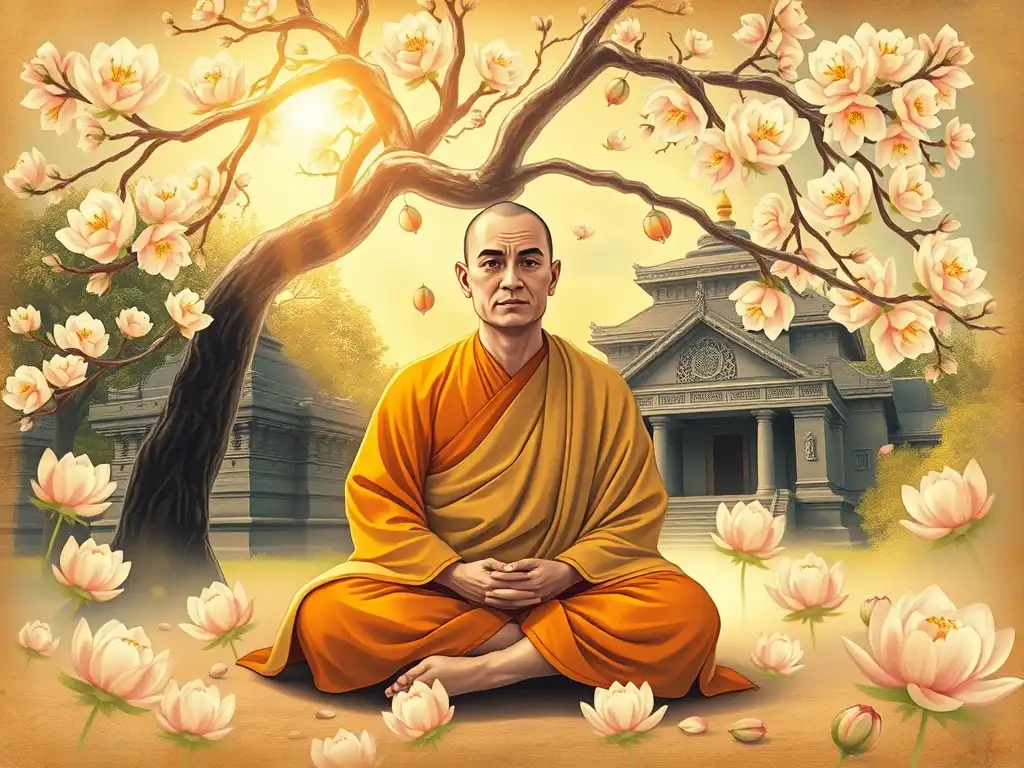
Karma is a foundational concept in Buddhist philosophy, representing the moral law of cause and effect that governs the actions of individuals. This intricate principle not only shapes the ethical framework of Buddhism but also profoundly influences the spiritual journey of practitioners.
Understanding karma is essential for comprehending the broader teachings of Buddhism, as it encapsulates the dynamics of moral responsibility and the consequences of one’s actions over time. By exploring the history of karma within Buddhist philosophy, we can gain insights into how this concept evolved from ancient Indian thought and its implications for the spiritual practices that emerged in the region.
Definition of Karma
Karma can be defined as:
- Actions and deeds: The physical or mental actions performed by individuals.
- Intentions: The motivations or desires that drive those actions.
- Consequences: The outcomes that arise as a result of actions and intentions, impacting future experiences.
Historical Context of Karma in Buddhism
The concept of karma has deep historical roots, tracing back to ancient Indian philosophies that predate Buddhism. In the context of Buddhist philosophy, karma emerged as a critical element of the Buddha's teachings, offering a framework for understanding the cycle of birth, death, and rebirth (samsara). The historical development of karma in Buddhism can be outlined as follows:
- Pre-Buddhist Origins: Karma's early manifestations in the Vedic texts laid the groundwork for its later interpretations in Buddhism.
- Buddha's Teachings: Siddhartha Gautama, known as the Buddha, articulated the principle of karma, emphasizing personal responsibility and ethical conduct as essential for spiritual liberation.
- Evolution through Texts: Over centuries, various Buddhist texts and schools of thought expanded upon and refined the understanding of karma, leading to diverse interpretations within the Buddhist tradition.
The Roots of Karma in Ancient Indian Thought
To fully appreciate the significance of karma in Buddhist philosophy, it is essential to examine its roots in ancient Indian thought. This historical perspective reveals how prior philosophical and religious systems influenced the development of karma as a central tenet in Buddhism.
Karma in Pre-Buddhist Traditions
Before the emergence of Buddhism, the concept of karma was already present in various ancient Indian traditions. The Vedic texts, particularly, articulated ideas about moral actions and their consequences. Key characteristics of karma in pre-Buddhist traditions include:
- Ritualistic Practices: The performance of rituals was believed to generate positive karma, influencing one's fate in future lives.
- Moral Accountability: Early philosophies began to recognize the relationship between one's actions and their repercussions, laying the foundation for later interpretations of karma.
Influence of Vedic Concepts on Buddhist Karma
The Vedic texts significantly shaped Buddhist notions of karma. As Buddhism developed, it both adopted and transformed these earlier ideas. Key influences include:
- Samsara: The cyclical nature of existence, central to both Vedic and Buddhist thought, underscores the importance of karma in determining the quality of future rebirths.
- Moral Law: The emphasis on ethical behavior found in the Vedic tradition was integrated into Buddhist teachings, reinforcing the idea that individuals must navigate their own moral paths through conscious choices.
Understanding karma in Buddhist philosophy involves not only a grasp of its definitions and historical contexts but also an appreciation of its roots in ancient Indian thought. This intricate interplay of ideas continues to resonate within the teachings of Buddhism today.
Core Principles of Karma in Buddhist Philosophy
Karma, derived from the Sanskrit word "karman," meaning "action" or "deed," is a fundamental concept in Buddhist philosophy that encompasses the ethical dimensions of actions and their consequences. At the heart of this principle is the understanding that every action—whether physical, verbal, or mental—yields corresponding outcomes that can affect both the individual and the wider world. This intricate web of cause and effect is central to the understanding of moral responsibility and personal growth within Buddhist teachings.
Buddhism posits that one's actions have far-reaching implications. The concept of karma extends beyond mere retribution; it encompasses the idea of moral development and the potential for transformation. Engaging in virtuous actions leads to beneficial results, while harmful actions perpetuate suffering. This interplay encourages individuals to cultivate compassion, mindfulness, and ethical behavior, fostering a path toward enlightenment and liberation.
The Law of Cause and Effect
The Law of Cause and Effect is a cornerstone of the karma concept in Buddhist philosophy, encapsulating the notion that every action produces a corresponding effect. This principle aligns with the broader Buddhist understanding of interdependence, where all phenomena are interconnected. Actions are not isolated; they resonate through time and space, influencing future experiences.
In this context, the effects of karma are not always immediate or easily recognizable. They can manifest in various forms—ranging from immediate consequences in this life to repercussions in future existences. Consequently, the Law of Cause and Effect underscores the importance of mindfulness in one’s actions, as they shape not only individual destinies but also the collective experiences of all sentient beings.
Types of Karma: Good, Bad, and Neutral
Karma is often categorized into three distinct types: good, bad, and neutral, each reflecting the moral quality of one’s actions.
- Good Karma: Actions rooted in compassion, generosity, and wisdom yield positive outcomes. These actions contribute to personal happiness and the welfare of others, fostering a harmonious existence. Good karma is believed to lead to favorable rebirths and opportunities for spiritual advancement.
- Bad Karma: Conversely, actions driven by greed, hatred, or ignorance produce negative consequences. Such actions can lead to suffering and difficult circumstances in this life and future rebirths. Understanding the nature of bad karma serves as a cautionary guide, promoting ethical conduct and the avoidance of harmful deeds.
- Neutral Karma: Some actions may be classified as neutral, where the intent does not carry a significant moral weight. These actions may not result in immediate consequences but still contribute to the overall karmic balance of an individual. Recognizing neutral karma highlights the importance of intentionality in all actions, regardless of their apparent moral standing.
The Role of Intention in Karma
Intention, or "cetana," plays a pivotal role in the formation of karma. In Buddhist philosophy, the moral quality of an action is significantly influenced by the intent behind it. The Buddha emphasized that actions performed with positive intentions—such as kindness and benevolence—generate good karma, while actions stemming from negative intentions—such as malice and desire—result in bad karma.
This focus on intention underscores the importance of self-awareness and mindfulness in ethical decision-making. It suggests that even seemingly mundane actions can have profound karmic implications depending on the individual's mindset. Cultivating positive intentions not only shapes one's karmic trajectory but also contributes to the overall well-being and spiritual development of oneself and others.
Karma and Rebirth in Buddhist Beliefs
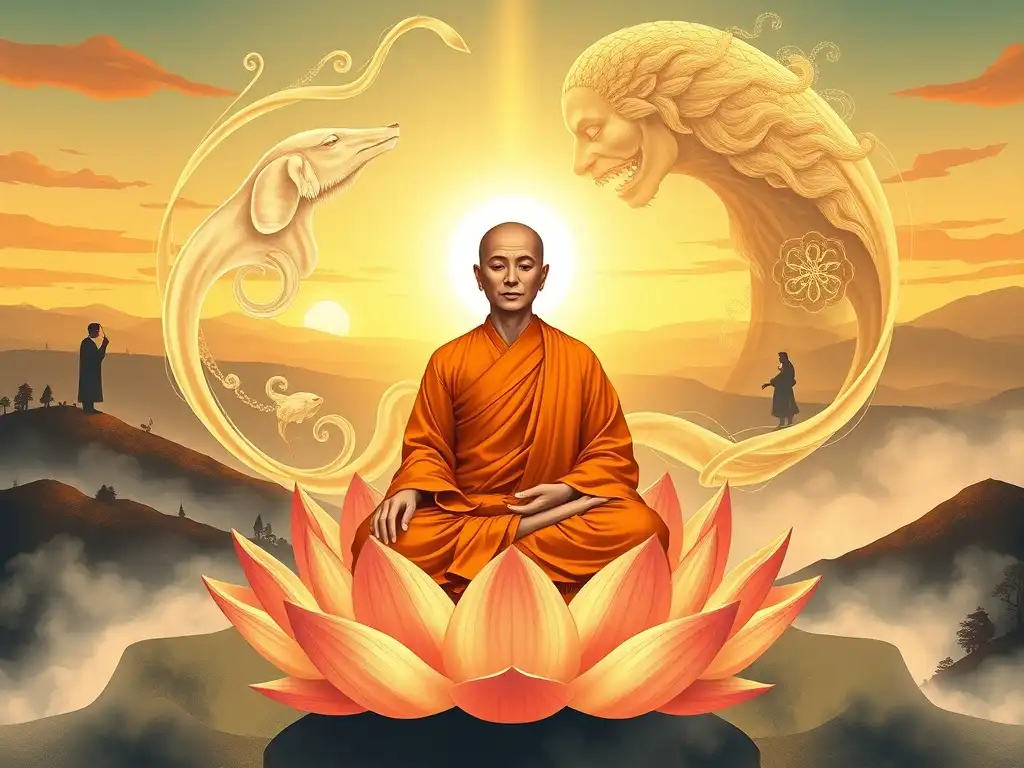
Karma is intricately linked to the concepts of rebirth and the cycle of samsara in Buddhist beliefs. The outcomes of one's actions directly influence the circumstances of future existences, reinforcing the idea that life is a continuous cycle of birth, death, and rebirth.
The Cycle of Samsara
Samsara refers to the cyclical nature of existence, where beings are born, die, and are reborn in various forms. This cycle is driven by karma, with each life influenced by the actions and intentions of previous existences. The cycle of samsara is often depicted as a wheel (the Wheel of Dharma) symbolizing the repetitive nature of life and the suffering inherent in it.
In this context, escaping samsara and attaining nirvana—a state of liberation from suffering—is the ultimate goal of Buddhist practice. Understanding karma is essential for navigating this cycle, as it provides the framework for ethical conduct necessary to break free from the confines of rebirth and attain spiritual enlightenment.
How Karma Influences Rebirth
Karma significantly influences the conditions of rebirth, determining not only the form one takes but also the circumstances of their new life. Positive karma can lead to rebirth in more favorable conditions, such as being born into a supportive environment conducive to spiritual growth. Conversely, negative karma may result in rebirth in less favorable circumstances, which can impede progress on the spiritual path.
The understanding that one's current existence is shaped by past actions encourages individuals to engage in mindful practices and ethical behavior. This awareness of karma as a guiding principle serves to motivate practitioners to cultivate good deeds, thereby improving their future realities and contributing to the collective well-being of all sentient beings.
The Ethical Implications of Karma in Buddhist Practice
Karma, a pivotal concept in Buddhist philosophy, is intrinsically linked to ethical conduct and moral responsibility. It emphasizes the idea that every action, whether physical, verbal, or mental, carries consequences that shape an individual's future experiences. This principle instills a profound sense of accountability among practitioners, encouraging them to cultivate positive actions and intentions. The ethical implications of karma in Buddhist practice extend beyond mere adherence to rules; they foster a deeper understanding of interconnectedness and the impact of one's actions on the collective well-being.
In essence, karma encourages individuals to reflect on their motivations and the potential repercussions of their actions. By recognizing that negative actions can lead to suffering—not just for oneself but for others—Buddhism advocates for compassion and mindfulness in daily life. Practitioners are urged to develop wholesome qualities such as kindness, generosity, and patience, which contribute to positive karmic outcomes. The ethical framework provided by the concept of karma thus serves as a guiding principle for living a life aligned with the values of Buddhism, ultimately promoting spiritual growth and societal harmony.
Karma and Moral Responsibility
Moral responsibility in Buddhism is deeply intertwined with the concept of karma. Each individual is seen as the architect of their own destiny, with the understanding that the choices made today will directly influence future circumstances. This perspective fosters a sense of personal responsibility, as one cannot escape the consequences of their actions. In Buddhist teachings, the idea that "what one sows, one will reap" underlines the importance of intentionality in actions.
Moreover, the emphasis on moral responsibility encourages practitioners to engage in self-reflection and ethical deliberation. By evaluating the motivations behind their actions, individuals can align their behaviors with the principles of right conduct. This alignment not only aids in personal development but also enhances social responsibility, as individuals are urged to consider how their actions affect others. Thus, the moral implications of karma serve as a catalyst for cultivating a more compassionate and ethically sound society.
The Impact of Actions on Future Lives
In Buddhist philosophy, the impact of actions on future lives is a fundamental aspect of the karmic cycle. The belief in rebirth implies that the consequences of one's actions do not cease with death; rather, they carry over into subsequent existences. This continuity reinforces the significance of ethical conduct and the cultivation of positive karma, as individuals are motivated to act with foresight regarding their future experiences.
The notion that positive actions can lead to favorable rebirths—such as being born into a more fortunate family or attaining a higher state of consciousness—provides a compelling incentive for practitioners. Conversely, negative actions can result in unfavorable rebirths, emphasizing the urgency of ethical behavior. This understanding of the karmic cycle encourages Buddhists to view life as a series of interconnected opportunities for growth and learning, where each action contributes to a larger narrative of existence.
Karma in Different Schools of Buddhism
Karma is interpreted and emphasized differently across various schools of Buddhism, reflecting the diverse philosophical frameworks and cultural contexts within the tradition. Each school offers unique insights into the nature of karma, its ethical implications, and its relevance to spiritual practice.
Theravada Perspectives on Karma
In Theravada Buddhism, karma is viewed as a fundamental law of moral causation that operates within an individual's lifetime and across rebirths. This school emphasizes personal responsibility, highlighting that individuals must confront the consequences of their actions. Theravada teachings stress the importance of ethical conduct, meditation, and wisdom in cultivating positive karma, which ultimately leads to liberation from the cycle of samsara.
Theravada Buddhists often focus on the concept of "kusala" (wholesome) and "akusala" (unwholesome) actions, categorizing deeds based on their ethical implications. The emphasis on mindfulness and ethical living in daily life is paramount, as practitioners strive to accumulate merit through good deeds, thereby improving their future rebirths. This perspective fosters a disciplined approach to life, where the intention behind actions carries significant weight in determining their karmic impact.
Mahayana Views on Karma and Compassion
Mahayana Buddhism expands the understanding of karma by intertwining it with the notion of compassion and altruism. In this school, the focus is not solely on individual karma but also on the collective karma of all beings. Mahayana practitioners are encouraged to adopt a Bodhisattva ideal, which involves working for the enlightenment of others as well as oneself. This selfless approach to karma emphasizes that one’s actions should aim to alleviate suffering for all beings, thus contributing to the greater good.
Mahayana teachings often highlight the interconnectedness of all life, suggesting that the effects of one's actions reverberate through the community. This perspective fosters a profound commitment to social engagement and compassion, as practitioners recognize that their well-being is intrinsically linked to the well-being of others. By focusing on compassionate action, Mahayana Buddhism redefines the implications of karma, encouraging individuals not only to seek personal liberation but also to participate actively in the liberation of all sentient beings.
Common Misconceptions about Karma in Buddhist Philosophy

Karma is often misunderstood, leading to several misconceptions that can cloud its true meaning within Buddhist teachings. These misconceptions can detract from the profound insights that karma offers regarding personal responsibility, moral conduct, and the interconnectedness of all beings. Here, we will explore two prevalent myths about karma in Buddhist philosophy that warrant clarification.
Myth: Karma is Fate
One common misconception is the belief that karma equates to fate or destiny. This viewpoint suggests that individuals are bound by their past actions to a predetermined future, thus negating the concept of free will. However, in Buddhist philosophy, karma is fundamentally about intention and action, not a rigid fate.
Karma emphasizes that while past actions influence present circumstances, individuals possess the ability to change their future through conscious choices. This perspective aligns with the teachings of the Buddha, who stressed the importance of personal agency and the potential for transformation. Therefore, rather than being shackled by fate, practitioners are encouraged to cultivate positive karma through ethical actions and mindfulness, shaping their destinies in the process.
Myth: Instant Karma
Another prevalent myth is the idea of "instant karma," which posits that the consequences of actions are immediate and observable. This notion is often popularized in cultural references and can create unrealistic expectations regarding the karmic process.
In reality, karma operates over a much longer timeline, often manifesting in ways that are not immediately apparent. The results of one's actions may unfold over various lifetimes or may emerge in subtle ways that require introspection to recognize. Buddhism teaches that the effects of karma are complex and can influence not only the individual but also their environment and future interactions. Understanding this nuanced perspective encourages a deeper appreciation of the karmic cycle and the importance of cultivating positive intentions over time.
The Role of Karma in Modern Buddhism
In contemporary Buddhist practice, the concept of karma continues to play a significant role, adapting to modern contexts while remaining rooted in traditional teachings. As the world becomes increasingly interconnected, the relevance of karma in addressing ethical dilemmas and personal well-being is more apparent than ever.
Contemporary Interpretations of Karma
Modern interpretations of karma often focus on the psychological and social dimensions of the concept. Many practitioners view karma not solely as a metaphysical principle but also as a moral compass guiding ethical behavior and interpersonal relationships.
In this context, karma is seen as a way to foster compassion and mindfulness in everyday life. By recognizing the interconnected nature of all beings, individuals are encouraged to act with kindness and consideration, understanding that their actions carry weight in both current and future experiences. This interpretation aligns with contemporary movements in Buddhism that emphasize social responsibility, environmental stewardship, and collective well-being.
Karma and Mindfulness Practices
Mindfulness practices in modern Buddhism frequently incorporate the concept of karma, as they emphasize awareness of one's thoughts, intentions, and actions. Through mindfulness, practitioners learn to observe their motivations and the potential consequences of their behavior, fostering a deeper connection to the karmic cycle.
Engaging in mindfulness meditation allows individuals to cultivate insight into how their actions affect both themselves and others. This practice encourages a proactive approach to karma, empowering individuals to make conscious choices that generate positive outcomes. As such, karma serves as a guiding principle in the development of personal ethics and the pursuit of a compassionate, meaningful life in the context of modern Buddhism.
Conclusion: The Significance of Understanding Karma in Buddhist Philosophy
Understanding karma is pivotal for grasping the essence of Buddhist philosophy and its teachings. At its core, karma emphasizes the connection between actions and their consequences, illustrating how individual choices shape one's spiritual journey and the cycle of rebirth. This principle serves not only as a moral compass but also as a foundation for personal responsibility and ethical living. By recognizing that our thoughts, words, and deeds have far-reaching effects, individuals are encouraged to cultivate mindfulness and compassion, leading to a more harmonious existence.
Moreover, the concept of karma fosters a deeper understanding of suffering and enlightenment within Buddhism. It provides a framework for comprehending the nature of existence, where personal experiences are intertwined with collective human experiences. This interconnectedness is crucial in the journey towards Nirvana, as it emphasizes the importance of transcending ignorance and embracing wisdom. Hence, understanding karma is not merely an academic exercise; it is an essential aspect of spiritual development that can lead to profound transformations in one’s life.
The Role of Karma in Personal Growth
Karma plays a significant role in personal growth by encouraging individuals to reflect on their actions and their impacts. This self-awareness is essential for fostering a sense of accountability and promoting positive change. By recognizing that every action has a consequence, practitioners are motivated to engage in ethical behavior, cultivate virtues like kindness and generosity, and avoid harmful actions that may lead to negative outcomes.
In Buddhist practice, the understanding of karma serves as a guide for developing a more compassionate worldview. As individuals become aware of the interdependence of all beings, they are inspired to act with empathy and care. This shift not only benefits the individual but also contributes to the well-being of the broader community. As a result, the concept of karma acts as a catalyst for personal transformation, encouraging individuals to strive for enlightenment through conscious living.
Additionally, the idea of karma promotes resilience and patience in the face of adversity. By recognizing that challenges may be a result of past actions, individuals can approach difficulties with a mindset of growth and learning. This perspective fosters a sense of empowerment, enabling practitioners to take charge of their destinies and make choices that lead to spiritual advancement.
Contributions of Karma to Ancient Indian Philosophy
Karma has made profound contributions to ancient Indian philosophy, influencing various schools of thought beyond Buddhism, including Hinduism and Jainism. Within these traditions, karma is viewed as a universal law that governs the moral order of the universe, providing a cohesive framework for understanding righteousness (dharma) and the cycle of birth, death, and rebirth (samsara).
In the context of ancient Indian philosophy, the concept of karma encourages a holistic approach to life. It emphasizes the importance of intention behind actions, suggesting that moral quality is not solely determined by the action itself but also by the motivation behind it. This nuanced understanding fosters a deeper engagement with ethical dilemmas and moral decision-making, prompting individuals to consider the long-term ramifications of their choices.
Karma also intersects with the philosophical discussions surrounding liberation (moksha) in ancient Indian thought. The recognition that one’s actions can lead to either bondage or freedom underscores the significance of ethical conduct in achieving spiritual liberation. Thus, the concept of karma has been instrumental in shaping the discourse on morality, ethics, and spirituality in ancient Indian philosophy.
The influence of karma extends beyond Buddhist philosophy, enriching the intellectual landscape of ancient Indian thought and serving as a cornerstone for ethical living and spiritual growth across various traditions.
Frequently Asked Questions
What is the concept of karma in Buddhist philosophy?
Karma refers to the law of moral causation, where actions determine future consequences. This principle emphasizes personal responsibility and the ethical implications of one's deeds.
How does karma influence one's rebirth in Buddhism?
In Buddhism, karma plays a crucial role in determining the nature of rebirth. Positive actions lead to favorable outcomes, while negative actions can result in suffering in future lives.
Is karma the same in Buddhism as in Hinduism?
While both religions acknowledge karma, they differ in interpretation. Buddhism focuses on the intent behind actions, whereas Hinduism places more emphasis on the actions themselves and their social implications.
How can understanding karma help in daily life?
Understanding karma can encourage individuals to make mindful choices, fostering positive interactions and consequences. This awareness promotes ethical living and personal growth.
What are the historical developments of the concept of karma in Buddhist philosophy?
The concept of karma in Buddhist philosophy evolved from earlier Indian thought and was further refined through teachings of Buddha. Over time, it became integral to Buddhist ethics and the understanding of samsara (the cycle of death and rebirth).
Final Reflection: Embracing the Wisdom of Karma in Our Lives
Understanding karma in Buddhist philosophy is not just an ancient concept; it is a timeless guide that resonates profoundly in today's world. As we navigate the complexities of our lives, the principle of karma serves as a reminder that our actions, intentions, and choices shape our experiences and the world around us. The interconnectedness of all beings, as emphasized in Buddhist teachings, underscores the importance of mindfulness and compassion in our daily interactions.
The influence of karma extends beyond individual lives, permeating our cultural and social landscapes. It invites us to reflect on how our collective actions impact society and the environment. By embracing the teachings of karma, we can foster a more harmonious existence, where empathy and understanding take precedence over division and conflict. As the Dalai Lama wisely stated, The more we care for the happiness of others, the greater our own sense of well-being becomes.
This perspective encourages us to recognize our shared responsibility in creating a better world.
As you ponder the lessons of karma, I invite you to take a moment to reflect on your own actions and their ripple effects. Consider how you can embody the principles of karma in your daily life, fostering kindness, compassion, and awareness in every interaction. By doing so, you not only enrich your own life but also contribute positively to the lives of others. Let the wisdom of karma inspire you to create a legacy of love and understanding, shaping a brighter future for all.
Embrace the Power of Karma Today!
Thank you for taking the time to explore the profound concept of karma in Buddhist philosophy. By understanding this vital principle, you've unlocked insights into how our actions shape our lives and the world around us. Now, let's translate this knowledge into meaningful action!
- Start a journal to reflect on your daily actions and their potential impacts on yourself and others.
- Share this article with friends and family to spark discussions about karma and its relevance in our lives today.
- Join a community or an online group focused on Buddhist philosophy to deepen your understanding and connect with like-minded individuals.
How do you plan to incorporate the principles of karma into your daily routine?