
The Relationship Between Agriculture and Urbanization in Ancient India


Welcome to Ancient India History, where we embark on a fascinating journey through time to uncover the rich tapestry of ancient Indian civilizations. In our featured article, we delve into the intricate relationship between agriculture and urbanization in ancient India—a dynamic that not only shaped cities but also laid the groundwork for cultural and economic advancements. Are you curious about how the fertile lands of the Indus Valley transformed into bustling urban centers?
Join us as we explore this captivating intersection and unlock the secrets of a civilization that thrived in harmony with its environment. Your adventure into the past begins here!
Introduction to Ancient India Agriculture and Urbanization
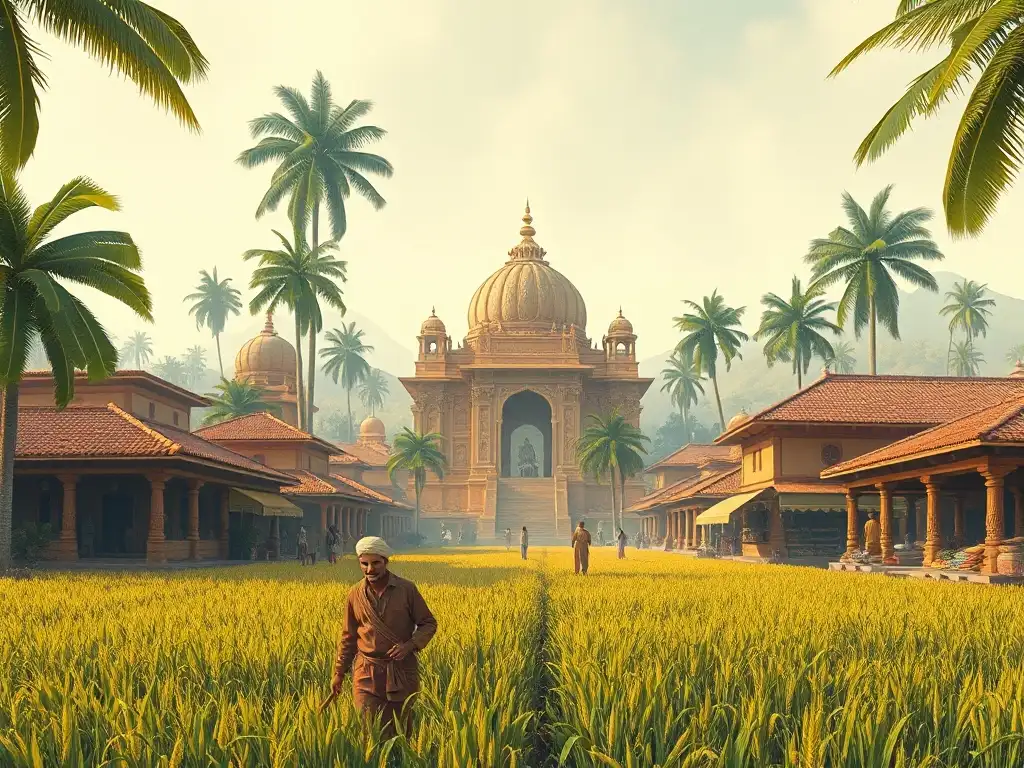
The intricate relationship between agriculture and urbanization in ancient India illustrates how these two pivotal elements shaped the course of Indian civilization. As agricultural practices evolved, they laid the groundwork for the emergence of urban centers, creating a dynamic interplay that fostered economic growth, social organization, and cultural development.
This evolution is particularly evident from the time of the Indus Valley Civilization through to the Gupta Empire, where advancements in farming techniques supported larger populations, which in turn spurred urbanization. Understanding this relationship not only provides insight into the sustainability of ancient societies but also highlights the contributions of ancient Indian agriculture to urban development.
Overview of Agriculture in Ancient India
Agriculture in ancient India was characterized by its diversity and innovation. The fertile plains of the Indus River and the Ganges provided an ideal environment for a variety of crops, including:
- Wheat
- Barley
- Rice
- Millets
- Pulses
These staples formed the backbone of the ancient Indian diet and economy. Farmers employed advanced techniques, such as irrigation and crop rotation, to maximize yields. The significance of agriculture extended beyond mere sustenance; it was deeply intertwined with social structures, religious practices, and trade networks.
Importance of Urbanization in Ancient Civilizations
Urbanization played a crucial role in the development of ancient Indian civilizations. As agricultural productivity increased, surplus food allowed for the growth of population centers. Urban areas became hubs of:
- Trade: Facilitating the exchange of goods both locally and with distant regions.
- Craftsmanship: Promoting specialized labor, leading to advancements in arts and crafts.
- Culture: Serving as centers for education, religion, and governance.
The rise of cities like Mohenjo-Daro and Harappa during the Indus Valley Civilization exemplifies how urbanization was a natural progression from agricultural abundance, establishing a foundation for complex societies.
Historical Context of Agriculture in Ancient India
Understanding the historical context of agriculture in ancient India reveals the evolution of farming practices and their impact on urbanization. The transition from a nomadic lifestyle to settled agricultural communities marked a significant turning point.
Early Agricultural Practices in the Indus Valley Civilization
The Indus Valley Civilization (circa 3300–1300 BCE) is one of the earliest examples of organized agriculture. Archaeological evidence shows that inhabitants practiced:
- Irrigation techniques to harness river water.
- Crop storage methods, ensuring food security during adverse conditions.
- Domestication of animals, which provided labor and additional food sources.
These practices not only supported the local population but also facilitated trade with neighboring regions, contributing to the growth of urban centers.
Agricultural Innovations in Ancient India
Innovations in agriculture throughout ancient India played a pivotal role in enhancing productivity. Key advancements included:
- Introduction of new crop varieties through selective breeding.
- Development of ploughing tools, which improved soil cultivation.
- Use of organic fertilizers, enhancing soil fertility.
These innovations not only increased agricultural outputs but also supported the burgeoning urban populations, thereby reinforcing the symbiotic relationship between agriculture and urbanization in ancient India.
The interplay between ancient Indian agriculture and urbanization is a testament to the ingenuity of early civilizations and their ability to adapt and thrive in a challenging environment. Understanding this relationship provides a deeper appreciation for the foundations of contemporary agricultural practices and urban development in India.
The Role of Agriculture in Urban Development
Agriculture played a pivotal role in the urban development of ancient India, serving as the backbone of the economy and directly influencing the growth of cities. The transition from a predominantly nomadic lifestyle to settled agricultural practices allowed for the establishment of permanent settlements. This shift laid the groundwork for urbanization, as agricultural productivity generated surplus food, which was essential for supporting larger populations in urban areas. As cities emerged, they became centers of trade, culture, and administration, all of which were sustained by the agricultural output of surrounding rural communities.
The development of irrigation techniques and agricultural innovations, such as crop rotation and the domestication of various plant species, further enhanced agricultural productivity. As a result, regions with fertile land and effective irrigation systems witnessed a significant increase in food production, encouraging people to migrate from rural to urban areas in search of better opportunities. This interconnectedness between agriculture and urbanization fostered a symbiotic relationship, where urban centers provided markets and services, while rural areas supplied essential agricultural goods.
How Agriculture Supported Urbanization in Ancient India
The relationship between agriculture and urbanization in ancient India can be observed through several key mechanisms. Initially, the ability to produce surplus crops allowed communities to sustain larger populations. This surplus was not only vital for local consumption but also for trade, as agricultural products could be exchanged for goods and services produced in urban areas.
Additionally, the establishment of administrative structures and governance in urban centers facilitated the organization of agricultural production. Land ownership became more formalized, and farmers were often incentivized to increase their output through various means, including access to credit and markets. Moreover, urbanization enabled the development of specialized professions beyond agriculture, such as artisans, traders, and bureaucrats, further driving the growth of cities.
Urban centers also became hubs for agricultural innovations. The gathering of knowledge and resources in cities led to advancements in farming techniques and crop varieties, which subsequently improved agricultural efficiency. This cycle of innovation and growth reinforced the relationship between agriculture and urbanization, making it a cornerstone of ancient Indian civilization.
Case Studies of Major Urban Centers (e.g., Harappa, Mohenjo-Daro)
Two of the most notable examples of the relationship between agriculture and urbanization in ancient India are the cities of Harappa and Mohenjo-Daro, both part of the Indus Valley Civilization. These cities exemplified advanced urban planning and agricultural practices, showcasing how agriculture influenced their development.
- Harappa: Located in present-day Punjab, Harappa was strategically situated near the Ravi River, providing fertile land for agriculture. The city's layout included granaries, which indicated the importance of storing surplus grain for trade and sustenance. The agricultural practices in the surrounding areas, such as wheat and barley cultivation, directly supported the city's population of thousands.
- Mohenjo-Daro: Similarly, Mohenjo-Daro, situated near the Indus River, displayed evidence of sophisticated agricultural techniques, including irrigation systems that enabled crop cultivation even in arid conditions. The city's extensive drainage system suggests a high level of urban planning that likely stemmed from the need to manage agricultural runoff and maintain hygiene. Both cities thrived as economic and cultural centers due to their agricultural foundations, which allowed for population growth and urban development.
Interactions Between Agricultural Practices and Urban Growth
The interactions between agricultural practices and urban growth in ancient India were multifaceted, influencing both the economic and social dynamics of the time. As urban centers expanded, they created a demand for agricultural products, which in turn shaped farming methods and land use in rural areas. This reciprocal relationship facilitated not only the growth of cities but also the evolution of agricultural practices.
Trade and Economic Exchange between Rural and Urban Areas
Trade between rural and urban areas was a fundamental aspect of the relationship between agriculture and urbanization. Rural farmers produced surplus crops that were essential for feeding urban populations, while urban centers provided farmers with access to markets, tools, and innovations. This exchange fostered economic interdependence, where urban artisans and traders relied on agricultural outputs for their crafts and commerce.
Markets often emerged in urban centers as hubs for agricultural trade, allowing farmers to sell their produce directly to consumers or traders. This economic exchange also encouraged the cultivation of diverse crops, as farmers adapted to the demands of urban markets. Over time, these interactions contributed to the development of a sophisticated economy that complemented the growth of urban centers.
Impact of Agricultural Surplus on Urban Population Growth
The agricultural surplus generated by efficient farming practices significantly impacted urban population growth in ancient India. With an abundance of food available, urban populations could grow rapidly, attracting migrants from surrounding rural areas seeking better opportunities. This influx of people not only increased the labor pool in cities but also stimulated cultural and social exchanges.
As cities expanded, they required more resources, prompting further advances in agricultural techniques to sustain the growing populations. This cycle of surplus generation and urban migration created vibrant urban landscapes characterized by diverse populations, economic activities, and cultural developments. The ability of agriculture to support urban growth ultimately shaped the trajectory of ancient Indian civilizations, leaving a lasting legacy that can still be observed in contemporary society.
Socio-Cultural Implications of Agriculture and Urbanization
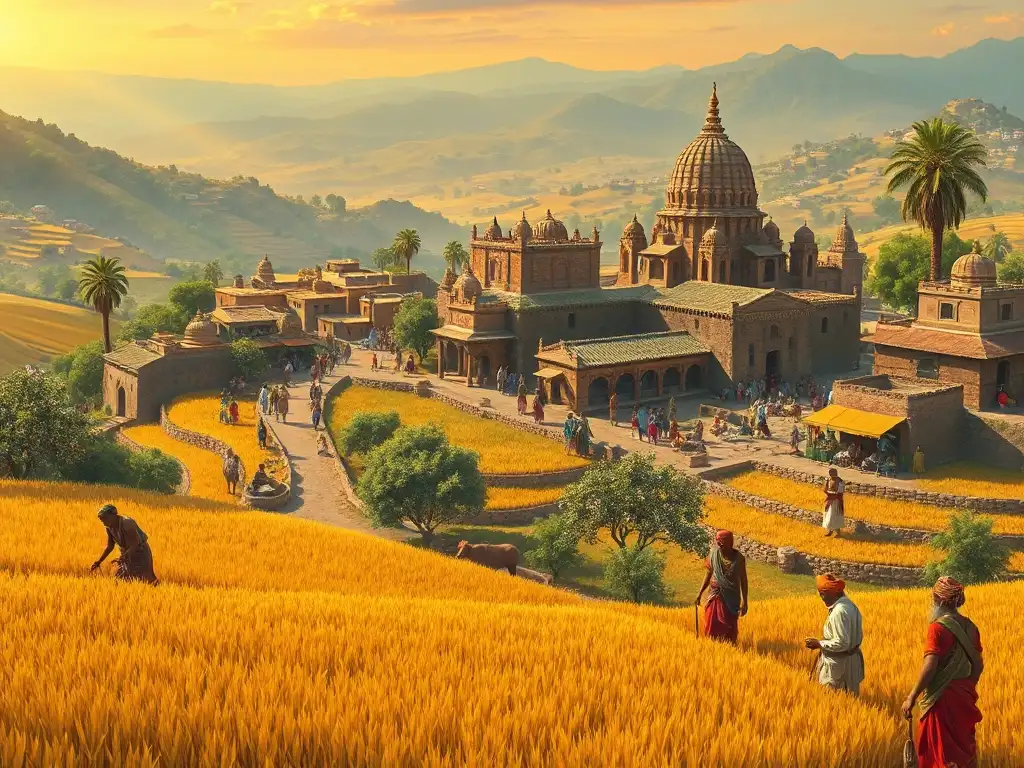
The intricate relationship between agriculture and urbanization in ancient India not only fueled economic growth but also instigated profound socio-cultural transformations. As agricultural practices evolved, they laid the groundwork for urban development, which in turn influenced social structures, cultural expressions, and community dynamics. The burgeoning agrarian economy attracted populations to urban centers, leading to a redefinition of societal roles and cultural practices.
In this context, agriculture was not merely a means of subsistence but a catalyst for social interaction, trade, and cultural exchange. The rise of urban centers—such as Mohenjo-Daro and Harappa—highlighted the interconnectedness of agricultural productivity and urban life, shaping a complex tapestry of social interactions and cultural developments.
Influence on Social Structure and Class Division
The growth of agriculture in ancient India directly impacted the social structure, leading to class divisions that were often based on occupational specialization. As agricultural surplus increased, it enabled the emergence of various social strata, including landowners, farmers, artisans, and traders. This stratification fostered a hierarchical society where wealth accumulation became a significant determinant of social status.
The landowners or agrarian elites often held substantial power, influencing local governance and resource allocation. In contrast, peasants and laborers found themselves in a subordinate position, dependent on the agrarian economy and the whims of landowners. This division not only created economic disparities but also shaped cultural identities, as different classes developed their customs, traditions, and community practices.
Moreover, the rise of urban centers facilitated the growth of a merchant class, further diversifying the social landscape. Trade, fueled by agricultural production, allowed for the exchange of ideas and cultural practices, contributing to a more dynamic social structure in ancient India.
Cultural Developments Driven by Agricultural and Urban Growth
As agriculture thrived and urbanization progressed, ancient Indian civilizations witnessed a flourishing of cultural advancements. The increased agricultural output supported larger populations, which in turn spurred the need for diverse cultural expressions. The confluence of urban life and agricultural practices led to significant developments in art, architecture, religion, and literature.
Urban centers became hubs of cultural exchange, where artisans and craftsmen showcased their skills, leading to the creation of intricate sculptures, pottery, and textiles. The architectural innovations, such as granaries and irrigation systems, not only served functional purposes but also reflected the artistic sensibilities of the time.
Religiously, agricultural cycles influenced various festivals and rituals, emphasizing the connection between farming and spiritual practices. For instance, harvest festivals celebrated the bounty of the land, reinforcing the agricultural roots of society. Literature and oral traditions also evolved, with stories and poems often reflecting the agrarian lifestyle and urban experiences, thus intertwining social and cultural narratives.
Challenges Faced by Agriculture in Urbanizing Ancient India
Despite the significant benefits that agriculture brought to urbanization, it was not without its challenges. As ancient Indian civilizations expanded and urban centers grew, agriculture faced various hurdles that threatened its sustainability and, by extension, urban development. These challenges arose from environmental factors as well as societal changes that altered traditional farming practices.
Environmental Factors Affecting Agriculture
The relationship between agriculture and urbanization was deeply influenced by environmental conditions. Ancient India’s diverse geography posed both opportunities and challenges for agricultural practices. Monsoon patterns, soil fertility, and water availability were crucial determinants of agricultural productivity.
Fluctuations in climate, such as droughts or excessive rainfall, could lead to crop failures, threatening food security in urban centers. The reliance on monsoon rains made agriculture vulnerable to climatic variations, which were exacerbated by the deforestation and land-use changes that accompanied urban expansion. Such environmental challenges not only jeopardized agricultural output but also instigated migration from rural to urban areas, creating additional pressure on urban resources.
Societal Changes and Their Impact on Farming Practices
The rapid urbanization witnessed in ancient India brought about significant societal changes that impacted traditional farming practices. As urban centers developed, many farmers were drawn towards city life, seeking opportunities in trade and crafts. This migration led to a decline in the agrarian workforce, posing challenges for agricultural sustainability.
Additionally, the rise of market-oriented agriculture shifted focus from subsistence farming to cash crops, altering traditional practices. While this transition could lead to increased profits, it often came at the expense of food crops, potentially threatening local food security. The commodification of agriculture also introduced new risks, as farmers became more vulnerable to market fluctuations and external economic pressures.
The interplay between agriculture and urbanization in ancient India was marked by a series of socio-cultural transformations, environmental challenges, and shifts in societal structures that collectively shaped the trajectory of these civilizations. As agricultural practices evolved and urban centers flourished, the legacies of these dynamics continue to resonate in the historical narrative of ancient India.
Conclusion: The Legacy of Agriculture and Urbanization in Ancient India
The intricate relationship between agriculture and urbanization in ancient India laid the groundwork for the region's socio-economic development. As agricultural practices evolved, they not only sustained growing populations but also stimulated trade, craft specialization, and urban growth. Cities like Mohenjo-Daro and Harappa exemplified how agricultural surplus could support larger, more complex societies. These urban centers facilitated cultural exchange and innovation while fostering a sense of community and governance. Ultimately, the legacy of this interplay resonates through the ages, influencing subsequent civilizations and contributing to India's rich historical tapestry.
Lasting Impact on Modern Indian Agriculture and Urbanization
Modern India continues to feel the effects of its ancient agricultural practices and urbanization patterns. The agricultural techniques developed during ancient times, such as irrigation systems and crop rotation, have evolved but still form the backbone of contemporary farming methods. Urbanization trends seen today can trace their roots back to the early cities that emerged around fertile plains and river valleys. Moreover, the economic principles established by these ancient civilizations still influence India's agricultural policies and urban planning, highlighting the enduring impact of their agricultural innovations on today's societal framework.
Reflections on the Relationship Between Agriculture and Urban Growth in Ancient Civilization
Reflecting on the relationship between agriculture and urban growth in ancient India reveals a dynamic interplay that shaped not only the economy but also the social fabric of early civilizations. The establishment of agricultural practices allowed communities to transition from nomadic lifestyles to settled societies, fostering the growth of urban centers.
The surplus produced by agriculture enabled the specialization of labor, leading to advancements in various crafts, trade, and governance. This symbiotic relationship underscores the critical role agriculture played in nurturing urbanization and cultural development, revealing a model of sustainability and innovation that is still relevant in discussions about modern urban planning and agricultural policies.
References for Further Reading on Ancient India Agriculture and Urbanization
Suggested Books and Articles
- "The Indus Valley Civilization" by Gregory L. Possehl – This book provides insights into the agricultural practices and urban planning of the Indus Valley Civilization.
- "Ancient Indian Agriculture: A Historical Overview": by Ramesh Chandra – An exploration of agricultural advancements throughout ancient Indian history.
- "Urbanization in Ancient India: The Role of Agriculture": published in the Journal of Ancient Civilizations – A detailed article discussing the connections between agriculture and urban growth in ancient Indian societies.
Online Resources and Archives
- Digital South Asia Library (DSAL) – A comprehensive resource with access to various texts and historical documents related to ancient Indian agriculture and urbanization.
- The Archaeological Survey of India (ASI) – Offers information on excavations, findings, and research related to ancient Indian civilizations.
- India History Congress – An online archive containing papers and discussions on various aspects of ancient Indian history, including agriculture and urban development.
- Introduction to Ancient India Agriculture and Urbanization
- Historical Context of Agriculture in Ancient India
- The Role of Agriculture in Urban Development
- Interactions Between Agricultural Practices and Urban Growth
- Socio-Cultural Implications of Agriculture and Urbanization
- Challenges Faced by Agriculture in Urbanizing Ancient India
- Conclusion: The Legacy of Agriculture and Urbanization in Ancient India
- References for Further Reading on Ancient India Agriculture and Urbanization
- What role did agriculture play in ancient India?
- How did urbanization affect agricultural practices in ancient India?
- What were some major agricultural products in ancient India?
- How did the Indus Valley Civilization contribute to agriculture?
- What impact did the Gupta Empire have on agriculture and urbanization?
Frequently Asked Questions
What role did agriculture play in ancient India?
Agriculture was the foundation of ancient Indian society, providing the necessary resources for sustenance and enabling population growth, which led to the development of urban areas.
How did urbanization affect agricultural practices in ancient India?
Urbanization led to the intensification of agricultural practices as cities demanded more food, fostering innovations in irrigation and farming techniques to meet the needs of growing populations.
What were some major agricultural products in ancient India?
Key agricultural products included rice, wheat, and barley, which were staples in the diet and crucial for trade, contributing to the economic stability of urban centers.
How did the Indus Valley Civilization contribute to agriculture?
The Indus Valley Civilization showcased advanced agricultural practices with sophisticated irrigation systems, crop rotation, and storage facilities, laying the groundwork for future agricultural developments in ancient India.
What impact did the Gupta Empire have on agriculture and urbanization?
The Gupta Empire promoted agricultural advancements and trade, leading to the growth of cities and increased urbanization, ultimately enhancing the overall prosperity of ancient Indian civilization.
Final Reflection: The Interwoven Legacy of Agriculture and Urbanization in Ancient India
The relationship between agriculture and urbanization in ancient India remains profoundly relevant today as we navigate the complexities of modern urban growth and food security. The lessons learned from the agricultural practices and urban development of ancient civilizations can guide contemporary societies in creating sustainable urban environments that honor their agricultural roots. As we face the challenges of rapid urbanization, understanding this historical interplay can inspire innovative solutions for a balanced future.
Culture and society in ancient India were deeply influenced by agricultural practices, shaping not only the economy but also social structures and urban planning. The legacy of these practices continues to resonate in contemporary discussions about sustainable development and urban living. The land is the foundation of civilization; without it, we cannot thrive.
This quote encapsulates the essence of how agriculture has historically supported urbanization, reminding us that our connection to the land is vital for our collective well-being.
As we reflect on the intricate ties between agriculture and urbanization, I invite you to consider how these historical insights can inform your own life and community. How can we honor the agricultural heritage that has shaped our cities? Let this reflection inspire you to advocate for sustainable practices in your urban environment, ensuring that the lessons of ancient India guide us toward a future where both agriculture and urbanization flourish in harmony.
Unveil the Connection: From Fields to Cities!
Thank you for taking the time to explore the fascinating relationship between agriculture and urbanization in ancient India. Your interest in this rich history opens the door to a deeper understanding and connection with our past. Now, let's take actionable steps to further engage with this remarkable topic!
- Dive Deeper: Explore additional articles and resources on how agricultural practices influenced the development of urban centers in ancient civilizations.
- Share Your Insights: Engage with fellow history enthusiasts by sharing this article on social media or starting a conversation in your community about its themes.
- Get Involved: Consider visiting local historical sites or farms to witness how agriculture has transformed landscapes over the ages.
What aspect of agriculture’s influence on urban development fascinates you the most? **Share your thoughts below! **