
How Ancient Indian Architecture Influenced Modern Design

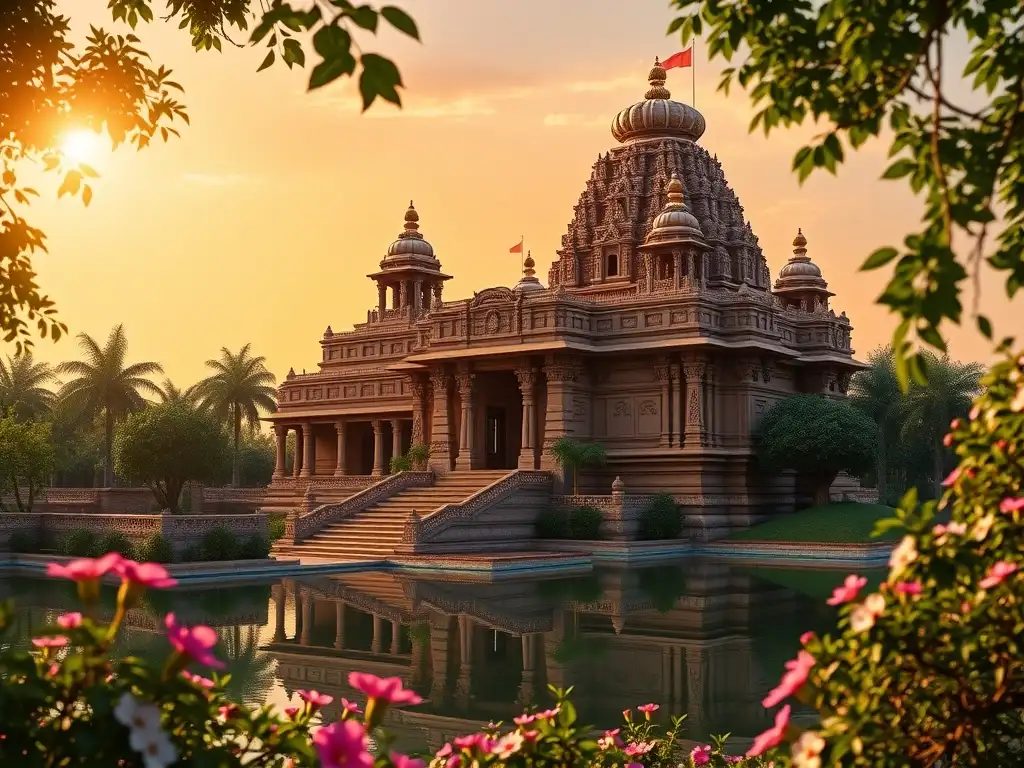
Welcome to Ancient India History, where we embark on a captivating journey through the rich tapestry of ancient Indian civilizations. Here, we delve into the fascinating topic of Ancient Indian architecture influence, exploring how the grandeur and intricacies of structures from the Indus Valley to the Gupta Empire have shaped modern design. Prepare to uncover the profound connections between past and present that will inspire your appreciation for the artistry and innovation of ancient India. Join us as we unveil the secrets of architectural brilliance that continue to resonate across time and space!
- Introduction to Ancient Indian Architecture Influence
- Historical Context of Ancient Indian Architecture
- Core Elements of Ancient Indian Architecture
- Influence of Ancient Indian Architecture on Modern Design
- Comparative Analysis: Ancient Indian Architecture vs. Other Architectural Styles
- Challenges in Preserving Ancient Indian Architectural Heritage
- Future Prospects of Ancient Indian Architecture Influence
- Conclusion: Lasting Legacy of Ancient Indian Architecture
-
Frequently Asked Questions
- What are the main features of ancient Indian architecture?
- How did ancient Indian architecture influence modern design?
- What are some examples of ancient Indian architectural styles?
- How does ancient Indian architecture reflect cultural beliefs?
- What role did the Gupta Empire play in architectural advancements?
- Final Reflection: The Enduring Legacy of Ancient Indian Architecture
- Unveil the Timeless Influence of Ancient Indian Architecture!
Introduction to Ancient Indian Architecture Influence
Ancient Indian architecture is a profound testament to the ingenuity, creativity, and cultural richness of the civilizations that once flourished on the Indian subcontinent. From the intricate designs of the Indus Valley Civilization to the majestic temples of the Gupta Empire, these architectural marvels not only reflect the aesthetic sensibilities of their time but also serve as a source of inspiration for modern design.
The influence of ancient Indian architecture is evident in various aspects of contemporary building practices, urban planning, and aesthetic principles, showcasing a seamless blend of tradition and modernity. This article delves into how the architectural styles of ancient India have shaped modern design, highlighting their historical significance and enduring legacy.
Overview of Ancient Indian Architecture
Ancient Indian architecture encompasses a wide array of styles and structures that evolved over millennia. The journey begins with the urban planning of the Indus Valley Civilization (circa 2500 BCE), characterized by well-laid streets, advanced drainage systems, and uniform brick sizes. Noteworthy sites like Mohenjo-Daro and Harappa provide insight into their architectural prowess, with features such as:
- Grid-patterned cities: Thoughtful urban planning with streets intersecting at right angles.
- Public baths: The Great Bath of Mohenjo-Daro exemplifies advanced engineering and communal spaces.
- Residential complexes: Multi-storied houses with private bathrooms and kitchens.
As time progressed, the Mauryan Empire (322-185 BCE) introduced monumental architecture, most famously represented by the Ashoka Pillars. These stone structures, adorned with intricate carvings and inscriptions, exemplify the use of local materials and craftsmanship.
The period of the Gupta Empire (circa 320-550 CE) is often referred to as the Golden Age of Indian architecture, marked by stunning temple designs that emphasized verticality and intricate detailing. Notable examples include:
- Ajanta and Ellora Caves: Rock-cut temples showcasing exquisite sculptures and frescoes.
- Temple architecture: The development of Shikhara (spire) and Mandapa (pillared hall) became defining features.
Significance of Ancient Indian Architectural Styles
The significance of ancient Indian architectural styles extends beyond mere aesthetics; they embody the spiritual, cultural, and social dynamics of their respective eras. The designs often integrate natural elements and local materials, promoting sustainability and harmony with the environment. Key aspects include:
- Symbolism: Many structures are imbued with religious and philosophical meanings, mirroring the beliefs of the time. For instance, the layout of Hindu temples often embodies cosmic principles, reflecting the universe's order.
- Craftsmanship: The intricate carvings and craftsmanship of ancient Indian architecture showcase the skills of artisans who meticulously worked on stone, wood, and metal, leaving behind a legacy of artistry that continues to inspire contemporary designers.
- Cultural Exchange: Ancient Indian architecture served as a melting pot of influences, incorporating elements from various cultures and regions due to trade and conquests. This blend enriched the architectural vocabulary and styles, paving the way for future innovations.
The influence of ancient Indian architecture is not merely historical; it continues to resonate in modern design practices, providing a rich reservoir of inspiration that architects and designers draw upon today. Understanding this influence allows us to appreciate the depth and complexity of architectural evolution from ancient times to the present day.
Historical Context of Ancient Indian Architecture
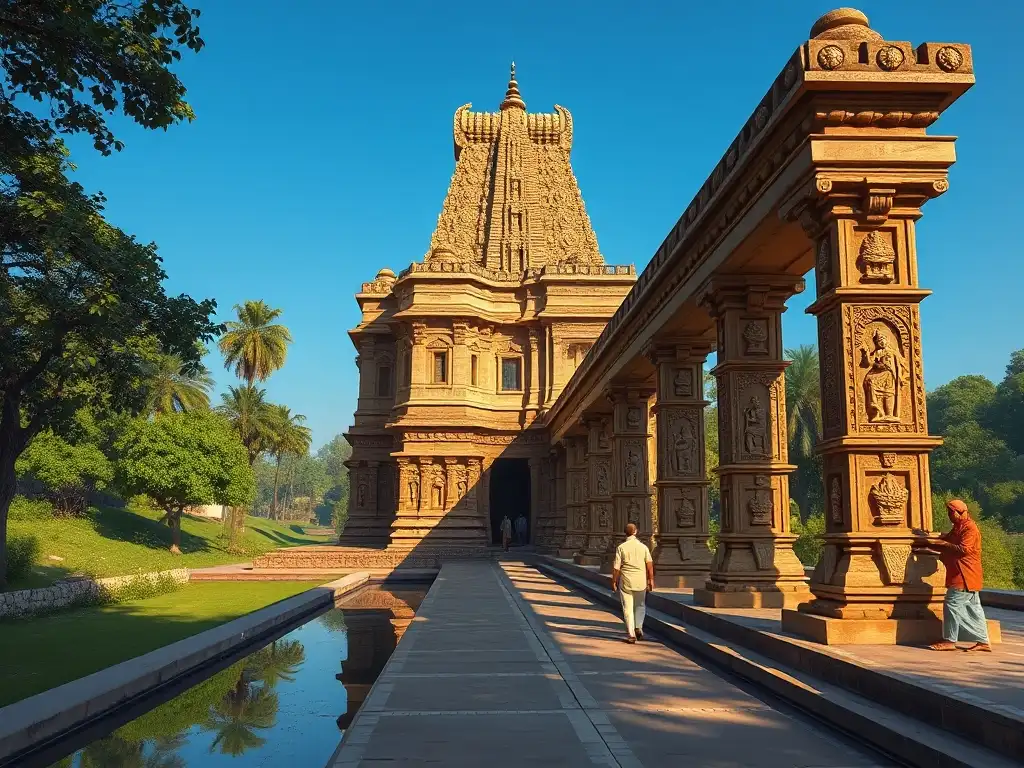
Ancient Indian architecture is a testament to the country's rich history, cultural diversity, and the innovative spirit of its people. Spanning thousands of years, this architectural legacy reflects the socio-political dynamics, spiritual beliefs, and artistic inclinations of various civilizations that thrived in the Indian subcontinent. From the intricate urban planning of the Indus Valley Civilization to the exquisite temples of the Gupta Empire, ancient Indian architecture offers a fascinating glimpse into the past.
The evolution of this architectural style can be categorized into several significant periods, each contributing unique elements that continue to influence modern design. The blend of functionality, aesthetics, and symbolism in ancient Indian architecture has inspired contemporary architects to integrate these principles into modern construction, fostering a dialogue between the past and present.
Key Periods in Ancient Indian Architecture
- Indus Valley Civilization (c. 3300–1300 BCE)
- The earliest known urban culture in India, characterized by advanced planning and sophisticated drainage systems.
- Noteworthy sites include Harappa and Mohenjo-Daro, where buildings were constructed using standardized fired bricks.
- The grid-like street patterns and public baths reflect a keen understanding of urban design.
- Maurya Period (c. 322–185 BCE)
- Marked by the introduction of monumental architecture, including stupas and monasteries.
- The Great Stupa at Sanchi exemplifies the architectural and artistic advancements of this era, featuring intricate carvings and symbolic designs.
- Gupta Period (c. 320–550 CE)
- Often referred to as the Golden Age of India, this period saw the flourishing of temple architecture.
- The temples of Khajuraho and the Dashavatara Temple at Deogarh showcase intricate sculptures and elaborate carvings that depict various deities and mythological narratives.
- Chola and Dravidian Architecture (c. 9th–13th centuries)
- Known for their grand temples, the Chola dynasty introduced the concept of temple gopurams (towered gateways) and ornate sculptures.
- The Brihadeeswarar Temple in Thanjavur stands as an iconic example, featuring a massive vimana (temple tower) and vast courtyards.
- Mughal Architecture (c. 1526–1857)
- A fusion of Islamic, Persian, Turkish, and Indian architectural styles, highlighted by symmetry and intricate ornamentation.
- Notable structures like the Taj Mahal and Red Fort exemplify the grandeur and architectural prowess of the Mughal era, emphasizing the use of white marble and elaborate gardens.
Major Architectural Influences and Styles
Ancient Indian architecture is characterized by several distinct styles and influences that have left an indelible mark on modern design:
-
Religious Symbolism
Ancient Indian architecture often served spiritual purposes, with structures designed to reflect cosmic principles. Temples were oriented according to cardinal directions, emphasizing the connection between earth and the divine. This principle of orientation is being reinterpreted in modern sustainable architecture, where buildings are designed to harmonize with their natural surroundings.
-
Use of Local Materials
The ancient builders utilized locally available materials, such as stone, wood, and clay, which not only ensured structural integrity but also blended harmoniously with the environment. This sustainable practice is increasingly relevant today, as contemporary architects seek to minimize environmental impact through eco-friendly materials.
-
Intricate Carvings and Detailing
The exquisite carvings found on ancient structures serve not just an aesthetic purpose but also convey stories and cultural values. This attention to detail is echoed in modern architectural trends that favor craftsmanship and personalized design, emphasizing the importance of narrative in space.
-
Integration of Nature
Ancient Indian architecture often included gardens, water features, and courtyards, promoting a sense of tranquility and connection with nature. This principle is mirrored in modern landscape architecture, where the integration of green spaces within urban environments is seen as essential for enhancing well-being.
-
Proportionality and Symmetry
The use of proportional designs and symmetrical layouts in ancient Indian temples reflects a deep understanding of aesthetics and harmony. Modern architects often draw inspiration from these principles to create visually pleasing and balanced structures.
The influence of ancient Indian architecture on modern design is profound and multifaceted. By examining the historical context and major architectural styles, it becomes evident that the principles established by ancient builders continue to resonate, shaping contemporary architectural practices while preserving the essence of a rich cultural heritage.
Core Elements of Ancient Indian Architecture
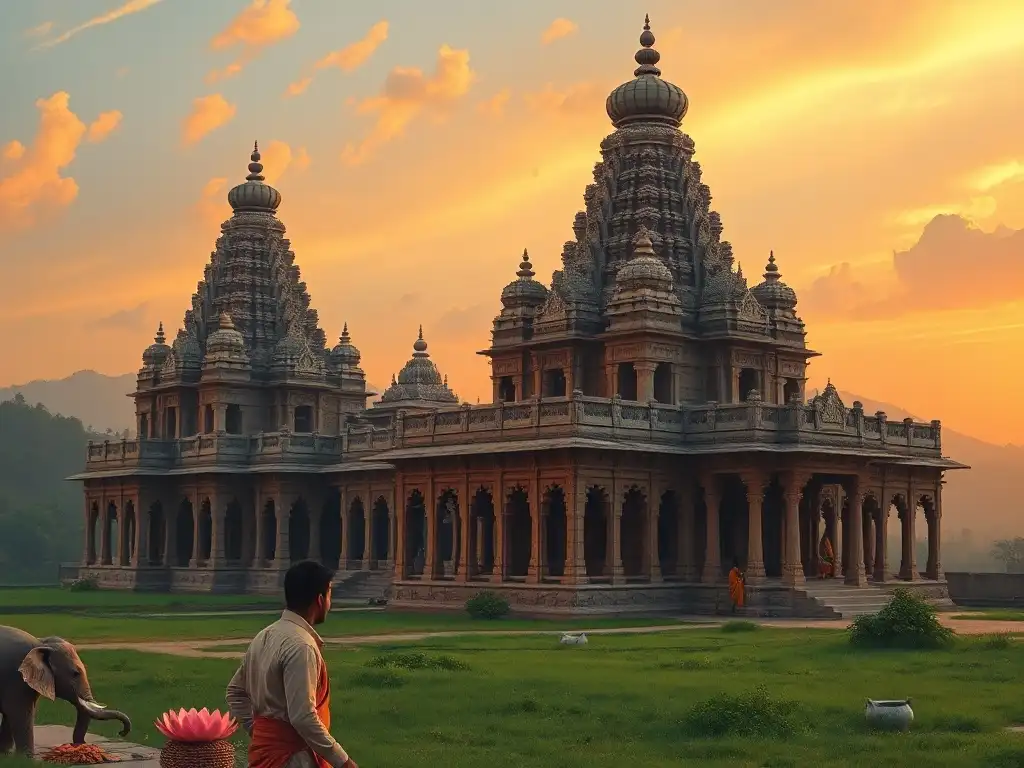
Ancient Indian architecture is characterized by a rich tapestry of styles, techniques, and materials that reflect the diverse cultural, religious, and geographic influences of the subcontinent. The core elements of this architectural heritage can be distilled into several key aspects, which not only showcase the ingenuity of ancient builders but also highlight the influence of these designs on modern architecture.
At its essence, ancient Indian architecture is a manifestation of a harmonious relationship between aesthetics and functionality. The architectural styles evolved in response to local materials, climatic conditions, and the sociopolitical environment of the time. This adaptability is evident in the various regional styles like Indo-Islamic, Buddhist, and Hindu architecture, each contributing unique elements that resonate even in today's architectural practices.
Use of Materials in Ancient Indian Structures
Ancient Indian architects utilized a variety of materials that were locally sourced, ensuring that their buildings were both durable and environmentally sustainable. Here are some of the primary materials employed:
- Stone: Used extensively in temples and forts, stone was chosen for its durability and aesthetic appeal. Notable examples include the intricate carvings of the Khajuraho temples and the massive fortifications of the Red Fort in Delhi.
- Brick: In the Indus Valley Civilization, standardized baked bricks were used to construct some of the earliest urban settlements. These bricks were not only strong but also provided thermal comfort.
- Wood: While less common in enduring monumental structures, wood was frequently used in residential buildings and decorative elements, such as intricately carved door frames and ceilings.
The choice of materials was often influenced by the region's climate. For example, in areas with heavy rainfall, elevated platforms and sloped roofs made of brick and stone were prevalent to prevent water accumulation.
Iconic Architectural Features: Temples, Forts, and Palaces
The architectural landscape of ancient India is adorned with various iconic structures that exemplify the unique features of their respective styles:
- Temples: Ancient Indian temples are perhaps the most celebrated architectural achievements, combining intricate artistry with spiritual significance. Notable features include:
- Shikhara: The towering spire found in Hindu temples, often adorned with sculptures and carvings that depict deities and mythological narratives.
- Mandapa: The pillared hall used for various rituals, which often serves as a transition space between the outside world and the sanctum sanctorum.
- Forts: Fortifications, such as the majestic Mehrangarh Fort in Jodhpur, showcase robust defensive architecture. Key features include:
- Thick Walls: Designed to withstand sieges, often with bastions and watchtowers.
- Gates: Elaborately designed entrances that served both functional and ceremonial purposes.
- Palaces: The palatial architecture reflects the opulence of ancient Indian rulers, with elements such as:
- Courtyards: Central open spaces that facilitated ventilation and social gatherings.
- Chhatris: Elevated, dome-like structures that provided shade and added to the aesthetic grandeur.
These architectural features not only represent the technological advancements of their time but also reflect the values and cultural narratives of ancient Indian society.
Symbolism and Spiritual Significance in Design
The designs of ancient Indian architecture are imbued with profound symbolism and spiritual meanings. The layout and orientation of buildings often adhered to Vastu Shastra, an ancient architectural science that emphasizes harmony with nature. Key aspects include:
- Orientation: Structures were frequently aligned with cardinal directions, which was believed to enhance the energy flow within the space.
- Sacred Geometry: Many temple designs are based on sacred geometrical principles, which symbolize the cosmos and the divine. For instance, the mandala layout represents the universe and is a common motif in temple architecture.
In addition, the decorative elements within these structures, such as carvings and sculptures, often depict religious narratives, moral lessons, and cultural values, serving both aesthetic and educational purposes.
The enduring legacy of ancient Indian architecture can be seen in contemporary design practices, where these symbolic elements and sustainable methods continue to inspire architects around the world. The ancient Indian architecture influence is not merely a reflection of the past but a continuing dialogue that shapes modern architectural thought and practice.
Influence of Ancient Indian Architecture on Modern Design
Direct Adaptations in Contemporary Architecture
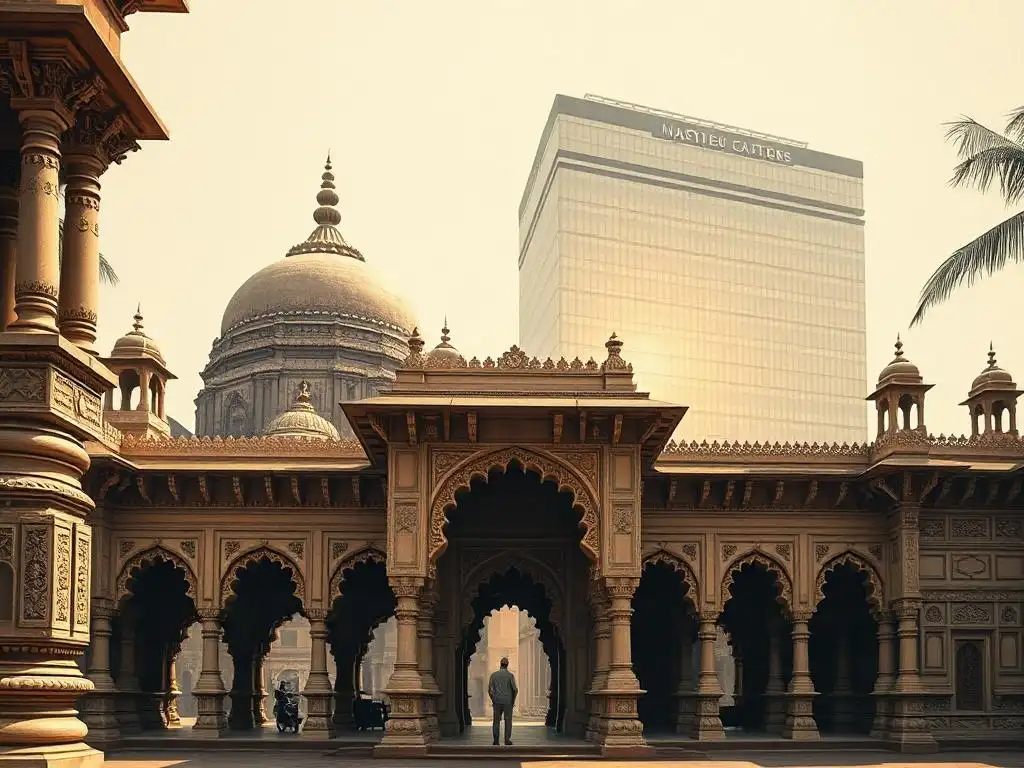
Ancient Indian architecture has significantly influenced modern design through various direct adaptations. Many contemporary architects and designers draw inspiration from the intricate details, spatial organization, and symbolic elements prevalent in ancient structures.
- Temple Architecture: The iconic features of Hindu temple architecture, such as towering shikharas (spires) and elaborate carvings, have been reinterpreted in modern buildings. For example, the BAPS Swaminarayan Mandir in the USA incorporates traditional elements while utilizing modern materials.
- Courtyard Designs: The use of courtyards in ancient Indian homes, like the havelis of Rajasthan, promotes natural ventilation and light. Modern architects implement similar designs to enhance sustainability and energy efficiency in urban dwellings.
- Vastu Shastra Principles: Many contemporary buildings consider Vastu Shastra, an ancient Indian architectural science that emphasizes harmony with nature. This principle is evident in the orientation and layout of modern homes and commercial spaces to promote positive energy flow.
Integration of Traditional Techniques in Modern Practices
The integration of traditional construction techniques into modern architectural practices is another notable influence of ancient Indian architecture.
- Materials: Ancient builders used local materials such as stone, brick, and wood, creating structures that were both durable and environmentally friendly. Today, architects are increasingly leaning towards sustainable materials, echoing this ancient wisdom.
- Craftsmanship: The intricate craftsmanship seen in ancient Indian architecture, such as stone inlay work and fresco painting, is being revived in modern design. Artisans are collaborating with architects to create bespoke elements that blend traditional skills with contemporary aesthetics.
- Passive Design Strategies: Ancient Indian architecture often employed passive design strategies to manage the climate effectively. Techniques such as thick walls for insulation and strategically placed openings for cross-ventilation are now being adopted in modern buildings to reduce reliance on mechanical heating and cooling systems.
Case Studies: Modern Structures Inspired by Ancient Indian Designs
Several modern structures exemplify the profound influence of ancient Indian architecture, showcasing how historical designs can be adapted to contemporary contexts.
| Structure Name | Location | Influenced By | Key Features |
|---|---|---|---|
| BAPS Swaminarayan Mandir | Robbinsville, USA | Hindu Temple Architecture | Shikharas, intricate carvings, and use of stone |
| The Champalimaud Centre | Lisbon, Portugal | Indian Courtyard Houses | Central courtyard, water features, and natural light |
| Lotus Temple | Delhi, India | Lotus flower symbol in architecture | Petal-like design, natural light, and harmony with nature |
| Sangath | Ahmedabad, India | Traditional Indian Earth Architecture | Earth-sheltered design, use of local materials, and organic forms |
These case studies not only highlight the aesthetic appeal of ancient designs but also demonstrate their relevance in addressing modern architectural challenges such as sustainability and functionality. By understanding and integrating ancient Indian architecture, contemporary designers can create spaces that resonate with cultural heritage while meeting current needs.
Comparative Analysis: Ancient Indian Architecture vs. Other Architectural Styles
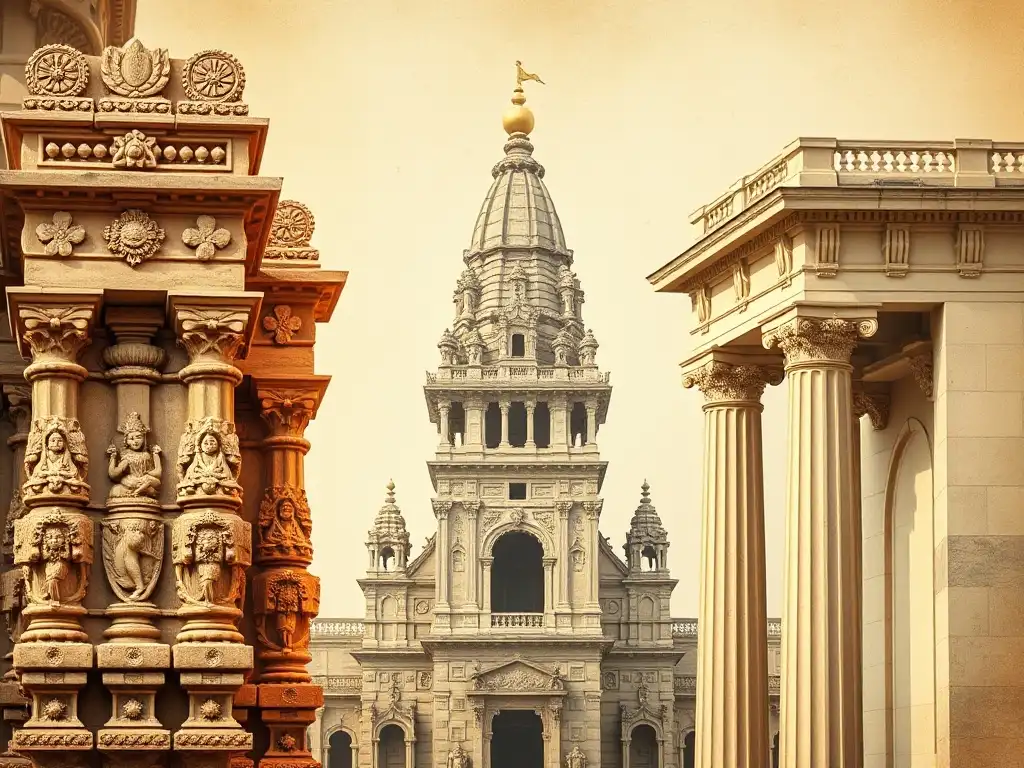
Similarities with Other Ancient Civilizations
Ancient Indian architecture shares several similarities with other architectural styles from around the world, reflecting common cultural and technological influences that transcended geographical boundaries.
- Use of Natural Materials: Like the Egyptians and Mesopotamians, ancient Indian builders predominantly used locally sourced materials such as stone, wood, and clay. This not only enhanced sustainability but also allowed structures to harmonize with their natural surroundings.
- Religious Symbolism: Much like the Greeks and Romans, ancient Indian architecture was deeply intertwined with religion. Temples, for instance, were often designed to embody cosmic principles, similar to how Greek temples represented their gods. The intricate carvings and sculptures found in Indian temples often depicted deities and mythological narratives that served both aesthetic and devotional purposes.
- Urban Planning: The urban planning of ancient Indian cities, such as Mohenjo-Daro and Harappa, showcases similarities with the grid patterns observed in ancient Greek and Roman cities. The systematic layout of streets, drainage systems, and public spaces reflects a shared understanding of urban development that prioritized functionality and order.
- Architectural Techniques: The use of arch and vault, common in Roman architecture, finds parallels in certain aspects of ancient Indian construction, particularly in the later periods. Techniques like cantilevering and corbel arching also illustrate a convergence of architectural innovation across civilizations.
Unique Features of Ancient Indian Architecture
Ancient Indian architecture is distinguished by its unique features that reflect the subcontinent's rich cultural heritage and diverse traditions. These characteristics not only set it apart from other architectural styles but also influenced modern design in profound ways.
- Vastu Shastra: Ancient Indian architecture was heavily influenced by Vastu Shastra, a traditional system of architecture that emphasizes harmony with nature. This ancient science dictates the layout and orientation of buildings to optimize energy flow, making it a precursor to modern sustainable architectural practices.
- Intricate Carvings and Ornamentation: The elaborate stone carvings found in temples, such as those in Khajuraho and Hampi, showcase a level of artistry that is distinctive to Indian architecture. The depictions of deities, dancers, and intricate floral patterns not only serve decorative purposes but also narrate stories of cultural significance, thus enriching the visitor's experience.
- Stupas and Pagodas: The architectural form of stupas, which originated in ancient India, has influenced similar structures in various Asian cultures, such as the pagodas in East Asia. These structures serve as reliquaries and are designed to symbolize the universe, reflecting a unique conceptual framework in religious architecture.
- Use of Geometry and Proportions: Ancient Indian architects employed geometric principles and proportions that resonate with modern minimalist design. The emphasis on symmetry and balance in structures like the Brihadeeswarar Temple in Thanjavur demonstrates an understanding of aesthetics that continues to inform contemporary architectural practices.
- Integration with Nature: The seamless integration of architecture with the surrounding landscape is a hallmark of ancient Indian design. Structures were often built to enhance natural beauty, such as the use of water bodies in gardens and the placement of temples on hilltops, which not only served practical purposes but also fostered a spiritual connection with the environment.
The impact of ancient Indian architecture is profound, influencing not only regional styles but also inspiring modern architectural practices worldwide. Its unique features and shared attributes with other civilizations underscore the importance of understanding and appreciating this rich heritage in today's design landscape.
Challenges in Preserving Ancient Indian Architectural Heritage
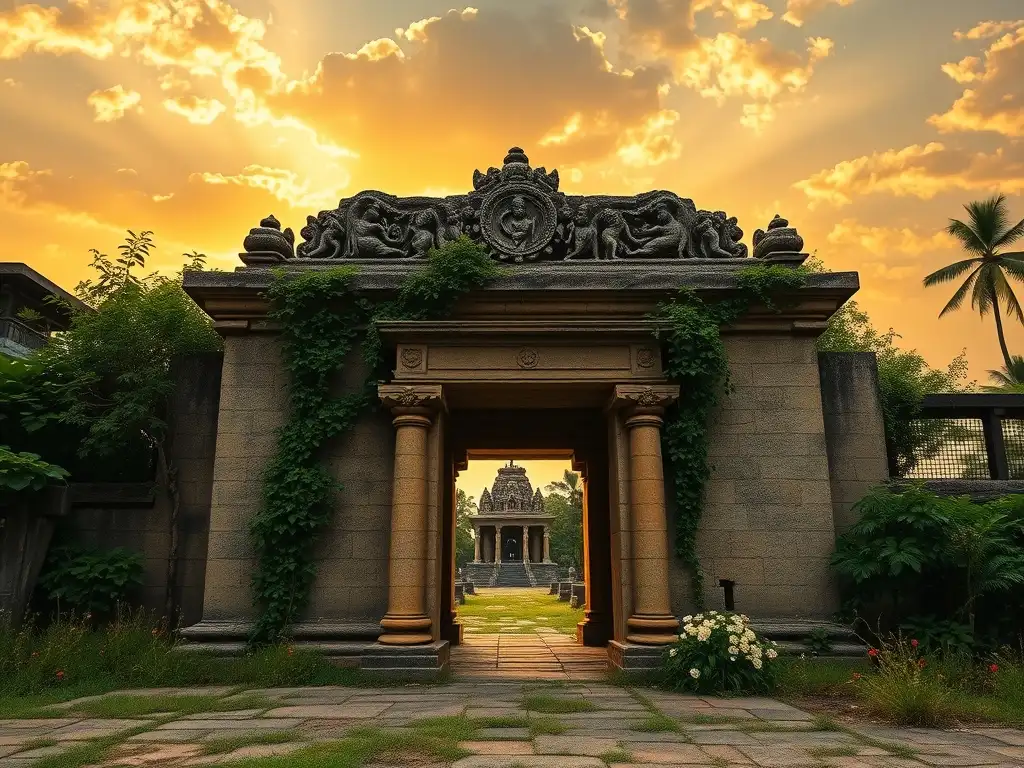
The preservation of ancient Indian architecture is a complex endeavor, facing numerous challenges that threaten the integrity and longevity of these historical structures. With a rich legacy that spans thousands of years, these architectural marvels are not only a testament to the advanced engineering and artistic skills of ancient civilizations but also a crucial part of India's cultural identity. However, various factors jeopardize their preservation, necessitating a concerted effort to safeguard them for future generations.
Threats to Ancient Structures
Ancient Indian structures encounter a multitude of threats that can compromise their physical condition and historical significance. These threats include:
- Urbanization: The rapid expansion of urban areas often leads to encroachment on ancient sites. New developments can overshadow or physically damage nearby structures, altering the landscape and diminishing their historical context.
- Environmental Factors: Natural elements such as rain, humidity, and temperature fluctuations can cause significant wear and tear on ancient buildings. Monsoon rains can erode stonework, while high humidity can promote the growth of mold and moss, further damaging the integrity of these structures.
- Pollution: Industrialization has led to increased air and water pollution, which can accelerate the deterioration of ancient architecture. Acid rain, for instance, can corrode stone surfaces, while particulate matter can accumulate on facades, obscuring their beauty and detail.
- Neglect and Lack of Awareness: Many ancient sites suffer from a lack of maintenance and care. In some cases, local communities may not fully comprehend the historical importance of these structures, leading to neglect that contributes to their deterioration.
- Illegal Construction: Unauthorized building activities can pose a direct threat to ancient architecture, with structures being constructed too close to or even on top of historical sites. This not only damages the sites but also undermines their historical context and significance.
Efforts for Preservation and Restoration
To combat these threats, various efforts are underway aimed at preserving and restoring ancient Indian architecture. Key initiatives include:
- Government Initiatives: The Archaeological Survey of India (ASI) plays a pivotal role in the preservation of ancient structures. Through various schemes, the ASI undertakes restoration projects, conducts research, and enforces regulations to protect heritage sites.
- Awareness Campaigns: Educating the public about the importance of ancient architecture is crucial. Awareness campaigns aim to foster a sense of responsibility among local communities and encourage them to participate in preservation efforts.
- Restoration Projects: Skilled artisans and architects are often employed for restoration projects, ensuring that traditional techniques and materials are used. This approach not only helps in maintaining authenticity but also supports local crafts and skills.
- Collaboration with NGOs: Non-governmental organizations often partner with government bodies to promote preservation efforts. These collaborations can provide additional resources and expertise, facilitating more comprehensive restoration projects.
- Use of Technology: Innovations in technology, such as 3D scanning and modeling, are being utilized to document and analyze ancient structures. This data can inform restoration efforts and help in planning future preservation strategies.
While ancient Indian architecture faces significant challenges, concerted efforts across various sectors can help mitigate these threats. By prioritizing preservation and restoration, we can ensure that these architectural marvels continue to inspire and educate future generations about India's rich cultural heritage.
Future Prospects of Ancient Indian Architecture Influence
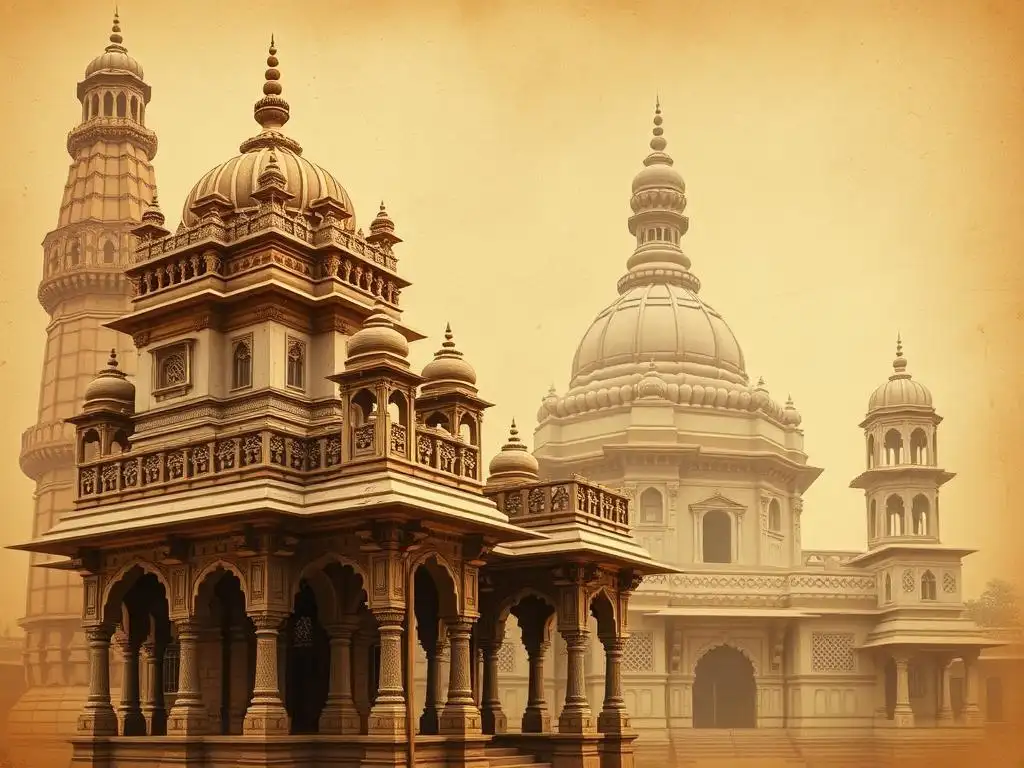
The influence of ancient Indian architecture continues to resonate in contemporary design practices, shaping not only aesthetics but also functional aspects of modern buildings. As the world increasingly prioritizes sustainability and cultural relevance, the prospects for integrating ancient architectural principles are promising. This section delves into the trends and technological advancements that are paving the way for a revival of ancient Indian architectural influences in modern design.
Trends in Sustainable Architecture Inspired by Ancient Practices
Sustainable architecture is gaining traction as architects and builders seek to minimize their environmental impact. Ancient Indian architecture offers a treasure trove of sustainable practices that are now being rediscovered and adapted for contemporary use.
- Natural Materials: Ancient Indian structures prominently featured local, natural materials such as mud, stone, and wood. This not only ensured the buildings blended harmoniously with their surroundings but also reduced the carbon footprint associated with transportation. Modern architects are now turning back to these materials to create eco-friendly buildings.
- Passive Design Principles: The use of natural ventilation and light in ancient Indian architecture is a key aspect that is being emulated today. Buildings like the Hawa Mahal in Jaipur showcase how strategic openings can facilitate airflow and maintain comfortable indoor temperatures without relying heavily on mechanical systems.
- Water Harvesting Techniques: Ancient Indian civilizations developed sophisticated systems for water management, such as stepwells and rainwater harvesting. As water scarcity becomes a pressing global issue, integrating these traditional methods into modern designs is gaining importance. For instance, modern architects are incorporating architectural features that channel rainwater for reuse, inspired by the ancient practices of cities like Mohenjo-Daro.
- Landscaping and Site Planning: The principles of Vastu Shastra, which emphasizes harmony with nature, are increasingly being applied in sustainable urban planning. By orienting buildings to maximize natural light and airflow while minimizing energy consumption, architects are ensuring that new constructions honor ancient wisdom.
The Role of Technology in Reviving Ancient Designs
Technology plays a crucial role in bringing ancient Indian architectural techniques into the modern era. Through innovative tools and methods, architects are able to analyze, recreate, and enhance the principles of ancient designs.
- 3D Modeling and Visualization: Advanced software allows architects to create detailed models of ancient structures, enabling a better understanding of their design principles. This technology facilitates the exploration and adaptation of ancient styles in new projects, ensuring that the essence of ancient Indian architecture is preserved.
- Digital Fabrication: Techniques such as CNC milling and 3D printing enable the precise replication of intricate carvings and motifs found in ancient Indian temples. By utilizing these technologies, architects can integrate traditional aesthetics into contemporary designs without compromising on modern efficiency.
- Virtual Reality (VR) and Augmented Reality (AR): These technologies provide immersive experiences that let both architects and clients visualize how ancient elements can be blended into modern structures. By simulating the experience of ancient spaces, designers can justify the revival of historical influences in their work.
- Sustainable Building Information Modeling (BIM): BIM enables architects to assess the environmental impacts of their designs, ensuring that ancient practices that promote sustainability are effectively utilized in modern construction. This holistic approach allows for a seamless blend of ancient wisdom and modern technology.
The future of ancient Indian architecture influence is bright, driven by a convergence of sustainable practices and technological advancements. As the architectural landscape continues to evolve, the rich heritage of ancient Indian designs will undoubtedly inspire and shape contemporary architecture, fostering a deeper appreciation for cultural history and sustainable living.
Conclusion: Lasting Legacy of Ancient Indian Architecture
Summary of Key Influences on Modern Design
The influence of ancient Indian architecture on modern design is profound and multi-faceted, evident in various aspects of contemporary architecture. Key influences draw from the following elements:
- Vastu Shastra: This ancient Indian science of architecture emphasizes harmony with nature, resulting in buildings that are not only aesthetically pleasing but also energetically balanced. Modern architects often incorporate principles of Vastu to create spaces that foster well-being.
- Material Use: The use of locally sourced materials, such as clay, stone, and wood, is a hallmark of ancient Indian architecture. Modern sustainable design increasingly aligns with this practice, promoting eco-friendly construction methods that minimize environmental impact.
- Architectural Styles: Various styles, such as the intricate carvings of temples and the grandeur of palaces, inspire modern architects. For instance, the incorporation of ornate motifs and detailed craftsmanship in contemporary buildings reflects this artistic heritage.
- Landscaping and Integration with Nature: Ancient Indian architecture often featured gardens and water bodies, integrating structures seamlessly within their natural surroundings. This concept resonates with modern designs that prioritize green spaces and natural light, enhancing the overall aesthetic and environmental quality.
| Influence | Description | Modern Application |
|---|---|---|
| Vastu Shastra | Principles of spatial harmony | Designing buildings that promote well-being |
| Material Use | Locally sourced, sustainable materials | Eco-friendly construction methods |
| Architectural Styles | Ornate carvings and grandeur | Incorporating motifs and craftsmanship |
| Landscaping | Integration with nature, gardens, and water features | Prioritizing green spaces and natural light |
Final Thoughts on the Importance of Ancient Indian Architectural Heritage
The heritage of ancient Indian architecture is not merely a relic of the past; it serves as a dynamic foundation for modern design. As architects and designers increasingly seek inspiration from the rich tapestry of ancient practices, the values of sustainability, harmony, and artistic expression come to the forefront of contemporary architecture.
By recognizing and embracing the influence of ancient Indian architecture, modern design can transcend mere functionality, paving the way for spaces that resonate with historical significance and cultural depth. This enduring legacy not only enriches our built environment but also fosters a deeper understanding of our collective history, reminding us of the ingenuity and creativity that defined ancient civilizations.
The influence of ancient Indian architecture is a testament to the timelessness of design principles that prioritize harmony, sustainability, and artistry. As we move forward, it is vital to preserve this architectural heritage, ensuring that its lessons continue to inspire future generations of architects and designers.
Frequently Asked Questions
What are the main features of ancient Indian architecture?
Ancient Indian architecture is characterized by intricate carvings, dome structures, and ornate temples that reflect the region's spiritual and cultural values.
How did ancient Indian architecture influence modern design?
The design principles and aesthetic elements from ancient Indian architecture, such as symmetry and natural materials, have greatly influenced contemporary architectural practices.
What are some examples of ancient Indian architectural styles?
Key styles include Indo-Aryan, Dravidian, and Buddhist architecture, each showcasing distinct design elements and cultural significance that have inspired various modern interpretations.
How does ancient Indian architecture reflect cultural beliefs?
The architecture often incorporates religious symbolism and mythological themes, emphasizing the connection between spirituality and artistry in ancient Indian society.
What role did the Gupta Empire play in architectural advancements?
The Gupta Empire marked a golden age for art and architecture, promoting temple construction and urban planning that laid the groundwork for future architectural innovations.
Final Reflection: The Enduring Legacy of Ancient Indian Architecture
The influence of ancient Indian architecture is not merely a relic of the past; it is a vibrant thread woven into the fabric of modern design. As we navigate through contemporary aesthetics, we find ourselves increasingly inspired by the intricate craftsmanship, spiritual symbolism, and sustainable practices that characterized ancient Indian structures. This connection reminds us that the wisdom of our ancestors continues to resonate, shaping our built environment in ways that honor both tradition and innovation.
Cultural landscapes are continually enriched by the echoes of ancient practices, revealing a profound dialogue between the past and the present. The architectural marvels of ancient India, from the grandeur of temples to the serenity of stepwells, serve as a testament to a civilization that valued harmony with nature and community. As architect Charles Correa once said, ">Architecture is not just about building; it is about creating a sense of place." This sentiment underscores the importance of drawing inspiration from our historical roots to create spaces that foster connection and well-being in today's world.
As you reflect on the lessons of ancient Indian architecture, consider how you can incorporate these timeless principles into your own life and work. Whether you are an architect, designer, or simply someone who appreciates the beauty of space, let the ethos of sustainability, community, and spirituality guide your creative journey. Embrace the opportunity to honor the past while shaping a future that is both innovative and respectful of the rich heritage that has come before us.
Unveil the Timeless Influence of Ancient Indian Architecture!
Thank you for diving into the fascinating world of ancient Indian architecture! You've explored how its principles and aesthetics continue to shape modern design. Now, it’s time to put this knowledge into action and deepen your appreciation for this rich cultural heritage.
Here's how you can broaden your understanding and share the beauty of ancient architecture with others:
- Visit a Local Museum or Exhibit: Experience the grandeur of ancient architecture firsthand. Seek out exhibitions that showcase remarkable examples of Indian architectural achievements, and immerse yourself in the history they represent.
- Join a Community Workshop: Connect with fellow enthusiasts! Participate in workshops that focus on traditional architectural techniques or design inspired by the timeless styles of ancient India.
- Share Your Insights: Engage your friends and family! Discuss what you’ve learned and share your experiences on social media—consider starting a dialogue about how traditional designs can enhance contemporary living.
What aspect of ancient Indian architecture resonates with you the most, and how do you envision it influencing your own design choices?