
The Role of Military Alliances in the Political Strategy of the Maurya Empire

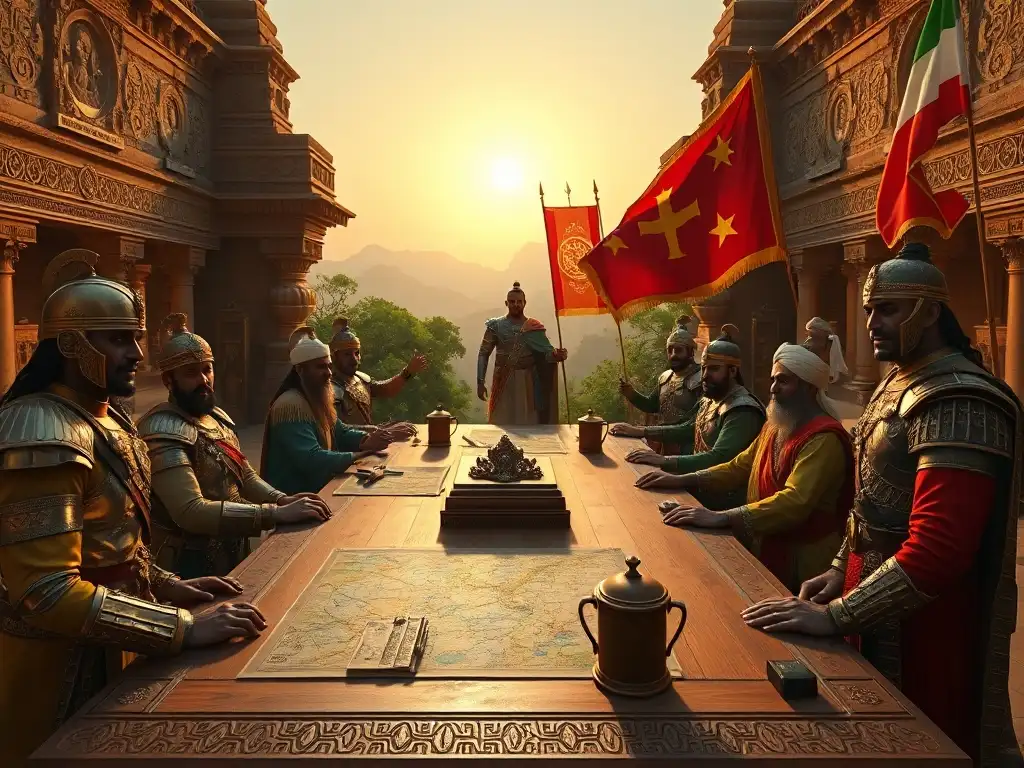
Welcome to Ancient India History, your gateway to uncovering the rich tapestry of India's past! Dive into our latest exploration of the Maurya Empire military alliances, where we unravel the intricate web of political strategies that shaped one of the greatest empires in ancient history. What secrets lie behind the alliances that fortified their power and influence? Join us as we embark on a journey through time, revealing the remarkable contributions and diverse cultures that defined ancient Indian civilizations. Prepare to be intrigued and inspired as you delve deeper into the fascinating world of the Maurya Empire!
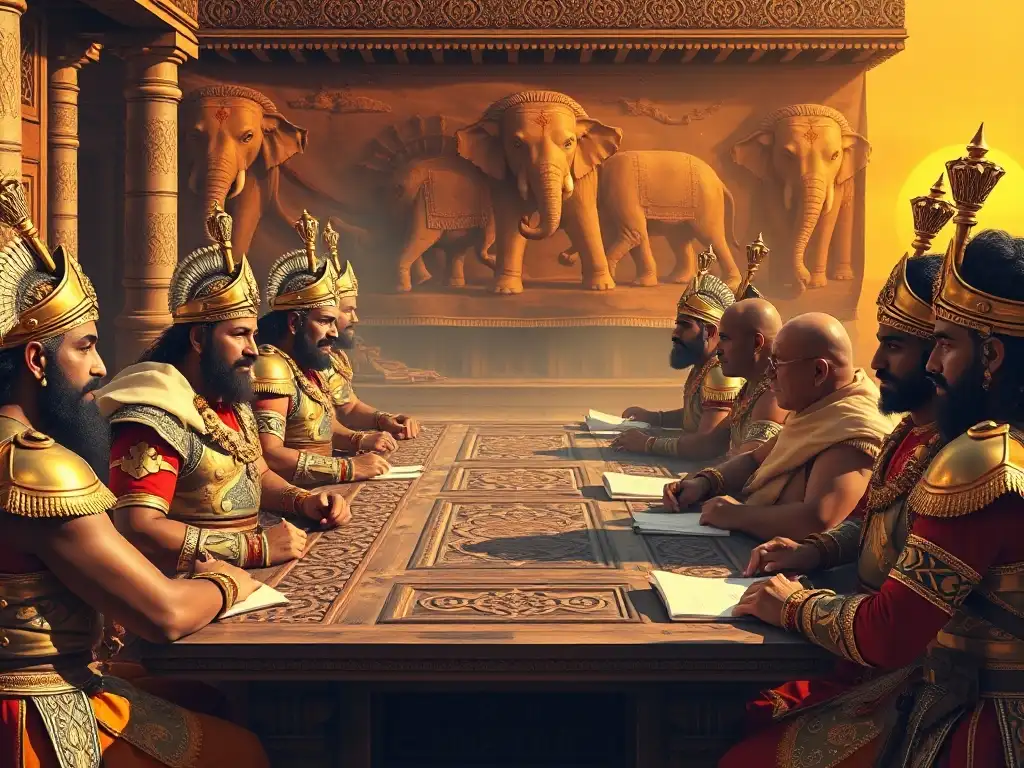
The Maurya Empire represents one of the most significant and influential political entities in ancient India, characterized by a sophisticated system of governance, military might, and strategic diplomacy. Emerging in the 4th century BCE, the empire expanded rapidly under the leadership of notable figures such as Chandragupta Maurya and his grandson Ashoka the Great.
Central to the empire's political strategy was the effective use of military alliances, which played a pivotal role in both securing territorial expansion and maintaining political stability. This article delves into the intricacies of military alliances within the Maurya Empire, exploring their historical context, importance in warfare, and defining features that shaped the empire's military and political landscape.
Introduction to the Maurya Empire
Overview of the Maurya Empire’s Historical Context
The Maurya Empire, founded in 322 BCE, marked a turning point in Indian history through its unification of large parts of the Indian subcontinent. It rose to prominence following the decline of the Nanda Dynasty, propelled by Chandragupta Maurya's visionary leadership and the strategic counsel of his advisor, Chanakya. The empire reached its zenith under Ashoka, who, after a transformative experience at the Kalinga War, embraced Buddhism and a policy of non-violence. However, the foundation of the empire's success lay in its adept management of military alliances.
Importance of Military Alliances in Ancient Indian Warfare
In ancient India, warfare was not solely about brute force; it was equally about strategy, diplomacy, and forming alliances. Military alliances served multiple purposes, including:
- Strengthening Defense: Allied forces could fend off invasions more effectively.
- Expanding Territories: Collaborative military campaigns could lead to the annexation of neighboring regions.
- Resource Sharing: Alliances allowed for sharing of military resources and intelligence.
The Maurya Empire skillfully utilized these alliances to maintain dominance over rival kingdoms and to bolster its military capabilities.
Understanding Military Alliances in the Maurya Empire
Definition of Military Alliances in the Context of Ancient India
Military alliances in ancient India can be understood as formal agreements between rulers or kingdoms to collaborate on military endeavors. These alliances could be defensive, aimed at mutual protection, or offensive, aimed at shared conquests. The Maurya Empire's approach to alliances was characterized by strategic marriages, treaties, and pacts, all designed to enhance its power and influence.
Key Features of Maurya Empire Military Alliances
The military alliances formed by the Maurya Empire exhibited several key features:
- Diverse Partnerships: The empire allied with various regional powers, including both contemporary kingdoms and tribal chieftains.
- Political Marriages: Marriages between Mauryan royalty and local leaders often solidified alliances, ensuring loyalty.
- Flexible Strategies: Alliances could shift based on political needs, allowing the Maurya Empire to adapt to changing circumstances.
These features not only exemplified the political acumen of Mauryan rulers but also revealed their understanding of the importance of collaboration in achieving military and political objectives.
The Political Strategy Behind Military Alliances
The Maurya Empire, one of the most significant empires in ancient Indian history, was known for its sophisticated political strategies, among which military alliances played a crucial role. These alliances were not merely a means of enhancing military strength but were integral to the empire's broader political objectives and stability. By forging alliances, the Maurya rulers sought to create a network of support that could provide military assistance, economic benefits, and political legitimacy.
One of the key aspects of the Maurya military strategy was the use of diplomacy alongside warfare. The empire's founder, Chandragupta Maurya, understood that conquering new territories would require not just military might but also the cooperation of local powers. This approach allowed the Mauryas to maintain control over vast regions without the need for permanent military garrisons, reducing costs and potential local resistance. Furthermore, alliances facilitated the exchange of resources, intelligence, and troop movements, enhancing the empire’s overall strategic capabilities.
The political strategy behind these alliances was also about fostering loyalty among vassal states and integrating them into the Mauryan administrative framework. By offering protection and mutual defense, the Maurya Empire could ensure the stability of its borders and the internal cohesion of its territories. This balanced approach of combining military power with diplomatic efforts helped the Maurya Empire flourish during its peak, particularly under the reign of Ashoka the Great.
Objectives of Military Alliances for the Maurya Empire
The objectives of military alliances for the Maurya Empire were multifaceted and strategically important for its political stability and territorial integrity.
- Enhancing Military Strength: One of the primary objectives was to bolster the military capabilities of the empire. By forming alliances with other kingdoms and tribal leaders, the Mauryas could quickly gather additional troops and resources when needed, especially during times of conflict.
- Securing Borders: Military alliances served as a buffer against external threats. By aligning with neighboring states, the Maurya Empire could deter potential invasions and ensure that its borders remained secure. This was particularly critical given the diverse and often hostile political landscape of ancient India.
- Facilitating Peaceful Expansion: Rather than relying solely on military conquest, the Mauryas aimed for peaceful territorial expansion through diplomacy. Alliances with local rulers often led to peaceful annexations, where the locals accepted Mauryan authority in return for protection and other benefits.
- Economic Benefits: Military alliances often came with economic advantages, such as trade agreements and resource sharing. By cooperating with allied states, the Maurya Empire could enhance its economic base, which was essential for sustaining its military campaigns.
- Cultural Integration: Alliances were also a means of promoting cultural integration and administrative cohesion within the empire. By establishing ties with diverse ethnic groups and cultures, the Mauryas were able to consolidate their rule and foster loyalty among different populations.
Influence of Military Alliances on Territorial Expansion
Military alliances had a profound influence on the territorial expansion of the Maurya Empire. Through strategic partnerships, the empire was able to extend its reach without incurring the heavy costs associated with direct military conquest.
- Facilitated Conquests: Alliances often provided the necessary support to launch successful military campaigns. For instance, when the Maurya Empire sought to expand into the northern regions, alliances with local rulers facilitated the movement of troops and resources, leading to rapid territorial gains.
- Reduced Resistance: By negotiating alliances with influential local powers, the Mauryas were able to minimize resistance during their campaigns. Local rulers who allied with Maurya forces often encouraged their subjects to support the empire, reducing the likelihood of revolt and ensuring smoother transitions of power.
- Strategic Buffer Zones: The establishment of alliances created buffer zones around the core territories of the empire. By aligning with neighboring states that could act as intermediaries, the Mauryan Empire could protect its borders from potential aggressors while simultaneously exerting influence over these regions.
- Integration of New Territories: Once new territories were acquired, the Mauryas utilized their alliances to integrate these regions into the empire's administrative framework. This approach not only solidified control but also promoted economic and cultural exchanges, further enhancing the empire's stability.
Major Military Alliances Formed by the Maurya Empire
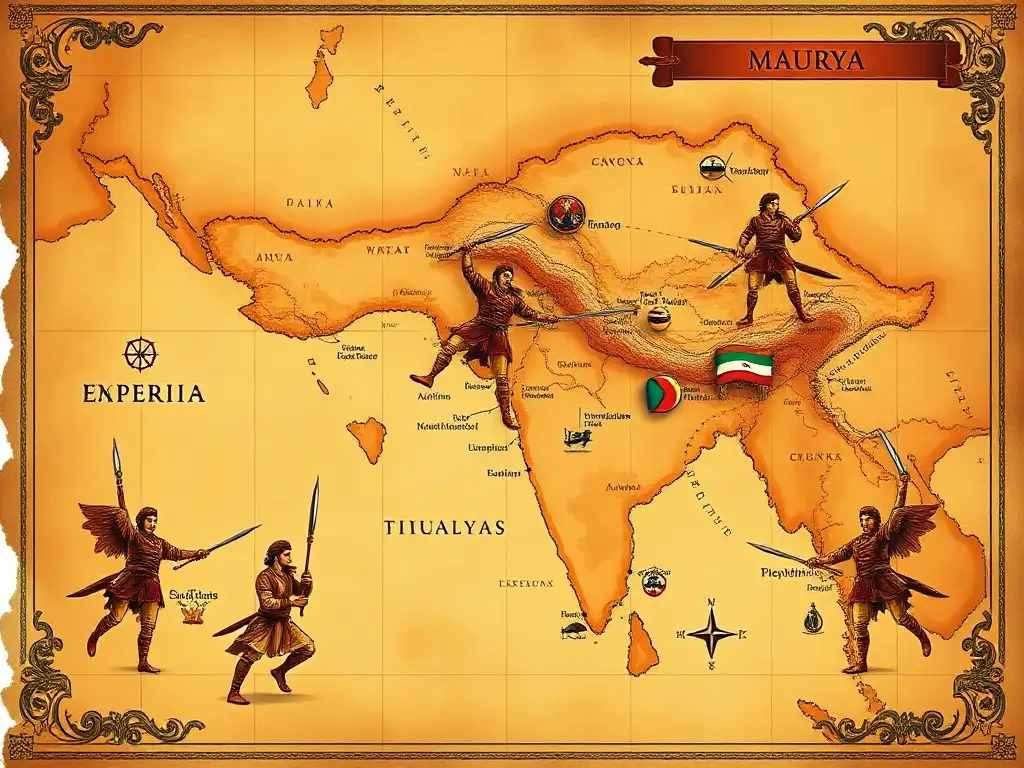
The Maurya Empire's success in establishing and maintaining its vast territories can largely be attributed to its strategic military alliances. Several key partnerships played significant roles in shaping the empire’s political landscape.
Alliances with Neighboring Kingdoms
The Maurya Empire formed several notable alliances with neighboring kingdoms that proved crucial in its expansion and consolidation of power. These alliances often involved mutual agreements for protection, military assistance, and economic cooperation.
- Nanda Dynasty: One of the first significant alliances was with the remnants of the Nanda Dynasty, which provided a foundation for Chandragupta Maurya’s rise to power. This alliance allowed the Mauryas to inherit a vast administrative structure and military resources, facilitating their initial expansion.
- Kingdom of Kalinga: The alliance with Kalinga was particularly significant during Ashoka's reign. Initially an adversary, Kalinga later became an ally, providing valuable support and resources that helped Ashoka maintain stability in the region after his campaigns.
- Western Kingdoms: The Mauryas also established alliances with western kingdoms, such as the Satavahanas, to secure trade routes and enhance economic prosperity. These alliances helped foster a robust trade network that was vital for the empire's economy.
Strategic Partnerships with Tribes and Regional Powers
In addition to alliances with established kingdoms, the Maurya Empire recognized the importance of forming strategic partnerships with various tribes and regional powers.
- Tribal Alliances: The Mauryas often engaged with tribal leaders, offering protection in exchange for loyalty. This approach was particularly effective in the hilly and forested regions where tribal groups held considerable influence. By aligning with these tribes, the Mauryas expanded their control into areas that were otherwise difficult to govern.
- Regional Powers: The Mauryas strategically partnered with local regional powers to maintain stability in newly acquired territories. For example, alliances with powerful regional rulers allowed the empire to exert influence and control without direct governance, ensuring local support and reducing administrative burdens.
- Economic Partnerships: Many of these partnerships included economic arrangements, such as sharing access to trade routes and resources. This not only strengthened military ties but also fostered economic interdependence, which was crucial for the sustainability of the empire.
The Maurya Empire’s military alliances were a vital component of its political strategy, enabling the empire to achieve stability, expand its territories, and integrate diverse cultures within its vast domain. Through these alliances, the Mauryas demonstrated a sophisticated understanding of the interplay between military power and diplomacy, which ultimately contributed to their enduring legacy in ancient Indian history.
Impact of Military Alliances on Governance and Control
Military alliances played a pivotal role in the governance and control of the Maurya Empire, significantly enhancing its political strategy. The Maurya Empire, under leaders such as Chandragupta Maurya and Ashoka, recognized the importance of alliances not just for military efficacy but also for political stability and administrative control. These alliances often involved both formal agreements with neighboring states and informal partnerships with local rulers, which allowed the empire to extend its influence without direct military confrontation.
Through military alliances, the Maurya Empire could project power while ensuring the loyalty of vassal states. This strategy enabled the Mauryan rulers to maintain a relatively stable and expansive empire. By securing the allegiance of neighboring territories, the empire reduced the immediate threat of rebellion or invasion, allowing resources to be allocated toward administrative functions and infrastructure development. The interdependence created through these alliances also fostered a sense of shared purpose among allies, reinforcing the central authority of the Mauryan rulers.
Strengthening Central Authority through Alliances
Military alliances were instrumental in fortifying the central authority of the Maurya Empire. By forming alliances with local chieftains and regional powers, the Mauryan rulers could assert their dominance without relying solely on military might. This approach not only minimized the costs associated with maintaining a large standing army but also cultivated local loyalty, as allied rulers often enjoyed autonomy in their governance while pledging allegiance to the Maurya Empire.
Moreover, these alliances frequently involved marriage ties and mutual defense agreements, which further integrated the Mauryan rulers into the political fabric of their allies. Such relationships allowed Chandragupta Maurya and later Ashoka to exercise indirect control over vast territories. The network of alliances created a web of dependencies that strengthened the empire's administrative apparatus, enabling effective governance across diverse regions.
Role of Alliances in Maintaining Peace and Stability
The strategic use of military alliances was crucial in maintaining peace and stability within the Maurya Empire. By forming coalitions with neighboring states, the empire could deter potential aggressors, thereby reducing the likelihood of conflict and unrest. These alliances often served as a deterrent against external invasions, as potential aggressors would think twice before challenging a united front.
Furthermore, alliances helped to quell internal strife by promoting unity among various factions within the empire. The Mauryas understood that a fragmented political landscape could lead to instability, so they actively sought to foster cooperation among different groups. Peace treaties and alliances provided a framework for conflict resolution, allowing for diplomatic engagement rather than warfare, which ultimately contributed to the longevity and stability of the empire.
Case Studies of Successful Military Alliances
The Maurya Empire's history is rich with examples of successful military alliances that significantly influenced its political landscape. These alliances were not merely tactical but deeply integrated into the empire’s strategy for expansion and governance.
Analysis of Key Alliances during Chandragupta Maurya’s Reign
During Chandragupta Maurya’s reign, several key alliances were forged that greatly expanded the empire’s reach. One notable example is his alliance with the Nanda dynasty, which provided crucial support in consolidating power in northern India. This alliance allowed Chandragupta to leverage the existing administrative structures of the Nandas, facilitating a smoother transition of power.
Additionally, alliances with regional monarchs enabled Chandragupta to establish a foothold in strategically important areas such as Punjab and the Gangetic plains. These alliances often included military support agreements, where local rulers would provide troops in exchange for protection and recognition of their authority. The successful management of these alliances not only solidified Chandragupta’s power but also laid the groundwork for the empire's further expansion.
Ashoka the Great’s Diplomatic Alliances and Their Outcomes
Ashoka the Great, known for his transformative leadership, further exemplified the role of military alliances through his diplomatic strategies. After his conversion to Buddhism, Ashoka sought to promote peace and stability through non-violent means, yet he still understood the importance of maintaining strategic alliances. His relationships with neighboring kingdoms such as the Seleucid Empire were crucial in solidifying his power and ensuring the security of his empire.
The outcomes of Ashoka’s diplomatic alliances were significant. Not only did they help to foster a climate of peace, but they also facilitated cultural exchanges and the spread of Buddhism beyond India. By aligning with other powers that shared similar values, Ashoka was able to enhance the Maurya Empire’s reputation and influence in the region, demonstrating that military alliances could be effectively integrated with diplomatic efforts to achieve long-lasting stability and growth.
Challenges and Limitations of Military Alliances
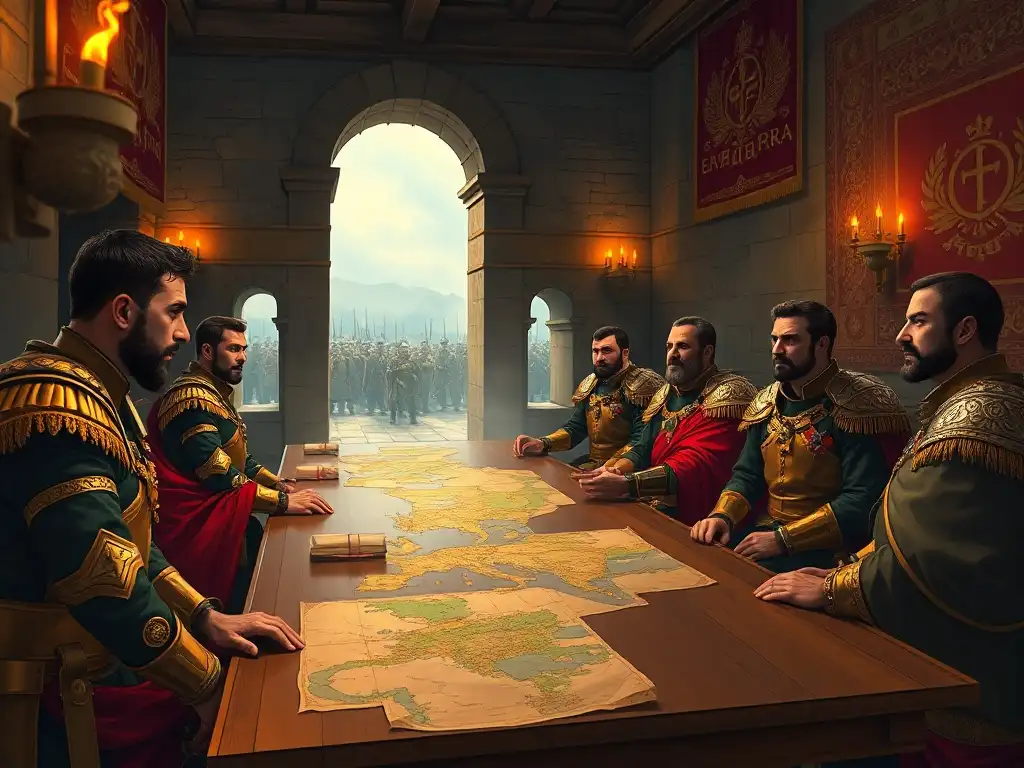
The Maurya Empire, renowned for its vast territorial expanse and sophisticated governance, also faced significant challenges concerning its military alliances. While alliances provided strategic advantages, they were not without their limitations. One of the primary challenges was the inherent instability that often characterized these partnerships. Alliances could be fragile, influenced by shifting political landscapes, personal rivalries, and the ambitions of regional leaders. As the Maurya Empire expanded, maintaining cohesion among allied states became increasingly complex, leading to vulnerabilities that could be exploited by adversaries.
Additionally, the Maurya Empire's reliance on military alliances sometimes diluted central control. Local leaders within alliances could pursue their own agendas, creating internal discord that undermined the unity necessary for effective military campaigns. This divergence of interests often resulted in mixed objectives, leading to ineffective collaboration during conflicts. The challenges of communication and coordination among diverse cultures and political structures further complicated the execution of joint military strategies, highlighting the limitations of relying heavily on alliances.
Internal Conflicts and Dissent within Alliances
Internal conflicts within military alliances were a prevalent issue for the Maurya Empire. Different states and factions often had varying priorities and objectives, which could lead to friction and dissent. For instance, regional rulers who were initially cooperative might develop rivalries or disputes over territory, resources, or influence as the dynamics of power shifted. These conflicts could escalate, resulting in weakened alliances and, ultimately, military failures.
Moreover, the Maurya Empire's attempt to integrate diverse cultures under one political umbrella posed additional challenges. The local customs and governance styles of allied states often clashed with the centralized policies of the Mauryan administration, leading to dissatisfaction and rebellion. Such dissent not only jeopardized the effectiveness of military alliances but also threatened the stability of the empire itself, necessitating constant diplomatic efforts to manage these tensions and ensure loyalty among allies.
External Threats and the Fragility of Alliances
External threats significantly impacted the stability and efficacy of military alliances in the Maurya Empire. As the empire expanded its territory, it encountered various adversaries, including rival kingdoms and nomadic tribes. These external pressures created a precarious environment where alliances could easily falter under the weight of military obligations. For example, when faced with a formidable enemy, allied states might prioritize their own survival over collective action, leading to fragmentation and weakened defenses.
Furthermore, the potential for betrayal among allies posed a constant danger. The allure of power or the promise of territorial gains could tempt allied leaders to switch allegiances, undermining the trust that is essential for any successful military coalition. This fragility was particularly evident during campaigns against invaders or in response to internal uprisings, where the failure of alliances to function cohesively often resulted in lost battles and territorial concessions.
Conclusion: The Legacy of Military Alliances in the Maurya Empire
The legacy of military alliances in the Maurya Empire is a testament to the complexity of ancient political strategies. While these alliances played a crucial role in facilitating territorial expansion and consolidating power, they also revealed fundamental challenges that could threaten the stability of the empire. The Maurya Empire's experience with military alliances offers valuable insights into the balance of power, loyalty, and governance in ancient political landscapes.
Lasting Impact on Subsequent Indian Empires
The experiences of the Maurya Empire with military alliances set a precedent for subsequent Indian empires. The Gupta Empire, for instance, learned from the Mauryan model, adapting the strategy of forming alliances to mitigate internal dissent and external threats. However, they also recognized the need for a more centralized approach to governance to avoid the pitfalls encountered by the Mauryas. This evolution in military and political strategy significantly influenced the political landscape of ancient India, shaping the way future empires approached alliances and warfare.
Reflections on the Role of Military Alliances in Ancient Political Strategies
Reflecting on the role of military alliances in the Maurya Empire underscores the dual nature of such partnerships. While they can offer significant strategic benefits, the challenges they pose cannot be overlooked. The Mauryan experience illustrates how alliances are a double-edged sword in political strategy, offering both opportunities for expansion and risks of internal conflict and instability. As modern scholars examine these ancient practices, the lessons learned from the Maurya Empire continue to resonate, emphasizing the importance of cohesion, mutual interests, and the careful management of alliances in the pursuit of political objectives.
Additional Resources for Further Reading
To gain a deeper understanding of the Maurya Empire's military alliances and their implications on its political strategies, several resources are available. These include books, academic articles, and online databases that provide comprehensive insights into the complexities of ancient Indian military and political systems. Below, we detail some recommended readings and online resources to enhance your exploration of this fascinating topic.
Recommended Books on the Maurya Empire and Military Strategies
-
"The Maurya Empire: A Political History" by Romila Thapar
This book offers a thorough analysis of the political structures of the Maurya Empire, detailing how military alliances were formed and their significance in maintaining power. Thapar's work is foundational for anyone interested in understanding the intricacies of Mauryan governance.
-
"The Arthashastra" by Kautilya (Chanakya)
A classic text on statecraft and military strategy, this ancient treatise provides invaluable insights into the strategic mindset of the Maurya Empire. Kautilya's principles regarding alliances, warfare, and diplomacy are essential for comprehending the political maneuvers of this era.
-
"The Mauryas: A Historical Overview" by S. R. Sharma
This book presents a comprehensive overview of the Mauryan dynasty, highlighting its military conquests and alliances. Sharma's narrative is enriched with historical data, making it an essential resource for historians and enthusiasts alike.
-
"War and Diplomacy in Ancient India" by R. C. Sharma
Focusing on the broader context of warfare and diplomacy in ancient India, this book examines how the Maurya Empire utilized military alliances to strengthen its political influence across the subcontinent.
-
"The History of Ancient India" by R. S. Sharma
A detailed narrative that covers various aspects of ancient Indian history, including the Maurya Empire, this book discusses military strategies, including alliances, in shaping political landscapes.
Online Archives and Databases for Ancient Indian History
-
Digital South Asia Library (DSAL)
An expansive online resource that hosts a multitude of texts, maps, and images related to South Asian history, including materials pertinent to the Maurya Empire. Researchers can access valuable primary sources and historical documents.
-
Indian History Congress Database
This database provides access to research papers and articles presented at the Indian History Congress, many of which focus on the Maurya Empire's military strategies and alliances. It is an excellent resource for academic inquiry.
-
The British Library’s India Office Records
The British Library houses a wealth of documents from the colonial period that reference earlier Indian civilizations. These records can include insights into the historical narratives of the Maurya Empire.
-
JSTOR
A digital library offering access to thousands of academic journals, books, and primary sources. Searching for "Maurya Empire military alliances" in JSTOR can yield a variety of scholarly articles discussing the political strategies of the empire.
-
Internet Archive
A vast repository of digitized texts, including historical documents and books on ancient Indian history. Users can search for specific topics related to the Maurya Empire and its military alliances.
These resources will provide a rich foundation for anyone looking to delve deeper into the military alliances of the Maurya Empire and their impact on its political strategy.
- Introduction to the Maurya Empire
- Understanding Military Alliances in the Maurya Empire
- The Political Strategy Behind Military Alliances
- Major Military Alliances Formed by the Maurya Empire
- Impact of Military Alliances on Governance and Control
- Case Studies of Successful Military Alliances
- Challenges and Limitations of Military Alliances
- Conclusion: The Legacy of Military Alliances in the Maurya Empire
- Additional Resources for Further Reading
- What were the key military alliances of the Maurya Empire?
- How did military alliances impact the Maurya Empire's expansion?
- Who was the most notable ruler of the Maurya Empire during these alliances?
- What strategies did the Maurya Empire use to forge alliances?
- How did the military alliances affect the Maurya Empire's relations with other states?
Frequently Asked Questions
What were the key military alliances of the Maurya Empire?
The Maurya Empire formed several strategic military alliances with neighboring kingdoms to strengthen its position. These alliances helped to expand territory and maintain stability within the empire.
How did military alliances impact the Maurya Empire's expansion?
The military alliances allowed the Maurya Empire to consolidate power effectively, enabling it to expand its influence across the Indian subcontinent without overextending its resources.
Who was the most notable ruler of the Maurya Empire during these alliances?
Ashoka the Great is the most notable ruler associated with the Maurya Empire's military alliances. His reign emphasized diplomacy and alliances that often replaced outright military conquest.
What strategies did the Maurya Empire use to forge alliances?
The Maurya Empire utilized a combination of diplomacy, marriage alliances, and military support to secure relationships with powerful neighbors, ensuring mutual benefits and security.
How did the military alliances affect the Maurya Empire's relations with other states?
The military alliances fostered a sense of cooperation among allied states, which helped reduce conflicts and promote trade, ultimately enhancing the political stability of the Maurya Empire.
Final Reflection: The Enduring Legacy of Maurya Empire Military Alliances
The strategic military alliances of the Maurya Empire not only shaped its political landscape but also resonate with contemporary geopolitical dynamics. Today, as nations navigate complex international relationships, the lessons learned from the Maurya Empire's adept use of alliances remind us that collaboration can be a formidable tool in achieving stability and power. The ability to forge and maintain alliances is as crucial now as it was over two millennia ago, illustrating that the principles of diplomacy and strategy remain timeless.
The influence of the Maurya Empire's military alliances extends beyond mere historical interest; it serves as a lens through which we can examine modern political strategies. The intricate web of alliances formed during this period laid the groundwork for future empires and nations, shaping the very fabric of political relationships. As historian Romila Thapar aptly noted, The Maurya Empire exemplifies how strategic partnerships can elevate a state’s power and influence, a lesson that continues to be relevant in today’s global arena.
This enduring relevance highlights the importance of understanding historical contexts to navigate present-day challenges effectively.
As we reflect on the significance of military alliances in the Maurya Empire, I invite you to consider how these historical lessons can inform your own understanding of collaboration and strategy in your life. Think about the alliances you forge in your personal and professional spheres; how do they shape your journey?
Embrace the spirit of cooperation and strategic thinking that characterized the Maurya Empire, and let it inspire you to build meaningful connections that can lead to mutual growth and success. The past holds valuable insights for the future—let us learn from it and apply these lessons to our own lives.
Unleash the Power of Alliances in Your Strategy!
Thank you for diving into the fascinating world of the Maurya Empire with us! You’ve just explored the incredible role military alliances played in shaping political strategies that can inspire modern approaches. Now it's time to harness that knowledge!
Here are some powerful actions you can take today:
- Reflect on the alliances in your own life: Identify key relationships that can enhance your strategies, whether in personal projects or professional endeavors.
- Engage with our community: Share your thoughts on historical military alliances in the comments below and connect with fellow history enthusiasts.
- Explore deeper: Check out related articles on military strategies in various empires and discover how these patterns are relevant today!
What alliances could you forge in your life to create a stronger path forward? Let's discuss in the comments!