
The Indus Valley Civilization: An Enigma Wrapped in History

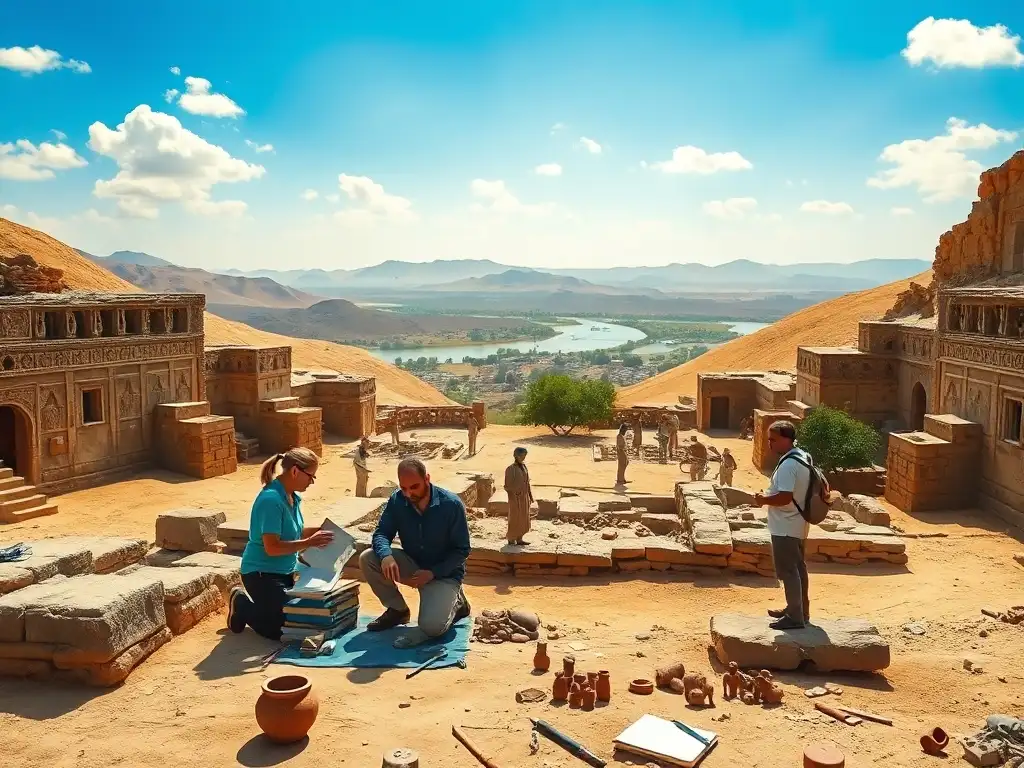
Welcome to Ancient India History, where we embark on a journey through the rich tapestry of one of the world's oldest civilizations. In this exploration, we delve deep into the Indus Valley Civilization history, an enigmatic chapter that continues to captivate historians and enthusiasts alike. What secrets lie beneath the ruins of this ancient society, and how did its innovations shape the course of human development?
As you navigate through our content, prepare to uncover the mysteries and marvels of ancient Indian civilizations, from the bustling streets of Mohenjo-Daro to the grandeur of the Gupta Empire. Join us as we unravel the stories that have shaped a timeless legacy!
Introduction to Indus Valley Civilization History
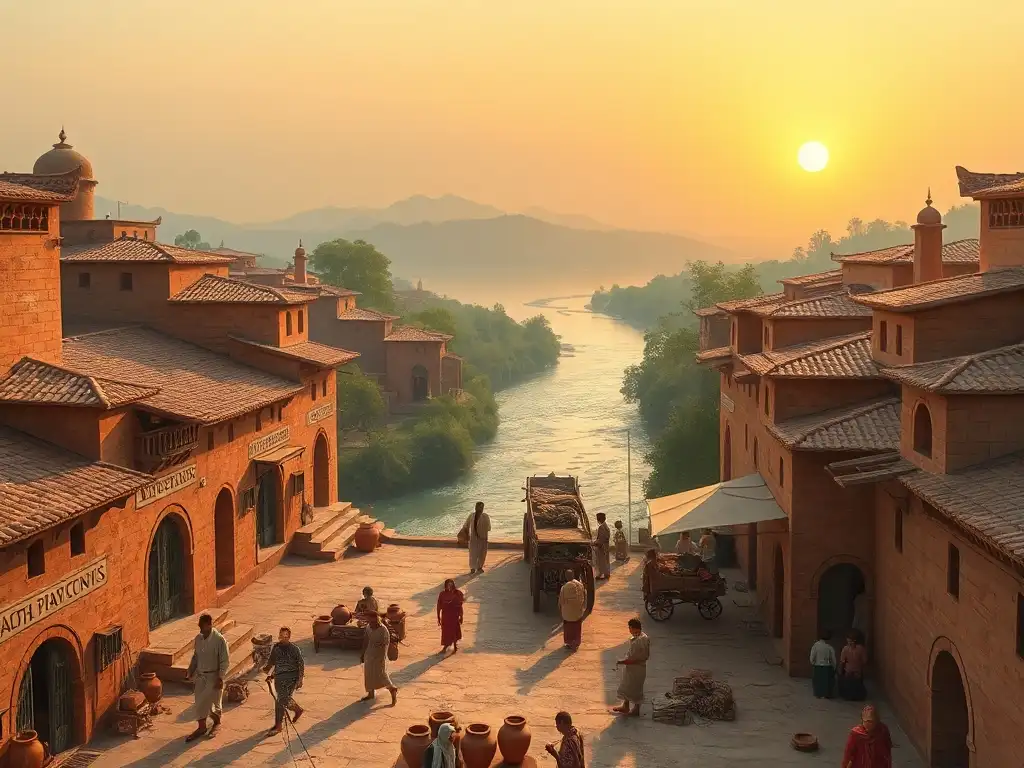
The Indus Valley Civilization (IVC), one of the world's earliest urban cultures, flourished in the northwestern regions of South Asia from approximately 3300 BCE to 1300 BCE. Renowned for its advanced city planning, architecture, and social organization, the IVC presents an intriguing tapestry of human ingenuity and adaptability.
As we delve into the Indus Valley Civilization history, we unearth a society that not only laid the groundwork for future civilizations but also poses many questions regarding its origins, evolution, and eventual decline. This exploration is vital for understanding the complexities of ancient Indian history and the contributions of its people.
Overview of the Indus Valley Civilization
The Indus Valley Civilization, also known as the Harappan Civilization, was characterized by its sophisticated urban centers, including Harappa and Mohenjo-Daro, which showcased advanced drainage systems, standardized weights and measures, and an intricate script that remains undeciphered. The civilization thrived due to its strategic location near the Indus River, which facilitated trade and agriculture.
Key features of the IVC include:
- Urban Planning: Cities were meticulously planned with grid layouts, indicating a high level of civic administration.
- Architecture: The use of baked bricks, large public buildings, and granaries reflects architectural innovation.
- Economy: Engaged in trade with neighboring regions, the economy was primarily agrarian, supplemented by crafts and metallurgy.
Importance of Studying Indus Valley Civilization History
Understanding the Indus Valley Civilization history is crucial for several reasons:
- Cultural Insights: It provides insight into early human societies, their cultural practices, and social structures.
- Technological Advancements: The technological innovations from this era influenced subsequent civilizations in the region.
- Archaeological Significance: Ongoing excavations and research continue to reveal new findings that challenge existing historical narratives and theories.
Exploring this civilization helps us appreciate the rich tapestry of ancient Indian history and its enduring legacy.
Origins of the Indus Valley Civilization
Geographical Context of the Indus Valley
The Indus Valley is located in present-day Pakistan and northwest India, spanning a vast area along the Indus River and its tributaries. The geography played a pivotal role in the civilization's development, offering fertile land for agriculture and serving as a trade route connecting various regions. The region's climate, characterized by monsoons, supported agricultural practices that were the backbone of the Indus economy.
Early Settlements and Inhabitants
Evidence suggests that the roots of the Indus Valley Civilization can be traced back to earlier farming communities around 7000 BCE. These early settlements were primarily agrarian, relying on crops such as wheat and barley. Over time, these communities evolved into complex societies, leading to the emergence of urban centers by 2600 BCE. The inhabitants were skilled craftsmen, traders, and farmers, reflecting a diverse and dynamic society.
Theories on the Origins of Indus Valley Civilization
Numerous theories have been proposed regarding the origins of the Indus Valley Civilization:
- Indigenous Development: Some scholars argue that the IVC developed independently from local Neolithic cultures, evolving from pre-existing agricultural communities.
- Migration Theories: Other theories suggest that the civilization emerged from migrations of people from neighboring regions, bringing new ideas and technologies.
- Environmental Changes: Factors such as climate change may have influenced the rise and fall of this civilization, impacting agricultural productivity and settlement patterns.
Each theory contributes to a deeper understanding of how the Indus Valley Civilization might have evolved, highlighting the complexities and interconnections of ancient human societies.
Evolution of the Indus Valley Civilization
The Indus Valley Civilization (IVC), one of the world’s earliest urban societies, emerged around 2500 BCE in the northwestern regions of South Asia, primarily in present-day Pakistan and northwest India. Its evolution can be traced through several stages, demonstrating a complex interplay of environmental, social, and cultural factors.
Initially, the IVC was characterized by small agricultural settlements that relied on the fertile floodplains of the Indus River. Over time, these settlements developed into more sophisticated urban centers, marked by advanced agricultural practices and trade networks. The availability of resources, such as cotton and various metals, fueled economic growth and propelled the establishment of larger communities. By around 2600 BCE, the civilization reached its zenith, showcasing elaborate city planning and sophisticated drainage systems.
The decline of the Indus Valley Civilization began around 1900 BCE, attributed to various factors, including climatic changes, tectonic activity, and shifts in river courses that affected agriculture. Despite its eventual disappearance, the legacy of the IVC continues to influence subsequent cultures in the region.
Timeline of Development in Indus Valley Civilization History
- 3300-2600 BCE: Early agricultural settlements begin in the Indus Valley.
- 2600-1900 BCE: The peak of urban development with the rise of major cities like Harappa and Mohenjo-Daro.
- 1900-1300 BCE: Gradual decline in urban centers, likely due to environmental changes and resource depletion.
- 1300 BCE onward: Transition to regional cultures, with some influences from the IVC evident in later societies.
This timeline encapsulates the significant phases of the Indus Valley Civilization, marking its transformation from simple agrarian communities to complex urban societies and eventual decline.
Major Urban Centers: Harappa and Mohenjo-Daro
Harappa and Mohenjo-Daro are the two most prominent urban centers of the Indus Valley Civilization, each showcasing remarkable achievements in urban planning and architecture.
Harappa:
Located in the Punjab region, Harappa was an essential trade hub with its well-planned streets and sophisticated drainage systems. Archaeological findings indicate that Harappa had a grid-like layout, with residential and public buildings constructed from standardized baked bricks. The city's strategic location allowed for extensive trade with neighboring regions, contributing to its economic vitality.
Mohenjo-Daro:
Situated near the Indus River, Mohenjo-Daro is perhaps the most famous site of the IVC. It featured advanced urban infrastructure, including a monumental Great Bath, which is believed to have held ritual significance. The city was also characterized by its organized layout, with houses built around a central courtyard and a complex drainage system that showcased an understanding of sanitation and public health.
Both cities reflect the advanced urban planning and architectural prowess of the Indus Valley Civilization, serving as testaments to its ingenuity and sophistication.
Architectural Advancements and City Planning
The architectural advancements of the Indus Valley Civilization are evident in their urban planning, which included intricate layouts, standardized brick sizes, and sophisticated drainage systems.
-
Grid Layouts:
Cities like Mohenjo-Daro and Harappa were meticulously planned with a grid-like street layout, which facilitated organized traffic and efficient movement within the urban environment.
-
Drainage Systems:
One of the hallmark features of IVC architecture is its advanced drainage system. Houses were equipped with private bathrooms and toilets linked to a city-wide drainage system that channeled wastewater away from the living areas, indicating a high level of civic planning.
-
Public Structures:
The presence of large public buildings, such as the Great Bath in Mohenjo-Daro, suggests the importance of communal activities and possibly religious practices. These structures were often built with a level of sophistication that demonstrates a clear understanding of engineering principles.
Overall, the architectural advancements and city planning of the Indus Valley Civilization represent a significant achievement in ancient urban development, laying the groundwork for future civilizations.
Culture and Society in the Indus Valley Civilization
The culture and society of the Indus Valley Civilization were characterized by a rich tapestry of social interactions, economic practices, and artistic expressions that reflect the complexity of this ancient civilization.
Social Structure and Daily Life
The social structure of the Indus Valley Civilization appears to have been relatively egalitarian compared to contemporary civilizations in Mesopotamia and Egypt. While specific details about social hierarchy remain elusive due to the lack of decipherable written records, archaeological evidence suggests the presence of various occupational groups.
-
Daily Life:
Daily life in the IVC revolved around agriculture, trade, and craft production. Residents engaged in farming, pottery, and textile manufacturing, contributing to a vibrant local economy. Evidence of social gatherings and community activities indicates a strong communal identity.
-
Religious Practices:
While the exact nature of their religious beliefs remains speculative, numerous seals and figurines suggest a pantheon of deities linked to fertility, nature, and possibly proto-Shiva worship. Ritualistic practices may have played a crucial role in societal cohesion.
Economic Activities and Trade Practices
The economy of the Indus Valley Civilization was multifaceted, relying on agriculture, trade, and craft production.
-
Agriculture:
The fertile lands of the Indus River supported the cultivation of various crops, including wheat, barley, and cotton. The domestication of animals such as cattle and sheep further enhanced agricultural productivity.
-
Trade Networks:
The IVC was strategically positioned along trade routes that facilitated the exchange of goods with neighboring regions, including Mesopotamia and Central Asia. Archaeological findings of weights and measures indicate a sophisticated trade system, with goods such as beads, metals, and textiles being exchanged.
-
Craftsmanship:
The civilization showcased remarkable craftsmanship in pottery, metallurgy, and textile production. Artifacts such as intricately designed seals and jewelry reflect a high level of artistic skill and suggest a thriving artisan class.
Art, Craftsmanship, and Symbolism in Indus Valley Civilization
Art and craftsmanship in the Indus Valley Civilization offer a window into the aesthetic values, cultural practices, and symbolic meanings of the society.
-
Seals and Inscriptions:
The iconic seals, often featuring animals and script, served as identifiers for trade and possibly held religious significance. The motifs commonly depict animals, which may symbolize different aspects of life or spirituality.
-
Pottery and Sculpture:
The pottery of the IVC is characterized by its intricate designs and vibrant colors. Terracotta figurines, representing human and animal forms, provide insight into the artistic expressions and possible religious beliefs of the civilization.
-
Symbolism:
Many artifacts suggest a deep connection to nature and fertility, with motifs depicting plants and animals. The symbolic use of certain designs may reflect the society's values and beliefs, influencing their daily lives and spiritual practices.
The art, craftsmanship, and symbolism of the Indus Valley Civilization illustrate a rich cultural heritage that continues to intrigue historians and archaeologists, revealing the complexity of its society and beliefs.
Contributions of the Indus Valley Civilization
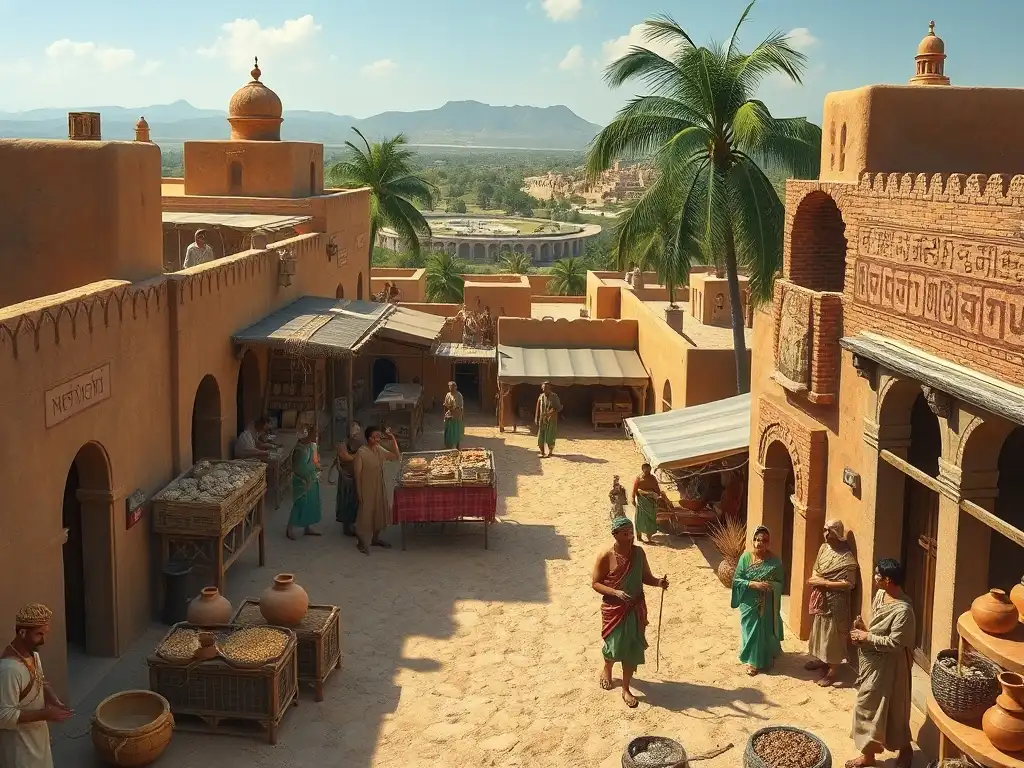
The Indus Valley Civilization (IVC), flourishing around 3300 to 1300 BCE, is renowned for its remarkable contributions to various fields, which laid the groundwork for future Indian civilizations. Its sophisticated urban planning, advanced agricultural techniques, and innovations in trade and craftsmanship reflect a culture that was both progressive and influential. The achievements of the IVC continue to be a point of interest for historians and archaeologists, as they reveal the complexity and richness of ancient Indian society.
Innovations in Agriculture and Irrigation
Agriculture was the backbone of the Indus Valley Civilization, enabling its cities to thrive. The inhabitants utilized advanced farming techniques, including crop rotation and the cultivation of various crops such as wheat, barley, and cotton. The introduction of irrigation systems, which included canals and wells, facilitated the expansion of agricultural land. This innovative approach to farming not only increased crop yields but also supported a growing population and the development of urban centers.
- Water Management: The IVC constructed sophisticated drainage systems and wells, showcasing their understanding of hydrology.
- Crop Diversity: The civilization is credited with the early domestication of cotton, which later became pivotal in textile production.
Advances in Writing and Communication
One of the most intriguing aspects of the Indus Valley Civilization is its script, known as the Indus script. Despite numerous attempts, it remains undeciphered, leading to ongoing debates among scholars. However, the existence of seals bearing this script indicates a system of communication that was likely used for trade and administrative purposes.
- Seals and Trade: The seals, often made of steatite, featured intricate carvings of animals and symbols, suggesting a complex system of trade that extended beyond the region.
- Standardization: The uniformity of weights and measures across different sites points to organized economic activities and trade practices.
Influence on Later Indian Civilizations
The legacy of the Indus Valley Civilization significantly influenced subsequent Indian cultures, including the Vedic period. Elements of urban planning, agricultural practices, and even aspects of religious beliefs can be traced back to the IVC.
- Urban Planning: The grid-pattern layout of cities like Mohenjo-Daro and Harappa set a precedent for future urban centers in India.
- Cultural Continuity: Various motifs and symbols found in IVC artifacts have been identified in later Indian art and architecture, indicating a continuity of cultural elements.
Decline of the Indus Valley Civilization
The decline of the Indus Valley Civilization is as enigmatic as its rise. Various theories attempt to explain the factors that contributed to its downfall, with evidence suggesting a combination of environmental, economic, and social factors.
Factors Leading to the Decline of Indus Valley Civilization
Several hypotheses have been proposed regarding the decline of the IVC. Environmental changes, such as shifting monsoon patterns and the drying up of rivers, may have significantly impacted agricultural productivity and water supply.
- Climate Change: Paleoclimatic evidence suggests a gradual desiccation of the region, which could have led to food shortages.
- Socioeconomic Stress: As resources dwindled, social tensions may have escalated, leading to a breakdown of the complex societal structures.
Theories on Migration and Cultural Transformation
Some researchers suggest that the decline of the Indus Valley Civilization was not solely a collapse but rather a transformation. This perspective posits that populations migrated to other regions, influencing the development of new cultures.
- Migration Theories: Archaeological findings indicate that remnants of IVC culture can be found in later settlements in the Gangetic plains, suggesting a migration of people and ideas.
- Cultural Integration: The integration of IVC cultural elements into emerging cultures could explain the continuity observed in subsequent historical periods.
Legacy of the Indus Valley Civilization in Historical Context
The Indus Valley Civilization remains a pivotal chapter in ancient Indian history. Its advancements in urban planning, trade, and agriculture have had lasting effects on Indian civilization as a whole. The civilization’s ability to develop complex societal structures without centralized governance has intrigued historians and archaeologists alike.
- Historical Significance: The IVC is often regarded as one of the world's earliest urban societies, comparable to Mesopotamia and ancient Egypt in its achievements.
- Cultural Impact: The influences of the IVC can be seen in various aspects of Indian culture, from art and architecture to agricultural practices, ensuring its place in the historical narrative of India.
Conclusion: The Indus Valley Civilization as a Historical Enigma
The Indus Valley Civilization (IVC) stands as one of the most intriguing enigmas in the study of ancient history. Despite its remarkable achievements in urban planning, architecture, and social organization, many aspects of this civilization remain shrouded in mystery. The sophisticated drainage systems, standardized weights and measures, and the intricate craftsmanship found in artifacts highlight a society with advanced knowledge and skills. However, the lack of decipherable written records and the unresolved questions about their socio-political structures and eventual decline pose significant challenges for historians and archaeologists alike.
This enigmatic nature of the IVC invites ongoing exploration and debate, emphasizing the need for interdisciplinary approaches that combine archaeology, anthropology, and linguistics. As researchers continue to unearth new evidence, the layers of history surrounding the Indus Valley Civilization will likely reveal more about its people, their innovations, and the context in which they thrived.
Reflections on the Impact of Indus Valley Civilization History
The impact of the Indus Valley Civilization on subsequent Indian societies and cultures cannot be overstated. Its urban centers, such as Harappa and Mohenjo-Daro, set a precedent for city planning that would influence later civilizations in the region. The IVC's contributions to trade, art, and technology laid foundational elements for the economic and cultural developments of ancient India. Moreover, the remnants of their material culture, including pottery, seals, and jewelry, provide insights into the daily lives and beliefs of its people, fostering a deeper understanding of human history.
Reflecting on the IVC's legacy also raises important questions about cultural continuity and change in South Asia. The extent to which the values, practices, and innovations of the IVC were absorbed or adapted by subsequent civilizations remains a subject of scholarly interest. Understanding this historical trajectory not only enriches our knowledge of ancient India but also highlights the interconnectedness of human societies across time.
Future Research Directions and Questions
As scholarship surrounding the Indus Valley Civilization continues to evolve, several key areas warrant further investigation. The following questions may guide future research:
- Decipherment of the Indus Script: What progress can be made in understanding the symbols of the Indus script, and how might this unlock further insights into their society?
- Trade Networks: How extensive were the trade networks of the IVC, and what commodities were most significant in their economic interactions?
- Socio-political Structures: What can be inferred about the governance and social hierarchies within the IVC, given the available archaeological evidence?
- Decline and Transformation: What factors contributed to the decline of the Indus Valley Civilization, and how did its legacy persist in subsequent cultures?
By addressing these questions, researchers can cultivate a more nuanced understanding of the IVC and its place in the tapestry of ancient Indian history.
References for Further Reading on Indus Valley Civilization History
Recommended Books and Articles
-
"The Indus Civilization: A Contemporary Perspective" by J. M. Kenoyer
This book provides a comprehensive overview of the IVC, covering archaeological findings, cultural practices, and socio-economic structures.
-
"The Archaeology of Early Historic South Asia" by Robin Coningham and Ruth Young
This text explores the transition from the Indus Valley Civilization to subsequent historical periods, emphasizing continuities and changes.
-
"Indus Valley Civilization: A History of Its Origins and Decline" by R. S. Sharma
A detailed examination of the origins, development, and eventual decline of the IVC, integrating archaeological data with historical analysis.
Online Resources and Archaeological Findings
- Archaeological Survey of India (ASI): The ASI provides access to a wealth of research and findings related to the Indus Valley sites, including excavation reports and ongoing projects.
- Harappa.com: A dedicated website offering extensive information about the IVC, featuring articles, images, and discussions about the civilization's history and archaeology.
- The Indus Valley Civilization Project: An initiative that focuses on research, excavation, and public education regarding the IVC, with updates on recent discoveries and scholarly work.
These resources serve as valuable tools for anyone interested in deepening their understanding of the Indus Valley Civilization and its enduring significance in the annals of history.
- Introduction to Indus Valley Civilization History
- Origins of the Indus Valley Civilization
- Evolution of the Indus Valley Civilization
- Culture and Society in the Indus Valley Civilization
- Contributions of the Indus Valley Civilization
- Decline of the Indus Valley Civilization
- Conclusion: The Indus Valley Civilization as a Historical Enigma
- References for Further Reading on Indus Valley Civilization History
Frequently Asked Questions
What is the Indus Valley Civilization history known for?
The Indus Valley Civilization is known for its advanced urban planning, sophisticated drainage systems, and impressive architecture, making it one of the most remarkable ancient cultures.
When did the Indus Valley Civilization flourish?
The Indus Valley Civilization flourished around 2500 BCE to 1900 BCE, marking a significant period of development in ancient India.
What were some major cities of the Indus Valley Civilization?
Major cities include Harappa and Mohenjo-Daro, known for their well-planned layouts and advanced infrastructure.
What led to the decline of the Indus Valley Civilization?
The decline is believed to be caused by a combination of climatic changes, resource depletion, and possibly invasions, leading to the eventual collapse of this once-thriving civilization.
How does the Indus Valley Civilization influence modern India?
The Indus Valley Civilization laid the foundation for various aspects of Indian culture, including urban planning, trade practices, and artistic expressions that continue to resonate in modern Indian society.
Final Reflection: Unraveling the Mysteries of the Indus Valley Civilization
The Indus Valley Civilization history remains a profound testament to human ingenuity and resilience, illustrating how ancient societies can shape our understanding of culture and urbanization today. As we delve into the remnants of this enigmatic civilization, we uncover not just the architectural marvels and advanced urban planning but also the intricate social structures that laid the groundwork for future civilizations. The lessons learned from their successes and failures resonate with our contemporary challenges, reminding us that history is not merely a record of the past but a guide for the future.
Culture and society are inextricably linked to the legacies of civilizations like the Indus Valley, which continue to influence our modern world. The mysteries surrounding their decline and the unanswered questions about their script and societal organization provoke curiosity and inspire further exploration. As historian Irfan Habib aptly stated, "> The past is not a dead weight; it is a living force that shapes our present." This ongoing dialogue with history encourages us to reflect on our own societal structures and the importance of preserving cultural heritage in an ever-evolving world.
As we conclude our exploration of the Indus Valley Civilization, I invite you to reflect on the lessons embedded in their history. Consider how the principles of innovation, sustainability, and community can be applied in your own life and society today. Let the enigma of the Indus Valley inspire you to seek knowledge, embrace diversity, and contribute to the tapestry of human history, ensuring that the echoes of the past continue to resonate in our future endeavors.
Unveil the Secrets of the Indus Valley Civilization!
Thank you for diving into the captivating world of the Indus Valley Civilization! Your curiosity about this ancient enigma not only enriches your knowledge but also contributes to the appreciation of our shared history. Now, let’s transform that newfound insight into action!
Here are a few steps you can take to explore further and engage with this fascinating topic:
- Dive deeper into exploration: Visit a local museum or explore virtual exhibits dedicated to artifacts from the Indus Valley to see history come alive!
- Engage in discussions: Participate in online forums or social media groups focused on ancient civilizations—share your insights and exchange ideas with others.
- Spread the knowledge: Share this article with friends and family to inspire their curiosity and keep the conversation about this ancient civilization going!
What aspect of the Indus Valley Civilization sparks your interest the most, and why do you believe it remains such a captivating mystery today?