
The Science of Ancient Indian Horticulture: Growing Fruits and Vegetables

Welcome to Ancient India History, where we delve into the rich tapestry of one of the world's oldest civilizations. In this captivating exploration, we uncover the fascinating ancient Indian horticulture techniques that shaped the agricultural practices of historical empires, from the ingenious irrigation methods of the Indus Valley to the innovative cultivation strategies of the Gupta Empire.
Join us as we peel back the layers of time and discover how these time-tested methods not only nourished the land but also laid the groundwork for modern agricultural innovations. Prepare to be intrigued and inspired—your journey into the depths of ancient wisdom begins here!
Introduction to Ancient Indian Horticulture
In the rich tapestry of ancient Indian civilization, horticulture played a pivotal role in shaping agricultural practices, dietary habits, and even economic structures. The techniques developed by ancient Indian horticulturists not only facilitated the cultivation of a wide array of fruits and vegetables but also laid the groundwork for sustainable farming practices that resonate with modern agricultural principles. This article delves into the various ancient Indian horticulture techniques, exploring their origins, evolution, and significance within the broader context of agricultural innovations in India.
Overview of Horticultural Practices in Ancient India
Ancient Indian horticulture was characterized by a blend of traditional knowledge and practical skills, which enabled communities to cultivate various crops effectively. These practices included:
- Selection of Varieties: Ancient farmers often selected specific varieties of fruits and vegetables based on climate, soil type, and resistance to pests and diseases.
- Crop Rotation: This technique helped maintain soil fertility and reduce pest buildups, showcasing an early understanding of ecological balance.
- Water Management: Techniques such as rainwater harvesting and the use of irrigation canals reflected advanced knowledge of hydrology and environmental management.
The meticulous application of these techniques not only led to higher yields but also contributed to the nutritional diversity of diets across different regions of ancient India.
Importance of Fruits and Vegetables in Ancient Indian Diets
Fruits and vegetables were integral to the diets of ancient Indians, providing essential nutrients and flavors that complemented staple foods. The consumption of a variety of produce played a significant role in:
- Nutritional Balance: Fruits like mangoes, pomegranates, and vegetables such as gourds and leafy greens provided vital vitamins and minerals.
- Cultural Significance: Many fruits and vegetables held symbolic meanings in religious and cultural practices, serving as offerings in rituals and festivals.
- Economic Value: The trade of fruits and vegetables contributed to local economies and fostered connections between different regions through commerce.
The prominence of horticulture in ancient diets underscores its importance not just for sustenance but also for cultural identity.
Historical Context of Ancient Indian Horticulture Techniques
Origins of Horticulture in the Indus Valley Civilization
The roots of horticulture in India can be traced back to the Indus Valley Civilization (c. 3300–1300 BCE), where archaeological evidence suggests advanced agricultural practices. Key aspects include:
- Systematic Planning: The layout of cities like Mohenjo-Daro indicates a well-organized approach to agriculture and horticulture.
- Crop Evidence: Remains of various fruits and vegetables, including dates and lentils, have been discovered, highlighting the diversity of horticultural practices practiced by these early civilizations.
This period marked the beginning of a long-standing tradition of horticulture that would evolve through the ages.
Evolution of Horticultural Methods through Different Eras
As India progressed through various dynasties and empires, horticultural practices evolved significantly:
- Vedic Period (c. 1500–500 BCE): Texts from this era reflect the importance of agriculture, emphasizing rituals linked to planting and harvesting.
- Mauryan Empire (c. 322–185 BCE): Under the Mauryan rule, horticulture saw advancements in irrigation techniques, promoting the cultivation of cash crops.
- Gupta Empire (c. 320–550 CE): This period witnessed the flourishing of botanical knowledge, with scholars documenting various species and their cultivation methods.
Each era contributed uniquely to the development of horticultural techniques, adapting to environmental changes and societal needs.
Influence of Ancient Texts on Horticultural Knowledge
Ancient Indian texts, such as the Arthashastra and various Ayurvedic scriptures, played a crucial role in disseminating knowledge about horticulture. These texts included:
- Botanical Descriptions: Detailed accounts of plant species and their medicinal properties were documented, promoting an understanding of biodiversity.
- Cultivation Techniques: Guidelines on soil preparation, pest control, and seasonal planting were outlined, serving as manuals for farmers.
- Philosophical Insights: The integration of horticulture with spirituality and philosophy emphasized the connection between humans and nature.
The influence of these texts continues to be felt, as they form the foundation of traditional horticultural practices that persist in India today.
Key Ancient Indian Horticulture Techniques
Ancient Indian horticulture was characterized by a remarkable understanding of the land, climate, and plant biology. Various techniques were developed to enhance agricultural productivity, ensuring the cultivation of a diverse range of fruits and vegetables. These techniques included sophisticated soil preparation, effective irrigation systems, and thoughtful crop management practices. The ancient Indian farmers were not merely cultivators but also keen observers and experimenters, leading to innovations that are still relevant today.
Traditional Methods of Soil Preparation and Fertility
Soil preparation in ancient India was a meticulous process that involved multiple steps to enhance fertility and structure. Farmers employed techniques such as:
- Plowing: Using wooden plows pulled by oxen, farmers would turn the soil to aerate it and incorporate organic matter.
- Manuring: The application of organic fertilizers, such as cow dung and compost, enriched the soil with nutrients.
- Mulching: Covering the soil with organic materials helped retain moisture and prevent weed growth, promoting a healthier growing environment.
These methods not only improved soil fertility but also fostered a sustainable approach to agriculture, ensuring that the land remained productive for generations.
Irrigation Systems Used in Ancient Indian Agriculture
Irrigation was vital for the success of horticulture in ancient India, especially during periods of low rainfall. The ancient Indians developed several innovative irrigation systems:
- Canal Irrigation: Elaborate canal systems were constructed to divert river water to fields, ensuring a stable water supply.
- Wells and Stepwells: Deep wells, along with stepwells, were common in regions where groundwater was accessible. These structures allowed communities to manage water resources effectively.
- Rainwater Harvesting: Techniques for capturing and storing rainwater were employed to maximize water availability during dry seasons.
These irrigation methods not only supported the cultivation of crops but also showcased the ingenuity of ancient engineers in managing water resources.
Crop Rotation and Companion Planting Practices
Ancient Indian farmers understood the importance of crop diversity and its benefits for soil health. They practiced:
- Crop Rotation: Alternating different crops in the same field from season to season prevented soil depletion and reduced pest infestations. Leguminous plants were often rotated with cereal crops to enhance nitrogen levels in the soil.
- Companion Planting: This technique involved planting different crops in proximity to benefit from each other's growth. For example, planting legumes alongside cereals improved soil fertility while deterring pests.
These practices promoted sustainable agriculture and optimized land use, contributing to the overall resilience of ancient farming systems.
Cultivation of Fruits in Ancient India
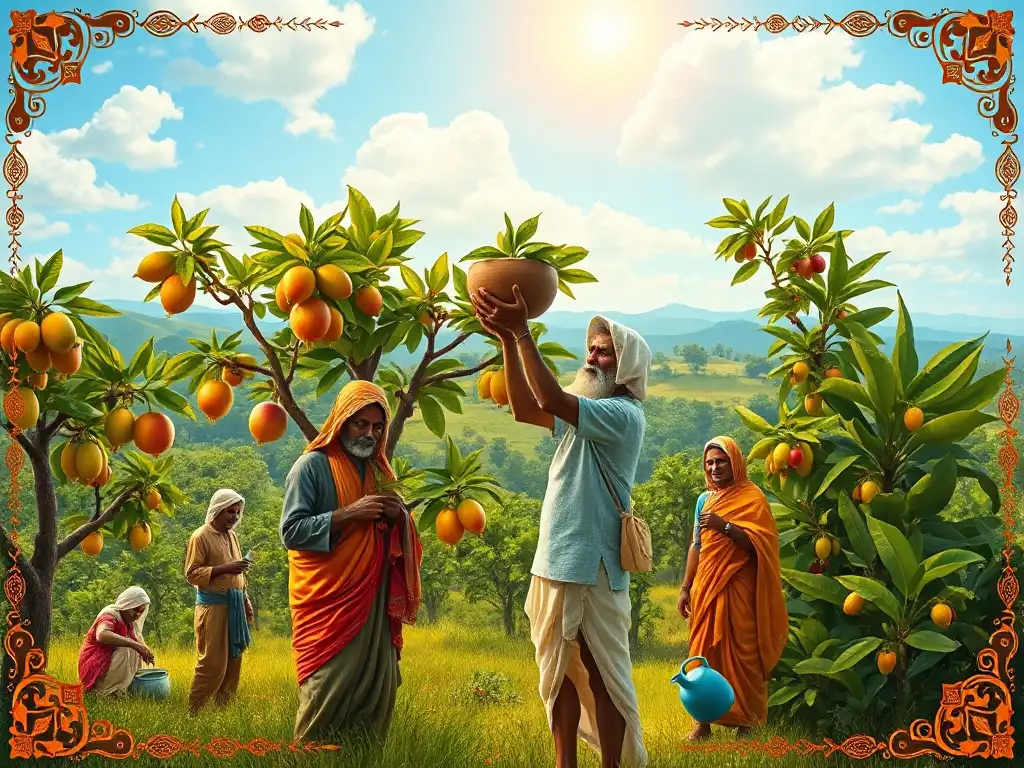
Fruits played a significant role in the diets and cultures of ancient Indian civilizations. The cultivation of fruits was not only a means of sustenance but also a reflection of the agricultural sophistication of the time.
Popular Fruit Varieties Grown in Ancient India
Ancient Indian horticulture included a variety of fruits that were cultivated for their nutritional and medicinal properties. Some of the notable fruit varieties included:
- Mango: Known as the "king of fruits," mangoes were cherished for their sweetness and were often associated with various cultural practices.
- Banana: Widely grown and consumed, bananas were valued for their energy content and health benefits.
- Pomegranate: This fruit was not only consumed but also used in religious rituals, symbolizing prosperity and fertility.
- Citrus Fruits: Oranges and lemons were cultivated for their flavor and preservative qualities.
These fruits were integral to the ancient Indian diet and were often featured in art and literature.
Techniques for Growing and Harvesting Fruits
The cultivation and harvesting of fruits in ancient India involved several specialized techniques:
- Grafting: This method was used to propagate superior fruit varieties, ensuring better yields and quality.
- Pruning: Regular pruning of fruit trees helped manage growth and improve fruit production by allowing more sunlight to reach the branches.
- Timing of Harvest: Farmers carefully monitored the ripening process and harvested fruits at the optimal time to ensure maximum flavor and shelf life.
These techniques demonstrated the advanced understanding of horticulture that ancient Indian farmers possessed.
Preservation Methods for Fruits in Ancient Times
To ensure a year-round supply of fruits, ancient Indians developed several preservation methods:
- Drying: Fruits were often sun-dried to remove moisture, extending their shelf life significantly.
- Pickling: Fruits were preserved in brine or vinegar, allowing them to be stored for long periods without spoiling.
- Jams and Jellies: Techniques for making fruit preserves helped retain flavors and nutrients while providing a sweet treat.
These preservation methods not only facilitated storage but also contributed to the culinary diversity of ancient Indian cuisine.
Cultivation of Vegetables in Ancient India
The cultivation of vegetables in ancient India represents a vital aspect of agricultural practices that were deeply intertwined with the region's socio-economic and cultural fabric. Evidence suggests that as early as the Indus Valley Civilization (c. 3300–1300 BCE), people were engaged in systematic farming, which included the cultivation of various vegetables. Archaeological findings indicate the presence of organized farming techniques, including irrigation systems and crop rotation, which were essential for the successful growth of vegetables in the diverse climatic zones of ancient India.
Farmers utilized local knowledge and environmental conditions to select appropriate vegetables that thrived in their specific regions. The importance of vegetables extended beyond mere sustenance; they played a significant role in religious practices and were often used in rituals. Moreover, the dietary customs of ancient Indians were largely influenced by the availability of seasonal vegetables, which contributed to both culinary diversity and nutritional balance.
Common Vegetables Cultivated and Their Uses
In ancient India, a variety of vegetables were cultivated, each with unique flavors and nutritional benefits. Commonly grown vegetables included:
- Lentils (Masoor, Moong): Essential sources of protein, lentils were staples in the ancient Indian diet, often used in soups and curries.
- Squash (Pumpkin, Bottle Gourd): These were not only consumed but also featured in traditional medicine for their health benefits.
- Brinjal (Eggplant): A favored vegetable, brinjal was often included in various dishes and is known for its antioxidant properties.
- Spinach and other leafy greens: These vegetables were valued for their high iron content and were used in a range of preparations.
- Onions and Garlic: These were cultivated for their flavor-enhancing properties and were believed to possess medicinal qualities.
Each vegetable had specific uses, whether for culinary purposes, medicinal applications, or ritualistic significance, showcasing the sophisticated understanding of horticulture among ancient Indian civilizations.
Ancient Indian Techniques for Vegetable Farming
Ancient Indian horticulture techniques were characterized by innovative practices that enhanced crop yields and sustainability. Some key techniques included:
- Irrigation Systems: The construction of wells, canals, and reservoirs facilitated the efficient use of water, allowing farmers to cultivate crops in arid regions.
- Crop Rotation: This practice helped maintain soil fertility and control pests, ensuring a sustainable yield over seasons.
- Intercropping: By planting different vegetables together, farmers maximized space and resources while reducing the risk of total crop failure.
- Natural Fertilizers: The use of compost and organic matter enriched the soil, promoting healthy plant growth without relying on chemical inputs.
- Traditional Pest Control: Ancient texts suggest the use of neem leaves and other natural substances to deter pests, highlighting an early understanding of ecological balance.
These techniques reflect a deep knowledge of agricultural science, showcasing the ingenuity of ancient Indian farmers in adapting to their environment.
Seasonal Planting Strategies for Vegetables
The seasonal planting strategies employed by ancient Indian farmers were crucial for optimizing crop yields. Farmers carefully observed the monsoon patterns and seasonal changes to determine the best planting times. Key strategies included:
- Kharif Season: Traditionally, crops such as beans, cucumbers, and gourds were planted during the monsoon season (June to September) when rainfall was abundant.
- Rabi Season: This season (October to March) saw the planting of crops like lentils, peas, and mustard, taking advantage of the cooler and drier conditions.
- Sowing Techniques: Farmers often used seed beds to grow seedlings before transplanting them, ensuring better survival rates and healthier plants.
- Harvesting Cycles: Understanding the growth cycles of vegetables allowed farmers to stagger planting, ensuring a continuous supply of fresh produce throughout the year.
This seasonal awareness not only optimized agricultural productivity but also sustained the communities dependent on these crops for food security.
The Role of Ayurveda in Ancient Horticulture
Ayurveda, the ancient Indian system of medicine, played a significant role in the practices of horticulture during ancient times. The integration of horticultural knowledge with Ayurvedic principles fostered a holistic approach to health and well-being. Ancient texts, such as the Charaka Samhita and Sushruta Samhita, emphasized the medicinal properties of various plants and vegetables that were cultivated.
The philosophy of Ayurveda advocated for a balanced diet, which included a variety of vegetables known for their health benefits. This interconnection between horticulture and health led to the cultivation of specific plants that were deemed beneficial in treating ailments and promoting overall wellness.
Integrating Medicinal Plants in Horticultural Practices
Ancient Indian horticulture was distinguished by the integration of medicinal plants alongside vegetables, creating a diverse and health-promoting farming system. Farmers cultivated herbs such as:
- Tulsi (Holy Basil): Valued for its anti-inflammatory and antioxidant properties, it was often grown in home gardens.
- Turmeric: Recognized for its healing properties, turmeric was a staple in both cooking and traditional medicine.
- Amla (Indian Gooseberry): A rich source of vitamin C, amla was used for its rejuvenating properties and was commonly included in diets.
This integration ensured that households had access to both nutritional and medicinal resources, contributing to the overall health of the community.
The Relationship Between Horticulture and Health in Ancient Indian Culture
The relationship between horticulture and health in ancient Indian culture was deeply rooted in the belief that food is medicine. The cultivation of vegetables and medicinal plants was not merely for sustenance; it was an integral part of holistic health practices. Ancient texts highlighted the importance of seasonal vegetables in promoting balance within the body, aligning with the principles of Ayurveda.
Furthermore, festivals and rituals often celebrated the harvest, reinforcing the cultural significance of horticulture. These practices fostered a sense of community and connection to the land, emphasizing the importance of nature in maintaining health and wellness. The legacy of this relationship continues to influence contemporary practices in Indian horticulture and health, underscoring the timeless wisdom of ancient agricultural techniques.
Technological Innovations in Ancient Indian Horticulture
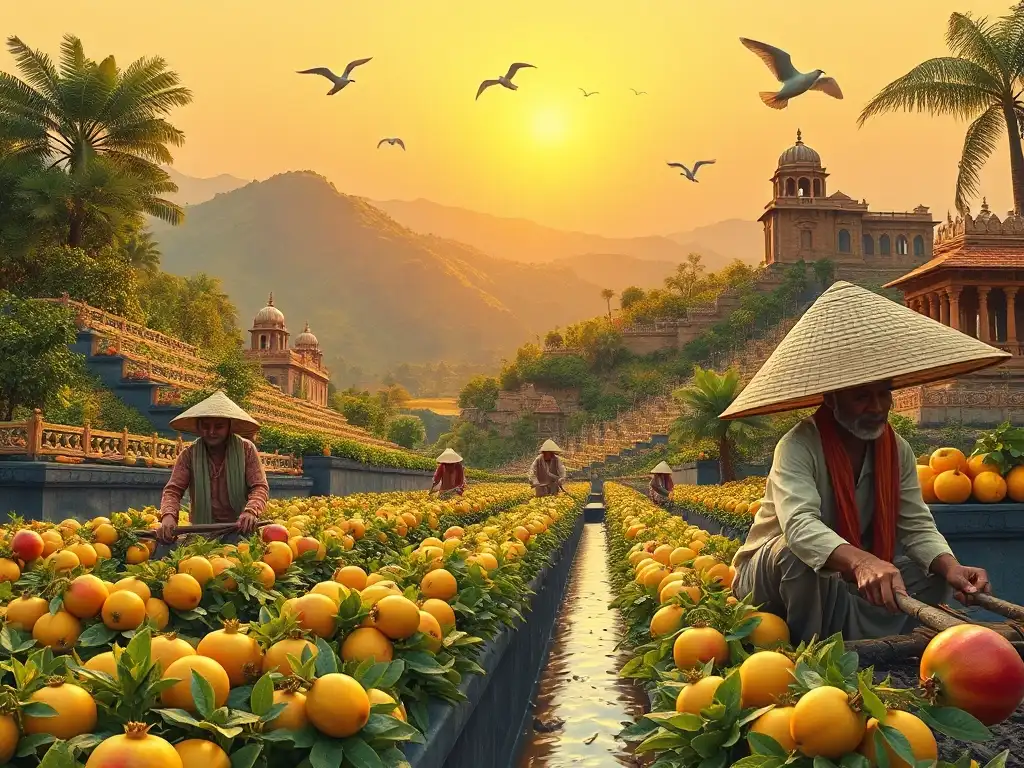
Ancient Indian horticulture was characterized by a range of innovative techniques that laid the foundation for sustainable farming practices. One of the most notable advancements was the development of irrigation systems, which included canals, wells, and tanks. These systems allowed for more controlled water distribution, enabling farmers to cultivate crops in diverse climates and terrains.
Additionally, ancient Indian horticulturists employed crop rotation and intercropping methods. This not only improved soil fertility but also reduced the risk of pest infestations and diseases. The use of organic fertilizers, such as compost and green manure, was prevalent, enriching the soil without harming the environment. These practices reflected a deep understanding of ecological balance, ensuring the sustainability of agricultural systems.
Another significant innovation was the use of raised beds and terracing in hilly regions. This technique minimized soil erosion and maximized sunlight exposure, improving crop yields. Collectively, these technological innovations demonstrate the sophistication of ancient Indian horticultural practices and their alignment with environmental stewardship.
Tools and Implements Used in Ancient Farming
The tools and implements used in ancient Indian horticulture were crucial for efficient farming and cultivation. Farmers utilized a variety of hand tools, primarily made of durable materials such as wood and metal. Key implements included:
- Ploughs: Wooden ploughs, often pulled by oxen, were instrumental in tilling the soil. The design of these ploughs varied across regions, tailored to specific types of soil and crops.
- Sickles: Sharp sickles were essential for harvesting crops. Their curved design allowed for efficient cutting of grains and vegetables.
- Hoed and Spades: Used for digging and loosening the soil, these tools facilitated the preparation of land for planting.
- Irrigation Tools: Simple devices like waterwheels and pots were employed to transport water from rivers and wells to the fields.
These implements not only enhanced productivity but also reflected the ingenuity of ancient craftsmen, who adapted tools to meet the demands of their local environments.
Advancements in Seed Selection and Propagation Techniques
Seed selection and propagation techniques in ancient India were remarkably advanced for their time. Farmers practiced selective breeding, choosing seeds from the healthiest and most productive plants. This method ensured the cultivation of resilient crop varieties better suited to local conditions.
The concept of seed banks emerged, where seeds were stored to maintain genetic diversity and safeguard against crop failures. Techniques such as grafting and layering were also employed to propagate fruit trees, enhancing both yield and fruit quality.
Furthermore, ancient texts such as the "Krishi Parashara" outlined various methods for seed treatment and soil preparation, underscoring the systematic approach to agriculture in ancient India. These practices not only ensured food security but also fostered an understanding of genetic improvement in crops, laying the groundwork for modern agricultural science.
Conclusion
The science of ancient Indian horticulture reveals a rich tapestry of knowledge and techniques that have significantly influenced agricultural practices. The innovations in irrigation, tools, and seed selection showcase the advanced understanding of farming that existed thousands of years ago.
The Legacy of Ancient Indian Horticulture Techniques Today
The techniques developed during ancient times continue to resonate in contemporary horticulture. Many traditional practices, such as organic farming and crop rotation, are being revived as sustainable alternatives in modern agriculture. The emphasis on biodiversity and ecological balance remains relevant, reflecting the wisdom of ancient agriculturalists.
Today, permaculture and agroecology movements draw inspiration from these age-old practices, emphasizing the importance of harmony between farming and nature. The preservation and adaptation of these techniques ensure that future generations can benefit from the insights gained by ancient Indian horticulturists.
Importance of Preserving Traditional Horticultural Knowledge
Preserving traditional horticultural knowledge is vital for several reasons. It fosters biodiversity, ensuring a variety of crops that can withstand climate changes and pests. Additionally, these practices often promote sustainable land use, which is increasingly important in the face of modern agricultural challenges.
Furthermore, traditional knowledge is a cultural treasure, encapsulating the relationship between communities and their environment. By maintaining these practices, societies can honor their heritage while adapting to contemporary demands. Efforts to document and teach these techniques can empower local farmers, ensuring that the wisdom of ancient Indian horticulture continues to thrive.
References
Key Texts and Resources on Ancient Indian Horticulture
-
"The Horticulture of Ancient India" by R.C. Sharma
This comprehensive book outlines the various horticultural practices in ancient India, focusing on both the cultivation techniques and the significance of fruits and vegetables in Indian society.
-
"Agriculture in Ancient India" by V. S. Sharma
This text delves into the agricultural practices of ancient India, detailing the tools, methods, and scientific approaches that were employed, including the cultivation of fruits and vegetables.
-
"Botanical History of Ancient India" by S. K. Gupta
An insightful resource that explores the botanical diversity of ancient India, discussing how horticultural practices contributed to the development of various plant species, especially in the context of dietary and medicinal uses.
-
"Indian Agriculture: A Historical Perspective" by P. R. Reddy
This book provides a historical overview of Indian agriculture, including a section dedicated to horticultural techniques utilized in ancient times, emphasizing their evolution and relevance in contemporary practices.
-
"The Role of Agriculture in Ancient Indian Economy" by A. Sharma
This resource examines how horticulture played a crucial role in the economic framework of ancient India, highlighting the interdependence between agriculture and trade.
Suggested Further Reading on Agricultural Innovations in Ancient India
-
"Ancient Indian Science and Technology" by R. Sharma
This book offers a broader view of technological advancements in ancient India, including innovations in agriculture that led to improved horticultural practices.
-
"The Agricultural Revolution in Ancient India" by M. K. Tripathi
A detailed exploration of the shifts in agricultural techniques throughout ancient Indian history, discussing the impact of these changes on horticulture.
-
"Fruits and Vegetables in Ancient Indian Culture" by N. S. Mehta
This text examines the cultural significance of fruits and vegetables in ancient India, providing insights into how horticulture influenced daily life and rituals.
-
"Sustainable Agricultural Practices in Ancient India" by J. D. Singh
A study focusing on the sustainable practices adopted in ancient horticulture, detailing methods that are relevant to modern sustainable agriculture.
-
"The Science of Horticulture: Ancient Techniques and Their Modern Relevance" by T. K. Rao
This book discusses ancient horticultural techniques and how they can inform current practices, emphasizing the continuity and evolution of these techniques over time.
- Introduction to Ancient Indian Horticulture
- Historical Context of Ancient Indian Horticulture Techniques
- Key Ancient Indian Horticulture Techniques
- Cultivation of Fruits in Ancient India
- Cultivation of Vegetables in Ancient India
- The Role of Ayurveda in Ancient Horticulture
- Technological Innovations in Ancient Indian Horticulture
- Conclusion
- References
- What were the primary horticulture techniques used in ancient India?
- How did ancient Indians manage water resources for horticulture?
- What types of fruits and vegetables were commonly grown in ancient India?
- How did ancient Indian horticulture impact cultural practices?
- What contributions did ancient Indian horticulture make to modern agriculture?
Frequently Asked Questions
What were the primary horticulture techniques used in ancient India?
Ancient Indian horticulture relied on irrigation, crop rotation, and companion planting to maximize yields and maintain soil fertility.
How did ancient Indians manage water resources for horticulture?
Ancient Indian civilizations developed sophisticated canal systems and water harvesting techniques to ensure efficient irrigation for their crops.
What types of fruits and vegetables were commonly grown in ancient India?
Farmers cultivated a variety of fruits and vegetables, including mangoes, pomegranates, cucumbers, and various legumes, enhancing their diets and trade.
How did ancient Indian horticulture impact cultural practices?
The practices of growing fruits and vegetables influenced festivals, religious rituals, and culinary traditions, embedding horticulture deeply into the cultural fabric of society.
What contributions did ancient Indian horticulture make to modern agriculture?
Ancient Indian horticulture laid the groundwork for sustainable farming practices and introduced techniques that continue to shape agricultural methods today.
Final Reflection: The Timeless Wisdom of Ancient Indian Horticulture
The techniques of ancient Indian horticulture are not just relics of the past; they resonate profoundly in today's world, where sustainable practices are more crucial than ever. As we grapple with modern agricultural challenges, the wisdom embedded in these ancient methods offers a beacon of hope and guidance. The intricate balance between nature and cultivation that our ancestors mastered is a lesson we must heed in our quest for sustainable food systems.
The influence of ancient Indian horticulture techniques extends far beyond mere agricultural practices; they shape our cultural identity and connection to the land. These techniques remind us of the importance of biodiversity, soil health, and community involvement in farming. As we embrace these principles, we can cultivate not only our gardens but also a deeper appreciation for our environment. To forget how to dig the earth and to tend the soil is to forget ourselves.
– Mahatma Gandhi.
As we reflect on the lessons from ancient Indian horticulture, let us challenge ourselves to integrate these practices into our lives. Consider how you can cultivate your own garden, whether it be a small balcony herb garden or a community vegetable plot. Embrace the spirit of sustainability and stewardship that these ancient techniques embody, and in doing so, nurture not just the earth but also your connection to it. The future of horticulture lies in our hands, and by learning from the past, we can grow a more sustainable and harmonious world.
Unveil the Secrets of Ancient Indian Horticulture!
Thank you for taking the time to explore the fascinating world of ancient Indian horticulture! We hope you gained valuable insights into how our ancestors cultivated various fruits and vegetables, enhancing their diets and rituals. Now, it's time to take that knowledge and put it into action!
Here’s how you can connect with this rich tradition:
- Start your own garden using traditional techniques: Research specific methods from the article, then select a few fruits or vegetables to grow at home.
- Join local gardening groups or online forums to share your journey and learn from others. Connecting with fellow gardening enthusiasts can significantly enrich your experience!
- Consider creating a community garden to apply these ancient principles with your neighbors and foster a sense of community.
What ancient gardening techniques are you excited to try in your own space? Share your thoughts below!