
How Ancient Indian Innovations in Agriculture Promoted Food Security


Welcome to Ancient India History, where we delve into the rich tapestry of one of the world's most fascinating civilizations. Today, we invite you to uncover the remarkable ancient Indian agricultural innovations that not only transformed farming practices but also laid the groundwork for food security in an ever-evolving society. What secrets did these early pioneers hold that allowed them to thrive in diverse landscapes?
Join us on this journey as we explore the ingenuity and resilience of ancient Indian cultures, and discover how their innovations continue to influence modern agriculture. Dive into the article to unlock the past and understand its impact on our present!
- Introduction to Ancient Indian Agricultural Innovations
- Key Innovations in Ancient Indian Agriculture
- The Role of Ancient Indian Agricultural Innovations in Food Security
- Case Studies of Successful Agricultural Practices
- Conclusion
- References
-
Frequently Asked Questions
- What were some key ancient Indian agricultural innovations?
- How did these innovations impact food security in ancient India?
- Did ancient Indian civilizations practice sustainable agriculture?
- What role did the Indus Valley Civilization play in agricultural advancements?
- How did the Gupta Empire contribute to agricultural techniques?
- Final Reflection: The Enduring Legacy of Ancient Indian Agricultural Innovations
- Unveil the Secrets of Ancient Agricultural Wisdom!
Introduction to Ancient Indian Agricultural Innovations
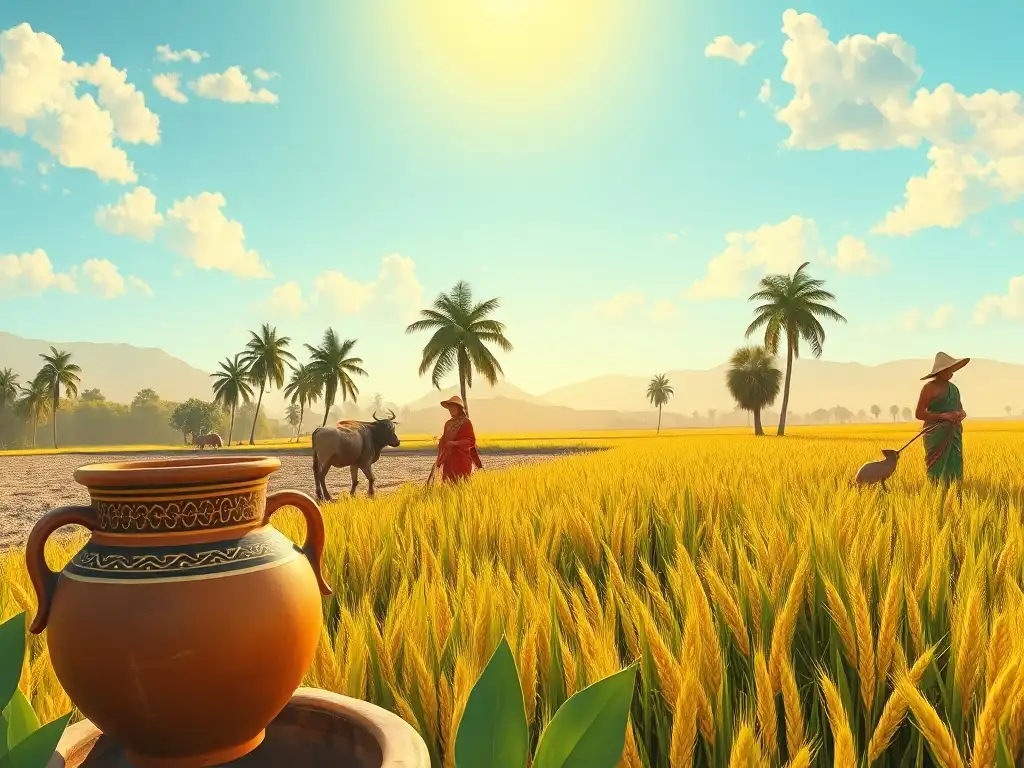
Exploring the landscape of ancient Indian civilizations reveals an impressive array of agricultural innovations that played a pivotal role in shaping food security and sustaining populations. From the fertile plains of the Indus Valley to the expansive fields of the Gupta Empire, ancient Indian agricultural practices evolved significantly, integrating advanced techniques and knowledge that not only boosted crop yields but also contributed to the socio-economic development of the region. This article delves into the remarkable ancient Indian agricultural innovations that transformed farming practices, ensured food availability, and laid the groundwork for future advancements in agriculture.
Overview of Ancient Indian Agriculture
Ancient India was characterized by a diverse range of climates and geographical features, leading to a variety of agricultural practices tailored to local conditions. The advent of agriculture in the Indus Valley Civilization around 2500 BCE marked a turning point, as communities began to cultivate crops such as wheat, barley, and pulses. Key innovations included:
- Irrigation Systems: The development of sophisticated irrigation techniques allowed ancient Indian farmers to harness water resources effectively. Canals and reservoirs were constructed to channel water from rivers, enabling year-round cultivation.
- Crop Rotation: Farmers practiced crop rotation to maintain soil fertility and maximize yields. This method involved alternating different crops in a specific sequence, which helped prevent soil depletion and pest infestations.
- Tool Advancements: The introduction of new agricultural tools, such as the plow, significantly enhanced farming efficiency. Made from wood and later iron, these tools helped till the soil more effectively, leading to increased productivity.
- Fertilization Techniques: Ancient Indian agronomists employed organic fertilizers, such as compost and manure, to enrich the soil. This practice not only improved crop health but also contributed to sustainable farming.
The integration of these innovations underscores the ingenuity of ancient Indian societies in adapting to their environment and optimizing agricultural output.
Importance of Food Security in Ancient Civilizations
Food security has always been a cornerstone of civilization development, and ancient India was no exception. The ability to produce sufficient food not only supported population growth but also stimulated trade and cultural exchange. Key aspects of food security in ancient Indian contexts include:
- Population Sustainability: With reliable food sources, communities could flourish, leading to urbanization and the rise of complex societies. The stability provided by agricultural abundance enabled populations to grow, fostering social structures and governance.
- Economic Prosperity: Agricultural innovations contributed to economic stability by enabling surplus production. Surplus crops allowed for trade with neighboring regions, facilitating cultural exchanges and the development of markets.
- Cultural Developments: Food security also influenced cultural practices, from the establishment of festivals centered around harvests to the creation of culinary traditions that remain influential today. This cultural richness is a testament to the interdependence of agriculture and societal evolution.
- Challenges and Adaptations: Ancient civilizations faced numerous challenges, including droughts and floods. Innovations in agriculture, such as drought-resistant crops and improved storage techniques, were critical in mitigating these risks and ensuring food availability.
The agricultural innovations of ancient India not only promoted food security but also played an essential role in the growth and sustainability of its civilizations. Understanding these developments provides valuable insights into the foundational aspects of agricultural practices that continue to influence modern farming techniques today.
Key Innovations in Ancient Indian Agriculture

Ancient Indian agricultural innovations played a crucial role in establishing the foundations of food security and sustainable farming practices. These innovations not only enhanced crop yields but also significantly impacted the socio-economic structure of ancient Indian societies. Below, we explore two major innovations: irrigation systems and crop rotation.
Development of Irrigation Systems
The development of irrigation systems marked a transformative phase in ancient Indian agriculture. The adaptation of water management techniques allowed civilizations to cultivate land that would otherwise remain barren due to inadequate rainfall.
Types of Irrigation Techniques Used
-
Canal Irrigation:
Ancient Indians constructed extensive canal systems, diverting water from rivers to irrigate fields. This technique was especially prevalent in the Indus Valley Civilization, where canals facilitated the cultivation of wheat and barley.
-
Stepwells:
Stepwells served as reservoirs that collected rainwater, making it available for irrigation during dry spells. These structures were ingeniously designed with steps leading down to the water, allowing easy access for farmers.
-
Tank Systems:
In regions with variable rainfall, farmers built tanks or ponds to capture and store rainwater. This method proved effective in southern India, where tanks were essential for rice cultivation.
-
Drip Irrigation:
Although primitive, early forms of drip irrigation were practiced using clay pots, known as kharat, which slowly released water into the soil. This technique minimized water wastage and ensured the efficient use of available resources.
Impact on Crop Yields and Food Security
The implementation of these irrigation systems had a profound impact on crop yields. For instance, the ability to irrigate fields year-round led to multiple cropping cycles. This not only increased the total output of staple crops but also diversified agricultural production.
- Increased Food Availability: Enhanced irrigation techniques resulted in surplus production, which was crucial in supporting growing populations and urban centers.
- Stability Against Drought: With reliable irrigation, farmers were less vulnerable to fluctuations in monsoon rains, thus securing food supplies even in drought years.
Introduction of Crop Rotation
Another significant innovation in ancient Indian agriculture was the practice of crop rotation. This method involved alternating different crops in the same field across seasons, optimizing the use of land and resources.
Explanation of Crop Rotation Practices
Farmers in ancient India understood the importance of soil health and nutrient management. They rotated crops such as pulses, cereals, and oilseeds, a practice that helped maintain soil fertility.
- Leguminous Plants: The inclusion of legumes, which fix nitrogen in the soil, was a common practice. Crops like chickpeas and lentils were often alternated with cereals, enriching the soil for subsequent plantings.
- Seasonal Rotation: Farmers practiced seasonal crop rotation, growing warm-weather crops in summer and cool-weather varieties in winter, effectively utilizing the growing seasons.
Benefits of Crop Rotation on Soil Fertility
The benefits of crop rotation on soil fertility were significant:
- Nutrient Management: Rotating crops improved the availability of essential nutrients, reducing the need for synthetic fertilizers. This sustainable approach preserved the land’s productivity over generations.
- Pest and Disease Control: Different crops have varying susceptibility to pests and diseases. By rotating crops, farmers minimized the risk of infestations, promoting healthier yields.
- Soil Structure Improvement: Diverse root systems from various crops contributed to better soil structure and aeration, enhancing water infiltration and reducing erosion.
Ancient Indian agricultural innovations such as sophisticated irrigation systems and effective crop rotation practices fostered food security and laid the groundwork for sustainable agricultural practices that are still relevant today.
The Use of Fertilizers and Manures
Ancient Indian agricultural practices were significantly enhanced by the innovative use of fertilizers and manures, which played a crucial role in sustaining soil fertility and improving crop yields. The ancient agrarians understood the importance of enriching the soil, leading to the development of various organic fertilizers derived from natural sources. The integration of these fertilizers not only contributed to improved crop production but also established a sustainable agricultural system that could support growing populations.
Farmers in ancient India primarily utilized animal waste, plant residues, and other organic materials to create nutrient-rich fertilizers. This practice reflected an early understanding of ecological balance, where waste was recycled back into the soil, promoting a cycle of growth and replenishment. The effective application of these organic fertilizers became a cornerstone of agricultural success, allowing ancient Indian civilizations to thrive.
Types of Organic Fertilizers in Ancient India
The ancient Indian agricultural system employed several types of organic fertilizers, each derived from various sources:
- Animal Manure: Cow dung was the most commonly used fertilizer, valued for its high nutrient content and ability to improve soil structure. It was often mixed with straw or other plant materials to enhance its effectiveness.
- Green Manure: Farmers practiced the cultivation of specific plants, such as leguminous crops, which were later plowed back into the soil to increase nitrogen levels.
- Compost: Organic waste from kitchens and fields was composted, creating nutrient-rich soil amendments that improved microbial activity and soil health.
- Biochar: Charcoal made from the burning of organic materials was also used, providing a stable form of carbon that improved soil fertility and water retention.
These organic fertilizers were not only effective in enhancing soil fertility but also contributed to a sustainable agricultural ecosystem that minimized reliance on chemical inputs.
Role of Fertilizers in Enhancing Crop Production
The strategic use of fertilizers and manures in ancient India played a pivotal role in enhancing crop production. By replenishing essential nutrients in the soil, these organic amendments led to increased yields of staple crops such as rice, wheat, and pulses. The following points highlight the significance of fertilizers in ancient Indian agriculture:
- Soil Fertility Maintenance: Regular application of organic fertilizers helped maintain soil health, ensuring the long-term productivity of agricultural lands.
- Nutrient Supply: Fertilizers provided critical nutrients such as nitrogen, phosphorus, and potassium, which are vital for plant growth and development.
- Increased Crop Diversity: Enhanced soil fertility allowed farmers to experiment with different crops, leading to greater agricultural diversity and resilience against pests and diseases.
- Sustainability: The use of organic fertilizers promoted sustainable farming practices, reducing the need for synthetic chemicals and preserving the environment.
Overall, the innovative use of fertilizers and manures was instrumental in promoting food security in ancient India, laying the groundwork for future agricultural practices.
Domestication of Plants and Animals
The domestication of plants and animals marked a significant turning point in ancient Indian agriculture, leading to the establishment of stable food sources and the growth of civilizations. This process involved selecting and cultivating specific species that displayed desirable traits, such as higher yields, better taste, and enhanced resilience to environmental conditions. The domestication of both plants and animals contributed to the evolution of agricultural practices and the development of complex societies.
Major Crops Domesticated in Ancient India
Ancient Indian farmers were pioneers in the domestication of various crops, which became staples in their diets and contributed to economic stability. Key crops included:
- Rice: Domesticated in the fertile river valleys, rice became a primary food source, vital for sustenance and cultural identity.
- Wheat: Wheat cultivation spread across the northern plains, providing nourishment and facilitating trade within and beyond ancient Indian territories.
- Barley: Known for its hardiness, barley was utilized for both food and animal feed, adapting well to diverse climatic conditions.
- Pulses: Various legumes, including lentils and chickpeas, were domesticated for their high protein content, complementing the diets of ancient communities.
The successful domestication of these crops not only ensured food security but also contributed to the rise of agrarian economies in ancient India.
Significance of Animal Husbandry in Agricultural Practices
Animal husbandry played an essential role in ancient Indian agricultural practices, complementing crop cultivation and enhancing productivity. The domestication of animals such as cattle, goats, and sheep provided multiple benefits:
- Draft Power: Domesticated animals were utilized for plowing fields and transporting goods, increasing efficiency in agricultural operations.
- Organic Fertilizer Production: Animal waste was a valuable resource for creating organic fertilizers, enriching the soil and promoting sustainable farming practices.
- Food Source: Livestock provided meat, milk, and other products, contributing to the nutritional needs of the population.
- Economic Activity: The trade of livestock and animal products became an important economic activity, facilitating exchange and commerce within ancient societies.
The integration of animal husbandry with agriculture played a significant role in enhancing food security and supporting the growth of ancient Indian civilizations.
The Role of Ancient Indian Agricultural Innovations in Food Security
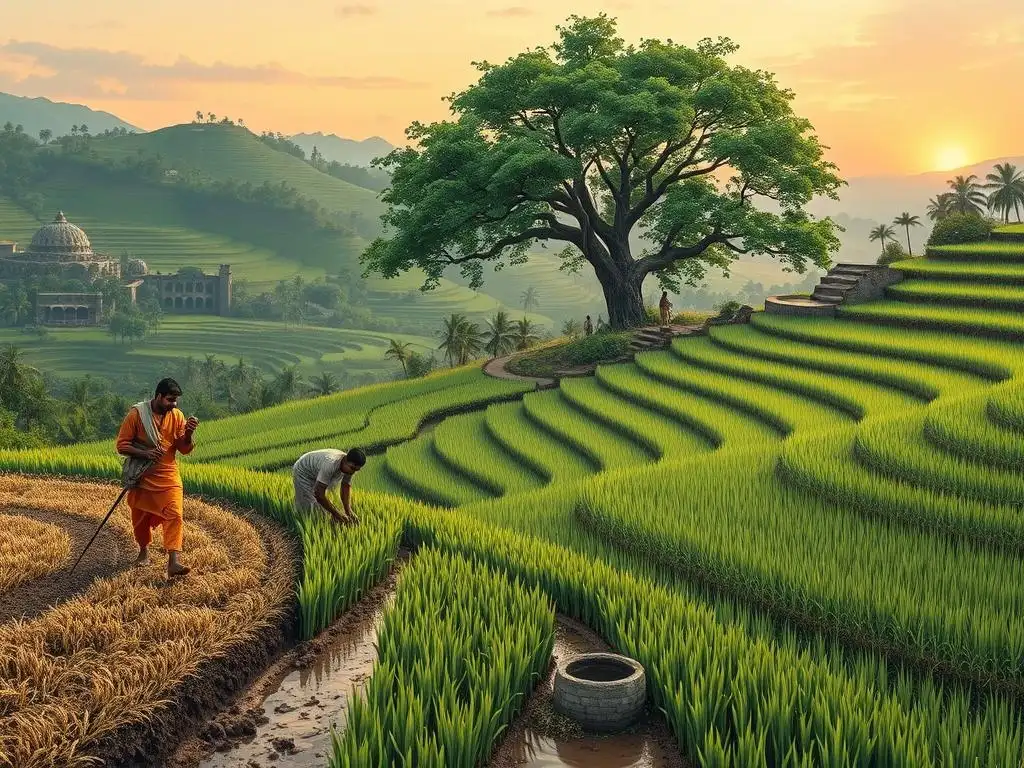
Ancient Indian agricultural innovations played a pivotal role in ensuring food security for growing populations. By developing advanced techniques and methods, ancient Indian civilizations significantly enhanced crop yields, diversified agricultural practices, and improved the overall sustainability of their food systems. These innovations laid the foundation for a robust agricultural economy, which was essential for the stability and growth of ancient Indian societies.
Supporting Population Growth through Increased Food Production
One of the most significant impacts of ancient Indian agricultural innovations was their ability to support population growth. With the introduction of techniques such as crop rotation, intercropping, and improved irrigation systems, agricultural productivity surged. For instance, the use of the plough allowed for deeper tilling of the soil, which not only improved aeration but also enhanced nutrient absorption.
- Crop Rotation: By rotating different crops, farmers could maintain soil fertility and reduce pest infestations, leading to more consistent yields.
- Intercropping: Planting multiple crops in proximity maximized space and resources, allowing farmers to diversify their diets and reduce the risk of total crop failure.
These practices resulted in a surplus of food, which not only fed larger populations but also facilitated urbanization as communities could support a growing number of inhabitants. The surplus food production also allowed societies to develop specialized roles beyond agriculture, leading to advancements in trade and culture.
Contribution to Trade and Economic Stability
The agricultural innovations of ancient India were integral to the development of trade networks and economic stability. As food production increased, surplus crops became a valuable commodity that could be traded with neighboring regions. This fostered economic interdependence and cultural exchange, enhancing the prosperity of various communities.
| Agricultural Innovation | Impact on Trade |
|---|---|
| Improved Irrigation Systems | Enabled cultivation of cash crops, such as cotton and spices, which were highly sought after. |
| Use of Granaries | Allowed for the storage of surplus grain, making it possible to trade during lean seasons. |
The establishment of markets and trade routes facilitated the exchange of agricultural products, boosting local and regional economies. This economic stability contributed to the overall strength of ancient Indian civilizations, allowing them to thrive even in challenging times.
Ancient Indian agricultural innovations also had a profound effect on social structures and community living. As agricultural practices improved, societies became more organized, leading to the formation of complex social hierarchies.
- Community Cooperation: Innovations such as communal irrigation systems required collaboration among farmers, fostering a sense of community and shared responsibility.
- Land Ownership: The increase in agricultural productivity led to the emergence of land ownership, which influenced social stratification and the establishment of power dynamics within communities.
Moreover, with the availability of food and the development of agricultural surplus, communities could support artisans, traders, and scholars, enriching the cultural tapestry of ancient India. This interdependence between agriculture and societal development underscores the significance of ancient Indian agricultural innovations in shaping the history and culture of the region.
The agricultural innovations of ancient India were crucial for promoting food security, supporting population growth, enhancing trade, and influencing social structures. These advancements not only ensured the survival of ancient civilizations but also laid the groundwork for future developments in agriculture and society.
Case Studies of Successful Agricultural Practices

Ancient Indian agricultural innovations laid the foundation for sustainable farming practices, significantly contributing to food security and economic stability throughout various civilizations. This section explores two critical periods in ancient India—the Indus Valley Civilization and the Gupta Empire—highlighting their successful agricultural practices and innovations.
The Indus Valley Civilization
The Indus Valley Civilization (approximately 3300–1300 BCE) is renowned for its advanced urban planning and sophisticated agricultural methods. The fertile plains of the Indus River supported a thriving agricultural economy, which was pivotal in sustaining its large population.
Agricultural Techniques and Their Success
The agricultural techniques employed by the Indus Valley civilization were diverse and highly effective. Here are some key innovations:
- Irrigation Systems: The Indus Valley farmers developed an intricate network of canals and reservoirs. This system enabled them to manage water resources efficiently, ensuring a consistent supply for their crops despite seasonal variations.
- Crop Rotation: To maintain soil fertility, farmers practiced crop rotation, alternating the cultivation of different crops. This method helped prevent soil depletion and pest buildup, enhancing overall yield.
- Domestication of Crops: The civilization was instrumental in the domestication of various crops, including wheat, barley, and pulses. Evidence suggests that they cultivated these crops in organized fields, leading to surplus production.
- Storage Facilities: The creation of granaries in major urban centers like Mohenjo-Daro and Harappa allowed for the efficient storage of surplus grains. This innovation played a crucial role in food security, enabling the population to withstand periods of drought or crop failure.
These practices not only supported the local population but also facilitated trade with neighboring regions, further enhancing economic stability.
The Gupta Empire
The Gupta Empire (approximately 320–550 CE) is often referred to as the Golden Age of India, marked by significant advancements in various fields, including agriculture. The era witnessed innovative practices that transformed agricultural productivity and social structures.
Innovations in Agriculture and Their Impact on Society
Several key agricultural innovations during the Gupta Empire had profound effects on society:
- Introduction of New Crops: The Guptas expanded the variety of crops cultivated, including rice, sugarcane, and cotton. The introduction of these crops contributed to dietary diversification and boosted trade.
- Improved Plowing Techniques: The use of the ard (a simple wooden plow) was enhanced, allowing deeper soil cultivation. This advancement increased crop yields and made it possible to farm more challenging terrains.
- Fertilization Practices: The Gupta period saw the use of organic fertilizers derived from animal waste and green manure. These practices improved soil health and enhanced productivity, leading to increased agricultural output.
- Agricultural Manuals: Scholars like Kautilya and Varahamihira wrote extensively on agricultural practices, providing guidelines for effective farming. These texts disseminated knowledge on best practices, crop management, and pest control, empowering farmers to optimize their yields.
The agricultural innovations of the Gupta Empire not only ensured food security but also supported a burgeoning trade economy and population growth, ultimately contributing to the overall prosperity of the region.
Through these case studies, we observe how ancient Indian agricultural innovations were pivotal in promoting food security, enhancing societal structures, and laying the groundwork for future advancements in agriculture.
Conclusion

Summary of Ancient Indian Agricultural Innovations
Ancient Indian agricultural innovations were pivotal in shaping the agrarian landscape of the subcontinent. The ingenuity and adaptability of ancient Indian civilizations led to several key practices and technologies that significantly improved crop yields and food security. Some of these innovations include:
- Irrigation Techniques: The development of sophisticated irrigation systems, such as the construction of canals and reservoirs, allowed for the efficient use of water resources. For example, the Indus Valley Civilization is known for its advanced drainage systems and water management techniques, which maximized agricultural productivity.
- Crop Rotation and Diversification: Ancient Indian farmers practiced crop rotation and diversified their crops. This not only improved soil fertility but also reduced the risk of crop failure due to pests or adverse weather conditions. The introduction of legumes in crop rotation is a notable example, as it enhanced nitrogen content in the soil.
- Use of Fertilizers: The application of organic fertilizers, such as compost and manure, was common. This practice not only enriched the soil but also supported sustainable farming methods that maintained ecological balance.
- Selective Breeding: Ancient Indians engaged in selective breeding of crops, allowing them to cultivate varieties that were more resilient to environmental stresses. The domestication of rice, wheat, and pulses in various regions exemplifies this innovative approach to agriculture.
These innovations laid the groundwork for sustainable agricultural practices that thrived for centuries.
Lasting Impact on Modern Agricultural Practices
The agricultural innovations of ancient India have left a profound and lasting impact on modern agricultural practices, emphasizing sustainability and resilience. Many contemporary farming methods can trace their roots back to these ancient techniques. Key areas of influence include:
- Sustainable Practices: Modern organic farming often mirrors ancient practices such as crop rotation and the use of natural fertilizers, which promote soil health and biodiversity.
- Water Management: The principles of ancient irrigation systems continue to inform contemporary water conservation techniques. The use of drip irrigation and rainwater harvesting can be seen as a resurgence of these historical methods that prioritized efficient water use.
- Biodiversity: The importance of cultivating a variety of crops, a practice rooted in ancient India, is increasingly recognized in modern agriculture. This approach enhances ecosystem resilience and reduces dependency on monocultures, which are susceptible to disease and climate change.
- Community-based Agriculture: The communal aspects of ancient agriculture, where local knowledge and collaboration played vital roles, have influenced modern cooperative farming practices and community-supported agriculture initiatives.
By integrating these ancient insights, modern agricultural practices can continue to evolve in ways that address contemporary challenges.
Reflection on the Importance of Historical Innovations in Current Food Security
Understanding historical innovations in agriculture is crucial for addressing current food security challenges. Ancient Indian agricultural innovations not only contributed to the prosperity of early civilizations but also offer valuable lessons for contemporary societies facing issues such as population growth, climate change, and resource scarcity.
- Resilience: Ancient practices highlight the significance of resilience in agriculture. By learning from the adaptive strategies of ancient farmers, modern agriculture can develop systems that better withstand environmental fluctuations and market pressures.
- Sustainability: The focus on sustainable practices in ancient India serves as a reminder of the importance of environmental stewardship in agriculture. By prioritizing sustainability, we can ensure that future generations have access to the resources necessary for food production.
- Cultural Heritage: Recognizing and appreciating the historical context of agricultural innovations fosters a sense of cultural identity and pride. This can inspire current and future generations to innovate while respecting traditional practices.
The rich tapestry of ancient Indian agricultural innovations provides not only a historical perspective but also a roadmap for enhancing food security in the modern world. Emphasizing sustainability, resilience, and the lessons learned from the past will be essential in addressing the complexities of contemporary agricultural challenges.
References

Key Texts and Studies on Ancient Indian Agriculture
The study of ancient Indian agricultural innovations reveals a wealth of knowledge that has greatly influenced food security and agricultural practices throughout history. Here are some key texts and studies that provide insight into these innovations:
-
"The Indus Valley Civilization: A Historical Perspective"
This book explores the agricultural practices of the Indus Valley Civilization, detailing the sophisticated irrigation systems and crop management techniques that allowed for surplus production.
-
"Agricultural Technology in Ancient India"
A comprehensive examination of the various technologies used in ancient Indian agriculture, including plough design, crop rotation, and the domestication of plants and animals.
-
"The Role of Agriculture in Ancient Indian Society"
This study emphasizes the socio-economic aspects of agriculture in ancient India, focusing on how innovations contributed to societal structures and food distribution.
-
"Indian Agriculture: Historical Perspectives and Future Directions"
A detailed analysis that connects historical agricultural practices with modern techniques, illustrating the enduring legacy of ancient innovations.
-
"The Vedic Texts and Agricultural Practices"
This collection of texts discusses the agricultural rituals and practices mentioned in Vedic literature, highlighting the spiritual connection to farming and sustainability.
Additional Resources for Further Reading on Agricultural Innovations
For those interested in delving deeper into the topic of ancient Indian agricultural innovations, the following resources provide further insights and context:
-
Journals and Articles
-
Journal of Historical Agriculture
This journal publishes articles on the history of agriculture, including studies focused on ancient Indian methodologies.
-
Agricultural Science Review
A resource for academic articles that discuss the evolution of agricultural practices, including those from ancient India.
-
-
Documentaries and Lectures
-
"Agriculture in Ancient Civilizations"
A documentary that covers various ancient civilizations, with dedicated segments on India's agricultural innovations.
-
Online Lectures by Historians
Many universities offer free online courses on ancient history that include modules on agricultural practices in ancient India.
-
-
Websites and Online Platforms
-
Ancient India Agricultural History Portal
A dedicated website that compiles research, articles, and resources on the agricultural practices of ancient India.
-
Cultural Heritage of India
This platform provides information about the contributions of ancient Indian civilizations, including their agricultural innovations.
-
Exploring these resources will enhance your understanding of how ancient Indian agricultural innovations not only shaped the historical landscape but also contributed to long-term food security and agricultural sustainability.
Frequently Asked Questions
What were some key ancient Indian agricultural innovations?
Ancient India saw significant innovations such as crop rotation, irrigation systems, and the use of ploughs, which greatly enhanced agricultural productivity.
How did these innovations impact food security in ancient India?
These innovations allowed for more efficient farming, leading to increased crop yields and a stable food supply, which directly contributed to food security in various regions.
Did ancient Indian civilizations practice sustainable agriculture?
Yes, many ancient Indian practices, such as permaculture and the use of organic fertilizers, promoted sustainable agriculture, ensuring the land remained fertile over generations.
What role did the Indus Valley Civilization play in agricultural advancements?
The Indus Valley Civilization is known for its advanced drainage systems and granaries, which were crucial for storing surplus grain and supporting a stable agricultural economy.
How did the Gupta Empire contribute to agricultural techniques?
The Gupta Empire advanced agricultural practices through the promotion of scientific farming methods and the development of new crops, enhancing food production and security across the empire.
Final Reflection: The Enduring Legacy of Ancient Indian Agricultural Innovations
The innovations in ancient Indian agriculture are not just relics of the past; they are vital lessons for our contemporary world grappling with food security challenges. As we face an increasing global population and the pressing impacts of climate change, the wisdom embedded in these ancient practices offers a roadmap for sustainable agriculture. The ingenuity of ancient Indian farmers in developing techniques such as crop rotation, irrigation systems, and the use of organic fertilizers underscores the timelessness of their contributions to food security.
The cultural and social landscape continues to be shaped by these innovations, as they resonate with modern movements towards sustainable farming and ecological balance. The principles of biodiversity and resource conservation that were central to ancient Indian agriculture are now being revisited by farmers and policymakers alike. The greatest danger in times of turbulence is not the turbulence; it is to act with yesterday's logic.
This quote reminds us that we must embrace the wisdom of the past while innovating for the future, ensuring that we learn from the sustainable practices that have stood the test of time.
As you reflect on the lessons from ancient Indian agricultural innovations, consider how you can incorporate these principles into your own life or community. Whether it’s supporting local farmers, advocating for sustainable practices, or simply being mindful of your own consumption, every action counts. Let us honor the legacy of those who came before us by committing to a future where food security is not just a goal, but a reality for all.
Unveil the Secrets of Ancient Agricultural Wisdom!
Thank you for exploring the remarkable innovations in ancient Indian agriculture with us! We've uncovered how these pioneering techniques laid the foundation for food security, and now it's your turn to take action.
Here are some ways you can engage further with this fascinating topic:
- Dive Deeper: Research a specific ancient technique discussed in the article and share your findings on social media using the hashtag #AncientAgriculture.
- Start a Conversation: Join our community discussion on applying ancient wisdom to modern agricultural practices. Let’s explore solutions together!
- Share the Knowledge: Forward this article to a friend or family member who is passionate about sustainability and food security. Help spread the word about these historical insights.
Which ancient practices do you believe could benefit today’s agricultural systems, and how would you go about implementing them?