
The Historical Role of Jain Merchants: Economic Contributions in Ancient India

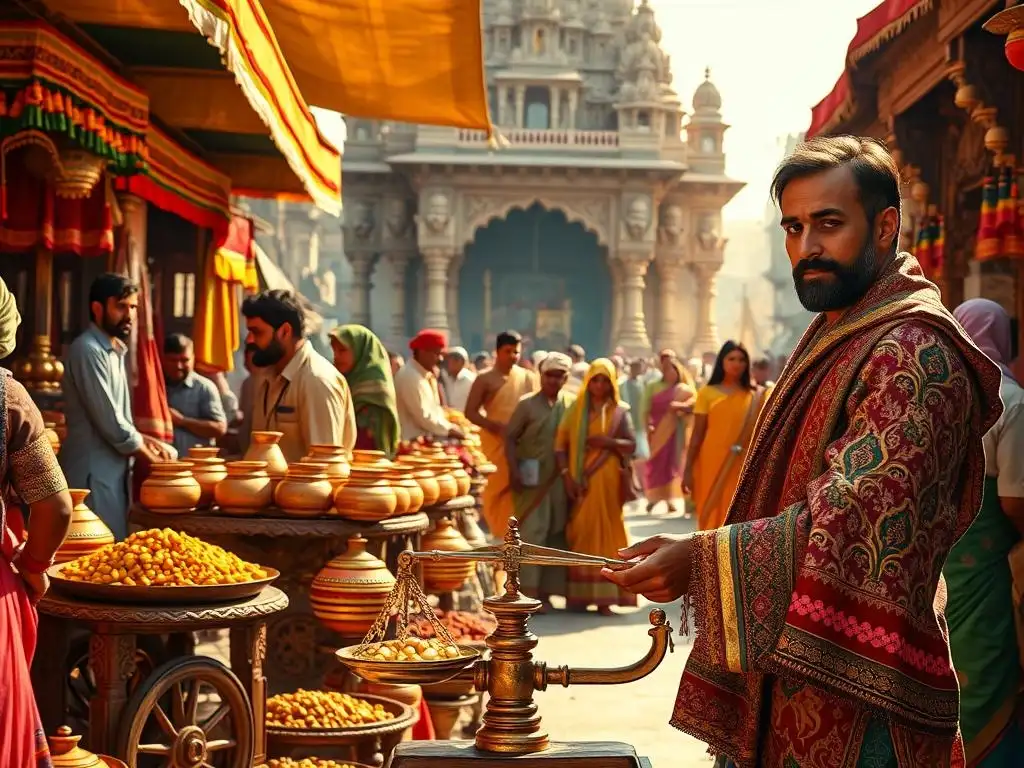
Welcome to Ancient India History, where we embark on a fascinating journey through the vibrant tapestry of ancient Indian civilizations. Today, we delve into the intricate world of Jain merchants in ancient India, whose economic contributions played a pivotal role in shaping trade and commerce. As we uncover the stories of these enterprising individuals, you'll discover how their values and practices not only influenced the marketplace but also left a lasting legacy on the cultural landscape of India.
Prepare to be intrigued as we connect the dots between faith and enterprise, and explore the profound impact of Jainism on the fabric of ancient society. Keep reading to unlock the secrets behind the success of these remarkable merchants!

Introduction to Jain Merchants in Ancient India
The role of Jain merchants in ancient India is a fascinating chapter in the tapestry of Indian history, showcasing how commerce intertwined with religious principles and cultural practices. Jainism, one of the oldest religions in India, emphasizes non-violence, truth, and asceticism, which significantly influenced the ethical framework of its followers, particularly in trade and commerce.
This article explores the profound economic contributions made by Jain merchants from the early days of Indian civilization through to the Gupta Empire, highlighting their pivotal role in shaping trade networks, facilitating economic growth, and fostering cultural exchanges. By examining the historical context, regional activities, and influential merchant families, we can appreciate how Jain merchants not only thrived economically but also upheld the values of their faith in their business practices.
Overview of Jainism and Its Economic Philosophy
Jainism, founded around the 6th century BCE, revolves around the principles of ahimsa (non-violence), satya (truth), and aparigraha (non-attachment). These tenets not only guide the spiritual lives of Jains but also extend to their commercial practices. Jain merchants upheld strict ethical standards in their business dealings, ensuring that their transactions were fair and just. The economic philosophy of Jainism encouraged trade while maintaining a balance between wealth accumulation and ethical living.
- Key Economic Principles of Jainism:
- Non-violence: Jain merchants were known for their aversion to harming living beings, which influenced their choice of goods and methods of transport.
- Truthfulness: Honesty in transactions was paramount, as deceit was considered a violation of their principles.
- Community Support: Many Jain merchants engaged in philanthropy, supporting temples and educational institutions, thereby reinforcing their community ties.
Significance of Jain Merchants in Historical Context
The significance of Jain merchants in ancient India extends beyond mere economic transactions. They played a crucial role in the development of trade routes, both overland and maritime, which facilitated not only the exchange of goods but also ideas, culture, and technological advancements. Their networks connected various regions, promoting commerce and contributing to the prosperity of cities and kingdoms.
- Economic Contributions:
- Expansion of trade routes
- Establishment of trade guilds
- Contributions to urban development and architecture
The Rise of Jain Merchants in Ancient India
Early Historical Context of Jain Merchants
The rise of Jain merchants can be traced back to the early centuries of the Common Era, during a period marked by significant political and economic changes in India. The decline of the Mauryan Empire and the subsequent emergence of regional powers created opportunities for trade and commerce to flourish. Jain merchants capitalized on these opportunities, establishing themselves as key players in the evolving economic landscape.
- Key Historical Developments:
- The emergence of regional kingdoms
- Increased demand for trade due to urbanization
- Integration into broader Indian and international trade networks
Key Regions of Jain Merchant Activity
Jain merchants were predominantly active in several key regions of ancient India, which served as major hubs of trade. These regions not only facilitated commerce but also became centers of cultural and religious exchange.
- Prominent Regions:
- Gujarat: A significant center for maritime trade and commerce.
- Rajasthan: Known for its rich mineral resources and textile trade.
- Karnataka: An important area for agricultural products and spices.
Influential Jain Merchant Families and Their Impact
Throughout history, several Jain merchant families emerged as influential economic powerhouses, shaping trade practices and contributing to the cultural heritage of India. These families often built elaborate temples and supported arts and education, leaving a lasting legacy.
- Notable Jain Merchant Families:
- The Oswals: Known for their contributions to trade and philanthropy.
- The Agarwals: Pioneers in various industries, including textiles and agriculture.
- The Khandelwals: Significant contributors to the banking sector and trade networks.
The impact of these families extended beyond economics, influencing societal norms and cultural developments within their communities and beyond.
Economic Contributions of Jain Merchants
Jain merchants played a pivotal role in the economic landscape of ancient India, significantly influencing trade and commerce. Their contributions were characterized by a strong ethical framework rooted in Jain principles, which emphasized honesty, non-violence, and respect for all forms of life. This ethical stance not only garnered them respect but also established a reputation for reliability in business dealings.
The Jain community was particularly adept in various industries, including textiles, spices, metals, and agriculture. They were known for their entrepreneurial spirit, often venturing into long-distance trade, which connected different regions of India and beyond. By leveraging their extensive networks, Jain merchants facilitated the flow of goods across vast distances, thus enhancing economic interdependence among various cultural and regional groups.
Moreover, Jain merchants often acted as middlemen in trade, linking producers with consumers. This role helped stimulate local economies, leading to the growth of markets and urban areas. Their economic activities were vital in sustaining the livelihoods of countless artisans and farmers, contributing to a vibrant economic ecosystem.
Trade Networks Established by Jain Merchants
The trade networks established by Jain merchants were sophisticated and extensive, often spanning across the Indian subcontinent and reaching into Central Asia, the Middle East, and beyond. These merchants utilized established routes that included land and maritime pathways, facilitating the exchange of a wide array of goods.
Jain merchants often formed guilds, known as "shrenis," which served as organizations to protect their interests and regulate trade practices. These guilds not only provided a support system for merchants but also helped in negotiating trade agreements, ensuring fair practices, and maintaining quality standards. They played a crucial role in the establishment of trade routes and marketplaces, which were essential for economic activities in ancient India.
The Jain community’s commitment to non-violence and ethical trading practices often attracted partnerships with other communities, fostering a diverse and interconnected trading environment. Their ability to navigate complex social and cultural landscapes was instrumental in establishing enduring trade relationships.
Contributions to Urban Development and Marketplaces
Jain merchants were instrumental in the development of urban centers and marketplaces in ancient India. Their trading activities necessitated the creation of structured marketplaces, which became hubs of economic and social interaction. Cities such as Ahmedabad, Surat, and Jaipur witnessed significant growth, partly due to the active involvement of Jain merchants.
These merchants not only contributed to the economy through trade but also invested in infrastructure, including roads, ports, and storage facilities, which were essential for facilitating commerce. Their investments often led to improved urban planning, with marketplaces becoming organized and accessible, thus enhancing trade efficiency.
Moreover, Jain merchants played a crucial role in promoting arts and crafts by providing financial support to local artisans. This led to the flourishing of various crafts and industries within urban areas, enriching the cultural fabric of these cities and contributing to their historical significance.
Jain Merchants and the Banking System
Development of Financial Institutions by Jain Merchants
Jain merchants were pioneers in the establishment of financial institutions in ancient India, laying the groundwork for what would evolve into a sophisticated banking system. Their extensive trade operations necessitated the development of financial mechanisms that could support long-distance transactions and manage risks associated with trade.
These merchants established "hawala" systems, which allowed for the transfer of money across regions without the physical movement of currency. This system relied on trust and a network of agents, enabling merchants to conduct transactions efficiently. Additionally, Jain merchants often set up lending institutions, providing credit to fellow traders and local businesses, thus fostering economic growth.
The ethical principles of Jainism influenced these financial practices, as Jain merchants emphasized fair lending practices and transparency in transactions. This ethical approach not only enhanced their reputation but also contributed to the stability of the financial systems they established.
Impact of Jain Merchants on Trade Financing
The impact of Jain merchants on trade financing was profound, as they introduced innovative financial practices that facilitated commerce. Their understanding of risk management and financial planning allowed them to navigate the complexities of trade, ensuring sustainability and profitability.
Jain merchants often utilized promissory notes and contracts to secure loans and manage debts, which were crucial for financing large trading expeditions. This practice not only streamlined transactions but also provided a framework for accountability and trust in financial dealings.
Furthermore, the financial acumen of Jain merchants helped in the development of credit systems, allowing for the expansion of trade networks. By providing loans to other merchants and businesses, they promoted economic activity and contributed to the overall prosperity of the regions in which they operated.
Case Studies of Successful Jain Banking Practices
Numerous historical examples illustrate the successful banking practices of Jain merchants. One notable case involves the Bhattarakas of the Jain community, who established a network of financial institutions in the western regions of India. These institutions provided credit to merchants and traders, allowing them to expand their operations and engage in long-distance trade.
Another example is the role of Jain merchants in the flourishing trade city of Surat during the Mughal era. They established a robust banking system that catered to both local traders and foreign merchants, facilitating the exchange of goods and currency. Their practices of providing loans and managing debts were instrumental in the economic vitality of the region.
These case studies highlight the adaptability and foresight of Jain merchants in developing financial systems that supported their trading activities and contributed to the broader economic landscape of ancient India. Their legacy in trade and finance continues to be a significant aspect of India’s historical narrative.
Ethical Practices and Business Principles of Jain Merchants

Jain merchants in ancient India were renowned for their distinct ethical practices and business principles, stemming primarily from the foundational tenets of Jainism. Central to Jain philosophy is the principle of Ahimsa (non-violence), which significantly influenced the way these merchants conducted their trade. This commitment to non-violence extended beyond personal interactions, affecting their choices in goods and services offered. For instance, Jain merchants often refrained from dealing in items that could harm living beings, such as certain types of animal products.
Moreover, Jain merchants prioritized truthfulness and integrity in their business dealings. The concept of Satya (truth) guided them to maintain transparency and honesty, fostering trust with their customers and business partners. This ethical foundation not only helped them build a reputable brand but also played a crucial role in creating a stable economic environment in the regions they operated in.
Additionally, Jain merchants embraced the principles of aparigraha (non-possessiveness) and samyak-darshana (right perception), which encouraged them to engage in fair trade practices. Their approach to wealth was not solely for personal gain but also included a strong sense of social responsibility, reflecting their commitment to the welfare of the community and the environment.
Jain Values and Their Influence on Commerce
The values espoused by Jainism had a profound impact on the commercial activities of Jain merchants. The principle of Ahimsa not only dictated their interactions with people but also shaped their business strategies. For example, many Jain merchants opted to trade in grains, textiles, and spices, which were less likely to cause harm to living beings compared to other commodities. This ethical selection of goods allowed them to align their business practices with their spiritual beliefs.
Furthermore, Jains placed a high emphasis on community welfare. Many Jain merchants engaged in philanthropy, donating a portion of their profits to charitable causes, including the construction of temples, schools, and hospitals. This commitment to social responsibility not only enhanced their reputation but also created a loyal customer base that appreciated their values.
The influence of Jain values also extended to their business networks. Jain merchants often formed cooperative associations, known as sanghas, which facilitated mutual support and protection. These associations helped increase their bargaining power and provided a platform for sharing knowledge and resources, thereby enhancing their collective economic strength.
Comparison of Jain Business Ethics with Other Traditions
When comparing Jain business ethics with other traditions, several distinctive features emerge. Unlike some merchant communities that may prioritize profit maximization at any cost, Jain merchants adhered to a strict code of ethics that emphasized moral conduct over financial gain. This was markedly different from the practices observed in certain contemporary trade cultures where aggressive competition often overshadowed ethical considerations.
Moreover, while many cultures accepted the notion of just war or violence as a means to economic ends, Jainism's unwavering commitment to non-violence set Jain merchants apart. They not only refrained from direct harm but also advocated for practices that minimized environmental impact, a consideration not always prioritized in other merchant traditions.
In contrast to some societies that viewed wealth accumulation as a primary goal, Jain merchants embraced moderation and balance in their business dealings. Their perspective was not merely about individual wealth but also about the well-being of the community. This created a more sustainable economic model, as Jain merchants often reinvested their profits into community projects and social initiatives.
Impact of Jain Ethics on Economic Practices
The ethical framework of Jainism profoundly influenced the economic practices of Jain merchants, leading to a distinctive approach to trade and commerce. Their commitment to ethical sourcing meant that Jain merchants often sought suppliers who aligned with their values, ensuring that their entire supply chain adhered to the principles of non-violence and sustainability.
Additionally, Jain merchants were pioneers in establishing trust-based relationships within their networks. Their emphasis on truthfulness and transparency fostered long-term partnerships with customers and suppliers alike. This trust not only facilitated smoother transactions but also contributed to a more stable economic climate, where mutual respect was paramount.
The focus on fair pricing and ethical competition allowed Jain merchants to thrive even in competitive markets. They often engaged in practices that prioritized fairness, such as offering fair wages to laborers and preventing exploitation. This approach not only enhanced their reputation but also contributed to a more equitable economic landscape in the regions they inhabited.
The Decline of Jain Merchants in Later Periods
As ancient India progressed into later periods, the influence of Jain merchants began to wane, influenced by various internal and external factors. Economic shifts, political changes, and the emergence of new trade networks contributed significantly to this decline.
Factors Leading to the Decline of Jain Merchant Influence
Several key factors contributed to the diminishing influence of Jain merchants. One major factor was the rise of Islamic trade networks during the medieval period, which introduced new economic paradigms and competition. Jain merchants, primarily engaged in traditional trade routes, faced challenges in adapting to the rapidly changing economic landscape dominated by Islamic traders.
Additionally, the political fragmentation that characterized the later periods of ancient India led to instability. The weakening of central authority disrupted established trade routes and diminished the security that Jain merchants had previously enjoyed. This instability made it difficult for them to maintain their business operations effectively.
Moreover, the changing social dynamics within Indian society also played a role. As new merchant communities emerged and gained prominence, Jain merchants found themselves increasingly marginalized. The socio-economic landscape was shifting, and many Jains, who had previously been influential, began to lose their foothold in commerce.
Historical Events Impacting Jain Merchants
Numerous historical events significantly impacted the status and operations of Jain merchants. For instance, the invasions by foreign powers, such as the Turks and later the Mughals, disrupted trade routes and created an environment of uncertainty. Many Jain merchants faced losses as their businesses were affected by looting and the collapse of local economies.
Furthermore, the establishment of colonial rule in India during the 18th century brought about profound changes in the economic landscape. The imposition of new tax systems and trade regulations marginalized many traditional merchants, including Jains, who struggled to adapt to the new colonial economy. The focus on export-oriented trade often meant that local merchants lost their place in the economic hierarchy.
Legacy of Jain Merchants in Post-Ancient India
Despite the decline of their influence in later periods, the legacy of Jain merchants continues to resonate in contemporary Indian society. Their ethical business practices and commitment to community welfare have left a lasting impact, inspiring modern entrepreneurs to adopt similar values. The principles of Ahimsa, truthfulness, and social responsibility remain relevant, guiding business conduct in today's economic landscape.
Moreover, the historical significance of Jain merchants is evident in their contributions to the cultural fabric of India. Many of the temples, educational institutions, and charitable organizations established by Jain merchants continue to operate, serving as a testament to their enduring legacy.
The emergence of Jain business communities in modern India reflects a revival of the ethical values that once defined Jain commerce. These communities continue to advocate for ethical practices in business, contributing to a more sustainable and socially responsible economic environment. The impact of Jain merchants in ancient India, therefore, remains a vital chapter in the narrative of Indian commerce, influencing future generations in their pursuit of ethical business practices.
Conclusion
The contributions of Jain merchants to the economic landscape of ancient India cannot be overstated. Their unique approach to trade, characterized by ethical practices and a commitment to non-violence, played a pivotal role in shaping the commerce of their time. By establishing extensive trade networks, engaging in diverse industries, and fostering cultural exchanges, Jain merchants significantly impacted the economy and society of ancient India.
Summary of the Economic Contributions of Jain Merchants
Jain merchants were instrumental in the development of trade routes and commercial practices in ancient India. Their contributions can be summarized as follows:
- Trade Networks: Jain merchants established vast trade networks that connected various regions of India with key trade centers in regions like Central Asia, the Middle East, and beyond. This not only facilitated the exchange of goods but also the sharing of ideas and cultural practices.
- Diverse Industries: Engaging in various industries such as textiles, spices, and precious stones, Jain merchants diversified the economy. Their involvement in agriculture, handicrafts, and banking further enriched the economic fabric of ancient India.
- Ethical Trading Practices: The Jain principle of ahimsa (non-violence) influenced their business practices, promoting ethical trading standards. This emphasis on integrity and fairness fostered trust and reliability in commerce, which contributed to their long-term success.
- Patronage of the Arts: Many Jain merchants were also patrons of the arts and architecture, funding temples and cultural institutions, which contributed to the rich cultural tapestry of ancient India.
Lasting Influence of Jain Merchants on Modern Indian Business Practices
The legacy of Jain merchants extends beyond ancient times into modern business practices in India. Their influence can be observed in several ways:
- Business Ethics: The principles of honesty and non-violence continue to resonate in contemporary business ethics, especially among the Jain community. These values promote sustainable and ethical business practices that are increasingly relevant in today's corporate environment.
- Entrepreneurial Spirit: The entrepreneurial mindset and networking capabilities developed by Jain merchants have inspired generations of businesspeople. The community's focus on education and financial acumen has led to successful ventures across various sectors, including finance, real estate, and technology.
- Community Support: The tradition of mutual support within Jain communities fosters a strong network of businesses that collaborate for mutual benefit, reflecting the cooperative spirit of ancient Jain merchants.
Reflection on the Importance of Jain Merchants in Ancient Indian History
Jain merchants hold a significant place in the history of ancient India, not only for their economic contributions but also for their role in cultural and social development. Their impact can be reflected upon through various lenses:
- Cultural Exchange: As key players in trade, Jain merchants facilitated cultural exchanges that enriched the Indian subcontinent. They were instrumental in the dissemination of ideas, art, and religion, contributing to the diverse cultural landscape of ancient India.
- Social Structure: Jain merchants contributed to the emergence of a prosperous merchant class, which played a crucial role in shaping the social order of ancient Indian society. Their success in trade allowed for the rise of urban centers and the growth of a vibrant middle class.
- Historical Legacy: The historical legacy of Jain merchants continues to inspire and inform contemporary discussions about ethics in business and the importance of community in commerce. Their story is a testament to the integral role of ethical considerations in trade and its potential to foster positive societal change.
The historical role of Jain merchants in ancient India exemplifies the intersection of commerce, culture, and ethics, highlighting their vital contributions to both the economy and the social fabric of their time.
- Introduction to Jain Merchants in Ancient India
- The Rise of Jain Merchants in Ancient India
- Economic Contributions of Jain Merchants
- Jain Merchants and the Banking System
- Ethical Practices and Business Principles of Jain Merchants
- The Decline of Jain Merchants in Later Periods
- Conclusion
Frequently Asked Questions
What was the role of Jain merchants in ancient India?
Jain merchants played a vital role in the economic development of ancient India, contributing to trade and commerce through their extensive networks and ethical business practices.
How did Jainism influence trade practices among merchants?
The principles of Jainism, such as non-violence and truthfulness, significantly shaped the ethical framework within which Jain merchants operated, fostering trust and reliability in trade.
What were the main economic contributions of Jain merchants?
Jain merchants contributed to the economy by engaging in long-distance trade, establishing commercial hubs, and promoting cultural exchanges through their interactions with various regions.
Did Jain merchants have any impact on cultural development?
Yes, Jain merchants not only advanced the economy but also supported art, architecture, and literature, facilitating the spread of Jain culture and values across ancient India.
How did the Gupta Empire affect Jain merchants?
During the Gupta Empire, Jain merchants experienced a period of prosperity, benefiting from the empire's stability and patronage, which enhanced their commercial activities and societal status.
Final Reflection: The Enduring Legacy of Jain Merchants in Ancient India
The historical contributions of Jain merchants in ancient India remain profoundly relevant today, as they exemplify the intricate relationship between commerce, ethics, and culture. Their ability to navigate the complexities of trade while adhering to their principles of non-violence and integrity serves as a powerful reminder of how economic activities can be harmonized with moral values. In a world where ethical considerations often take a backseat to profit, the legacy of Jain merchants challenges us to reconsider the true essence of success.
Clearly, the influence of Jain merchants extends far beyond their time, shaping the cultural and social landscape of India in ways that continue to resonate. Their commitment to sustainable practices and community welfare illustrates the potential for commerce to foster social responsibility. The true measure of a merchant is not in the wealth he accumulates, but in the impact he has on society.
This perspective invites us to reflect on our own roles within the economy and encourages us to embrace practices that prioritize the well-being of our communities.
As we look to the future, let us draw inspiration from the principles upheld by Jain merchants. I invite you to reflect on your own economic choices and consider how they align with your values. Whether in business or daily life, we have the power to create a positive impact by prioritizing ethical practices and community engagement. Embrace the lessons of the past and let them guide you toward a more conscientious and meaningful approach to commerce in the present and beyond.
Unveil the Legacy of Jain Merchants!
Thank you for taking the time to explore the fascinating contributions of Jain merchants to ancient Indian history! You’ve uncovered the intricate ways they shaped economic landscapes and cultural exchanges. Now, let’s put that knowledge into action.
- Dive deeper into Jain history by visiting local museums or online archives to explore artifacts and documents related to Jain commerce.
- Share your insights with friends and family to spread awareness about the remarkable impact of Jain merchants in our past.
- Consider joining online forums or groups focused on ancient trade practices to engage with others who share your interest.
Which aspect of Jain merchant contributions intrigues you the most, and how do you believe their legacy continues to influence our economy today?