
The Influence of Upagupta: The LesserKnown Buddhist Saint


Welcome to Ancient India History, where we invite you to journey through the captivating tapestry of India's past. In this exploration, we delve into the intriguing life of Upagupta, a lesser-known yet profoundly influential Buddhist saint whose teachings and legacy continue to resonate through the annals of time. Discover how his contributions shaped the spiritual landscape of ancient India and left an indelible mark on the evolution of Buddhism.
Join us as we uncover the stories and insights that make Upagupta's history not just a chapter, but a vital thread in the rich narrative of ancient Indian religions. Are you ready to unravel the mysteries of this remarkable figure? Dive in and explore more!
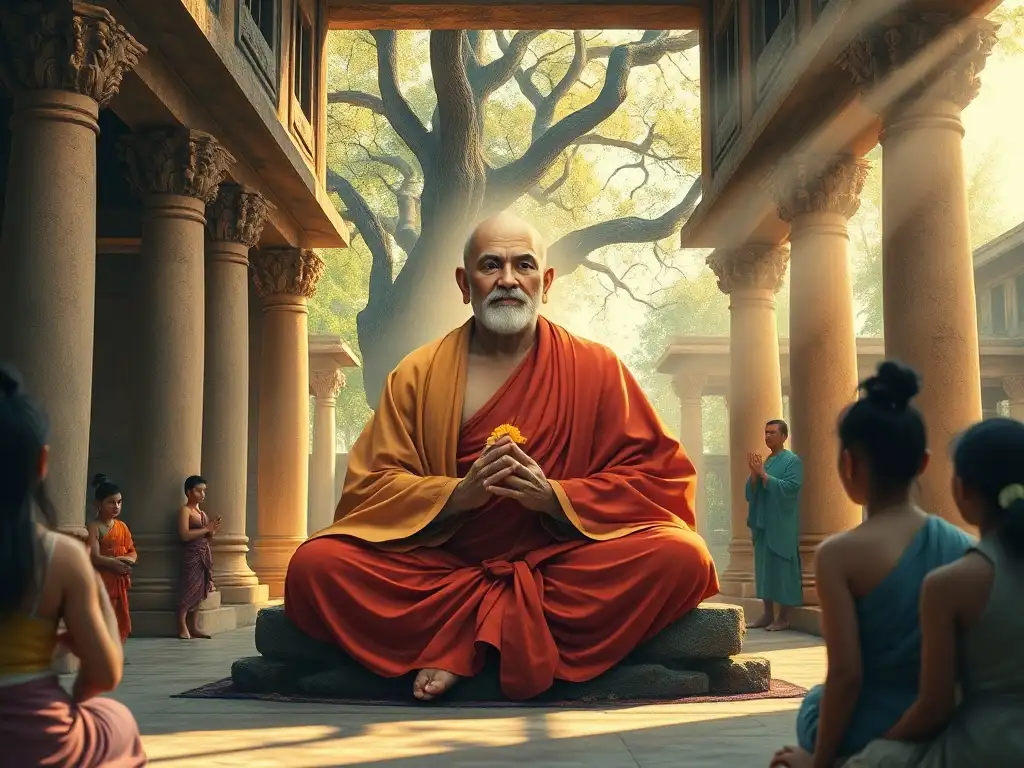
Introduction to Upagupta and His Significance
The history of Buddhism is adorned with numerous influential figures, yet some remain overshadowed by more prominent personalities. One such figure is Upagupta, a lesser-known Buddhist saint whose life and teachings played a crucial role in the evolution of Buddhist thought and practice. Emerging during a pivotal time in ancient Indian history, Upagupta's contributions extend beyond mere religious tenets; they encapsulate a rich tapestry of cultural and philosophical developments. Understanding Upagupta is essential not only for appreciating the depth of Buddhist history but also for recognizing the intricate connections between spirituality and societal change in ancient India.
Overview of Upagupta's Life and Legacy
Upagupta's life, though not as widely documented as that of contemporaries like Ashoka or Nagarjuna, is nevertheless significant. According to traditional texts, he was born into a Brahmin family in the region of Mathura, a center of learning and culture during his time. His spiritual journey began early, and he eventually became a disciple of the great Buddhist teacher, Sakyamuni. Upagupta is often credited with spreading Buddhism across various regions, particularly in northern India, thereby laying the groundwork for future generations of practitioners.
His legacy is characterized by a commitment to both the monastic and lay communities, emphasizing the importance of compassion and ethical conduct. Upagupta's teachings resonate with the core principles of Buddhism, such as the Four Noble Truths and the Eightfold Path, while also adapting to the sociocultural context of his era.
The Historical Context of Buddhism During Upagupta's Time
To fully grasp Upagupta's influence, it is vital to consider the historical context in which he lived. The period following the reign of Emperor Ashoka marked a transformative phase for Buddhism. While Ashoka's patronage had significantly elevated the religion's status, the subsequent centuries witnessed a diversification of Buddhist thought and practice.
During Upagupta's lifetime, Buddhism faced challenges from emerging philosophical schools and rival religious movements. The interaction and sometimes competition with sects such as Jainism and various Hindu traditions prompted a reevaluation of Buddhist teachings. This environment provided Upagupta with both challenges and opportunities to articulate a vision of Buddhism that was relevant and appealing to a broader audience.
Upagupta's Role in the Development of Buddhism
Upagupta's contributions to Buddhism are manifold, encompassing philosophy, community engagement, and ritual practice. His ability to adapt teachings to address the needs of diverse populations highlights his significance as a key figure in Buddhist history.
Contributions to Buddhist Philosophy and Teachings
One of Upagupta's notable contributions is his emphasis on the practical application of Buddhist philosophy. He taught that understanding the nature of suffering and the path to its cessation should be accessible to all, not just the monastic elite. His teachings often focused on:
- Compassionate Action: Encouraging practitioners to engage with their communities and address social injustices.
- Inclusivity: Welcoming individuals from various backgrounds into the Buddhist fold, fostering a sense of belonging and shared purpose.
These principles not only shaped the philosophical discourse of his time but also laid the groundwork for future developments in Mahayana Buddhism.
Upagupta's Influence on Buddhist Practices and Rituals
In addition to his philosophical contributions, Upagupta played a significant role in shaping Buddhist practices and rituals. He is often associated with the establishment of specific rites that emphasized community involvement, such as:
- Public Teachings: Conducting open gatherings to disseminate Buddhist teachings to laypeople.
- Rituals of Compassion: Instituting ceremonies that highlighted the importance of compassion and community support in daily life.
His focus on rituals aimed at fostering community ties and promoting ethical conduct has had a lasting impact on Buddhist practices, making them more accessible and relevant to ordinary individuals.
Upagupta stands as a pivotal figure in the history of Buddhism, whose lesser-known contributions merit further exploration. His life and teachings illuminate the rich interplay between historical context, philosophical development, and the evolution of religious practices in ancient India.
Historical Accounts of Upagupta
Upagupta, a notable figure in Buddhist history, is often overshadowed by the more prominent personalities of the religion. Despite this, his influence is evident in various historical accounts that depict him as a significant saint and teacher. The most recognized narratives about Upagupta come from the texts of various Buddhist traditions, particularly within the Mahayana and Theravada schools. These accounts often illustrate his role in spreading Buddhist teachings and his interactions with both lay followers and other monks.
The historical contexts in which these narratives are set provide insight into the societal and religious landscapes of ancient India. Upagupta is often associated with the flourishing of Buddhism during the time of the Mauryan Empire, particularly under the reign of Emperor Ashoka, who was instrumental in promoting the religion across his vast empire. Despite the limited direct evidence regarding Upagupta's life, the accounts that exist suggest a well-respected figure who contributed significantly to the early Buddhist community.
Textual Sources Documenting Upagupta's Life
The primary textual sources that document Upagupta's life include various Buddhist scriptures and commentaries, notably the "Buddhavatamsaka Sutra" and texts from the "Pali Canon." These sources offer fragmented yet valuable insights into his teachings and life events.
In the "Buddhavatamsaka Sutra," Upagupta is often depicted as an exemplary model of piety and devotion, emphasizing the importance of compassion and wisdom in achieving enlightenment. Additionally, the "Pali Canon" contains references that highlight his role as a revered teacher who attracted many followers through his teachings on the Dharma.
Moreover, historical chronicles such as the "Mahavamsa" and "Dipavamsa" provide context about the period in which he lived, detailing the socio-political environment of ancient India and the spread of Buddhism during this time. However, the lack of comprehensive biographical accounts necessitates careful interpretation of these texts to construct a coherent narrative of Upagupta's life.
Legends and Myths Surrounding Upagupta
In addition to historical accounts, numerous legends and myths have emerged surrounding Upagupta, illustrating his revered status within the Buddhist community. One popular legend recounts his miraculous birth, believed to have been predicted by the Buddha himself. This narrative emphasizes his destined role as a significant figure in Buddhism.
Another well-known myth involves Upagupta's supposed interactions with King Ashoka. According to tradition, Upagupta was instrumental in converting the king to Buddhism, showcasing his ability to influence high-ranking individuals. This legend not only elevates Upagupta’s status but also reflects the broader themes of spiritual triumph over material power prevalent in Buddhist teachings.
These legends often serve a dual purpose: they celebrate Upagupta’s legacy while simultaneously providing moral lessons that align with Buddhist principles. They highlight virtues such as humility, compassion, and the importance of guiding others toward enlightenment, further solidifying Upagupta's role as a key figure in the development of Buddhist thought.
The Impact of Upagupta on Buddhist Communities
Upagupta’s contributions to Buddhist communities in ancient India are profound, impacting both the religious practices and the social structures of the time. His teachings emphasized compassion and the necessity of community involvement, which helped solidify the communal aspects of Buddhism that are still valued today.
Upagupta's Relationships with Other Key Figures in Buddhism
Upagupta is often cited as having had significant relationships with other key figures within the Buddhist tradition. His interactions with prominent monks and teachers of his time facilitated the exchange of ideas and practices that enriched the Buddhist community.
For instance, historical accounts suggest that Upagupta had a close association with notable figures such as Moggallana and Sariputta, who were among the Buddha’s chief disciples. Through these relationships, Upagupta was able to disseminate teachings that emphasized the importance of meditation and ethical living. Such collaborations among key figures fostered a sense of unity within the Buddhist community, promoting the growth and acceptance of Buddhism across different regions in India.
The Spread of Buddhism in Ancient India Through Upagupta
Upagupta played a crucial role in the spread of Buddhism throughout ancient India. His teachings and practices resonated with many, attracting a diverse following that included both the elite and the common people. As he traveled across various regions, he established monasteries and educational institutions that served as centers for Buddhist learning and community gatherings.
Moreover, Upagupta's emphasis on accessibility in teaching made Buddhism appealing to a broader audience, contributing to its growth beyond the confines of the monastic community. His approach to integrating local customs and traditions into Buddhist practices facilitated the acceptance of Buddhism in different cultural contexts, leading to its widespread adoption across ancient Indian society.
This dynamic process not only solidified Upagupta's legacy as a foundational figure in the history of Buddhism but also underscored the adaptability of Buddhist teachings to various cultural and societal structures, ensuring its relevance for generations to come.
The Legacy of Upagupta in Modern Buddhism
Upagupta, although often overshadowed by more prominent figures in Buddhist history, has left an indelible mark on the landscape of modern Buddhism. His teachings and practices resonate with many contemporary Buddhists who seek deeper spiritual understanding and integration of ancient wisdom into their lives. As a historical figure, Upagupta is particularly noted for his emphasis on compassion, meditation, and a pragmatic approach to the challenges of the human condition. The principles he championed continue to inspire a wide range of practices and philosophies within various Buddhist traditions today.
One significant aspect of Upagupta’s legacy is his role in promoting the idea of inclusivity within the Buddhist community. His efforts to reach out to the marginalized and less fortunate have influenced modern movements that emphasize social justice and compassion as core tenets of Buddhism. This approach reflects a broader trend within contemporary Buddhism, where mindfulness practices are often linked with social engagement and community service.
How Upagupta is Remembered in Contemporary Buddhist Practices
In modern Buddhist practices, Upagupta is often remembered as a symbol of humility and service. His life story, which emphasizes his journey from a humble background to becoming a revered teacher, resonates with practitioners who value the ideals of simplicity and selflessness. Many contemporary Buddhists draw inspiration from his narratives, which highlight the importance of personal development through meditation and ethical living.
Moreover, Upagupta's teachings are sometimes incorporated into retreats and workshops focused on mindfulness and compassionate living. His emphasis on meditation as a means to achieve personal insight and societal harmony is reflected in the modern mindfulness movement, which seeks to apply ancient wisdom to contemporary life issues. In this way, Upagupta’s influence can be seen not only in teachings but also in the evolving practices of modern Buddhism.
Influence of Upagupta on Modern Interpretations of Buddhism
The influence of Upagupta extends into the realm of modern interpretations of Buddhist philosophy. Scholars and practitioners alike have revisited his teachings to explore their relevance in today’s complex world. Upagupta's integration of philosophical inquiry with practical ethics offers a framework for addressing contemporary dilemmas, such as environmental challenges and interfaith dialogue.
Additionally, his approach to non-violence and compassion is echoed in the teachings of prominent modern Buddhist leaders, including the Dalai Lama and Thich Nhat Hanh. By emphasizing the interconnectedness of all beings, Upagupta’s legacy encourages a holistic understanding of human relationships and societal responsibilities, fostering interpretations of Buddhism that advocate for peace and understanding across cultural boundaries.
Conclusion: The Lasting Influence of Upagupta
Summary of Upagupta's Contributions to Buddhist History
Upagupta's contributions to Buddhist history are significant, particularly in the realms of compassion, education, and community service. His dedication to helping the less fortunate and his inclusive approach to teaching have left a lasting legacy that continues to inspire practitioners today. Upagupta's ability to bridge the gap between theory and practice has reinforced the importance of applying Buddhist principles in real-world contexts, making his contributions relevant even in contemporary discussions on Buddhism.
Reflections on the Importance of Lesser-Known Figures in Ancient Indian Religions
The study of lesser-known figures like Upagupta is crucial for a holistic understanding of ancient Indian religions. These individuals often represent the voices of marginalized communities and provide alternative perspectives that enrich the narrative of history. By acknowledging their contributions, we gain a more comprehensive understanding of the diverse practices and philosophies that shaped ancient Indian thought.
Furthermore, lesser-known figures often serve as catalysts for broader movements within their traditions, highlighting the importance of inclusivity and compassion. Their stories remind us that every individual can contribute to the richness of cultural and religious landscapes, encouraging contemporary practitioners to explore and appreciate the depth of their spiritual heritage. Emphasizing these narratives fosters a deeper connection to the roots of Buddhism and encourages a more inclusive approach to spiritual practice today.
- Introduction to Upagupta and His Significance
- Upagupta's Role in the Development of Buddhism
- Historical Accounts of Upagupta
- The Impact of Upagupta on Buddhist Communities
- The Legacy of Upagupta in Modern Buddhism
- How Upagupta is Remembered in Contemporary Buddhist Practices
- Influence of Upagupta on Modern Interpretations of Buddhism
- Conclusion: The Lasting Influence of Upagupta
Frequently Asked Questions
What is the significance of Upagupta in Buddhist history?
Upagupta is a lesser-known Buddhist saint who played a vital role in spreading Buddhism in ancient India. His teachings and influence contributed to the growth of Buddhist communities during his time.
How did Upagupta contribute to the spread of Buddhism?
Upagupta's teachings and practices helped to spread the principles of Buddhism across various regions. He was known for his compassionate approach and ability to attract followers, which facilitated the growth of the faith.
What are some key stories associated with Upagupta?
Several legendary stories highlight Upagupta's wisdom and miracles, showcasing his ability to engage with both common people and royalty. These tales emphasize his spiritual guidance and commitment to the Buddhist path.
In which period did Upagupta live?
Upagupta is believed to have lived during the early centuries CE, which places him in the context of significant Buddhist development in ancient India, particularly around the time of the Gupta Empire.
How does Upagupta's legacy impact modern Buddhism?
Upagupta's legacy continues to resonate in modern Buddhism, particularly in the teachings of compassion and service. His life serves as an inspiration for practitioners to engage with their communities and promote the values of Buddhist philosophy.
Final Reflection: The Enduring Legacy of Upagupta
The influence of Upagupta, the lesser-known Buddhist saint, resonates profoundly in today's world, reminding us of the power of compassion and humility in a time often overshadowed by self-interest and division. His teachings and life story serve as a beacon of hope, encouraging us to embrace the values of kindness and understanding that he so passionately embodied. As we navigate the complexities of modern life, the essence of Upagupta's message remains strikingly relevant, urging us to foster a sense of community and interconnectedness.
Cultural and social landscapes are continually shaped by figures like Upagupta, who inspire movements of peace and mindfulness. His legacy encourages us to reflect on our own actions and their impact on others. As we draw parallels between his life and contemporary challenges, we can find solace in the wisdom he imparted. In the midst of chaos, there is also opportunity,
a reminder that even in turbulent times, we can choose to act with grace and purpose, just as Upagupta did.
As you reflect on the teachings of Upagupta, consider how you can incorporate his values into your daily life. Take a moment to think about the ways you can spread kindness, foster understanding, and build connections within your community. By embodying the spirit of Upagupta, you not only honor his legacy but also contribute to a more compassionate world. Let his story inspire you to be a catalyst for positive change, reminding us all that even the smallest acts of kindness can create ripples of transformation.
Unveil the Wisdom of Upagupta: Take Action Today!
Thank you for diving into the fascinating world of Upagupta and discovering the profound impact this lesser-known Buddhist saint has had on spirituality and culture. Your engagement with this article enriches your understanding of ancient traditions and their relevance today. Now, let’s transform that knowledge into action!
Here’s how you can deepen your appreciation and connection to Upagupta’s teachings:
- Explore your local library or bookstore for texts on Upagupta and Buddhist philosophy to enhance your understanding.
- Join a local meditation group or an online community to discuss his teachings and their applications in modern life.
- Share the insights you’ve gained from this article with friends and family—consider starting a book club focused on influential spiritual figures!
Which aspect of Upagupta’s teachings resonates most with you, and how do you plan to apply it in your life?