
Ethical Sourcing of Indian Jewelry: What You Need to Know Before Buying

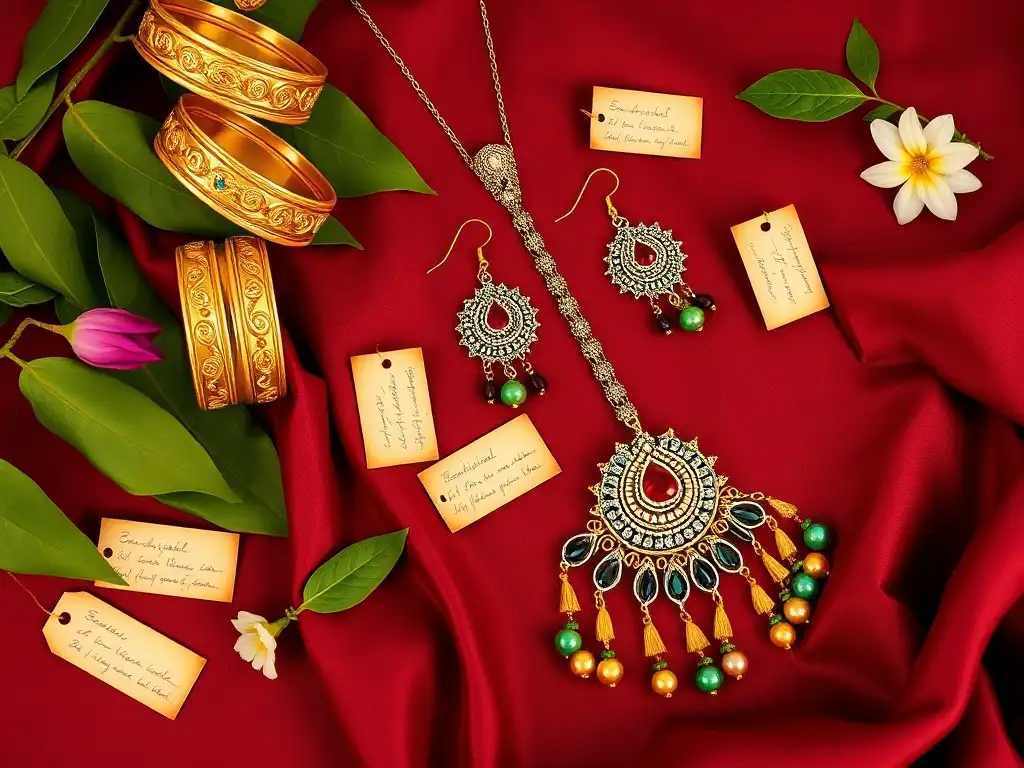
Welcome to Ancient India History, where we delve into the rich tapestry of civilizations that have shaped the Indian subcontinent. Today, we invite you to explore our latest article on ethical Indian jewelry sourcing. As we uncover the intricate connections between ancient craftsmanship and modern ethical practices, you'll discover how the legacy of India's artisans continues to influence the jewelry you wear today. Are you ready to learn what you need to know before making your next purchase? Join us on this enlightening journey and uncover the treasures of the past that inform the choices of the present!
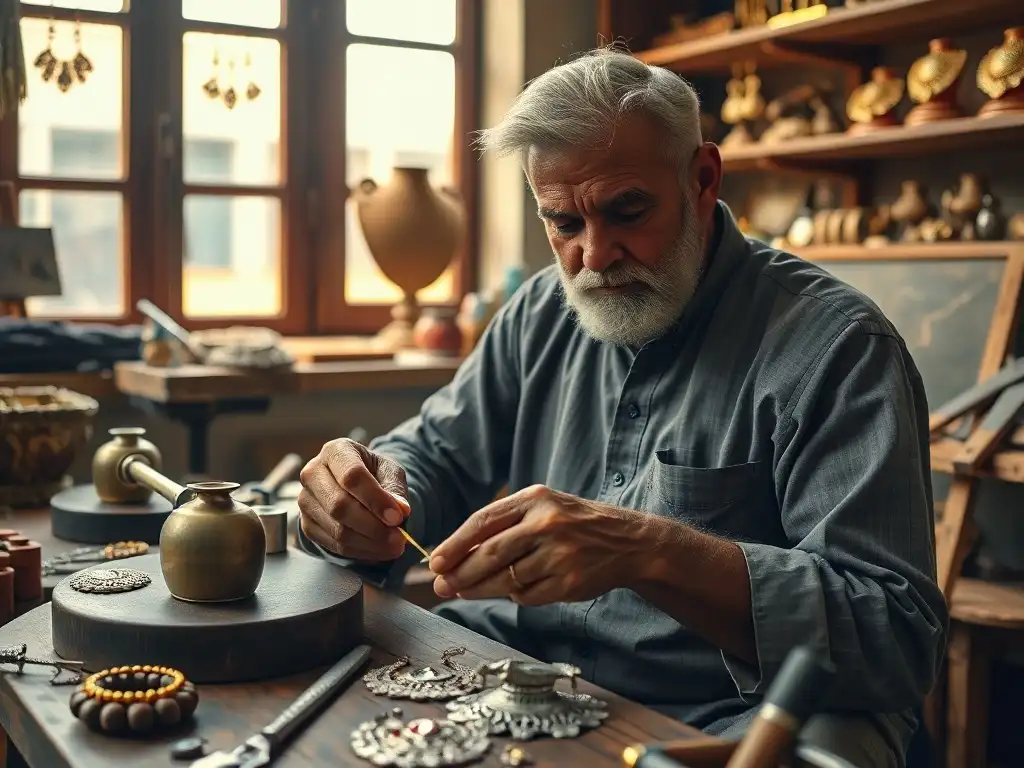
When it comes to purchasing jewelry, the ethical implications of sourcing materials and labor are increasingly coming into focus, especially in the context of Indian jewelry. With a rich heritage that spans millennia, Indian jewelry is not only celebrated for its exquisite craftsmanship but also for its cultural significance. However, as consumers become more conscious of their choices, understanding the concept of ethical Indian jewelry sourcing has become essential.
This article aims to guide you through the intricacies of ethical practices in the jewelry industry, emphasizing the importance of sustainability, fair labor, and authenticity. By exploring these themes, we hope to empower you with the knowledge needed to make informed purchasing decisions that reflect your values.
Understanding Ethical Indian Jewelry Sourcing
What is Ethical Sourcing in Jewelry?
Ethical sourcing in jewelry refers to the practice of ensuring that the materials used in jewelry production, such as gemstones and metals, are obtained in a manner that is environmentally responsible and socially just. This includes:
- Traceability: Knowing the origin of materials.
- Sustainability: Ensuring that resources are harvested without depleting the environment.
- Fair Labor Practices: Guaranteeing fair wages and safe working conditions for artisans and laborers.
Importance of Ethical Practices in Indian Jewelry
The importance of ethical practices in Indian jewelry cannot be overstated. In a country where artisanal craftsmanship is a vital part of the cultural fabric, ethical sourcing helps to:
- Protect Cultural Heritage: Ensuring that traditional techniques are preserved and passed down generations.
- Promote Fair Trade: Supporting artisans by providing fair compensation for their work, thus improving their livelihoods.
- Enhance Transparency: Building consumer trust through clear sourcing practices.
The Impact of Ethical Sourcing on Local Communities
Ethical sourcing significantly impacts local communities in India. By prioritizing ethical practices, consumers can contribute to:
- Community Development: Funds generated through fair trade often support local schools, health care, and infrastructure.
- Empowerment of Women: Many artisans are women; ethical sourcing can lead to greater financial independence and empowerment for them.
- Environmental Conservation: Sustainable practices help protect the ecosystems that communities depend on.
Key Factors to Consider in Ethical Indian Jewelry Sourcing
Authenticity: Why Certification Matters
When investing in Indian jewelry, authenticity is crucial. Certifications from recognized bodies can ensure:
- Verification of Claims: Authenticity certifications provide proof that materials are ethically sourced and that the product meets specified standards.
- Quality Assurance: Certified pieces often guarantee a higher quality, which adds value to your purchase.
Materials Used: Sustainable vs. Non-Sustainable Sources
Understanding the materials used in jewelry is vital for ethical sourcing. Key considerations include:
- Sustainable Materials: Look for jewelry made from recycled metals and ethically sourced gemstones.
- Non-Sustainable Practices: Avoid products that utilize materials from conflict zones or those that contribute to environmental degradation.
Labor Practices: Fair Trade and Artisan Support
Labor practices are a cornerstone of ethical sourcing. When evaluating jewelry, consider:
- Fair Trade Certification: This ensures that the artisans receive fair wages and work in safe conditions.
- Support for Local Artisans: Purchasing directly from local artisans or cooperatives can foster community growth and support traditional craftsmanship.
By keeping these factors in mind, you can make informed choices that not only enhance your jewelry collection but also align with your ethical values. As we delve deeper into this guide, we will explore each aspect of ethical sourcing to equip you with the knowledge you need before making your next purchase.
How to Identify Ethical Indian Jewelry Sellers
Identifying ethical Indian jewelry sellers involves a combination of research, awareness of certifications, and understanding the market landscape. With the rise of consumer consciousness regarding ethical practices, many artisans and brands have made it their mission to uphold these values. Here are some essential steps to ensure you are purchasing from ethical sellers.
Researching Reputable Brands and Artisans
Start by conducting thorough research on various brands and artisans. Look for those who prioritize sustainability, fair labor practices, and responsible sourcing of materials.
- Online Reviews: Check customer reviews and testimonials on platforms like social media and dedicated jewelry forums.
- Artisan Background: Investigate the background of the artisans. Many reputable sellers share their story, including their sourcing and production methods, on their websites.
- Word of Mouth: Speak to friends, family, or jewelry enthusiasts who might have experience with ethical Indian jewelry. Personal recommendations can lead you to trustworthy sources.
Certifications and Labels to Look For
Certifications and labels are critical indicators of ethical practices in the jewelry industry. Here are some noteworthy ones to consider:
- Fair Trade: This certification ensures that the artisans are paid fairly and work under safe conditions.
- Responsible Jewelry Council (RJC): Members of this council commit to responsible sourcing and ethical business practices.
- Gemstone Certification: Look for certifications that guarantee the ethical sourcing of gemstones, such as those from the Colored Gemstone Association (CGA).
Having these certifications displayed on the sellers' websites or products is a good sign of their commitment to ethical practices.
Online Platforms for Ethical Jewelry
Several online platforms specialize in ethical jewelry, making it easier for consumers to find reputable sellers. These platforms often vet their sellers for ethical practices. Some popular options include:
- Etsy: Many artisans on Etsy emphasize sustainable practices and ethical sourcing.
- Ten Thousand Villages: A fair-trade organization that offers a range of ethically sourced jewelry.
- Brilliant Earth: Known for their commitment to ethical sourcing, they provide transparency in their supply chain.
Using these platforms can help streamline your search for ethical Indian jewelry.
Best Practices for Purchasing Ethical Indian Jewelry
When you're ready to purchase ethical Indian jewelry, adhering to best practices can enhance your buying experience and ensure that your purchases align with your values.
Questions to Ask Before Buying
Before completing your purchase, consider asking the following questions to ensure ethical sourcing:
- Where are the materials sourced? Understanding the origin of the materials can reveal much about the seller's practices.
- What are the labor practices of the artisans? Inquire if fair wages and safe working conditions are maintained.
- Is there transparency in the jewelry-making process? Responsible sellers should be willing to share insights into their production methods.
These questions can provide clarity and confidence in your purchasing decisions.
Understanding Pricing: What Goes Into the Cost of Ethical Jewelry
The pricing of ethical Indian jewelry may differ from traditional pieces due to various factors. Consider the following elements that contribute to the cost:
- Material Sourcing: Ethically sourced materials often come at a premium due to their traceability and sustainability.
- Artisan Labor: Fair wages for artisans ensure that they receive just compensation for their craftsmanship, which can increase the overall cost of the jewelry.
- Quality and Craftsmanship: High-quality materials and intricate craftsmanship typically command higher prices, reflecting the value of the work involved.
Understanding these aspects can help you appreciate the pricing of ethical jewelry and make informed purchasing choices.
The Role of Transparency in Ethical Sourcing
Transparency is a cornerstone of ethical sourcing in the jewelry industry. Sellers who prioritize transparency provide clear information about their supply chains, production processes, and labor practices.
- Consumer Trust: Transparency builds trust between buyers and sellers, fostering a sense of accountability.
- Informed Choices: When sellers share detailed information, consumers can make informed choices that align with their values.
- Encouraging Best Practices: By supporting transparent sellers, you encourage more businesses to adopt ethical practices, promoting a more sustainable jewelry market overall.
Being informed about how to identify ethical Indian jewelry sellers and understanding best practices can empower you to make responsible and meaningful purchases in the world of jewelry.
Highlighting Notable Ethical Indian Jewelry Brands
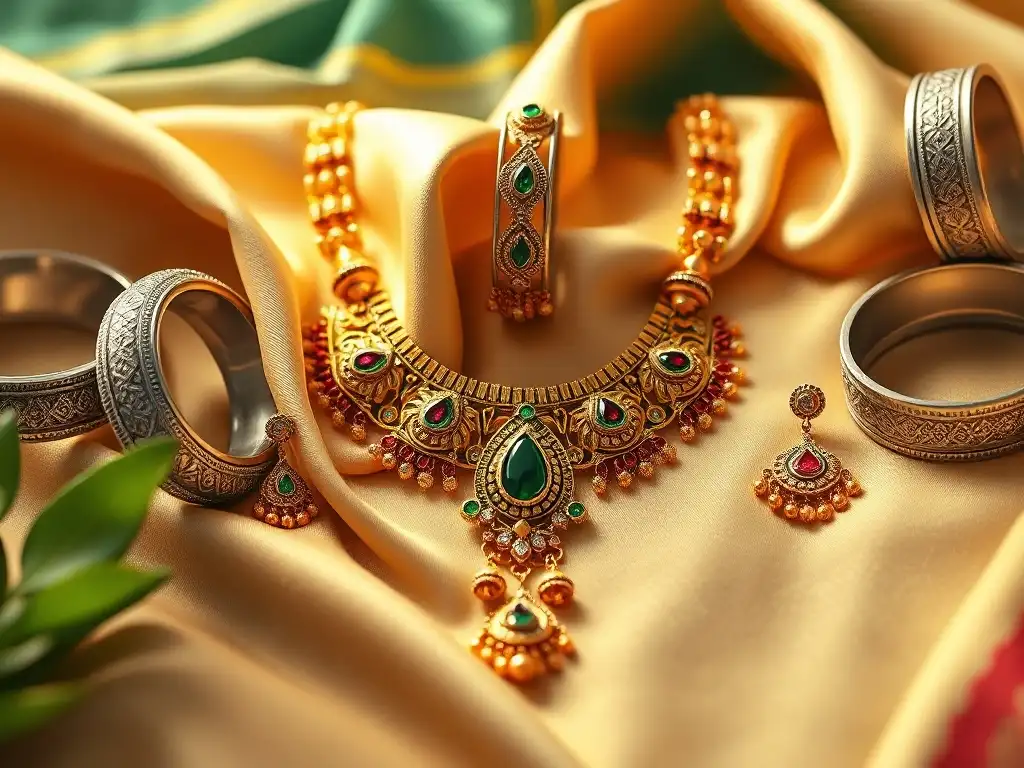
The ethical sourcing of Indian jewelry has gained significant momentum in recent years, with numerous brands committed to sustainability and fair trade practices. These brands not only focus on creating exquisite pieces but also ensure that their production processes respect the artisans, communities, and environment involved. Here are two notable brands in the ethical Indian jewelry landscape that exemplify these values.
Brand Spotlight: Pernia’s Pop-Up Shop
Pernia’s Pop-Up Shop is renowned for its curated collection of designer jewelry that champions ethical sourcing. This brand collaborates with local artisans and designers, ensuring that traditional craftsmanship is preserved while providing fair wages and working conditions. Pernia’s commitment to sustainability extends beyond their jewelry line; they actively promote eco-friendly materials and practices throughout their supply chain. By prioritizing transparency, Pernia’s Pop-Up Shop allows consumers to trace their purchases back to the artisans, fostering a deeper connection to the cultural heritage of Indian jewelry.
Brand Spotlight: Amrapali Jewels
Established in the 1970s, Amrapali Jewels is another prominent name in the realm of ethical Indian jewelry. The brand is celebrated for its intricate designs that blend traditional aesthetics with contemporary fashion. Amrapali emphasizes the importance of ethical sourcing by working closely with skilled artisans across India, ensuring that their crafts are passed down through generations. The brand is dedicated to sustainable practices, using responsibly sourced materials and promoting the welfare of the artisan communities. Amrapali Jewels not only produces stunning pieces but also plays a crucial role in preserving the rich history of Indian craftsmanship.
Common Myths About Ethical Indian Jewelry Sourcing
Despite the growing awareness of ethical sourcing in the jewelry industry, several myths persist that can mislead consumers. Understanding these misconceptions is essential for making informed purchasing decisions.
Myth 1: Ethical Jewelry is Too Expensive
A common misconception is that ethical jewelry carries a prohibitively high price tag, making it inaccessible to the average consumer. While it is true that ethically sourced pieces may be priced higher than mass-produced alternatives, this is often due to the fair wages paid to artisans and the use of sustainable materials. The investment in ethical jewelry reflects the quality and craftsmanship that goes into each piece. Additionally, many brands offer a range of products at different price points, making ethical options more attainable than one might assume.
Reality: Understanding the Value of Ethical Sourcing
The value of ethical sourcing extends beyond mere monetary cost. Buying ethically sourced jewelry means investing in the livelihoods of artisans and supporting sustainable practices that benefit both the environment and society. Consumers should view ethical jewelry as a long-term investment, as these pieces often have a richer cultural significance and craftsmanship that transcends mass-market options. By choosing ethical jewelry, buyers contribute to a more equitable and responsible industry.
Myth 2: All Indian Jewelry is Ethically Sourced
Another prevalent myth is the assumption that all jewelry originating from India is ethically sourced. However, the reality is that the jewelry market is vast and varied, with many pieces produced under non-ethical conditions. It is vital for consumers to do their research and seek out brands that are transparent about their sourcing practices. Not all artisans receive fair wages or work in safe environments, which emphasizes the need for informed purchasing decisions.
Reality: How to Differentiate Between Ethical and Non-Ethical Options
To distinguish between ethical and non-ethical jewelry options, consumers should look for brands that provide clear information about their sourcing practices. Key indicators of ethical sourcing include:
- Transparency: Brands that openly share their production processes and artisan partnerships.
- Fair Trade Certification: Look for certifications that ensure fair labor practices.
- Sustainable Materials: Brands that utilize recycled metals or responsibly sourced gemstones demonstrate a commitment to the environment.
- Artisan Story: Brands that highlight the artisans’ stories and cultural heritage are more likely to be ethically sound.
By being vigilant and informed, consumers can confidently support ethical Indian jewelry and contribute to a more sustainable and fair industry.
Conclusion: Making Informed Choices in Ethical Indian Jewelry Sourcing
As the demand for ethical Indian jewelry sourcing continues to grow, consumers are becoming increasingly aware of the impact their purchasing decisions have on the environment and local communities. Making informed choices when selecting jewelry not only supports artisans and ethical practices but also promotes sustainability within the industry.
When shopping for Indian jewelry, it's essential to consider the origins of the materials, the conditions under which they were produced, and the fair treatment of workers involved in the supply chain. By prioritizing ethical sourcing, you can contribute to a more sustainable future while enjoying the beauty and craftsmanship of authentic Indian jewelry.
The Future of Ethical Jewelry in India
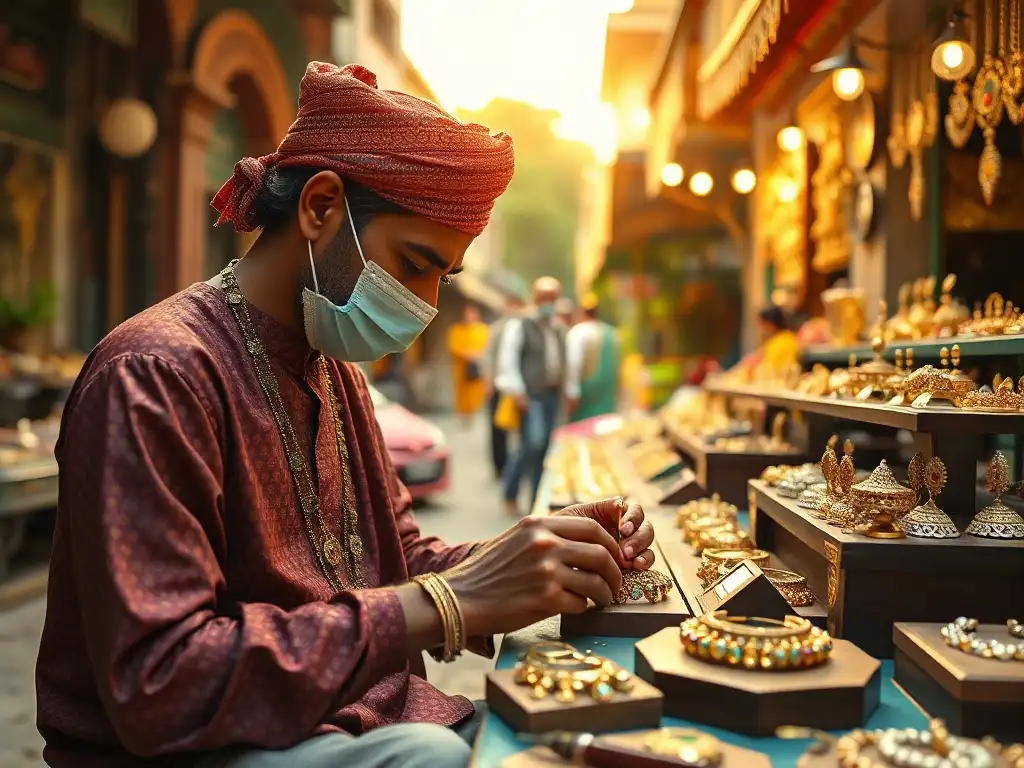
The future of ethical jewelry in India looks promising as more artisans and brands adopt sustainable practices. Increased awareness among consumers is driving a shift towards transparency in the jewelry supply chain. Many jewelers are now focusing on using conflict-free stones, recycled metals, and eco-friendly production methods.
Moreover, collaborations with NGOs and fair trade organizations are helping to create better working conditions and fair wages for artisans. This trend not only preserves traditional craftsmanship but also fosters community development and environmental conservation. As the market for ethical Indian jewelry expands, it is likely that more innovative solutions will emerge, further enhancing the sustainability of the industry.
Final Thoughts on Supporting Sustainable Practices
Supporting sustainable practices in Indian jewelry sourcing is not only a matter of ethics but also a way to celebrate and preserve the rich heritage of artisanship in India. By choosing to invest in ethically sourced jewelry, consumers can help sustain traditional crafts and empower local communities. It is essential to remain vigilant and informed about the jewelry brands you support and their sourcing practices. Remember that your choices can drive change in the industry, encouraging more brands to adopt sustainable and ethical practices.
Additional Resources for Ethical Indian Jewelry
In order to enhance your understanding and support of ethical Indian jewelry sourcing, here are some valuable resources:
- Documentaries and Articles: Explore various documentaries and articles that delve into the impact of jewelry sourcing on communities and the environment.
- Workshops and Events: Attend workshops and events focused on ethical jewelry practices to learn directly from artisans and experts in the field.
Recommended Reading on Ethical Sourcing
- “Fashioning Sustainability: Ethical Sourcing and the Indian Jewelry Industry”: – This book discusses the importance of ethical sourcing within the context of Indian jewelry and offers insights into sustainable practices.
- “The Jewel of India: A Guide to Responsible Jewelry Sourcing”: – A comprehensive guide that outlines the ethical challenges and solutions in the Indian jewelry market.
Links to Organizations Promoting Ethical Jewelry Practices
- Fair Trade Jewelry Association: This organization promotes fair trade practices in the jewelry industry, ensuring artisans receive fair wages and work in safe conditions.
- Ethical Metalsmiths: A community of jewelers committed to promoting ethical sourcing and sustainable practices in metalworking and jewelry design.
- The Responsible Jewelry Council: An international organization dedicated to promoting responsible sourcing practices within the jewelry industry, ensuring ethical practices from mine to market.
- Understanding Ethical Indian Jewelry Sourcing
- Key Factors to Consider in Ethical Indian Jewelry Sourcing
- How to Identify Ethical Indian Jewelry Sellers
- Best Practices for Purchasing Ethical Indian Jewelry
- Highlighting Notable Ethical Indian Jewelry Brands
- Common Myths About Ethical Indian Jewelry Sourcing
- Conclusion: Making Informed Choices in Ethical Indian Jewelry Sourcing
- The Future of Ethical Jewelry in India
- Final Thoughts on Supporting Sustainable Practices
- Additional Resources for Ethical Indian Jewelry
Frequently Asked Questions
What is ethical Indian jewelry sourcing?
Ethical Indian jewelry sourcing refers to the practice of obtaining jewelry in a manner that respects fair labor practices, environmental sustainability, and cultural heritage. It ensures that artisans are compensated fairly and that materials are sourced responsibly.
Why is ethical sourcing important in the jewelry industry?
Ethical sourcing is crucial as it promotes social responsibility and environmental sustainability. It helps prevent exploitation of workers and ensures that the resources used in jewelry making do not contribute to environmental degradation or human rights abuses.
How can I identify ethically sourced Indian jewelry?
Look for certifications or labels that indicate ethical practices. Additionally, research brands that provide transparency in their sourcing methods, such as fair trade certifications or partnerships with local artisans, to ensure they adhere to ethical standards.
What are the benefits of purchasing ethically sourced jewelry?
By purchasing ethically sourced jewelry, you support local artisans, promote sustainable practices, and help foster a positive impact on communities. This choice can also lead to unique pieces that carry cultural significance and craftsmanship.
Are there specific materials to consider when looking for ethical jewelry?
Yes, focus on materials like recycled metals, conflict-free gemstones, and natural fibers. These materials are often sourced with greater attention to ethical practices, minimizing harm to both people and the planet.
Final Reflection: The Importance of Ethical Sourcing in Indian Jewelry
In a world increasingly aware of the impact of consumer choices, the significance of ethical Indian jewelry sourcing cannot be overstated. As we navigate the complexities of globalization and sustainability, understanding the origins of the products we purchase is more crucial than ever. The jewelry we adorn ourselves with should not only reflect our personal style but also our values and commitment to ethical practices. By choosing ethically sourced jewelry, we contribute to a more just and sustainable industry that respects both people and the planet.
Cultural heritage and craftsmanship are deeply intertwined in the realm of Indian jewelry, and the ongoing conversation about ethical sourcing is reshaping our understanding of these traditions. The demand for transparency and fairness in sourcing practices is not just a trend; it is a movement that empowers artisans and uplifts communities. As we embrace this change, we are reminded of the words of Mahatma Gandhi: The true measure of any society can be found in how it treats its most vulnerable members.
This quote resonates deeply in the context of ethical jewelry sourcing, urging us to consider the human stories behind the pieces we cherish.
As you reflect on your own purchasing decisions, I invite you to take a moment to consider the impact of your choices. How can you support ethical practices in the jewelry industry? By educating yourself and seeking out brands that prioritize ethical sourcing, you can play a vital role in fostering a more equitable marketplace. Let us not only wear jewelry as a symbol of beauty but also as a testament to our commitment to ethical values, ensuring that every piece tells a story of respect, dignity, and sustainability.
Embrace Ethical Choices - Buy Jewelry That Matters!
Thank you for taking the time to explore the world of ethical sourcing in Indian jewelry! You’ve gained valuable insights that empower you to make conscious purchasing decisions. Now, let’s take the next step towards supporting artisans, sustainability, and ethical practices.
Here are some key actions you can embrace today:
- Make a commitment to buy from certified ethical brands. Research and choose jewelers who prioritize fair trade and sustainable practices.
- Share your newfound knowledge with friends and family. Engage in discussions about the importance of ethical sourcing in their jewelry choices!
- Explore local artisan markets or fairs where you can meet jewelers and learn directly about their sourcing practices. Support the local community and discover unique pieces!
As you reflect on these actions, consider: How can you inspire others in your community to prioritize ethical sourcing in their jewelry purchases?