
The Role of Sacred Texts in Buddhism: From Tripitaka to Sutras

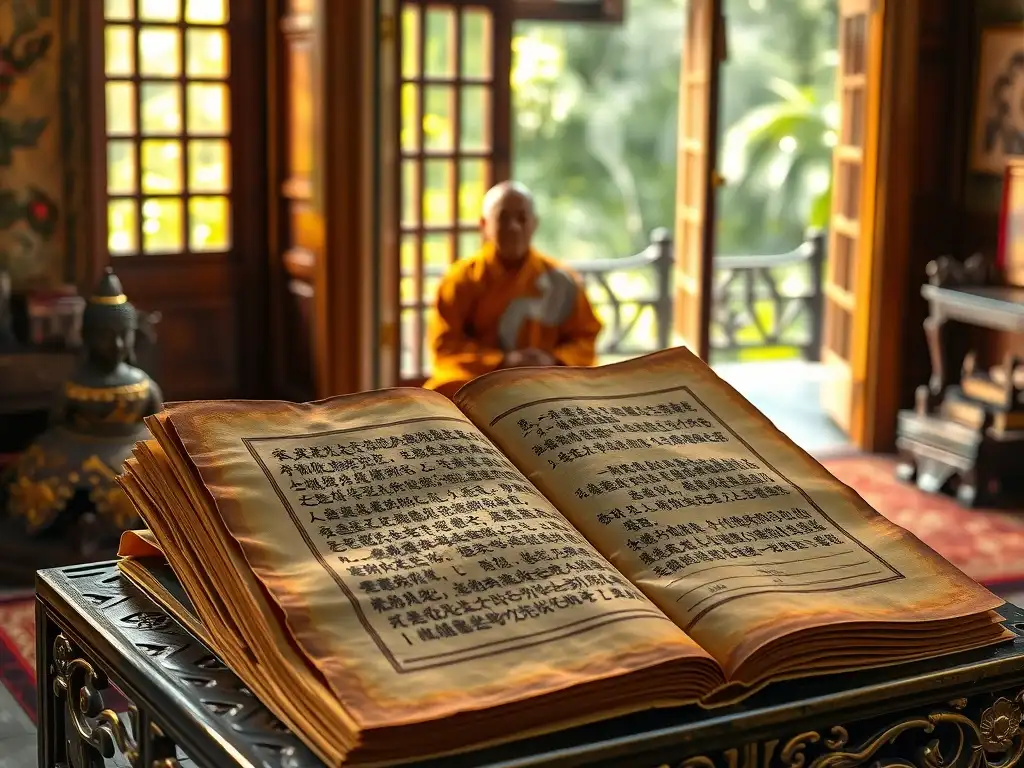
Welcome to Ancient India History, where we embark on a fascinating journey through the rich tapestry of ancient Indian civilizations. Here, we delve into the profound history, culture, and remarkable contributions that have shaped the subcontinent. Our spotlight today is on the Buddhism sacred texts history, exploring the pivotal role these texts play in understanding the evolution of Buddhist thought. What secrets lie within the pages of the Tripitaka and the Sutras? Join us as we uncover the intricate connections between ancient beliefs and modern practices, inviting you to discover more about this captivating aspect of Ancient Indian Religions.

Introduction to Buddhism Sacred Texts History
Buddhism, one of the major world religions, has a profound and intricate history that is intimately connected to its sacred texts. These texts not only serve as spiritual guides but also reflect the evolution of Buddhist thought and practice throughout the centuries.
The study of Buddhism sacred texts history reveals a rich tapestry of teachings that have shaped the lives of millions, from the early followers of the Buddha to modern practitioners. In this article, we will explore the pivotal role these texts play in the understanding and dissemination of Buddhist teachings, with a particular focus on the Tripitaka and various sutras that emerged as Buddhism spread across Asia.
Overview of Buddhism and Its Teachings
Buddhism originated in the 5th century BCE with the teachings of Siddhartha Gautama, known as the Buddha. At its core, Buddhism emphasizes the Four Noble Truths, which outline the nature of suffering and the path to enlightenment:
- The Truth of Suffering (Dukkha): Recognizes that suffering is an inherent part of existence.
- The Truth of the Cause of Suffering (Samudaya): Identifies desire and attachment as the root causes of suffering.
- The Truth of the End of Suffering (Nirodha): Asserts that it is possible to end suffering by overcoming desire.
- The Truth of the Path to End Suffering (Magga): Describes the Eightfold Path as the means to attain enlightenment.
Buddhism encourages mindfulness, ethical conduct, and the cultivation of wisdom, all of which are elaborated upon in its sacred texts.
Importance of Sacred Texts in Buddhism
Sacred texts in Buddhism are critical for several reasons:
- Preservation of Teachings: They preserve the original teachings of the Buddha and subsequent interpretations by various schools of thought.
- Guidance for Practice: They provide practical guidance on meditation, ethical living, and the path to enlightenment.
- Cultural Transmission: They facilitate the spread of Buddhism across different cultures and regions, adapting and evolving in response to local beliefs and practices.
The texts serve as a foundation for Buddhist philosophy and ethics, making them indispensable to both individual practitioners and the larger Buddhist community.
The Tripitaka: The Foundation of Buddhist Scripture
The Tripitaka, often referred to as the "Three Baskets," is considered the earliest collection of Buddhist scriptures and forms the core of the Pali Canon. Its importance in Buddhism cannot be overstated, as it encapsulates the teachings of the Buddha and offers a comprehensive framework for understanding Buddhist doctrine.
Historical Context of the Tripitaka
The Tripitaka was compiled in the centuries following the Buddha's death, around the 1st century BCE, during the Fourth Buddhist Council in Sri Lanka. This compilation aimed to preserve the teachings of the Buddha in a systematic manner. The texts were transmitted orally before being written down, reflecting a rich tradition of memorization and recitation among early Buddhists.
Structure of the Tripitaka
The Tripitaka is divided into three primary sections:
- Vinaya Pitaka: Contains rules and regulations for monastic discipline.
- Sutta Pitaka: Comprises discourses attributed to the Buddha and his close disciples, covering a wide range of topics from ethics to meditation.
- Abhidhamma Pitaka: Offers a detailed analysis of Buddhist philosophy and psychology.
This tripartite structure serves as a comprehensive guide for both monastic and lay practitioners alike.
Influence of the Tripitaka on Buddhist Practices
The Tripitaka has significantly influenced various Buddhist traditions, shaping rituals, ethical guidelines, and meditation practices. It has been a source of inspiration for countless generations, offering insight into the nature of existence and the path to liberation. The teachings found within the Tripitaka continue to resonate with practitioners today, guiding them on their spiritual journeys.
The sacred texts of Buddhism, particularly the Tripitaka, play an essential role in the history and practice of Buddhism, offering a wealth of knowledge and wisdom that transcends time and culture. As we delve deeper into the specifics of these texts, we will uncover the profound impact they have had on the development and spread of Buddhism throughout history.
The Sutras: Expanding the Canon of Buddhist Literature

The Sutras are a vital component of Buddhist literature, serving as foundational texts that encapsulate the teachings of the Buddha and subsequent interpretations by key figures in Buddhist history. They play an essential role in the spiritual and practical aspects of Buddhism, guiding adherents in their path towards enlightenment. Unlike the Tripitaka, which is a collection of scriptures primarily recognized by the Theravada tradition, the Sutras encompass a broader array of texts that have emerged over centuries, reflecting the evolving nature of Buddhist thought and practice.
Definition and Purpose of Sutras in Buddhism
Sutras, derived from the Sanskrit word meaning "thread," are written texts that convey the teachings of the Buddha. They serve multiple purposes within the Buddhist tradition:
- Spiritual Guidance: Sutras provide teachings on ethical conduct, meditation practices, and philosophical insights. They are meant to guide practitioners in their daily lives and spiritual journeys.
- Preservation of Teachings: By documenting the oral teachings of the Buddha, Sutras preserve the original messages for future generations, ensuring that the core principles of Buddhism remain accessible.
- Framework for Study and Practice: Sutras offer a structured approach to understanding complex concepts such as the Four Noble Truths and the Eightfold Path, allowing practitioners to study and apply these teachings systematically.
Notable Sutras and Their Significance
Several Sutras hold particular significance within the Buddhist canon, each contributing uniquely to the understanding of Buddhist philosophy and practice:
- The Heart Sutra: One of the most important texts in Mahayana Buddhism, it encapsulates the essence of the doctrine of emptiness (śūnyatā) and is recited widely in various Buddhist traditions.
- The Lotus Sutra: Esteemed for its teachings on the universal potential for Buddhahood, it emphasizes the importance of compassion and the role of the Bodhisattva.
- The Diamond Sutra: Known for its profound exploration of the nature of reality, this text challenges conventional notions of self and encourages a deeper understanding of non-attachment.
Each of these Sutras shapes the beliefs and practices of millions of Buddhists around the world.
How Sutras Complement the Tripitaka
While the Tripitaka (or Pali Canon) serves as the authoritative scripture for Theravada Buddhism, the Sutras enrich and expand the Buddhist canon, particularly within Mahayana traditions. Here’s how they complement one another:
- Diverse Perspectives: Sutras introduce diverse interpretations and teachings that may not be present in the Tripitaka, reflecting the dynamic nature of Buddhist thought.
- Broader Applicability: The teachings found in Sutras often address contemporary issues and ethics, making them relevant to modern practitioners.
- Integration of Practice: Many Sutras include practical instructions on meditation and rituals, providing a comprehensive approach to Buddhist practice alongside the doctrinal foundations laid out in the Tripitaka.
The Evolution of Buddhism Sacred Texts
The evolution of Buddhism sacred texts showcases the adaptability of the tradition as it spread across different cultures and regions. This evolution reflects the diverse interpretations of the Buddha's teachings and the integration of local customs and philosophies.
Historical Development of Buddhist Texts
The historical development of Buddhist texts can be traced through several key phases:
- Oral Tradition: Initially, the teachings of the Buddha were transmitted orally, often through communal recitation. This phase laid the groundwork for the eventual documentation of these teachings.
- Formation of the Tripitaka: Around the 1st century BCE, the Tripitaka was compiled, categorizing the teachings into three "baskets": Vinaya (monastic rules), Sutta (discourses), and Abhidhamma (philosophical analysis).
- Emergence of Mahayana Sutras: From the 1st century CE onward, Mahayana Buddhism flourished, leading to the creation of numerous Sutras that expanded on the original teachings, introducing new concepts such as the Bodhisattva ideal.
This historical trajectory illustrates the shifting landscape of Buddhist thought and its texts.
Modern Interpretations and Adaptations of Sacred Texts
In contemporary times, Buddhist sacred texts continue to be interpreted and adapted to meet the needs of modern practitioners. Some key trends include:
- Interfaith Dialogue: Many Buddhist texts are being studied in conjunction with other religious texts, fostering interfaith understanding and cooperation.
- Digital Accessibility: The advent of the internet has made Buddhist texts widely accessible, allowing for greater dissemination and study across different cultures and communities.
- Cultural Adaptations: Various Buddhist communities have adapted the teachings to align with local customs and languages, ensuring that the core messages resonate with a diverse audience.
These modern interpretations highlight the ongoing relevance of Buddhism's sacred texts, ensuring that they remain a living tradition that continues to inspire and guide practitioners today.
The Impact of Sacred Texts on Buddhist Communities
The sacred texts of Buddhism, primarily the Tripitaka and various sutras, have profoundly shaped the beliefs, practices, and social structures within Buddhist communities. These texts serve not only as spiritual guides but also as foundational documents that encode the teachings of the Buddha and the philosophical underpinnings of Buddhism. Their impact is multifaceted, influencing everything from daily rituals to the ethical frameworks that govern monastic life.
One of the most significant effects of these texts is their role in unifying diverse Buddhist practices across different regions and cultures. As these texts were translated and disseminated, they adapted to local customs while preserving core Buddhist teachings. This adaptability has allowed Buddhism to flourish in various forms, such as Theravada, Mahayana, and Vajrayana, each with its own unique interpretations of the sacred texts.
Influence on Buddhist Rituals and Practices
Buddhist rituals are deeply intertwined with the teachings found in sacred texts. The Tripitaka, which is divided into three main sections—the Vinaya Pitaka, Sutta Pitaka, and Abhidhamma Pitaka—provides the guidelines for monastic discipline, ethical conduct, and meditation practices.
- Vinaya Pitaka: This section outlines the rules for monks and nuns, establishing a framework for communal living and ethical behavior. Rituals such as ordination ceremonies and communal chanting are directly influenced by these texts.
- Sutta Pitaka: Comprising discourses attributed to the Buddha, this section forms the basis for many devotional practices. Recitation of specific suttas during rituals reinforces the teachings of compassion, mindfulness, and wisdom.
- Abhidhamma Pitaka: This section delves into the philosophical and psychological aspects of Buddhism, influencing meditation practices and the understanding of mental states.
Through these texts, rituals are not merely ceremonial acts but are imbued with spiritual significance and ethical teachings, fostering a sense of community and shared understanding among practitioners.
Sacred Texts in the Spread of Buddhism Across Asia

The dissemination of Buddhism across Asia was greatly facilitated by the translation and adaptation of its sacred texts. As Buddhism traveled along trade routes, it encountered various cultures, leading to the translation of texts into local languages.
- Silk Road Influence: The Tripitaka and various sutras were carried along the Silk Road, where they were translated into Chinese, Tibetan, and other languages, adapting Buddhist teachings to resonate with local beliefs.
- Royal Patronage: Many Asian monarchs, such as Emperor Ashoka in India and Emperor Wu in China, supported the translation and distribution of Buddhist texts. Their patronage not only legitimized Buddhism but also integrated its teachings into the political and cultural fabric of their realms.
- Cultural Integration: As Buddhism spread, it often syncretized with existing religious traditions. For example, in Japan, the introduction of Buddhism led to the incorporation of Shinto beliefs, creating a rich tapestry of spiritual practices grounded in Buddhist texts.
These processes ensured that sacred texts remained central to Buddhist practice, even as they adapted to diverse cultural contexts.
The Role of Texts in Buddhist Education and Monastic Life
Sacred texts play a crucial role in the education of monks and lay practitioners within Buddhism. Monastic life is centered around the study, recitation, and interpretation of these texts, which are considered essential for spiritual development.
- Monastic Training: In monasteries, young monks undergo rigorous training in Buddhist scriptures, learning to memorize and understand the Tripitaka and other important sutras. This education not only prepares them for their roles as teachers but also deepens their personal practice.
- Public Teachings: Monks often deliver teachings based on sacred texts to lay audiences, fostering a culture of learning and dialogue. This exchange ensures that the teachings remain relevant and accessible to the broader community.
- Preservation of Knowledge: The commitment to textual study and preservation has allowed Buddhism to maintain a continuous tradition of scholarship. Many monks have dedicated their lives to commentaries and interpretations, enriching the understanding of sacred texts across generations.
Conclusion: The Enduring Legacy of Buddhism Sacred Texts History
The sacred texts of Buddhism have left an indelible mark on its history and practice, serving as pillars of wisdom, ethical guidance, and community cohesion. Their impact extends beyond ancient times, influencing contemporary practices and beliefs.
Summary of Key Points
- The sacred texts are foundational to the structure and unity of Buddhist communities.
- Rituals and practices are directly influenced by the teachings within these texts.
- The spread of Buddhism across Asia was facilitated by the translation and adaptation of sacred texts.
- Texts play a crucial role in education and monastic life, ensuring the preservation and transmission of knowledge.
The Continuing Relevance of Sacred Texts in Modern Buddhism
In the modern world, the relevance of Buddhism's sacred texts remains strong. They continue to serve as sources of inspiration and guidance for practitioners navigating contemporary challenges.
- Mindfulness and Meditation: Many modern meditation practices draw directly from the teachings outlined in the Sutta Pitaka, emphasizing mindfulness and ethical living.
- Social Engagement: Contemporary Buddhist movements often reference sacred texts to address social issues, advocating for compassion, justice, and environmental stewardship.
- Global Dialogue: As Buddhism interacts with other spiritual traditions globally, the sacred texts provide a common ground for dialogue, fostering mutual understanding and respect.
In this way, the history of Buddhism's sacred texts continues to evolve, influencing both communal practices and individual spiritual journeys in profound ways.
References
Key Sources and Further Reading on Buddhism Sacred Texts History
-
The Tripitaka: The Pali Canon
The Tripitaka, also known as the Pali Canon, is one of the earliest collections of Buddhist teachings and texts. It is divided into three "baskets" (pitaka): the Vinaya Pitaka, which deals with monastic rules; the Sutta Pitaka, which contains discourses attributed to the Buddha; and the Abhidhamma Pitaka, which offers a philosophical and doctrinal analysis of the teachings. For an in-depth exploration, The Pali Text Society provides translations and critical studies of these texts.
-
The Heart Sutra
One of the most revered texts in Mahayana Buddhism, the Heart Sutra succinctly presents key concepts such as emptiness (śūnyatā) and the nature of reality. Its concise format and profound teachings have made it a central text for practitioners. A recommended reading is The Heart of Understanding by Thich Nhat Hanh, which offers insights into its meaning and application in daily life.
-
The Lotus Sutra
The Lotus Sutra is essential in Mahayana traditions, emphasizing the universality of Buddhahood and the importance of compassion. Its teachings have significantly influenced East Asian Buddhism. Scholars like Gene Reeves, in The Lotus Sutra: A Contemporary Translation of the Lotus Sutra, provide valuable interpretations that connect ancient wisdom to modern contexts.
-
Buddhism: A Very Short Introduction
This book, by Damien Keown, offers a concise overview of Buddhism, including an examination of its sacred texts. It is an excellent starting point for those looking to understand the broader context of Buddhist teachings and how they evolved through various texts over time.
-
Buddhist Scriptures
Edited by Edward Conze, this compilation includes a variety of essential Buddhist texts ranging from the earliest Pali scriptures to later Mahayana works. It serves as a valuable resource for understanding the development of Buddhist literature and its historical significance.
-
The Dhammapada: The Sayings of the Buddha
The Dhammapada is one of the most widely read and quoted texts in Buddhism, capturing the essence of the Buddha’s teachings in verse form. For an accessible translation and commentary, Eknath Easwaran's version provides clarity and deep insights into its teachings.
-
The Historical Buddha: The Times, Life, and Teachings of the Founder of Buddhism
Written by Hermann Hesse, this book not only delves into the life of Siddhartha Gautama but also discusses the evolution of his teachings and their recording in sacred texts. It is a thoughtful exploration of how history influenced Buddhist scripture.
-
The Spread of Buddhism
This work by John Strong provides a historical account of how Buddhism expanded beyond its Indian roots. It discusses the role of sacred texts in disseminating teachings across various cultures and regions, making it an essential read for those interested in the historical context of Buddhist scriptures.
These sources provide a comprehensive foundation for understanding the history and significance of sacred texts in Buddhism, allowing readers to explore the rich complexities of Buddhist teachings and their evolution over time.
- Introduction to Buddhism Sacred Texts History
- Overview of Buddhism and Its Teachings
- Importance of Sacred Texts in Buddhism
- The Tripitaka: The Foundation of Buddhist Scripture
- The Sutras: Expanding the Canon of Buddhist Literature
- The Evolution of Buddhism Sacred Texts
- The Impact of Sacred Texts on Buddhist Communities
- Influence on Buddhist Rituals and Practices
- Sacred Texts in the Spread of Buddhism Across Asia
- The Role of Texts in Buddhist Education and Monastic Life
- Conclusion: The Enduring Legacy of Buddhism Sacred Texts History
- References
Frequently Asked Questions
What are the Tripitaka and its significance in Buddhism?
The Tripitaka, also known as the Pali Canon, is the oldest collection of Buddhist sacred texts. It is essential as it contains the teachings of the Buddha, serving as a foundational text for Theravada Buddhism.
How do Sutras differ from the Tripitaka?
While the Tripitaka is a comprehensive collection, Sutras are individual texts that record the teachings and discourses of the Buddha. They often provide insights into the philosophical aspects of Buddhism.
What is the historical context of Buddhism sacred texts?
The history of Buddhism sacred texts dates back to the 5th century BCE, reflecting the evolution of Buddhist thought. These texts were initially oral traditions before being written down, preserving the core principles of Buddhism.
How do these texts influence Buddhist practices today?
Buddhist sacred texts guide rituals, meditation, and ethical conduct. They help practitioners understand the path to enlightenment and the Four Noble Truths, which remain central to Buddhist philosophy.
Are there different versions of Buddhist texts across cultures?
Yes, there are various versions of Buddhist texts across different cultures, such as the Pali, Mahayana, and Vajrayana traditions. Each has its own interpretations and commentaries, reflecting the diverse practices within Buddhism.
Final Reflection: The Enduring Legacy of Buddhism's Sacred Texts
In exploring the rich history of Buddhism's sacred texts, we uncover not only the foundational teachings that have shaped the faith but also their profound relevance in today's world. These texts, from the Tripitaka to various sutras, serve as guiding lights for millions, offering wisdom and insight that transcend time and culture. As we navigate an increasingly complex and often chaotic world, the teachings found within these sacred writings remind us of the importance of mindfulness, compassion, and the pursuit of enlightenment.
The influence of Buddhism's sacred texts extends far beyond religious practices; they have woven themselves into the very fabric of cultural and social landscapes across the globe. In my own journey, I have found solace and guidance in these teachings, which resonate deeply with the universal quest for understanding and peace. As the Dalai Lama once said, The purpose of our lives is to be happy.
This pursuit of happiness, rooted in the principles found in Buddhist texts, encourages us to cultivate inner peace and compassion towards others, fostering a more harmonious society.
As we reflect on the teachings of Buddhism's sacred texts, I invite you to consider how these timeless principles can be integrated into your own life. What lessons can you draw from these texts to enhance your personal journey? Embrace the opportunity to explore these teachings, allowing them to inspire you to cultivate mindfulness and compassion in your daily interactions. By doing so, you not only honor the legacy of these sacred writings but also contribute to a more peaceful and understanding world.
Unveil the Wisdom of Buddhism’s Sacred Texts!
Thank you for diving into the rich world of Buddhist literature with us! By exploring the pivotal role of sacred texts like the Tripitaka and the Sutras, you've taken an important step toward understanding the profound teachings that shape the Buddhist tradition. Now, let’s transform this knowledge into action!
Here are some practical steps you can take to deepen your connection with these texts and share the wisdom you’ve uncovered:
- Dive Deeper: Select a Sutra or a section of the Tripitaka to read this week. Let the teachings inspire your daily life!
- Participate: Join a local Buddhist community or an online discussion group to share insights and learn from others. Engagement can enrich your understanding!
- Share: Write a blog post or create a social media update about your learnings. Spread the inspiration and wisdom to a wider audience!
What insights do you believe are most essential for contemporary readers from these ancient texts?