
The Concept of Rebirth in Buddhism: Understanding the Cycle of Life

Welcome to Ancient India History, where we embark on an enlightening journey through the rich tapestry of ancient Indian civilizations. Here, we delve into the profound cultural and historical contributions that have shaped not only India but the world. In our featured article, "The Concept of Rebirth in Buddhism: Understanding the Cycle of Life," we invite you to explore the intricate beliefs surrounding Buddhism and ancient Indian beliefs.
Discover how these philosophies intertwine with the very essence of existence, sparking curiosity about life, death, and the cycles that bind us all. Join us as we uncover the wisdom of the ancients and the legacies they left behind.
Introduction to Rebirth in Buddhism
The concept of rebirth is a fundamental aspect of Buddhist philosophy that intricately weaves into the fabric of ancient Indian beliefs. As Buddhism emerged in the context of India's diverse spiritual landscape, it drew upon existing ideas of life, death, and the afterlife, while also introducing its unique interpretations.
This article aims to explore the profound implications of rebirth in Buddhism, examining how it reflects the cyclical nature of existence and the quest for enlightenment. By delving into the historical roots of these beliefs, we will uncover the significance of rebirth within the broader spectrum of ancient Indian religions and its role in shaping Buddhist thought.
Overview of Buddhism and Ancient Indian Beliefs
Buddhism, founded by Siddhartha Gautama in the 5th century BCE, is deeply influenced by the spiritual traditions that preceded it in ancient India. Key elements of ancient Indian beliefs, such as karma, dharma, and moksha, resonate throughout Buddhist teachings.
- Karma: The law of moral causation, which states that every action has consequences.
- Dharma: The ethical duties and codes of conduct that guide individuals within their communities.
- Moksha: The liberation from the cycle of birth and death, a goal shared by various Indian philosophies.
These concepts set the stage for understanding rebirth as not merely a biological process, but as a moral journey influenced by one's actions in past lives.
Significance of Rebirth in Buddhist Philosophy
Rebirth, or punabbhava, is central to Buddhist thought, signifying that life is a continuous cycle of birth, death, and rebirth. It is through this cycle that individuals experience suffering and joy, ultimately striving for Nirvana, the cessation of suffering and escape from this cycle.
The significance of rebirth in Buddhism can be summarized as follows:
- Moral Accountability: Individuals are encouraged to live ethically, knowing that their actions influence their future existences.
- Spiritual Growth: Each life presents opportunities for learning and growth, leading toward enlightenment.
- Compassion: Understanding the shared nature of existence fosters compassion towards all beings.
The Cycle of Life: Samsara
Definition of Samsara in Buddhism
Samsara, derived from the Sanskrit word meaning "to flow together," refers to the continuous cycle of life, death, and rebirth. In Buddhism, samsara encapsulates the various realms of existence, including human, animal, and divine states, emphasizing that all sentient beings are trapped in this cycle until they achieve enlightenment.
Key features of samsara include:
- Impermanence: All things in samsara are transient, reinforcing the notion that attachment leads to suffering.
- Suffering: Life in samsara is marked by dukkha (suffering), arising from desire and ignorance.
- Rebirth: The cycle perpetuates based on one's karma, leading to various forms of existence.
The Importance of Samsara in Ancient Indian Religions
Samsara is not exclusive to Buddhism; it is a shared concept among ancient Indian religions, including Hinduism and Jainism. Understanding samsara’s role in these traditions highlights its significance in shaping the spiritual landscape of ancient India.
- Hinduism: Emphasizes the eternal soul (Atman) cycling through various bodies until achieving moksha.
- Jainism: Focuses on the soul's journey through innumerable rebirths, driven by karma, towards liberation.
In this context, samsara serves as a reminder of the impermanence of life and the importance of ethical living.
How Samsara Relates to Rebirth
The relationship between samsara and rebirth is intrinsic and cyclical. Each rebirth is an opportunity to break free from the chains of samsara. In Buddhism, understanding this relationship prompts individuals to seek enlightenment actively.
- Karma's Role: One's actions shape the nature of future rebirths, emphasizing the need for mindful living.
- Goal of Liberation: The ultimate aim in Buddhism is to escape samsara and attain Nirvana, a state beyond the cycles of rebirth.
This interconnectedness underscores the profound nature of existence as viewed through the lens of Buddhism and ancient Indian beliefs, inviting individuals to reflect on their journey through life and beyond.
Core Teachings of Buddhism on Rebirth
The concept of rebirth, or punarjanma, is central to Buddhist philosophy and is intricately woven into the fabric of its teachings. Unlike the notion of reincarnation found in some other Indian philosophies, Buddhism emphasizes the impermanence of the self, suggesting that what is reborn is not the same entity but rather a continuous process of becoming influenced by karma.
This cycle of birth, death, and rebirth is known as samsara, and it is fundamental to understanding the journey towards enlightenment (nirvana). The teachings surrounding rebirth encourage followers to reflect on their actions and cultivate a deeper awareness of the consequences of their behaviors, ultimately guiding them towards liberation from the cycle of samsara.
The Four Noble Truths and Rebirth
The Four Noble Truths form the cornerstone of Buddhist doctrine and provide a framework for understanding suffering and rebirth. They are:
- The Truth of Suffering (Dukkha): Life is inherently filled with suffering, including the suffering associated with birth, aging, illness, and death.
- The Truth of the Cause of Suffering (Samudaya): Suffering arises from craving and attachment, which are often linked to desires for existence and experiences.
- The Truth of the End of Suffering (Nirodha): It is possible to end suffering by letting go of attachments, thus breaking the cycle of rebirth.
- The Truth of the Path Leading to the End of Suffering (Magga): The Eightfold Path is the means through which one can achieve this liberation.
Through the lens of these truths, rebirth is viewed not simply as a continuation of life but as an opportunity for spiritual growth and the realization of one's true nature. By understanding and accepting the Four Noble Truths, practitioners can cultivate the wisdom necessary to transcend the cycle of rebirth.
The Eightfold Path and Its Connection to Rebirth
The Eightfold Path complements the Four Noble Truths and serves as a practical guide for individuals seeking to escape the cycle of samsara. The eight components include:
- Right Understanding: Comprehending the nature of reality and the truths of suffering and rebirth.
- Right Intent: Cultivating thoughts of love and compassion while renouncing harmful desires.
- Right Speech: Engaging in truthful and harmonious communication.
- Right Action: Acting in ways that do not harm others, fostering ethical behavior.
- Right Livelihood: Pursuing a profession that does not harm living beings.
- Right Effort: Cultivating positive states of mind and abandoning negative ones.
- Right Mindfulness: Developing awareness of the body, feelings, and mental states.
- Right Concentration: Practicing meditation to achieve a focused and tranquil mind.
By following the Eightfold Path, practitioners can effectively alter their karmic influences and reduce the causes of suffering, ultimately leading to a favorable rebirth or even liberation from the cycle of rebirth altogether.
Karmic Influence on Rebirth: Actions and Consequences
Central to the concept of rebirth in Buddhism is karma, the law of moral causation. Karma signifies that every action, whether good or bad, has consequences that affect not only the current life but also future rebirths.
- Good Karma: Positive actions, driven by compassion and wisdom, lead to favorable rebirths in higher realms of existence or closer proximity to enlightenment.
- Bad Karma: Conversely, actions rooted in ignorance and harm result in negative consequences, potentially causing rebirth in lower realms of suffering.
This karmic framework encourages individuals to act mindfully, as each thought and action contributes to their future experiences. The belief in karma serves as a powerful motivator for ethical living, fostering a sense of responsibility towards oneself and others in the context of rebirth.
Historical Context of Rebirth in Ancient Indian Beliefs
Rebirth was not a novel concept introduced by Buddhism; rather, it was part of the broader tapestry of ancient Indian beliefs. Understanding this historical context is crucial for appreciating how Buddhism both aligned with and reinterpreted existing notions of rebirth.
Rebirth in Pre-Buddhist Indian Thought
In ancient Indian traditions, particularly within Hinduism and Jainism, the idea of rebirth was prevalent. Hindu texts, such as the Upanishads, discuss the cycle of samsara and the soul's journey through various lives influenced by karma. Jainism also emphasized the role of karma in determining one's future births and the importance of ascetic practices to liberate the soul from this cycle.
These early philosophies provided a fertile ground for Buddhism's emergence. However, while they shared some commonalities regarding rebirth, Buddhism introduced a distinctive perspective by denying the existence of a permanent self (atman), proposing instead that what is reborn is a collection of ever-changing aggregates (skandhas).
How Buddhism Adapted and Transformed Rebirth Concepts
Buddhism adapted the existing beliefs of rebirth while fundamentally transforming them. One of the most significant shifts was the rejection of the eternal soul concept, favoring the idea of anatta or non-self. This understanding challenged adherents to reconsider the nature of existence and identity, focusing on impermanence rather than continuity.
Furthermore, Buddhism emphasized the possibility of liberation from the cycle of rebirth through enlightenment, offering a practical path via the Four Noble Truths and the Eightfold Path. This transformative approach allowed Buddhism to resonate with individuals seeking spiritual fulfillment, creating a distinct identity within the rich landscape of ancient Indian religions.
The concept of rebirth in Buddhism, while rooted in ancient Indian beliefs, represents a unique interpretation that encourages ethical behavior, mindfulness, and ultimately, liberation from the cycle of samsara.
The Role of Rebirth in Buddhist Practices
Rebirth, or punabbhava in Pali, serves as a cornerstone concept in Buddhism, influencing a wide array of practices and beliefs. Central to Buddhist teachings is the understanding that life is a cycle of birth, death, and rebirth, governed by the law of karma. This cycle, known as samsara, emphasizes that actions in one life directly affect the circumstances of future lives. As such, practitioners are encouraged to live ethically and cultivate good deeds to achieve a favorable rebirth.
In addition to ethical living, rebirth plays a crucial role in motivating practitioners to pursue enlightenment (nirvana). The ultimate goal in Buddhism is to break free from samsara and attain nirvana, which represents liberation from the cycle of rebirth. This aspiration shapes the Buddhist path, as individuals strive to understand the nature of existence, reduce suffering, and develop wisdom through meditation and mindfulness.
Meditation and Mindfulness: Preparing for Rebirth
Meditation and mindfulness are essential practices that prepare individuals for the process of rebirth. Through meditation, practitioners gain insight into the nature of their minds and the impermanence of life. This awareness helps in cultivating detachment from worldly desires, which is crucial for reducing the karmic load that influences future existences.
Mindfulness, or sati, promotes living in the present moment, allowing individuals to observe their thoughts and actions without attachment. By doing so, practitioners can identify negative patterns and consciously choose more wholesome actions. This practice not only aids in spiritual development but also fosters a calm and focused mind, which is believed to have a profound impact on the quality of rebirth. Ultimately, a mindful approach encourages individuals to engage with life positively, laying the groundwork for a favorable rebirth and spiritual progress.
Rituals and Ceremonies Surrounding Death and Rebirth
In Buddhist cultures, various rituals and ceremonies are conducted to honor the deceased and facilitate a smooth transition into the next life. These practices vary across different cultures but generally emphasize respect for the deceased and the belief in rebirth. One common ritual is the funeral ceremony, which includes chanting, meditation, and offerings to aid the departed in their next journey.
Additionally, merit-making rituals are significant in the context of death and rebirth. Family members may perform good deeds or dedicate merits to the deceased, believing that this can positively influence their rebirth. The act of sharing merits is rooted in the idea that positive karma can be transferred, thereby assisting the departed in attaining a better state in their next life.
The Impact of Rebirth Beliefs on Daily Life in Ancient Indian Society
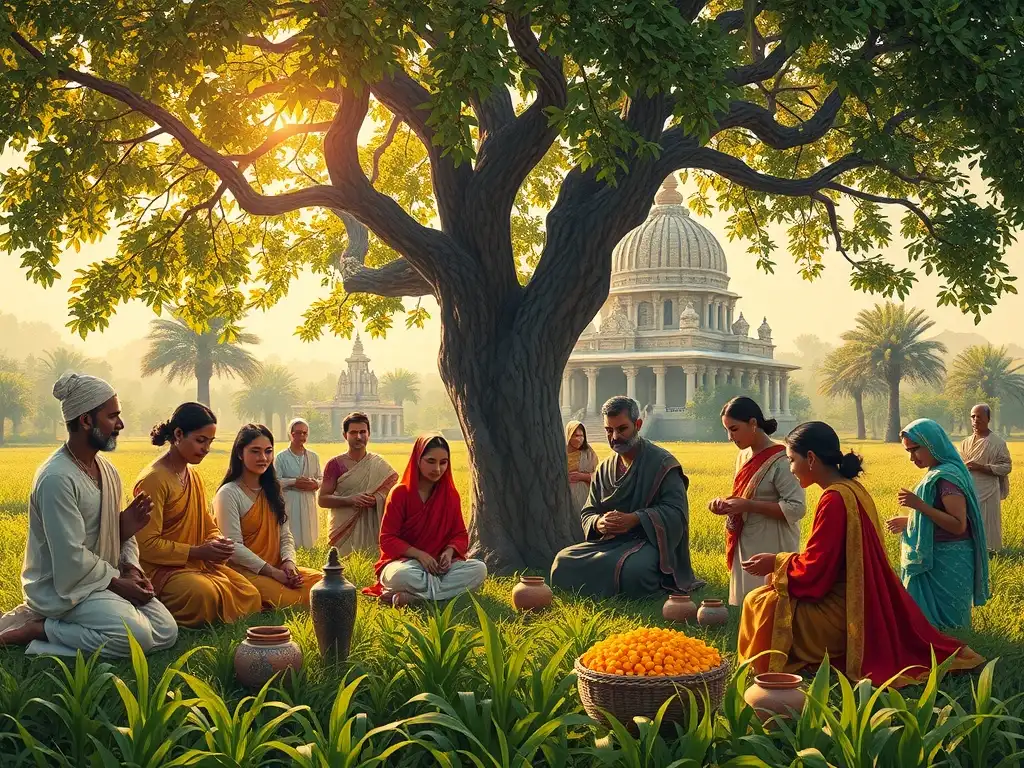
The belief in rebirth significantly impacted daily life in ancient Indian society, shaping social structures, ethical behavior, and cultural practices. The understanding that actions have consequences across multiple lifetimes encouraged individuals to lead virtuous lives, adhering to ethical principles such as non-violence, truthfulness, and compassion.
Socially, the caste system can also be viewed through the lens of rebirth. Many believed that one’s social status was a result of past actions, leading to a society where individuals accepted their roles and responsibilities. This understanding fostered a sense of duty and purpose, as people worked toward improving their karma for future rebirths.
Moreover, festivals and observances related to rebirth, such as Pavitra Utsav and Buddha Purnima, were integral to community life. These events not only provided opportunities for communal gatherings but also reinforced the teachings of Buddhism and the importance of ethical living. As a result, the belief in rebirth remained a foundational aspect of ancient Indian society, influencing both personal and communal practices.
Comparative Analysis: Rebirth in Buddhism vs. Other Ancient Indian Religions
Rebirth is a common thread in several ancient Indian religions, but the interpretation and implications differ significantly. In Buddhism, rebirth is intertwined with the concepts of karma and the quest for enlightenment, while in other traditions like Hinduism and Jainism, the understanding of rebirth and its consequences can vary.
Rebirth in Hinduism: Similarities and Differences
Hinduism shares a belief in rebirth, often referred to as punarjanma, which emphasizes the soul's journey through various life forms based on karma. However, unlike Buddhism, which advocates for the cessation of the cycle through enlightenment, Hinduism typically views rebirth as a process of the soul’s evolution toward ultimate union with the divine, or moksha.
While both religions recognize the importance of karma in determining the circumstances of rebirth, Hinduism often incorporates a more personal and eternal aspect of the soul, whereas Buddhism emphasizes the concept of anatman or no-self, suggesting that there is no permanent soul being reborn. This fundamental difference illustrates the unique philosophical underpinnings of each tradition's approach to rebirth.
Jainism and Its Unique Perspective on Rebirth
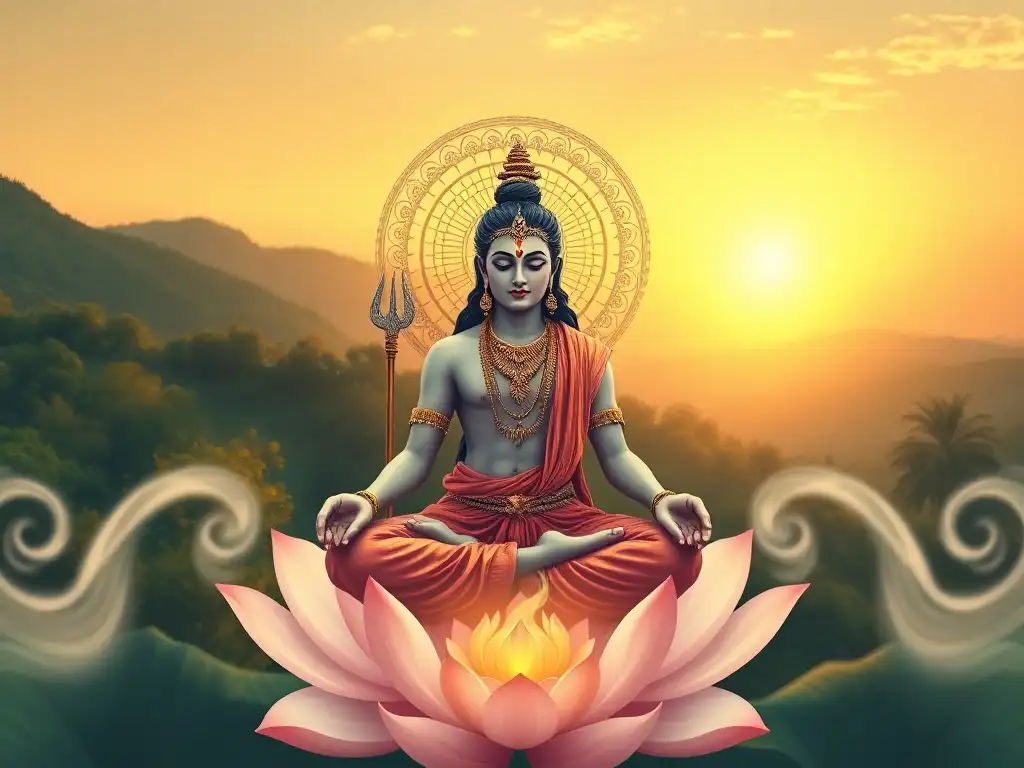
Jainism presents a distinctive perspective on rebirth, aligning closely with the concept of karma but emphasizing the individual soul's purification as the path to liberation. In Jain belief, every action generates karma, which affects the soul’s journey through cycles of rebirth. The ultimate goal is to achieve kevala jnana or absolute knowledge, leading to liberation (moksha) from the cycle of rebirth.
Furthermore, Jainism places a strong emphasis on non-violence (ahimsa) and ascetic practices as vital means to reduce karmic accumulation. This focus on personal effort and ethical conduct shapes the Jain worldview, resulting in a rigorous approach to living that deeply influences their community and cultural practices.
While the concept of rebirth is prevalent across Buddhism, Hinduism, and Jainism, each tradition interprets and integrates this belief uniquely, reflecting their broader philosophical teachings and cultural contexts.
The Influence of Rebirth Beliefs on Modern Buddhism
The concept of rebirth holds a significant place in modern Buddhism, influencing not only doctrinal teachings but also the lived practices of millions of followers around the globe. This idea, rooted in ancient Indian beliefs, shapes how practitioners understand the nature of existence, suffering, and the pursuit of enlightenment. In contemporary settings, rebirth is often interpreted through the lens of personal experience and ethical living. Many modern Buddhists see rebirth not merely as a metaphysical concept but as a guiding principle that informs their moral choices and aspirations for spiritual growth.
Moreover, the emphasis on rebirth encourages a deep sense of interconnectedness among individuals and their environments. This interconnectedness fosters compassion and mindfulness, as practitioners recognize that their actions have consequences that span beyond their current life. As a result, the influence of rebirth beliefs can be seen in various aspects of modern Buddhist practice, from meditation techniques to community outreach initiatives aimed at alleviating suffering.
Contemporary Interpretations of Rebirth in Various Buddhist Traditions
Contemporary interpretations of rebirth can vary significantly across different Buddhist traditions, reflecting a rich tapestry of beliefs and practices. In Theravada Buddhism, rebirth is often viewed in a more literal sense, emphasizing the cycle of samsara (the cycle of birth, death, and rebirth) as a fundamental aspect of existence. Practitioners engage in rituals and merit-making activities to influence their future rebirths positively.
In contrast, Mahayana Buddhism tends to adopt a more metaphorical interpretation of rebirth, focusing on the transformation of the mind and the cultivation of compassion. The notion of "rebirth" in this context may refer to the development of a new perspective on life and existence, rather than a physical reincarnation. Tibetan Buddhism, with its unique blend of indigenous beliefs and Buddhist teachings, incorporates complex rituals and teachings surrounding rebirth, including the concept of the Bardo state, which describes the intermediate state between death and rebirth.
These diverse interpretations demonstrate how the ancient Indian belief in rebirth has evolved within modern Buddhism, adapting to cultural contexts and personal experiences while maintaining its core significance.
The Relevance of Rebirth in Today's Spiritual Practices
In today's spiritual landscape, the relevance of rebirth transcends traditional Buddhist contexts, influencing various spiritual practices and philosophies. Many people, regardless of their specific religious affiliation, find value in the concept of rebirth as it aligns with themes of renewal and transformation. Practices such as meditation, mindfulness, and ethical living are embraced not only in Buddhist circles but also in broader spiritual communities seeking to cultivate a deeper understanding of life and existence.
Moreover, the idea of rebirth resonates with contemporary discussions on environmental sustainability and social justice. The recognition that our actions impact future generations encourages a more responsible approach to living, fostering a sense of stewardship for the planet and its inhabitants. As a result, the principles surrounding rebirth continue to inspire individuals to seek personal growth and contribute positively to society, bridging ancient beliefs with modern-day challenges.
Conclusion: The Continuing Legacy of Rebirth in Buddhism and Ancient Indian Beliefs
The legacy of rebirth in Buddhism exemplifies the enduring influence of ancient Indian beliefs on contemporary spirituality. This concept not only serves as a foundational teaching within Buddhism but also resonates with broader philosophical inquiries into the nature of existence. The understanding of rebirth encourages individuals to reflect on their lives and the impact of their actions, fostering a sense of responsibility that extends beyond the self.
Reflection on the Importance of Understanding Rebirth
Understanding rebirth is crucial for comprehending the broader framework of Buddhist teachings and their application in everyday life. It invites practitioners to engage in profound self-inquiry, recognizing the impermanence of life and the potential for transformation. By reflecting on the cycles of existence, individuals can cultivate a deeper sense of compassion, mindfulness, and ethical living, aligning their actions with the principles of interconnectedness and impermanence.
The Future of Rebirth Concepts in Global Spiritual Discourse
As global spirituality continues to evolve, the concepts surrounding rebirth are likely to play an increasingly significant role in discourse. The blending of various spiritual traditions and the rise of secular mindfulness practices may lead to new interpretations of rebirth that resonate with a broader audience. This evolution could enhance cross-cultural dialogues about life, death, and ethical living, promoting a deeper understanding of ancient Indian beliefs and their relevance in contemporary society.
The enduring legacy of rebirth in Buddhism highlights the richness of ancient Indian thought and its capacity to inform and inspire modern spiritual practices. As we move forward, engaging with these concepts will be vital in fostering a more compassionate and interconnected world.
- Introduction to Rebirth in Buddhism
- The Cycle of Life: Samsara
- Core Teachings of Buddhism on Rebirth
- Historical Context of Rebirth in Ancient Indian Beliefs
- The Role of Rebirth in Buddhist Practices
- Meditation and Mindfulness: Preparing for Rebirth
- Rituals and Ceremonies Surrounding Death and Rebirth
- The Impact of Rebirth Beliefs on Daily Life in Ancient Indian Society
- Comparative Analysis: Rebirth in Buddhism vs. Other Ancient Indian Religions
- Rebirth in Hinduism: Similarities and Differences
- Jainism and Its Unique Perspective on Rebirth
- The Influence of Rebirth Beliefs on Modern Buddhism
- Conclusion: The Continuing Legacy of Rebirth in Buddhism and Ancient Indian Beliefs
Frequently Asked Questions
What is the concept of rebirth in Buddhism?
The concept of rebirth in Buddhism refers to the cycle of samsara, where beings are reborn in different forms based on their karma. This cycle continues until one achieves nirvana, breaking free from suffering.
How does rebirth relate to ancient Indian beliefs?
Rebirth is a central theme in both Buddhism and other ancient Indian beliefs, such as Hinduism. Both traditions emphasize the importance of karma and moral actions influencing future incarnations.
What role does karma play in the cycle of rebirth?
Karma is vital in determining the circumstances of one's next life. Positive actions lead to beneficial rebirth, while negative actions can result in unfavorable conditions in future existences.
How did the concept of rebirth influence ancient Indian culture?
The idea of rebirth shaped various aspects of ancient Indian culture, including art, philosophy, and social practices. It encouraged individuals to act morally and consider the long-term effects of their actions.
Is rebirth unique to Buddhism or common in ancient Indian religions?
While rebirth is a significant tenet in Buddhism, it is also prevalent in Hinduism and Jainism, showcasing a shared belief in the cycle of life and the moral implications of one’s actions across ancient Indian religions.
Final Reflection: Embracing the Cycle of Life in Buddhism
The concept of rebirth in Buddhism is not just a philosophical idea; it is a profound lens through which we can understand our existence and the interconnectedness of all life. In today's fast-paced world, where the quest for meaning often leads to disillusionment, the teachings of Buddhism remind us of the cyclical nature of life and the importance of mindfulness in our daily experiences. This ancient Indian belief system offers a pathway to greater awareness and compassion, urging us to recognize that every action has consequences that ripple through time and space.
The influence of rebirth extends beyond religious practices; it permeates our cultural and social landscapes, shaping our values and interactions. As we navigate the complexities of modern life, the wisdom of Buddhism encourages us to reflect on our choices and their impact on ourselves and others. The mind is everything. What you think you become.
This quote encapsulates the essence of our thoughts and actions, reminding us that our journey is shaped by our intentions and the legacy we leave behind.
As you ponder the teachings of Buddhism and the cycle of life, I invite you to embrace the opportunity for personal growth and transformation. Consider how the principles of rebirth can inspire you to live more mindfully, fostering compassion and understanding in your interactions. Let this reflection serve as a reminder that each moment is a chance to create positive change, not only for ourselves but for the world around us. Embrace the journey of rebirth, and allow it to guide you toward a more meaningful existence.
Embrace the Journey of Rebirth!
Thank you for taking the time to explore the profound concept of rebirth in Buddhism with us! We hope you’ve gained valuable insights into the cyclical nature of life and the opportunities it presents for growth and transformation. Now, it's time to put this understanding into action.
Here are a few steps you can take to deepen your connection to these ideas:
- Reflect on your own journey: Take a moment to journal about your personal experiences of change and renewal. What lessons have you learned that can guide your future path?
- Engage with a community: Connect with others who share an interest in Buddhism or spiritual growth. Attend a local meditation group or join online forums to exchange insights and support.
- Explore further: Delve into Buddhist texts or watch documentaries on the subject of rebirth and karma. Discover how these teachings can influence your daily life in meaningful ways.
As you contemplate these actions, consider this: How can the principles of rebirth empower you to embrace change in your life today? Your journey of exploration is just beginning!