
The Lasting Impact of Indian Culture on Modern Southeast Asian Societies

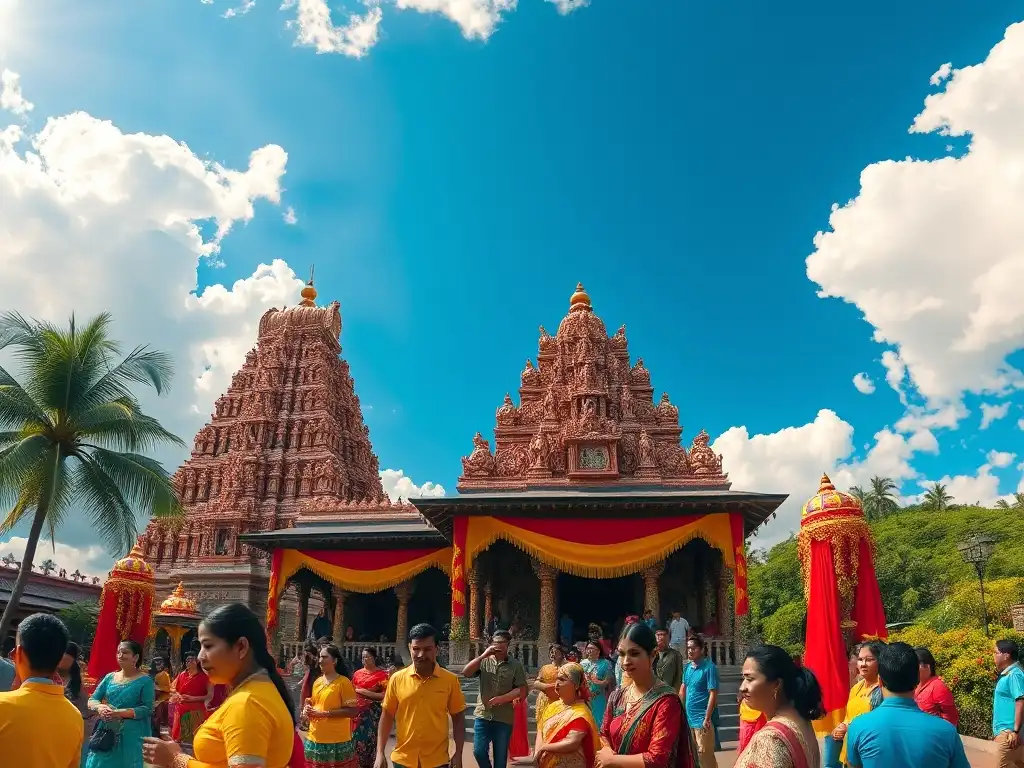
Welcome to Ancient India History, where we embark on an extraordinary journey through the rich tapestry of ancient Indian civilizations. From the majestic Indus Valley to the brilliant Gupta Empire, discover how Indian culture has not only shaped its own land but also left an indelible mark on Southeast Asia. In our featured article, "The Lasting Impact of Indian Culture on Modern Southeast Asian Societies," delve into the fascinating cultural exchanges that have woven a complex narrative of influence and adaptation. Prepare to uncover the intriguing connections that continue to resonate today—your exploration starts here!
Introduction to Indian Culture and Its Global Influence
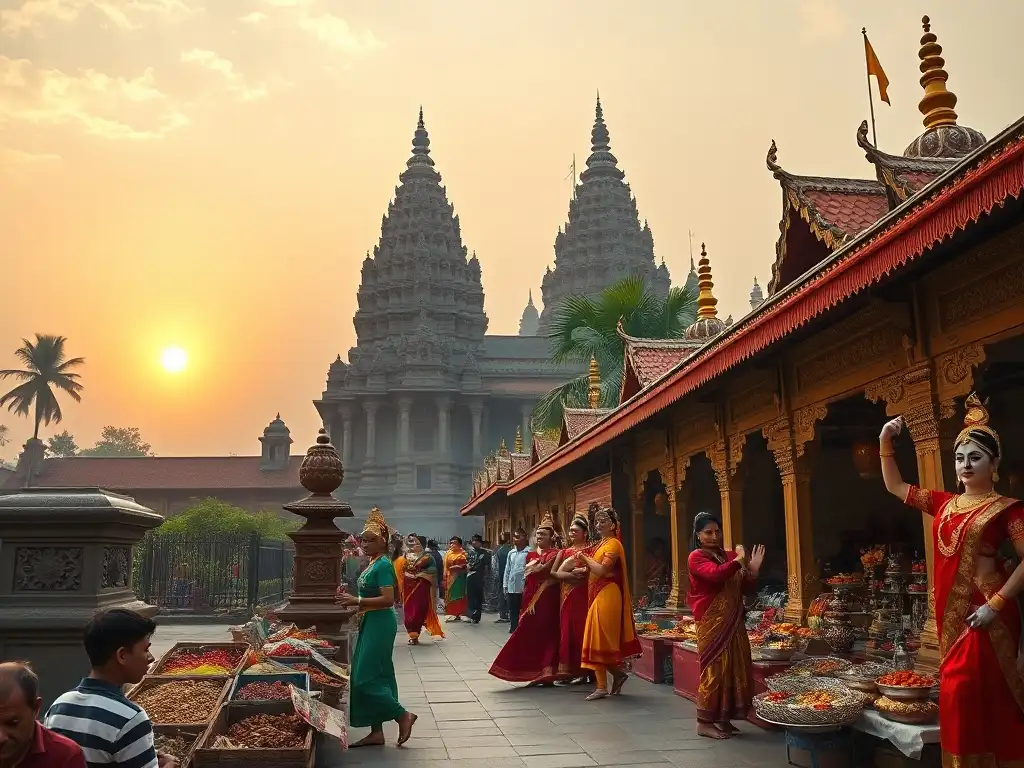
The influence of Indian culture on Southeast Asia is a profound testament to the rich tapestry of historical exchanges between these regions. From ancient trade routes to the introduction of religions, the cultural imprints left by Indian civilizations have shaped the social, political, and artistic landscapes of Southeast Asian societies.
This article delves into how these historical interactions have not only enriched Southeast Asian cultures but have also fostered a unique blend of traditions that continue to thrive today. By exploring the various dimensions of Indian cultural influence, we aim to highlight the significant legacies that endure in contemporary Southeast Asia and the ways in which they resonate with modern identity and societal values.
Overview of Indian Culture
Indian culture is characterized by its diversity, encompassing a variety of languages, religions, philosophies, and artistic expressions. This culture is often recognized for its contributions in the fields of literature, music, dance, and architecture, as well as its profound philosophical insights. Key elements include:
- Religions: Hinduism, Buddhism, Jainism, and Sikhism.
- Languages: Over 1,600 spoken languages, with Hindi and Bengali being prominent.
- Art and Architecture: Distinct styles such as Indo-Islamic architecture, classical dance forms, and intricate textile arts.
The vibrancy of Indian culture has found resonance far beyond its geographical boundaries, particularly in the nations of Southeast Asia where it has fostered unique cultural identities.
Significance of Indian Culture in Southeast Asia
The significance of Indian culture in Southeast Asia cannot be overstated. This influence is evident in various aspects of daily life, religious practices, and artistic expressions. Notable impacts include:
- Religious Practices: The establishment of Hindu and Buddhist temples which serve as centers of worship and community.
- Language and Literature: The incorporation of Sanskrit and other Indian languages into the local vernaculars, enriching the literary traditions of Southeast Asian nations.
- Cultural Festivals: Celebrations such as Diwali and Vesak, which highlight Indian cultural traditions and have been embraced by local populations.
These elements showcase how Indian culture has not only been absorbed but has also evolved, creating a unique synthesis that characterizes modern Southeast Asian societies.
Historical Context of Indian Influence in Southeast Asia
Early Trade Routes and Cultural Exchanges
The historical context of Indian influence in Southeast Asia can be traced back to early trade routes that connected the Indian subcontinent with the islands and coastal regions of Southeast Asia. These trade networks facilitated not only the exchange of goods like spices and textiles but also ideas, technologies, and cultural practices. Noteworthy aspects include:
- Maritime Trade: The role of the Indian Ocean trade routes in linking India with key Southeast Asian states such as Srivijaya and Majapahit.
- Cultural Diplomacy: The interactions between Indian traders and local rulers, fostering cultural exchanges that were mutually beneficial.
Through these connections, Indian culture gradually permeated Southeast Asian societies, laying the groundwork for deeper cultural affiliations.
Spread of Indian Religions: Hinduism and Buddhism
One of the most significant aspects of Indian influence on Southeast Asia is the spread of its major religions, particularly Hinduism and Buddhism. Key points to consider include:
- Temple Architecture: The construction of temples such as Angkor Wat in Cambodia and Borobudur in Indonesia, which reflect Indian architectural styles and religious motifs.
- Philosophical Exchange: The introduction of Indian philosophical concepts, such as karma and dharma, which have been integrated into local belief systems.
This religious diffusion not only transformed the spiritual landscape of Southeast Asia but also contributed to the socio-political structures of various kingdoms.
The Role of Maritime Trade in Cultural Transmission
Maritime trade played a crucial role in the transmission of Indian culture to Southeast Asia, acting as a conduit for cultural, religious, and social exchanges. Noteworthy elements include:
- Trade Ports: The establishment of vibrant trade ports like Malacca, which became melting pots of culture and commerce.
- Cultural Syncretism: The blending of Indian cultural elements with local traditions, resulting in unique art forms, culinary practices, and rituals.
These maritime interactions exemplify how trade not only facilitated economic prosperity but also fostered a rich cultural dialogue that continues to influence Southeast Asian societies today.
Key Elements of Indian Culture in Southeast Asian Societies
The influence of Indian culture on Southeast Asia is profound and multifaceted, manifesting in various aspects of life, from architecture and language to art and festivals. These elements have shaped the cultural landscape of nations such as Indonesia, Thailand, Cambodia, and Malaysia, creating a rich tapestry that reflects the historical interactions between Indian civilizations and Southeast Asian societies. The enduring legacy of Indian culture in this region can be traced back to ancient trade routes, religious exchanges, and the spread of Hinduism and Buddhism, which laid the foundation for cultural synthesis.
Architectural Influence: Temples and Monuments
One of the most striking manifestations of Indian cultural influence in Southeast Asia is seen in the architectural styles of temples and monuments. The adoption of Hindu and Buddhist architectural principles led to the construction of grand structures that reflect Indian aesthetics and religious symbolism.
- Khmer Temples: The Angkor Wat temple complex in Cambodia is a prime example of this influence. Originally constructed as a Hindu temple dedicated to the god Vishnu, it later transformed into a Buddhist site. Its intricate bas-reliefs and towering spires mirror Indian temple architecture, showcasing the influence of Indian design on Khmer civilization.
- Indonesian Temples: In Indonesia, the Borobudur temple stands as a monumental representation of Mahayana Buddhism, heavily influenced by Indian architectural techniques. Constructed in the 8th and 9th centuries, this stupa-shaped monument incorporates various elements from Indian art and spiritual concepts.
- Thailand's Historical Sites: The influence extends to Thailand, where the Wat Phra Kaew temple complex houses the Emerald Buddha, a significant symbol of Thai Buddhism with clear Indian origins. The architectural designs often feature intricate carvings and motifs that echo Indian traditions.
These structures not only served religious purposes but also acted as cultural hubs, fostering local interpretations of Indian religious practices and aesthetics.
Linguistic Contributions: Sanskrit and Regional Languages
The linguistic influence of Indian culture is evident in the adoption of Sanskrit and its derivatives in various Southeast Asian languages. Sanskrit, the classical language of India, served as a lingua franca in many regions, facilitating trade and cultural exchanges.
- Sanskrit Loanwords: Many Southeast Asian languages, including Thai, Khmer, and Malay, have incorporated a substantial number of Sanskrit loanwords. Terms related to governance, religion, and literature are often derived from Sanskrit, reflecting the cultural and administrative systems influenced by Indian civilization.
- Scripts and Literary Traditions: The Brahmi script, originating from ancient India, laid the groundwork for many Southeast Asian writing systems. The Pallava script, for instance, evolved into the Khmer and Thai scripts, enabling the preservation of literary works and religious texts.
- Literary Influence: Indian epics, particularly the Ramayana and Mahabharata, have also found a place in Southeast Asian literature, often adapted and retold in local dialects. These stories not only enriched the literary heritage but also reinforced cultural values and moral lessons across the region.
Art and Literature: Indian Epics in Southeast Asia
The impact of Indian culture on Southeast Asian art and literature is profound, with Indian epics serving as a cornerstone of cultural expression. These texts have been adapted in various forms, influencing storytelling, performance arts, and visual arts.
- Ramayana and Mahabharata Adaptations: The narratives from the Ramayana and Mahabharata have been reinterpreted in local contexts, leading to unique performances such as Wayang Kulit in Indonesia and Khon in Thailand. These adaptations retain core elements of the original tales while incorporating local customs and styles.
- Visual Arts: Indian artistic styles have significantly influenced Southeast Asian sculpture and painting. Temples are adorned with intricate carvings depicting scenes from Indian mythology, showcasing the synthesis of Indian and local artistic traditions. For example, the bas-reliefs of Angkor Wat illustrate various episodes from the Ramayana, blending local artistic techniques with Indian iconography.
- Cultural Festivals: The themes and characters from these epics are celebrated in various festivals across Southeast Asia, further embedding Indian cultural narratives into the social fabric of these communities.
The Role of Indian Festivals and Traditions
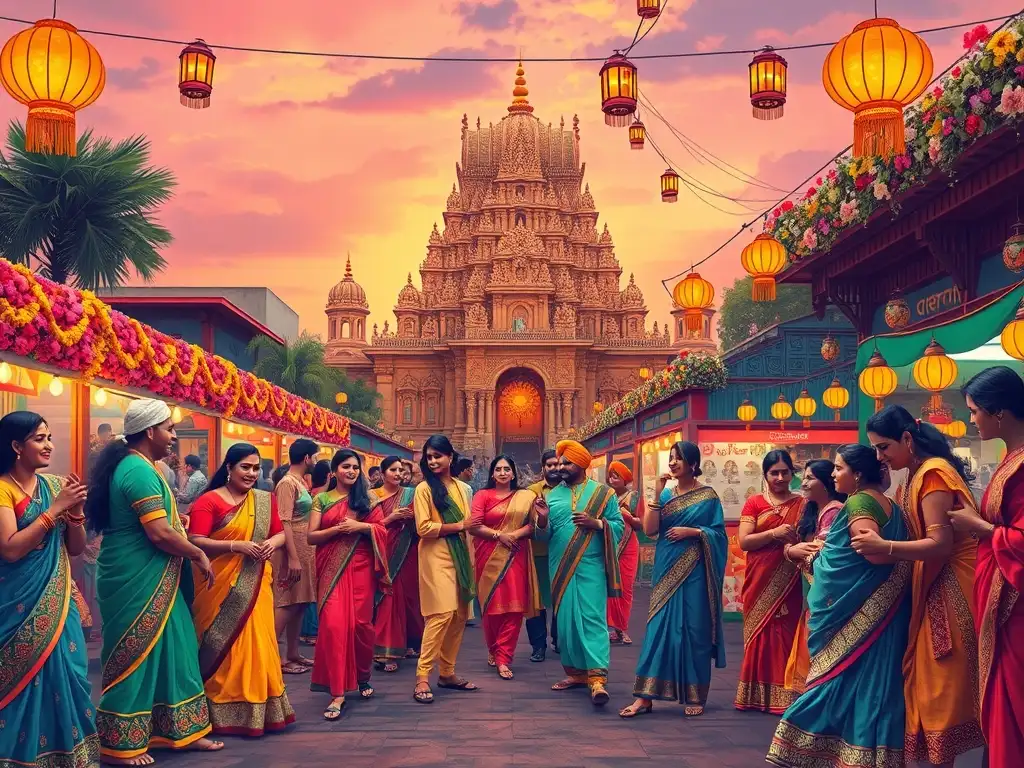
Indian festivals and traditions have left an indelible mark on Southeast Asian societies, influencing local customs and celebrations. These festivals often blend with indigenous practices, resulting in unique cultural expressions that reflect a rich heritage.
Celebrations and Their Adaptations in Southeast Asia
Many traditional Indian festivals have been embraced and adapted within Southeast Asian cultures, illustrating the deep-rooted connections between these regions.
- Diwali and Tihar: Festivals like Diwali, the Festival of Lights, have found resonance in countries such as Nepal, where Tihar is celebrated with similar fervor. Local customs are woven into the celebration, enhancing its significance in the regional context.
- Hindu New Year Celebrations: The celebration of the Hindu New Year, known as Chaitra, is observed in various forms across Southeast Asia. In Bali, for instance, the Nyepi Day (Day of Silence) reflects a blend of Hindu traditions and local beliefs.
- Buddhist Festivals: Similarly, Buddhist festivals such as Vesak, which commemorates the birth, enlightenment, and death of Buddha, are widely celebrated in countries influenced by Indian Buddhism, including Thailand and Myanmar, often adapted to include local rituals.
Influence on Local Customs and Practices
The influence of Indian culture extends beyond festivals, permeating everyday customs and practices in Southeast Asia.
- Ritualistic Practices: Many ritualistic practices in Southeast Asia, such as offerings and ceremonies, mirror Indian traditions. The use of flowers, incense, and specific prayers during religious ceremonies can be traced back to Indian customs.
- Culinary Influence: Indian cuisine has also made a significant impact, with the integration of spices, cooking techniques, and dishes. For instance, the popularity of curry in Thailand and Malaysia can be directly linked to Indian culinary traditions.
- Social Structures: The caste system, while not directly adopted, has influenced social hierarchies in some Southeast Asian societies, where certain classes are associated with specific occupations, reflecting similar structures seen in India.
Through these adaptations, Indian culture has not only enriched Southeast Asian societies but also created a dynamic interplay of traditions that continue to evolve over time.
Modern Manifestations of Indian Cultural Influence
The influence of Indian culture on Southeast Asia is profound and multifaceted, manifesting in various aspects of daily life, art, and societal values. This impact traces back to historical trade routes and cultural exchanges, which facilitated the transfer of ideas, customs, and practices. In modern times, these influences are evident in cuisine, entertainment, fashion, and religious practices, showcasing the enduring legacy of Indian civilization in shaping Southeast Asian societies.
Indian Cuisine in Southeast Asian Countries
Indian cuisine has made a significant impact on the culinary landscape of Southeast Asia. The rich flavors, diverse spices, and unique cooking techniques have been embraced and adapted by local cultures. For instance, dishes such as Roti Canai in Malaysia and Biryani in Indonesia reflect Indian culinary techniques combined with local ingredients and flavors. The use of spices like turmeric, cumin, and coriander is prevalent across the region, highlighting the shared gastronomic heritage.
In many Southeast Asian countries, Indian restaurants have become popular dining options, showcasing traditional dishes like Samosas, Butter Chicken, and various vegetarian curries. These establishments not only serve food but also act as cultural hubs, where people gather to celebrate Indian festivals like Diwali, thus fostering a greater appreciation for Indian culinary traditions.
Bollywood and Its Impact on Southeast Asian Entertainment
Bollywood, the vibrant film industry of India, has significantly influenced the entertainment landscape in Southeast Asia. The colorful narratives, elaborate dance sequences, and emotive storytelling have captured the hearts of audiences across countries such as Malaysia, Indonesia, and Thailand. Bollywood films are often dubbed or subtitled in local languages, making them accessible to a broader audience.
The popularity of Bollywood music and dance styles has also led to the emergence of local dance troupes and fan clubs, celebrating the fusion of Indian and Southeast Asian artistic expressions. Festivals featuring Bollywood-themed events draw large crowds, demonstrating the genre's ability to transcend cultural boundaries and foster a shared love for storytelling and performance.
Indian Fashion and Its Integration in Local Trends
Indian fashion has found a unique place in the wardrobes of Southeast Asian societies, with elements like sarees, lehenga cholis, and kurta sets becoming popular choices for formal occasions and celebrations. Designers in the region often incorporate traditional Indian fabrics, patterns, and embellishments into contemporary fashion lines, creating a seamless blend of styles.
Moreover, Indian textiles, such as silk and cotton, are widely appreciated for their quality and craftsmanship. Fashion events that celebrate this fusion often feature Indian designers alongside local talent, highlighting the collaborative spirit of cultural exchange. This integration of Indian fashion into local trends not only showcases the aesthetic appeal but also reinforces the interconnectedness of cultural identities.
Challenges and Adaptations of Indian Cultural Influence
While the influence of Indian culture in Southeast Asia is substantial, it also faces challenges that necessitate adaptation. The dynamic nature of cultural exchange means that traditions must evolve to remain relevant in contemporary society.
Preservation of Indian Cultural Heritage in Southeast Asia
Efforts to preserve Indian cultural heritage in Southeast Asia are crucial in maintaining the richness of this shared history. Various organizations and community groups are actively working to safeguard traditional practices, languages, and art forms. For example, festivals celebrating Indian heritage, such as Thaipusam and Diwali, are observed with great enthusiasm, promoting awareness and participation among younger generations.
Educational initiatives aimed at teaching Indian languages and cultural practices are being implemented in schools, ensuring that the legacy of Indian culture continues to thrive. Additionally, cultural centers and museums play a vital role in curating exhibitions that showcase the historical ties between India and Southeast Asian nations, reinforcing the importance of preservation.
The Impact of Globalization on Indian Cultural Elements
Globalization has brought both opportunities and challenges to the preservation of Indian cultural elements in Southeast Asia. While it has facilitated the spread of Indian culture through media, technology, and commerce, it also poses a risk of cultural homogenization. The influx of global trends can sometimes overshadow traditional practices, leading to a dilution of cultural identities.
In response, many communities are finding ways to adapt by blending traditional Indian elements with modern influences, creating a unique cultural tapestry that resonates with contemporary audiences. This adaptability ensures that Indian culture remains vibrant and relevant, allowing it to coexist alongside the rapidly changing global landscape. By embracing both adaptation and preservation, Southeast Asian societies can continue to celebrate their rich cultural heritage while also engaging with the broader world.
Conclusion: The Enduring Legacy of Indian Culture in Southeast Asia
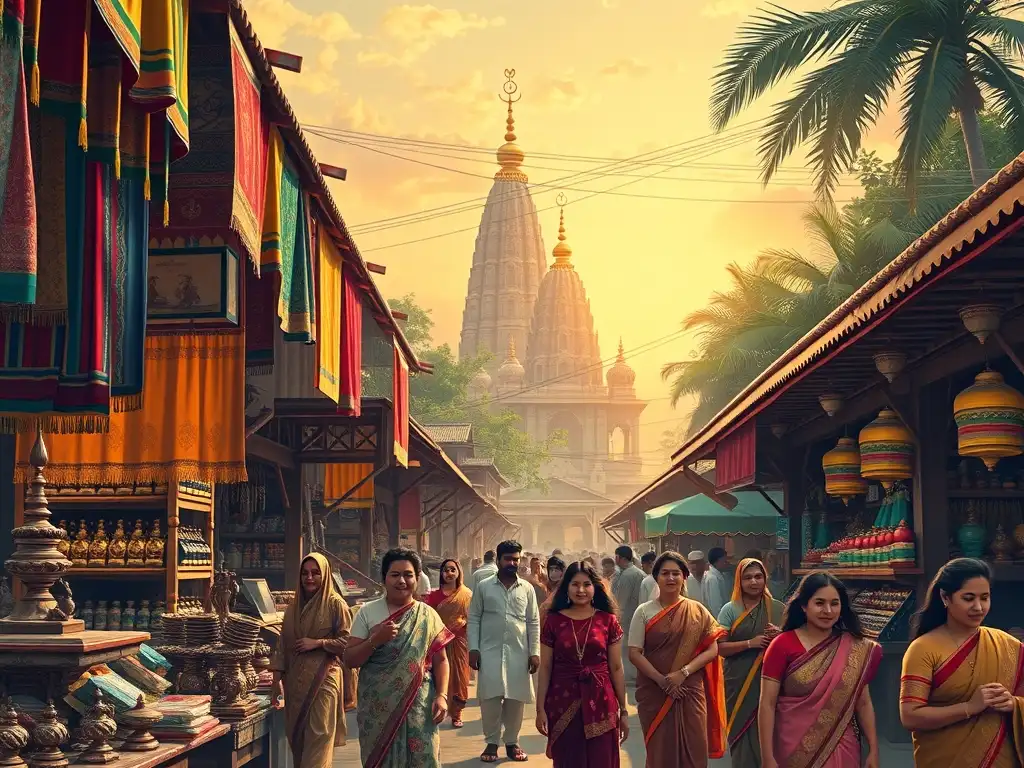
The influence of Indian culture on Southeast Asia is profound and multifaceted, with roots that extend back over a millennium. This legacy can be observed in various aspects of life, from religion and language to art and social customs. The historical interactions between Indian civilizations and the diverse cultures of Southeast Asia have led to a unique synthesis that shapes the region's identity today. The enduring presence of Indian cultural elements serves as a testament to the strength and adaptability of these influences, which have been integrated and reinterpreted within local contexts.
As modern Southeast Asian societies continue to evolve, the foundational elements of Indian culture remain relevant and influential. The intricate tapestry of shared beliefs and practices, which includes Hinduism, Buddhism, and the myriad local adaptations, demonstrates how Indian heritage has been woven into the very fabric of Southeast Asian life. Festivals, rituals, and artistic expressions reflect this deep-seated connection, highlighting the significance of Indian culture in contemporary society.
Summary of Indian Culture’s Influence on Southeast Asian Societies
The impact of Indian culture on Southeast Asian societies is extensive, encompassing various domains:
- Religion and Spirituality: The introduction of Hinduism and Buddhism laid the groundwork for major religious practices that still thrive today. Temples, such as Angkor Wat in Cambodia and Borobudur in Indonesia, exemplify the architectural and spiritual legacy of Indian religions.
- Language and Literature: Sanskrit and Pali, brought by Indian traders and scholars, have influenced local languages and literary traditions. Many Southeast Asian languages have adopted vocabulary and writing systems based on Indian scripts.
- Art and Architecture: Indian artistic styles have significantly shaped local art, evident in sculptures, paintings, and architectural designs that reflect Indian aesthetics and motifs.
- Social Structure and Governance: The Indian caste system and political institutions have influenced social hierarchies and governance models across various Southeast Asian kingdoms.
- Culinary Traditions: Indian spices and culinary techniques have enriched Southeast Asian cuisine, creating a fusion of flavors that remains popular in contemporary food culture.
These facets illustrate how deeply ingrained Indian culture is in the social, religious, and artistic dimensions of Southeast Asian life, creating a rich cultural mosaic that continues to thrive.
Future Prospects for Indian Culture in the Region
Looking ahead, the prospects for Indian culture in Southeast Asia appear promising, driven by both historical ties and contemporary globalization. Several factors suggest that this influence will continue to grow:
- Cultural Exchanges: Increased tourism and educational exchanges between India and Southeast Asian countries foster deeper cultural appreciation and understanding. Programs promoting Indian arts, dance, and music are gaining traction, further embedding Indian cultural practices in the region.
- Economic Partnerships: Strengthening trade relations and economic collaborations between India and Southeast Asian nations are likely to intensify cultural interactions. As businesses engage across borders, cultural exchange will naturally follow.
- Digital Connectivity: The rise of digital media and social platforms has made it easier for cultural content to flow between India and Southeast Asia. Indian films, music, and literature are gaining popularity, influencing local tastes and preferences.
- Shared Challenges: Addressing common socio-economic and environmental challenges may lead to greater collaboration, allowing cultural exchange to flourish as nations learn from each other's experiences.
- Diaspora Influence: The Indian diaspora in Southeast Asia continues to play a crucial role in maintaining and promoting Indian culture, acting as a bridge between communities and facilitating cultural dialogues.
The lasting impact of Indian culture on Southeast Asian societies is evident and will likely continue to evolve, shaping the region's identity while celebrating its rich cultural heritage.
- Introduction to Indian Culture and Its Global Influence
- Historical Context of Indian Influence in Southeast Asia
- Key Elements of Indian Culture in Southeast Asian Societies
- The Role of Indian Festivals and Traditions
- Modern Manifestations of Indian Cultural Influence
- Challenges and Adaptations of Indian Cultural Influence
- Conclusion: The Enduring Legacy of Indian Culture in Southeast Asia
- Summary of Indian Culture’s Influence on Southeast Asian Societies
- Future Prospects for Indian Culture in the Region
- What is the significance of Indian culture in Southeast Asia?
- How did Indian religion influence Southeast Asia?
- What are some examples of Indian art in Southeast Asia?
- How did trade facilitate cultural exchange between India and Southeast Asia?
- In what ways does Indian culture continue to influence modern Southeast Asia?
Frequently Asked Questions
What is the significance of Indian culture in Southeast Asia?
Indian culture has had a profound influence on Southeast Asian societies, shaping their religion, art, and social structures through trade and cultural exchange.
How did Indian religion influence Southeast Asia?
The spread of Hinduism and Buddhism from India significantly impacted Southeast Asian belief systems, leading to the establishment of major temples and spiritual practices that persist today.
What are some examples of Indian art in Southeast Asia?
Southeast Asian art is enriched by Indian aesthetics, evident in sculptures, architecture, and literature, which often reflect mythological themes from Indian epics like the Ramayana and Mahabharata.
How did trade facilitate cultural exchange between India and Southeast Asia?
Trade routes facilitated the movement of people and ideas, allowing for the exchange of goods and cultural practices that integrated Indian traditions into local customs and lifestyles.
In what ways does Indian culture continue to influence modern Southeast Asia?
Modern Southeast Asian societies still exhibit aspects of Indian culture through festivals, cuisine, and languages, demonstrating the lasting legacy of ancient Indian civilizations.
Final Reflection: The Enduring Legacy of Indian Culture in Southeast Asia
The influence of Indian culture on Southeast Asia is not just a historical footnote; it is a vibrant thread woven into the very fabric of modern societies. As we navigate the complexities of globalization, the echoes of ancient Indian philosophies, art, and traditions continue to resonate, shaping identities and fostering connections across diverse communities. This enduring legacy reminds us that culture is a living entity, constantly evolving yet rooted in its origins.
Cultural exchanges between India and Southeast Asia have created a rich tapestry that enriches both regions. The shared heritage manifests in languages, religions, and artistic expressions, illustrating how interconnected our world truly is. As noted by cultural historian Romila Thapar, History is not just about the past; it is about the present and the future, as it shapes our identities and our interactions.
This ongoing dialogue between Indian and Southeast Asian cultures highlights the importance of understanding our shared histories and the ways they influence contemporary life.
As we reflect on the profound impact of Indian culture in Southeast Asia, I invite you to consider how these influences manifest in your own life. What aspects of this rich cultural exchange resonate with you? Whether through art, cuisine, or spiritual practices, take a moment to appreciate the interconnectedness of our cultures and the lessons they offer. Embrace this legacy, and let it inspire you to foster understanding and appreciation for the diverse world we inhabit.
Embrace and Celebrate the Richness of Indian Culture!
Thank you for diving into the fascinating world of Indian culture's lasting impact on modern Southeast Asian societies! Your interest in this profound heritage highlights the interconnectedness of our histories, which continue to shape vibrant communities today. Now, let's take the next step to deepen your understanding and appreciation of this incredible cultural legacy.
Here’s how you can further explore and engage:
- Join a cultural event or workshop in your area to experience Indian traditions firsthand. Discover the music, dance, and culinary delights that vividly illustrate this rich heritage.
- Share this article with friends and family to spark discussions about the influence of Indian culture in Southeast Asia. Let’s keep the conversation going!
- Research and connect with local community groups that celebrate the intersections of Southeast Asian and Indian cultures. Engage with others who share your passion and broaden your understanding!
What aspect of Indian culture do you find most inspiring, and how does it resonate with your personal experiences? We invite you to share your thoughts in the comments below!