
The Cultural Significance of Indian Jewelry in Neighboring Regions

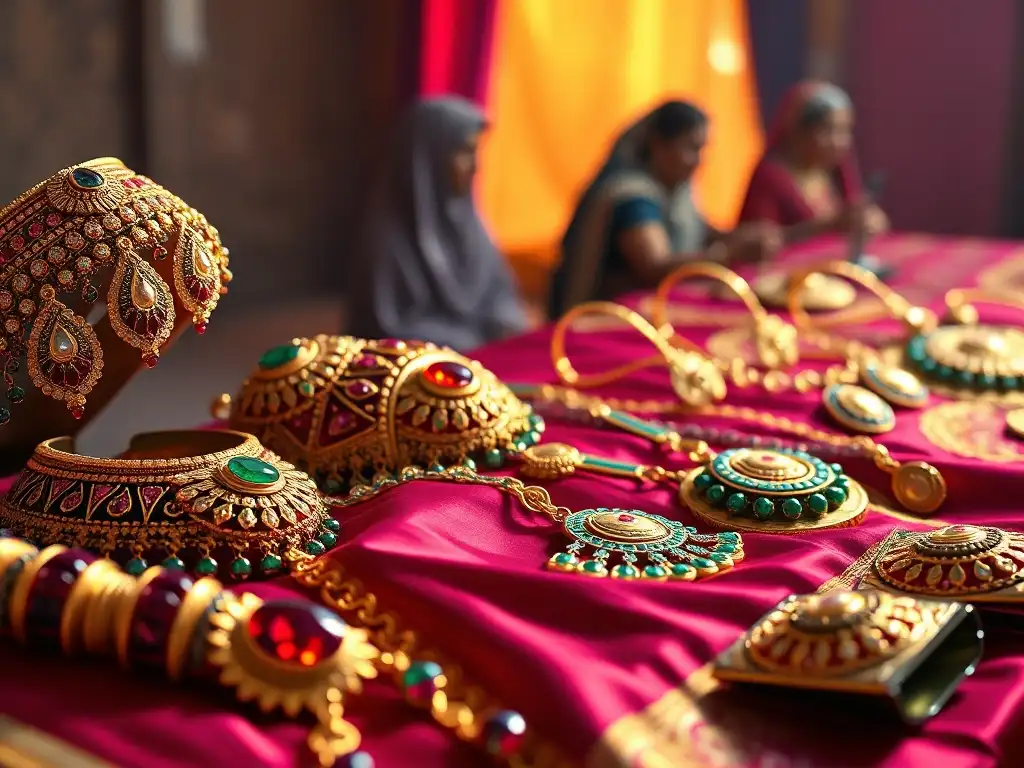
Welcome to Ancient India History, where we delve into the rich tapestry of India’s past, celebrating the myriad cultures, traditions, and innovations that have shaped this vibrant civilization. Today, we invite you to explore the cultural significance of Indian jewelry, a fascinating topic that illuminates the intricate exchanges and influences between India and its neighboring regions. Discover how these exquisite adornments not only enhance beauty but also carry profound meanings and stories that transcend time. Ready to uncover the layers of history and artistry that lie behind each piece? Let's embark on this enlightening journey together!
- Introduction to the Cultural Significance of Indian Jewelry
- The Evolution of Indian Jewelry
- Cultural Significance of Indian Jewelry in Neighboring Regions
- Symbolism of Indian Jewelry
- Trade and Exchange of Jewelry
- Contemporary Perspectives on Indian Jewelry
- Conclusion: The Lasting Impact of Indian Jewelry on Neighboring Cultures
- Frequently Asked Questions
- Final Reflection: The Enduring Legacy of Indian Jewelry
- Embrace the Beauty: Explore the Legacy of Indian Jewelry!
Introduction to the Cultural Significance of Indian Jewelry
The cultural significance of Indian jewelry extends far beyond mere adornment; it embodies a rich tapestry of history, tradition, and social identity that has influenced neighboring regions throughout the ages. From the intricate craftsmanship of the Indus Valley civilization to the opulent designs of the Gupta Empire, Indian jewelry serves as a reflection of societal values, beliefs, and artistic expression.
This article delves into the profound impact of Indian jewelry on both its own culture and those of surrounding civilizations, illuminating the intricate connections formed through trade, cultural exchange, and shared aesthetics. By exploring the historical context and societal importance of jewelry in ancient India, we can gain a deeper understanding of its enduring legacy and influence across borders.
Overview of Indian Jewelry's Historical Context
Indian jewelry has a history that dates back thousands of years, with archaeological evidence suggesting its existence as early as the Indus Valley civilization (circa 2500–1500 BCE). Artifacts such as beads, bangles, and necklaces unearthed from ancient sites indicate that jewelry was not only a form of personal adornment but also played a significant role in trade and cultural interactions.
- Key Historical Periods:
- Indus Valley Civilization: Known for its sophisticated craft techniques, including the use of semi-precious stones and intricate metalwork.
- Vedic Period: Jewelry became intertwined with rituals and social status, often indicating one's caste and wealth.
- Maurya and Gupta Empires: The flourishing of arts and trade led to the development of unique styles that emphasized both beauty and symbolism.
Throughout these periods, jewelry was often imbued with spiritual significance, serving as talismans or symbols of prosperity and protection. As trade routes expanded, Indian jewelry influenced and was influenced by neighboring cultures, particularly in regions such as Persia, Central Asia, and Southeast Asia.
Importance of Jewelry in Ancient Indian Society
In ancient Indian society, jewelry was much more than an aesthetic enhancement; it was a vital component of cultural identity and social structure. It was woven into the fabric of daily life, rituals, and significant life events, such as marriages, births, and religious ceremonies.
- Social and Cultural Roles:
- Status Symbol: Jewelry often reflected an individual's or family's social standing, with certain pieces reserved for nobility and affluent merchants.
- Ritualistic Significance: Many ornaments were crafted for specific rituals, believed to hold protective properties or blessings from deities.
- Artistic Expression: The intricate designs and craftsmanship showcased the skills of artisans and the aesthetic values of the society, often inspired by nature, mythology, and religious motifs.
Moreover, the role of jewelry transcended individual use; it was often a communal asset passed down through generations, carrying stories and traditions that connected families to their heritage. The interplay between functionality, artistry, and symbolism in Indian jewelry continues to resonate, making it a significant subject of study in the context of cultural exchanges and interactions with neighboring civilizations.
The Evolution of Indian Jewelry
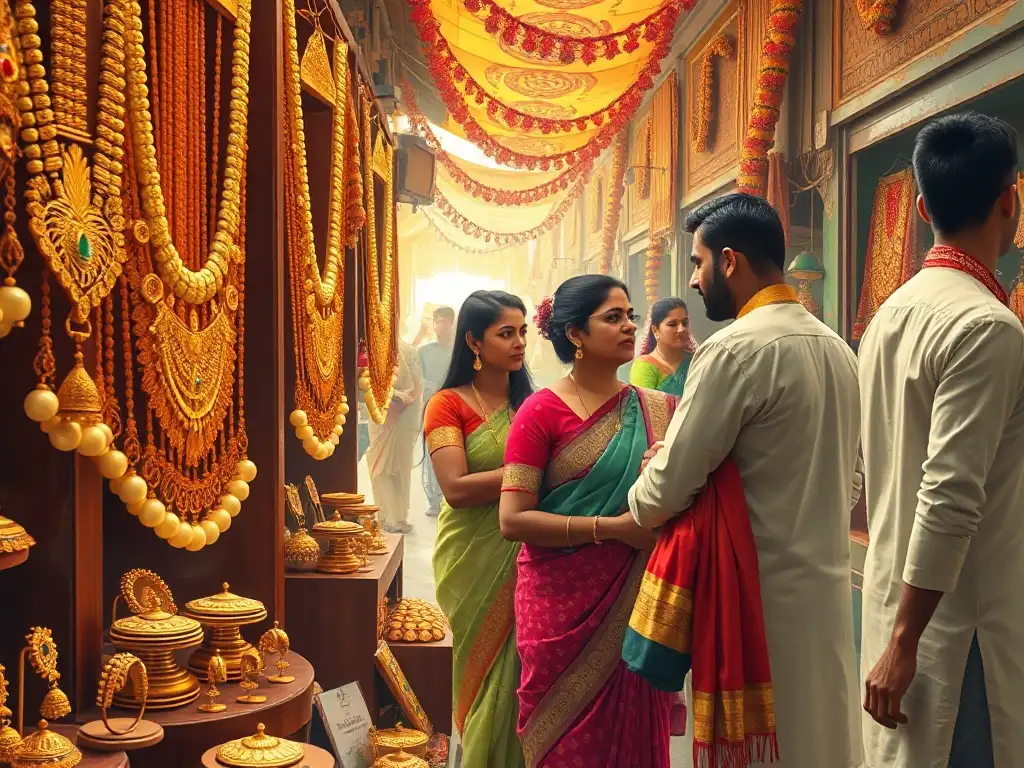
The cultural significance of Indian jewelry is deeply intertwined with the history and traditions of the subcontinent. Over thousands of years, Indian jewelry has evolved, reflecting the societal changes, technological advancements, and cultural exchanges with neighboring civilizations. This evolution can be traced through various historical periods, illuminating the intricate relationships between art, culture, and identity in ancient India.
Early Origins of Jewelry in India
Jewelry in India dates back to the Indus Valley Civilization (circa 3300–1300 BCE), where archaeological evidence reveals the use of beads made from semi-precious stones, terracotta, and shells. These early ornaments served not only as adornments but also as symbols of status and wealth.
- Materials Used:
- Natural resources: Gold, silver, and precious stones were initially reserved for the elite, while the common populace used materials like clay and wood.
- Craftsmanship: The artisans of the Indus Valley displayed remarkable skill in metalworking and bead-making, laying the foundation for future traditions.
The discovery of jewelry in burial sites indicates its spiritual significance, suggesting that such ornaments were believed to accompany individuals in the afterlife. This practice showcases the early intertwining of jewelry with cultural and religious beliefs.
Influences from Neighboring Civilizations
As Indian civilization progressed, it encountered various neighboring cultures, which left an indelible mark on the jewelry-making traditions.
- Trade Relations: The Silk Road and maritime trade routes facilitated exchanges between India and regions such as Persia, Central Asia, and the Mediterranean.
- Cultural Exchanges:
- Persian Influence: The intricate designs, such as filigree work and the use of gemstones, were influenced by Persian artistry, evident in the jewelry of the Mauryan and Gupta periods.
- Hellenistic Influence: Following Alexander the Great's invasion, Greek styles mingled with Indian aesthetics, introducing motifs and techniques that enhanced the decorative aspects of Indian jewelry.
This cross-cultural interaction not only enriched the craftsmanship but also broadened the symbolic meanings associated with jewelry, making it a vehicle for expressing shared cultural values and identities.
Transformation Through Historical Periods
The evolution of Indian jewelry continued through various historical periods, each contributing unique characteristics and significance to the art form.
- Mauryan Period (322–185 BCE): Jewelry became more elaborate, featuring intricate designs that portrayed natural motifs and divine symbols. The use of gold and precious stones became more common among the aristocracy.
- Gupta Empire (circa 240–550 CE): This period is often referred to as a golden age for art and culture. Jewelry from this time reflects a blend of elegance and sophistication, characterized by:
- Innovative Techniques: Introduction of new techniques such as granulation and enameling.
- Symbolism: Jewelry began to denote social status, marital status, and regional identity, becoming integral to cultural rituals.
- Medieval and Mughal Periods (1206–1857 CE): Mughal emperors patronized artisans, leading to the creation of opulent jewelry adorned with diamonds, emeralds, and rubies. The fusion of Persian and Indian styles resulted in unique pieces, such as:
- Kundan: A technique involving the setting of gemstones in gold foil.
- Jadau: A style that incorporates intricate designs and enamel work.
The cultural significance of Indian jewelry thus evolved throughout history, reflecting the dynamic interplay of tradition and innovation. Each period not only contributed to the aesthetics of jewelry but also reinforced its role in societal and cultural expressions across neighboring regions.
Cultural Significance of Indian Jewelry in Neighboring Regions
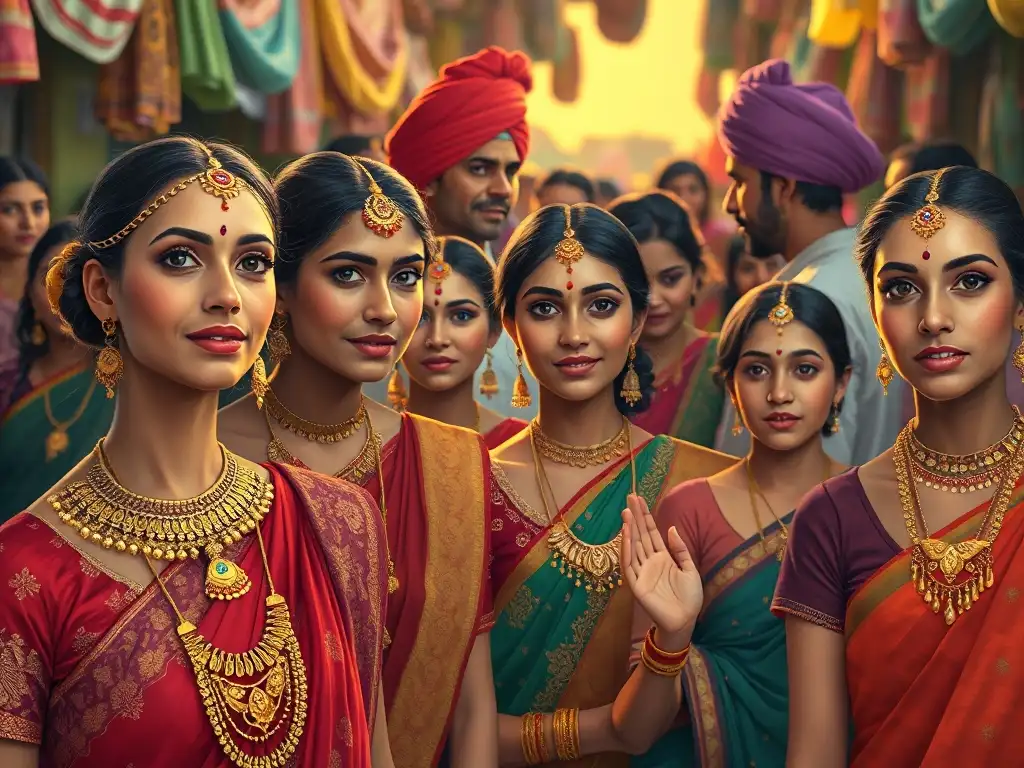
Indian Jewelry in South Asia
The cultural significance of Indian jewelry extends far beyond its borders, profoundly influencing the jewelry traditions of neighboring South Asian nations. This cross-cultural exchange has been shaped by historical trade routes, migration, and shared religious and cultural practices. Jewelry from India is not merely decorative; it embodies social status, religious beliefs, and cultural identity, which have been adopted and adapted in countries like Sri Lanka and Bangladesh.
Influence on Sri Lankan Jewelry Traditions
Sri Lanka's jewelry traditions exhibit a strong Indian influence, particularly in the use of intricate designs and motifs. The island's historical ties to India, especially through trade and the spread of Buddhism, have led to the integration of Indian styles into local craftsmanship.
- Goldsmithing Techniques: Sri Lankan artisans adopted advanced goldsmithing techniques from Indian craftspeople, resulting in exquisite gold jewelry pieces that often feature similar patterns and motifs, such as floral designs and deity representations.
- Cultural Symbolism: Much like in India, jewelry in Sri Lanka carries significant cultural and religious symbolism. For example, the use of the "Vaddakkal" (a traditional necklace) mirrors Indian styles and serves similar purposes in rituals and celebrations.
- Materials and Gemstones: Sri Lankan jewelry also showcases a rich variety of gemstones, including sapphires and rubies, drawing on India’s reputation as a gem trading hub. The techniques used in setting and crafting these stones often reflect Indian methods.
Impact on Bangladeshi Art and Craft
Bangladesh's jewelry scene has been deeply influenced by Indian aesthetics, particularly in the context of historical connections stemming from shared cultural and religious practices.
- Traditional Designs: Jewelry pieces like "Nath" (nose rings) and "Haat" (bangles) reflect Indian styles, adapted to local preferences. The designs often incorporate local elements, blending Indian motifs with Bangladeshi artistic expressions.
- Craftsmanship: The intricate craftsmanship seen in Bangladeshi jewelry can be traced back to Indian artisanship. The use of techniques such as filigree and embossing has been influenced by Indian practices, enhancing the visual appeal of Bangladeshi jewelry.
- Cultural Significance: In Bangladesh, jewelry is an integral part of cultural identity, especially during weddings and festivals. Indian influences have enriched these traditions, making jewelry a vital aspect of cultural expression.
Indian Jewelry in Southeast Asia
The cultural significance of Indian jewelry is also evident in Southeast Asia, where it has left a lasting impact on local traditions and practices. The historical interactions through maritime trade routes facilitated the exchange of artistic ideas and craftsmanship, leading to the adoption of Indian jewelry styles in countries such as Thailand and Indonesia.
Adoption by Thai and Cambodian Cultures
The jewelry of Thailand and Cambodia showcases a fascinating blend of Indian influence, reflecting the religious and cultural exchanges over centuries.
- Religious Symbolism: In Thailand, the influence of Hinduism, brought through Indian traders, is evident in jewelry worn during religious ceremonies. Items like the "Chada" (crown) are inspired by Indian designs and are often adorned with gemstones in a manner reminiscent of Indian royal jewelry.
- Cambodian Influence: Cambodian jewelry, particularly in ceremonial contexts, incorporates Indian motifs, especially those tied to Hindu deities. The use of gold and elaborate designs in Cambodian jewelry often mirrors the aesthetics found in Indian pieces.
- Trade and Artistry: The cross-cultural trade has led to the evolution of unique styles that combine Indian artistry with local craftsmanship, resulting in pieces that are both beautiful and culturally significant.
Fusion with Local Traditions in Indonesia
In Indonesia, the cultural significance of Indian jewelry manifests through a fascinating fusion of styles and traditions, revealing the depth of Indian influence in the region.
- Adaptation of Styles: Indonesian jewelry often incorporates Indian motifs, such as floral patterns and deity representations, adapted to local tastes. This blending of styles creates unique pieces that resonate with both Indian and Indonesian cultural elements.
- Cultural Celebrations: Jewelry plays a crucial role in Indonesian ceremonies, much like in India. The influence of Indian jewelry is seen in traditional attire, where intricate pieces complement ceremonial costumes.
- Craftsmanship Techniques: Artisans in Indonesia have embraced Indian techniques in jewelry-making, such as detailed engraving and gemstone setting, resulting in a rich jewelry heritage that reflects this cultural exchange.
The cultural significance of Indian jewelry in neighboring regions showcases the profound and lasting impact of Indian traditions on the artistic expressions and cultural identities of countries in South Asia and Southeast Asia. This interplay of styles not only highlights the beauty of jewelry but also serves as a testament to the interconnectedness of ancient civilizations.
Symbolism of Indian Jewelry
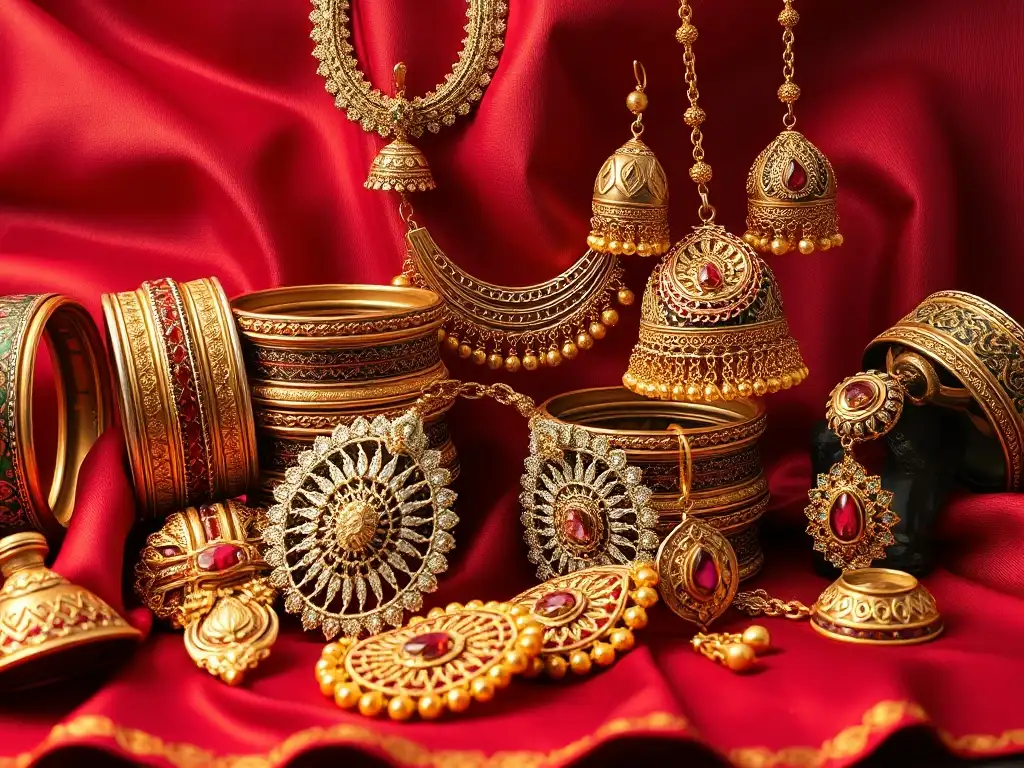
Indian jewelry is not just an adornment; it is steeped in symbolism and a reflection of the rich cultural heritage of the subcontinent. Each piece tells a story, conveying spiritual, social, and individual significance, which resonates beyond India's borders into neighboring regions. Understanding the multifaceted roles of Indian jewelry provides insights into the cultural exchanges that have historically shaped societies.
Spiritual and Religious Meanings
Jewelry in India often carries deep spiritual and religious meanings. Various pieces are associated with different deities, rituals, and beliefs. For instance:
- Mangalsutra: A sacred necklace worn by married women, symbolizing marital fidelity and protection, often adorned with black beads that are believed to ward off evil.
- Nath: A nose ring traditionally worn by brides during weddings, signifying marital status and connected to worship practices in some regions.
- Bangles: These are not only decorative but are believed to bring good fortune and are often worn during religious ceremonies.
The use of specific materials also holds significance; for example, gold is considered pure and is often associated with the goddess Lakshmi, symbolizing wealth and prosperity. In neighboring cultures, such as those in Nepal and Bangladesh, similar styles and materials are used, highlighting the shared spiritual values across regions.
Indian jewelry serves as a powerful indicator of social status and wealth. The intricacies and materials of jewelry pieces often reflect the owner's economic standing. For example:
- Kundan and Polki Jewelry: These styles, characterized by intricate gold work and uncut diamonds, are often worn by royalty and the affluent. Their presence in royal courts in neighboring regions, such as Rajasthan and Gujarat, demonstrates the influence of Indian craftsmanship.
- Traditional Bridal Sets: In many Indian communities, elaborate bridal jewelry sets are part of the dowry system, showcasing the family's wealth and status. This practice has resonated in various cultures, leading to similar customs in countries like Pakistan and Bangladesh.
The use of gemstones, such as emeralds, rubies, and sapphires, further emphasizes wealth, as these precious stones were historically sourced from regions that were part of trade routes connecting India to Persia and beyond.
Jewelry as a Marker of Identity
Jewelry acts as a significant marker of identity in Indian culture. Different regions have distinct styles and traditional pieces that reflect their unique cultural heritage. For instance:
- Regional Variations:
- South India: Known for its temple jewelry, which features intricate designs symbolizing deities.
- North India: Typically adorned with heavier pieces, such as the traditional choker or the jhumka (earrings) that are often worn during festivals and weddings.
- Cultural Significance: Jewelry is also used to signify community and ethnic identity. For example, the use of specific designs or motifs can indicate a person's cultural background, such as the tribal jewelry of the Adivasi communities, which often incorporates local materials and reflects their lifestyle.
Across neighboring regions, such as Sri Lanka and Bhutan, similar practices are observed, showcasing the interconnectedness of cultural identities and the influence of Indian jewelry on their traditions.
The cultural significance of Indian jewelry transcends mere decoration. It embodies spiritual beliefs, social status, and personal identity, fostering a rich tapestry of cultural exchanges and interactions with neighboring civilizations. Understanding this significance allows for a deeper appreciation of the historical and contemporary relevance of jewelry in the Indian context and beyond.
Trade and Exchange of Jewelry
Historical Trade Routes Connecting India and Neighboring Regions
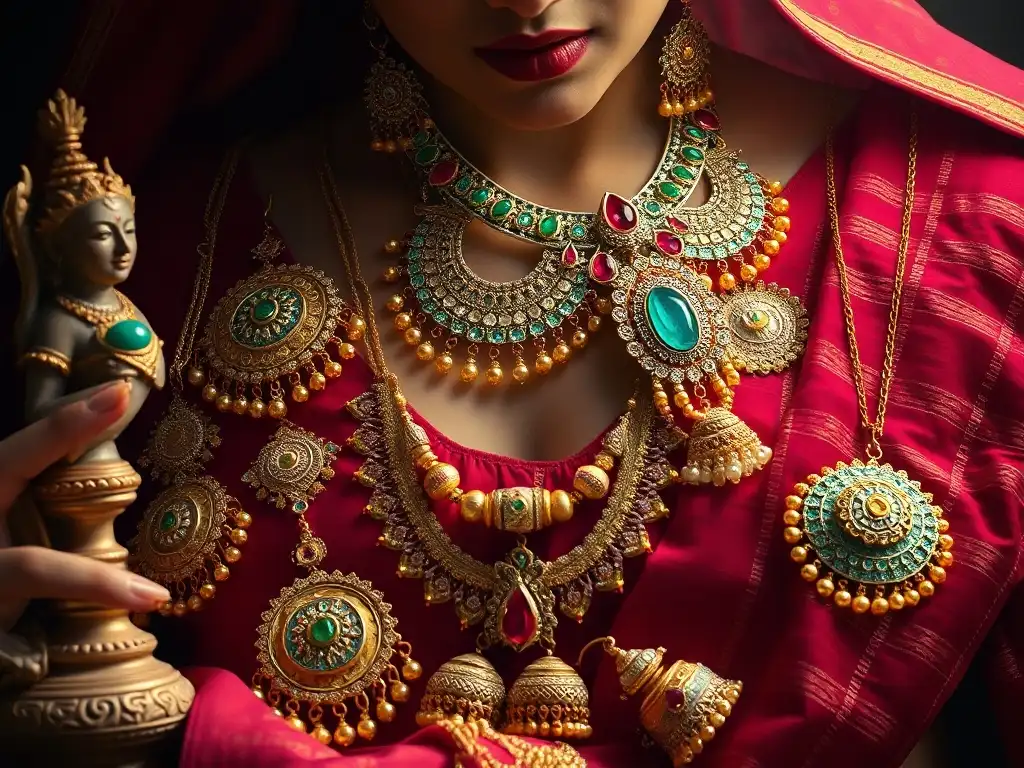
The historical trade routes that facilitated the movement of goods, ideas, and culture between India and its neighboring regions played a pivotal role in the cultural significance of Indian jewelry. The most notable of these routes included the Silk Road and the Maritime Spice Route, which connected India to Central Asia, the Middle East, and beyond.
- Silk Road: This extensive network of trade routes allowed for the exchange of not only silk but also gemstones and intricate jewelry designs. As traders moved along the Silk Road, they carried with them the rich traditions of Indian craftsmanship, which were integrated into local styles in regions such as Persia, China, and the Mediterranean.
- Maritime Spice Route: This sea route, used primarily for the trade of spices, also enabled the transport of jewelry. Indian traders traveled to Southeast Asia, the Arabian Peninsula, and East Africa, promoting the spread of Indian jewelry styles and techniques.
These trade routes not only facilitated the exchange of physical goods but also enabled cultural dialogues that influenced the jewelry-making traditions of neighboring regions.
The Role of Jewelry in Cultural Exchange
Jewelry has long been a symbol of wealth, status, and cultural identity, making it a vital element in cultural exchanges. In ancient India, jewelry was not just an adornment; it served various functions, including:
- Religious Significance: Many pieces of Indian jewelry were designed for religious ceremonies and rituals, often adorned with motifs representing deities and spiritual beliefs. This symbolism resonated with neighboring cultures, leading to the adoption and adaptation of similar motifs in their own jewelry traditions.
- Status and Identity: In many societies, jewelry was a marker of social status and identity. As Indian artisans traveled and traded, they influenced the local perceptions of wealth and prestige through their exquisite craftsmanship.
- Marriage and Rituals: Jewelry played a crucial role in marriage ceremonies across cultures. The exchange of jewelry as part of dowries or wedding gifts facilitated cultural integration and exchange, leading to a blending of styles and traditions.
The significance of jewelry in cultural exchange is reflected in how neighboring civilizations embraced Indian designs and motifs, creating a fusion that enriched their own cultural heritage.
Influence of Trade on Jewelry Design and Techniques
The interplay between trade and jewelry design is evident in the evolution of techniques and styles throughout history. As Indian jewelry reached foreign lands, it encountered various influences that transformed its traditional designs.
- Adoption of New Materials: Trade introduced new materials such as gold, silver, and gemstones from various regions. For instance, the introduction of coral from the Mediterranean and turquoise from Persia influenced the color palettes and materials used in Indian jewelry.
- Blending of Techniques: Indian artisans were known for their intricate techniques, such as kundan and meenakari. The exposure to foreign craftsmanship led to the blending of these techniques with local styles, resulting in unique hybrid forms. For example, the Persian influence can be seen in the intricate filigree work in some Indian jewelry pieces.
- Symbolism and Motifs: The motifs found in jewelry were often borrowed and adapted from diverse cultural backgrounds. Elements like floral patterns and geometric designs became prominent as Indian jewelers merged their traditional symbolism with external artistic influences.
The cultural significance of Indian jewelry is deeply interwoven with the historical trade routes, cultural exchanges, and evolving design techniques. The legacy of these interactions continues to shape jewelry traditions in neighboring regions, reflecting a rich tapestry of shared history and artistry.
Contemporary Perspectives on Indian Jewelry
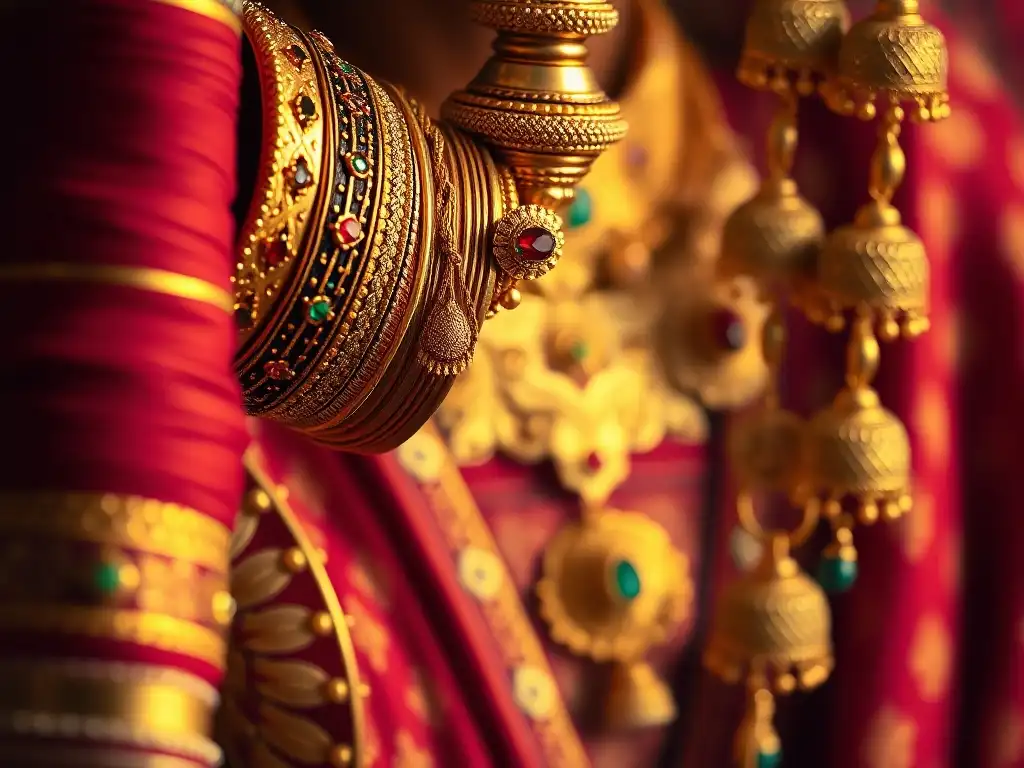
The cultural significance of Indian jewelry extends beyond its origins, evolving and adapting within contemporary contexts. As societies interact and exchange ideas, the interpretation and appreciation of traditional Indian jewelry have transformed, reflecting modern aesthetic sensibilities while retaining their historical essence. This section delves into how contemporary perspectives shape the understanding and significance of Indian jewelry today.
Modern Interpretations of Traditional Designs
Modern interpretations of traditional Indian jewelry incorporate contemporary artistic sensibilities while honoring the historical designs that define Indian craftsmanship. Designers often blend traditional motifs with modern materials and techniques to create pieces that resonate with today's consumers.
- Fusion Styles: Many contemporary jewelers create fusion pieces that combine Indian elements with Western styles. For instance, traditional Kundan settings may be paired with minimalist designs, appealing to a broader audience who appreciate both heritage and modernity.
- Sustainable Practices: A rising trend in jewelry design is the focus on sustainability. Many artisans are now using recycled materials and ethical sourcing methods, reflecting a modern ethos that resonates with environmentally conscious consumers. This shift not only honors the past but also ensures the future of traditional craftsmanship.
- Personalization: The demand for personalized jewelry has grown, leading to a resurgence of traditional craft techniques. Artisans are incorporating individual stories and preferences into their designs, creating pieces that hold personal significance while celebrating cultural heritage.
The Revival of Ancient Techniques in Neighboring Countries
The influence of Indian jewelry extends to neighboring regions, where ancient techniques have experienced a revival. Countries such as Nepal, Bhutan, and Bangladesh have seen a resurgence in traditional craftsmanship, often inspired by the cultural significance of Indian jewelry.
- Cross-Cultural Workshops: Collaborative workshops between Indian artisans and those from neighboring countries promote the exchange of skills and techniques. This not only helps preserve ancient methods but also fosters a sense of community and shared heritage among artisans.
- Cultural Festivals: Events that celebrate traditional jewelry-making, such as fairs and exhibitions, have gained popularity in countries surrounding India. These festivals often showcase jewelry that reflects both Indian and local influences, highlighting the interconnectedness of regional cultures.
- Reviving Lost Arts: In some cases, traditional techniques that were on the verge of extinction are being revived through renewed interest and investment. For example, the intricate metalwork seen in Indian jewelry has found a place in the crafting of jewelry in Bhutan, where local artisans are now incorporating similar designs into their creations.
Globalization and the Spread of Indian Jewelry Trends
The cultural significance of Indian jewelry has been amplified through globalization, enabling it to transcend geographical boundaries and influence global markets.
- International Fashion Shows: Indian jewelry has made a significant impact on global fashion runways. Designers often incorporate traditional Indian pieces into their collections, showcasing the rich heritage and craftsmanship to international audiences. This exposure has led to a wider appreciation for Indian aesthetics in global fashion.
- E-commerce Boom: The rise of e-commerce platforms has facilitated access to Indian jewelry for consumers worldwide. Online marketplaces allow artisans to reach a global audience, promoting traditional craftsmanship while adapting to contemporary consumer preferences.
- Cultural Exchange Programs: Initiatives designed to promote cultural exchange have also contributed to the spread of Indian jewelry trends. These programs often include workshops, exhibitions, and collaborations that not only celebrate Indian jewelry but also encourage cross-cultural dialogues and the sharing of design philosophies.
The contemporary perspectives on Indian jewelry highlight its dynamic nature, showcasing how it continually adapts to modern sensibilities while retaining its cultural significance. As it interacts with neighboring regions and global markets, Indian jewelry remains a vibrant symbol of heritage and craftsmanship.
Conclusion: The Lasting Impact of Indian Jewelry on Neighboring Cultures
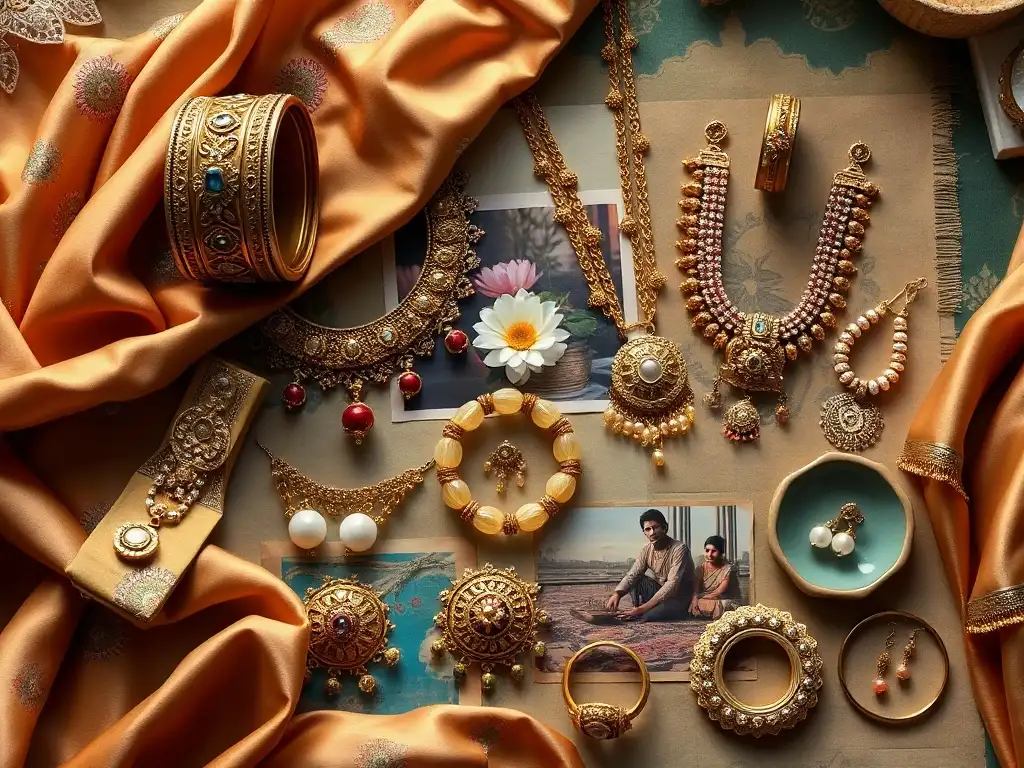
The cultural significance of Indian jewelry extends far beyond its borders, influencing neighboring regions in profound ways. Indian jewelry, characterized by its intricate designs, use of precious metals and stones, and deep-rooted symbolism, has been a medium of cultural exchange throughout history. This exchange has shaped the identities and traditions of various civilizations, from the ancient Silk Road connections to contemporary global interactions.
The rich adornment practices of regions such as Central Asia, Southeast Asia, and even parts of the Middle East reveal the lasting impact of Indian craftsmanship. Jewelry styles and techniques have been adopted, adapted, and integrated into local customs, demonstrating a shared appreciation for beauty and artistry. The intricate methods of crafting jewelry, such as enameling and filigree, have found their way into the artistic expressions of neighboring cultures, creating a tapestry of shared heritage.
Reflection on Cultural Exchanges and Their Significance
Cultural exchanges through jewelry have played a pivotal role in fostering connections between ancient Indian civilizations and their neighbors. For instance, the influence of Indian jewelry is notably evident in the adornments of South Asian countries like Pakistan and Bangladesh, where similar styles and motifs can be traced back to Indian artisans. This exchange has emphasized the shared cultural values that transcend political boundaries.
Moreover, the symbolism embedded in Indian jewelry often carries universal themes of love, prosperity, and protection, resonating with the values of other cultures. The use of specific gemstones, such as rubies and emeralds, not only showcases aesthetic preferences but also reflects cultural beliefs surrounding these stones' mystical properties.
The jewelry trade routes that flourished in ancient times facilitated the spread of ideas and techniques, enriching the artistic vocabulary of neighboring regions. For instance, the incorporation of Indian designs into Persian jewelry during the Mughal era exemplifies how cultural interactions can lead to a fusion of styles that enhance the artistic landscape.
Future of Indian Jewelry in a Global Context
As globalization continues to shape cultural dynamics, the future of Indian jewelry remains bright and promising. The rising interest in sustainable and ethically sourced materials has opened new avenues for Indian artisans to showcase their craftsmanship on a global scale. Contemporary designers are blending traditional techniques with modern aesthetics, creating pieces that appeal to both domestic and international markets.
The ongoing dialogues about cultural heritage and identity are also influencing how Indian jewelry is perceived and valued worldwide. There is a growing appreciation for the stories and traditions behind each piece, which adds depth and significance to jewelry beyond mere adornment.
Furthermore, collaborations between Indian artisans and international designers can lead to innovative creations that honor traditional craftsmanship while embracing modern sensibilities. As Indian jewelry continues to evolve and adapt to contemporary trends, it will undoubtedly maintain its cultural significance, serving as a bridge between past and present, and fostering continued appreciation for the rich heritage of ancient Indian civilizations.
The cultural significance of Indian jewelry remains a vital aspect of its legacy, influencing and enriching neighboring cultures while adapting to the global landscape. The interplay of tradition and innovation ensures that Indian jewelry will continue to be celebrated for generations to come.
Frequently Asked Questions
What is the cultural significance of Indian jewelry?
Indian jewelry holds immense cultural significance as it represents tradition, status, and artistry. Each piece often tells a story about the wearer's community and heritage.
How does Indian jewelry influence neighboring regions?
The influence of Indian jewelry extends to neighboring regions through trade and cultural exchanges, leading to the adaptation and incorporation of Indian styles into local craftsmanship.
What materials are commonly used in traditional Indian jewelry?
Traditional Indian jewelry is often made from precious metals like gold and silver, and it frequently incorporates gemstones such as diamonds, rubies, and emeralds, showcasing artistic craftsmanship.
Jewelry in India has been a symbol of wealth and social status for centuries. The more elaborate and intricate the jewelry, the higher the perceived societal position of the wearer.
What role does jewelry play in Indian weddings?
In Indian weddings, jewelry is of paramount importance, symbolizing prosperity, protection, and blessings. Brides often wear elaborate pieces that signify their family's heritage and wealth.
Final Reflection: The Enduring Legacy of Indian Jewelry
The cultural significance of Indian jewelry transcends borders and time, weaving a rich tapestry of tradition, artistry, and identity that resonates deeply in neighboring regions today. As we explore the intricate designs and historical narratives behind these adornments, it becomes evident that they are not merely decorative items but powerful symbols of cultural heritage and social status. The ongoing appreciation for Indian jewelry highlights its role in fostering connections among diverse communities, reminding us that beauty often serves as a bridge between different cultures.
Cultural exchanges facilitated by Indian jewelry have profoundly shaped the social landscape of neighboring regions. The influence of these exquisite pieces can be seen in various forms of art, fashion, and even rituals, as they inspire local artisans and designers to incorporate Indian motifs and techniques into their work. Jewelry is a way of keeping memories alive, a way of telling stories without words.
This quote encapsulates the essence of how Indian jewelry continues to narrate the shared histories and experiences of people across borders, reinforcing the idea that our identities are often intertwined with the adornments we choose to wear.
As we reflect on the cultural significance of Indian jewelry, I invite you to consider how these beautiful pieces can inspire you in your own life. Take a moment to appreciate the stories behind the jewelry you encounter, whether it is a family heirloom or a contemporary design. Let this appreciation encourage you to explore and celebrate the rich tapestry of cultures that shape our world. By embracing the lessons of unity and diversity that Indian jewelry embodies, we can foster a deeper understanding of our shared humanity and the beauty that lies in our differences.
Embrace the Beauty: Explore the Legacy of Indian Jewelry!
Thank you for diving into the fascinating world of Indian jewelry and its cultural significance! You've uncovered how these exquisite pieces reflect history, artistry, and tradition. Now, it's time to take that inspiration and transform it into action!
Here’s how you can further engage with this rich heritage:
- Visit local artisan markets or explore online platforms to discover unique Indian jewelry pieces that resonate with you.
- Share your newfound knowledge by hosting a discussion or organizing a cultural exchange gathering with friends and family.
- Explore and document your own jewelry stories and experiences—consider starting a blog or social media page to connect with others!
What piece of Indian jewelry would you choose to tell your unique story?