
The Role of Mercenaries in Ancient Indian Campaigns

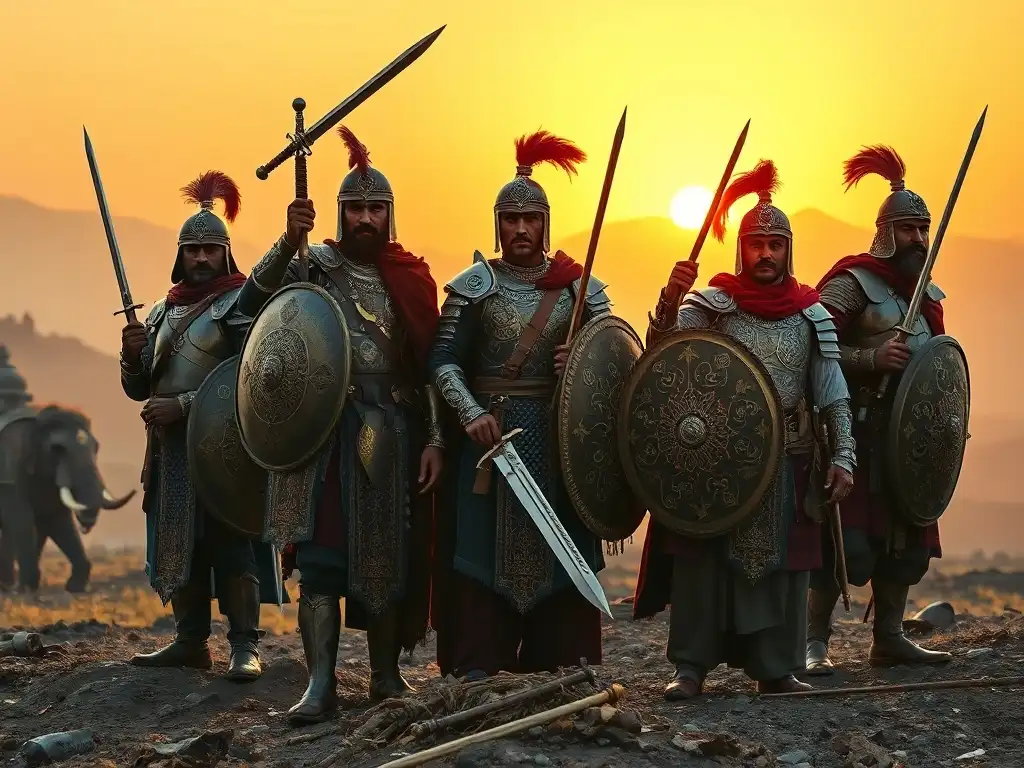
Welcome to Ancient India History, where we embark on a captivating journey through the rich tapestry of ancient Indian civilizations! In our latest article, we delve into the intriguing world of ancient Indian mercenaries, exploring their pivotal roles in shaping military campaigns from the Indus Valley to the Gupta Empire. What drove these warriors to fight for different kingdoms, and how did their contributions influence the course of history?
Join us as we uncover the secrets of their legacy and invite you to dive deeper into the complexities of military history that defined an era. Your adventure into the past begins here!
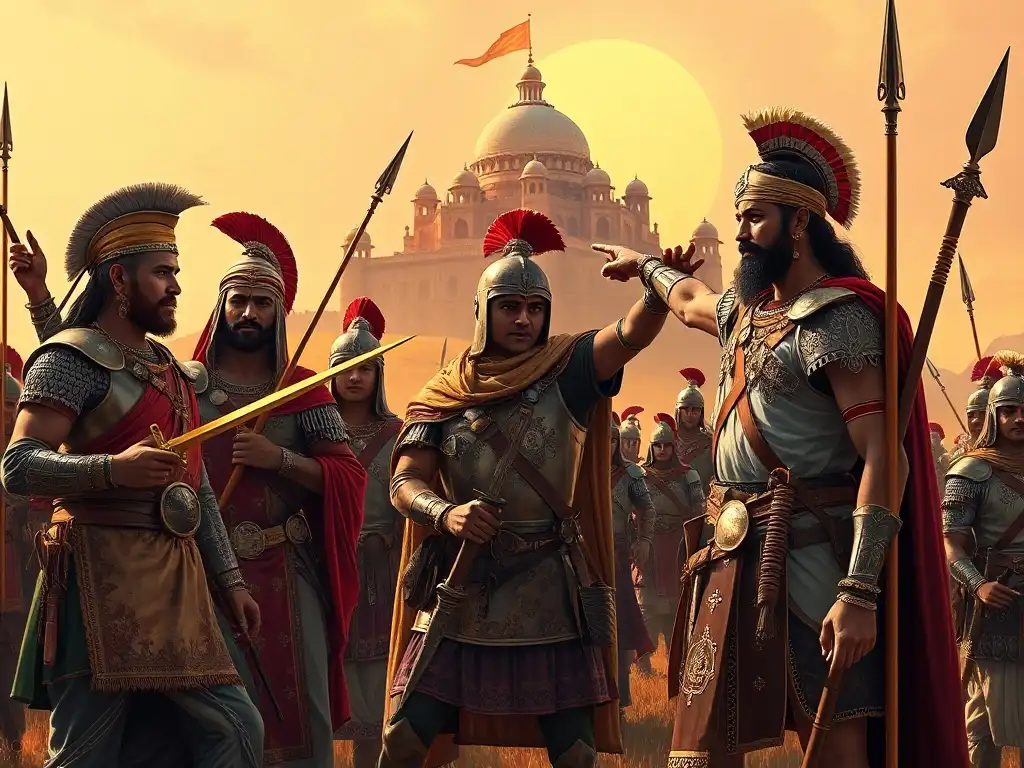
The history of ancient Indian warfare is a complex tapestry woven with the threads of diverse cultures, strategies, and military practices. Among these, the role of mercenaries stands out as a significant element that influenced numerous campaigns and battles throughout the subcontinent.
As we delve into the ancient Indian mercenaries history, we uncover how these hired soldiers contributed not only to military engagements but also shaped the socio-political landscape of ancient India. Understanding their roles, motivations, and the contexts in which they operated allows us to gain deeper insights into the military strategies and alliances that characterized this fascinating period.
Introduction to Ancient Indian Mercenaries History
In ancient India, mercenaries were not merely hired hands; they were often skilled warriors who brought with them expertise, training, and loyalty that could be bought. Their presence in various campaigns underscores the economic and political dynamics of the time, revealing how power could be negotiated through military prowess. This section explores the definitions, importance, and historical significance of mercenaries in the context of ancient Indian warfare.
Definition of Mercenaries in Ancient India
Mercenaries in ancient India were typically defined as soldiers who served in a military capacity for financial gain rather than for loyalty to a specific kingdom or cause. These individuals could come from various backgrounds, including local tribes, foreign soldiers, or even disgraced warriors seeking redemption. Key characteristics of ancient Indian mercenaries include:
- Motivation by Pay: Unlike traditional soldiers, mercenaries were primarily motivated by monetary compensation.
- Diverse Origins: Many mercenaries hailed from different regions, often bringing unique combat skills and strategies.
- Variable Loyalty: Their allegiance could shift based on offers from rival factions, making them both valuable and unpredictable assets in warfare.
Importance of Mercenaries in Indian Warfare
The utilization of mercenaries played a crucial role in shaping the outcomes of numerous battles in ancient India. Their importance can be summarized as follows:
- Strengthening Armies: Mercenaries provided additional manpower, crucial in times of conflict when local forces were insufficient.
- Specialized Skills: Many mercenaries were trained in unique fighting techniques or held expertise in specific weaponry, enhancing the capabilities of the armies they joined.
- Political Alliances: The hiring of mercenaries often facilitated political maneuvering, as leaders could bolster their ranks without the long-term commitment associated with raising new troops.
Historical Context of Mercenaries in Ancient India
Understanding the role of mercenaries requires an examination of the broader historical context in which they operated. This encompasses the nature of warfare, key periods of military engagement, and the geographical factors that influenced their use.
Overview of Warfare in Ancient Indian Civilizations
Warfare in ancient India was characterized by a mix of strategic planning and traditional combat techniques. Conflicts often arose from territorial disputes, dynastic ambitions, and the quest for resources. Key elements of ancient Indian warfare included:
- Chariots and Elephants: These formidable forces were often central to battle strategies.
- Fortifications: Cities were heavily fortified, leading to prolonged sieges and the necessity for skilled combatants.
- Diverse Tactics: Different regions employed various tactics, influenced by local traditions and available resources.
Key Periods of Military Engagement in Ancient India
Several significant periods marked the military landscape of ancient India, where mercenaries played pivotal roles:
- Indus Valley Civilization: Early evidence suggests organized conflict, though the role of mercenaries is less documented.
- Maurya Empire: Notable for its vast armies, the Mauryas employed mercenaries to expand their territory.
- Gupta Empire: This period saw the emergence of specialized forces, including mercenaries, to protect against invasions.
Influence of Geography on Mercenary Use
Geography played a critical role in shaping the dynamics of mercenary use in ancient India. The diverse terrains—from the mountainous regions of the Himalayas to the vast plains of the Ganges—dictated military strategies and the types of forces employed. Considerations included:
- Trade Routes: Control of trade routes often necessitated the hiring of mercenaries to safeguard interests.
- Cultural Exchange: Geographic proximity to other cultures led to the influx of foreign mercenaries, enriching the military capabilities of local rulers.
- Resource Availability: Regions rich in resources could afford to hire skilled mercenaries, while others relied on local militias.
The role of mercenaries in ancient Indian campaigns not only highlights the complexities of warfare but also reflects the intricate socio-political relationships that defined this era. As we move forward in this article, we will explore specific battles and the mercenaries who shaped their outcomes, further illuminating the fascinating landscape of ancient Indian military history.
Notable Mercenary Groups in Ancient India
Throughout ancient Indian history, various mercenary groups played crucial roles in shaping military campaigns and influencing the balance of power among kingdoms. These groups often consisted of foreign warriors who provided their military expertise, tactical knowledge, and manpower to local rulers. The integration of these mercenaries into Indian warfare not only diversified the military landscape but also facilitated the exchange of cultural and martial practices. Here are some of the most notable mercenary groups that significantly impacted ancient Indian military history.
The Sakas and Their Role in Indian Warfare
The Sakas, or Scythians, were a group of nomadic warriors from Central Asia who began migrating into the Indian subcontinent around the 2nd century BCE. They are particularly noted for their cavalry tactics and proficiency in mounted archery, which were pivotal in the battles of their time. The Sakas established several powerful kingdoms in northwestern India, such as the Western Kshatrapas, and became influential in regional politics.
The Sakas often allied with local rulers, offering their military services in exchange for land and resources. Their involvement in wars against the Mauryan Empire and later conflicts with the Indo-Greeks showcases their strategic importance. The Sakas not only contributed to the military might of their allies but also influenced local warfare practices, introducing new weaponry and tactics.
The Greeks: Mercenaries in Indian Campaigns
Following Alexander the Great's invasion of India in 326 BCE, many Greek soldiers found themselves in the subcontinent, either as prisoners or mercenaries. These Greek mercenaries, often referred to as the "Macedonian warriors," brought advanced military strategies and technologies, including the phalanx formation and the use of heavy infantry.
Greek mercenaries played a significant role in the campaigns of various Indian kings, especially in the northwest regions. They were known for their discipline and combat skills, which enhanced the effectiveness of Indian armies during battles. Notably, after Alexander’s death, many Greek generals remained in India, forming alliances and contributing to the establishment of the Indo-Greek kingdoms, further blending Greek and Indian military traditions.
The Kushans: A Diverse Military Force
The Kushans emerged in the 1st century CE as a formidable power in northern India, known for their diverse military forces that included various mercenary groups. The Kushans were adept at integrating warriors from different cultural backgrounds, including Greeks, Sakas, and local tribes. This diversity allowed them to adapt and innovate in warfare, employing tactics that drew from multiple traditions.
Kushan rulers, like Kanishka, utilized mercenaries not only to expand their empire but also to maintain control over vast territories. Their campaigns against the Parthians and Han Empire are illustrative of how mercenaries bolstered their military strength. The inclusion of these diverse groups helped the Kushans to effectively maneuver in various terrains and engage with different military styles, ultimately establishing a powerful empire.
Strategic Importance of Mercenaries in Ancient Indian Campaigns
The strategic use of mercenaries in ancient Indian campaigns was significant in various aspects of warfare. Their involvement shaped military strategies and contributed to the outcomes of numerous battles. The strategic importance of mercenaries can be analyzed through their advantages, successful case studies, and the balance of power they provided compared to regular armies.
Advantages of Using Mercenaries in Warfare
- Expertise and Experience: Mercenaries often brought specialized skills and combat experience that local troops lacked. Their proficiency in specific warfare techniques could turn the tide in battle.
- Flexibility and Mobility: Unlike regular armies, mercenaries could be hired as needed, allowing rulers to mobilize forces quickly for specific campaigns without the long-term commitments associated with maintaining a standing army.
- Cultural Exchange: The integration of foreign mercenaries facilitated cultural exchanges that enriched the local military practices, introducing new strategies, weaponry, and tactics.
- Cost-Effectiveness: Depending on the circumstances, hiring mercenaries could be more economical than maintaining a large standing army, especially for smaller kingdoms or during peacetime.
Case Studies: Successful Campaigns Utilizing Mercenaries
One prominent example of successful mercenary utilization is during the reign of Chandragupta Maurya, who employed Greek mercenaries to bolster his forces against the Nanda Dynasty. The integration of these skilled soldiers was pivotal in establishing the Mauryan Empire, which marked a significant shift in ancient Indian history.
Similarly, the Indo-Greek king Menander I, known for his military prowess, relied on a mix of local and Greek mercenaries to expand his territory in northern India. His campaigns not only fortified his kingdom but also facilitated the spread of Hellenistic culture in the region, showcasing the dual impact of mercenaries in military and cultural domains.
The Balance of Power: Mercenaries vs. Regular Armies
The presence of mercenaries often shifted the balance of power between rival states. While regular armies were typically more loyal and cohesive, mercenaries offered flexibility and immediate military strength. This dynamic created a complex relationship between different military forces, where the effectiveness of mercenaries could sometimes overshadow the advantages of a disciplined regular army.
Moreover, the reliance on mercenaries raised questions about loyalty and trust. Instances where mercenaries turned against their employers highlight the inherent risks associated with this practice. Despite these challenges, the strategic advantages that mercenaries brought to ancient Indian campaigns were undeniable, influencing the outcomes of battles and the course of history in the subcontinent.
Cultural and Economic Impact of Mercenaries
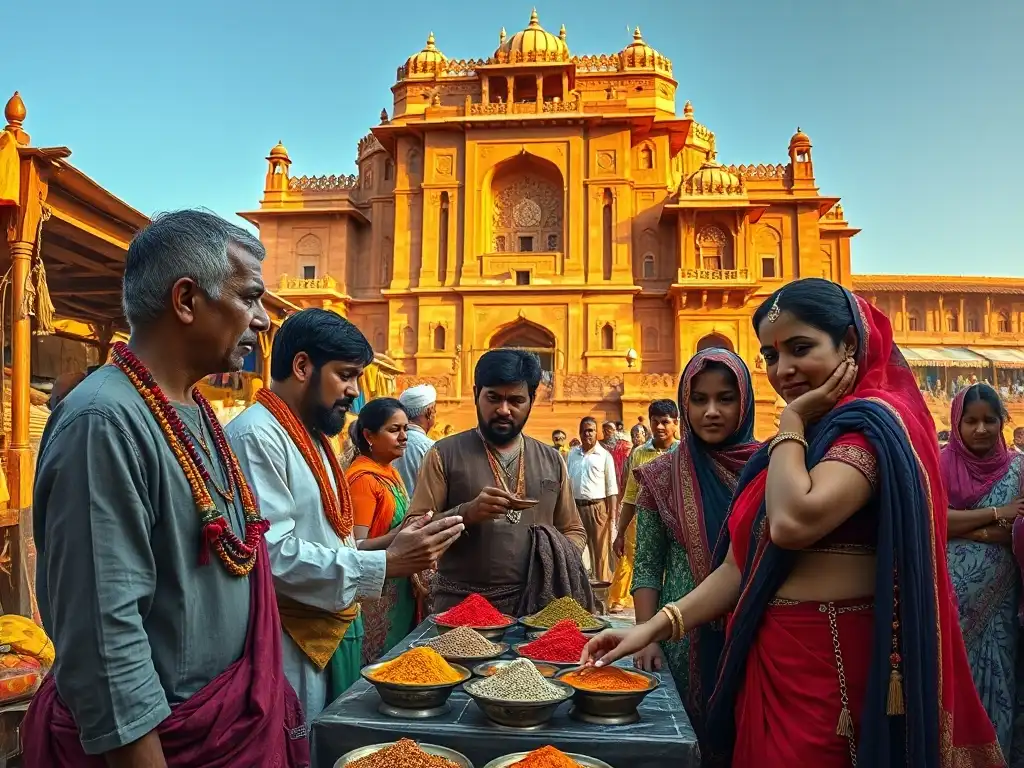
The role of mercenaries in ancient Indian campaigns was significant, affecting both the cultural and economic landscapes of the time. These hired warriors not only contributed to military endeavors but also influenced social structures and economic practices. Their presence often led to the blending of various cultural elements as different groups interacted on the battlefield and in the surrounding regions. The mercenaries' diverse backgrounds brought new ideas, techniques, and practices to local communities, enriching the existing cultural tapestry of ancient India.
Economically, the recruitment of mercenaries stimulated trade and commerce. Local economies would often benefit from the influx of wealth brought by these soldiers, as their pay and associated expenditures would boost local markets. Additionally, the need for supplies, arms, and logistics for these foreign troops encouraged interactions with local craftsmen and merchants, fostering economic growth. The establishment of alliances and treaties with mercenary groups also had long-lasting effects on the region's trade dynamics.
The Integration of Mercenaries into Indian Society
Mercenaries were not merely outsiders; they often integrated into Indian society, forming bonds with local communities. This integration could be seen in several ways, including intermarriage between mercenaries and local populations, which led to the emergence of hybrid cultures. Such interactions often resulted in a fusion of languages, customs, and religious practices, enhancing the cultural diversity of ancient Indian society.
Furthermore, successful mercenaries could gain land and status, allowing them to transition from hired soldiers to influential local leaders. This phenomenon was particularly evident during times of political instability, where mercenaries could leverage their military prowess to claim power. Notable figures sometimes emerged from these ranks, contributing to local governance and military strategies, which further solidified their place within the societal structure.
Economic Factors Influencing Mercenary Recruitment
Several economic factors influenced the recruitment of mercenaries in ancient India. The need for a flexible and skilled fighting force often led rulers and military leaders to seek external help, especially during times of war or territorial expansion. The financial ability to pay these soldiers was crucial, as mercenaries required substantial compensation for their services, which could include gold, land, or other resources.
Additionally, the availability of resources played a significant role. Regions rich in agricultural produce or precious metals could afford to hire mercenaries more easily than less prosperous areas. Trade routes also influenced recruitment, as cities located along critical trade paths had greater access to mercenary forces. This economic interplay between local resources and the demand for military support created a dynamic environment for mercenary activity in ancient India.
Cultural Exchange through Mercenary Engagement
The engagement of mercenaries facilitated significant cultural exchange in ancient India. As these warriors moved across regions, they brought with them not only their fighting techniques and military strategies but also their cultural practices, beliefs, and traditions. This led to a cross-pollination of ideas, which enriched the local cultures they interacted with.
For example, the presence of foreign mercenaries often introduced new weaponry and tactics, which were then adapted by local forces. Furthermore, the mercenaries' languages and customs influenced local dialects and rituals, contributing to the diversity of cultural expressions. Festivals, art forms, and culinary practices were often infused with elements from the mercenaries' home cultures, creating a vibrant mosaic of traditions that characterized ancient Indian society.
Decline of Mercenary Use in Ancient India
The use of mercenaries in ancient India began to decline for several reasons, leading to the evolution of military practices and structures. As political entities consolidated power and established more centralized control, the reliance on mercenary forces diminished. The transition towards a more organized military system became evident, reflecting broader changes in governance and warfare.
Factors Leading to the Decline of Mercenaries
Several factors contributed to the decline of mercenaries in ancient Indian campaigns. One significant factor was the rise of standing armies, which offered the advantage of greater loyalty and discipline compared to hired soldiers. As rulers began to invest in professional military training and the establishment of permanent forces, the need for mercenaries decreased.
Additionally, the changing nature of warfare played a crucial role. As battles became more complex and required strategic depth, the reliance on transient mercenary units became less viable. The need for cohesive tactics and long-term military planning further diminished the effectiveness of mercenary forces, as they lacked the commitment and unity found in standing armies. Economic instability, coupled with shifting alliances, also made the recruitment of mercenaries less attractive for rulers.
Transition to Standing Armies in Indian Warfare
The transition to standing armies represented a significant shift in military organization during ancient India. As states evolved, the establishment of a professional military force allowed for more effective governance and control over territories. Standing armies provided the advantage of trained soldiers who were loyal to their sovereign, improving the overall coherence and effectiveness of military campaigns.
This shift also enabled rulers to maintain a continuous military presence, facilitating rapid responses to threats and conflicts. The development of a structured military hierarchy, with specialized roles and responsibilities, further enhanced operational efficiency. As a result, the decline of mercenaries paved the way for the emergence of more sophisticated military strategies and tactics, profoundly influencing the course of ancient Indian warfare.
Conclusion
The role of mercenaries in ancient Indian campaigns reflects a complex interplay of military strategy, economic necessity, and sociopolitical dynamics. From the early Indus Valley civilizations through the Maurya and Gupta empires, mercenaries were integral to the military apparatus, providing not only manpower but also specialized skills that were often unavailable within local populations. Their contributions significantly influenced the outcomes of notable battles and shaped the broader military history of ancient India. Understanding the history of ancient Indian mercenaries offers valuable insights into the evolving nature of warfare and the multifaceted relationships between different states and cultures.
Summary of Ancient Indian Mercenaries History
Ancient Indian mercenaries can be traced back to various periods, notably during the Vedic age, where references to hired warriors are present in ancient texts. Over time, as kingdoms expanded and military needs grew, the reliance on mercenaries intensified. For example, texts such as the Arthashastra by Kautilya detail the strategic use of mercenary forces, emphasizing their importance in both offensive and defensive operations.
The presence of foreign mercenaries, such as the Greeks and Persians, during the Mauryan and post-Mauryan periods further highlights the importance of these fighters in shaping the military landscape. Their roles were not merely limited to combat; they often participated in negotiations and were involved in the intricate political scenarios of the time.
The Lasting Legacy of Mercenaries in Indian Military Traditions
The legacy of mercenaries in ancient Indian military traditions is profound and enduring. Their influence can be seen in the development of military tactics and the structure of armies. The practice of hiring professional soldiers laid the groundwork for later military organizations, where specialized units became crucial.
Furthermore, the integration of various ethnic groups into the military ranks fostered a culture of diversity within the armed forces, which is a characteristic that can still be observed in modern Indian military practices. The narratives surrounding mercenaries also permeated literature and folklore, often romanticizing their exploits and contributions, thus embedding them into the cultural consciousness of the region.
Further Reading on Ancient Indian Military History
For those interested in delving deeper into the history of ancient Indian mercenaries and military practices, a variety of resources are available. These texts not only provide historical context but also highlight the significance of mercenaries in the broader narrative of ancient Indian warfare.
Recommended Books and Articles on Mercenaries
- "The Arthashastra" by Kautilya - A classic treatise on statecraft and military strategy, offering insights into the use of mercenaries.
- "War in Ancient India" by R. S. Sharma - This book explores various aspects of warfare in ancient India, including the role of mercenaries.
- "The Military History of Ancient India" by S. P. Gupta - A comprehensive overview of military practices, campaigns, and the evolution of armed forces in ancient India.
Online Resources for Ancient Indian Military Studies
- Digital South Asia Library - A rich repository of texts and resources pertaining to South Asian history, including military history.
- Internet Archive - Offers access to various historical texts and documents on ancient Indian warfare and mercenaries.
- JSTOR - Provides scholarly articles and papers focusing on ancient Indian history, including military engagements and the role of mercenaries.
These resources will enhance your understanding of ancient Indian mercenaries and their pivotal role in shaping military strategies and campaigns throughout history.
- Introduction to Ancient Indian Mercenaries History
- Historical Context of Mercenaries in Ancient India
- Notable Mercenary Groups in Ancient India
- Strategic Importance of Mercenaries in Ancient Indian Campaigns
- Cultural and Economic Impact of Mercenaries
- Decline of Mercenary Use in Ancient India
- Conclusion
- Further Reading on Ancient Indian Military History
- What were mercenaries in ancient India?
- How did mercenaries impact ancient Indian warfare?
- What were the reasons for hiring mercenaries in ancient India?
- Can you name some prominent mercenary groups in ancient India?
- How does the history of mercenaries in ancient India contribute to our understanding of its culture?
Frequently Asked Questions
What were mercenaries in ancient India?
Mercenaries in ancient India were professional soldiers hired to fight for various kingdoms and empires. They played a significant role in military campaigns, offering specialized skills and manpower.
How did mercenaries impact ancient Indian warfare?
Mercenaries influenced ancient Indian warfare by providing strategic advantages in battles. Their expertise and diverse tactics often helped kingdoms achieve military success against rival forces.
What were the reasons for hiring mercenaries in ancient India?
Kingdoms hired mercenaries due to shortages of manpower, the need for specialized skills, or to bolster forces during significant conflicts. They were often considered a viable option for enhancing a ruler's military strength.
Can you name some prominent mercenary groups in ancient India?
Notable groups included the Sakas and Parthians, who were often employed by various Indian kingdoms. Their presence enriched the military diversity and tactics used in ancient Indian campaigns.
How does the history of mercenaries in ancient India contribute to our understanding of its culture?
The history of mercenaries reveals the complex social dynamics of ancient Indian societies, highlighting themes of loyalty, courage, and the interconnectedness of different cultures through warfare and trade.
Final Reflection: The Enduring Legacy of Ancient Indian Mercenaries
The role of mercenaries in ancient Indian campaigns is not just a historical curiosity; it is a testament to the complexities of warfare and diplomacy that resonate even today. As we navigate a world where conflicts often involve hired forces and private military companies, understanding the historical context of ancient Indian mercenaries provides invaluable insights into the dynamics of power, loyalty, and strategy. The lessons learned from their contributions remind us that the fabric of history is woven with the threads of diverse actors, each playing a crucial role in shaping the outcomes of their time.
Culturally, the legacy of these mercenaries continues to influence our understanding of honor, allegiance, and the moral ambiguities of warfare. The narratives surrounding these figures reveal a rich tapestry of motivations and consequences that echo in contemporary discussions about military ethics and the nature of service. As historian Romila Thapar once stated, The past is not a mere reflection of what was; it is a lens through which we understand our present.
This perspective encourages us to reflect on how the actions of mercenaries in ancient India inform our current geopolitical landscape and the ethical dilemmas we face in modern conflicts.
As we conclude our exploration of ancient Indian mercenaries, I invite you to consider the implications of their history in your own life. Reflect on the values of loyalty, strategy, and the complexities of human relationships that transcend time and culture. How can we apply these lessons to our own decisions and interactions? By recognizing the multifaceted nature of allegiance and the consequences of our choices, we can strive to navigate our paths with greater wisdom and understanding, honoring the legacies of those who came before us.
Unveil the Secrets of Ancient Warriors!
Thank you for diving into the fascinating world of mercenaries in ancient Indian campaigns! You've gained insightful knowledge about their crucial roles in shaping history. Now, it's time to take that interest to the next level.
Here are three powerful actions you can take to continue exploring this captivating subject:
- Dive deeper: Explore the alliances and tactics used by mercenaries throughout various dynasties. Consider seeking out specialized books or articles that delve into ancient military strategies.
- Join the conversation: Share your newfound knowledge with friends or on social media. Engage with others fascinated by Ancient India by discussing the differences between mercenaries and traditional soldiers!
- Contribute to history: Reflect on how mercenaries influenced the political landscape of ancient Indian kingdoms. Your insights could inspire others to delve deeper into this intriguing topic.
What surprising facts about mercenaries have you uncovered that reshaped your view of ancient conflicts?