
The Influence of Indian Festivals on Jewelry Buying: A Seasonal Guide

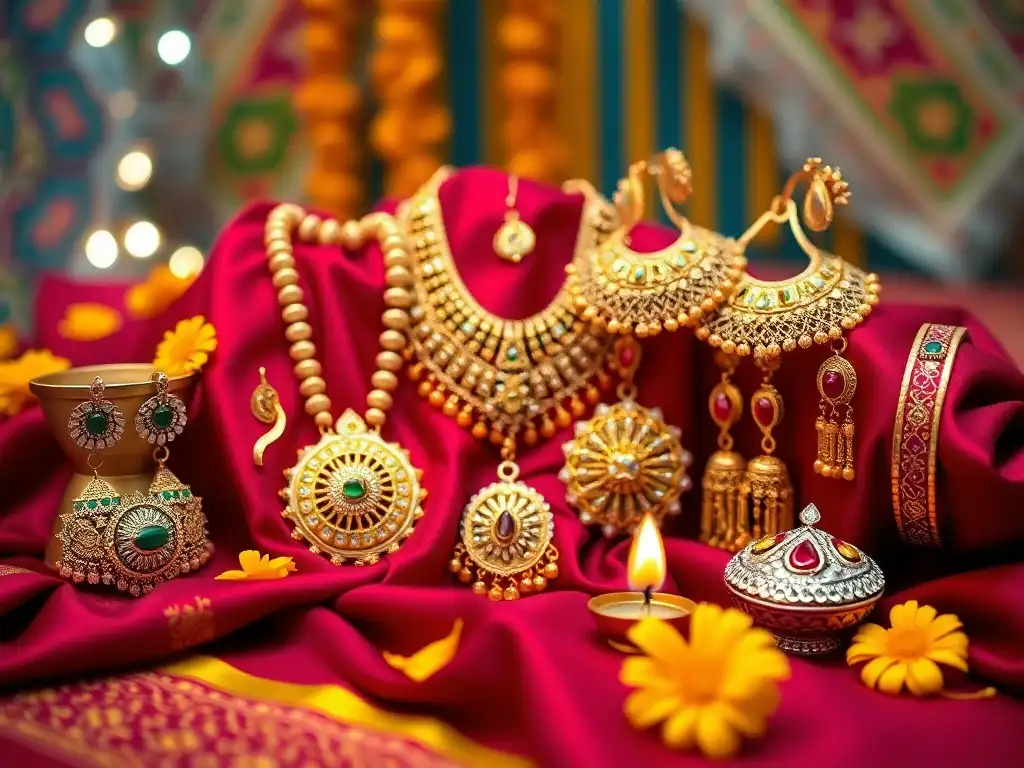
Welcome to Ancient India History, where we delve into the rich tapestry of civilizations that shaped the Indian subcontinent. As we explore the vibrant connections between culture and commerce, our latest article, "The Influence of Indian Festivals on Jewelry Buying: A Seasonal Guide," offers a fascinating look at how age-old traditions elevate the art of jewelry shopping during festive seasons.
With each celebration, unique styles and meanings emerge, inviting you to discover the significance behind these exquisite adornments. Prepare to embark on a journey through time, where every piece of jewelry tells a story, and let curiosity guide you as you further explore the enchanting world of ancient Indian culture.
- Introduction to Indian Festivals and Jewelry Shopping
- The Role of Indian Festivals in Jewelry Buying Decisions
- Key Indian Festivals and Their Impact on Jewelry Shopping
- Tips for Shopping Authentic Indian Jewelry During Festivals
- Seasonal Promotions and Discounts on Jewelry
- Exclusive Offers on Popular Jewelry Brands
- Conclusion: Embracing Tradition Through Jewelry Purchases
-
Frequently Asked Questions
- What are the major Indian festivals that influence jewelry shopping?
- How does the jewelry buying behavior change during festivals?
- What types of jewelry are popular during Indian festivals?
- Are there specific tips for shopping for jewelry during festivals?
- How can one incorporate modern trends in jewelry shopping during festivals?
- Final Reflection: Embracing Tradition Through Jewelry in Indian Festivals
- Celebrate Your Style: Embrace the Spirit of Indian Festivals!
Introduction to Indian Festivals and Jewelry Shopping
The vibrant tapestry of Indian culture is intricately woven with the threads of its festivals, each bursting with color, tradition, and significance. Among the many customs that define these celebratory occasions, the practice of jewelry shopping holds a prominent place. Jewelry in India is more than just adornment; it symbolizes wealth, status, and familial bonds, making it an essential element of festive celebrations.
From the shimmering gold of Diwali to the intricate silver of Teej, the influence of Indian festivals on jewelry buying is profound and multifaceted. This article serves as a comprehensive Indian festivals jewelry shopping guide, examining how various festivals impact jewelry purchases, the cultural significance behind these practices, and offering insights on how to navigate this seasonal shopping landscape effectively.
Understanding the Cultural Significance of Jewelry in Indian Festivals
Jewelry is deeply embedded in the cultural fabric of Indian society, especially during festivals. Each piece often tells a story of heritage and tradition, reflecting the artistry of different regions. The significance of jewelry is accentuated during festivals for several reasons:
- Symbol of Blessings: Wearing jewelry during festivals is believed to invite prosperity and good fortune. Many families purchase new gold or silver pieces as a way of seeking blessings from deities.
- Ritualistic Importance: Certain festivals have specific jewelry associated with them. For instance, the Makar Sankranti festival often sees people wearing traditional Kundan jewelry, while Navratri is celebrated with colorful bangles and intricate neckpieces.
- Celebration of Identity: Jewelry serves as a medium of expressing cultural identity. Different regions have their unique styles, and wearing regional jewelry during festivals celebrates that diversity.
Moreover, the act of gifting jewelry during these occasions strengthens familial and social ties, making it a cherished tradition that transcends generations.
Overview of Major Indian Festivals and Their Connection to Jewelry Purchases
In India, festivals are not just dates on the calendar; they are experiences that bring families and communities together. Each festival comes with its own set of traditions, many of which include the purchase and gifting of jewelry. Here's a look at some major Indian festivals and their connections to jewelry shopping:
- Diwali: Known as the festival of lights, Diwali sees a surge in jewelry purchases, especially gold. It is considered auspicious to buy jewelry during this time, as it symbolizes wealth and prosperity for the coming year.
- Holi: The festival of colors may not traditionally emphasize jewelry, but vibrant accessories like colorful bangles and earrings are popular as people celebrate with festivities and gatherings.
- Eid: On this occasion, new attire and jewelry are essential. Many families invest in intricate gold and silver jewelry, which is often gifted among relatives.
- Navratri: This nine-night festival celebrates the goddess Durga, and specific types of jewelry, such as elaborate ear tops and neckpieces, are favored by devotees during dance performances.
- Baisakhi: This harvest festival is marked by wearing traditional outfits complemented by jewelry that showcases cultural heritage, often including handcrafted pieces.
By understanding these connections, shoppers can make informed decisions about their purchases, ensuring they choose pieces that resonate with the spirit of the festival and their personal style.
The Role of Indian Festivals in Jewelry Buying Decisions
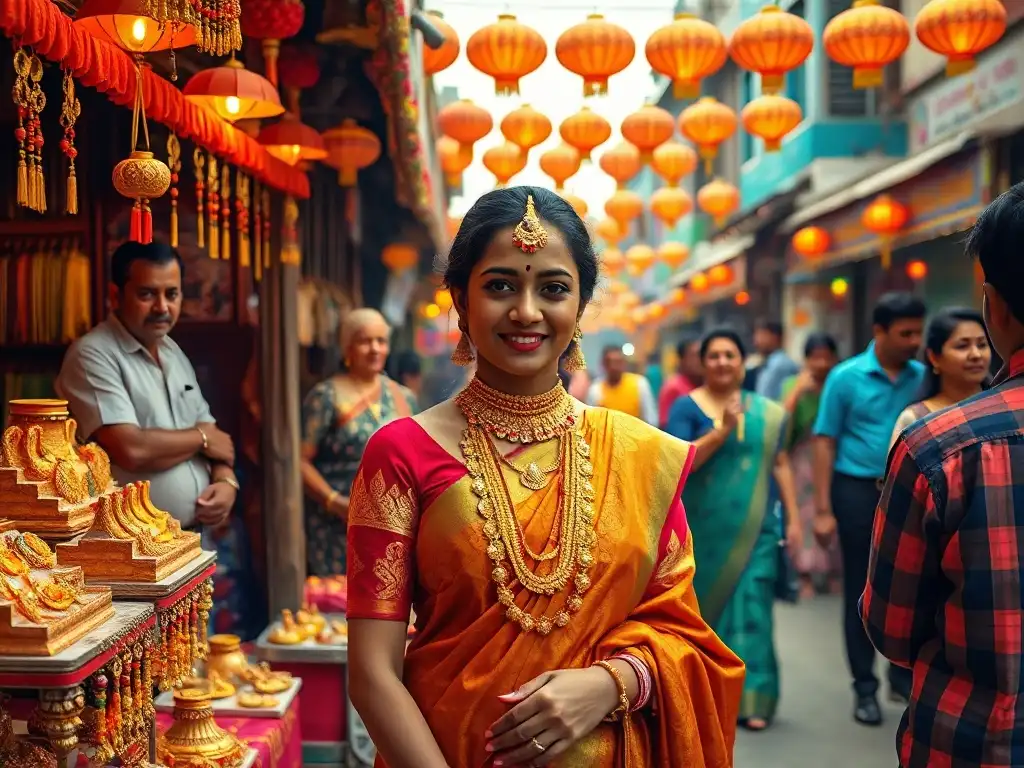
The vibrant tapestry of Indian culture is intricately woven with numerous festivals, each presenting a unique opportunity for jewelry buying. Festivals such as Diwali, Navratri, and Raksha Bandhan not only celebrate spirituality and social connections but also significantly influence consumer behavior in the jewelry market.
During these festive occasions, buying jewelry becomes a symbolic gesture, representing prosperity, love, and tradition. Consumers often view jewelry as a means to enhance their festive attire, leading to an increase in demand. The connection between jewelry and festivals is deeply rooted in cultural practices, where wearing new ornaments is considered auspicious. As a result, the jewelry buying season aligns closely with the calendar of festivals, making it imperative for jewelers to tailor their offerings accordingly.
How Festivals Influence Jewelry Trends and Styles
The influence of Indian festivals on jewelry trends is profound, as each festival comes with its own set of themes, colors, and styles. Here are some key aspects of how festivals shape jewelry preferences:
- Cultural Significance: Each festival has its unique narrative and symbolism, which often translates into specific jewelry designs. For instance, during Diwali, traditional gold and diamond jewelry are favored as symbols of wealth and prosperity, while Navratri encourages vibrant, colorful jewelry that complements traditional attire such as lehengas and sarees.
- Innovative Designs: Festivals inspire jewelers to create limited edition pieces that resonate with the festive spirit. For example, jewelry adorned with motifs like deities during Ganesh Chaturthi or floral designs for Holi reflects the festive themes, attracting buyers looking for unique additions to their collections.
- Material Preferences: The choice of materials frequently shifts during festivals. While gold remains a perennial favorite, silver and semi-precious stones gain popularity during specific occasions. For instance, during Makar Sankranti, traditional kundan jewelry takes center stage, highlighting the festival's connection to harvest celebrations.
- Fusion Styles: Modern influences have led to the emergence of fusion jewelry that blends traditional motifs with contemporary designs. During festivals, this trend often sees a spike, as younger generations seek pieces that reflect both tradition and modernity.
Seasonal Demand for Jewelry During Major Indian Festivals
The demand for jewelry during major Indian festivals exhibits distinct seasonal patterns. Understanding these trends can provide insights for both consumers and retailers:
- Diwali (October-November): Often regarded as the most significant festival in India, Diwali witnesses a surge in jewelry sales. The festival's association with wealth and prosperity motivates consumers to invest in gold and diamond pieces. Retailers often launch exclusive collections and offer attractive discounts to entice buyers.
- Raksha Bandhan (August): This festival celebrating the bond between brothers and sisters sees a rise in jewelry purchases, particularly for gifting. Traditional gold bangles, pendants, and customized pieces are popular choices as siblings express their love and appreciation through thoughtful gifts.
- Navratri (September-October): The vibrant nine-night festival showcases various forms of worship and celebration, leading to a spike in jewelry sales, particularly in traditional wear. The demand for colorful, statement pieces rises as people participate in dance and cultural activities.
- Holi (March): While Holi is primarily a celebration of colors, jewelry purchases during this festival often focus on lightweight, colorful pieces that can withstand the festive spirit. Consumers prefer jewelry that complements their outfits while being practical for the celebrations.
- Wedding Season (varies): Although not a festival, the Indian wedding season often overlaps with major festivals. The demand for jewelry peaks during this time, as families seek elaborate pieces to adorn brides and other family members.
The interplay between Indian festivals and jewelry buying decisions is significant. The cultural importance of these celebrations drives trends, styles, and seasonal demands, making it essential for consumers and retailers to understand the dynamics at play. This knowledge not only enhances the shopping experience but also ensures that the rich traditions of Indian jewelry continue to thrive.
Key Indian Festivals and Their Impact on Jewelry Shopping
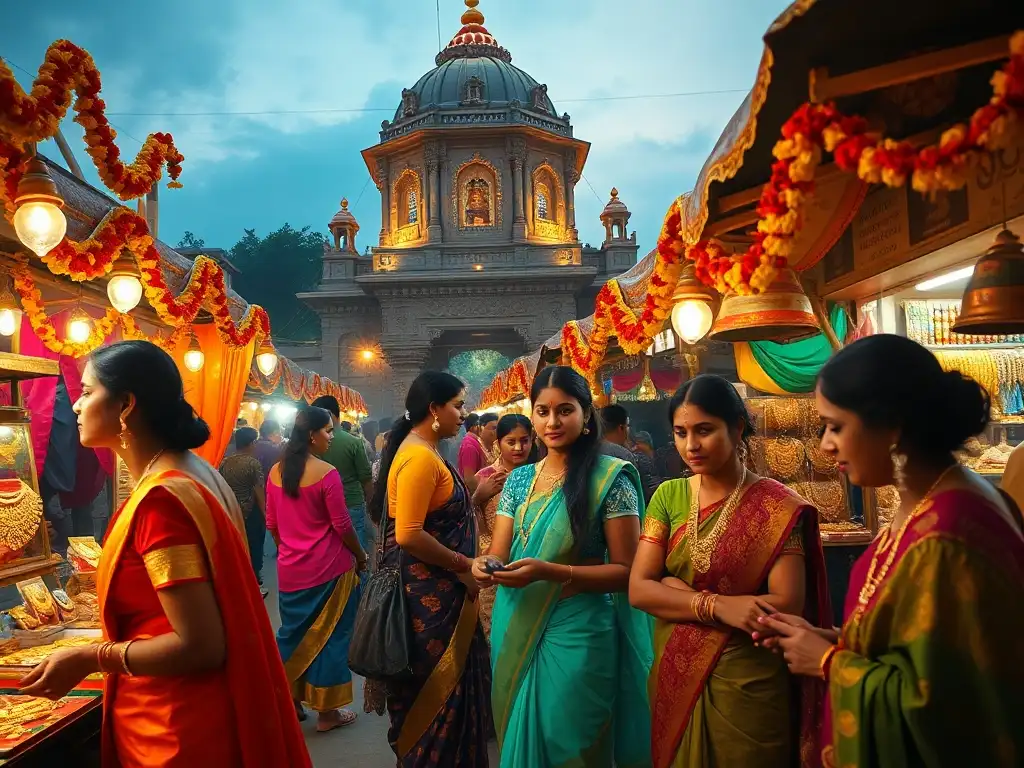
Indian festivals are not just a time for celebration; they also play a significant role in the cultural practice of jewelry shopping. The vibrant colors, traditions, and rituals associated with these festivals significantly influence consumer behavior, leading to increased demand for specific jewelry types. This guide explores how major Indian festivals shape jewelry buying trends, offering insights into the most popular choices and shopping destinations.
Diwali: The Festival of Lights and Jewelry Extravagance
Diwali, known as the Festival of Lights, is one of the most celebrated festivals in India. It symbolizes the victory of light over darkness and good over evil. During this time, families come together to celebrate with festivities that include elaborate dinners, fireworks, and the exchange of gifts. Jewelry shopping during Diwali is a cherished tradition, as buying new jewelry is considered auspicious.
Popular Jewelry Choices for Diwali Celebrations
During Diwali, the following types of jewelry become particularly popular:
- Gold Jewelry: Traditional gold pieces, such as necklaces, bangles, and earrings, are highly sought after due to their cultural significance.
- Diamond Jewelry: Elegant diamond-studded pieces are favored for their brilliance and sophistication, making them ideal for festive occasions.
- Traditional Kundan and Meenakari: These styles, characterized by intricate designs and vibrant colors, reflect the rich artistry of Indian craftsmanship.
- Contemporary Designs: Modern jewelry that incorporates traditional elements is also in demand, appealing to younger generations who seek a blend of tradition and style.
Best Places to Shop for Diwali Jewelry
When it comes to shopping for Diwali jewelry, several locations stand out:
- Local Jewelers: Family-run jewelers often offer unique designs and personalized service.
- Jewelry Shows and Exhibitions: Seasonal exhibitions showcase a variety of jewelers and provide an opportunity to discover new designs.
- Online Retailers: E-commerce platforms have become increasingly popular, offering a wide range of options with convenience.
- Department Stores: Many department stores feature dedicated jewelry sections with festive collections specifically for Diwali.
Wedding Season: Jewelry Shopping Guide for Indian Weddings
The wedding season in India is another peak time for jewelry shopping, characterized by grand celebrations, elaborate ceremonies, and a myriad of traditions. Jewelry plays a crucial role in Indian weddings, often symbolizing wealth, status, and cultural heritage.
Essential Jewelry Pieces for Traditional Indian Weddings
Here are some essential jewelry pieces that brides and attendees typically seek during the wedding season:
- Mangalsutra: A sacred necklace worn by brides, symbolizing marriage.
- Nath (Nose Ring): A traditional piece that enhances the bridal look.
- Chura: Red and white bangles that signify marital status, often gifted to brides by their maternal uncles.
- Kundan Sets: Elaborate sets that include necklaces, earrings, and maang tikka, known for their intricate craftsmanship.
- Polki Jewelry: Uncut diamond jewelry that adds a regal touch to the bridal ensemble.
Top Retailers for Wedding Jewelry in India
For those looking to purchase wedding jewelry, here are some top retailers to consider:
- Tanishq: Known for its wide range of traditional and contemporary jewelry.
- Kalyan Jewellers: Offers an extensive collection tailored for various regional wedding styles.
- Joyalukkas: Features a blend of modern designs and traditional pieces.
- Local Artisans: Supporting local craftsmen can lead to unique and custom-made jewelry options.
The influence of Indian festivals on jewelry shopping is profound, with each occasion providing a unique opportunity to explore the rich heritage and artistry of Indian craftsmanship. Whether it's the sparkle of Diwali lights or the grandeur of weddings, these celebrations inspire a vibrant jewelry market, making it essential for shoppers to be informed about their choices.
Navratri, a vibrant festival celebrated over nine nights, holds immense significance in Indian culture, particularly among Hindu communities. It honors the goddess Durga and symbolizes the victory of good over evil. During this festive period, people engage in fasting, prayer, and traditional dances like Garba and Dandiya. Jewelry plays a vital role in Navratri celebrations, as it enhances the festive spirit and showcases cultural heritage.
Traditional jewelry worn during Navratri often features intricate designs, bright colors, and a variety of materials. Women typically adorn themselves with traditional pieces such as bangles, earrings, and necklaces that reflect the festive mood. The jewelry not only complements the elaborate attire worn during the festivities but also signifies devotion and respect towards the divine feminine energy represented by Goddess Durga.
Moreover, the choice of jewelry during Navratri often varies based on regional customs. For example, in Gujarat, colorful enamel jewelry is popular, while in Maharashtra, the use of traditional Paithani jewelry is more prevalent. This diversity in jewelry styles adds to the rich tapestry of Indian culture and highlights the personal expressions of faith and celebration.
Jewelry Trends for Navratri Celebrations
As Navratri approaches, several jewelry trends emerge that resonate with the festive theme. Traditional and contemporary fusion jewelry is particularly popular, as it allows individuals to embrace tradition while adding a modern twist. Here are some key trends:
- Kundan and Meenakari Jewelry: These traditional forms of jewelry are characterized by their exquisite craftsmanship and vibrant colors. Kundan jewelry, with its uncut diamonds and intricate designs, is a favorite for Navratri as it symbolizes royalty and elegance. Meenakari, with its colorful enamel work, adds a lively touch to outfits.
- Temple Jewelry: Inspired by the sculptures of deities, temple jewelry features motifs of gods and goddesses. This type of jewelry not only holds religious significance but also serves as a beautiful adornment during the celebrations.
- Statement Earrings: Oversized, ornate earrings have become a trend during Navratri. They can elevate even the simplest outfits and add a touch of glamour. Styles such as jhumkas and chandbalis are particularly favored for their striking designs.
- Layered Necklaces: Layering multiple necklaces of varying lengths has gained popularity, allowing wearers to mix and match different styles. This trend caters to individual preferences, making each look unique.
- Eco-Friendly Jewelry: With an increasing emphasis on sustainability, many are opting for jewelry made from natural materials like wood, clay, or recycled metals. This trend reflects a growing consciousness towards the environment while celebrating cultural heritage.
Recommended Online Stores for Navratri Jewelry
Shopping for Navratri jewelry has become more accessible with the rise of e-commerce. Here are some recommended online stores where you can find authentic and beautiful pieces to celebrate the festival:
-
Tanishq
Known for its exquisite craftsmanship and wide range of traditional jewelry, Tanishq offers collections specifically curated for festivals like Navratri.
-
CaratLane
This online jewelry retailer offers a blend of modern and traditional designs, making it easy to find pieces that suit the Navratri celebrations.
-
Craftsvilla
Focusing on handmade and ethnic jewelry, Craftsvilla is a great platform to explore unique pieces that reflect the rich cultural heritage of India.
-
JewelMaze
This store specializes in traditional Indian jewelry, including Kundan and temple jewelry, ideal for enhancing your Navratri look.
-
Amazon India
With a vast selection of jewelry from various sellers, Amazon India provides options for every budget and style, making it a convenient choice for last-minute shoppers.
By exploring these online stores, you can find the perfect jewelry to adorn yourself during Navratri, allowing you to celebrate the festival with style and grace.
Tips for Shopping Authentic Indian Jewelry During Festivals
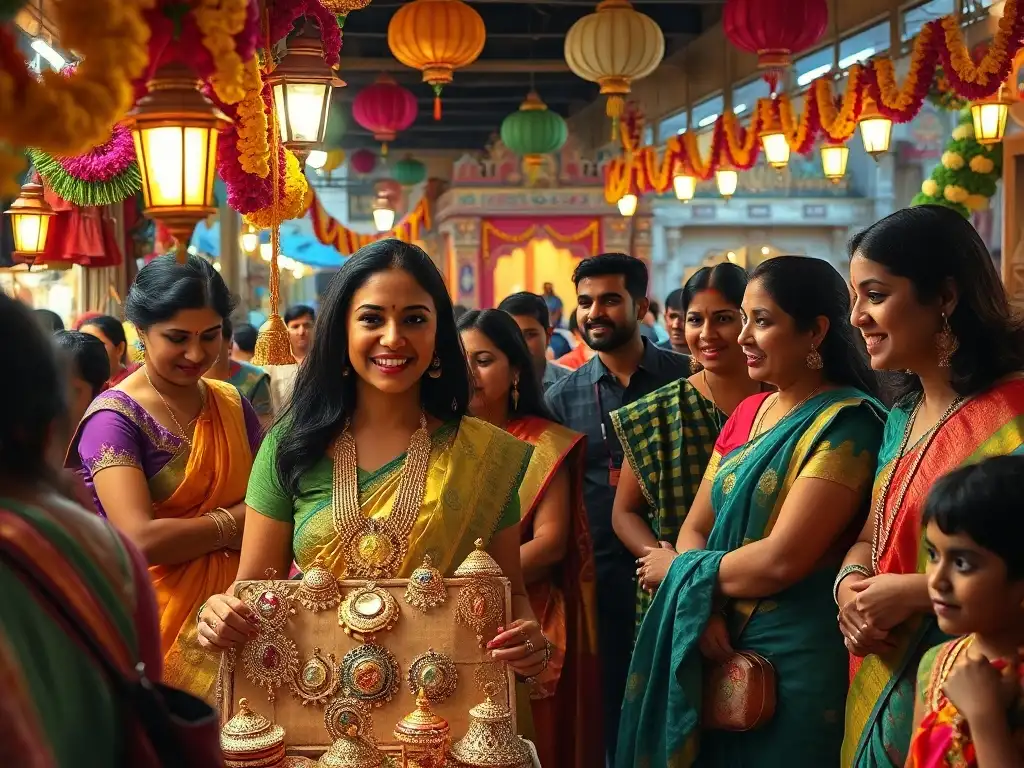
When it comes to purchasing authentic Indian jewelry during festivals, the experience can be both exciting and overwhelming. Festivals are a time of celebration and abundance, and they often inspire vibrant jewelry collections that reflect the rich cultural heritage of India. Here are some essential tips to guide you through the process of selecting genuine pieces that not only enhance your festive attire but also hold lasting value.
Identifying Authentic Indian Jewelry: A Buyer’s Guide
To ensure that you're investing in authentic Indian jewelry, it's crucial to familiarize yourself with the distinguishing features of genuine pieces. Here are some key aspects to consider:
- Material Authenticity: Look for jewelry made from traditional materials such as gold, silver, and gemstones that are native to India. For instance, Kundan and Meenakari jewelry are unique to Indian craftsmanship and showcase intricate designs.
- Craftsmanship: Examine the detailing and finishing of the jewelry. Authentic pieces often display superior craftsmanship, with intricate designs that reflect the artistry of Indian artisans.
- Hallmarks and Stamps: Check for hallmarks or stamps that indicate authenticity, such as the BIS (Bureau of Indian Standards) hallmark for gold jewelry or certifications from recognized institutions.
- Reputable Sources: Purchase from established and reputable jewelers known for their authenticity. This can significantly reduce the risk of acquiring counterfeit pieces.
Key Factors to Consider When Buying Jewelry for Festivals
When you're ready to make a purchase, several factors can influence your decision. Paying attention to these elements can help you select jewelry that complements the festive spirit while ensuring quality.
Quality vs. Price: Finding the Right Balance
Finding the right balance between quality and price is vital in jewelry shopping, especially during festive seasons. Here are some considerations:
- Budget Planning: Set a realistic budget based on the type of jewelry you wish to buy. High-quality pieces may require a larger investment but often yield better long-term value.
- Comparative Shopping: Visit multiple stores and compare prices for similar pieces. This helps you understand the market rate and ensures you are not overpaying for a piece.
- Sales and Discounts: Many jewelers offer special promotions during festivals. Take advantage of these opportunities, but remain cautious about quality compromises for lower prices.
The Importance of Certification and Authenticity in Jewelry
Certification is a crucial aspect of purchasing authentic jewelry. Here’s why it matters:
- Trustworthiness: Certifications from recognized bodies provide assurance of the jewelry’s quality and authenticity. This builds trust between the buyer and seller.
- Resale Value: Certified pieces generally have higher resale value because they are verifiable. If you ever decide to sell your jewelry, having certification can significantly enhance its marketability.
- Consumer Protection: Buying certified jewelry protects you from fraud and ensures you receive a product that meets industry standards. Always ask for documentation when purchasing high-value pieces.
Shopping for authentic Indian jewelry during festivals is an enriching experience that requires careful consideration. By focusing on authenticity, quality, and established practices, you can ensure that your purchases are not only beautiful but also meaningful and lasting.
Seasonal Promotions and Discounts on Jewelry
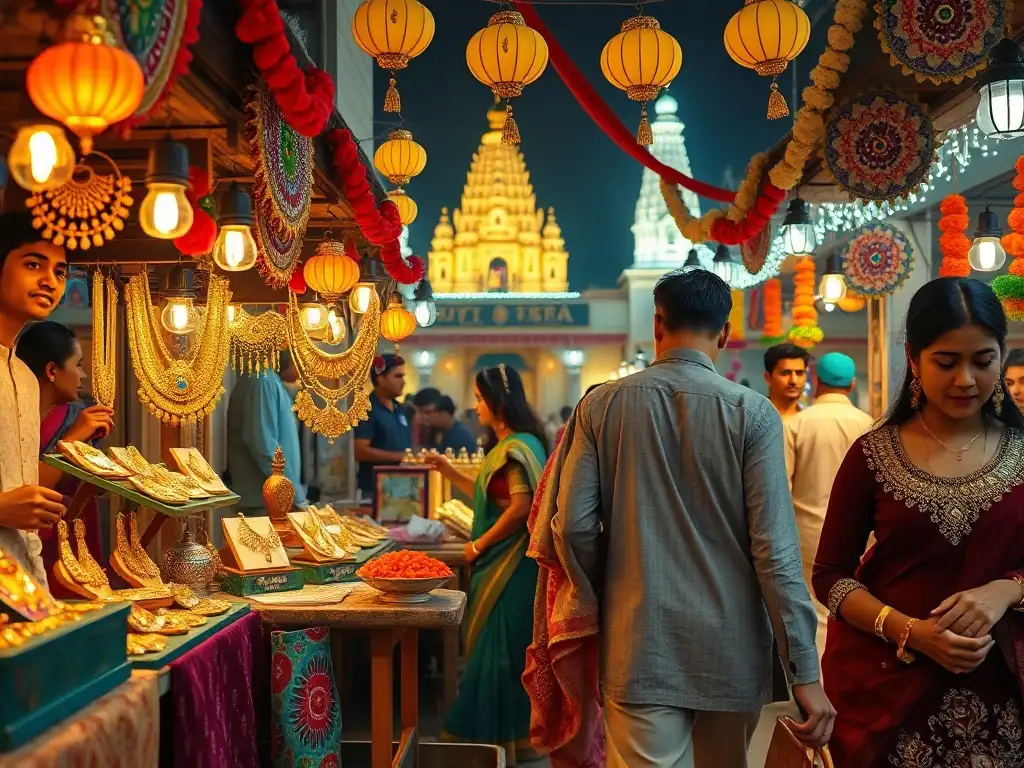
Indian festivals are not only a time for celebration and family gatherings, but they also present a unique opportunity for jewelry shopping. Many jewelers offer seasonal promotions and discounts to attract customers during these auspicious times. Understanding these promotions can significantly enhance your jewelry-buying experience.
How to Take Advantage of Festival Sales and Promotions
To maximize your savings and selection during festival sales, consider the following strategies:
- Research Ahead of Time:
- Before the festival season, make a list of the jewelry pieces you are interested in. This helps you stay focused during promotions and avoid impulse buying.
- Follow Jewelers on Social Media:
- Many jewelry brands announce their festival promotions on social media platforms. Following them ensures you stay updated on exclusive discounts and offers.
- Sign Up for Newsletters:
- Subscribe to newsletters from your favorite jewelry brands. This way, you’ll receive notifications about upcoming sales, early access to promotions, and exclusive offers.
- Visit Multiple Stores:
- Don’t limit yourself to just one jeweler. Visiting multiple stores can help you compare prices and find the best deals available.
- Inquire About Loyalty Programs:
- Some jewelers offer loyalty programs or membership benefits which can provide additional discounts or rewards during the festive season.
Best Times to Shop for Jewelry Discounts
The timing of your jewelry shopping can significantly impact your savings. Here are some of the best times to shop for discounts during the year:
| Festival | Estimated Dates | Discount Potential |
|---|---|---|
| Diwali | October-November | Up to 30% off |
| Akshaya Tritiya | April-May | 20%-25% off |
| Dussehra | September-October | 15%-20% off |
| Eid | Varies (based on lunar calendar) | 10%-15% off |
These festivals are often accompanied by significant discounts on gold and diamond jewelry, making them ideal times for purchases.
Exclusive Offers on Popular Jewelry Brands
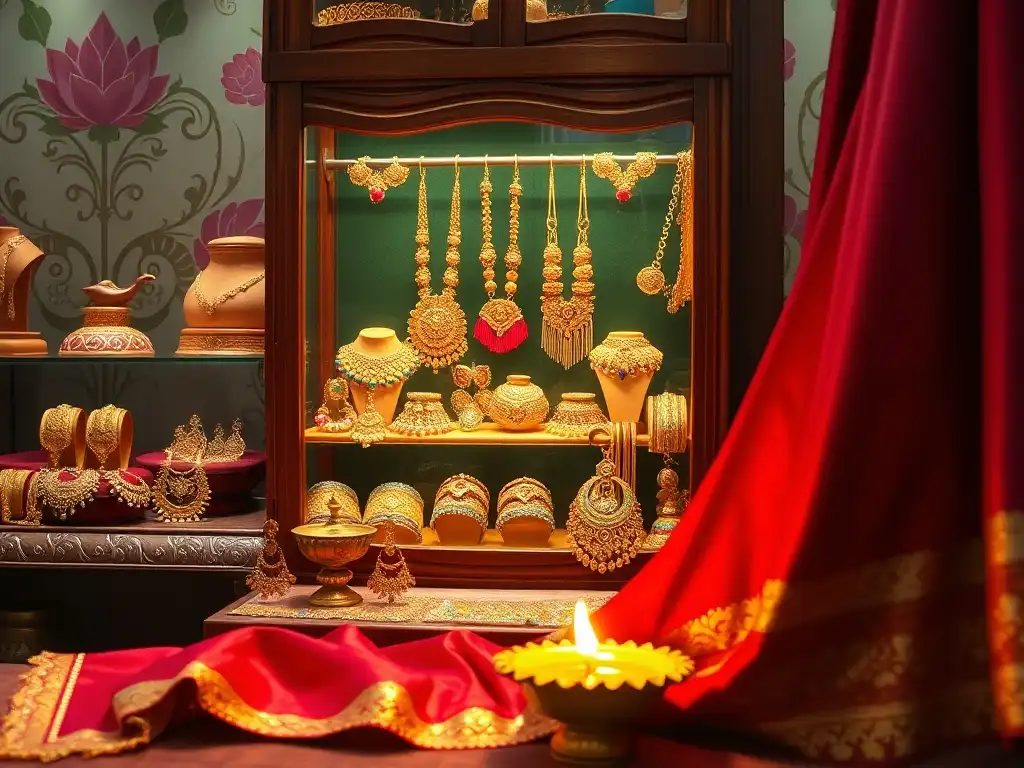
Several renowned jewelry brands in India often roll out exclusive offers during festival seasons. By knowing which brands to watch for, you can make strategic purchases.
Highlighting Top Brands: Tanishq, Malabar Gold & Diamonds, Kalyan Jewellers
- Tanishq:
- Tanishq is known for its exquisite designs and quality craftsmanship. During festivals, they offer attractive discounts and unique collections that celebrate traditional Indian aesthetics.
- Malabar Gold & Diamonds:
- This brand frequently has festival promotions that include a mix of gold, diamond, and gemstone jewelry. Their offers often include additional discounts on making charges and free gold coins with select purchases.
- Kalyan Jewellers:
- Kalyan Jewellers typically launches special collections during major festivals, along with promotional discounts. Their loyalty program can also provide members with exclusive deals during the festive season.
By keeping an eye on these brands and their promotions, you can ensure that you get the best value for your jewelry purchases during Indian festivals. Happy shopping!
Conclusion: Embracing Tradition Through Jewelry Purchases
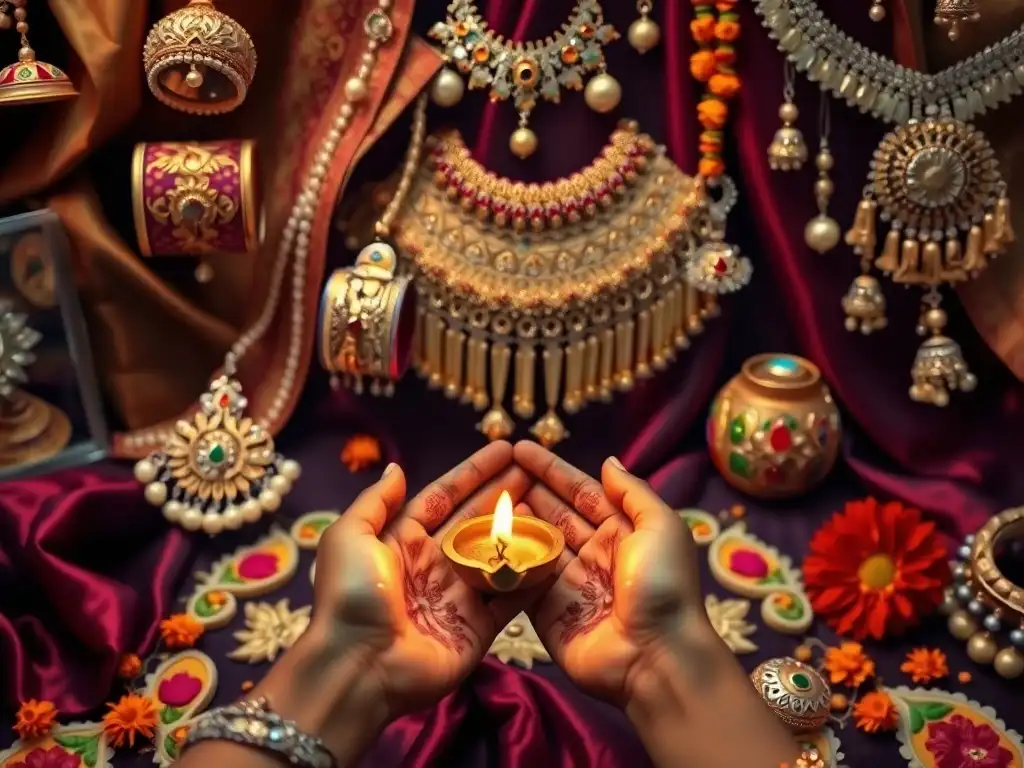
Final Thoughts on the Influence of Festivals on Jewelry Buying
The rich tapestry of Indian festivals significantly influences jewelry buying patterns across the subcontinent. Each celebration, from Diwali to Navratri, not only marks a time for festivities but also embodies cultural heritage and tradition, making jewelry an essential part of these occasions. The reasons for this influence are manifold:
- Cultural Significance: Jewelry is often gifted during festivals, symbolizing love and blessings. For instance, during Akshaya Tritiya, it's customary to buy gold as it is believed to bring prosperity.
- Seasonal Trends: Festivals usher in specific trends in jewelry styles. The vibrancy of colors associated with Holi might inspire customers to seek out pieces adorned with colorful gemstones, whereas the elegance of Eid or weddings calls for intricate gold or diamond jewelry.
- Emotional Resonance: Festivals evoke feelings of nostalgia and connection to family traditions. Many individuals may choose to invest in heirloom pieces or designs that reflect their ancestry, thus reinforcing their bond with their cultural roots.
- Promotional Offers: Jewelry retailers often align their marketing strategies with festival seasons, offering discounts and exclusive collections that attract buyers. This can lead to increased consumer interest and shopping activity during these periods.
As a result, understanding these nuances can aid consumers in making informed choices, ensuring their purchases resonate with the spirit of the festival while catering to personal taste.
Encouraging Responsible and Thoughtful Jewelry Shopping
In an era where consumer consciousness is on the rise, it is essential to approach jewelry shopping during Indian festivals with responsibility and mindfulness. Here are some key considerations for a thoughtful shopping experience:
- Ethical Sourcing: Prioritize brands that are transparent about their sourcing practices. Look for certifications that ensure fair labor practices and sustainable mining.
- Authenticity and Quality: With the influx of imitation jewelry during festival seasons, it's crucial to verify the authenticity of the pieces you are purchasing. Seek out reputable jewelers who provide certification for precious metals and stones.
- Investment in Craftsmanship: Opt for handcrafted jewelry that reflects the rich artistry of Indian traditions. This not only supports local artisans but also ensures that you are purchasing unique pieces that tell a story.
- Budgeting: Festivals can often lead to impulsive buying. Setting a budget beforehand can help maintain financial health while still allowing for the purchase of meaningful jewelry.
- Cultural Understanding: Familiarize yourself with the symbolism behind various pieces. Understanding the cultural significance can enhance your appreciation of the jewelry and its intended purpose.
By embracing these practices, consumers can ensure that their jewelry purchases during Indian festivals are not only beautiful but also respectful of the rich cultural heritage they represent. This approach allows individuals to celebrate their traditions while fostering a more sustainable and ethical jewelry shopping experience.
Frequently Asked Questions
What are the major Indian festivals that influence jewelry shopping?
Major Indian festivals include Diwali, Holi, and Navratri, each prompting unique jewelry buying trends that reflect cultural significance and traditional aesthetics.
How does the jewelry buying behavior change during festivals?
During festivals, there is often a surge in demand for gold and traditional designs, as families buy jewelry for rituals and celebrations, showcasing their heritage and status.
What types of jewelry are popular during Indian festivals?
Traditional pieces such as jhumkas, necklaces, and kadas are popular, often adorned with precious stones and intricate designs that resonate with the festive spirit.
Are there specific tips for shopping for jewelry during festivals?
Yes! It's advisable to plan ahead, compare prices, and consider buying customized pieces to ensure you find the best quality and value while embracing the festive essence.
How can one incorporate modern trends in jewelry shopping during festivals?
One can blend traditional designs with contemporary styles, opting for pieces that feature minimalistic yet elegant designs, allowing for a unique expression during festivals while honoring traditions.
Final Reflection: Embracing Tradition Through Jewelry in Indian Festivals
The intricate relationship between Indian festivals and jewelry shopping is more relevant today than ever, as these vibrant celebrations not only highlight cultural heritage but also drive significant economic activity. The act of purchasing jewelry during these festive times transcends mere consumerism; it embodies a deep-rooted connection to tradition, family, and identity. As we navigate a rapidly changing world, the enduring significance of these rituals reminds us of the values that bind us together.
Cultural celebrations like Diwali, Eid, and Navratri continue to shape our social landscape, influencing not just personal choices but also the broader market trends in jewelry. The joy of adorning oneself with beautiful pieces during these occasions fosters a sense of belonging and continuity. Jewelry is not just an accessory; it is a reflection of our heritage and the stories we carry.
This sentiment echoes through generations, as families pass down heirlooms that encapsulate memories and milestones, reinforcing the importance of these traditions in our lives.
As we reflect on the insights shared in this article, I invite you to consider how you can embrace and celebrate your own cultural heritage through jewelry. Take a moment to explore the significance of the pieces you choose to wear during festivals and the stories they tell. Let this be an opportunity to connect with your roots, honor your traditions, and perhaps even start new ones as you navigate the vibrant tapestry of Indian festivals.
Celebrate Your Style: Embrace the Spirit of Indian Festivals!
Thank you for diving into our exploration of how Indian festivals influence jewelry buying! We hope you’ve gained insights into the beauty and significance of seasonal adornments. Now, it’s time to take this knowledge and channel it into your own festive style!
Here’s how you can make the most of this jewelry-buying season:
- Explore local jewelers and artisans: Visit your neighborhood stores or online platforms to discover unique pieces that reflect the essence of the festival.
- Share your favorite festival jewelry: Post a picture of your stunning pieces on social media and tag us to connect with fellow enthusiasts!
- Join a community or workshop: Engage with others who share your passion for jewelry by attending events that celebrate Indian craft and design.
As you prepare to adorn yourself for the upcoming festivities, consider this: What’s the most meaningful piece of jewelry you’ve ever owned, and what story does it tell?