
The Forgotten Techniques of Ancient Indian Metalworking: Rediscovering History

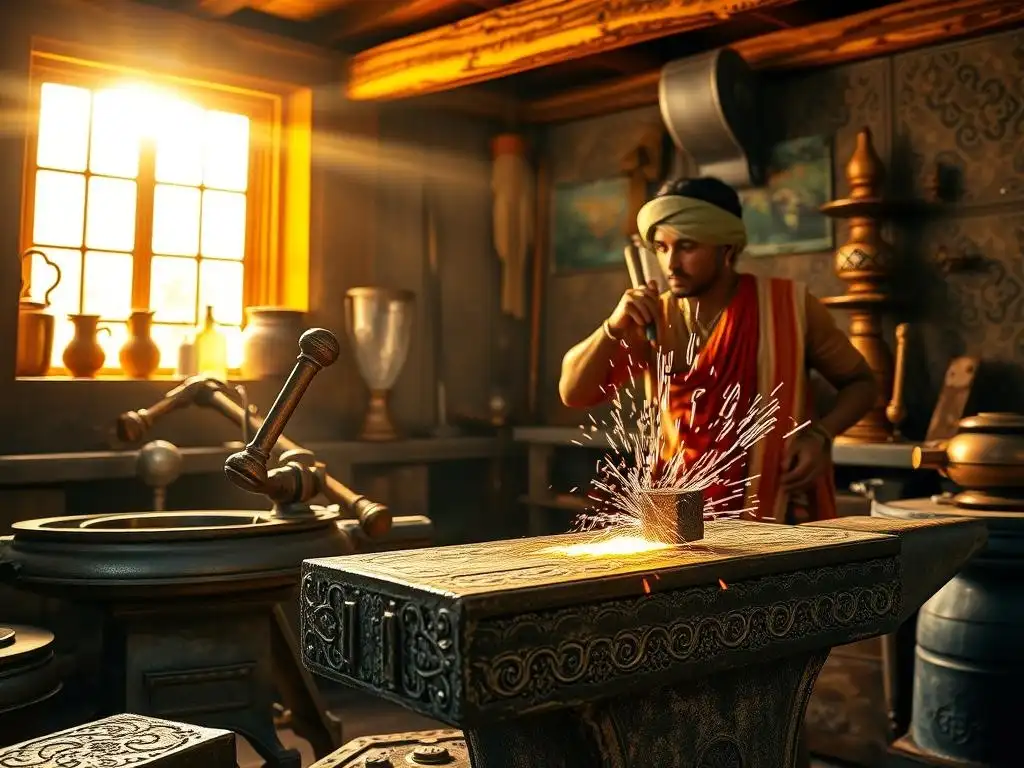
Welcome to Ancient India History, where we embark on a fascinating journey through the tapestry of time, exploring the rich and diverse heritage of ancient Indian civilizations. Have you ever wondered how the ingenuity of ancient Indian metalworking techniques shaped the world?
In our featured article, "The Forgotten Techniques of Ancient Indian Metalworking: Rediscovering History," we delve into the remarkable innovations that not only defined an era but also laid the groundwork for future advancements. Join us as we uncover the secrets of the past, igniting your curiosity and inspiring a deeper appreciation for India's profound contributions to technology and culture.
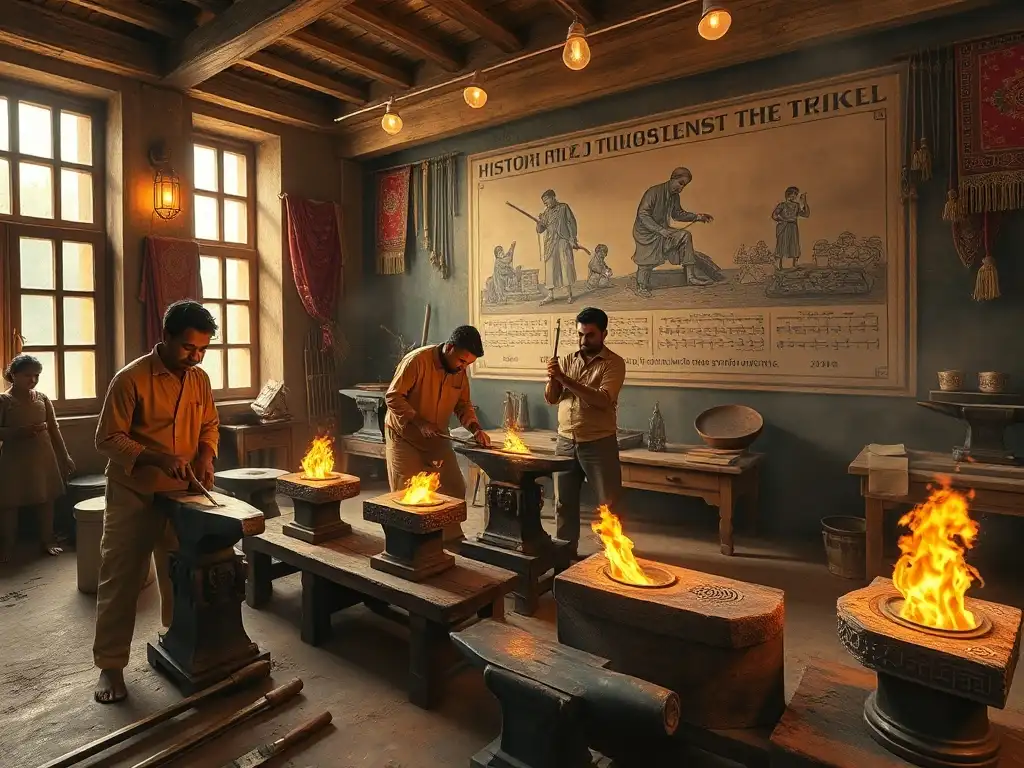
Introduction to Ancient Indian Metalworking Techniques
The intricate world of ancient Indian metalworking techniques is a captivating realm that reflects the ingenuity and skill of early civilizations. From the sophisticated methods employed by the Indus Valley craftsmen to the elaborate techniques developed during the Gupta Empire, ancient India boasts a rich tapestry of metallurgical practices that have largely faded from modern memory.
This article seeks to illuminate these forgotten techniques, revealing their significance in the broader narrative of technological advancements and cultural achievements in ancient India. By exploring the evolution of metalworking, we can gain insights into the innovative spirit of these civilizations and their contributions to metallurgy.
Overview of Metalworking in Ancient India
Metalworking in ancient India was not merely a craft; it was an essential component of societal development and cultural expression. The practice of working with metals such as copper, bronze, and iron dates back thousands of years, with evidence of sophisticated techniques emerging as early as the Indus Valley Civilization (circa 3300–1300 BCE).
- Key Metals Used:
- Copper
- Bronze
- Iron
Ancient artisans utilized a variety of techniques, including casting, forging, and alloying, to create tools, weapons, and decorative items. The mastery of these techniques enabled ancient Indian civilizations to thrive, facilitating trade and cultural exchange both within the subcontinent and beyond.
Importance of Studying Ancient Techniques
Understanding ancient Indian metalworking techniques is crucial for several reasons:
- Cultural Heritage: These techniques are a testament to the rich cultural heritage of India, showcasing the artistry and craftsmanship of ancient artisans.
- Technological Insights: Studying these methods can provide valuable insights into the technological advancements of the time and their influence on contemporary practices.
- Preservation of Knowledge: Rediscovering these techniques helps preserve traditional knowledge that may otherwise be lost, fostering a deeper appreciation for ancient practices.
Historical Context of Metalworking in Ancient India
The Indus Valley Civilization: Pioneers of Metallurgy
The Indus Valley Civilization marks the beginning of advanced metalworking in ancient India. Archaeological findings reveal that the people of this civilization were adept at mining and metallurgy, producing various metal artifacts that highlight their technical skills.
- Key Contributions:
- Production of copper tools and ornaments
- Development of early smelting techniques
- Use of standardized weights and measures for trade
Their metalworking practices laid the foundation for subsequent civilizations, influencing the development of metallurgy across the Indian subcontinent.
The Vedic Period: Evolution of Techniques
Following the decline of the Indus Valley Civilization, the Vedic Period (circa 1500–500 BCE) saw a shift in metalworking techniques. The texts from this era, including the Vedas, provide insights into the evolving practices and the significance of metals in society.
- Notable Developments:
- Increased use of iron, leading to the Iron Age in India
- Emergence of specialized craftspeople dedicated to metalworking
- The integration of metalwork into religious and cultural practices
The Vedic texts also highlight the symbolic importance of metals, elevating their status beyond mere utility.
The Maurya and Gupta Empires: Advancements in Metalworking
The Maurya Empire (circa 322–185 BCE) and the Gupta Empire (circa 240–550 CE) represent the pinnacle of ancient Indian metalworking. These periods are characterized by remarkable advancements in techniques and the production of intricate metal artifacts.
- Key Achievements:
- Development of sophisticated casting and alloying techniques
- The creation of high-quality weapons and tools, contributing to military prowess
- Flourishing art forms, including intricate sculptures and decorative items
The advancements made during these empires not only demonstrate the technical skill of ancient artisans but also highlight the significance of metalworking as a driver of economic and cultural exchange in ancient India.
The exploration of ancient Indian metalworking techniques unveils a rich history that intertwines technology, culture, and innovation. As we delve deeper into these historical contexts, we can appreciate the enduring legacy of these practices and their influence on modern metallurgy.
Key Ancient Indian Metalworking Techniques
Ancient India was home to some of the most advanced metalworking techniques that have largely been forgotten or overshadowed by their more widely recognized counterparts. These techniques not only reflect the ingenuity of ancient artisans but also highlight the rich cultural heritage and technological prowess of the civilization. Among the most notable practices were lost wax casting, the creation of Wootz steel, and advanced goldsmithing techniques. Each of these methods played a crucial role in the production of functional and decorative items, showcasing the sophistication of ancient Indian metallurgy.
Lost Wax Casting: A Unique Approach
Lost wax casting, known as "cire perdue" in French, is a technique that has been employed for centuries to create intricate metal objects. This process involves creating a wax model of the desired item, which is then coated in a heat-resistant material to form a mold. Once the mold is hardened, the wax is melted away, leaving a hollow cavity into which molten metal is poured. The precision of this method allows for the production of detailed sculptures, jewelry, and ceremonial artifacts.
In ancient India, lost wax casting was not just a method for creating utilitarian objects; it was also used for artistic expressions, such as the renowned bronze sculptures of deities found in temples. This technique was particularly prevalent in regions like Tamil Nadu, where artisans developed distinctive styles that continue to influence metalworking today.
Wootz Steel: The Legendary Indian Steel
Wootz steel is perhaps one of the most remarkable contributions of ancient Indian metallurgy to the world. This high-carbon steel was produced using a unique method involving the use of iron ore and specific local materials that resulted in a steel with exceptional hardness and a characteristic pattern resembling flowing water. This aesthetic quality, along with its superior strength, made Wootz steel highly sought after in both domestic and international markets.
Historically, Wootz steel was used to forge superior weapons, including the famed Damascus swords known for their sharpness and resilience. The techniques for producing Wootz were closely guarded secrets, with the knowledge being passed down through generations of metallurgists. While the production methods faded over time, recent research has revived interest in Wootz steel, prompting modern metallurgists to explore its historical significance and potential applications.
Goldsmithing Techniques: Craftsmanship and Artistry
The art of goldsmithing in ancient India was marked by an exquisite level of craftsmanship and intricate techniques that produced stunning jewelry and ornamental pieces. Artisans employed methods such as granulation, filigree, and cloisonné to create detailed designs, often incorporating gemstones and other organic materials.
Granulation involves fusing tiny gold beads onto a surface, while filigree uses fine threads of gold to create delicate patterns. Cloisonné is a technique where colored enamel is set within gold wire partitions, resulting in vibrant and complex designs. These skills not only showcased artistic talent but also reflected the socio-economic status of individuals within ancient Indian society, as gold jewelry was often associated with wealth and prestige.
Tools and Materials Used in Ancient Indian Metalworking
The tools and materials employed by ancient Indian metalworkers were critical to their success and innovation in metallurgy. From rudimentary implements to sophisticated techniques, the craftsmanship reflected a deep understanding of both the physical properties of metals and the aesthetic demands of the society.
Common Tools of Ancient Metalworkers
Ancient Indian metalworkers utilized a variety of tools that were essential for different stages of production. Some of the common tools included:
- Hammers: Used for shaping and forming metals.
- Anvils: Flat surfaces on which metal was hammered and shaped.
- Chisels: Employed to carve designs or engrave surfaces.
- Tongs: Used for holding and manipulating hot metal during the forging process.
- Furnaces: Crucial for melting and refining metals, these ranged from simple clay structures to advanced brick kilns.
These tools, often crafted from bronze or iron, were designed to be durable and effective, enabling artisans to create both practical and artistic metalworks.
Types of Metals and Alloys in Ancient India
Ancient Indian metallurgists worked with a range of metals and alloys, showcasing their innovative spirit and adaptability. Key materials included:
- Copper: One of the first metals used, often alloyed with tin to create bronze.
- Bronze: A crucial alloy for tools, weapons, and decorative items due to its durability.
- Iron: Used extensively for weapons and tools, particularly after the development of smelting techniques.
- Gold and Silver: Highly valued for their beauty and used extensively in jewelry and ceremonial artifacts.
The ability to create alloys, such as brass (a combination of copper and zinc), further exemplified the advanced knowledge of metallurgical processes among ancient Indian artisans.
Comparison of Materials: Local vs. Imported
The metallurgical landscape of ancient India was shaped significantly by the availability of local versus imported materials. While indigenous sources provided metals like copper and iron, trade routes facilitated the import of precious metals such as gold and silver from regions like Persia and the Mediterranean.
- Local Materials:
- Readily available and often used for everyday tools and implements.
- Allowed artisans to innovate based on local resources.
- Imported Materials:
- Enhanced the quality and variety of metal products.
- Often reserved for elite craftsmanship and luxury items.
This interplay between local and imported materials not only influenced the quality of metalworking but also contributed to the cultural exchanges that enriched ancient Indian society.
The Cultural Significance of Metalworking in Ancient India
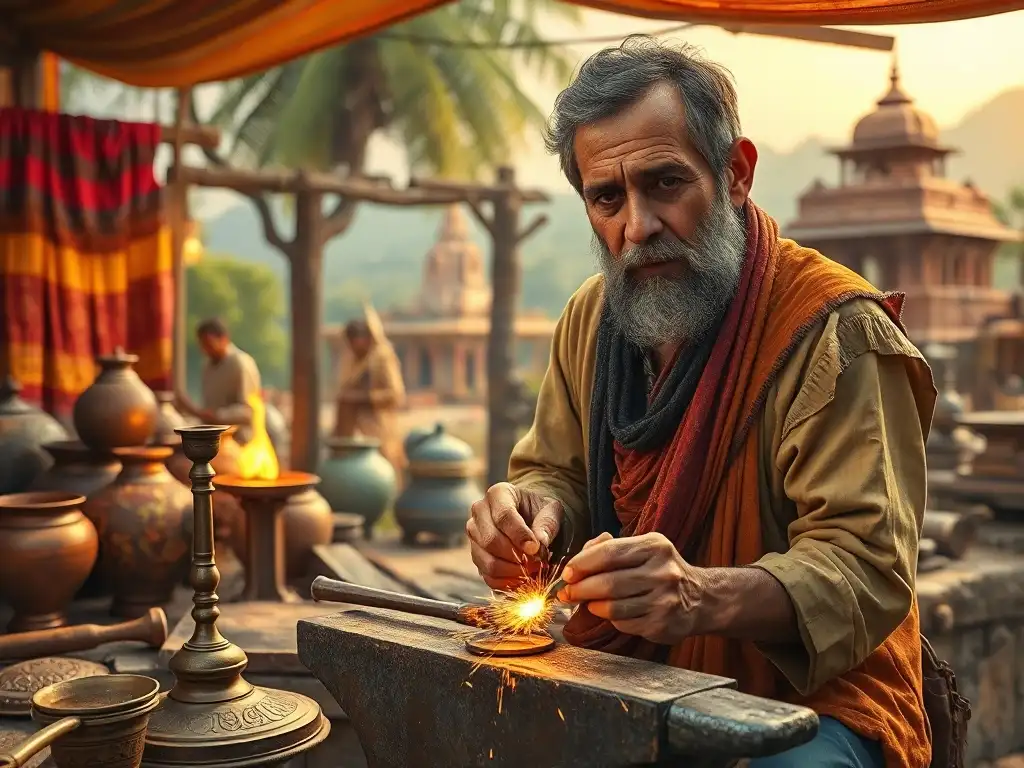
Metalworking in ancient India was not merely a craft; it was deeply intertwined with the cultural and spiritual fabric of society. The ability to manipulate metals such as copper, bronze, and iron played a crucial role in the development of various art forms, tools, and technologies that defined ancient Indian civilization. The mastery of metalworking techniques contributed significantly to the aesthetic and functional aspects of everyday life, influencing everything from weaponry to decorative arts.
Culturally, metalworking was often associated with specific deities and rituals. Artisans believed that the process of shaping metal required not only skill but also a certain spiritual purity. Thus, metalworkers were often revered figures within their communities, contributing to both the economy and the cultural identity of their societies. The intricate designs and symbolic motifs found in metal artifacts reflect the philosophical and religious beliefs of the time, showcasing the intersection of art and spirituality in ancient India.
Metalworking in Religious Artifacts and Symbols
Religious artifacts crafted from metal hold immense significance in ancient Indian cultures. Statues of deities, ceremonial vessels, and ritual implements were often made from precious metals like gold and silver, symbolizing purity and divine connection. The famous bronze statues from the Chola dynasty, for instance, exemplify the technical prowess and artistic excellence of ancient Indian metalworkers. These artifacts were not only functional but also served as focal points for worship and devotion, reflecting the deep-seated spiritual beliefs of the people.
Moreover, the use of metals in creating symbols played a vital role in conveying religious narratives and values. For example, the use of specific metals in the construction of temple bells was believed to produce sound frequencies that could invoke the presence of deities. The intricate engravings on these artifacts often depicted mythological stories, showcasing the rich tapestry of ancient Indian spirituality and its connection to metalworking.
Influence of Metalworking on Trade and Economy
The advancements in metalworking techniques significantly impacted trade and the economy of ancient India. The ability to produce high-quality metal tools and weapons enhanced agricultural productivity and military strength, respectively. As a result, regions renowned for their metalworking, such as the Southern states and parts of northern India, became crucial centers for trade, both domestically and internationally.
The export of metal goods, particularly during the Maurya and Gupta empires, facilitated economic interactions with other cultures, including those in the Mediterranean and Southeast Asia. This exchange not only brought wealth but also allowed for the sharing of techniques and innovations in metallurgy, enriching the Indian metalworking tradition. The flourishing trade routes, combined with the demand for metal artifacts, further solidified metalworking as a cornerstone of ancient Indian economy and commerce.
The Role of Metalworking in Daily Life
In daily life, metalworking was essential for the creation of tools, utensils, and personal adornments. From agricultural implements like plows and sickles to household items such as pots and pans, metalworking provided the necessary resources for sustenance and comfort. The durability and efficiency of metal tools revolutionized farming practices, leading to improved yields and food security.
Moreover, the crafting of jewelry and decorative items also played a significant role in social and cultural identity. Gold and silver ornaments were not only symbols of status but also served as important items in religious and social ceremonies. The artistry involved in metalworking allowed for the expression of individuality and cultural heritage, making it an integral part of everyday life in ancient India.
Rediscovering Ancient Techniques: Modern Implications
The revival of ancient Indian metalworking techniques is not merely an academic pursuit; it has significant implications for contemporary society. As modern artisans and scholars seek to rediscover these forgotten methods, there is a growing recognition of their relevance in today's craft and design industries.
The Revival of Traditional Metalworking Skills
Efforts to revive traditional metalworking skills have gained momentum in recent years, with artisans and craftsmen exploring ancient techniques to create contemporary works. Workshops and training programs focusing on skills such as lost-wax casting, damascening, and metal repoussé are becoming increasingly popular. These initiatives not only preserve the knowledge of ancient practices but also empower local artisans, ensuring that these valuable skills are passed down through generations.
In addition, the revival of traditional metalworking fosters a sense of cultural pride and identity, allowing artisans to connect with their heritage while contributing to the modern economy. The blending of ancient techniques with contemporary designs has the potential to create unique products that resonate with consumers seeking authenticity and craftsmanship.
Applications of Ancient Techniques in Contemporary Crafts
Ancient Indian metalworking techniques have found new applications in contemporary crafts and design. Artisans are incorporating traditional methods into modern jewelry, home décor, and functional art, creating pieces that reflect a fusion of heritage and innovation. This approach not only appeals to consumers who value sustainability and craftsmanship but also supports the revival of local economies.
Furthermore, the use of ancient techniques in contemporary crafts can lead to the development of new products that showcase the rich history of Indian metalworking. By marrying the old with the new, artisans can create unique offerings that distinguish themselves in a competitive market, ultimately promoting the significance of ancient Indian metalworking techniques in modern society.
Educational Programs and Workshops on Ancient Metalworking
Educational programs and workshops dedicated to ancient metalworking are vital for preserving this rich heritage. Institutions and organizations are increasingly recognizing the importance of imparting knowledge about traditional techniques to new generations. These programs often include hands-on training, allowing participants to engage directly with the materials and processes involved in metalworking.
Workshops not only serve as platforms for skill development but also foster a community of learners and practitioners who share a passion for metal arts. Through collaborations with traditional artisans, participants gain insights into the cultural and historical significance of these techniques, deepening their appreciation for ancient Indian metalworking. By promoting awareness and education, we can ensure that the legacy of ancient metalworking continues to thrive in future generations.
Conclusion: The Legacy of Ancient Indian Metalworking Techniques
The legacy of ancient Indian metalworking techniques is a testament to the ingenuity and craftsmanship of early civilizations. These techniques not only reflect the advanced understanding of materials and processes but also highlight the cultural significance of metallurgy in ancient Indian society. From the intricate designs of jewelry to the robust construction of tools and weaponry, each artifact speaks volumes about the societal values, trade relationships, and technological advancements of the time.
The enduring impact of these techniques can still be seen today, as modern metallurgists and artisans draw inspiration from the innovative practices of their ancestors. The revival and documentation of these techniques serve not only to honor the past but also to enrich contemporary practices in metalworking. By rediscovering and applying these ancient methods, we can enhance our understanding of materials science and preserve a vital aspect of cultural heritage.
Reflection on the Importance of Preserving History
Preserving the history of ancient Indian metalworking techniques is crucial for several reasons. Firstly, it allows us to appreciate the technological advancements that were achieved long before modern methodologies were developed. Understanding these ancient practices can offer insights into sustainable techniques that align with contemporary ecological concerns.
Additionally, preserving this history fosters a sense of identity and continuity. It connects current generations to their ancestors, allowing for a deeper understanding of cultural heritage. This connection is particularly important in a rapidly changing world where traditional craftsmanship is at risk of being lost. By documenting and sharing knowledge about ancient metalworking, we create a platform for dialogue between the past and the present, ensuring that these techniques are not only remembered but also celebrated.
Future Directions in Research and Practice in Metallurgy
The future of research and practice in ancient Indian metallurgy holds great promise. Ongoing archaeological discoveries continue to provide new insights into ancient techniques, revealing sophisticated methods of alloying, casting, and forging that were previously unknown. Collaborative efforts between historians, archaeologists, and metallurgists are essential to unearthing and understanding these ancient practices.
Moreover, advancements in technology, such as 3D scanning and digital modeling, enable researchers to analyze artifacts in unprecedented detail. This can lead to the reconstruction of ancient techniques and the development of new applications in modern metallurgy. Furthermore, integrating traditional methods with contemporary practices could pave the way for innovative products that honor ancient craftsmanship while meeting current needs.
References and Further Reading
To delve deeper into the fascinating world of ancient Indian metalworking techniques, the following resources provide valuable insights and comprehensive information.
Suggested Books and Articles on Ancient Indian Metallurgy
-
"Metallurgy in Ancient India" by G. D. S. Rao
This book explores the various metallurgical techniques employed in ancient India, providing detailed analysis and case studies of significant artifacts.
-
"The Art of Indian Metalwork" by R. K. Sharma
A comprehensive guide that covers the history, techniques, and cultural implications of metalworking in ancient India.
-
"Ancient Indian Technology: An Overview" by A. P. Gupta
This article discusses various technological advancements in ancient India, focusing on metallurgy and its role in society.
Notable Museums and Exhibitions Featuring Ancient Metalworking
-
National Museum, New Delhi
Home to an extensive collection of ancient Indian artifacts, including metalwork that showcases the techniques and artistry of the time.
-
Chhatrapati Shivaji Maharaj Vastu Sangrahalaya, Mumbai
This museum features exhibits on ancient Indian metallurgy, highlighting tools, weapons, and decorative items crafted through traditional techniques.
-
Indian Museum, Kolkata
The oldest museum in India, it houses a wealth of ancient artifacts, including metalworking exhibits that provide insights into historical practices.
By engaging with these resources, readers can gain a deeper appreciation for the rich tradition of ancient Indian metalworking and its enduring legacy in contemporary society.
- Introduction to Ancient Indian Metalworking Techniques
- Historical Context of Metalworking in Ancient India
- Key Ancient Indian Metalworking Techniques
- Tools and Materials Used in Ancient Indian Metalworking
- The Cultural Significance of Metalworking in Ancient India
- Rediscovering Ancient Techniques: Modern Implications
- Conclusion: The Legacy of Ancient Indian Metalworking Techniques
- References and Further Reading
- What were some key ancient Indian metalworking techniques?
- How did ancient Indian metalworkers contribute to global metallurgy?
- What materials were primarily used in ancient Indian metalworking?
- How did the Indus Valley Civilization influence metalworking?
- What role did the Gupta Empire play in advancing metalworking?
Frequently Asked Questions
What were some key ancient Indian metalworking techniques?
Ancient Indian metalworking techniques included lost-wax casting, forging, and smelting. These methods demonstrated a high level of craftsmanship in creating tools, weapons, and intricate sculptures.
How did ancient Indian metalworkers contribute to global metallurgy?
Ancient Indian metalworkers significantly influenced global metallurgy through the production of high-quality steel and innovative techniques. Their practices were shared along trade routes, impacting cultures beyond India's borders.
What materials were primarily used in ancient Indian metalworking?
Ancient Indian metalworkers predominantly used copper, bronze, and iron. Each material played a crucial role in various applications, from daily tools to ceremonial items.
How did the Indus Valley Civilization influence metalworking?
The Indus Valley Civilization laid the foundation for advanced metalworking by pioneering techniques in copper and bronze production. Their urban centers showcased sophisticated craftsmanship and trade practices.
What role did the Gupta Empire play in advancing metalworking?
The Gupta Empire is known for its goldsmithing and the production of intricate metal artifacts. This period marked a high point in the development of metalworking techniques, blending artistry with functionality.
Final Reflection: Rediscovering the Legacy of Ancient Indian Metalworking
The techniques of ancient Indian metalworking are not just relics of the past; they are a testament to human ingenuity and resilience that resonate with our contemporary world. In a time when technology often overshadows traditional craftsmanship, the revival of these ancient practices serves as a reminder of our rich heritage and the profound knowledge embedded within it. The artistry and precision of these techniques invite us to appreciate the beauty of hand-crafted creations in an age dominated by mass production.
The influence of ancient Indian metalworking techniques extends far beyond their historical context; they continue to shape our cultural identity and inspire modern artisans. The intricate methods of crafting metals not only highlight the skill of our ancestors but also encourage a deeper understanding of sustainable practices that can be applied today. As we navigate the complexities of modern life, we can draw wisdom from the past. The past is never dead. It's not even past.
– William Faulkner. This quote encapsulates the ongoing dialogue between history and the present, urging us to recognize the value of ancient knowledge in our current pursuits.
As we reflect on the significance of ancient Indian metalworking, I invite you to explore how these techniques can inspire your own creative endeavors. Consider the stories and skills that have been passed down through generations, and think about how you can incorporate these lessons into your life.
Whether through art, craftsmanship, or simply an appreciation for the beauty of handmade objects, let us honor this legacy by embracing the wisdom of the past and applying it to our future. Together, we can ensure that the forgotten techniques of ancient Indian metalworking are not only remembered but celebrated in our modern world.
Unveil the Secrets of Ancient Metalworking!
Thank you for diving into the fascinating world of ancient Indian metalworking! We hope you gained insight into the remarkable techniques and craftsmanship that shaped history. Now, let’s take the next step to bring these ancient practices to life.
Here’s how you can engage and explore further:
- Start a hands-on project by attempting to replicate one of the traditional metalworking techniques discussed in the article. Gather some materials and create your own simple metal artifact!
- Share your findings with friends and family. Host a small gathering to discuss ancient techniques and their significance in our modern culture.
- Join a local metalworking class or workshop to learn from contemporary artisans who incorporate these ancient methods into their craft. It’s a fantastic way to connect with history in a tangible and meaningful way!
What techniques would you love to try, and how do you think they could influence contemporary craftsmanship? Share your thoughts below!