
Mediation and Conflict Resolution: Traditional Practices of Justice in Ancient India

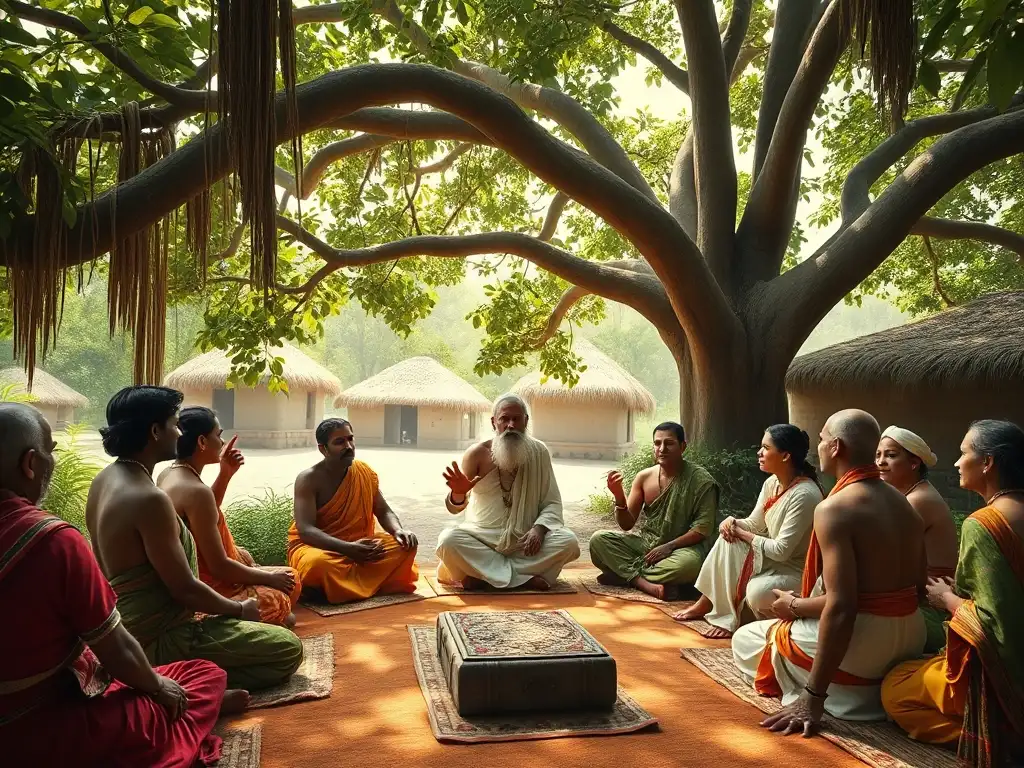
Welcome to Ancient India History, where we invite you to embark on a journey through the tapestry of time that has shaped one of the world's oldest civilizations. In this exploration, we delve into the fascinating realm of traditional conflict resolution in India, uncovering the age-old practices that served as the backbone of justice in ancient societies. How did these methods foster harmony and resolve disputes among diverse communities?
As you navigate through our insights on mediation and the intricate legal systems of the past, prepare to uncover the wisdom that continues to resonate in modern practices. Join us as we unveil the secrets of justice in the land of the Indus Valley and beyond!
- Introduction to Traditional Conflict Resolution in India
- Historical Context of Conflict Resolution in Ancient India
- Traditional Conflict Resolution Methods in Ancient India
- Key Figures in Ancient Indian Mediation Practices
- Case Studies of Traditional Conflict Resolution in Ancient India
- Comparative Analysis of Traditional Conflict Resolution and Modern Practices
- Conclusion: The Legacy of Traditional Conflict Resolution in India
- References for Further Reading on Traditional Conflict Resolution in India
-
Frequently Asked Questions
- What were the traditional methods of conflict resolution in ancient India?
- How did the caste system influence conflict resolution practices?
- What is the significance of panchayati raj in ancient Indian justice?
- How did religion impact conflict resolution in ancient India?
- What are the modern implications of ancient conflict resolution practices in India?
- Final Reflection: Embracing Ancient Wisdom in Modern Conflict Resolution
- Unveil the Power of Ancient Wisdom!
Introduction to Traditional Conflict Resolution in India
The rich tapestry of ancient Indian civilization is woven with diverse practices that shaped its legal systems and approaches to justice. Among these practices, traditional conflict resolution stands out as a vital mechanism for maintaining peace and harmony within communities. Mediation—a central component of this system—served not only as a method for resolving disputes but also as a reflection of the cultural values and societal norms prevalent during ancient times.
By exploring the intricacies of these practices, we gain valuable insights into how ancient Indian societies navigated conflicts and upheld justice without the necessity of formal courts. This article delves into the various aspects of mediation and conflict resolution, highlighting their significance in the broader context of India's legal heritage.
Overview of Mediation and Conflict Resolution
In ancient India, mediation was widely regarded as the first step in resolving disputes. This informal yet structured approach allowed parties to engage in dialogue and negotiate solutions without resorting to litigation. The role of mediators, often respected community leaders or wise elders, was crucial in guiding the parties towards mutual understanding and consensus.
Several key features characterized the traditional mediation practices in ancient India:
- Community Involvement: Disputes were often addressed within the community, reinforcing social bonds and collective responsibility.
- Restorative Justice: The focus was on restoring relationships and achieving harmony rather than merely punishing the offender.
- Cultural Norms: Mediation processes were deeply intertwined with cultural and religious beliefs, influencing the methods and outcomes of dispute resolution.
This holistic approach not only resolved conflicts but also fostered a sense of unity and understanding within the community.
Importance of Understanding Ancient Practices
Understanding the traditional practices of conflict resolution in ancient India is essential for several reasons:
- Cultural Heritage: These practices are a testament to the rich cultural heritage of India, reflecting the values of empathy, cooperation, and respect for human dignity.
- Relevance Today: Insights from ancient mediation practices can inform contemporary conflict resolution strategies, especially in a diverse society like India, where community ties remain strong.
- Legal Evolution: By studying these historical practices, we can trace the evolution of legal systems in India and appreciate the foundations upon which modern judicial frameworks have been built.
Exploring these dimensions reveals the complexity and depth of traditional conflict resolution methods in ancient India, offering lessons that remain relevant in our pursuit of justice today.
Historical Context of Conflict Resolution in Ancient India
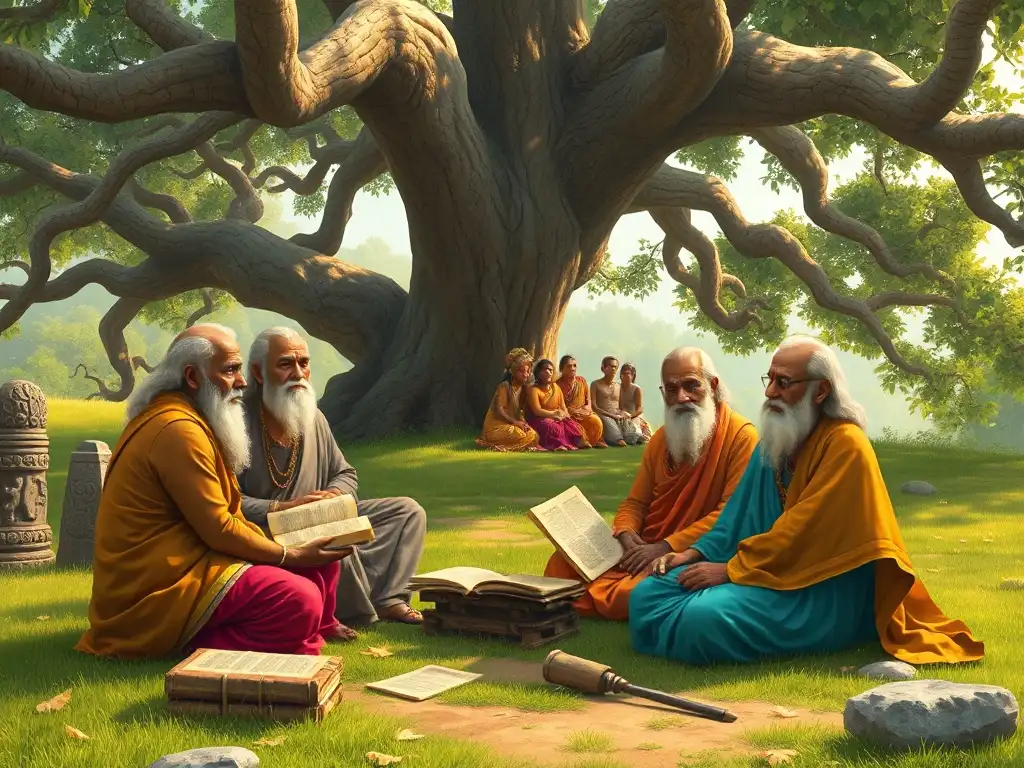
The concept of conflict resolution in ancient India is deeply rooted in its rich history, reflecting a society that valued harmony and order. Traditional conflict resolution practices in India can be traced back to early civilizations, notably the Indus Valley Civilization, where communal living necessitated methods for resolving disputes amicably.
The Vedic texts, dating from around 1500 BCE, further elaborate on the significance of justice and mediation. They emphasize the importance of maintaining social order through peaceful means. The Dharma Shastras, ancient legal texts, played a pivotal role in outlining the principles of justice, which included mediation as a primary tool for dispute resolution. These texts illustrate how conflicts were often addressed through community involvement, underscoring the collective responsibility to maintain societal harmony.
The Role of Justice in Ancient Indian Society
Justice in ancient Indian society was not merely a legal concept but a moral and ethical obligation. The notion of Dharma, or duty, was central to this understanding. Every individual had responsibilities within their community, and failure to adhere to these duties often led to conflicts. Consequently, the resolution of these conflicts was essential to restore balance and ensure the continuation of societal norms.
- Community-Based Resolution: Conflicts were frequently resolved within local communities through informal gatherings known as panchayats. These councils, composed of respected elders and community leaders, served as mediators, emphasizing dialogue and reconciliation over punitive measures.
- Moral Authority: The legitimacy of these councils stemmed from their moral authority rather than formal legal power. Decisions were based on consensus and the principles of fairness and equity, which helped to maintain trust within the community.
- Restorative Justice: The approach to justice was largely restorative rather than retributive. The goal was to restore relationships and ensure that the transgressor made amends, reflecting a profound understanding of human relationships and the importance of community cohesion.
Influence of Religion and Philosophy on Mediation Practices
The interplay of religion and philosophy significantly shaped mediation practices in ancient India. Various religious texts and philosophical schools contributed to the understanding and implementation of conflict resolution.
- Hindu Philosophy: The teachings of Hinduism, particularly through texts like the Bhagavad Gita, advocate for self-realization and understanding one's duty ( svadharma). This philosophical framework encourages individuals to seek mediation as a means to resolve conflicts, aligning personal motives with societal harmony.
- Buddhism and Jainism: Both Buddhism and Jainism emphasized non-violence ( ahimsa) and compassion, influencing conflict resolution practices. Buddhist teachings promoted the idea of understanding the root causes of conflict, advocating for dialogue and empathy. Jainism introduced the principle of samyak darshana, or right perception, which called for a comprehensive understanding of differing perspectives to resolve disputes amicably.
- Islamic Influence: With the advent of Islam in India, new conflict resolution frameworks emerged. The concept of Shura, or consultation, became a significant practice, advocating for collective decision-making in conflicts. This approach aligned with traditional Indian practices, further enriching the tapestry of mediation methods.
The traditional conflict resolution methods in ancient India were characterized by a strong emphasis on community, moral duties, and philosophical teachings. These elements not only facilitated peaceful resolutions but also fostered a sense of shared responsibility for maintaining social harmony. Understanding these practices provides valuable insights into the historical context of legal systems and the evolution of justice in India.
Traditional Conflict Resolution Methods in Ancient India
Community-Based Mediation Approaches
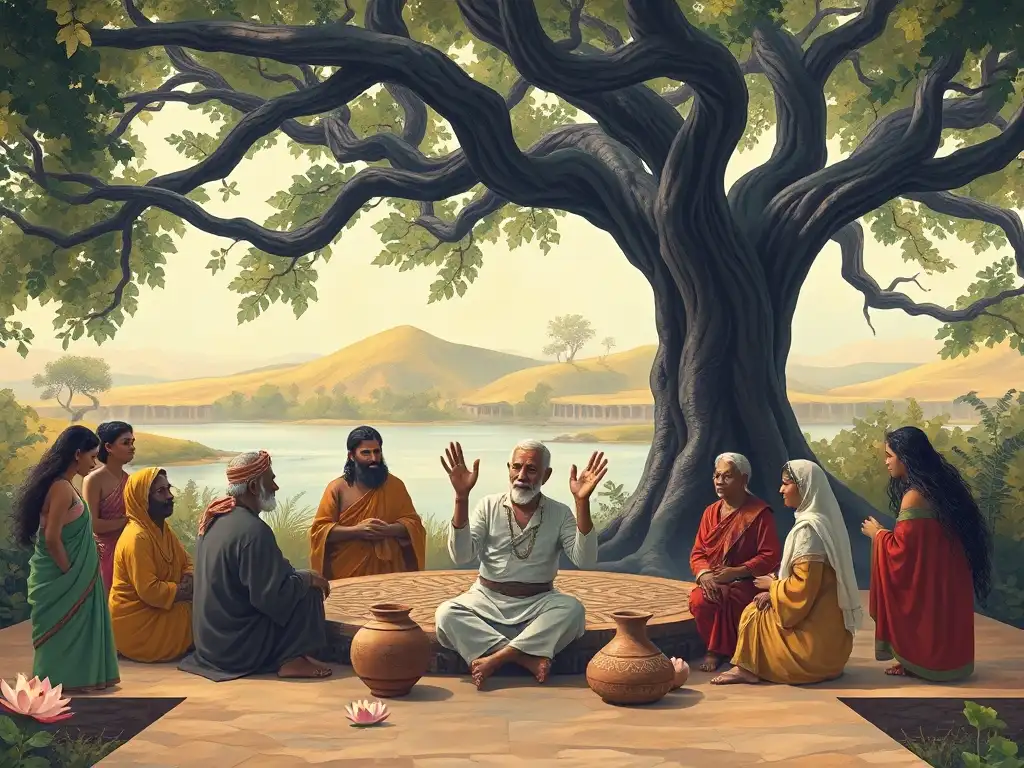
Ancient India showcased a plethora of traditional conflict resolution methods, deeply rooted in community values and practices. These methods emphasized mediation rather than litigation, fostering harmony and social cohesion. Community-based approaches often relied on informal settings where disputes could be addressed amicably, allowing for the preservation of relationships.
Role of Village Elders in Dispute Resolution
Village elders, often respected figures within their communities, played a pivotal role in mediating disputes. Their authority stemmed from a combination of wisdom, experience, and moral standing. Elders would gather to listen to the grievances of the parties involved, ensuring that each side had an opportunity to voice their concerns. This process not only aimed at resolving conflicts but also at restoring social balance.
- Characteristics of Village Elders:
- Wisdom: Elders were typically older members of the community known for their wise counsel.
- Neutrality: Their impartiality was crucial in ensuring fair mediation.
- Cultural Knowledge: Familiarity with local customs and traditions helped them navigate complex issues.
The mediation led by village elders often resulted in mutually acceptable solutions, thereby reinforcing communal ties and preventing escalation into more serious confrontations.
The Panchayat System: Structure and Function
The Panchayat system emerged as a formalized method of conflict resolution during ancient times. This local governance structure comprised a council of elected representatives, known as Panchayat members, who were responsible for adjudicating disputes and maintaining order within the village.
- Structure of the Panchayat:
- Sarpanch: The head of the Panchayat, often elected for their leadership qualities.
- Members: A group of representatives from the village, ensuring diverse perspectives in decision-making.
- Functions of the Panchayat:
- Dispute Resolution: Acting as a mediator for various conflicts, from land disputes to family issues.
- Community Welfare: Addressing broader issues affecting the community, thus promoting collective well-being.
The Panchayat system was crucial in reinforcing the principles of justice, accountability, and community spirit, emphasizing the importance of resolving conflicts locally.
Religious and Spiritual Practices in Conflict Resolution
Religious and spiritual beliefs significantly influenced traditional conflict resolution methods in ancient India. These practices not only provided a moral framework for behavior but also offered grounds for reconciliation through shared values and rituals.
Influence of Hinduism and Buddhism on Mediation
Both Hinduism and Buddhism contributed substantially to the development of mediation practices in ancient India. Their teachings encouraged non-violence, compassion, and understanding, creating an environment conducive to peaceful conflict resolution.
- Hinduism: Emphasized principles of Dharma (righteousness) and Ahimsa (non-violence), guiding individuals towards resolving disputes with respect and understanding.
- Buddhism: Promoted the idea of mutual understanding and reconciliation, encouraging individuals to let go of attachments and grievances.
This religious framework not only shaped individual behavior but also fostered a community ethos that valued peaceful resolution over conflict.
Rituals and Their Impact on Justice
Rituals played a significant role in the conflict resolution process, often serving as a means to invoke divine blessings for fairness and justice. These rituals were believed to purify intentions and create a conducive atmosphere for dialogue.
- Types of Rituals:
- Oaths and Swearing: Parties involved would often take oaths, invoking deities to witness their commitment to truth and justice.
- Ceremonial Offerings: Offerings made to the gods were seen as acts of goodwill, promoting a spirit of cooperation.
The impact of these rituals extended beyond mere conflict resolution; they reinforced community bonds and affirmed shared values, ultimately contributing to the stability and harmony of ancient Indian society.
Key Figures in Ancient Indian Mediation Practices
The Role of Kings and Rulers in Conflict Resolution
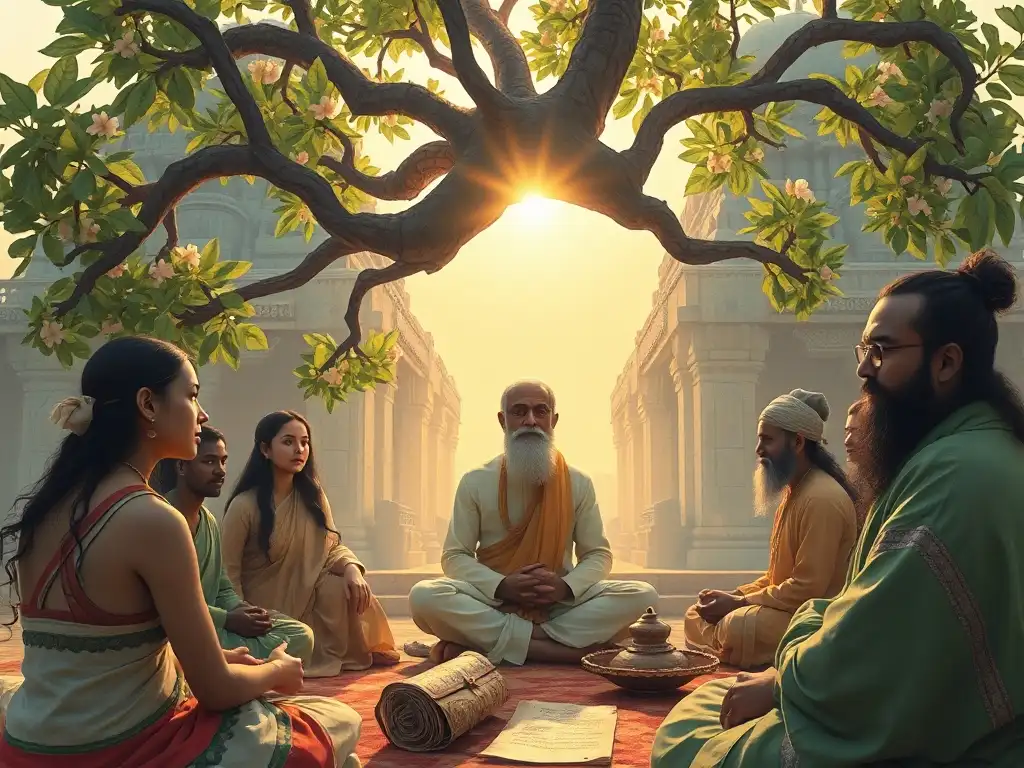
In ancient India, kings and rulers were central figures in the mediation and conflict resolution processes. They were often seen not just as sovereign leaders but also as arbiters of justice. This dual role was vital in maintaining peace and order within their realms. The king's authority was deeply rooted in the belief that he was a representative of Dharma, a concept that encompasses duty, morality, and law.
- Judicial Authority: Kings had the power to resolve disputes among their subjects. Their decisions were considered final and were expected to align with the principles of justice and fairness. This judicial role often extended to various levels of society, including conflicts among nobles, merchants, and commoners.
- Public Assemblies: Rulers would frequently organize public assemblies, known as Sabhas or Samitis, where grievances could be aired and resolved. This practice encouraged community participation and reinforced the idea that justice was a collective responsibility.
- Dharma Shastras: Texts such as the Manusmriti provided guidelines for kings on administering justice. These texts outlined the duties of the king in ensuring that disputes were resolved justly and that social order was maintained.
- Examples of Legendary Kings: Historical figures like King Ashoka are notable for their efforts in conflict resolution. Ashoka's promotion of Dhamma emphasized non-violence and moral governance, reflecting a shift towards more compassionate forms of mediation.
Influential Thinkers and Their Contributions to Justice
The philosophical landscape of ancient India was rich with thinkers who profoundly influenced traditional conflict resolution methods. Their teachings and writings laid the groundwork for understanding justice and mediation in a broader context.
- Kautilya (Chanakya): A prominent figure in ancient Indian political thought, Kautilya's work, Arthashastra, provides invaluable insights into statecraft, including conflict resolution. He emphasized the importance of diplomacy and strategic negotiation to resolve disputes. His pragmatic approach advocated for the use of both soft and hard tactics, depending on the situation.
- Gautama Buddha: The principles of Buddhism introduced concepts of compassion and non-attachment, which profoundly affected conflict resolution practices. The Buddha advocated for dialogue and understanding as means to resolve conflicts, promoting the idea that suffering could be alleviated through mutual respect and empathy.
- Vatsyayana: In the context of personal relationships, Vatsyayana's Kama Sutra addresses not only love and relationships but also the importance of communication and understanding in resolving conflicts between partners. His work highlights that healthy relationships are fundamental to social harmony.
- Philosophical Texts: Various philosophical texts, including the Upanishads, also contributed to the discourse on justice and conflict resolution. They emphasized ethical conduct and the pursuit of truth, which were essential in mediating disputes.
The blend of royal authority and philosophical insight created a unique framework for traditional conflict resolution in India, reflecting a society that valued both social order and moral integrity.
Case Studies of Traditional Conflict Resolution in Ancient India
Notable Examples of Mediation Success Stories
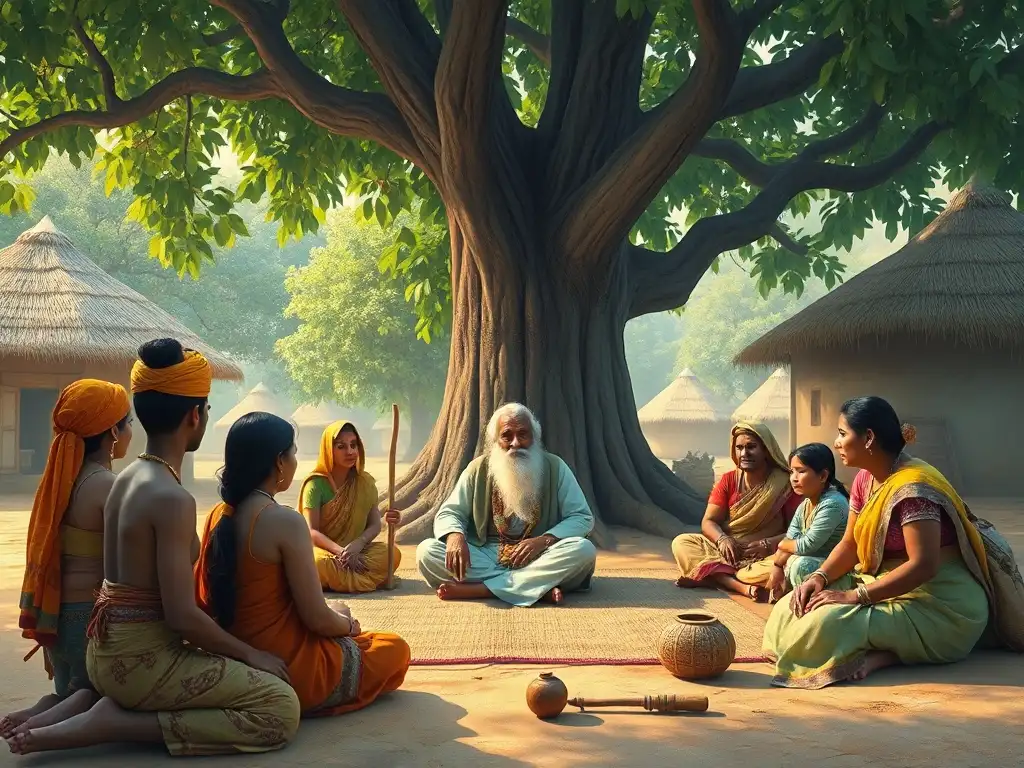
Ancient India boasts a rich tapestry of traditional conflict resolution practices that have left an indelible mark on its cultural landscape. One of the most notable examples can be found in the Mahabharata, an epic narrative that underscores the importance of mediation. The story of Krishna's role as a mediator during the Kurukshetra War illustrates the value of dialogue and negotiation. Rather than resorting to immediate violence, Krishna sought to resolve the conflict through diplomacy, emphasizing the need for understanding and compromise.
Another significant case is from the Indus Valley Civilization, where archaeological findings suggest a structured approach to dispute resolution among its inhabitants. Evidence points towards the existence of community councils, which facilitated mediation among conflicting parties. These councils likely operated on principles of restorative justice, prioritizing the restoration of social harmony over punitive measures.
Additionally, during the Mauryan Empire, King Ashoka is renowned for his commitment to dharma, promoting a non-violent approach to conflict resolution. His edicts encouraged local assemblies to resolve disputes amicably, reflecting a profound understanding of social dynamics and the importance of community involvement in justice.
Lessons Learned from Historical Practices
The traditional conflict resolution methods practiced in ancient India offer several valuable lessons that remain relevant today:
- Emphasis on Dialogue: The stories of Krishna and Ashoka highlight the crucial role of communication in resolving disputes. Engaging in open dialogue fosters understanding and can lead to mutually beneficial solutions.
- Community Involvement: The use of local councils in the Indus Valley emphasizes the significance of community participation. Collective decision-making not only shares the burden of conflict but also strengthens communal ties and promotes social cohesion.
- Restorative Justice: Ancient practices often leaned towards restorative principles, focusing on repairing relationships rather than punishing offenders. This approach can lead to more sustainable resolutions and reduce recidivism.
- Cultural Sensitivity: Understanding the cultural context of conflicts played a vital role in mediation. Mediators who respect and acknowledge cultural nuances are more likely to achieve successful outcomes.
- Adaptability: The ability to adapt conflict resolution strategies to fit the specific circumstances of a dispute is a hallmark of ancient practices. Flexibility in approach allows mediators to address the unique aspects of each conflict effectively.
The traditional conflict resolution practices of ancient India provide a profound insight into the importance of mediation. By examining these historical examples, contemporary societies can glean strategies that promote harmony and understanding, contributing to a more peaceful coexistence.
Comparative Analysis of Traditional Conflict Resolution and Modern Practices
Similarities and Differences in Approaches
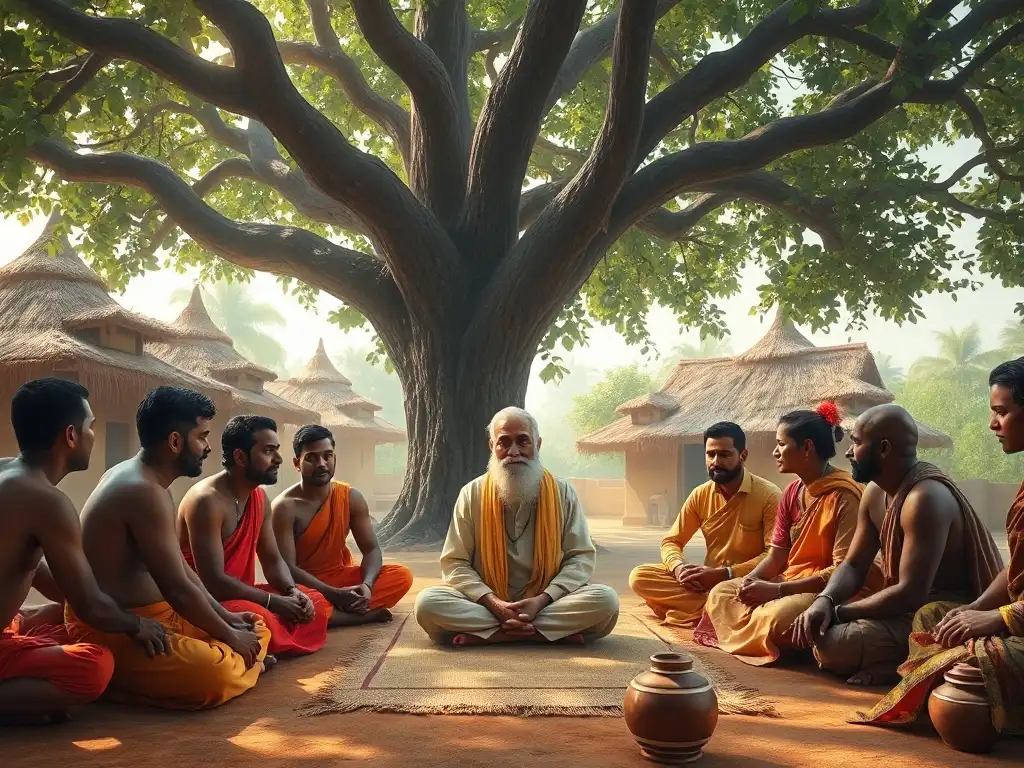
Traditional conflict resolution in India, particularly during ancient times, shares several similarities and differences with modern practices. Both systems aim to resolve disputes amicably and restore harmony within the community. However, their methods, philosophies, and societal implications differ significantly.
-
Philosophical Basis:
Traditional conflict resolution in ancient India was deeply rooted in local customs, religious principles, and community consensus. Practices such as panchayati raj (village councils) emphasized collective decision-making and restorative justice. In contrast, modern practices often rely on codified laws and judicial systems that prioritize individual rights over community welfare.
-
Methods of Resolution:
Ancient practices frequently employed mediation, negotiation, and consensus-building, with elders or respected community members facilitating discussions. Modern practices, however, often involve formal court proceedings, legal representation, and adversarial strategies that can exacerbate conflicts rather than resolve them.
-
Cultural Context:
Traditional conflict resolution was shaped by the socio-cultural environment of the time, where community ties were strong, and social hierarchies influenced decisions. In contrast, contemporary practices are influenced by globalization, legal reforms, and changing societal values, leading to a more individualistic approach.
-
Outcome Orientation:
The focus of ancient practices was on reconciliation and restoring relationships, often leading to compromises that satisfied all parties involved. Modern practices may aim for punitive measures, with the goal of deterrence, which can sometimes leave parties feeling dissatisfied and more polarized.
Relevance of Ancient Practices in Contemporary India
Despite the evolution of legal systems, the principles of traditional conflict resolution remain relevant in contemporary India. Many modern legal practitioners and mediators draw inspiration from ancient practices, recognizing their effectiveness in fostering community cohesion and resolving disputes outside of formal court settings.
-
Community Mediation:
There has been a resurgence in community-based mediation practices, reminiscent of panchayati raj systems. This approach emphasizes local knowledge, cultural sensitivity, and the involvement of community elders, which can lead to more culturally appropriate and accepted resolutions.
-
Alternative Dispute Resolution (ADR):
Concepts like mediation and arbitration have gained popularity in modern India, echoing traditional practices. ADR methods are less adversarial and provide parties with more control over the resolution process, aligning with ancient values of consensus and harmony.
-
Integration in Legal Framework:
The Indian judiciary has recognized the importance of mediation, incorporating it into formal legal processes. The Legal Services Authorities Act, 1987, established mechanisms for mediation and conciliation in disputes, reflecting the enduring legacy of traditional practices.
-
Cultural Relevance:
As India continues to grapple with social changes and diverse cultural practices, the adaptability of traditional conflict resolution methods offers valuable insights. They promote inclusivity and respect for local customs, ensuring that justice is not only served but also culturally resonant.
While traditional conflict resolution practices in India may differ from modern approaches, their underlying principles continue to influence contemporary methods. By integrating the wisdom of ancient practices with modern legal frameworks, India can enhance its conflict resolution strategies, ensuring they are both effective and culturally relevant.
Conclusion: The Legacy of Traditional Conflict Resolution in India
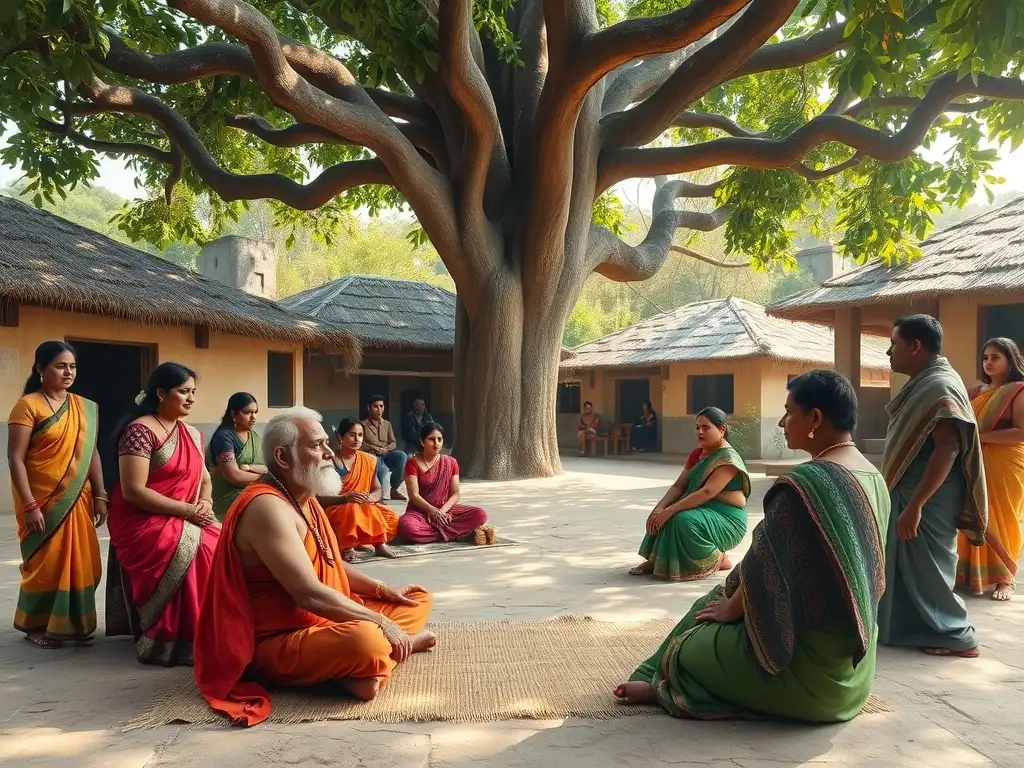
The traditional conflict resolution methods in India have played a pivotal role in shaping the sociocultural landscape of the region. These practices, which emphasize mediation and consensus-building over adversarial legal proceedings, have left an indelible mark on contemporary legal systems. The legacy of these ancient practices continues to influence modern judicial approaches, fostering a more inclusive and community-oriented framework for conflict resolution.
Impact on Modern Legal Systems and Judicial Practices
The influence of traditional conflict resolution in India is particularly evident in the way modern legal systems address disputes. Many contemporary judicial practices still reflect the principles of mediation and negotiation that were prevalent in ancient times. For instance:
- Community-Based Mediation: Modern courts often encourage parties to engage in mediation before proceeding to litigation. This approach resonates with the ancient practices where community leaders or elders facilitated dialogue to resolve disputes amicably.
- Restorative Justice Principles: The focus on restoring relationships rather than merely punishing offenders has its roots in traditional justice systems. By emphasizing the importance of community and social harmony, modern practices increasingly incorporate restorative justice principles that align with ancient philosophies.
- Inclusivity in Legal Processes: The traditional practices of conflict resolution in India were often inclusive, involving all stakeholders in the dispute. Today, efforts to make legal processes more accessible and participatory reflect this ancient wisdom, ensuring that marginalized voices are heard.
The integration of these traditional methods into modern legal frameworks not only enhances the effectiveness of conflict resolution but also preserves cultural heritage.
Final Thoughts on the Importance of Preserving Ancient Wisdom
As we reflect on the traditional conflict resolution practices in India, it becomes clear that preserving this ancient wisdom is crucial for future generations. The teachings and methodologies that emerged from these practices offer valuable insights into achieving justice and harmony in society. By embracing and promoting these practices, we can foster a legal culture that prioritizes dialogue, understanding, and community engagement.
The rich legacy of traditional conflict resolution in India serves as a reminder of the profound wisdom that exists within ancient cultures. As modern societies grapple with complex conflicts, revisiting these age-old practices can provide pathways to more effective and humane resolutions, ensuring that the essence of justice remains rooted in community and understanding.
References for Further Reading on Traditional Conflict Resolution in India
Key Texts and Historical Documents
Understanding the mechanisms of traditional conflict resolution in India necessitates a close examination of key texts and historical documents that provide insight into the practices and philosophies of justice in ancient Indian society. Below are some significant sources that illuminate these methods:
- Dharmashastra:
- The Dharmashastra texts, particularly the Manusmriti, offer comprehensive guidelines on law, ethics, and justice. They encapsulate the principles of dharma (righteousness) and provide a framework for resolving disputes within communities.
- Key excerpts from the Manusmriti detail the roles of various social classes (varnas) in conflict resolution, emphasizing the importance of mediation.
- Arthashastra:
- Authored by Kautilya (Chanakya), the Arthashastra is a treatise on statecraft that delves into the political and legal structures of ancient India. It discusses the role of the king in mediating conflicts and maintaining order, highlighting various strategies for effective governance and dispute resolution.
- This text also sheds light on the economic aspects of conflict resolution, providing context on how resources were managed to settle disputes.
- Mahabharata:
- This epic not only narrates the story of the Kurukshetra war but also serves as a rich source of ethical and moral dilemmas. The character of Yudhishthira, often portrayed as the epitome of justice, exemplifies the role of mediation in resolving conflicts.
- The dialogues and decisions made throughout the epic reveal the complexities of human relationships and the importance of dharma in conflict resolution.
- Panchatantra:
- A collection of fables, the Panchatantra includes anecdotes that reflect traditional wisdom in conflict resolution. These stories often illustrate the virtues of cleverness and diplomacy in resolving disputes peacefully.
Recommended Scholarly Articles and Research
To gain a deeper understanding of traditional conflict resolution practices in India, the following scholarly articles and research papers are recommended:
- "Conflict Resolution in Ancient India: The Role of Mediation" by Dr. Anjali S. Rao
- This research article explores the various forms of mediation practiced in ancient Indian societies, analyzing case studies from historical texts to illustrate how these practices were implemented effectively.
- "Legal Pluralism in Ancient India: A Study of Dispute Resolution Mechanisms" by Prof. Vikram R. Sharma
- Prof. Sharma examines the coexistence of various legal systems in ancient India, emphasizing how traditional conflict resolution methods complemented formal judicial practices.
- "The Ethics of Justice in the Dharmashastra Tradition" by Dr. Meera K. Joshi
- This paper focuses on the ethical underpinnings of justice as outlined in the Dharmashastra, discussing how these principles influenced traditional conflict resolution methods.
- "Mediation Techniques in Ancient Indian Literature: A Comparative Analysis" by Dr. Rajesh N. Malhotra
- This article provides a comparative analysis of mediation techniques described in ancient Indian literature, drawing parallels with contemporary practices.
- "From the Panchayat to the Court: Evolution of Conflict Resolution in India" by Dr. Nisha T. Verma
- Dr. Verma traces the historical evolution of conflict resolution frameworks in India, from village councils (panchayats) to formal judicial systems, highlighting the continuity and change in practices over time.
These key texts and scholarly articles serve as foundational resources for anyone interested in understanding the rich tapestry of traditional conflict resolution methods in India, particularly within the context of its ancient civilizations. Through these readings, one can appreciate the depth and complexity of legal practices that have shaped Indian society.
Frequently Asked Questions
What were the traditional methods of conflict resolution in ancient India?
Ancient India utilized mediation, arbitration, and negotiation as key methods for resolving disputes, emphasizing community involvement and the wisdom of elders.
How did the caste system influence conflict resolution practices?
The caste system played a significant role in shaping conflict resolution practices, as disputes often needed to be resolved within the same caste or community, reinforcing social hierarchies.
What is the significance of panchayati raj in ancient Indian justice?
Panchayati raj served as a foundational system for traditional conflict resolution, allowing local councils to mediate disputes and uphold community laws through collective decision-making.
How did religion impact conflict resolution in ancient India?
Religion influenced conflict resolution by providing moral frameworks and teachings that guided individuals in resolving disputes, often invoking principles of non-violence and forgiveness.
What are the modern implications of ancient conflict resolution practices in India?
The traditional practices of conflict resolution in ancient India, such as mediation and community involvement, continue to inform modern legal systems and dispute resolution mechanisms in India today.
Final Reflection: Embracing Ancient Wisdom in Modern Conflict Resolution
The principles of traditional conflict resolution in India remain profoundly relevant today, as we navigate an increasingly complex world filled with disputes and misunderstandings. The age-old practices of mediation and restorative justice not only offer effective solutions to conflicts but also emphasize the importance of community, empathy, and dialogue. In a time when polarization is rampant, revisiting these traditional methods could pave the way for more harmonious interactions and resolutions.
The influence of these ancient practices extends beyond mere conflict resolution; they shape our cultural and social landscapes by fostering a sense of belonging and understanding. The communal approach to justice seen in ancient India encourages individuals to seek resolution through dialogue rather than confrontation. As Mahatma Gandhi once said, "> An eye for an eye only ends up making the whole world blind." This sentiment echoes the essence of traditional conflict resolution, reminding us that true justice lies not in retribution but in reconciliation.
As we reflect on the teachings of our ancestors, let us invite ourselves to integrate these timeless practices into our daily lives. Consider how you might approach conflicts with a mindset of understanding and collaboration rather than division. By embracing the lessons of traditional conflict resolution, we can contribute to a more peaceful and just society, one conversation at a time.
Unveil the Power of Ancient Wisdom!
Thank you for exploring the profound insights of mediation and conflict resolution in ancient India! You’ve uncovered powerful practices that not only shaped justice in the past but can also guide our interactions today. Now, it's time to take action and transform what you've learned into meaningful steps forward.
- Embrace Mediation Techniques: Begin applying mediation in your daily life by resolving a small conflict using the techniques you've discovered.
- Share Your Insights: Engage in discussions about these ancient practices with friends or family, and explore how they resonate in contemporary settings.
- Join a Community Group: Look for local workshops or online communities that focus on conflict resolution to deepen your understanding and skills.
Remember, the ancient wisdom you've gained is not just a relic of the past—it is a living, breathing practice that remains relevant today!
How can these timeless practices of justice help reshape our modern conflicts? Share your thoughts below!