
Sweet Indulgence: Culinary Tours Focusing on India's Desserts

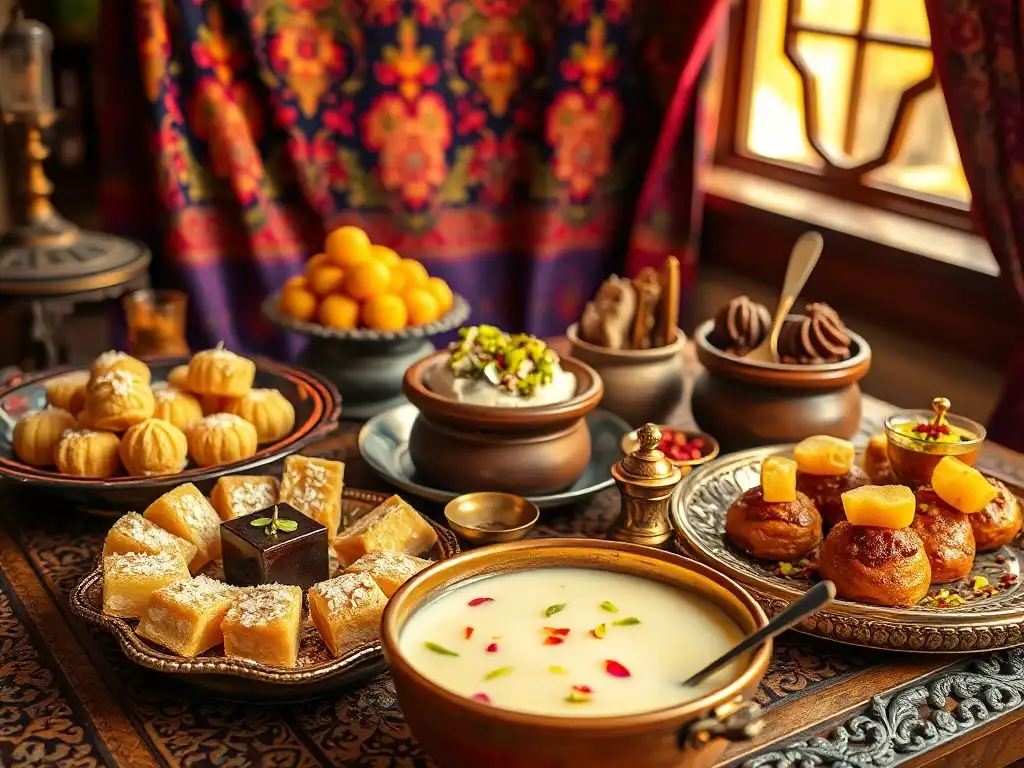
Welcome to Ancient India History, where we embark on a journey through time to uncover the rich tapestry of ancient Indian civilizations. In this exploration, we invite you to delve into the delightful world of Ancient Indian dessert traditions. From the sweet offerings of the Indus Valley to the indulgent confections of the Gupta Empire, discover how these culinary treasures reflect the diverse culture and history of India. Are you ready to savor the stories behind the sweets? Join us as we uncover the fascinating connections between ancient traditions and modern culinary tourism!
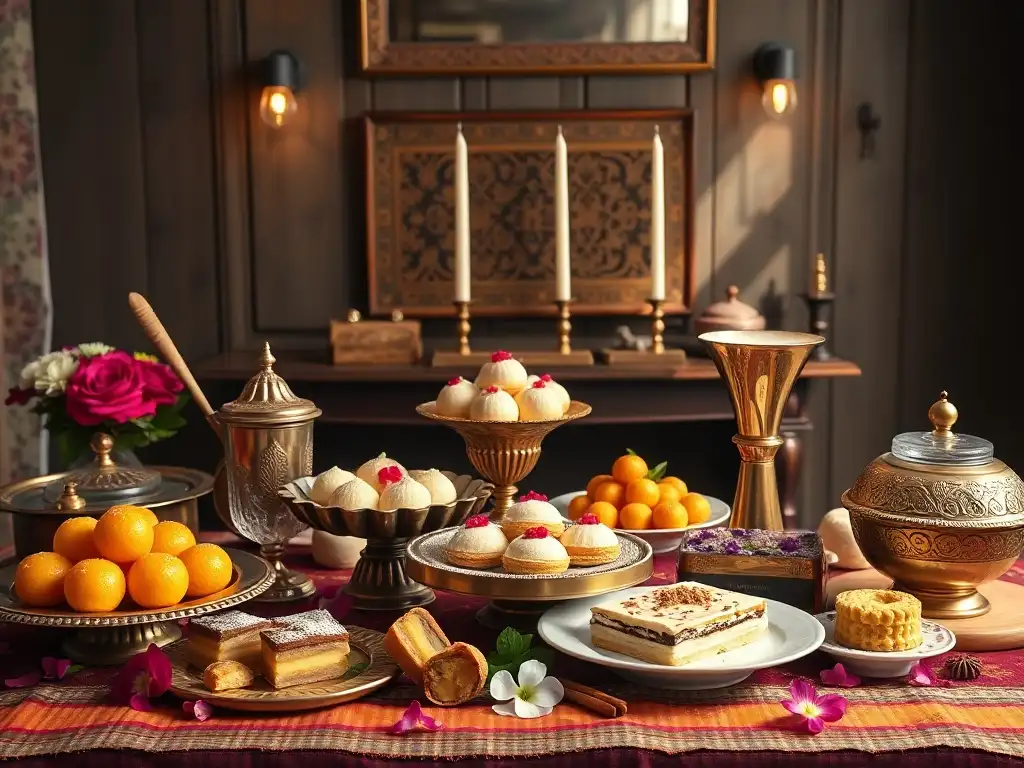
Introduction to Ancient Indian Dessert Traditions
The culinary landscape of India is a vibrant tapestry woven from a rich history that spans thousands of years. Among its most delightful threads are the ancient Indian dessert traditions, which showcase a variety of flavors, textures, and ingredients that reflect the diverse cultures and regions of the subcontinent. From the sweet, syrupy delights of the Indus Valley to the refined confections of the Gupta Empire, these dessert traditions offer an exquisite glimpse into the past and reveal the significance of sweets in Indian culture.
As we embark on a journey through India's culinary treasures, we will explore how these ancient dessert traditions have evolved over time, influenced by various historical factors, and identify the key ingredients that have defined them. In this article, we will highlight some of the most renowned culinary tours that focus specifically on these sweet indulgences, allowing travelers to experience the rich flavors and stories behind ancient Indian desserts firsthand.
The Evolution of Ancient Indian Dessert Traditions
The evolution of ancient Indian dessert traditions is a fascinating story that intertwines with the broader historical and cultural developments in the region. Throughout history, the art of making sweets has been passed down through generations, evolving with the introduction of new ingredients, techniques, and influences from various cultures.
Historical Influences on Indian Sweets
-
Indus Valley Civilization (c. 3300–1300 BCE)
The roots of Indian dessert traditions can be traced back to the Indus Valley Civilization, where early forms of sweet dishes were created using simple ingredients like honey and fruits. Archaeological findings suggest the use of date palms and sugarcane, which served as primary sweeteners.
-
Vedic Period (c. 1500–500 BCE)
During the Vedic period, the dietary practices began to incorporate milk and dairy products, leading to the creation of sweets like kheer (rice pudding) and chhena (fresh cheese). The emphasis on offerings to deities also highlighted the importance of sweets in rituals.
-
Medieval Era (c. 1200–1700 CE)
The arrival of Mughals in India brought with them a rich culinary heritage, including the use of saffron, rosewater, and various nuts in dessert preparations. Iconic sweets such as gulab jamun and barfi emerged, showcasing a fusion of Persian and Indian culinary techniques.
-
Colonial Period (c. 1858–1947 CE)
The British colonial period saw the introduction of new ingredients and methods, influencing traditional recipes and leading to the creation of desserts such as trifle and pudding, which blended with local flavors.
Key Ingredients in Traditional Indian Desserts
The essence of ancient Indian dessert traditions lies in the unique ingredients that define their flavors and textures. Here are some key components:
- Dairy Products:
- Milk, cream, and yogurt are foundational in many desserts, providing richness and creaminess.
- Paneer (fresh cheese) is often used in sweets like rasgulla and paneer burfi.
- Grains and Pulses:
- Rice and lentils are essential in dishes like kheer and puran poli.
- Wheat flour is used to make various sweet breads and pastries.
- Sweeteners:
- Jagerry and sugarcane are traditional sweeteners, adding depth and complexity to flavors.
- Honey is often used in ancient recipes to impart sweetness.
- Flavors and Spices:
- Cardamom, saffron, and rosewater add aromatic qualities to desserts.
- Nuts such as almonds and pistachios are frequently incorporated for texture and flavor.
The delightful variety of ingredients and the historical influences on ancient Indian dessert traditions create a culinary experience that is both rich and diverse, making it an essential aspect of India's cultural heritage. As we continue to explore these sweet indulgences, culinary tours focusing on these desserts promise to reveal the stories and flavors that have withstood the test of time.
Top Culinary Tours Exploring Ancient Indian Dessert Traditions
Exploring ancient Indian dessert traditions offers a fascinating glimpse into the cultural heritage and culinary practices that have evolved over centuries. Culinary tours focusing on traditional sweets not only allow travelers to indulge in delightful flavors but also educate them about the historical significance and regional variations of desserts in India. These tours often combine tastings, cooking classes, and cultural experiences, providing a holistic view of India’s rich dessert landscape. From the bustling streets of Delhi to the royal kitchens of Rajasthan, each region presents unique sweets that reflect its history and traditions.
1. Delhi Dessert Trail: A Sweet Journey Through History
The Delhi Dessert Trail is a captivating exploration of the capital's diverse sweet offerings, tracing back to Mughal influences and local traditions. This tour typically begins in Old Delhi, where participants can sample iconic sweets like Jalebi, crisp and syrupy, and Rabri, a creamy condensed milk dessert topped with nuts.
Visitors can also indulge in Gulab Jamun, which has roots in Persian cuisine, and learn how its preparation has transcended generations. Along the trail, local sweet shops share stories about the history of these desserts, emphasizing their significance during festivals and celebrations.
With guided tastings at historic landmarks and bustling bazaars, participants get a firsthand experience of how ancient culinary practices have shaped modern dessert traditions in Delhi.
2. The Sweets of Rajasthan: A Royal Culinary Experience
Rajasthan's dessert offerings are as colorful and rich as its history, making it a prime destination for culinary tours focused on sweets. This tour often includes visits to grand palaces where traditional recipes have been preserved over centuries.
Key highlights include Ghevar, a honeycomb-like sweet traditionally made during the festival of Teej, and Mawa Kachori, a deep-fried pastry filled with a rich mixture of mawa (milk solids) and nuts.
Travelers can also enjoy Churma Ladoo, a sweet made from crushed wheat flour and jaggery, which is often associated with royal feasts. The experience is enriched with stories of the Rajput kings and their extravagant culinary traditions, providing a deeper understanding of how these sweets are intertwined with Rajasthani culture.
3. Kolkata’s Sweet Delights: A Taste of Bengali Desserts
Kolkata, known as the cultural capital of India, boasts an array of unique desserts that reflect its rich heritage. The city's dessert tour highlights famous Bengali sweets such as Rasgulla and Sandesh, both of which are made from fresh chhena (cottage cheese).
Participants can visit traditional sweet shops like Balaram Mullick and Radharaman, where artisans demonstrate the art of crafting these delicacies. The tour often includes tastings of Mishti Doi, a sweetened yogurt dessert, and Pati Shapta, a crepe filled with coconut and jaggery.
Travelers learn about the festivals that celebrate these desserts, such as Durga Puja, where sweets play a central role in the festivities. Kolkata's dessert scene is a delightful blend of history, culture, and flavor that captivates visitors.
4. South India’s Unique Dessert Offerings
The southern states of India offer a distinct variety of desserts that reflect local ingredients and traditions. Culinary tours in this region often showcase treats such as Payasam, a rice or vermicelli pudding cooked in milk and flavored with cardamom, often served during religious ceremonies.
Other highlights include Adhirasam, a traditional sweet made from rice flour and jaggery, and Pongal, a sweet dish prepared during the harvest festival.
Participants on these tours get to visit local markets, where they can see the fresh ingredients used in these desserts, and also partake in cooking demonstrations. Learning about the agricultural practices that influence dessert-making adds a layer of depth to the experience, making it not just about tasting but understanding the context of these ancient traditions.
Experiencing Ancient Indian Dessert Traditions: What to Expect
Culinary tours focusing on ancient Indian dessert traditions offer immersive experiences that go beyond mere tasting. Participants can expect a combination of interactive activities, educational insights, and cultural explorations that enrich their understanding of India’s dessert heritage.
Culinary Workshops and Classes
Many culinary tours include hands-on workshops where participants can learn to make traditional Indian desserts. These classes, often led by experienced chefs or local artisans, provide insights into ancient techniques and secret family recipes. Participants can engage in:
- Kneading dough for sweets like Kaju Katli.
- Cooking techniques for preparing Gulab Jamun or Ladoo.
- Flavor balancing for dishes like Kheer.
This interactive approach allows travelers to appreciate the skill and artistry involved in creating these timeless desserts.
Guided Tastings and Pairings
Participants also enjoy guided tastings that pair ancient desserts with regional beverages, enhancing the overall experience. For instance:
- Masala Chai with Samosas and Jalebi.
- Filter Coffee with Mysore Pak.
- Sweet Lassi with Rasgulla.
Guided tastings often include discussions about the history and cultural significance of each dessert, making it a truly enriching experience for those looking to delve deep into ancient Indian dessert traditions.
Conclusion: Embracing the Legacy of Ancient Indian Dessert Traditions
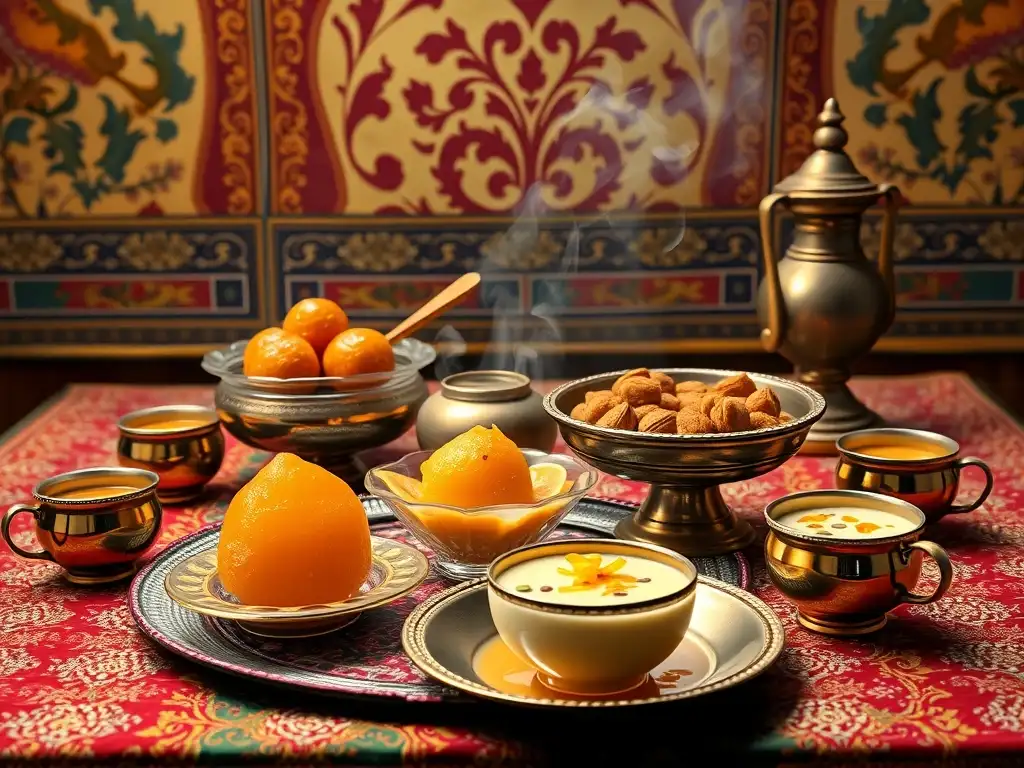
The rich tapestry of ancient Indian dessert traditions reflects not only the culinary expertise of various regions but also the cultural significance attached to sweets in Indian society. From the sumptuous kheer of the Indus Valley to the artistic creations of the Gupta period, these desserts tell stories of local ingredients, historical influences, and communal celebrations.
Engaging in culinary tours that focus on these desserts allows travelers to connect with the heritage of India, appreciating the depth of flavors and the artistry involved in traditional preparations. As we embrace these legacies, we recognize the importance of preserving these recipes and practices for future generations, ensuring that the sweet indulgences of ancient India continue to inspire and delight.
Call to Action: Where to Book Your Culinary Tour
If you're eager to explore the delectable world of ancient Indian desserts, several culinary tour operators specialize in immersive experiences. These tours not only introduce you to the iconic sweets but also offer hands-on cooking classes, market visits, and insights from local chefs. Here are some recommended options:
- Culinary Tours of India: Offers tailored dessert-focused experiences across various states, allowing you to taste and learn about regional specialties.
- Taste of India Tours: Features a week-long itinerary dedicated to sweets, including visits to renowned sweet shops and local homes.
- Heritage Culinary Trails: Specializes in tours that combine history with gastronomy, perfect for those interested in the cultural narratives behind ancient desserts.
To secure your spot, visit their websites and choose a tour that excites your palate and curiosity!
For those interested in delving deeper into the fascinating world of ancient Indian dessert traditions, here are some valuable resources:
- Books:
- "The History of Indian Sweets: A Cultural Perspective" - This book explores the evolution of sweets in Indian society and their significance in rituals and celebrations.
- "Culinary Traditions of India" - A comprehensive guide to Indian cooking techniques, including a section dedicated to traditional desserts.
- Documentaries:
- "Sweet Journeys: The Flavors of India" - This documentary showcases various regional desserts and the stories behind them.
- "The Art of Indian Sweets" - A visual exploration of the craftsmanship involved in making traditional Indian desserts.
- Online Courses:
- Platforms like Coursera and MasterClass offer courses focused on Indian cuisine, including dessert-making techniques and historical context.
Engaging with these resources will enhance your understanding and appreciation of ancient Indian dessert traditions, enriching your culinary journey in India.
Additional Considerations for Culinary Tourists
When embarking on a culinary tour focused on ancient Indian dessert traditions, there are several key considerations that can enhance your experience and deepen your understanding of the rich history behind these delectable treats.
Research and Preparation
Before setting off on your culinary adventure, it’s essential to conduct thorough research. Understanding the regional variations in dessert preparations can significantly enrich your experience. For instance, the Mysore Pak from Karnataka differs greatly from Rasgulla in West Bengal, not just in taste but also in cultural significance. Familiarize yourself with:
- Key Ingredients: Each dessert has unique ingredients that reflect local agricultural practices.
- Cultural Context: Many desserts have origins tied to festivals, religious practices, or historical events. Knowing these stories can make your tasting more meaningful.
Dietary Preferences and Restrictions
India's culinary landscape is diverse, catering to a variety of dietary preferences. Before participating in any culinary tour, consider:
- Vegetarian/Vegan Options: Many traditional Indian desserts are vegetarian, but some may include dairy or ghee. Always ask about substitutions.
- Allergies: If you have allergies to nuts, gluten, or lactose, inform your tour guide in advance to ensure safe dining experiences.
Language and Communication
While many culinary tours cater to English-speaking tourists, knowing a few basic phrases in Hindi or the local language can enhance interactions. It shows respect for the culture and may lead to more authentic experiences. Consider learning terms like:
- Swaad (Taste)
- Meetha (Sweet)
- Bhookh (Hunger)
Sustainable and Ethical Tourism Practices
As a responsible tourist, it’s vital to support local economies and practices. Choose tours that promote sustainable practices by:
- Supporting Local Artisans: Engaging with local sweet makers not only enriches your experience but also helps preserve traditional methods.
- Reducing Waste: Opt for tours that focus on minimizing packaging waste and promoting eco-friendly practices.
Timing and Seasonal Variations
Timing plays a crucial role in experiencing ancient Indian desserts. Many sweets are prepared for specific festivals or seasons, such as:
- Diwali: A time for rich sweets like Gulab Jamun and Barfi.
- Holi: Known for colorful treats like Puran Poli and Thandai.
Planning your tour around these festivals can provide an immersive experience into the cultural significance of each dessert.
Engaging with Local Communities
To truly appreciate ancient Indian dessert traditions, consider participating in community cooking classes or workshops. This hands-on experience allows you to:
- Learn Traditional Techniques: Gain insight into age-old recipes and cooking methods passed down through generations.
- Connect with Locals: Building relationships with local chefs and families can provide a deeper understanding of the cultural context behind each dish.
By keeping these considerations in mind, culinary tourists can enjoy a richer, more engaging experience that not only satisfies their sweet tooth but also fosters a greater appreciation for the ancient Indian dessert traditions that have shaped the country’s gastronomic heritage.
- Introduction to Ancient Indian Dessert Traditions
- The Evolution of Ancient Indian Dessert Traditions
- Top Culinary Tours Exploring Ancient Indian Dessert Traditions
- Experiencing Ancient Indian Dessert Traditions: What to Expect
- Conclusion: Embracing the Legacy of Ancient Indian Dessert Traditions
- Call to Action: Where to Book Your Culinary Tour
- Related Resources on Ancient Indian Dessert Traditions
- Additional Considerations for Culinary Tourists
- What are some popular ancient Indian dessert traditions?
- How did religion influence dessert-making in ancient India?
- What ingredients were commonly used in ancient Indian desserts?
- Can you name a few historical texts that reference ancient Indian desserts?
- How did regional variations shape ancient Indian desserts?
Frequently Asked Questions
What are some popular ancient Indian dessert traditions?
Ancient Indian dessert traditions include a variety of sweets like halwa, payasam, and peda, which were often made with local ingredients and spices, reflecting the cultural diversity of the regions.
How did religion influence dessert-making in ancient India?
Desserts were often prepared for religious ceremonies and festivals, using recipes passed down through generations, showcasing the spiritual significance of sweet offerings in various traditions.
What ingredients were commonly used in ancient Indian desserts?
Key ingredients included milk, sugar, ghee, and grains, along with a variety of nuts and spices that enhanced flavor, highlighting the rich agricultural practices of ancient civilizations.
Can you name a few historical texts that reference ancient Indian desserts?
Historical texts like the Manasollasa and Rajatarangini mention various desserts and cooking techniques, providing insight into the culinary heritage of ancient India.
How did regional variations shape ancient Indian desserts?
Each region in ancient India developed its own dessert specialties based on local ingredients and cultural influences, leading to a diverse range of sweet dishes that reflect the uniqueness of each area.
Final Reflection: Embracing the Sweet Legacy of Ancient Indian Dessert Traditions
The exploration of ancient Indian dessert traditions is not just a culinary journey; it is a celebration of culture, history, and community. In today’s fast-paced world, where instant gratification often overshadows the art of patience and craftsmanship, the rich tapestry of Indian desserts reminds us of the importance of savoring each moment. These desserts are more than mere confections; they are the embodiment of centuries-old recipes and stories that have been passed down through generations, highlighting the profound connection between food and heritage.
The influence of these ancient dessert traditions extends far beyond the kitchen; they shape our social interactions and cultural celebrations. The act of sharing sweets during festivals and family gatherings fosters a sense of belonging and continuity, reinforcing the bonds that tie us to our roots. As noted by culinary historian K.T. Achaya, “Food is the thread that weaves together the fabric of our culture.” > This sentiment resonates deeply, as we recognize that every bite of a traditional dessert carries with it the weight of history and the warmth of community.
As we reflect on the significance of these culinary treasures, let us take a moment to appreciate the stories they tell and the connections they forge. I invite you to explore these ancient dessert traditions in your own life—whether by recreating a cherished family recipe, visiting a local sweet shop, or simply sharing a dessert with loved ones. By doing so, you not only indulge in the sweetness of these treats but also honor the rich legacy they represent, ensuring that the art of Indian desserts continues to thrive for future generations.
Savor the Sweetness: Embark on Your Dessert Adventure!
Thank you for taking the time to explore the delightful world of India's desserts with us! Now that you’ve uncovered the rich history and flavors, it’s your turn to dive deeper into this culinary journey.
Here are some deliciously simple actions you can take right now:
- Start planning your culinary tour! Research local dessert shops or travel destinations in India renowned for their traditional sweets.
- Share your favorite Indian dessert experiences with friends and invite them to discover these treats together—a fun and memorable outing awaits!
- Join an online community or forum dedicated to Indian cuisine to exchange recipes and tips; you never know what hidden gems you might uncover!
What’s your favorite Indian dessert, and how would you like to explore it further? 🍰