
How Climate Influenced Ancient Indian Food Traditions: Adapting to the Environment

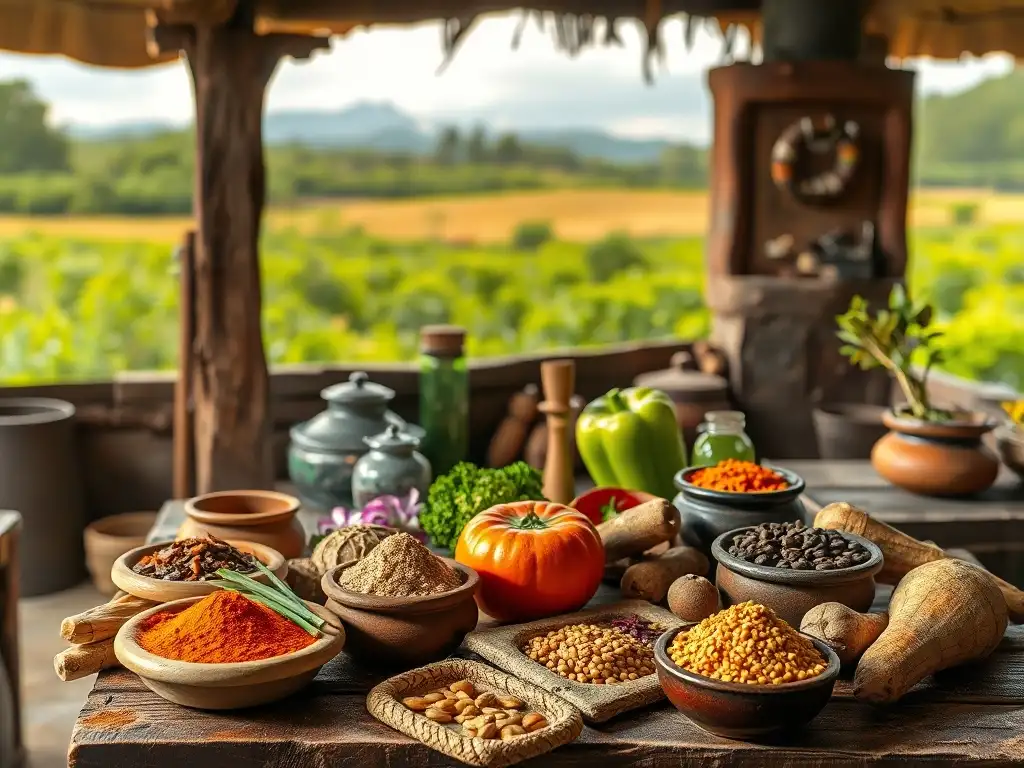
Welcome to Ancient India History, where we invite you to embark on a journey through the rich tapestry of India's past. From the bustling streets of the Indus Valley to the grandeur of the Gupta Empire, our exploration reveals the profound impact of climate on ancient Indian food traditions. Discover how the environment shaped culinary practices, influencing everything from ingredients to cooking methods. Prepare to delve deeper into the fascinating intersection of nature and nourishment that has defined Indian cuisine for centuries. Join us as we uncover the stories behind the flavors—your exploration starts here!
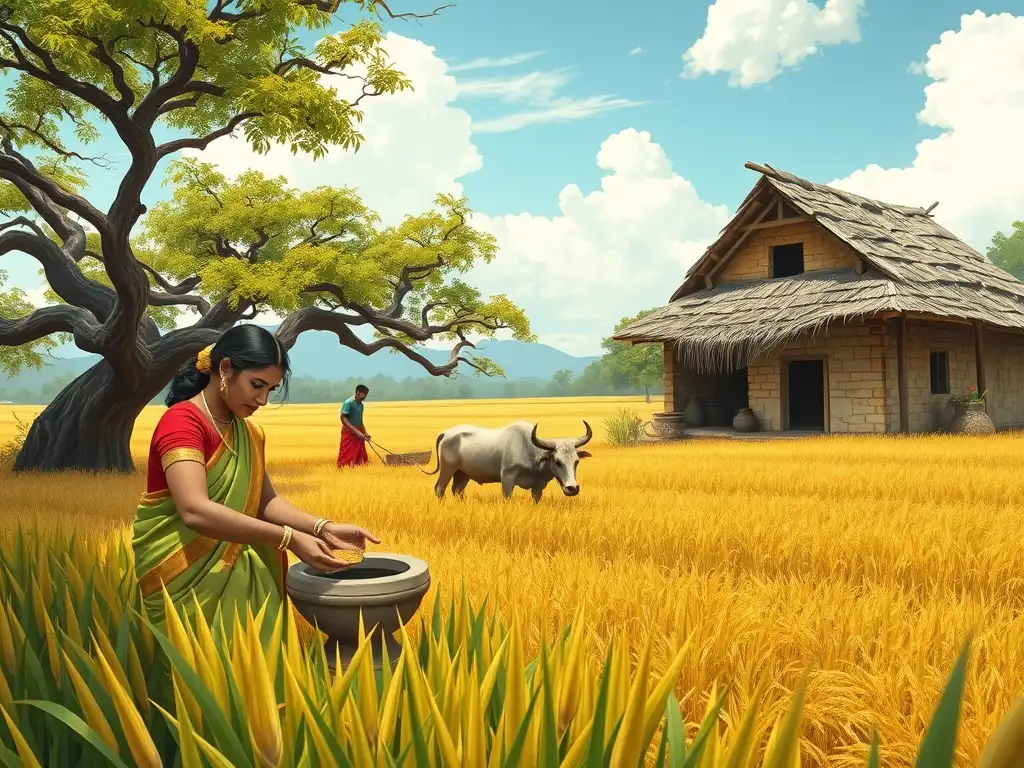
Introduction to Ancient Indian Food Traditions
Ancient Indian food traditions represent a rich tapestry woven from a multitude of influences, shaped by geography, culture, and, significantly, climate. The vast subcontinent of India, with its diverse climatic zones—from the arid deserts of Rajasthan to the lush monsoons of Kerala—has played a crucial role in determining the dietary practices and culinary innovations of its inhabitants throughout history. The way ancient civilizations adapted their food practices to suit their environmental conditions not only reflects their resilience but also showcases a deep understanding of sustainable agricultural practices that have persisted through millennia.
Ancient Indian food traditions were not merely about sustenance; they encompassed a wide array of flavors, ingredients, and cooking methods that evolved alongside the climatic changes of the region. From the domestication of crops to the introduction of various cooking techniques, the influence of climate on food has been profound. This article delves into the intricate relationship between climate and food traditions in ancient India, highlighting how these civilizations adapted their agricultural practices to thrive in their unique environments.
The Impact of Climate on Agricultural Practices
Climate has a direct impact on agricultural practices, influencing what crops can be cultivated, when they can be planted, and how they are harvested. Ancient Indian civilizations, from the Indus Valley to the Gupta Empire, showcased remarkable adaptability in their agricultural methods in response to the local climate. Understanding these practices provides insight into the broader context of ancient Indian food traditions.
Understanding Climate Zones in Ancient India
India's geographical diversity results in several distinct climate zones, each with its own agricultural implications. These zones include:
- Tropical Monsoon Climate: Predominant in southern and eastern India, this region receives heavy rainfall, making it suitable for rice cultivation.
- Arid and Semi-Arid Climate: Found in western India, particularly in Rajasthan, where drought-resistant crops like millet and pulses were staples.
- Temperate Climate: Present in northern regions, where wheat and barley thrived due to cooler temperatures.
Each climate zone necessitated specific agricultural strategies, leading to the adoption of diverse crops and farming techniques that align with local conditions.
Key Crops and Their Adaptations
Ancient Indian civilizations cultivated a variety of crops, each adapted to their respective climate zones:
- Rice: Thrived in tropical regions, relying on monsoon rains.
- Wheat: Grown in the fertile plains of the northern regions, particularly during the cooler months.
- Millets and Pulses: Essential in arid regions, these crops are drought-resistant and were crucial for food security.
- Spices and Herbs: Cultivated across various regions, spices like black pepper and cardamom were not only vital for flavor but also had preservative qualities, helping in food storage.
These crops formed the backbone of ancient Indian food traditions, reflecting the profound connection between climate and the culinary practices that emerged over time. Understanding these adaptations offers a glimpse into the ingenuity of ancient Indian societies in the face of environmental challenges.
Seasonal Variations in Ancient Indian Cuisine
Ancient Indian food traditions were profoundly influenced by seasonal variations, as climate played a crucial role in determining the availability of ingredients and the methods used to prepare food. Each season brought with it a distinct set of crops, fruits, and spices that shaped culinary practices. The ancient agrarian society of India relied heavily on the monsoon cycle, which dictated not only agricultural timelines but also the types of dishes that were prepared and consumed throughout the year.
During the winter months, for instance, rich and hearty foods became predominant, utilizing ingredients like lentils, grains, and root vegetables. Conversely, the summer months saw a shift towards lighter meals, incorporating more fresh fruits and cooling spices to combat the heat. This adaptability to seasonal changes not only reflects the resilience of ancient Indian food traditions but also highlights the deep connection between the people and their environment.
Monsoon Influence on Food Traditions
The monsoon season, typically spanning from June to September, was a transformative period for ancient Indian food traditions. With the arrival of the rains, the landscape flourished, and so did the agricultural bounty. Staples like rice and millet thrived during this time, leading to their widespread incorporation into various dishes.
Monsoon months were also characterized by specific food practices aimed at promoting health and well-being during the humidity. For example, the use of spices such as turmeric and ginger became common, not only for flavor but also for their medicinal properties. Traditional recipes such as khichdi, a comforting dish made from rice and lentils, gained popularity as a nutritious meal that was easy to digest.
Additionally, the onset of the monsoon was a time for culinary experimentation, as communities celebrated the seasonal change with new recipes and flavors. This adaptability was vital for sustaining health and nutrition during a time when certain crops were in abundance, while others were scarce.
Harvest Festivals and Culinary Celebrations
Harvest festivals played a significant role in ancient Indian food traditions, marking crucial points in the agricultural calendar. Festivals like Pongal, Makar Sankranti, and Baisakhi celebrated the culmination of hard work in the fields and were occasions for community feasting.
During these festivals, specific dishes were prepared using freshly harvested grains and fruits, showcasing the season's bounty. For example, Pongal involves cooking rice with lentils and is often flavored with spices and ghee, reflecting the agricultural practices of South India. Such celebrations not only highlighted the importance of agriculture but also reinforced social bonds, as families and communities came together to share meals and express gratitude for the harvest.
The rituals associated with these festivals often included the preparation of sweets and savory snacks, emphasizing the diverse flavors and ingredients available during the harvest season. This intersection of food, culture, and tradition continues to play a vital role in shaping contemporary Indian culinary practices.
Regional Variations in Ancient Indian Food
The diversity of ancient Indian food traditions is mirrored in the regional variations across the subcontinent. Each region developed its unique culinary identity based on local climate, geography, and available resources. This variation not only enriched the food culture of ancient India but also fostered a sense of regional pride and identity among its people.
North Indian Culinary Practices
In North India, the cuisine was predominantly influenced by the fertile plains of the Indo-Gangetic region. The north's colder climate allowed for the cultivation of wheat, which became a staple grain. Traditional foods like roti and paratha emerged, often served with rich curries made from lentils, vegetables, and meats.
Additionally, the use of dairy products, such as yogurt and ghee, was prevalent, reflecting the pastoral lifestyle of many communities. Seasonal ingredients like mustard greens in winter and fresh fruits in summer were incorporated into dishes, showcasing the adaptability of North Indian culinary practices to climatic changes.
South Indian Culinary Influences
South Indian food traditions were shaped by a warm, tropical climate that favored rice cultivation. Rice became the cornerstone of the diet, often accompanied by a variety of sambars (lentil-based stews) and rasams (spicy soups). The abundance of coconut and spices like curry leaves and mustard seeds also defined the flavors of South Indian cuisine.
Fermentation techniques were widely used, leading to the creation of dishes like idli and dosa, which are staples in breakfast menus. The use of fresh vegetables and seafood from coastal areas further enriched the culinary repertoire, demonstrating a profound understanding of seasonal availability and local resources.
Eastern and Western Indian Food Traditions
Eastern India is known for its significant rice production and a penchant for sweets, particularly in states like West Bengal, where dishes such as sandesh and rasgulla showcase the use of fresh dairy. The culinary practices in this region are often characterized by a balance of flavors, incorporating mustard oil and a variety of spices.
In contrast, Western India, particularly in Gujarat and Maharashtra, features a diverse array of vegetarian dishes, heavily reliant on legumes and grains. The cuisine reflects the arid conditions of the region, with dishes like dhokla and thepla highlighting the use of chickpea flour and spices. The coastal regions also offer a rich variety of seafood, further diversifying the food traditions.
Together, these regional variations illustrate the intricate tapestry of ancient Indian food traditions, shaped by climate, geography, and cultural practices. This diversity not only enhances the culinary landscape of India but also serves as a testament to the adaptability and creativity of its ancient civilizations.
The Role of Ancient Trade Routes in Food Traditions
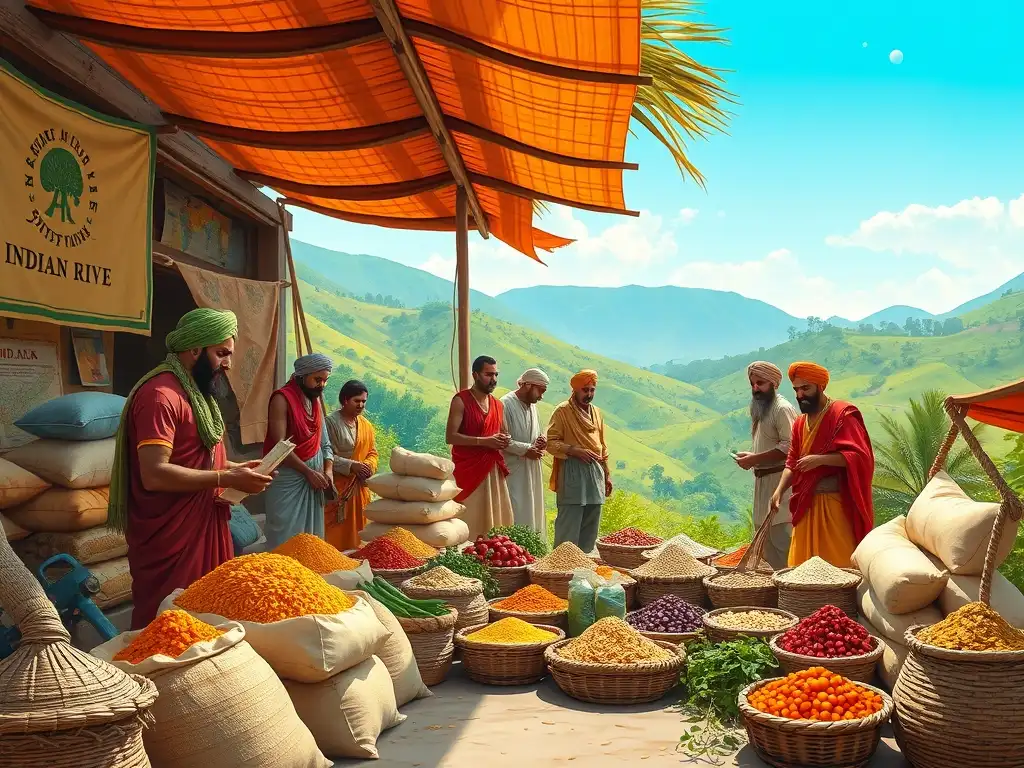
Ancient trade routes played a crucial role in shaping the food traditions of India, facilitating the movement of not just goods, but also culinary practices and ingredients. The vast network of trade routes, such as the Silk Road and maritime paths connecting India to other regions, allowed for a dynamic exchange of agricultural products and spices. This exchange not only enriched local cuisines but also introduced diverse flavors and cooking techniques that would become integral to ancient Indian food traditions.
The importance of trade routes can be seen in the way certain ingredients, such as spices, grains, and legumes, were incorporated into regional diets. For instance, the importation of saffron and black pepper through these routes led to their extensive use in various dishes, enhancing the complexity and variety of flavors in Indian cuisine. Furthermore, trade routes facilitated the arrival of new crops, which were adapted to local agricultural practices and climatic conditions, thus contributing to the evolution of food traditions across different regions of ancient India.
Influence of Trade on Ingredients and Recipes
The influence of trade on ancient Indian food traditions is evident through the introduction of foreign ingredients that transformed local recipes. Spices like cardamom, cinnamon, and cloves were highly sought after and became staples in Indian cooking, influencing not only flavor but also preservation techniques. Furthermore, the exchange of grains, such as wheat and barley, led to the development of various bread types, including naan and roti, which remain central to Indian cuisine today.
Moreover, the trade of ingredients was often tied to cultural and religious practices. For example, the arrival of ingredients such as sugar from Southeast Asia contributed to the creation of traditional sweets and desserts, which are integral to festivals and celebrations in Indian culture. The adaptation of these ingredients into local recipes highlights how trade not only enriched the culinary landscape but also intertwined with the social fabric of ancient Indian society.
Cultural Exchange and Culinary Fusion
Cultural exchange facilitated by trade routes resulted in significant culinary fusion, where diverse food practices amalgamated to create unique dishes that reflect the rich tapestry of ancient Indian civilization. As merchants and travelers journeyed through India, they brought with them their culinary traditions, which were often embraced and adapted by local populations. This blending of flavors and techniques is particularly evident in regions where trade was most vibrant, such as along the coasts and in urban centers.
For instance, the culinary influences from Arabian and Persian traders introduced new cooking methods, such as slow-cooking and the use of marination, which became prevalent in various Indian dishes. Such interactions led to the birth of iconic dishes, such as biryani, which combines local ingredients with techniques and spices from foreign cuisines. This fusion not only enriched the palate but also showcased the openness of ancient Indian society to external influences, leading to a diverse culinary heritage that continues to evolve.
Conclusion: Legacy of Ancient Indian Food Traditions
The legacy of ancient Indian food traditions is a testament to the resilience and adaptability of the civilization in response to environmental and cultural influences. As climate shaped agricultural practices, trade routes facilitated the exchange of ingredients and culinary ideas, resulting in a rich culinary heritage that has persisted through the ages. The incorporation of diverse flavors, techniques, and ingredients reflects a dynamic interplay between nature and culture, showcasing how ancient Indian food traditions are not static but rather a living tapestry of historical influences.
Today, these traditions continue to inspire modern Indian cuisine, emphasizing the importance of understanding the historical context behind our food. The adaptability and ingenuity displayed by ancient Indian societies in their culinary practices serve as a reminder of the profound relationship between food, culture, and the environment. This legacy not only enriches our culinary experiences but also fosters a deeper appreciation for the historical narratives that shape our contemporary food traditions.
References and Further Reading
To gain a deeper understanding of how climate influenced ancient Indian food traditions and the broader context of Indian culinary practices, the following texts and resources are invaluable:
-
"The Food of India: A Journey for Food Lovers" by Brinder Narula
This book offers an extensive overview of the regional cuisines of India, detailing how geographical and climatic conditions shape food practices.
-
"Ancient Indian Agriculture" by D.N. Jha
A scholarly analysis of agricultural practices in ancient India, this work examines how climate and environment dictated the crops that were cultivated.
-
"Indian Cuisine: A Historical and Cultural Overview" by K. T. Achaya
Achaya’s book provides insights into the historical evolution of Indian food, linking it to climatic changes and cultural adaptations.
-
"Climate Change and Agriculture in India" by R. P. Singh
This publication explores the impact of climate variability on agriculture, offering parallels to ancient practices and their evolution over time.
-
"The Indus Valley Civilization: A Historical Overview" by Rita Lucarelli
Understanding the early civilization's adaptability to its environment can shed light on the origins of food traditions in ancient India.
-
Academic Journals
Articles in journals such as "South Asian Studies" and "Journal of Indian History" often discuss the interplay between climate, food, and culture in ancient India.
These resources not only provide historical context but also illustrate the resilience and adaptability of ancient Indian food traditions in response to environmental changes.
Call to Action
Are you fascinated by the rich tapestry of ancient Indian food traditions and their connection to the environment? Explore further into this captivating topic by diving into the recommended readings above.
Join our community at "Ancient India History" to stay updated on the latest articles, discussions, and insights into the culinary heritage and cultural practices of ancient Indian civilizations. Share your thoughts in the comments below or connect with us on social media to engage with fellow history enthusiasts. Together, let’s celebrate and preserve the legacy of ancient Indian cuisine! 🌿
- Introduction to Ancient Indian Food Traditions
- The Impact of Climate on Agricultural Practices
- Seasonal Variations in Ancient Indian Cuisine
- Regional Variations in Ancient Indian Food
- The Role of Ancient Trade Routes in Food Traditions
- Conclusion: Legacy of Ancient Indian Food Traditions
- References and Further Reading
- Call to Action
- What role did climate play in shaping ancient Indian food traditions?
- Which crops were primarily grown due to climatic conditions?
- How did seasonal changes affect food preparation in ancient India?
- What are some traditional practices linked to ancient Indian food?
- How did ancient Indian civilizations contribute to culinary diversity?
Frequently Asked Questions
What role did climate play in shaping ancient Indian food traditions?
The climate of ancient India significantly influenced agriculture, leading to the cultivation of specific crops that shaped regional diets.
Which crops were primarily grown due to climatic conditions?
Regions with varied climates saw the cultivation of crops like rice, wheat, and millets, which became staples in ancient Indian cuisine.
How did seasonal changes affect food preparation in ancient India?
Seasonal changes dictated food availability, leading to diverse cooking methods and preservation techniques such as fermentation and drying.
What are some traditional practices linked to ancient Indian food?
Ancient Indian food traditions included seasonal festivals that celebrated harvests and incorporated rituals that honored the earth and its bounty.
How did ancient Indian civilizations contribute to culinary diversity?
Ancient Indian civilizations adapted their food traditions to their environments, resulting in a rich tapestry of cuisines that reflect local resources and cultural influences.
Final Reflection: Embracing the Legacy of Ancient Indian Food Traditions
The intricate relationship between climate and ancient Indian food traditions underscores a profound truth: our culinary practices are not just a matter of taste, but a reflection of our environment. As we navigate the challenges posed by climate change today, understanding how our ancestors adapted their food systems offers invaluable lessons on resilience and sustainability. The adaptability showcased in ancient Indian food traditions serves as a powerful reminder of the need to harmonize our diets with the ecosystems that sustain us.
The influence of climate on food practices is not merely historical; it continues to shape our cultural and social landscapes today. As we witness the resurgence of interest in traditional diets and local sourcing, it becomes evident that these ancient practices hold the key to a more sustainable future. The food we eat is a reflection of our history, our culture, and our environment.
This quote encapsulates the essence of how ancient Indian food traditions are not relics of the past but living practices that can guide us toward a more sustainable and equitable food system.
As you reflect on the insights shared in this article, consider how you can incorporate the wisdom of ancient Indian food traditions into your own life. Embrace local ingredients, honor seasonal cycles, and cultivate a deeper connection with the food you consume. By doing so, you not only pay homage to the rich heritage of ancient culinary practices but also contribute to a more sustainable future for generations to come. Let us take inspiration from our ancestors and adapt our food traditions to create a harmonious relationship with our environment.
Embrace Nature's Wisdom: Nourish Your Culinary Journey!
Thank you for exploring the fascinating interplay between climate and ancient Indian food traditions! By understanding how our ancestors adapted their diets to their environment, you not only gain insights into history but also enrich your own culinary practices. Now, let’s take this knowledge to the next level!
Here are some steps you can take to connect with these ancient traditions:
- Experiment with Local Ingredients: Visit your local market and **select seasonal produce** to create dishes inspired by ancient Indian recipes, honoring the regional flavors and biodiversity.
- Share Your Culinary Creations: **Document and share** your cooking experiments on social media or with friends, and initiate conversations about how climate influences your food choices today.
- Cultivate a Home Garden: If possible, start **growing your own herbs and vegetables** to connect directly with the land and experience firsthand how climate and environment shape what’s on your plate.
How will you adapt your cooking to embrace the wisdom of ancient traditions while respecting the environment we live in today?