
The Cultural Tapestry of Eastern India: Weaving Together History and Tradition

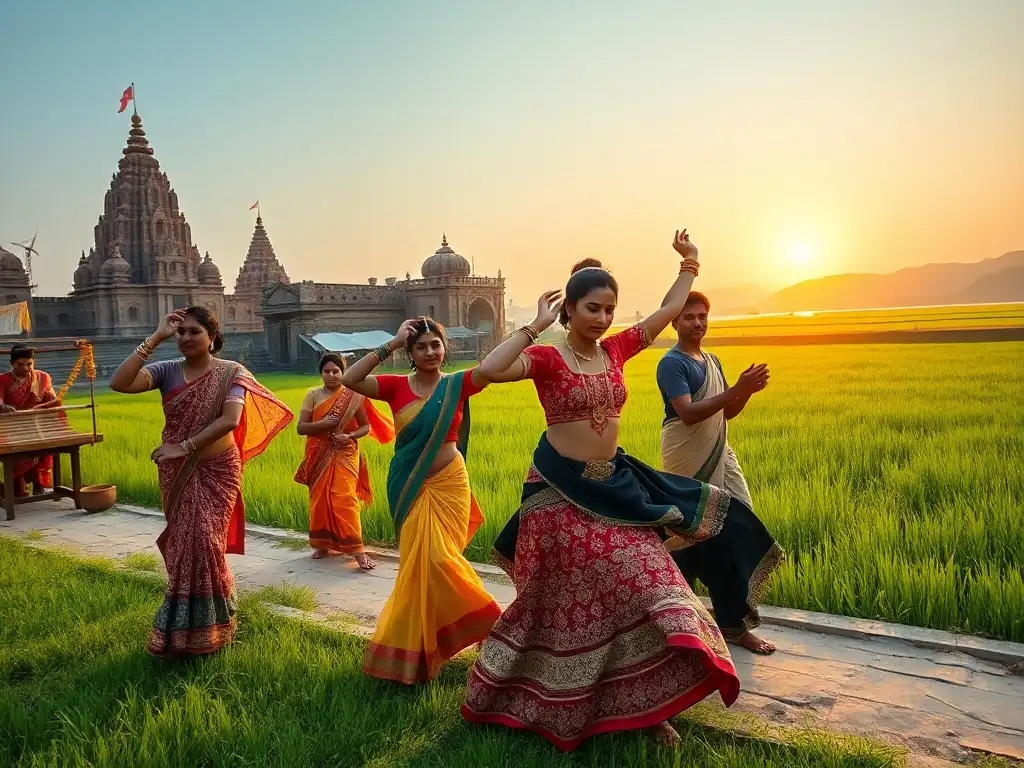
Welcome to Ancient India History, where we embark on a fascinating journey through the rich tapestry of civilizations that once thrived on this vibrant subcontinent. In our featured article, "The Cultural Tapestry of Eastern India: Weaving Together History and Tradition," we delve into the history and culture of Eastern India, uncovering the extraordinary tales of its people, traditions, and contributions that have shaped the region.
As you explore the intricate connections between ancient practices and modern influences, prepare to be captivated by the diverse narratives that continue to resonate today. Let your curiosity guide you as we unravel the stories that define Eastern India’s legacy!
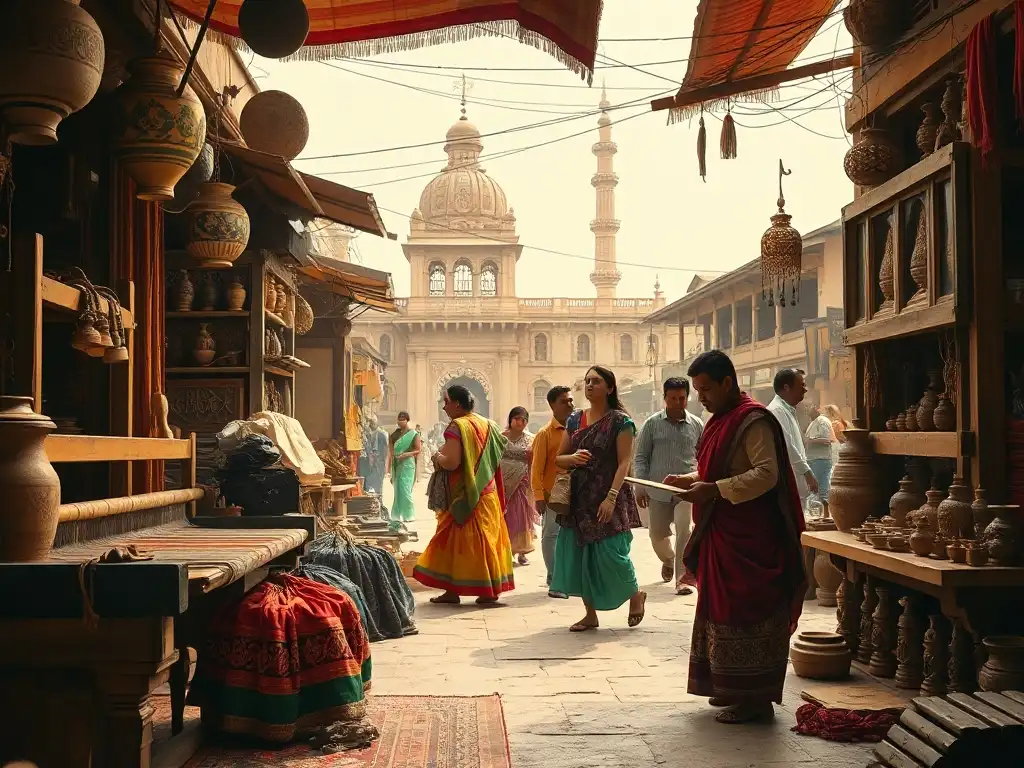
Introduction to the History and Culture of Eastern India
The history and culture of Eastern India represent a vibrant tapestry woven from the threads of diverse civilizations, rich traditions, and significant historical events. Stretching from the ancient Indus Valley civilization to the flourishing Gupta Empire, this region has been a crucible of cultural exchange, artistic expression, and intellectual advancements. Eastern India, encompassing states like West Bengal, Odisha, Assam, and Bihar, has contributed immensely to the broader narrative of Indian heritage.
Its intricate blend of languages, religions, festivals, and art forms reflects a unique identity that remains relevant today. This article delves into the historical significance and cultural diversity of Eastern India, exploring how these elements have shaped its identity over centuries.
Overview of Eastern India's Historical Significance
Eastern India has served as a pivotal area in the historical landscape of the Indian subcontinent. Home to some of the earliest known urban centers, such as those in the Indus Valley, the region has witnessed the rise and fall of numerous dynasties and empires. From the Maurya and Gupta empires to the Pala and Sena dynasties, Eastern India has been a center of political power, trade, and cultural prosperity. The Buddhist and Jain traditions, which flourished in this region, also highlight the philosophical richness and spiritual depth that have characterized its history.
Key historical landmarks, such as the ancient city of Pataliputra (modern-day Patna), were significant hubs of governance and culture. The enduring impact of Eastern India is evident not only in its historical narratives but also in the continued relevance of its cultural practices and traditions.
Importance of Cultural Diversity in Eastern India
The cultural diversity of Eastern India is one of its most defining features. The region is a mosaic of various ethnicities, languages, and religions, each contributing to its unique societal fabric.
- Languages: Major languages, including Bengali, Odia, Assamese, and Urdu, create a rich linguistic landscape that reflects the region's diverse populace.
- Religions: Eastern India is a melting pot of religions, including Hinduism, Buddhism, Islam, and tribal beliefs, fostering a spirit of coexistence and cultural exchange.
- Festivals: Festivals such as Durga Puja, Bihu, and Puri's Rath Yatra showcase the region’s vibrant traditions, drawing visitors from across the globe and emphasizing the importance of communal harmony.
This cultural diversity not only enhances the social fabric of Eastern India but also plays a crucial role in its historical evolution, illustrating how the intermingling of different cultures has led to unique art forms, culinary traditions, and social practices.
Historical Background of Eastern India
Ancient Civilizations of Eastern India
The ancient civilizations of Eastern India laid the foundational stones of its rich historical narrative. The area was inhabited by various tribes and communities, with archaeological findings indicating the presence of advanced urban settlements. The Indus Valley Civilization, known for its sophisticated urban planning and trade networks, is one of the earliest indicators of human settlement in the region.
Following the decline of the Indus Valley, Eastern India saw the rise of various kingdoms, including the Magadhan Empire, which played a crucial role in the spread of Buddhism and Jainism. The Mauryan Empire, under the leadership of Ashoka, further solidified the region's importance as a center of political power and cultural influence.
Medieval Period: Dynasties and Developments
The medieval period marked a significant transformation in Eastern India, characterized by the rise of powerful dynasties and a flourishing of culture and arts. The Pala Empire (8th to 12th centuries) was instrumental in promoting Buddhism and advancing education, with renowned institutions such as Nalanda University emerging during this time.
The Sena Dynasty later took prominence, contributing to the development of Bengali literature and art. The period also witnessed the influence of Islamic rule, which brought about a fusion of traditions, leading to unique architectural styles exemplified by monuments like the Qutb Minar and the Sundarbans.
The historical and cultural evolution of Eastern India presents a captivating narrative filled with significant events and diverse influences. This exploration will continue through a detailed examination of the region's rich traditions and contributions in subsequent sections.
The Cultural Heritage of Eastern India
Eastern India, a region steeped in history and tradition, showcases a rich cultural heritage that has evolved through centuries of diverse influences. This heritage is a blend of indigenous practices and external interactions, encompassing art, literature, music, dance, and architecture. The region's history can be traced back to ancient civilizations, with the Maurya and Gupta empires leaving indelible marks on its cultural landscape.
One of the defining features of Eastern India's cultural heritage is its linguistic diversity. Languages such as Bengali, Odia, Assamese, and Maithili not only reflect the identity of various communities but also contribute significantly to the region's literature and arts. The literary works of Rabindranath Tagore, the first non-European Nobel laureate in Literature, and the poetic traditions in Bengali and Odia are testaments to the region's vibrant literary scene.
Moreover, the architectural marvels found in Eastern India—ranging from the ancient temples of Khajuraho to the intricately carved structures of Konark—illustrate the advanced craftsmanship and religious fervor of bygone eras. These edifices serve as symbols of the region's historical narratives and cultural evolution, drawing visitors and scholars alike to explore their significance.
Traditional Art Forms of Eastern India
The traditional art forms of Eastern India are as diverse as its people, reflecting the unique cultural identities of various communities. Notable among these are:
- Pattachitra Painting: Originating from Odisha, Pattachitra is a traditional scroll painting that tells mythological stories through intricate designs and vibrant colors. Typically crafted on cloth or dried palm leaves, these paintings often depict scenes from Hindu epics like the Ramayana and Mahabharata.
- Madhubani Art: This art form hails from the Mithila region of Bihar and is characterized by its bold colors and intricate patterns. Traditionally created by women, Madhubani paintings often incorporate themes of nature, mythology, and social issues, making them a vibrant expression of community life.
- Terracotta Craft: Eastern India is renowned for its terracotta sculptures, particularly in West Bengal and Assam. These artworks often represent deities, animals, and everyday life, showcasing the region's rich craftsmanship and cultural narratives.
- Dance Forms: Traditional dance forms such as Odissi, Sattriya, and Chhau are integral to Eastern India's cultural identity. Each dance form tells a story through expressive movements, often accompanied by classical music, and plays a vital role in religious and social celebrations.
Festivals and Celebrations in Eastern India
Festivals in Eastern India are vibrant expressions of the region's cultural identity, reflecting its rich traditions and communal harmony. Each festival is celebrated with great enthusiasm and showcases a tapestry of rituals, music, dance, and culinary delights. Some prominent festivals include:
- Durga Puja: Celebrated predominantly in West Bengal, Durga Puja marks the victory of Goddess Durga over the buffalo demon Mahishasura. The festival lasts for several days, featuring elaborate pandals (temporary structures), artistic idols, traditional music, and dance performances.
- Bihu: This festival is celebrated in Assam to mark the Assamese New Year and the arrival of spring. Bihu is characterized by joyous folk dances, music, and delicious traditional cuisine, symbolizing the agrarian lifestyle of the region.
- Rath Yatra: In Puri, Odisha, the Rath Yatra (Chariot Festival) draws thousands of devotees who pull the massive chariots of Lord Jagannath, Balabhadra, and Subhadra through the streets. This festival represents the deep-rooted spiritual traditions of the region and attracts pilgrims from across the country.
- Makar Sankranti: Celebrated in various forms across Eastern India, Makar Sankranti marks the transition of the sun into the zodiac sign of Capricorn. The festival is associated with kite flying, bonfires, and traditional sweets, representing the end of winter and the arrival of longer days.
The Influence of Religion on Eastern Indian Culture
Religion plays a pivotal role in shaping the culture of Eastern India, influencing its art, literature, festivals, and daily life. The region is known for its religious diversity, with Hinduism, Buddhism, Islam, and Jainism coexisting and contributing to the rich tapestry of Eastern Indian culture.
Hinduism is predominant in the region, with various deities and rituals deeply embedded in the cultural practices of the people. Temples and sacred spaces are central to community life, serving as sites of worship, festivals, and social gatherings. The architectural grandeur of temples like the Jagannath Temple in Puri and the Konark Sun Temple reflects the region's devotion and artistic prowess.
Major Religions Practiced in Eastern India
Eastern India is home to a multitude of religions, each contributing to the region's cultural diversity:
- Hinduism: As the major religion, Hinduism influences various aspects of life, from festivals to daily rituals. The numerous deities worshipped and the intricate rituals performed reflect the deep spiritual connection of the people.
- Buddhism: With its historical roots traced back to Lord Buddha, who was born in Lumbini (now in Nepal), Buddhism has left an indelible mark on Eastern India, particularly in Bihar. The ancient Nalanda University and Bodh Gaya, where Buddha attained enlightenment, are significant pilgrimage sites.
- Islam: The presence of Islam in Eastern India has shaped its cultural practices, particularly in art and architecture. The region features stunning mosques and Islamic structures, showcasing a fusion of local and Mughal architectural styles.
- Jainism: Jain communities in Eastern India have contributed to the region's rich cultural fabric through their philosophy of non-violence and asceticism. Jain temples, with their intricate carvings and serene ambiance, are important cultural landmarks.
Religious Sites and Their Historical Significance
Eastern India is dotted with numerous religious sites that hold historical and cultural significance. These sites not only serve as places of worship but also as custodians of history:
- Bodh Gaya: This UNESCO World Heritage site is where Siddhartha Gautama attained enlightenment under the Bodhi tree. The Mahabodhi Temple complex, with its ancient stupas and intricate carvings, attracts pilgrims and tourists from around the world.
- Nalanda: Once the world's oldest residential university, Nalanda was a center for Buddhist learning and attracted scholars from far and wide. The ruins of Nalanda University exhibit remarkable architecture and provide insights into ancient education and culture.
- Puri: The Jagannath Temple in Puri is one of the Char Dham pilgrimage sites and is famous for its annual Rath Yatra. The temple's architectural grandeur and the rich traditions associated with the worship of Lord Jagannath make it a significant religious and cultural landmark.
- Khiching: Known for the ancient Khiching temple dedicated to Goddess Manikeswari, this site reflects the unique architectural style of Odisha and serves as a significant pilgrimage destination for devotees.
These religious sites not only enhance the spiritual landscape of Eastern India but also play a crucial role in preserving the region's historical narratives and cultural traditions.
The Language and Literature of Eastern India
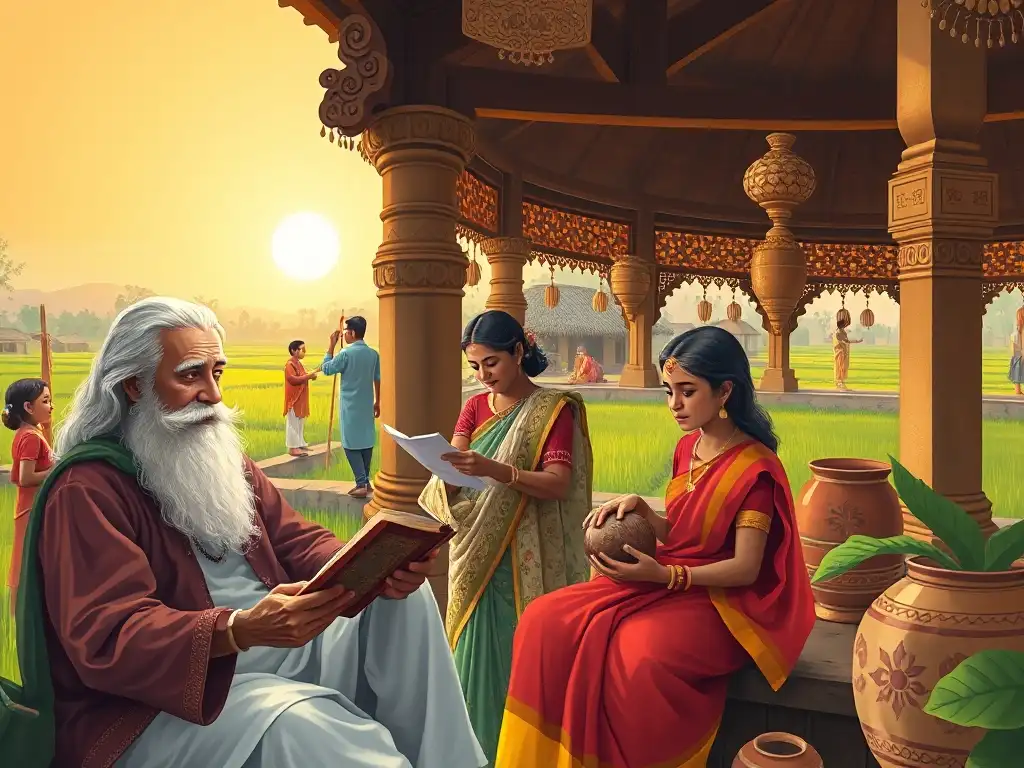
Eastern India boasts a rich linguistic and literary heritage that reflects its diverse cultural influences and historical evolution. The languages spoken in this region are as varied as its traditions, with each language serving as a vessel for the region's unique narratives, folklore, and philosophies. The literary contributions from Eastern India have played a significant role in shaping Indian culture, fostering a sense of identity and continuity through the ages.
Languages of Eastern India: A Historical Overview
The languages of Eastern India encompass a broad spectrum, primarily belonging to the Indo-Aryan and Dravidian families. Major languages include Bengali, Assamese, Odia, and Maithili, each with its own historical journey:
- Bengali: Originating from the Magadhi Prakrit, Bengali has evolved significantly over centuries. It became prominent in the 19th century, emerging as a powerful medium for literature, politics, and social reform. The contributions of Rabindranath Tagore, who was the first non-European Nobel laureate in Literature, exemplify its literary richness.
- Assamese: With roots tracing back to the Kamrupi dialect, Assamese has flourished as a language of both prose and poetry. The 19th century saw a renaissance in Assamese literature, with writers like Lakshminath Bezbaroa and Rajanikanta Bordoloi laying the groundwork for modern Assamese literary expression.
- Odia: Derived from the Odra language, Odia has a long literary tradition, dating back over a thousand years. The poetic compositions of the medieval period and contemporary works by authors such as Kabi Samrat Upendra Bhanja have significantly contributed to its cultural landscape.
- Maithili: This language, primarily spoken in the Mithila region, has a rich tradition of literary works, particularly in the form of poetry and folk tales. The Mithila paintings and the writings of Vidyapati have elevated Maithili's status in Indian literature.
Each of these languages carries deep historical significance and showcases the evolution of Eastern India's identity through dynamic linguistic expressions.
Literature and Its Contributions to Indian Culture
The literature of Eastern India is not only vast but also remarkable in its diversity, reflecting the myriad experiences of its people. From classical texts to modern narratives, Eastern Indian literature has made profound contributions to the broader tapestry of Indian culture:
- Folklore and Oral Traditions: Eastern India is rich in oral traditions, with countless folktales, myths, and fables that have been passed down through generations. These stories often embody moral lessons and cultural values, serving as a means of preserving the region's heritage.
- Poetry and Prose: The region has produced an array of poets and novelists who have explored themes of love, nature, spirituality, and social issues. Notable figures include Kazi Nazrul Islam, whose works championed social justice, and contemporary authors like Jhumpa Lahiri, who delve into the complexities of identity and diaspora.
- Theater and Performance Arts: Traditional theater forms, such as Jatra in West Bengal and the Sahi Jatra in Odisha, have played a crucial role in the cultural landscape. These performances often incorporate elements of music, dance, and storytelling, reflecting the region's rich artistic heritage.
The literature of Eastern India has not only enriched the cultural milieu of India but has also provided a platform for voices that challenge societal norms and inspire change.
Conclusion: The Enduring Legacy of Eastern India's History and Culture
Reflection on the Cultural Tapestry of Eastern India
The cultural tapestry of Eastern India is a vibrant amalgamation of languages, literature, arts, and traditions that have evolved over millennia. This region's history reflects a confluence of various influences, including indigenous practices and the interactions with traders, invaders, and reformers. The resilience of Eastern India's cultural expressions continues to thrive, fostering a sense of belonging and identity among its people.
The Importance of Preserving Eastern India's Heritage
Preservation of Eastern India's heritage is crucial for maintaining the diversity and richness of Indian culture. As globalization and modernization pose challenges to traditional practices, it becomes imperative to safeguard the languages, literature, and art forms that define the region’s identity. Initiatives to promote local languages, support literature festivals, and protect traditional art forms are essential in ensuring that the legacy of Eastern India endures for future generations. By celebrating and nurturing this cultural heritage, we can foster a deeper appreciation for the historical narratives that shape our collective identity.
Call to Action
The rich history and vibrant culture of Eastern India beckon to be explored and celebrated. As you delve into this fascinating region, you will uncover layers of tradition, art, and heritage that have shaped not only the local identity but also contributed significantly to the broader canvas of Indian civilization.
Encouragement to Explore Eastern India’s Rich History and Culture
We encourage you to embark on a journey through Eastern India, where each city and village narrates its own story. From the ancient ruins of Bengal to the spiritual significance of Odisha, the historical sites are a testament to the region's illustrious past.
- Visit the Temples of Khajuraho: Famous for their intricate sculptures and carvings, they offer a glimpse into the artistry and craftsmanship of ancient Indian builders.
- Experience the Festivals: Participate in Durga Puja in West Bengal or the Konark Dance Festival in Odisha, where you can witness the vibrant traditions that have been passed down through generations.
- Explore the Historical Sites: The ruins of Puri and Bhubaneswar, along with the ancient port city of Tamralipta, are essential stops on your journey through history.
Each of these experiences will deepen your appreciation for the unique blend of influences that characterize Eastern India, reinforcing the importance of preserving and celebrating this cultural heritage.
Invitation to Engage with Local Traditions and Practices
Engaging with the local traditions and practices of Eastern India offers a hands-on approach to understanding its culture. Here are some ways you can immerse yourself:
- Attend Local Workshops: Learn traditional crafts such as Pattachitra painting or the art of making Baluchari sarees. These workshops not only teach you artistic skills but also connect you with the artisans who keep these traditions alive.
- Taste the Local Cuisine: Savor the flavors of Eastern Indian dishes like Machher Jhol (fish curry) or Pakhala (fermented rice), which not only nourish the body but also tell stories of the region's agricultural practices and culinary heritage.
- Participate in Community Events: Engage with local communities during their fairs and festivals. This interaction provides a deeper understanding of customs, rituals, and the significance of these events in the lives of the people.
By immersing yourself in these experiences, you contribute to the preservation of Eastern India's rich cultural tapestry and gain a profound appreciation for its history and traditions. So, pack your bags and set off on an adventure that promises to enrich your understanding of this remarkable region!
- Introduction to the History and Culture of Eastern India
- Historical Background of Eastern India
- The Cultural Heritage of Eastern India
- The Influence of Religion on Eastern Indian Culture
- The Language and Literature of Eastern India
- Conclusion: The Enduring Legacy of Eastern India's History and Culture
- Call to Action
- What are the key historical periods covered in the article about Eastern India?
- How does the article describe the culture of Eastern India?
- What are some significant contributions of ancient Eastern Indian civilizations?
- How does the article connect history and culture in Eastern India?
- Why is Eastern India considered important in the context of ancient Indian history?
Frequently Asked Questions
What are the key historical periods covered in the article about Eastern India?
The article explores the rich history of Eastern India, including the Indus Valley Civilization, the Mauryan Empire, and the Gupta Empire, highlighting their cultural contributions.
How does the article describe the culture of Eastern India?
The culture of Eastern India is depicted as a dynamic tapestry that includes art, music, dance, and literature, reflecting the region’s diverse traditions and influences.
What are some significant contributions of ancient Eastern Indian civilizations?
Ancient Eastern Indian civilizations have made significant contributions in areas like mathematics, astronomy, and architecture, shaping not only regional but also global advancements.
How does the article connect history and culture in Eastern India?
The article emphasizes that the history and culture of Eastern India are intertwined, where historical events have influenced cultural practices and vice versa, creating a unique identity.
Why is Eastern India considered important in the context of ancient Indian history?
Eastern India is considered important due to its strategic location, rich resources, and the cultural exchanges that occurred, making it a crucial hub for trade and cultural diffusion in ancient times.
Final Reflection: Weaving Together the Threads of History and Culture
The rich tapestry of Eastern India serves as a vibrant reminder of how history and culture intertwine to shape our identities and communities today. In an era where globalization often threatens to dilute local traditions, the exploration of Eastern India's cultural heritage becomes increasingly relevant. It is a striking testament to the resilience of diverse customs, languages, and art forms that continue to thrive amidst modern influences.
The cultural landscape of Eastern India is not just a relic of the past; it is a living, breathing entity that influences contemporary society. From the intricate dance forms of Odissi to the soulful melodies of Rabindra Sangeet, these traditions echo the voices of generations. As noted by cultural historian Dr. Ranjan Mukherjee, In every thread of our cultural fabric lies the story of our ancestors, reminding us that our identity is woven from both history and heritage.
This ongoing dialogue between the past and present enriches our understanding of who we are and where we come from.
As you reflect on the themes presented in this article, I invite you to consider how the history and culture of Eastern India resonate in your own life. What traditions or stories shape your identity? How can you contribute to the preservation and celebration of your own cultural heritage? Embrace the opportunity to weave your unique narrative into the broader tapestry of human experience, fostering a deeper appreciation for the diverse histories that connect us all.
Embrace the Richness: Take Action Today!
Thank you for diving into the vibrant cultural tapestry of Eastern India! You’ve uncovered the beauty of its history and traditions, and now it’s time to take this knowledge further. Let’s keep the momentum going and enrich your experience!
Here are a few ways you can engage more deeply with this topic:
- Explore Local Traditions: Visit a local cultural festival or event to experience the celebrations of Eastern India firsthand.
- Share Your Insights: Discuss this article with friends or on social media. Help spread awareness of these beautiful traditions by sharing your favorite insights!
- Try Your Hand at Crafting: Attend a workshop on traditional weaving techniques or local arts to connect with the heritage on a personal level.
What aspect of Eastern India's culture fascinates you the most, and how will you incorporate it into your life?