
The Rise and Fall of Crop Cultivation Techniques in Ancient Indian Civilizations

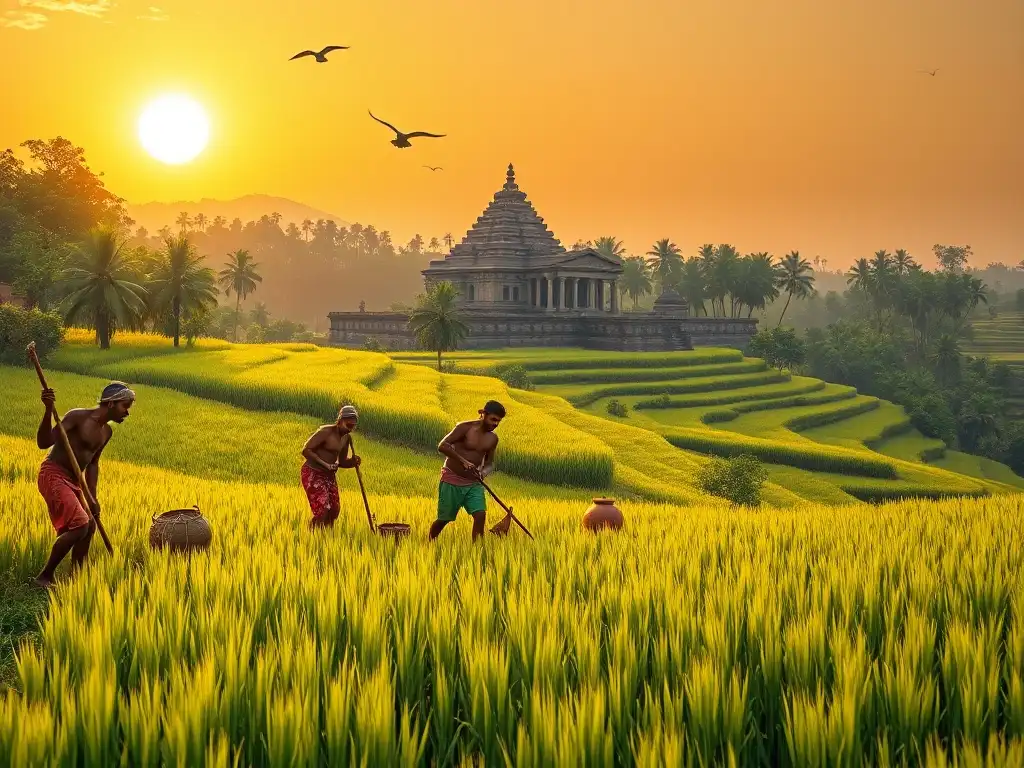
Welcome to Ancient India History, where we invite you to embark on a fascinating journey through the tapestry of India’s rich past. In our featured article, “The Rise and Fall of Crop Cultivation Techniques in Ancient Indian Civilizations,” we delve into the ingenious methods employed by our ancestors that shaped agriculture and economy, leaving a lasting legacy. Discover how these ancient Indian crop cultivation techniques not only sustained empires but also influenced cultures and societies across time.
Are you ready to unearth the secrets of the fields that once flourished in the cradle of civilization? Join us as we explore this captivating chapter in history!

Introduction to Ancient Indian Crop Cultivation Techniques
The evolution of crop cultivation techniques in ancient Indian civilizations reflects a rich tapestry woven from diverse agricultural practices, innovative technologies, and the socio-economic dynamics of the time. From the sophisticated irrigation systems of the Indus Valley Civilization to the agrarian wisdom of the Gupta Empire, ancient Indian societies developed a variety of methods to cultivate crops that laid the foundation for sustained economic prosperity and cultural development. Understanding these techniques not only sheds light on the agricultural prowess of ancient India but also highlights the critical role of agriculture in shaping the region's history and civilization.
Overview of Agricultural Practices in Ancient India
Agriculture in ancient India was characterized by a deep connection to the land and an intricate understanding of seasonal cycles. Farmers employed a range of techniques, including:
- Irrigation Methods: Utilizing rivers, canals, and wells to supply water to crops.
- Crop Rotation: Alternating different crops to maintain soil fertility and reduce pests.
- Fertilization: Using organic materials, such as cow dung and plant residues, to enrich the soil.
These practices were not only essential for food production but also contributed to the development of trade and social structures.
Importance of Crop Cultivation in Early Civilizations
The significance of crop cultivation in ancient Indian civilizations cannot be overstated. It was the backbone of the economy and played a vital role in:
- Food Security: Ensuring a stable food supply for growing populations.
- Trade and Commerce: Surplus production enabled trade with neighboring regions, enhancing economic interactions.
- Cultural Identity: Agriculture influenced festivals, rituals, and daily life, embedding itself in the cultural fabric of society.
The advancements in crop cultivation techniques helped establish ancient India as a cradle of civilization, setting the stage for further developments in various fields.
The Early Beginnings of Agriculture in Ancient India
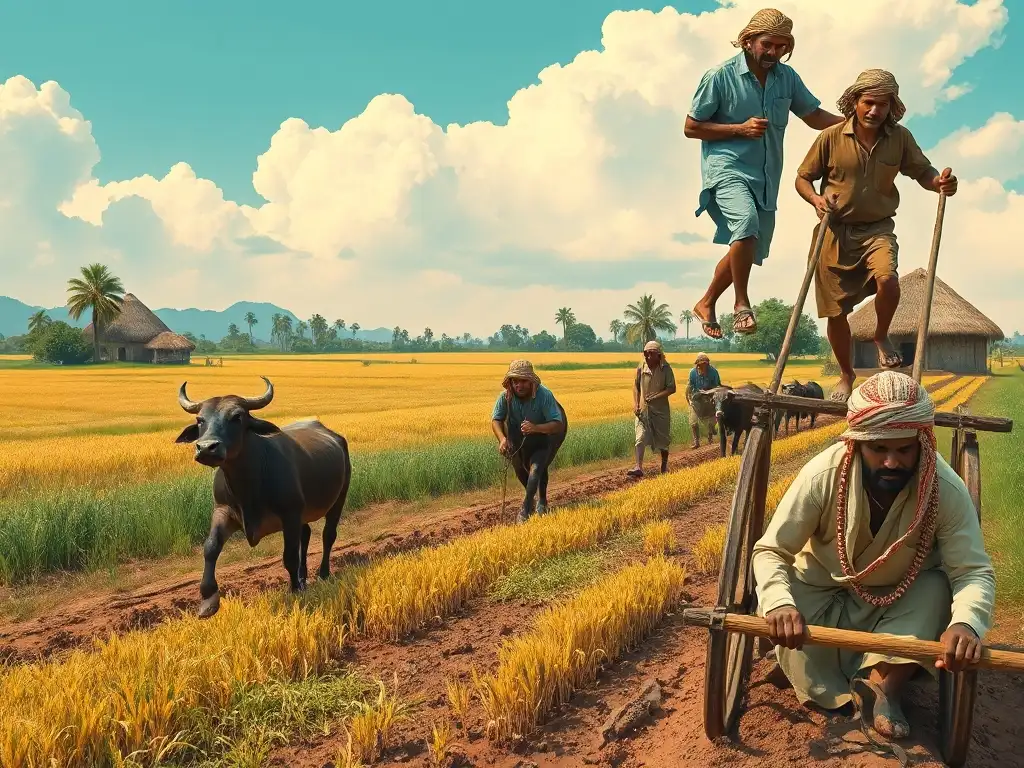
The origins of agriculture in ancient India can be traced back to prehistoric times, where early hunter-gatherer societies gradually transitioned to settled farming communities. This shift marked a crucial turning point in human history, allowing for the growth of civilizations.
The Indus Valley Civilization: Pioneers of Crop Cultivation
The Indus Valley Civilization (circa 3300–1300 BCE) is renowned for its advanced urban planning and sophisticated agricultural practices. This civilization is often credited with pioneering crop cultivation techniques that would influence subsequent societies. Archaeological evidence suggests:
- Planned Farming Areas: Fields were systematically laid out in relation to water sources, optimizing irrigation.
- Use of Tools: The development of plows and sickles improved efficiency in planting and harvesting.
These innovations not only boosted agricultural productivity but also fostered a stable and prosperous society.
Key Crops and Cultivation Methods in the Indus Valley
The agricultural landscape of the Indus Valley was diverse, with a variety of crops cultivated, including:
- Wheat and Barley: Staple grains that formed the basis of the diet.
- Pulses and Legumes: Essential for protein and soil enrichment.
- Cotton: One of the earliest examples of cotton cultivation, contributing to textile production.
Cultivation methods included floodplain farming and terracing, which enhanced soil moisture retention and reduced erosion. These techniques exemplified the ingenuity of ancient farmers and their ability to adapt to environmental challenges.
The rise and fall of crop cultivation techniques in ancient Indian civilizations reveal a complex interplay of innovation, adaptation, and cultural significance. As we delve deeper into the various aspects of these agricultural practices, we can appreciate the profound impact they had on shaping the trajectory of ancient Indian society.
Advancements in Crop Cultivation Techniques
The evolution of crop cultivation techniques in ancient India showcases a remarkable journey of innovation and adaptation to the environmental conditions and socio-economic needs of various civilizations. From the sophisticated agricultural practices of the Indus Valley Civilization to the more advanced techniques of the Gupta Empire, these advancements played a crucial role in enhancing agricultural productivity and sustaining growing populations.
One significant advancement was the introduction of irrigation systems that transformed the way agriculture was practiced. Water management techniques such as canals, wells, and reservoirs facilitated the effective use of water resources, particularly in arid regions. Alongside irrigation, the development of agricultural tools and implements allowed farmers to cultivate land more efficiently, increasing the yield per acre.
Moreover, ancient Indian farmers began to adopt practices such as crop rotation and soil management, which not only enhanced soil fertility but also mitigated the risks of crop failure. These techniques laid the foundation for sustainable agricultural practices that would influence subsequent generations.
Introduction of Irrigation Systems in Ancient India
Irrigation systems were a cornerstone of agricultural advancements in ancient India, particularly during the Indus Valley Civilization (circa 3300–1300 BCE). Evidence suggests that this civilization developed an elaborate network of canals to manage water from the Indus River, enabling them to cultivate crops in a semi-arid environment.
The use of irrigation allowed for the cultivation of staple crops such as wheat, barley, and pulses, which were essential for sustaining large urban populations. Later civilizations, including those during the Maurya and Gupta periods, further refined these systems, implementing techniques like bunding and channeling water to ensure that fields received adequate moisture.
These irrigation practices not only increased crop yields but also allowed for the cultivation of diverse crops, contributing to the overall agrarian economy. The successful management of water resources became a vital aspect of ancient Indian agriculture, influencing land use patterns and settlement structures.
Use of Tools and Implements in Agriculture
The evolution of agricultural tools and implements marked a significant milestone in the history of ancient Indian crop cultivation. Early farmers utilized simple implements made from wood and stone, including plows, sickles, and hoes, which enabled them to till the land and harvest crops more efficiently.
As civilizations progressed, metallurgy introduced more durable tools made from iron and bronze. The iron plowshare, for instance, revolutionized farming practices by allowing deeper tillage, which improved soil aeration and nutrient uptake. Additionally, the sickle became an indispensable tool for harvesting grain, allowing for quicker and more efficient crop collection.
The craftsmanship of these tools varied across regions, reflecting local agricultural practices and crop types. The availability of advanced implements significantly impacted productivity, ultimately leading to surplus production, trade, and the growth of urban centers.
Crop Rotation and Soil Management Practices
Crop rotation and soil management practices emerged as essential strategies to maintain soil fertility and optimize crop yields in ancient Indian agriculture. By alternating different crops in a systematic manner, farmers could prevent soil depletion and reduce the incidence of pests and diseases.
For instance, legumes were often rotated with cereal crops, as they naturally enrich the soil with nitrogen, enhancing fertility for the following planting season. Such practices were well-documented in ancient texts, indicating a sophisticated understanding of sustainable agriculture.
Additionally, ancient Indian farmers employed various soil management techniques, such as adding organic matter and compost to enrich the soil. These practices not only improved soil health but also contributed to long-term agricultural sustainability, ensuring that generations could rely on the land for their livelihoods.
The Impact of Religion and Culture on Crop Cultivation
The intersection of religion and culture with agriculture in ancient India significantly influenced farming practices. Spiritual beliefs and cultural rituals often dictated agricultural cycles, creating a framework that shaped the agricultural landscape.
Agricultural Rituals and Their Significance
Agricultural rituals played a vital role in ancient Indian society, reflecting the deep spiritual connection between people and the land. Farmers engaged in various rites to seek blessings for favorable weather, abundant harvests, and protection from calamities.
Rituals such as the Aashirwad, where prayers were offered to deities for bountiful crops, were commonplace. These practices not only fostered community bonds but also established a cultural framework that emphasized the importance of agriculture in sustaining life. The cyclical nature of these rituals often aligned with the agricultural calendar, reinforcing the connection between spirituality and farming.
Through these rituals, communities expressed gratitude for the bounty of the earth, reinforcing their dependence on the land while cultivating a sense of responsibility towards sustainable practices.
Influence of Mythology on Farming Practices
Mythology and folklore significantly influenced farming practices in ancient India, with various deities representing agricultural aspects such as fertility, harvest, and the protection of crops. The worship of agricultural deities like Parvati, the goddess of fertility, and Indra, the god of rain, reflected the community's reliance on divine intervention for successful harvests.
Stories surrounding these deities often contained valuable agricultural knowledge, passed down through generations in the form of myths and legends. Farmers would invoke these deities through rituals and offerings, believing that their favor would ensure prosperous yields.
The intertwining of mythology with agriculture not only provided cultural identity but also served as an educational tool, imparting wisdom about seasonal cycles and best farming practices. This cultural significance placed agriculture at the heart of ancient Indian civilization, underscoring its role in societal development.
The Decline of Traditional Crop Cultivation Techniques
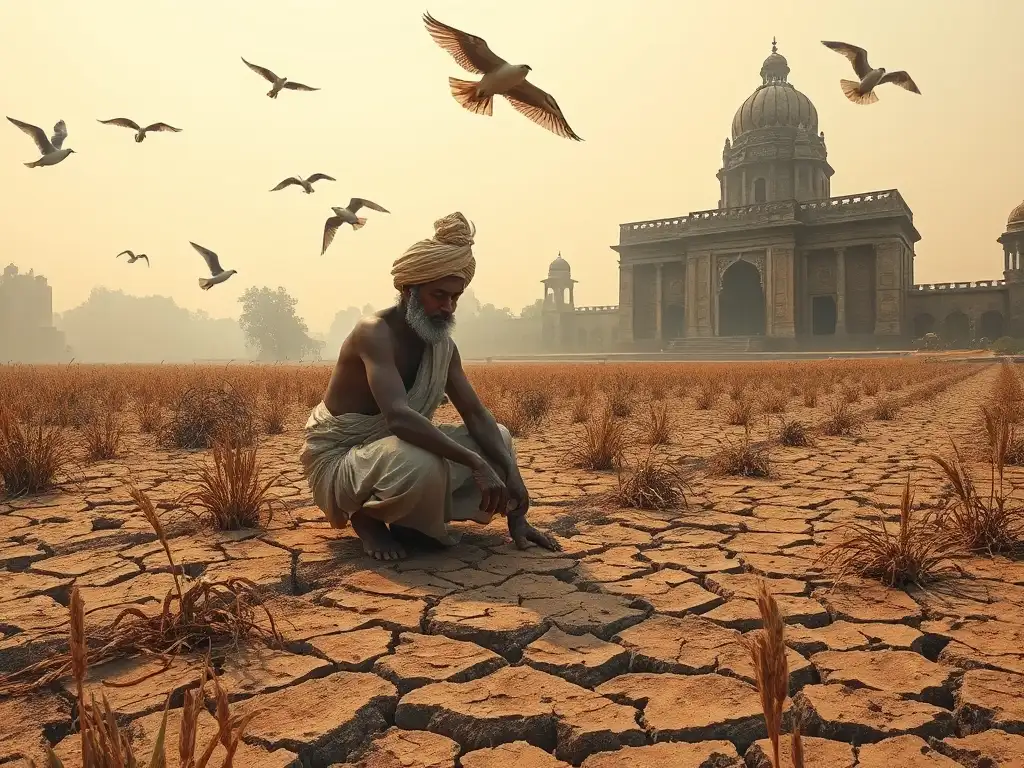
The decline of traditional crop cultivation techniques in ancient Indian civilizations can be attributed to a confluence of factors that disrupted the agricultural practices honed over centuries. These techniques, which were once integral to sustaining communities, faced significant challenges due to environmental, political, and economic shifts. As regions evolved and external influences permeated societal structures, the ancient practices began to deteriorate, leading to a transformation in agricultural methodologies.
Environmental Changes and Their Effects on Agriculture
Environmental changes played a pivotal role in the decline of traditional crop cultivation techniques. Fluctuations in climate, such as droughts and floods, profoundly affected crop yields. For instance, the transition from the favorable climatic conditions of the Indus Valley Civilization to more arid conditions posed challenges for traditional irrigation methods that relied heavily on seasonal patterns.
- Diminished Water Resources: The drying up of rivers like the Sarasvati led to reduced agricultural output, compelling farmers to abandon established crops in favor of more resilient varieties.
- Soil Degradation: Over-farming and deforestation resulted in soil erosion, diminishing soil fertility and impacting crop production.
These environmental challenges necessitated adaptations in farming practices, leading to the gradual decline of the traditional techniques that had been successfully employed for generations.
Invasions and Agricultural Disruption
Invasions throughout ancient Indian history also contributed significantly to the decline of traditional crop cultivation techniques. The arrival of foreign powers, such as the Aryans and later, the Mughals, introduced new agricultural practices and crops but also disrupted existing systems.
- Disruption of Local Systems: Invasions often led to the destruction of established irrigation systems and the displacement of local farmers. This disruption made it difficult for communities to maintain their traditional cultivation methods.
- Introduction of New Crops: While some invasions brought beneficial crops like maize and potatoes, they often undermined the native agricultural systems, leading to a reliance on new practices that were not suited to local conditions.
As a result, the focus shifted away from traditional techniques, leading to a gradual decline in their use and knowledge.
Shift in Focus: From Subsistence to Commercial Agriculture
The shift from subsistence farming to commercial agriculture marked a significant turning point in ancient Indian crop cultivation. As trade routes expanded and markets developed, there was an increasing demand for cash crops, which influenced farming practices.
- Market Demand: Farmers began to prioritize crops that would yield higher profits, such as cotton and sugarcane, over traditional staples like barley and millet. This shift often led to monoculture farming, reducing biodiversity and the resilience of the agricultural system.
- Economic Pressures: The integration of agriculture into a broader economic framework forced farmers to adapt to new market demands, undermining the traditional techniques that had sustained their communities for centuries.
This transformation altered the agricultural landscape of ancient India, leading to a decline in traditional practices that had once been essential for local food security.
The Legacy of Ancient Indian Crop Cultivation Techniques
Despite the decline of traditional crop cultivation techniques, the legacy of these practices remains evident in contemporary agriculture. The methods developed by ancient civilizations continue to influence modern farming practices, demonstrating the resilience of these techniques.
Influence on Modern Agricultural Practices in India
The ancient Indian crop cultivation techniques laid the groundwork for many modern agricultural practices. Techniques such as crop rotation, intercropping, and organic farming can trace their origins back to ancient methods.
- Sustainable Practices: Many of the principles of sustainable agriculture, such as maintaining soil health through natural fertilizers and biodiversity, were practiced by ancient farmers. These techniques are now being revived and integrated into modern farming to enhance sustainability.
- Regional Varieties: The preservation of indigenous crop varieties that were cultivated in ancient times contributes to the richness of India’s agricultural diversity today. Modern farmers are increasingly recognizing the value of these traditional varieties in adapting to climate change.
The integration of these ancient techniques into contemporary practices underscores their enduring relevance in the face of modern agricultural challenges.
Preservation of Traditional Techniques in Contemporary Farming
Efforts to preserve traditional crop cultivation techniques in contemporary farming have gained momentum as communities seek to reconnect with their agricultural heritage. Initiatives aimed at reviving these methods highlight their importance for cultural identity and sustainability.
- Community Farming Initiatives: Various programs promote the revival of traditional techniques through community engagement, educating younger generations about the importance of these practices for food security and ecological balance.
- Documentation and Research: Scholars and agriculturalists are increasingly documenting traditional practices to ensure their preservation for future generations. Research into ancient techniques has revealed their potential benefits in modern agricultural systems.
This preservation movement not only honors the legacy of ancient Indian crop cultivation techniques but also emphasizes their significance in fostering sustainable agricultural practices in the present day.
Conclusion: The Evolution of Crop Cultivation in Ancient India
The journey of crop cultivation in ancient India is a testament to the ingenuity and adaptability of its civilizations. From the early agrarian communities of the Indus Valley, where sophisticated irrigation and drainage systems were developed, to the advanced farming techniques of the Gupta Empire, ancient Indian societies exhibited a profound understanding of agricultural practices.
The evolution of these techniques reflects not only changes in climate and geography but also the socio-economic and cultural dynamics of the times. Ancient texts, archaeological findings, and historical accounts reveal a continuous quest for improved yields, crop diversity, and sustainability, showcasing a rich agricultural legacy that laid the groundwork for modern farming practices.
As we trace the rise and fall of various crop cultivation techniques, it becomes evident that factors such as invasions, environmental shifts, and trade influenced agricultural practices. The decline of certain methods often opened avenues for innovation, leading to the introduction of new crops and techniques that enriched the agricultural landscape. The resilience displayed by ancient Indian farmers in adapting to challenges serves as an inspiring narrative of survival and ingenuity. This history underscores the need to appreciate and learn from the agricultural heritage that has shaped India’s landscape and its economy for millennia.
Reflection on the Importance of Agricultural Heritage
Agricultural heritage in ancient India is not merely an aspect of historical interest; it is a cornerstone of cultural identity and economic sustainability. The techniques developed by ancient farmers demonstrate a deep connection to the land, showcasing an understanding of local ecosystems that is often overlooked in modern practices. The use of traditional methods such as crop rotation, mixed farming, and organic pest control reflects a sustainable approach to agriculture that aligns well with contemporary environmental concerns.
Additionally, this heritage is embedded within the social fabric of various communities, influencing festivals, rituals, and culinary traditions. The importance of agricultural practices can be seen in the reverence for the monsoon, the celebration of harvest festivals, and the role of farming in community cohesion. Recognizing and preserving this agricultural legacy is crucial for fostering a sense of identity and ensuring food security in a rapidly changing world.
Future Perspectives on Ancient Techniques and Sustainable Practices
Looking ahead, the ancient crop cultivation techniques of India offer valuable insights into sustainable agriculture. As the global community faces challenges such as climate change, soil depletion, and food insecurity, revisiting these traditional methods could provide alternative solutions that are both effective and environmentally friendly. Practices such as polyculture, intercropping, and organic farming, which were prevalent in ancient times, are gaining renewed interest for their potential to enhance biodiversity and soil health.
Moreover, the integration of modern technology with ancient wisdom can lead to innovative agricultural solutions. For instance, the application of precision farming techniques alongside traditional knowledge can optimize resource use and improve crop yields. As researchers and policymakers explore ways to make agriculture more sustainable, the lessons learned from ancient Indian crop cultivation techniques can serve as a guiding framework for developing resilient agricultural systems that honor the past while addressing the future. Embracing this dual approach not only preserves cultural heritage but also champions sustainability in agriculture, benefitting both present and future generations.
- Introduction to Ancient Indian Crop Cultivation Techniques
- Overview of Agricultural Practices in Ancient India
- Importance of Crop Cultivation in Early Civilizations
- The Early Beginnings of Agriculture in Ancient India
- Advancements in Crop Cultivation Techniques
- The Impact of Religion and Culture on Crop Cultivation
- The Decline of Traditional Crop Cultivation Techniques
- The Legacy of Ancient Indian Crop Cultivation Techniques
- Conclusion: The Evolution of Crop Cultivation in Ancient India
- What are some key crop cultivation techniques used in ancient India?
- How did the Indus Valley Civilization influence crop cultivation?
- What role did the Gupta Empire play in the development of agriculture?
- Were ancient Indian crop cultivation techniques environmentally sustainable?
- How have ancient techniques influenced modern agricultural practices in India?
Frequently Asked Questions
What are some key crop cultivation techniques used in ancient India?
Ancient Indian civilizations employed various agricultural methods such as irrigation, crop rotation, and mixed farming to enhance productivity and sustainability.
How did the Indus Valley Civilization influence crop cultivation?
The Indus Valley Civilization is known for its advanced irrigation systems and urban planning, which significantly improved agricultural outputs and supported large populations.
What role did the Gupta Empire play in the development of agriculture?
During the Gupta Empire, there was a notable advancement in agricultural technologies, including the use of plows and fertilizers, leading to increased crop yields and economic prosperity.
Were ancient Indian crop cultivation techniques environmentally sustainable?
Many ancient techniques, such as permaculture and organic farming, emphasized sustainability and soil health, promoting a balanced relationship with nature.
How have ancient techniques influenced modern agricultural practices in India?
Modern farming in India still reflects ancient practices, with an emphasis on crop diversity, sustainable methods, and community-based agriculture, ensuring the continuation of these cultural legacies.
Final Reflection: The Enduring Legacy of Ancient Indian Crop Cultivation Techniques
The evolution of ancient Indian crop cultivation techniques is not just a historical narrative; it is a testament to human ingenuity and adaptation. As we navigate the complexities of modern agriculture, the lessons learned from these ancient practices resonate more than ever. The sustainable methods employed by our ancestors remind us that innovation does not always mean abandoning tradition; sometimes, it means revisiting and revitalizing time-tested techniques that honor the land and its resources.
Crop cultivation in ancient India has profoundly shaped our cultural and social landscapes, influencing everything from dietary habits to economic structures. The wisdom embedded in these practices continues to inspire contemporary agricultural movements that prioritize sustainability and ecological balance. As Mahatma Gandhi once said, “To forget how to dig the earth and to tend the soil is to forget ourselves.” This quote encapsulates the essence of our connection to the land and the importance of preserving agricultural knowledge that has been passed down through generations.
As we reflect on the rise and fall of these ancient techniques, I invite you to consider how you can incorporate the principles of sustainability and respect for nature into your own life. What lessons can you draw from the past to inform your choices today?
Whether it’s through supporting local farmers, practicing mindful consumption, or even exploring your own gardening endeavors, each small action contributes to a larger movement towards a more sustainable future. Let us honor the legacy of ancient Indian crop cultivation techniques by nurturing our relationship with the earth and ensuring that these invaluable lessons are not lost to time.
Revive Your Understanding of Ancient Agriculture!
Thank you for diving into the fascinating world of ancient Indian crop cultivation! You’ve uncovered the rich tapestry of techniques that shaped civilizations. Now, it's time to take your interest further and explore how these practices can inspire modern agriculture.
Here are some practical steps you can take right now:
- Rediscover ancient practices by experimenting with small-scale gardening techniques inspired by traditional methods. Consider growing heirloom seeds or integrating companion planting into your garden.
- Share your insights with friends and family! Organize a discussion group or a community workshop to delve into ancient techniques and their relevance in today's context.
- Engage with online forums or local history groups to exchange knowledge and personal experiences regarding ancient agricultural practices—connect with others who share your enthusiasm!
As you contemplate these actions, consider this: How can the wisdom of ancient agronomy help us tackle the challenges of modern agriculture today? We invite you to share your thoughts in the comments below!