
Ancient Indian Farming Methods: A Blend of Tradition and Innovation

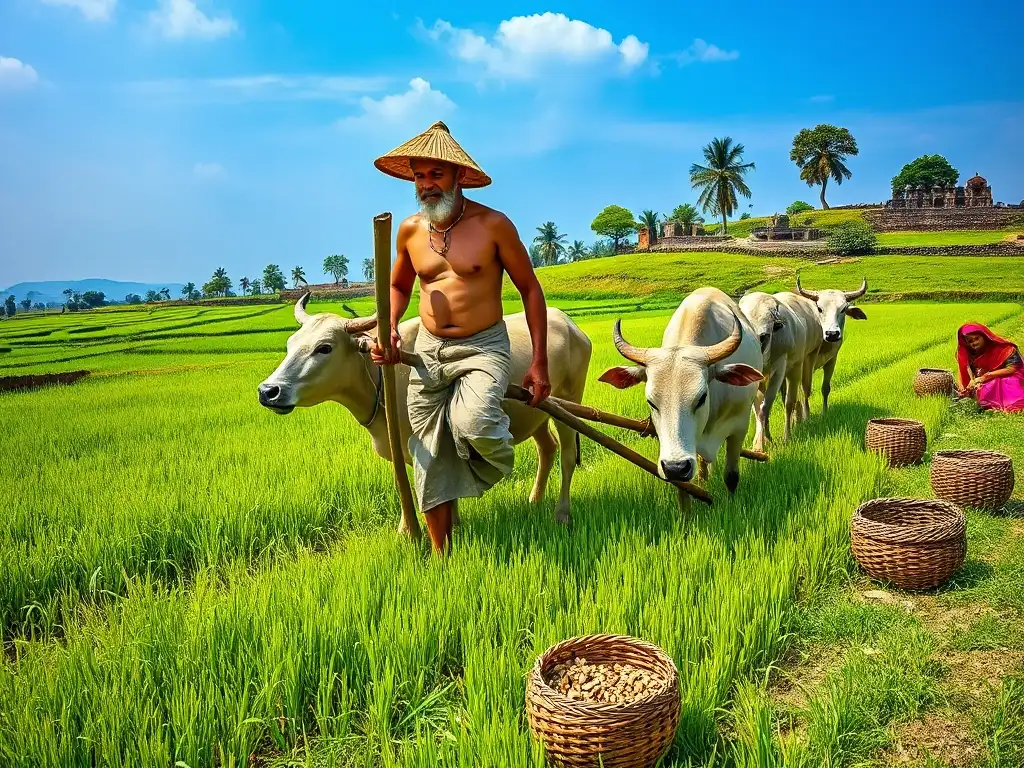
Welcome to Ancient India History, where we embark on an extraordinary journey through the rich tapestry of ancient Indian civilizations. Here, we delve into the innovative farming techniques that not only shaped the landscape of agriculture but also laid the groundwork for economic prosperity. Discover how these time-honored practices reflect a harmonious blend of tradition and ingenuity, as we unravel the secrets behind ancient Indian farming methods.
Prepare to be captivated by the stories of resilience and resourcefulness that have endured through centuries, inviting you to explore the profound impact of these techniques on society and culture. Join us as we dig deeper into this fascinating chapter of history!
-
Ancient Indian Farming Techniques: A Blend of Tradition and Innovation
- Introduction to Ancient Indian Farming Methods
- Historical Context of Ancient Indian Farming
- Traditional Farming Techniques of Ancient India
- Integration of Innovation in Ancient Farming
- Cultural Significance of Farming Practices
- Conclusion: Legacy of Ancient Indian Farming Techniques
- References and Further Reading
-
Frequently Asked Questions
- What were some traditional farming techniques used in ancient India?
- How did the Indus Valley Civilization influence ancient farming?
- What role did monsoons play in ancient Indian agriculture?
- How did the Gupta Empire contribute to farming advancements?
- Are there any modern applications of ancient Indian farming techniques?
- Final Reflection: Embracing the Wisdom of Ancient Indian Farming Techniques
- Embrace the Wisdom of Ancient Farming!
Ancient Indian Farming Techniques: A Blend of Tradition and Innovation
Introduction to Ancient Indian Farming Methods
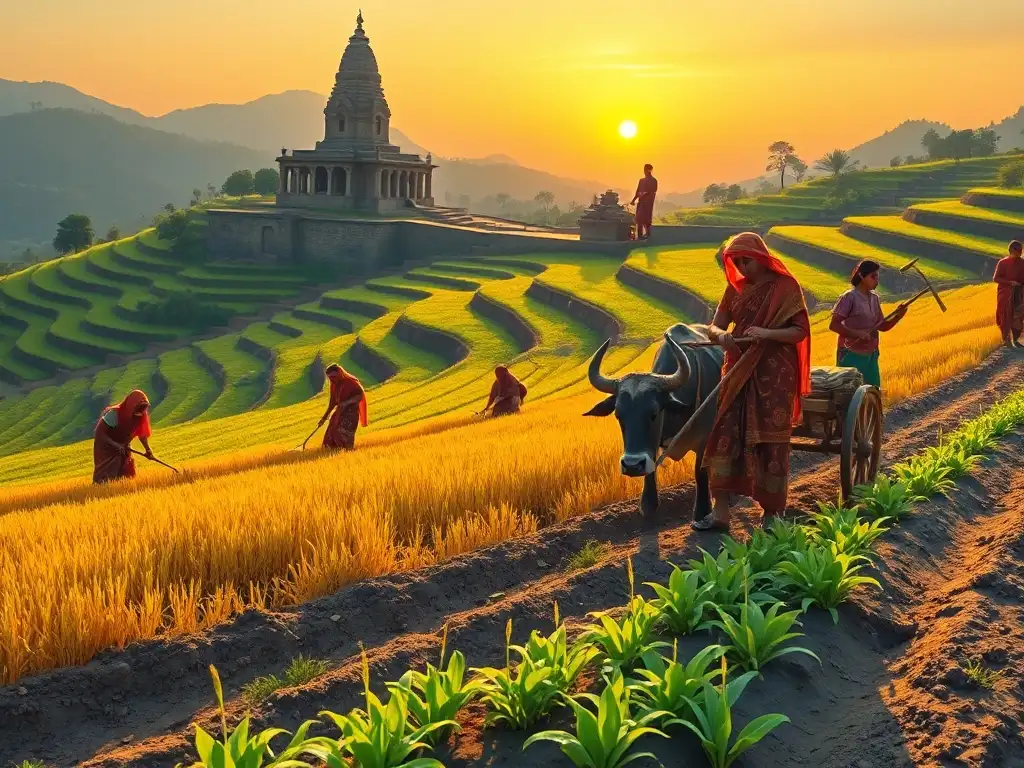
Ancient Indian farming techniques represent a remarkable convergence of tradition and innovation, reflecting the agricultural practices that have sustained diverse communities for millennia. The evolution of these methods is a testament to the ingenuity and adaptability of ancient Indian civilizations, which thrived in varied geographical landscapes, from the fertile plains of the Indus Valley to the rugged terrains of the Deccan Plateau.
This article delves into the intricate farming practices that laid the foundation for India's agricultural heritage, highlighting the unique approaches to crop cultivation and harvesting that were developed over centuries. By exploring the agricultural techniques of ancient India, we gain valuable insights into how these practices have influenced modern agriculture and continue to resonate in contemporary farming methods.
Historical Context of Ancient Indian Farming
To understand the significance of ancient Indian farming techniques, it is essential to examine the historical context in which they developed. India's agricultural practices can be traced back to some of the earliest civilizations, where farming was not merely a means of sustenance but a way of life intertwined with culture, religion, and social structure. The evolution of these techniques was shaped by various factors, including climate, geography, and the socio-economic conditions of the time.
The Indus Valley Civilization and Agriculture
The Indus Valley Civilization (c. 3300–1300 BCE) stands out as one of the earliest urban cultures to adopt advanced agricultural practices. Archaeological evidence suggests that the inhabitants of this civilization cultivated a variety of crops, including wheat, barley, peas, and cotton, utilizing sophisticated irrigation methods. The use of canals and wells to manage water resources demonstrates their understanding of hydrology and agricultural engineering.
Key features of agriculture in the Indus Valley include:
- Crop Rotation: Farmers practiced crop rotation to maintain soil fertility and optimize yields.
- Terracing: The construction of terraces on hillsides helped to prevent soil erosion and maximize arable land.
- Seed Selection: Evidence of selective seed cultivation indicates a sophisticated understanding of genetics and plant breeding.
These innovative practices laid the groundwork for agricultural advancements that would follow in subsequent periods.
Farming in the Vedic Period
Following the decline of the Indus Valley Civilization, the Vedic period (c. 1500–500 BCE) marked another significant phase in the evolution of ancient Indian farming techniques. During this time, agriculture became deeply intertwined with the cultural and religious life of the people, as reflected in Vedic texts.
Key aspects of farming during the Vedic period include:
- Plough Technology: The introduction of the wooden plough revolutionized farming, allowing for deeper tillage and more efficient soil preparation.
- Rituals and Agriculture: The agricultural calendar was closely linked to religious festivals, with rituals performed to ensure bountiful harvests.
- Diverse Crop Cultivation: Farmers began to cultivate a wider variety of crops, including rice, millet, and pulses, reflecting an adaptation to different climatic conditions across regions.
The Vedic period laid the foundation for more complex agricultural systems that would emerge in the subsequent eras, blending traditional practices with new innovations to enhance productivity and sustainability.
Traditional Farming Techniques of Ancient India
Ancient Indian farming techniques were characterized by a harmonious blend of traditional knowledge and practices that evolved over centuries. These methods were deeply rooted in the local environment, cultural beliefs, and community needs. Farmers utilized locally available resources and adapted their techniques to the diverse climatic and geographical conditions across the subcontinent. The reliance on traditional knowledge ensured sustainability and resilience in their farming practices, contributing to the agricultural richness of ancient India.
The ancient texts, such as the Arthashastra and various Vedic scriptures, provide insights into these farming methods, highlighting the significance of agriculture in societal structure and economy. Techniques such as intercropping, mixed cropping, and the use of indigenous varieties of seeds were prevalent, reflecting a sophisticated understanding of ecological balance. The traditional farming practices not only focused on maximizing yield but also maintained soil fertility and biodiversity, showcasing a holistic approach to agriculture.
Plowing Techniques and Tools
Plowing was a foundational aspect of ancient Indian agriculture, crucial for preparing the land for sowing crops. Farmers employed various types of plows, primarily constructed from wood, and sometimes reinforced with iron tips. The wooden plow, known as "ardha," was commonly used, which allowed for effective tilling of the soil.
The technique of plowing was often labor-intensive and required the collaboration of multiple farmers or family members. The use of bullocks to pull the plows was widespread, demonstrating the integration of animal power in farming. The practice of "double plowing," where the field was plowed first in one direction and then at right angles, helped in breaking up the soil and improving aeration and water retention.
Additionally, ancient texts describe specialized tools like the "khurpi," used for weeding and loosening soil, and the "sickle," which was essential for harvesting. The innovation in tool design and usage reflects the farmers' understanding of their agricultural needs and the importance of efficient land preparation and crop management.
Irrigation Practices in Ancient India
Irrigation was vital to ancient Indian agriculture, particularly in regions where rainfall was unreliable. The ancient Indians developed sophisticated irrigation systems, including wells, canals, and tanks, which were essential for sustaining agriculture during dry spells.
The construction of step wells, known as "baolis," and large reservoirs facilitated the storage and distribution of water. These systems showcased impressive engineering skills and an understanding of hydrology. Water management was not just a technical endeavor but also a community effort, often involving local governance to maintain and regulate these resources.
In addition to surface irrigation, underground water harvesting techniques were practiced. Farmers dug wells and used simple pumps to access groundwater, allowing them to irrigate their fields effectively. The use of such diverse irrigation methods significantly contributed to crop productivity and stability in food supply.
Crop Rotation and Soil Management
Crop rotation was a fundamental practice in ancient Indian agriculture, aimed at maintaining soil fertility and preventing the depletion of nutrients. Farmers rotated different crops in a systematic manner, allowing the soil to recover and replenish its nutrients. This practice was particularly vital in sustaining productivity over time.
Leguminous crops, such as pulses, were often included in rotation due to their ability to fix nitrogen in the soil, enhancing its fertility. The strategic selection of crops also helped in pest control and reduced the prevalence of crop diseases. Farmers often practiced mixed cropping, planting two or more crops simultaneously in the same field, which further promoted biodiversity and reduced risks associated with crop failure.
Ancient texts emphasize the importance of soil management, advocating for practices like mulching and the use of compost to enhance soil structure and health. These techniques were essential for sustaining agricultural output and ensuring environmental sustainability.
Integration of Innovation in Ancient Farming
The ancient Indian agricultural landscape was not static; it evolved with the integration of innovative practices that complemented traditional methods. As farming needs changed, farmers adapted and adopted new techniques to enhance productivity and efficiency.
Use of Organic Fertilizers and Pest Control
Ancient Indian farmers were pioneers in organic farming, utilizing natural fertilizers and pest control methods to maintain soil health and crop vitality. The use of cow dung, compost, and green manures was common, enriching the soil with essential nutrients while minimizing reliance on synthetic inputs.
Farmers also employed traditional pest control techniques, such as intercropping with aromatic herbs and planting specific plants that deter pests. For instance, the use of neem leaves and turmeric in pest management highlighted an early understanding of the importance of biodiversity in controlling agricultural pests. These practices not only protected the crops but also contributed to the overall ecological balance.
Advanced Seed Selection and Cultivation
Seed selection was a crucial aspect of ancient Indian farming, where farmers practiced selective breeding to develop crop varieties that were resilient to local conditions and diseases. The emphasis on cultivating indigenous seeds ensured that crops were well-adapted to the regional climate and soil characteristics.
Farmers engaged in the observation of plant characteristics to choose seeds that yielded better results, thus enhancing productivity over generations. This knowledge was often passed down through generations, ensuring the preservation of valuable agricultural practices. Techniques like transplanting, which involved moving seedlings to the main field, were employed to improve growth rates and crop yields.
The integration of advanced seed selection and cultivation techniques exemplified the innovative spirit of ancient Indian farmers, paving the way for sustained agricultural success and food security.
Cultural Significance of Farming Practices
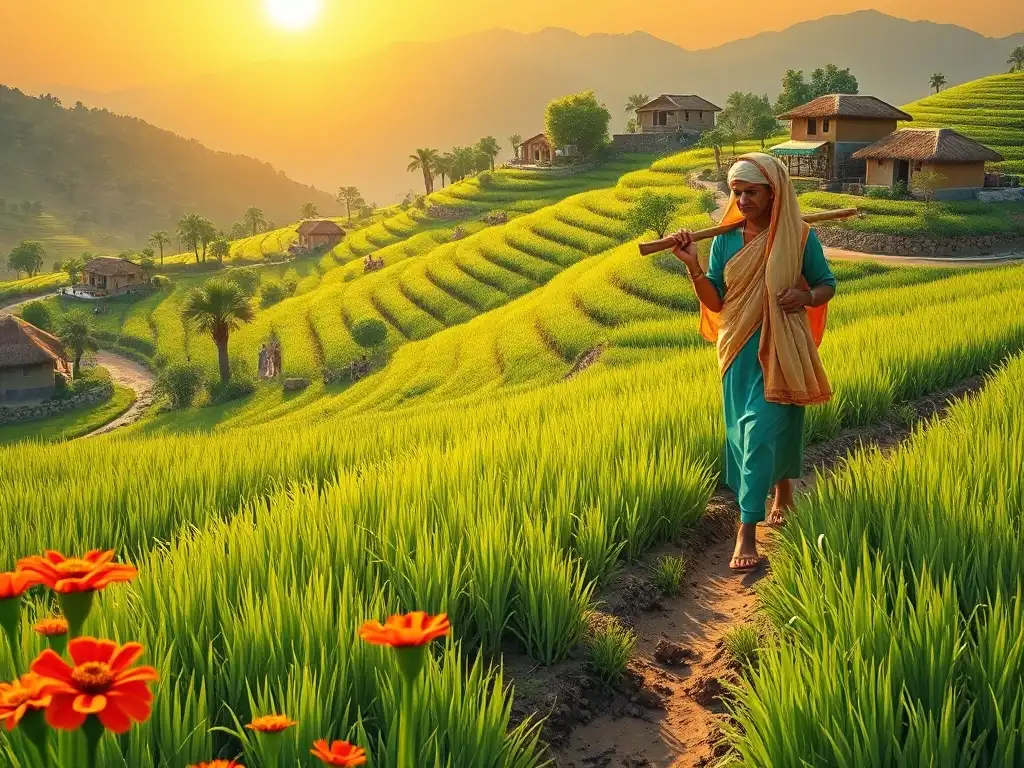
Farming in ancient India was not merely an economic activity; it was deeply intertwined with the cultural and spiritual fabric of society. Agriculture served as the foundation for the civilization's sustenance and growth, influencing social structures, rituals, and community life. The agrarian lifestyle promoted the development of various art forms, festivals, and traditions that celebrated the harvest and the earth's bounty.
The cyclical nature of farming—sowing, cultivating, and harvesting—was reflected in many aspects of life, symbolizing renewal and prosperity. Festivals like Makar Sankranti and Pongal, which mark the harvest season, demonstrate the reverence that ancient Indian societies held for their agricultural practices. Such celebrations fostered a sense of community and encouraged the sharing of resources and knowledge among farmers.
In many villages, the farming calendar dictated social activities, and agricultural deities were worshipped to ensure good harvests. Rituals were performed to invoke blessings for favorable weather and abundant crops, highlighting the spiritual connection between farmers and the land. This cultural significance of farming practices not only shaped the identity of communities but also reinforced the importance of agriculture in sustaining the civilization.
Agriculture in Ancient Religious Texts
Ancient Indian religious texts, including the Vedas and Upanishads, offer insights into the agricultural practices and values of the time. These texts contain references to various crops, farming techniques, and the significance of agriculture in achieving Dharma (moral duty) and Artha (prosperity).
For instance, the Rigveda mentions different types of grains and the importance of cows in farming, symbolizing wealth and agricultural success. The texts emphasize the need for sustainable practices, such as crop rotation and the use of organic fertilizers, reflecting an early understanding of environmental stewardship.
Moreover, the Mahabharata and Ramayana contain narratives that highlight the role of agriculture in the lives of heroes and deities, illustrating the value placed on farming in society. These texts not only serve as historical records but also reinforce the connection between spiritual beliefs and agricultural practices, underscoring their significance in ancient Indian culture.
Community and Cooperative Farming
Community and cooperative farming were foundational to ancient Indian agricultural practices. Villages often operated as collective units where farmers worked together to cultivate land, share resources, and support one another during planting and harvesting seasons. This collaborative approach fostered a strong sense of community and social cohesion.
The system of Kharif and Rabi cropping cycles exemplified this communal effort. Farmers would synchronize their planting and harvesting activities, enabling them to manage risks associated with weather and pest outbreaks more effectively. By pooling resources, such as tools and labor, communities could enhance productivity and ensure food security for all members.
Additionally, ancient texts describe systems of land tenure and shared ownership that facilitated cooperative farming. The practice of Bhoodan, or land donation, further exemplifies this spirit of cooperation, as landowners would voluntarily give portions of their land to landless farmers, promoting equitable agricultural practices.
Conclusion: Legacy of Ancient Indian Farming Techniques
The legacy of ancient Indian farming techniques is profound and enduring. The methods developed during this period laid the groundwork for modern agricultural practices, emphasizing sustainability and community involvement. The techniques, such as crop rotation, intercropping, and the use of organic fertilizers, reflect a sophisticated understanding of agronomy that continues to be relevant today.
The cultural significance of farming in ancient India is evident in the traditions, festivals, and communal practices that have been passed down through generations. These aspects not only highlight the importance of agriculture in sustaining life but also illustrate its role in shaping the values and identities of communities.
As we navigate contemporary challenges in agriculture, the lessons learned from ancient Indian farming techniques can provide valuable insights into sustainable practices that respect both the environment and the community. The intricate relationship between culture and agriculture in ancient India serves as a reminder of the importance of preserving agricultural heritage while innovating for the future.
References and Further Reading
To gain a deeper understanding of ancient Indian farming techniques and their evolution over time, here are some valuable resources that provide extensive insights into the agricultural practices, innovations, and cultural significance of farming in ancient India:
-
Books:
-
"Agriculture in Ancient India" by R. S. Sharma
This book offers an in-depth exploration of agricultural practices in ancient India, highlighting the techniques, tools, and crops that were prevalent during various historical periods.
-
"The History of Indian Agriculture" by R. N. Sahai
A comprehensive account of the agricultural practices in India, this work discusses the transition from ancient to modern farming techniques and the socio-economic impacts of agriculture on Indian society.
-
-
Academic Journals:
-
Journal of Agricultural History
This journal publishes articles and research focusing on the historical aspects of agriculture, including studies on ancient Indian farming methods and their implications on contemporary practices.
-
Indian Journal of History of Science
A scholarly publication that covers various historical topics, including agriculture, offering insights into ancient techniques and their significance in the broader context of Indian civilization.
-
-
Online Resources:
-
The Indian Council of Agricultural Research (ICAR)
The website provides research papers and reports on traditional farming methods, including a section dedicated to ancient practices and their relevance today.
-
Digital Library of India
This resource hosts a vast collection of historical texts, manuscripts, and studies related to ancient Indian agriculture, enabling readers to explore original sources.
-
-
Documentaries and Lectures:
-
"Ancient Indian Agriculture: A Historical Perspective" (Documentary)
This documentary presents visual insights into the farming techniques used in ancient India, featuring interviews with historians and agricultural experts.
-
Lectures by prominent historians
Many universities provide free online lectures that delve into the history of agriculture in India, discussing ancient techniques and their evolution.
-
-
Theses and Dissertations:
- University repositories often contain theses focused on specific aspects of ancient Indian agriculture, including studies on crop rotation, irrigation techniques, and the socio-economic impacts of agricultural innovations.
These resources are essential for anyone interested in exploring the intricate tapestry of ancient Indian farming techniques and their lasting legacy in modern agriculture. They offer a blend of historical context, practical insights, and scholarly analysis that enrich the understanding of this vital aspect of Indian heritage.
Frequently Asked Questions
What were some traditional farming techniques used in ancient India?
Ancient Indian farmers utilized crop rotation, intercropping, and organic fertilizers to enhance soil fertility and maximize yield.
How did the Indus Valley Civilization influence ancient farming?
The Indus Valley Civilization is known for its advanced agricultural practices, including irrigation systems and the cultivation of crops like wheat and barley.
What role did monsoons play in ancient Indian agriculture?
The monsoon season was crucial for ancient Indian farming, providing vital rainfall that supported the growth of crops and sustained agricultural societies.
How did the Gupta Empire contribute to farming advancements?
During the Gupta Empire, innovations such as plow technology and improved water management systems significantly increased agricultural productivity.
Are there any modern applications of ancient Indian farming techniques?
Yes, many modern sustainable practices in agriculture draw inspiration from ancient Indian techniques, emphasizing biodiversity and eco-friendly methods.
Final Reflection: Embracing the Wisdom of Ancient Indian Farming Techniques
The relevance of ancient Indian farming techniques in today's world cannot be overstated; they offer a sustainable blueprint for modern agriculture. As we face pressing challenges such as climate change, soil degradation, and food security, the wisdom embedded in these traditional practices is more crucial than ever. By blending age-old methods with contemporary innovations, we can cultivate a more resilient agricultural future.
Cultural and social landscapes are continuously shaped by the practices we adopt, and ancient Indian farming techniques serve as a testament to the harmony between humanity and nature. These methods not only reflect a deep understanding of local ecosystems but also foster community resilience and biodiversity. To cultivate a sustainable future, we must first honor the wisdom of our past.
This quote encapsulates the essence of how these techniques can guide us toward a more sustainable and equitable agricultural system.
As you reflect on the lessons from ancient Indian farming, consider how you can incorporate these principles into your own life or community. Whether it's advocating for sustainable practices, supporting local farmers, or simply being more mindful of your consumption, every action counts. Let us embrace the wisdom of our ancestors and work together to nurture the land for generations to come.
Embrace the Wisdom of Ancient Farming!
Thank you for embarking on this journey through the fascinating world of ancient Indian farming methods. We hope you’ve discovered the incredible blend of tradition and innovation that has shaped agricultural practices throughout the ages! Now, it’s time to take action and bring a little bit of that ancient wisdom into your life.
Here are some practical steps you can take:
- Implement sustainable practices in your garden or community by adopting the traditional techniques discussed in this article.
- Explore local workshops or online resources to learn more about organic farming and permaculture, inspired by time-honored methods.
- Share your newfound knowledge with friends and family by engaging in discussions about these practices or spreading the word on social media.
Which ancient farming technique will you try first to cultivate a more sustainable way of living?