
Ancient Indian Inventions That Shaped Agricultural Practices

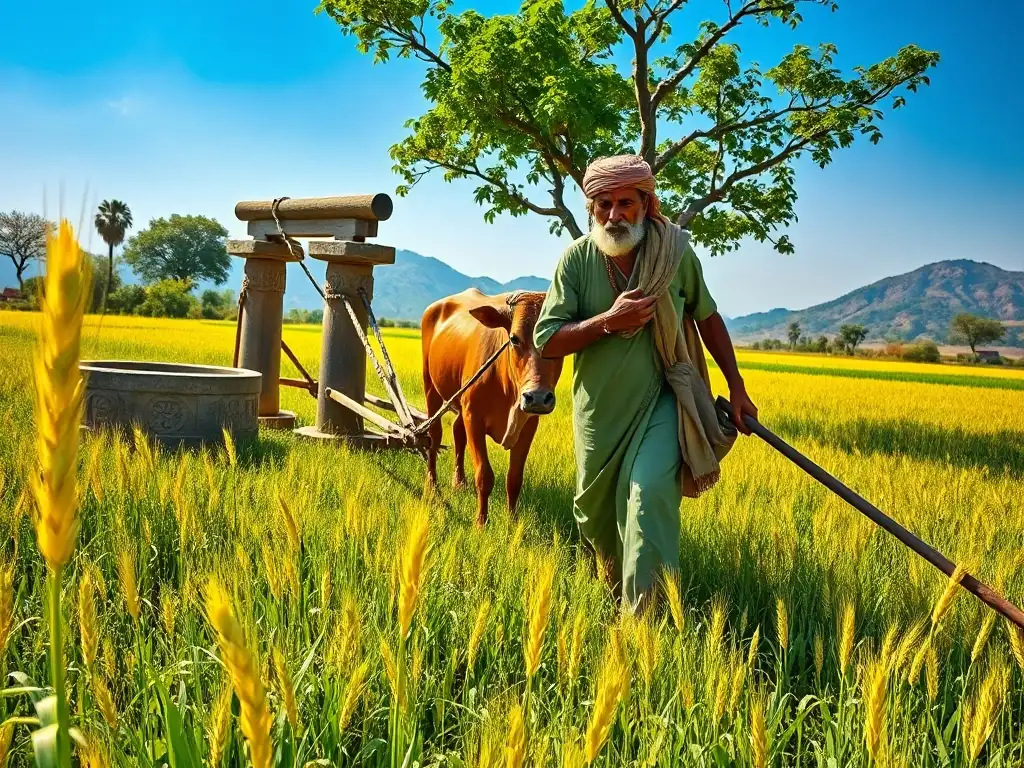
Welcome to Ancient India History, where we take you on an enlightening journey through the vibrant tapestry of ancient Indian civilizations. From the ingenious innovations of the Indus Valley to the remarkable advancements of the Gupta Empire, every era has contributed to a legacy that shapes our world today. In our featured article, we delve into the fascinating realm of ancient Indian agricultural inventions, revealing how these groundbreaking practices not only revolutionized farming techniques but also laid the foundation for sustainable economies.
Prepare to uncover the untold stories and extraordinary contributions that have influenced agricultural practices across the globe. Dive in and explore the remarkable heritage that is waiting to be discovered!
- Introduction to Ancient Indian Agricultural Inventions
- Key Ancient Indian Agricultural Inventions
- Ancient Indian Tools and Technologies
- The Impact of Ancient Indian Inventions on Agriculture
- Comparative Analysis: Ancient Indian Agricultural Innovations vs. Other Civilizations
- Conclusion
-
Frequently Asked Questions
- What are some key ancient Indian agricultural inventions?
- How did ancient Indian civilizations contribute to agricultural practices?
- What role did the Indus Valley Civilization play in agriculture?
- How did the Gupta Empire influence agricultural advancements?
- Are there any specific inventions that are still used today?
- Final Reflection: The Enduring Legacy of Ancient Indian Agricultural Inventions
- Unveil the Treasures of Ancient Agriculture!
Introduction to Ancient Indian Agricultural Inventions
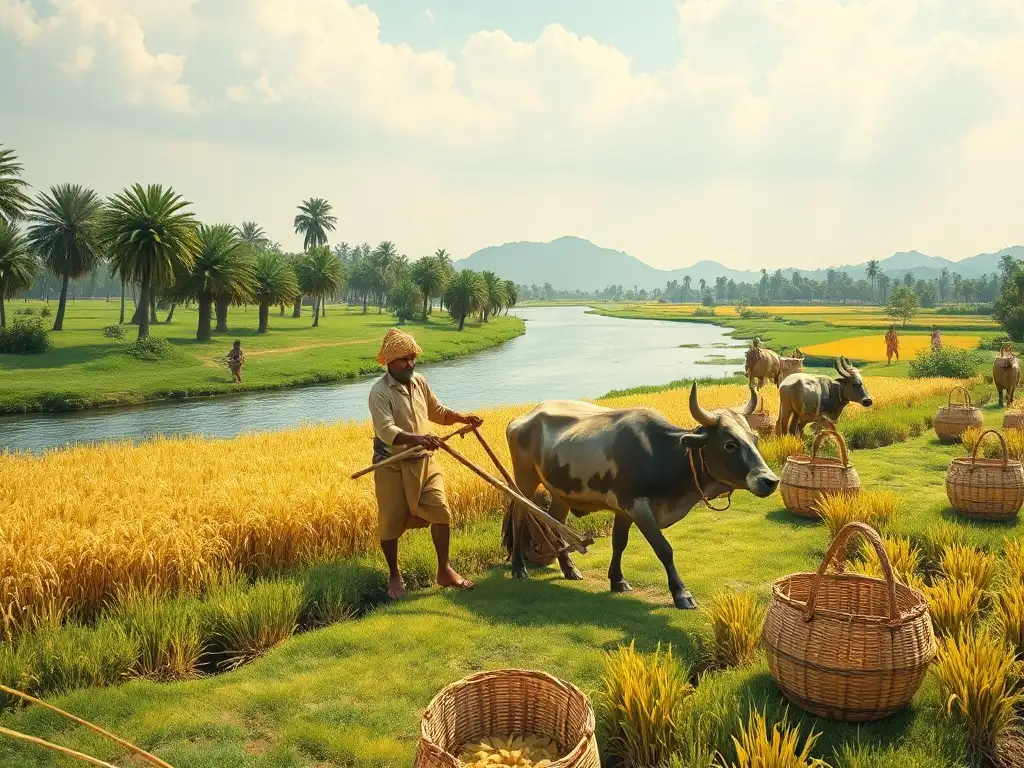
Agriculture has always been a cornerstone of civilization, and in ancient India, it played a pivotal role in shaping society, economy, and culture. The ancient Indian agricultural inventions not only enhanced productivity but also laid the foundation for sustainable farming practices that would influence generations to come.
From the fertile banks of the Indus Valley to the expansive fields nurtured during the Gupta Empire, the innovations in agriculture were instrumental in supporting a growing population and fostering trade. This article delves into the remarkable contributions of ancient Indian civilizations to agricultural practices, highlighting their ingenuity and the lasting impact of their inventions.
Importance of Agriculture in Ancient India
Agriculture was not merely a means of sustenance in ancient India; it was the lifeblood of communities. The reliance on farming led to the development of complex societies and urban centers. Some key points illustrating the importance of agriculture include:
- Economic Foundation: Agriculture provided the primary source of income for many families, leading to the rise of trade and commerce.
- Cultural Significance: Many festivals and traditions in ancient Indian culture were tied to agricultural cycles, reflecting the deep connection between the people and the land.
- Food Security: Innovations in agricultural practices ensured a steady food supply, which was crucial for the survival and growth of civilizations.
Overview of Innovations in Agricultural Practices
The ingenuity of ancient Indian farmers led to several groundbreaking agricultural inventions that significantly advanced their practices. These innovations can be categorized into various aspects:
- Irrigation Techniques:
- Use of canals and wells to manage water resources effectively.
- Development of the Persian wheel (or "Arag") to lift water from wells, enhancing irrigation efficiency.
- Crop Rotation and Diversity:
- Adoption of crop rotation methods to improve soil fertility.
- Introduction of diverse crops, including rice, wheat, and pulses, which contributed to a balanced diet.
- Tools and Implements:
- Creation of advanced plowing tools, such as the ard (a type of plow), which increased tillage efficiency.
- Development of sickles and threshing tools that improved harvesting processes.
These innovations not only increased agricultural productivity but also set the stage for the agricultural practices that would follow in later centuries. The legacy of ancient Indian agricultural inventions continues to influence modern farming techniques and practices, demonstrating the ingenuity and resourcefulness of these early civilizations.
Key Ancient Indian Agricultural Inventions

Ancient Indian civilizations made significant strides in agricultural practices, which not only supported their growing populations but also laid the groundwork for future innovations. Below, we explore some of the most impactful inventions that revolutionized agriculture in ancient India.
The Plough: Revolutionizing Farming Techniques
The plough, a pivotal invention in ancient Indian agriculture, transformed the way land was cultivated. This tool allowed farmers to turn over the soil more efficiently, making it easier to sow seeds and control weeds.
- Design and Materials: Early Indian ploughs were typically made from wood, often crafted from sturdy trees like teak or tamarind. The design was simple yet effective, consisting of a long shaft with a pointed end to penetrate the soil.
- Types of Ploughs: There were variations in plough designs across different regions, including the ard (a simple scratch plough) and the seed drill, which allowed for simultaneous sowing of seeds while tilling the soil.
This innovation not only increased crop yields but also reduced the labor required for farming, thus enabling a shift towards more intensive agricultural practices.
Irrigation Systems: From Canals to Wells
Ancient India was home to sophisticated irrigation techniques that were vital for sustaining agriculture, especially in arid regions. The development of various irrigation systems significantly contributed to crop production.
- Canals: The Indus Valley Civilization is known for its extensive canal systems that diverted river water to fields. These canals facilitated the cultivation of crops like barley and wheat, ensuring a steady water supply.
- Wells and Tanks: In addition to canals, ancient Indians constructed wells and tanks to store rainwater, which could be used during dry spells. These structures were often made using advanced engineering techniques, showcasing the ingenuity of ancient Indian agriculturalists.
- Impact on Society: The implementation of these irrigation systems allowed for multiple cropping cycles throughout the year, enhancing food security and supporting larger populations.
Crop Rotation: Enhancing Soil Fertility
Crop rotation was another critical agricultural practice developed in ancient India, aimed at improving soil health and maximizing yields.
- Principle of Crop Rotation: This technique involves alternating the type of crops grown in a specific field over different seasons. By rotating crops, farmers could prevent soil depletion and reduce the build-up of pests and diseases.
- Common Rotations: Farmers often practiced a cycle of legumes and cereals. For instance, planting pulses after a cereal crop not only replenished nitrogen in the soil but also provided a diverse food supply.
- Long-term Benefits: The implementation of crop rotation not only improved soil fertility but also increased resilience against climatic variations, ensuring a stable food supply for ancient Indian societies.
The agricultural inventions of ancient India, including the plough, advanced irrigation systems, and crop rotation, played a crucial role in shaping agricultural practices. These innovations not only enhanced productivity but also contributed to the overall economic stability of ancient Indian civilizations, demonstrating their profound impact on agriculture and society.
Seed Drill: Efficient Planting Methods
The seed drill is one of the most significant inventions attributed to ancient Indian agricultural practices, revolutionizing the way seeds were sown and enhancing crop yields. This tool, which dates back to around the 3rd century BCE, allowed farmers to plant seeds in well-spaced rows at the correct depth, ensuring better germination rates and reducing seed wastage. The concept of the seed drill was so effective that it laid the groundwork for modern agricultural practices.
Functionality and Design
The ancient Indian seed drill consisted of a simple yet ingenious design. It typically featured a hollow tube through which seeds would be dropped as the device was pulled through the field. This tube was attached to a plow-like structure, which created a furrow in the soil. The spacing and depth of the seeds could be adjusted, allowing for a more uniform planting pattern. This method contrasted significantly with the traditional broadcasting technique, where seeds were scattered randomly, often leading to overcrowding and competition among plants.
Advantages of Using the Seed Drill
Using the seed drill brought several advantages to ancient Indian agriculture:
- Improved Seed Placement: By ensuring that seeds were placed at the optimal depth and distance, the seed drill facilitated better moisture retention and nutrient uptake from the soil.
- Reduction in Seed Waste: Since seeds were sown in rows, farmers experienced a notable decrease in seed loss due to trampling or natural elements, which often occurred with broadcasting.
- Enhanced Crop Management: The uniformity in planting allowed for more efficient weeding and harvesting processes, as crops could be managed more effectively.
Cultural Impact
The introduction of the seed drill had a profound impact on ancient Indian society. By boosting agricultural productivity, it contributed to the stability and growth of civilizations, allowing populations to thrive. This advancement not only supported larger communities but also encouraged trade and economic development, as surplus crops could be exchanged or sold.
The seed drill exemplifies how ancient Indian agricultural inventions were not merely tools but were integral to the very fabric of society, influencing lifestyle, economy, and even social structures. The legacy of this invention is evident in modern agricultural techniques, showcasing the enduring influence of ancient innovations on contemporary practices.
Ancient Indian Tools and Technologies
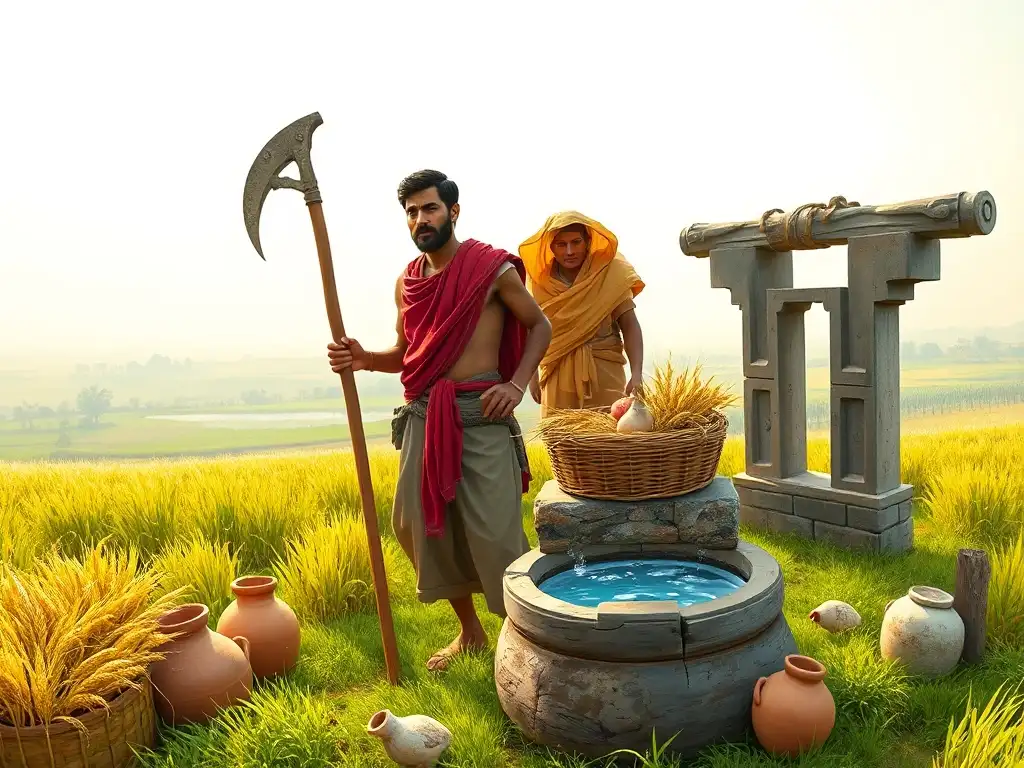
The agricultural advancements in ancient India were pivotal in shaping the farming practices that continue to influence modern methods. These innovations not only catered to the needs of the society at that time but also laid the groundwork for sustainable agricultural practices. This section delves into some of the key tools and technologies developed in ancient India that revolutionized agricultural practices.
Traditional Farming Implements
Ancient Indian farmers utilized a variety of traditional farming implements that were essential for effective cultivation. These tools were crafted from locally available materials and designed to suit the agrarian needs of the community. Some notable implements include:
-
Plough (Hala):
The plough was a fundamental tool in ancient Indian agriculture. Made primarily from wood, it was drawn by oxen to turn the soil, making it more suitable for sowing seeds. Variants of the plough included the ardha and the iron-tipped plough, which enhanced efficiency.
-
Sickle (Dha):
The sickle was an indispensable tool for harvesting crops. Its curved blade allowed farmers to cut grains and grasses swiftly, ensuring minimal damage to the crop. This tool has evolved over time but its basic design remains rooted in ancient practices.
-
Hoe (Khurpi):
Used for weeding and tilling the soil, the hoe was a simple yet effective tool. Farmers would use it to break up hard soil and remove unwanted plants, promoting healthier crop growth.
-
Seed Drill:
The seed drill, though less recognized, was an innovative device that allowed for the systematic sowing of seeds at predetermined depths. This practice enhanced germination rates and reduced seed wastage.
Water Management Devices
Water management was crucial for agricultural success in ancient India, particularly given the varied climatic conditions across the subcontinent. The following devices and methods exemplify the ingenuity of ancient Indian civilizations in harnessing water resources:
-
Stepwells and Baolis:
These structures were designed to access groundwater, especially in arid regions. Stepwells featured stairs leading down to water, while baolis were multi-storied wells that provided water for irrigation and domestic use.
-
Canals and Irrigation Systems:
Ancient Indian farmers constructed canals to divert water from rivers to fields. The use of irrigation techniques helped in maintaining soil moisture, crucial for crop growth in dry seasons.
-
Rainwater Harvesting:
The practice of capturing and storing rainwater was advanced in ancient India. Farmers built tanks and reservoirs that collected rainwater, allowing for its use during drier months.
-
Zai and Contour Farming:
These methods involved creating small pits or ridges to trap rainwater and control erosion on sloped land. This sustainable practice ensured better water retention and reduced soil degradation.
Storage and Preservation Techniques
The ability to store and preserve agricultural produce was vital for ancient Indian societies, particularly for managing surplus and ensuring food security. Several techniques were developed to address these needs:
-
Granaries:
Ancient granaries were constructed using mud and straw, designed to keep grains safe from pests and moisture. These structures were often elevated to prevent flooding and were crucial in maintaining the quality of stored produce.
-
Fermentation:
This technique was employed for preserving various food items. For instance, ancient Indians used fermentation to create pickles and other preserved foods, which enhanced flavor and extended shelf life.
-
Drying and Sun Preservation:
Farmers utilized sunlight for drying fruits, vegetables, and grains. This method not only preserved the food but also concentrated flavors and nutrients.
-
Clay Pots and Jars:
The use of clay vessels for storage was prevalent. These pots were effective in regulating temperature and humidity, creating an ideal environment for the preservation of grains and pulses.
The innovations in tools, water management, and preservation techniques underscore the significance of ancient Indian agricultural inventions in shaping sustainable practices that continue to influence modern agriculture. These contributions reflect the deep understanding that ancient civilizations had of their environment and the importance of agriculture in their socio-economic development.
The Impact of Ancient Indian Inventions on Agriculture

Ancient Indian agricultural inventions laid the groundwork for many modern farming practices and significantly impacted food production, trade, and the overall economy. Through innovative techniques and tools, ancient civilizations demonstrated a deep understanding of their environment, which allowed them to enhance agricultural efficiency and sustainability. Below, we explore the specific impacts of these inventions on various aspects of agriculture.
Increased Crop Yields and Food Security
Ancient Indian civilizations developed several key inventions that directly contributed to increased crop yields. Among these, the introduction of advanced irrigation systems, such as canals and wells, played a critical role. For example, the Indus Valley Civilization is known for its sophisticated drainage and irrigation systems, which allowed for the cultivation of fertile lands even during dry seasons.
- Plough Innovations: The use of the plough, particularly the ard or scratch plough, revolutionized soil preparation. This tool helped farmers to turn over the soil more efficiently, making it easier to plant seeds and improve aeration.
- Crop Rotation: Ancient Indian farmers practiced crop rotation, which helped maintain soil fertility and prevent pest infestations. This method ensured sustainable food production and reduced reliance on a single crop.
These inventions not only increased local food production but also contributed to food security, allowing civilizations to support larger populations and reduce the risk of famine.
Influence on Trade and Economy
The advancements in agricultural practices during ancient times significantly influenced trade and the economy in India. The surplus production of crops enabled farmers to engage in trade, both locally and with neighboring regions.
- Specialization in Crops: Ancient Indians specialized in the cultivation of various crops, including rice, wheat, barley, and pulses, which were often traded. This specialization led to the emergence of trade routes, linking different regions and fostering economic growth.
- Market Development: With increased agricultural output, markets began to flourish. Farmers and traders exchanged goods, leading to the establishment of vibrant marketplaces where agricultural products were sold. This trade not only stimulated the economy but also facilitated cultural exchanges.
The agricultural innovations, therefore, played a pivotal role in shaping the economic landscape of ancient India, laying the foundation for a complex economy driven by agricultural surplus.
Legacy of Agricultural Practices in Modern India
The legacy of ancient Indian agricultural inventions continues to resonate in modern farming practices. Many traditional techniques and tools have been adapted and integrated into contemporary agriculture.
- Irrigation Techniques: Modern irrigation still utilizes principles established by ancient civilizations. Techniques such as drip and sprinkler irrigation can trace their origins back to the innovative systems developed in ancient India.
- Crop Diversity: The practice of crop rotation and mixed cropping, which originated in ancient times, is still prevalent among farmers in India today. These methods enhance soil health and increase resilience against climate variability.
The rich history of ancient Indian agricultural inventions has not only shaped agricultural practices in the past but continues to influence modern agriculture in India. This enduring legacy underscores the importance of preserving and learning from ancient wisdom to address contemporary agricultural challenges.
Comparative Analysis: Ancient Indian Agricultural Innovations vs. Other Civilizations
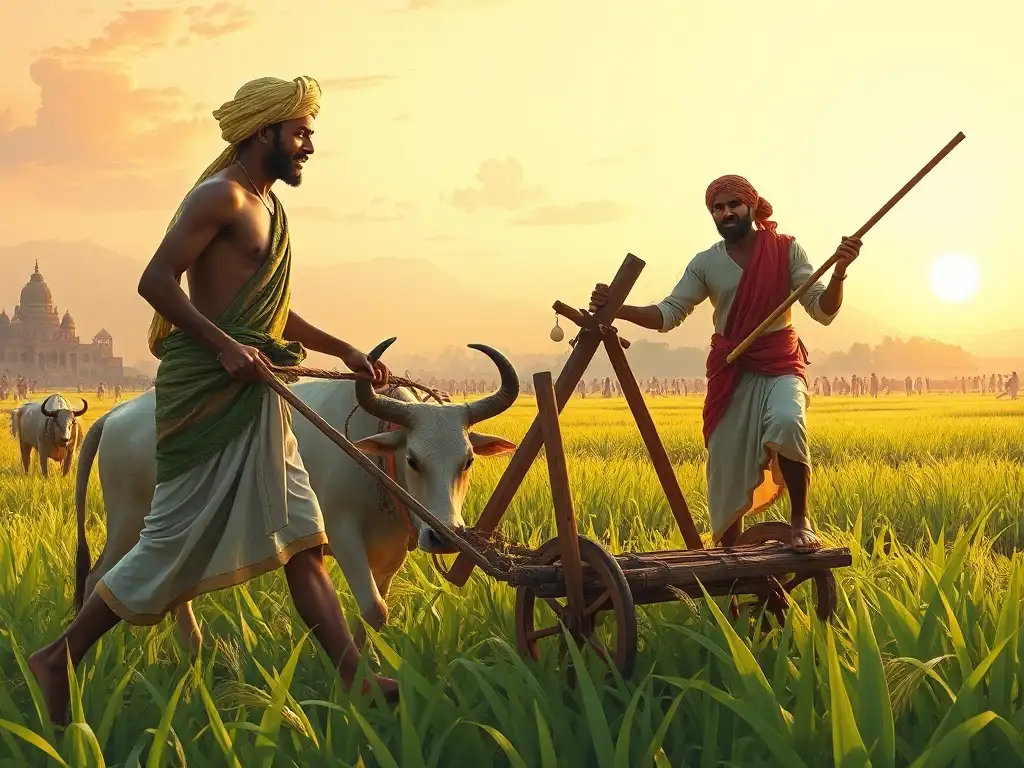
Similarities with Mesopotamian Agricultural Techniques
Ancient Indian agricultural inventions share several similarities with the agricultural techniques developed in Mesopotamia, primarily due to the geographical proximity and the reliance on river systems for irrigation. Both civilizations recognized the importance of harnessing water for crop cultivation, which led to the development of advanced irrigation systems.
Key Similarities:
- Irrigation Systems: Like the Mesopotamians who constructed canals and dikes, ancient Indians developed intricate irrigation networks, utilizing rivers like the Indus and Ganges to enhance agricultural productivity.
- Crop Rotation: Both civilizations practiced crop rotation to maintain soil fertility. Ancient Indians cultivated various crops in different seasons, similar to the alternating crops strategy used in Mesopotamia.
- Use of Fertilizers: The application of organic fertilizers, such as compost and animal manure, was common in both regions. This practice helped improve soil quality and boost crop yields.
- Domestication of Animals: In both societies, animals were domesticated for plowing fields and transporting goods, which played a crucial role in enhancing agricultural efficiency.
Unique Aspects of Indian Innovations
While there are notable similarities, ancient Indian agricultural inventions also exhibited unique characteristics that distinguished them from those of other civilizations.
Distinct Features:
- Innovations in Crop Varieties: Ancient Indians were pioneers in the domestication of various crops such as rice, cotton, and sugarcane. The development of diverse rice varieties adapted to different climatic conditions highlights their agricultural ingenuity.
- Sustainable Practices: Ancient Indian farmers utilized sustainable practices like mixed cropping, which not only maximized land use but also reduced pest infestations and enhanced biodiversity.
- Introduction of New Tools: Innovations such as the wooden plow, with its iron-tipped plowshares, improved efficiency in land preparation. These tools were uniquely adapted to the Indian landscape and farming methods.
- Agricultural Texts: The creation of texts like the Krishi Parashara and Varahamihira's Brihat Samhita provided systematic knowledge on farming techniques, crop cultivation, and soil management, showcasing a scholarly approach to agriculture.
Cross-Cultural Influences in Agricultural Practices
Cross-cultural exchanges played a significant role in shaping agricultural practices across ancient civilizations, including India. The movement of people, ideas, and technologies facilitated the sharing of agricultural knowledge.
Influences and Exchanges:
- Trade Routes: The establishment of trade routes, notably the Silk Road, enabled the exchange of agricultural goods and techniques between India and neighboring regions, including Persia and Central Asia.
- Cultural Interactions: Interactions with cultures such as the Greeks and the Chinese introduced new agricultural practices and crops, which were integrated into Indian farming systems.
- Migration and Settlement: The movement of various tribes and communities led to the sharing of agricultural methodologies. For instance, the introduction of new irrigation techniques from the Aryans significantly influenced existing practices.
- Religious and Philosophical Teachings: Agricultural practices were also influenced by philosophical teachings, such as those found in Jainism and Buddhism, which promoted sustainable farming and respect for nature.
While ancient Indian agricultural inventions share similarities with Mesopotamian techniques, they also demonstrate unique innovations and adaptations. Cross-cultural influences further enriched these practices, contributing to the rich tapestry of agricultural development in ancient India.
Conclusion
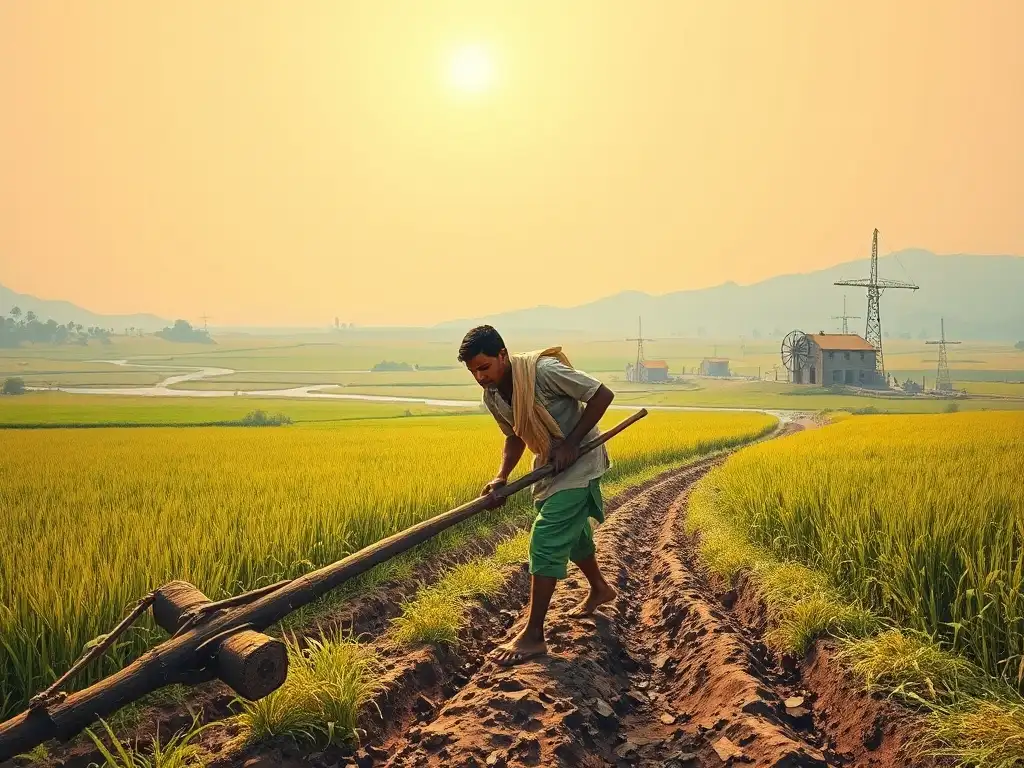
Summary of Ancient Indian Agricultural Inventions
Ancient India was a cradle of agricultural innovation, with several inventions that significantly enhanced farming practices. Among the most notable agricultural inventions are:
- Plough: The development of the plough in ancient India revolutionized tilling, enabling deeper soil cultivation. This tool allowed farmers to prepare land more efficiently, leading to increased crop yields.
- Irrigation Systems: The introduction of complex irrigation techniques, including wells, canals, and tanks, facilitated water management in arid regions. These systems ensured a reliable water supply, significantly impacting crop production.
- Crop Rotation: Ancient Indian farmers practiced systematic crop rotation, which improved soil fertility and reduced pest infestations. This method ensured sustainable agricultural practices by maintaining the health of the land.
- Fertilizers: The use of organic fertilizers, such as compost and animal manure, was prominent in ancient Indian agriculture. This practice enriched the soil and boosted productivity, laying the groundwork for modern organic farming.
These inventions reflect the ingenuity of ancient Indian civilizations and their profound understanding of agricultural science.
The Lasting Influence on Modern Agricultural Practices
The agricultural inventions of ancient India have left an indelible mark on contemporary farming practices. For example, the plough remains a fundamental tool in agriculture worldwide, evolving with technology but retaining its core function.
| Ancient Invention | Modern Equivalent | Impact |
|---|---|---|
| Plough | Tractor and implements | Increased efficiency and productivity |
| Irrigation Systems | Drip and sprinkler systems | Enhanced water conservation and distribution |
| Crop Rotation | Modern crop management | Improved soil health and sustainability |
| Organic Fertilizers | Bio-fertilizers and compost | Promotion of sustainable farming practices |
Moreover, the principles of crop rotation and organic farming are now widely recognized for their environmental benefits, echoing the wisdom of ancient practices. The emphasis on sustainable agriculture in modern discourse can be traced back to these early innovations, highlighting their relevance in addressing current agricultural challenges.
Encouraging Further Exploration of Ancient Innovations
As we delve deeper into the contributions of ancient Indian agricultural inventions, it becomes evident that exploring these innovations can offer valuable insights into sustainable practices for today’s agricultural landscape.
To encourage further exploration, consider the following:
- Research Ancient Texts: Investigating texts like the Arthashastra can provide a wealth of knowledge regarding agricultural techniques and economic practices.
- Visit Historical Sites: Exploring ancient agricultural sites, such as those in the Indus Valley, can reveal practical applications of these inventions.
- Engage in Community Discussions: Participating in forums focused on ancient agricultural practices can foster a greater understanding and appreciation for these innovations.
By embracing the lessons of ancient Indian agricultural inventions, modern farmers and researchers can contribute to a more sustainable and productive future in agriculture. 🌾
Frequently Asked Questions
What are some key ancient Indian agricultural inventions?
Ancient India is known for several innovative agricultural tools and techniques, including the plough, sickle, and crop rotation methods that significantly enhanced farming efficiency.
How did ancient Indian civilizations contribute to agricultural practices?
Ancient Indian civilizations contributed through the development of advanced irrigation systems and fertilization techniques, which improved crop yields and ensured food security.
What role did the Indus Valley Civilization play in agriculture?
The Indus Valley Civilization is credited with establishing some of the earliest forms of urban agriculture, featuring sophisticated drainage systems and crop storage facilities that supported large populations.
How did the Gupta Empire influence agricultural advancements?
During the Gupta Empire, there was a notable emphasis on scientific farming practices, including the introduction of new crops and improved farming tools that propelled agricultural productivity.
Are there any specific inventions that are still used today?
Many ancient agricultural inventions, such as the plough and various irrigation techniques, laid the groundwork for modern farming methods and are still fundamental in today’s agricultural practices.
Final Reflection: The Enduring Legacy of Ancient Indian Agricultural Inventions
The innovations of ancient Indian agricultural practices remain profoundly relevant today, as they laid the groundwork for sustainable farming techniques that continue to influence modern agriculture. In a world grappling with food security and environmental challenges, revisiting these ancient inventions offers invaluable insights into sustainable practices that can help us cultivate the land responsibly and efficiently. The wisdom embedded in these traditions is not just a relic of the past; it is a beacon guiding us toward a more sustainable future.
The impact of ancient Indian agricultural inventions is evident in the cultural and social fabric of societies around the globe. From the intricate irrigation systems to the use of crop rotation, these practices have shaped not only agricultural productivity but also community resilience and ecological balance. As we reflect on the importance of these innovations, we are reminded of the words of Mahatma Gandhi: The earth provides enough to satisfy every man's needs, but not every man's greed.
This quote encapsulates the essence of sustainable agriculture, urging us to honor the wisdom of our ancestors while addressing the pressing issues of our time.
As we conclude this exploration of ancient Indian agricultural inventions, I invite you to reflect on how these time-honored practices can inspire your own relationship with the land. Consider how you can incorporate sustainable methods into your gardening or farming efforts, and share this knowledge with others. By embracing the lessons of the past, we can cultivate a future that honors both our heritage and the earth itself, ensuring that generations to come will benefit from the rich agricultural legacy that has shaped our world.
Unveil the Treasures of Ancient Agriculture!
Thank you for taking the time to explore the fascinating world of ancient Indian inventions that revolutionized agricultural practices! We hope you’ve gained insights into the innovative spirit of our ancestors and the lasting impact of their ingenuity. Now, let’s take that inspiration and turn it into action!
- Dive deeper into the history of a specific invention that captured your interest. Research how it continues to influence modern agricultural practices today!
- Share your newfound knowledge with friends or on social media to spread awareness about the brilliance of ancient Indian innovations.
- Join a local agricultural community or forum to connect with others who are passionate about sustainable farming methods and ancient techniques.
Which ancient agricultural invention do you believe is most relevant to today's sustainable farming practices? Let’s keep the conversation going!